The best cycling routes around Żerkowsko-Czeszewski Park Krajobrazowy
4.8
(213)
1,122
riders
24
rides
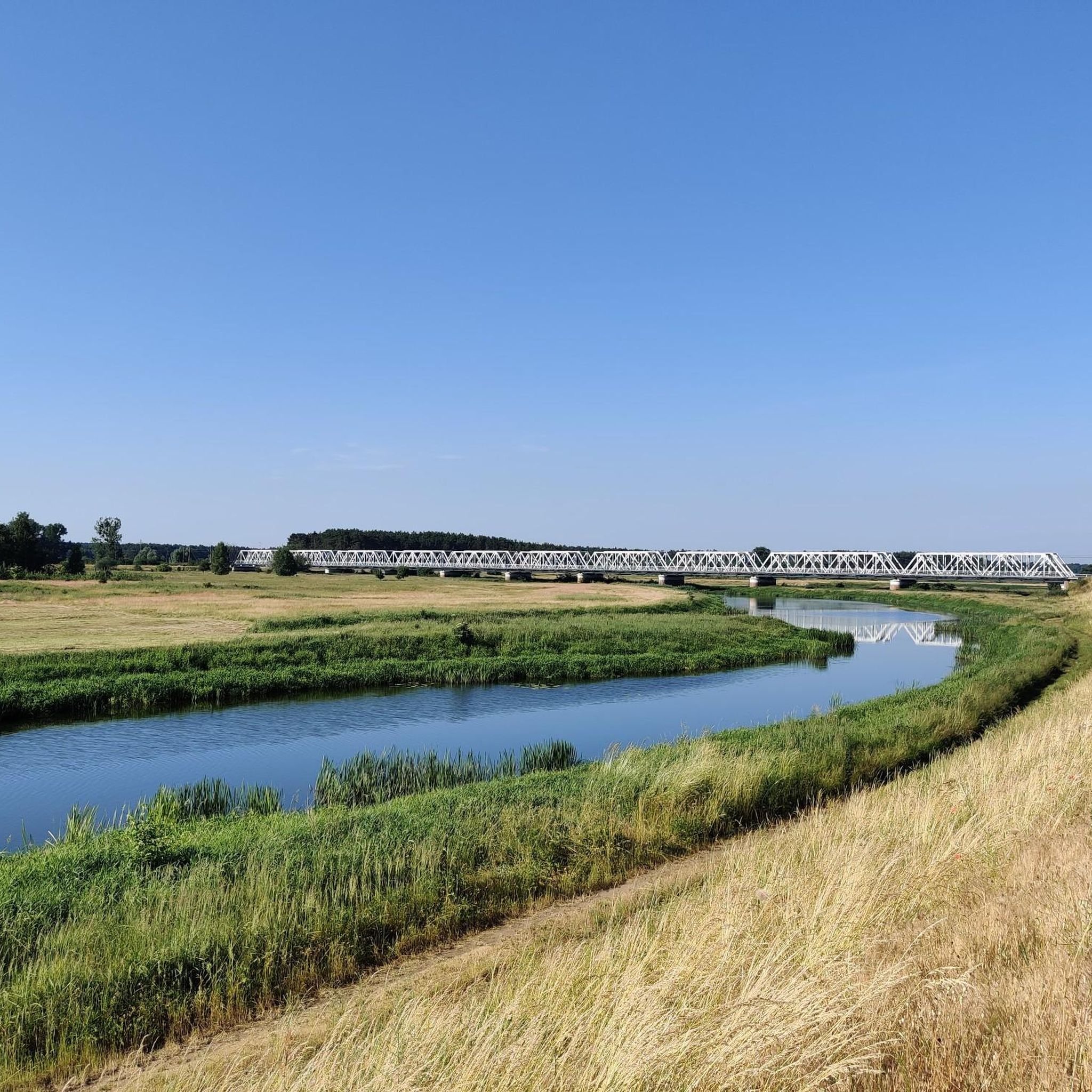
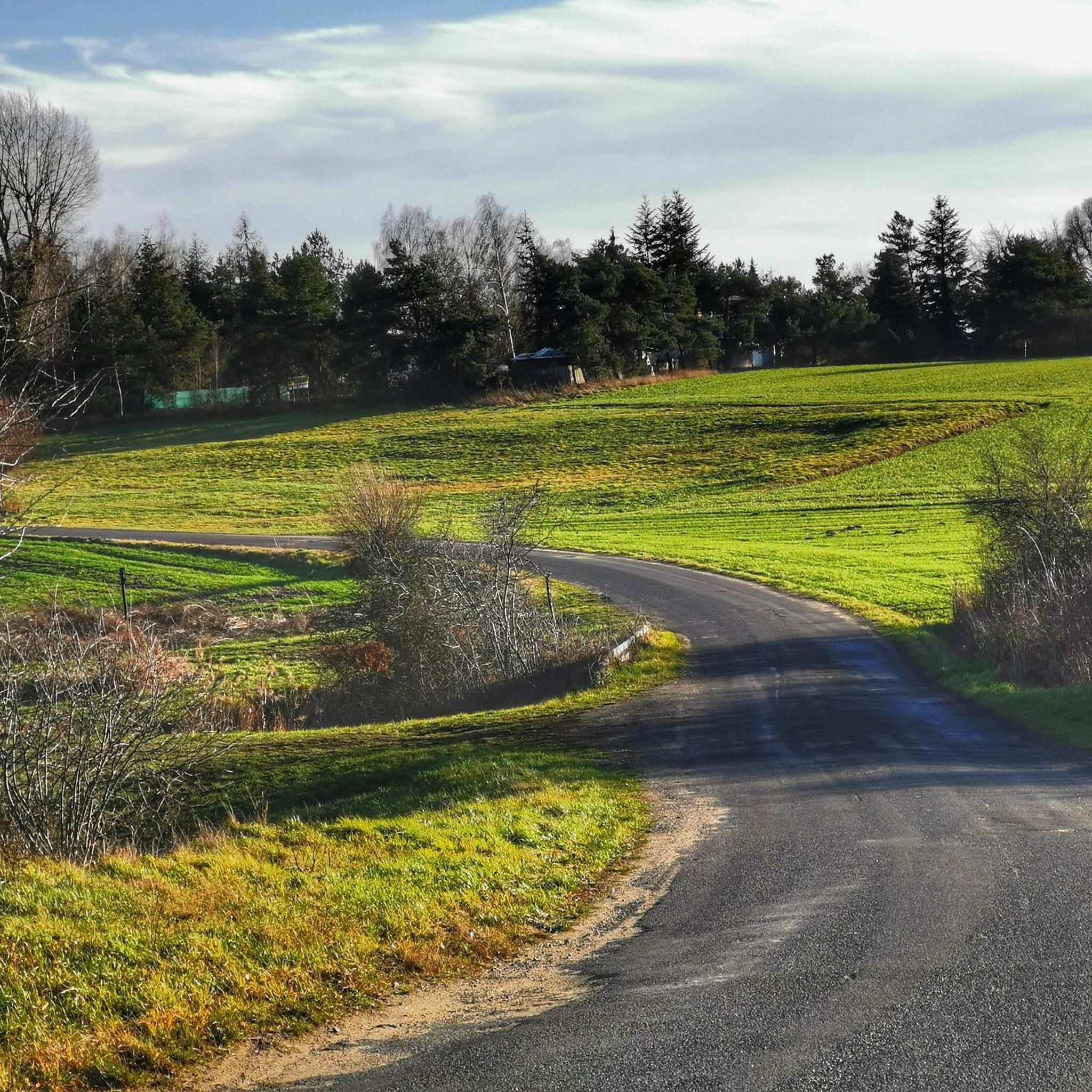
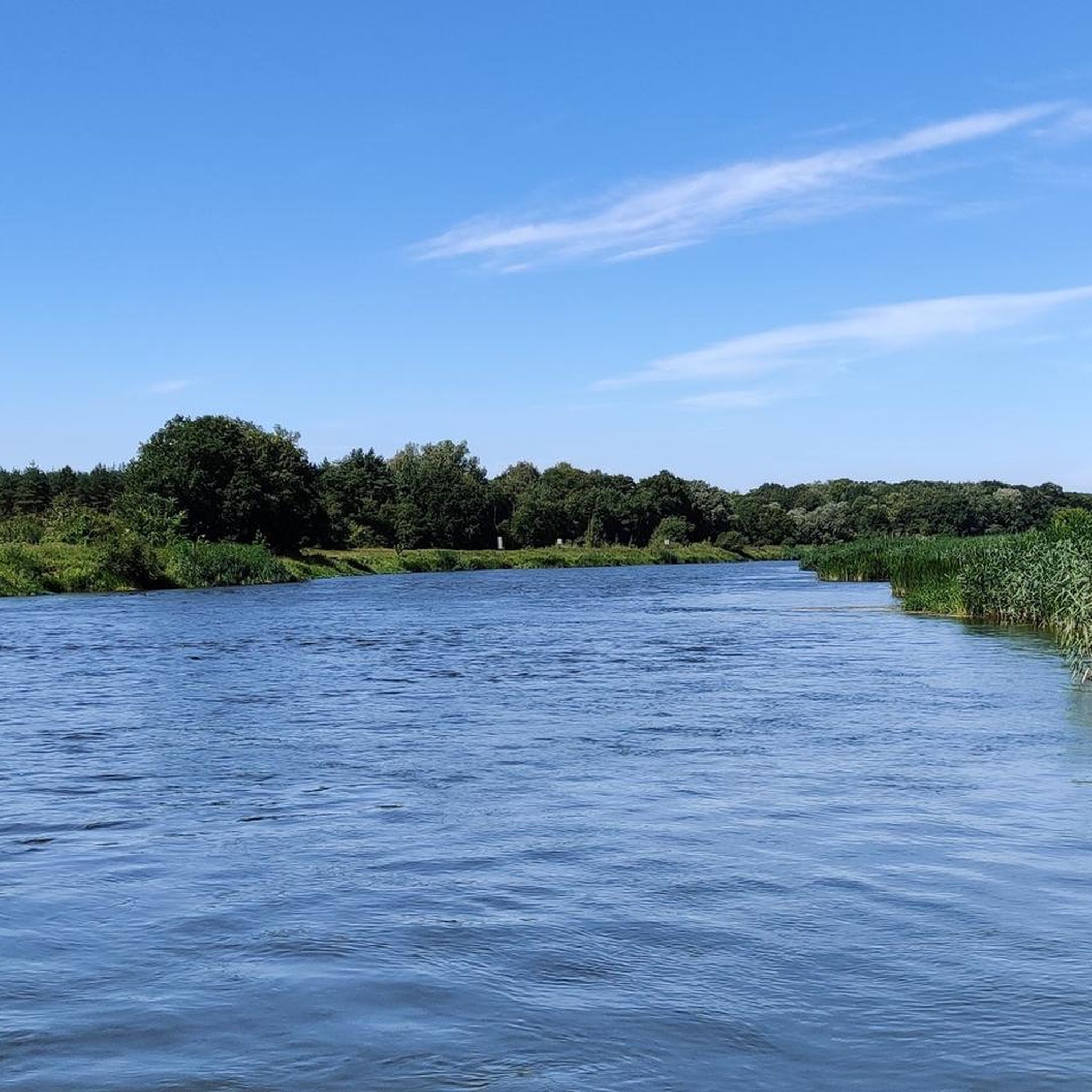
Touring cycling around Żerkowsko-Czeszewski Park Krajobrazowy offers routes through a diverse post-glacial landscape in west-central Poland. The region is characterized by flat and undulating moraine uplands, dissected by river valleys such as the Warta, Miłosławka, and Lutynia. The Żerkowski Embankment, a series of hills, provides elevation changes with peaks up to 161 meters above sea level. Extensive forests, meadows, and nature reserves like Czeszewski Las further define the park's natural environment.
Best touring cycling routes around Żerkowsko-Czeszewski Park Krajobrazowy
- The…
Last updated: October 24, 2026
5.0
(3)
8
riders
Moderate bike ride. Good fitness required. Mostly paved surfaces.
4.0
(7)
4
riders
Easy bike ride. Mostly paved surfaces.

4
riders
13.1km
00:45
40m
40m
Easy bike ride. Mostly paved surfaces.
5.0
(1)
2
riders
14.2km
00:52
30m
30m
Easy bike ride. Mostly paved surfaces.
5.0
(3)
4
riders
Easy bike ride. Mostly paved surfaces.
Get access to more routes and recommendations from other explorers.
Already have an account?
Our route recommendations are based on thousands of hikes, rides, and runs completed by other people on komoot.
Start today with a free account
Your next adventure awaits.
Popular around Żerkowsko-Czeszewski Park Krajobrazowy

Tips from the Community

The crossing is currently closed until further notice due to renovation.
0
0

The bench was unveiled on September 10, 2024. Henryk Sienkiewicz is associated with the Mielżyński Palace in Miłosław primarily through the unveiling of the Juliusz Słowacki monument, which took place on September 16, 1899, in the palace park. Sienkiewicz himself officially unveiled this, the first monument to the poet in Polish lands. The ceremony had a patriotic dimension and brought together many distinguished Poles from various partitions. Furthermore, Henryk Sienkiewicz was a guest at the palace, which was also frequented by other renowned artists and creators, underscoring the cultural significance of this place in the past.
0
0
The palace was built in the early 19th century at the request of Józef Mielżyński, according to a design by K.F. Schinkel, as a (then relatively modest) villa-palace. In the mid-19th century, it was expanded to include the wings of the southern façade, the western wing, and a tower in the Neo-Renaissance style. The reconstruction was designed by Count Seweryn Mielżyński himself. He intended to designate the eastern wing of the façade as a picture gallery. The next reconstruction took place at the end of the 19th century. It was carried out by the next owner of Miłosław, Józef Kościelski, to whom the palace owes its regular façade wings, the Grand Order portico, the balustrade-like finial, and the additional tower story, among other things. Thanks to these efforts, the palace acquired the classic appearance of a Neo-Renaissance residence. The façade, with its central projection and Grand Order portico, is particularly impressive. Four Ionic columns support the architrave, which supports the triangular pediment. The avant-corps is connected to the side wings, which protrude significantly from the facade, and feature charming galleries decorated with vases. A quadrangular tower, topped by a belvedere surrounded by a balustrade, dominates the entire structure. The garden façade is enhanced by a perpendicularly added wing. The palace stands in a beautiful landscaped park. (naprzekordniom.wordpress.com) Currently (October 2025), the building is undergoing facade renovations.
0
0

Miłosław Palace is a 19th-century Classicist residence located in the southern part of the city. Built as a Neo-Renaissance villa designed by Karl Friedrich Schinkel, it was subsequently expanded several times, including by Seweryn Mielżyński. In its heyday, it served as an "open house," hosting distinguished writers, musicians, and painters, and housed a museum housing a valuable art collection. Burnt down in 1945, it was rebuilt in the 1960s, preserving its original appearance. Today, it houses a school, and the building is surrounded by a picturesque park, worth visiting on a bicycle tour of the area.
3
0

The structure is OK, but the decking is in poor condition. The bridge is impassable. But you can walk a bicycle across.
0
0

It is worth checking when planning whether the ferry runs
0
0
You can wait for the ferry in rain or sun
0
0
Free crossing, current operating hours are in the photo.
0
0
Frequently Asked Questions
How many touring cycling routes are available in Żerkowsko-Czeszewski Park Krajobrazowy?
There are over 150 touring cycling routes available in Żerkowsko-Czeszewski Park Krajobrazowy, offering a wide variety of options for different preferences and fitness levels.
What kind of terrain can I expect when touring cycling in Żerkowsko-Czeszewski Park Krajobrazowy?
The park features a diverse post-glacial landscape. You'll encounter both flat and undulating moraine uplands, river valleys like the Warta, Miłosławka, and Lutynia, and the more challenging terrain of the Żerkowski Wall, which offers significant elevation changes and scenic views.
Are there easy touring cycling routes suitable for beginners or families?
Yes, the park offers a good selection of easy touring cycling routes. Over 115 routes are classified as easy, making them suitable for beginners or families looking for a relaxed ride. An example is the Fortuna Brewery – Władysław Rabski’s Villa loop from Miłosław, which is 7.2 miles (11.5 km) long and generally takes about 40 minutes.
Are there more challenging touring cycling routes with significant elevation changes?
While most routes are easy to moderate, the park does offer some routes with more significant elevation changes, particularly around the Żerkowski Wall. This moraine hill provides relative heights reaching up to 90 meters, offering a more challenging and scenic experience. There are 7 routes classified as difficult.
What natural features can I see along the touring cycling routes?
Cyclists can explore the Warta River valley with its oxbow lakes, extensive forests like Czeszewski Las, and the varied topography of the Żerkowski Wall. The park is also known for its nature reserves and offers opportunities for birdwatching, especially during migration periods.
Are there any historical or cultural landmarks to visit while cycling?
Yes, the region is rich in history. You can visit the 18th-century Adam Mickiewicz Museum and Gardens in Śmiełów, the 15th-century Gothic church in Dębno, or the 19th-century neo-Renaissance Miłosław Palace. Some routes, like the Bridge Over the Lutynia – Radoliński Palace loop from gmina Żerków, pass by historic sites.
Are there options for parking near the touring cycling routes?
Yes, you can typically find parking in the towns and villages surrounding the park, such as Żerków, Miłosław, and Czeszewo, which serve as common starting points for many routes. Specific parking availability may vary by trailhead.
Can I reach the park by public transport for touring cycling?
The park is located within the Greater Poland Voivodeship, which has a growing network of public transport. While direct routes into the heart of the park might be limited, you can likely reach nearby towns like Żerków, Miłosław, or Nowe Miasto nad Wartą by regional buses or trains, from where you can start your cycling adventure.
Are dogs allowed on touring cycling routes in Żerkowsko-Czeszewski Park Krajobrazowy?
Generally, dogs are allowed on public trails in Polish landscape parks, but they should always be kept on a leash to protect wildlife and ensure the safety of other visitors. Please check local regulations or signage for any specific restrictions within nature reserves or protected areas.
What do other touring cyclists say about their experience in Żerkowsko-Czeszewski Park Krajobrazowy?
The touring cycling routes in Żerkowsko-Czeszewski Park Krajobrazowy are highly rated by the komoot community, with an average score of 4.8 stars from over 170 reviews. Cyclists often praise the varied post-glacial landscapes, the scenic Warta River valley, and the extensive forests that make for a picturesque ride.
Are there any circular touring cycling routes in the park?
Yes, many of the touring cycling routes in Żerkowsko-Czeszewski Park Krajobrazowy are designed as loops, allowing you to start and end your journey in the same location. For example, the Warta River Near Orzechowo – Nowa Wieś Podgórna Ferry loop from gmina Żerków is a popular circular option.
What is the best time of year for touring cycling in Żerkowsko-Czeszewski Park Krajobrazowy?
The best time for touring cycling is typically from spring to autumn (April to October), when the weather is mild and the natural scenery is at its most vibrant. Spring offers blooming flora, while autumn provides beautiful fall colors. Summer is also pleasant, though it can be warmer.
Most popular routes around Żerkowsko-Czeszewski Park Krajobrazowy
Most popular attractions around Żerkowsko-Czeszewski Park Krajobrazowy

Get inspired with the komoot mobile app


Explore more
Browse the best Cycling routes in other regions.
