Top 20 Caves around Sant Llorenç Savall
Best caves around Sant Llorenç Savall are situated within the Parc Natural de Sant Llorenç del Munt i l'Obac, offering access to a range of geological formations. The region features karstic caves, historical shelters, and unique natural monuments. These sites provide insights into the area's geology, past human occupation, and local folklore.
Best caves around Sant Llorenç Savall
- The most popular caves is Sant Miquel del Fai Road, a cycle way that features a gorge, viewpoint, and natural monuments.…
Last updated: July 12, 2026
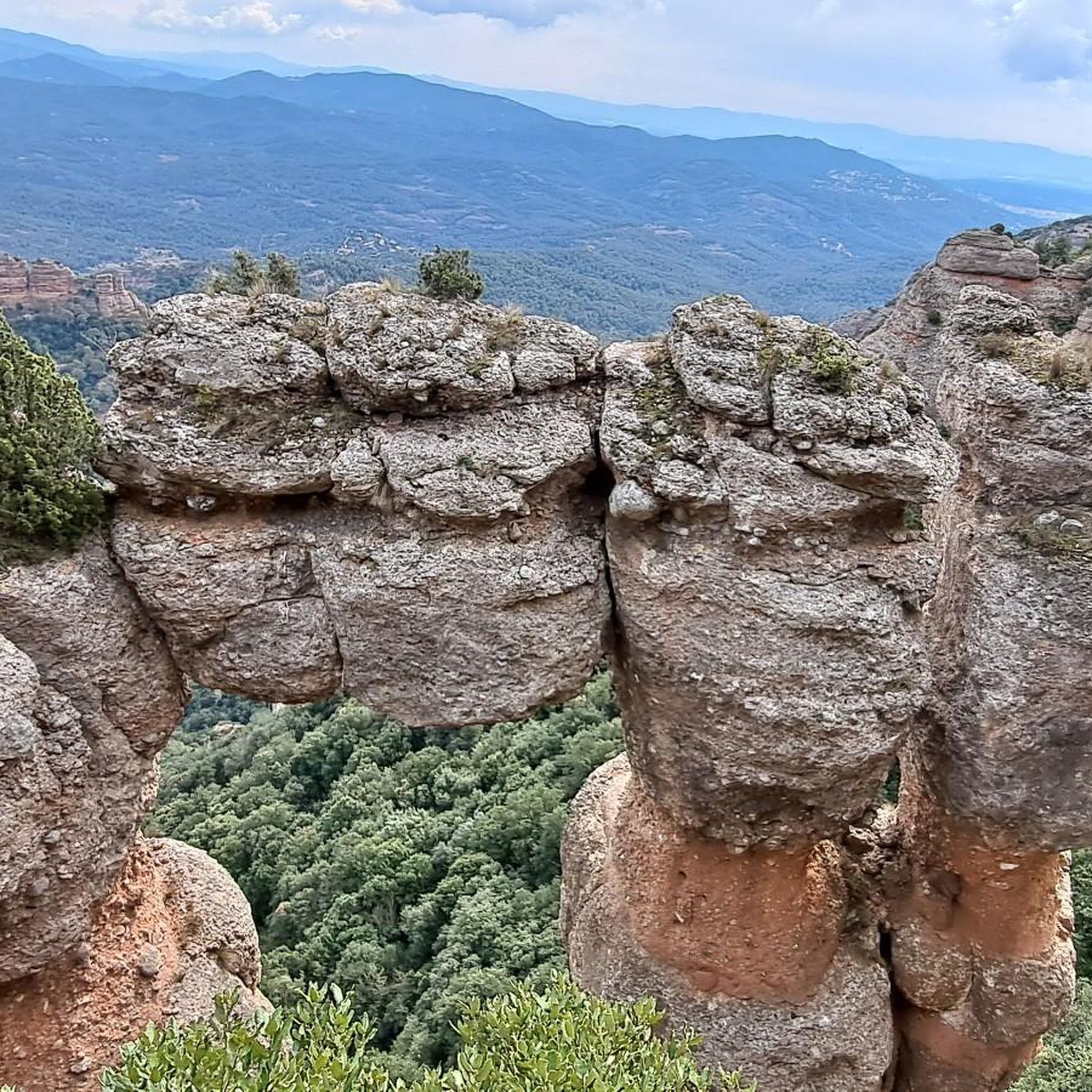
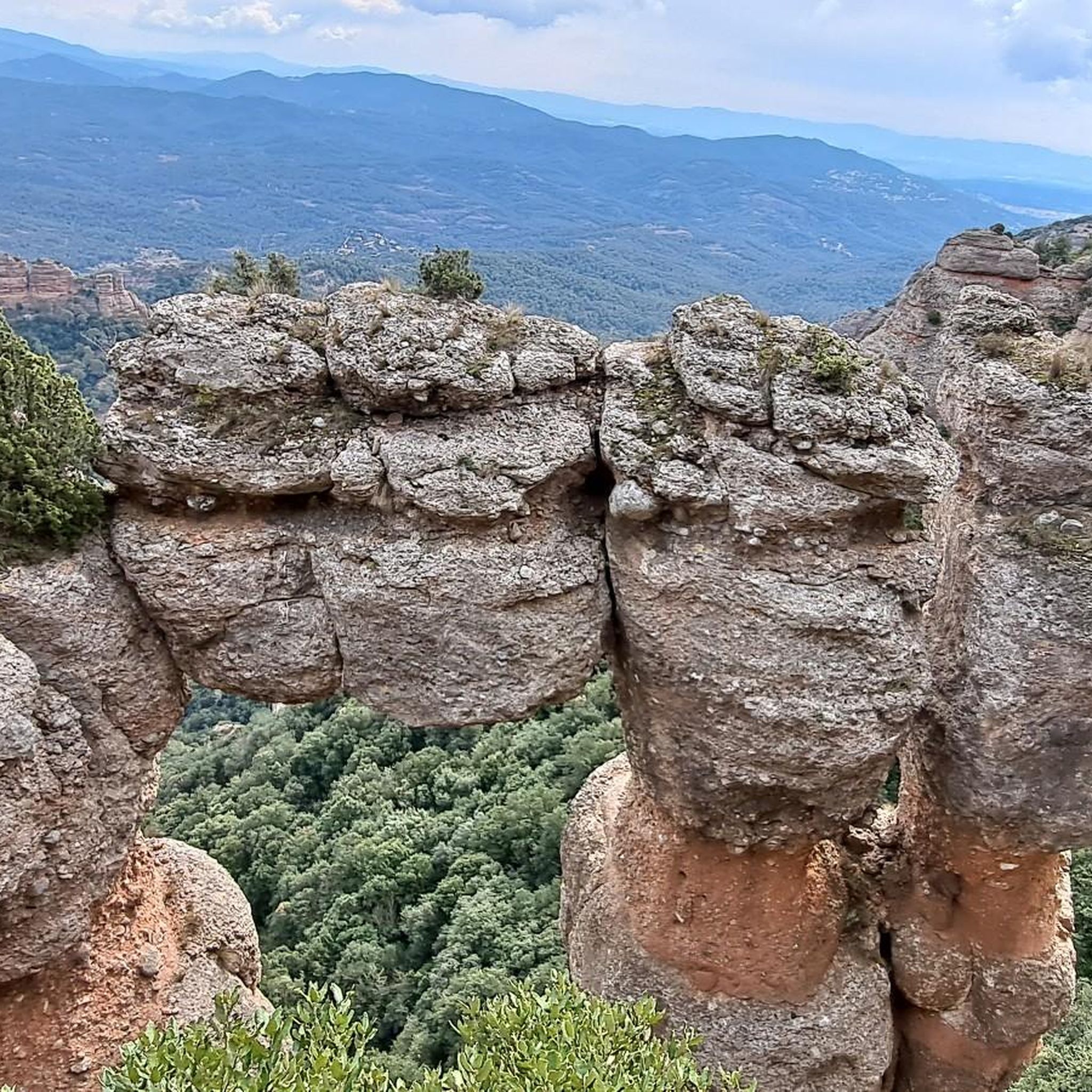
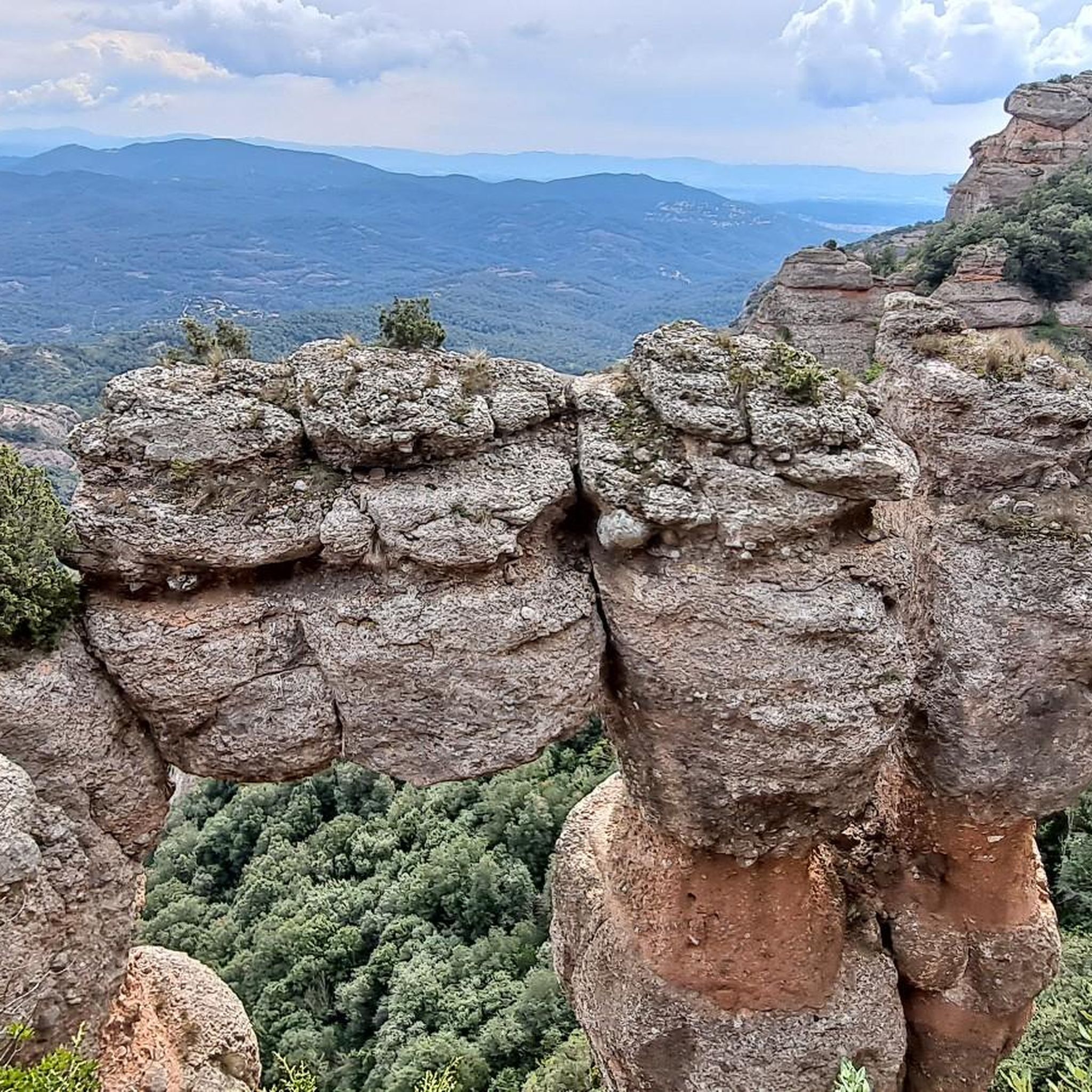
Morral del Drac
Highlight • Natural Monument
Translated by Google •
Tip by

Sant Miquel del Fai Road
Highlight • Cycleway
Tip by

Sign up now to discover places like this
Get recommendations on the best single tracks, peaks, & plenty of other exciting outdoor places.
Sign up for free
Sant Miquel del Fai Monastery and Waterfall
Highlight • Historical Site
Translated by Google •
Tip by

The Blood Hospital
Highlight • Cave
Translated by Google •
Tip by

Hermitage of Santa Agnès
Highlight • Religious Site
Translated by Google •
Tip by

Sign up for free to discover even more caves around Sant Llorenç Savall.
Sign up for free
Already have an account?
Start today with a free account
Your next adventure awaits.
Login or Signup
Popular around Sant Llorenç Savall
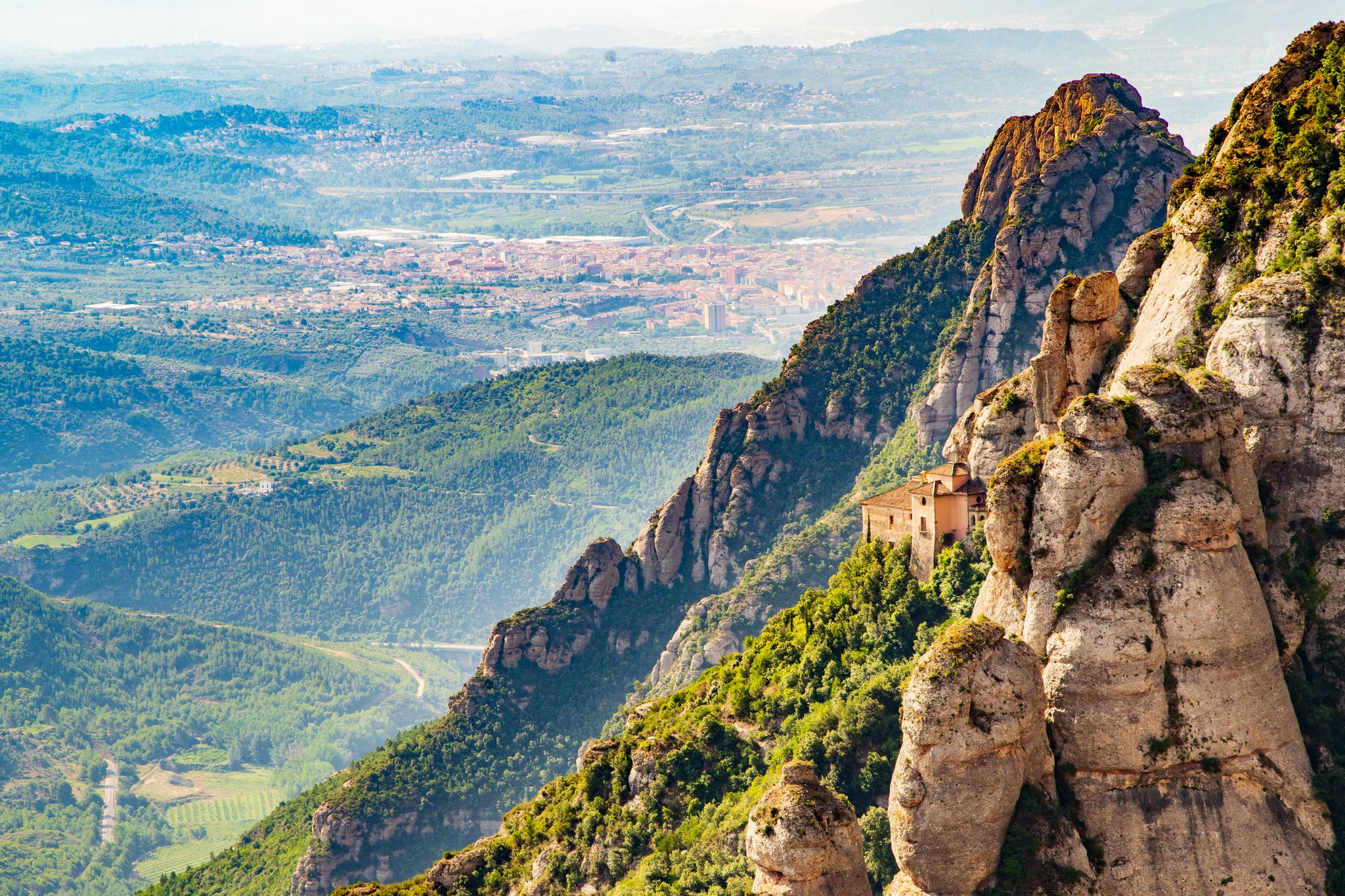
The Barcelona Arch – Natural Parks Trail (GR 5)
Running Trails around Sant Llorenç Savall
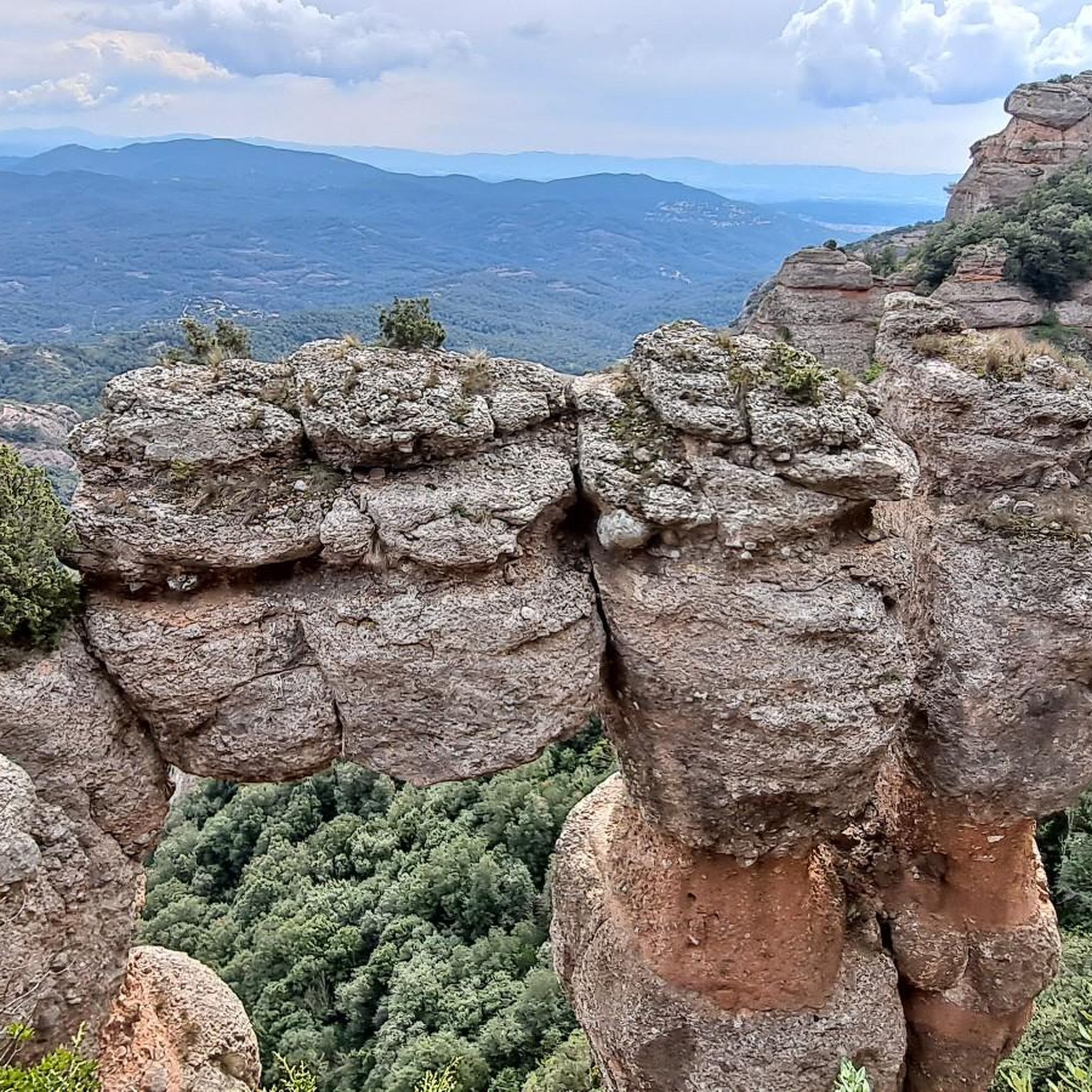
Road Cycling Routes around Sant Llorenç Savall
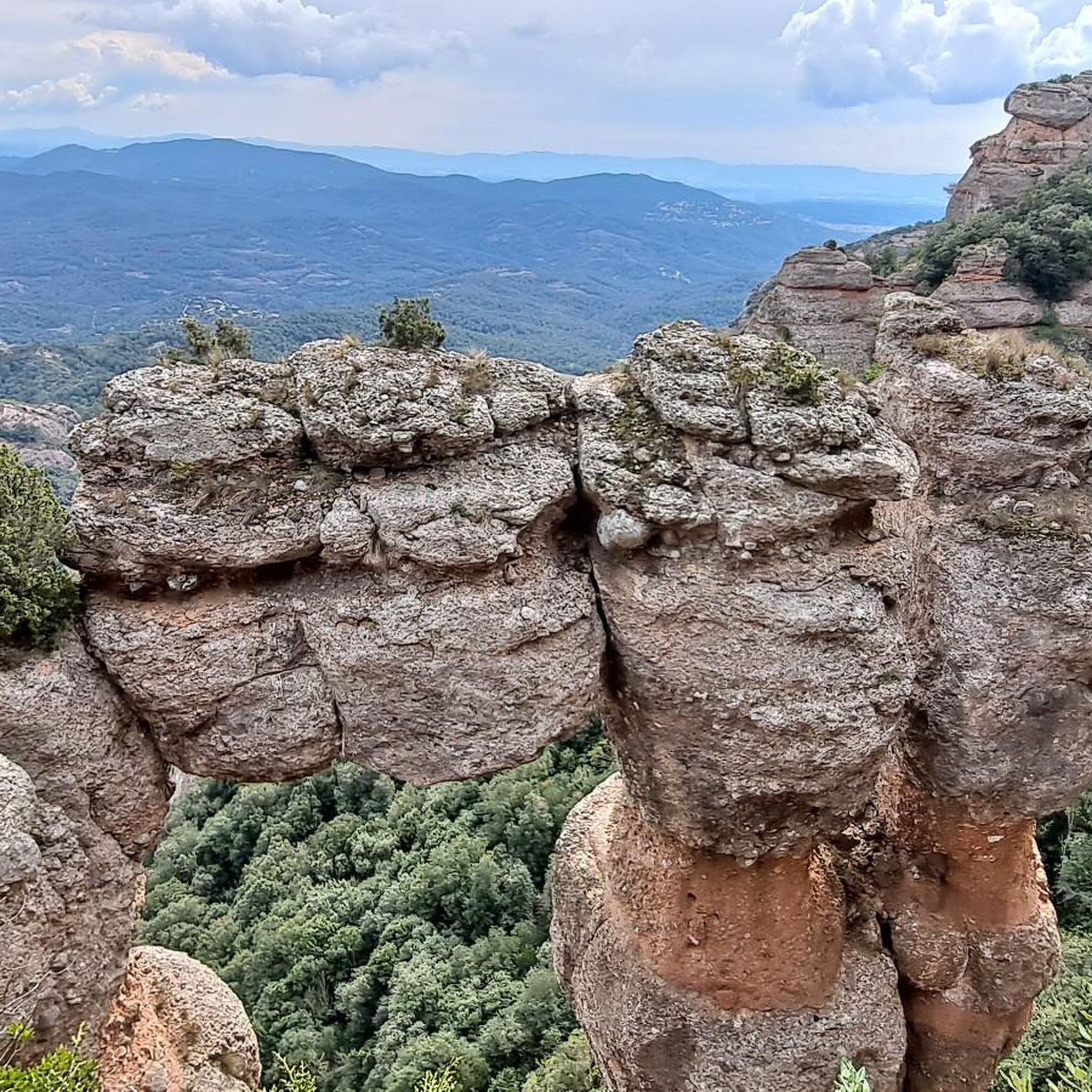
Cycling around Sant Llorenç Savall
Hiking around Sant Llorenç Savall
Gravel biking around Sant Llorenç Savall
MTB Trails around Sant Llorenç Savall
Mountain Hikes around Sant Llorenç Savall
Other adventures around Sant Llorenç Savall

Tips from the Community

A real discovery! Superb views, decent asphalt and virtually no cars.
0
0


Especially if it has rained, it is spectacular
0
0


An incredible road with almost no cars. On one side you have cliffs and on the other stunning views. At the end of the road you will come to a monastery. Pay attention in the curves because, despite the fact that there are not many cars, when one passes there is not much space left on the road.
0
1

Old Benedictine sanctuary located in the municipality of San Feliu de Codinas, in the Catalan region of Vallés Oriental. The church was built in a cave, with its own stone serving as a roof. It is the largest troglodyte church in the country. It has a Romanesque portal formed by a semi-circular arch.
1
0

Beautiful grand canyon style road with a nice monastry build in the mountains...a must see if you are in the region !
0
0

03/24/2022 The Sant Miquel del Fai site remains closed for works and will partially reopen to the public once the works on the car park and the conditioning of the external spaces are finished. In this sense, visitors are reminded that they cannot access it until the opening is made. The conditioning works began with the actions related to the natural environment to be able to guarantee the safety of all visitors. In this sense, sanitation and stabilization works were carried out on the cliff up to the waterfall of the Tenes river. The security of the facilities has been strengthened, with work to stabilize the slopes and renew the 1,500 meters of railings throughout the circuit, the lighting and the external wiring. The Diputació de Barcelona has owned the Sant Miquel del Fai complex since 2017, the year in which it acquired it with the intention of adapting it. It has been closed to the public since then, in order to carry out the necessary conditioning works and decide on its use plan and management as a space within the Natural Parks Network. The downpours and the COVID-19 pandemic have delayed the works. The complex of Sant Miquel del Fai is a Cultural Asset of National Interest and is included in the Plan of Areas of Natural Interest of the Cingles de Bertí, which is why the adaptation works have been fully adjusted to the conservation objectives patrimonial In December 2018, the Diputació de Barcelona also acquired the cartulary of the Benedictine monastery of Sant Miquel del Fai, a document from the 14th century of great historical importance.
2
0
Frequently Asked Questions
What historical or archaeological significance do the caves around Sant Llorenç Savall hold?
The caves in the region are rich in history. Cova Simanya is a significant archaeological site with findings from the Paleolithic to the Middle Ages. The Blood Hospital served as a Carlist army hospital in the 19th century. Cau dels Emboscats was a refuge during the Spanish Civil War, and the Sescorts Caves were historically used for housing cattle.
Are there any caves with unique geological formations or natural landmarks?
Yes, the region features several unique natural formations. Morral del Drac is a striking 32-meter-high monolith formed by two large conglomerate blocks. Cova Simanya is a large hypogean talveg of karstic origin, and the Sant Miquel del Fai Monastery and Waterfall allows visitors to explore stalactite caves behind a waterfall.
Are all caves in the region freely accessible, or do some require guided visits?
Access to Cova Simanya is currently restricted for free entry to preserve its archaeological remains. Guided tours are offered on weekends and holidays from the Coll d'Estenalles Information Center, allowing exploration while learning about its geology and archaeological studies.
Are there family-friendly caves or areas suitable for children near Sant Llorenç Savall?
The Sescorts Caves are a good option for families, as the area around them provides a suitable play and picnic area. While some caves may require more challenging access, many offer interesting historical or natural features that can engage children.
What legends or folklore are associated with the caves in this area?
The Morral del Drac is famously linked to the legend of a dragon that terrorized the region. Cova Simanya also has legends surrounding it, depicting it as a lair for mythical beasts or even a hidden subterranean city.
Can I find caves that combine natural wonder with historical architecture?
Yes, the Santa Agnès cave-chapel is a unique site where a medieval, Gothic-style hermitage is built directly into a cave. It features beautiful natural sinks filled with water and has been a site of worship since the 14th century.
Are there any caves that show how humans have adapted natural rock formations?
The Òbits Caves are a fascinating example of 'wrought caves,' modified and adapted by humans over time. They resemble a two-chamber, two-story farmhouse and were historically used for purposes like counterfeiting currency, showcasing centuries of human interaction with the landscape.
What outdoor activities can I do near the caves around Sant Llorenç Savall?
The region offers various outdoor activities. You can find excellent options for road cycling, mountain hikes, and general cycling. Many routes pass by or near these natural and historical sites, offering a blend of exploration and physical activity.
Are there hiking trails that lead to or pass by these caves?
Yes, many hiking trails in the Parc Natural de Sant Llorenç del Munt i l'Obac lead to or offer views of the caves. For instance, the area around Morral del Drac is part of the Carena del Pagès ridge, and the Santa Agnès cave-chapel is located in one of the more untamed areas of the massif, accessible via trails.
What is the newest discovered cave in the immediate vicinity of Sant Llorenç Savall?
The Cova de Sant Joan, located directly in Sant Llorenç Savall, was discovered relatively recently in 2013. It features two parallel entrance galleries, offering a chance to explore a newer natural cavity close to town.
What do visitors enjoy most about the caves around Sant Llorenç Savall?
Visitors appreciate the diverse range of experiences, from exploring ancient archaeological sites like Cova Simanya to witnessing unique natural monuments such as Morral del Drac. The blend of geology, history, and local legends, often combined with scenic hikes, makes these caves a popular destination.
Most popular routes around Sant Llorenç Savall
Most popular attractions around Sant Llorenç Savall

Get inspired with the komoot mobile app


Explore more
Extend your search for the best caves by checking out these guides of the top ones around Sant Llorenç Savall:
