Attractions and Places To See around Cabra Del Santo Cristo - Top 20
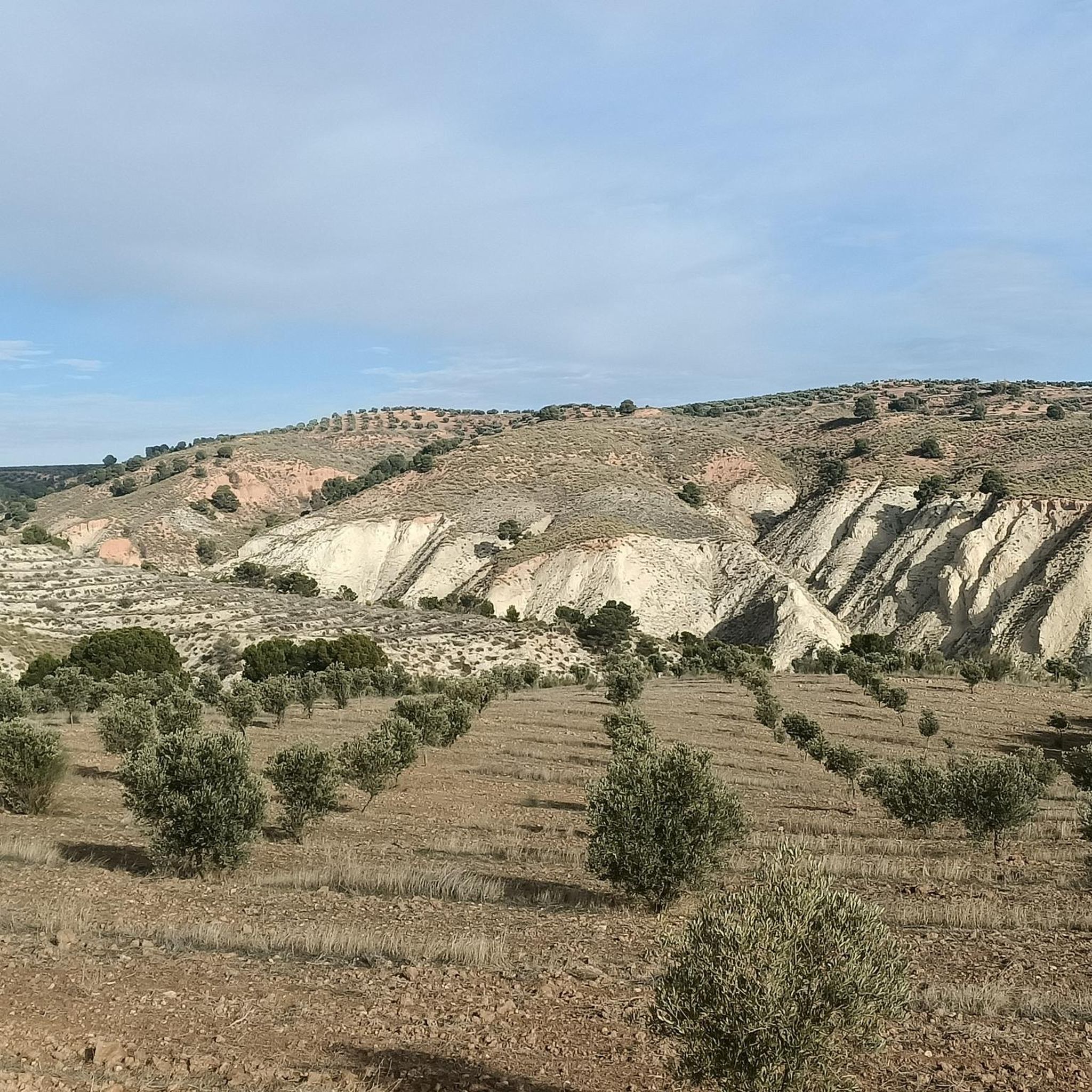
Best attractions and places to see around Cabra Del Santo Cristo, a historic town in Jaén, Spain, offers a diverse landscape at the foothills of the Sierra Mágina Natural Park. The region is characterized by olive groves, cereal fields, and fruit trees, alongside significant natural formations. Its history is reflected in ancient ruins and architectural sites, providing a blend of cultural heritage and natural beauty. The area features sub-desert badlands with ravines and mid-mountain zones, offering varied exploration opportunities.
Best attractions and places to see around Cabra Del Santo Cristo
- The most popular attractions is Source of the Cuadros River, a river that is a place of natural beauty located in the Sierra Mágina Natural Park. It is also known as the Adelfal path, accompanying one of the most important natural masses of oleander on the peninsula.
- Another must-see spot is Parish Church of Santa Ana, Villanueva de la Torre, a religious building with an impressive Baroque façade and tall towers. The interior features religious paintings, sculptures, and stained glass windows, housing valuable objects including sculptures from the school of Alonso Cano.
- Visitors also love Gravel Climb of Dreams, an intermediate climb with beautiful quiet gravel paths. The percentages are manageable, and it offers scenic views, especially at sunrise or sunset.
- Cabra Del Santo Cristo is known for its historical sites, natural features, and religious buildings. The area offers a variety of attractions to see and explore, from ancient castles to natural parks and unique geological formations.
- The attractions around Cabra Del Santo Cristo are appreciated by the komoot community, with 18 upvotes and 6 photos shared by visitors.
Last updated: May 9, 2026
Source of the Cuadros River
Highlight • River
Translated by Google •
Tip by

Parish Church of Santa Ana, Villanueva de la Torre
Highlight • Religious Site
The interior is decorated with beautiful religious paintings, sculptures and stained glass windows depicting biblical stories and venerated saints. The church was built in the 18th century. The church houses valuable objects, including sculptures from the school of Alonso Cano and a Christ on the Cross from the time when Cardinal Cisneros and the Catholic Monarchs passed through these lands.
Translated by Google •
Tip by

Sign up now to discover places like this
Get recommendations on the best single tracks, peaks, & plenty of other exciting outdoor places.
Sign up for free
Gravel Climb of Dreams
Highlight (Segment) • Climb
Translated by Google •
Tip by

Jódar
Highlight • Settlement
Translated by Google •
Tip by
Winding Road Through Geoparque de Granada
Highlight • Trail
Translated by Google •
Tip by
Sign up for free to discover even more attractions around Cabra Del Santo Cristo.
Sign up for free
Already have an account?
Start today with a free account
Your next adventure awaits.
Login or Signup
Tips from the Community

The source of the Cuadros River is a place of great natural beauty located in the Sierra Mágina Natural Park, near Bedmar and Garcíez. This source, also known as the Sistillo, is one of the highlights of the Oleander Route.
5
0

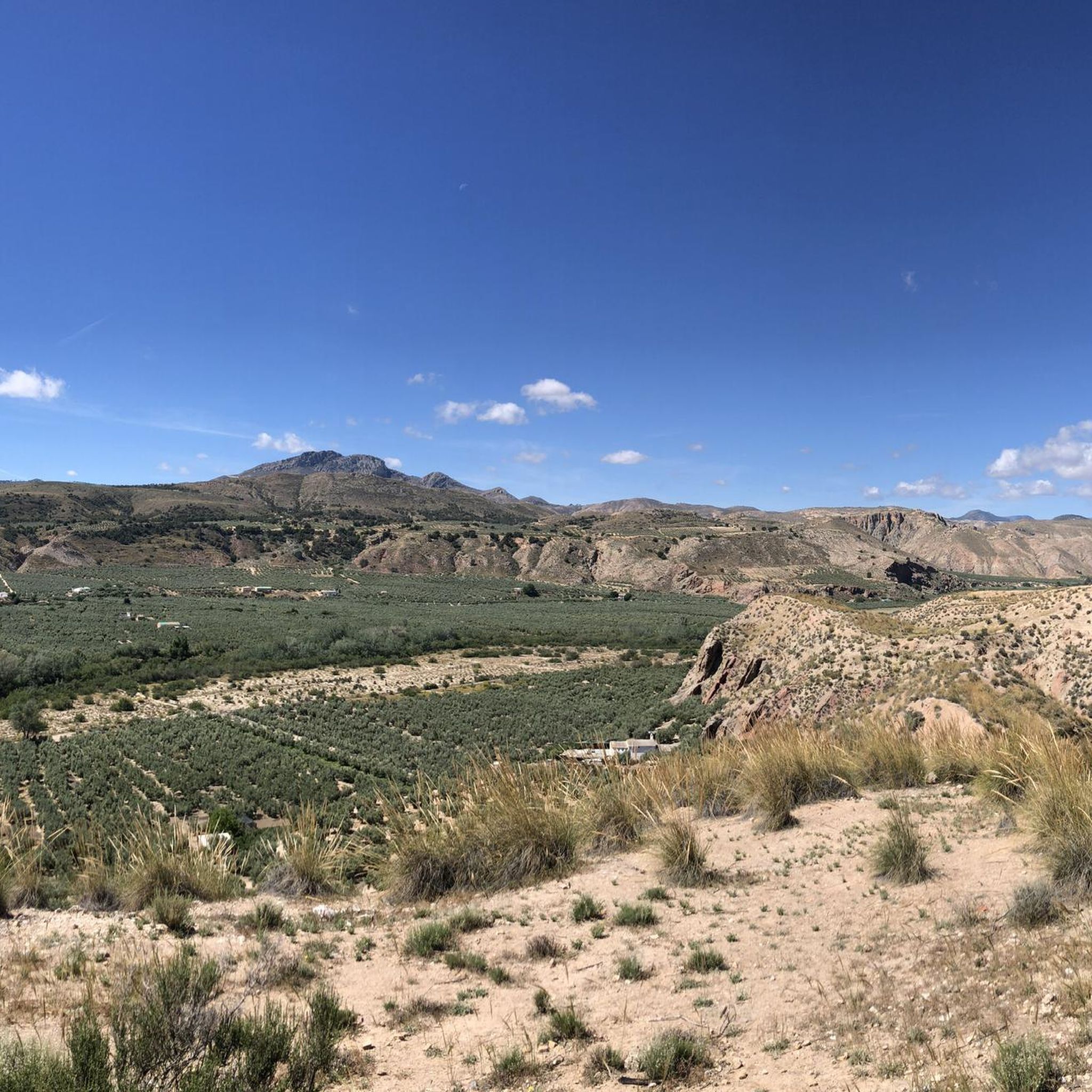
This beautiful village, surrounded by olive groves, is located at the foot of the Sierra Magina mountain range, with olive trees on one side and mountains on the other. The village, the most populated in the park, extends over a hill under the watchful eye of a beautiful castle, which is also part of the historical artistic site. It also has a beautiful parish church. The municipality is located in the Sierra Magina Natural Park, part of the Subbetic region, which offers beautiful and spectacular views. As for the vegetation, holm oaks and gall oaks are common, as well as pines and salgareños. The rich and varied flora and fauna are also important. Part of the Alto Guadalquivir nature reserve, an important wetland of great ecological importance, is also located in the district.
7
0
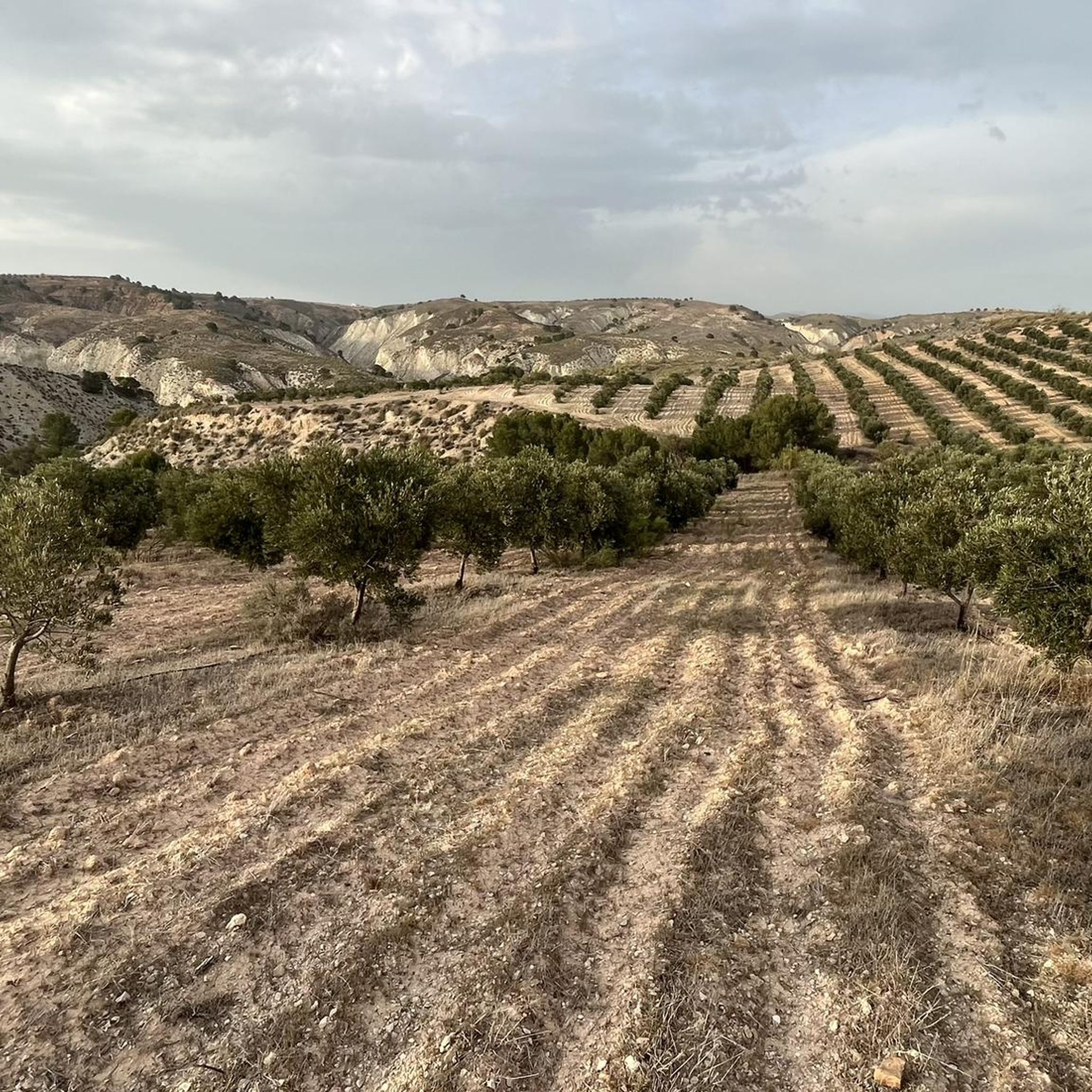
Beautiful striking landscape. Towards Dehesas de Guadix it starts to climb. After all we leave the valley of the Rio Fardes and drive to the valley of the rio Guadahortuna.
6
0

The Iglesia Parroquial de Santa Ana is a beautiful parish church. The church has an impressive Baroque façade with tall towers that rise to the sky. The interior is decorated with beautiful religious paintings, sculptures and stained glass windows depicting biblical stories and venerated saints. The church was built in the 18th century. The church houses valuable objects, including sculptures from the school of Alonso Cano and a Christ on the Cross from the time when Cardinal Cisneros and the Catholic Monarchs passed through these lands.
7
0

Here you can sit in the shade and enjoy your snacks and drinks from the supermarket opposite.
2
0

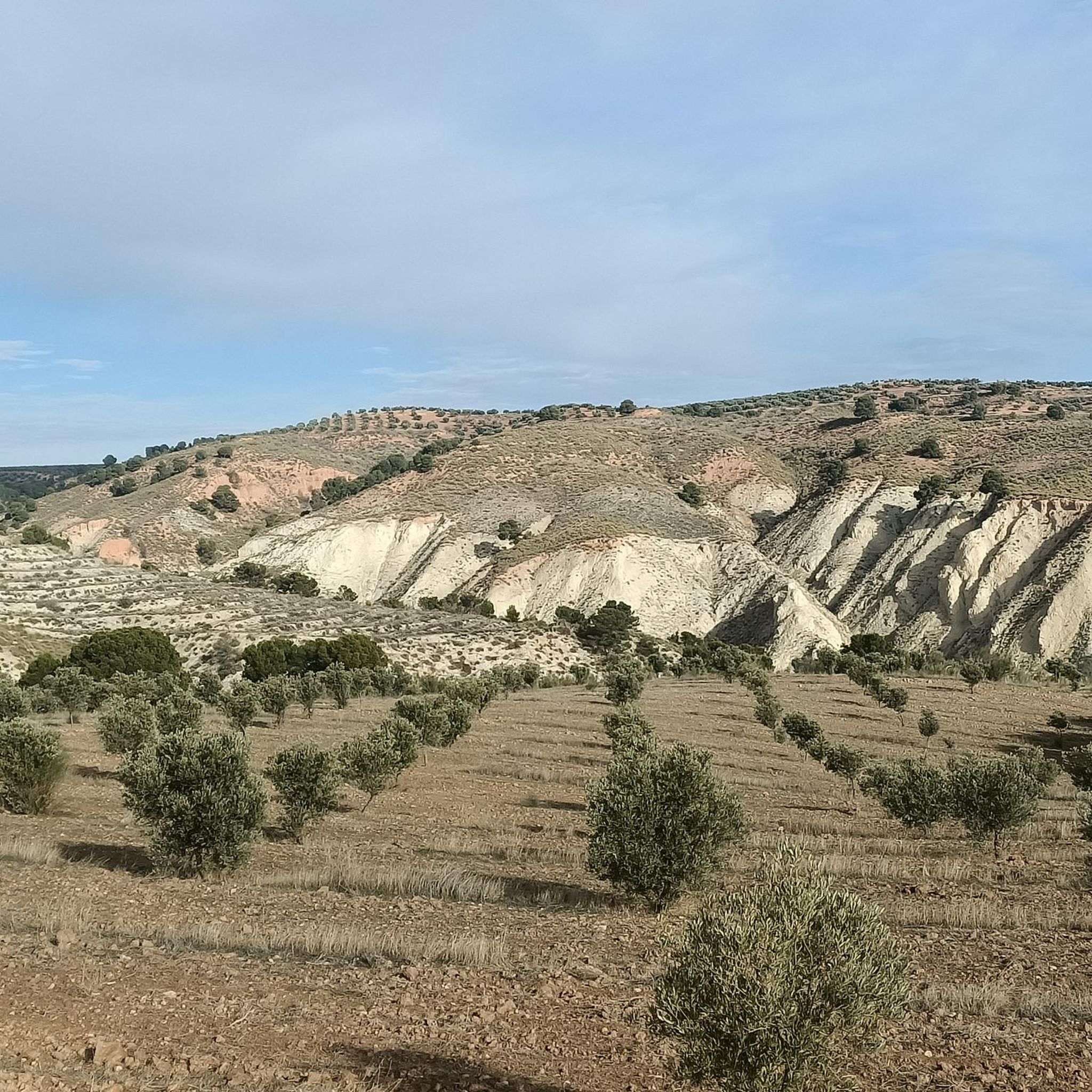
Beautiful quiet gravel climb up to the north. The percentages are doable and only slightly steeper in one or two places. Just after the top on the left you can stay in a refugio, a free stay with a beautiful view. You definitely want to be here at sunrise or sunset.
4
0

Also known as the Adelfal path of the Cuadros river. Path that enters a river that accompanies one of the most important natural masses of oleander on the peninsula. During your tour you can see the abundance of oleander formations that develop an exceptional landscape.
1
0
Frequently Asked Questions
What historical sites can I explore in Cabra del Santo Cristo?
Cabra del Santo Cristo is rich in history. You can visit the ancient ruins of the Castillo de Cabra del Santo Cristo on Cerro de San Juan, which has Iberian-Roman, Muslim, and Christian origins. The town also features the impressive Iglesia de Nuestra Señora de la Expectación, a 16th-century church that became a pilgrimage center, and the Baroque-Mudéjar style La Casa Grande from the 17th century. Don't miss the Cruz de Serón, a significant religious symbol in Plaza de Serón, and the 17th-century Ermita del Sudor and Ermita de la Misericordia.
Are there any natural attractions or parks to visit near Cabra del Santo Cristo?
Yes, Cabra del Santo Cristo is situated at the foothills of the Sierra Mágina Natural Park, offering diverse landscapes from sub-desert badlands to mid-mountain areas. A highlight within the park is the Source of the Cuadros River, known for its natural beauty and the significant oleander masses along its path. You can also discover the unique natural formation of Puente de Tierra in the sub-desert ramblas and the majestic Centenary Holm Oak near Estación de Cabra, one of Spain's most impressive botanical specimens.
What kind of outdoor activities can I do around Cabra del Santo Cristo?
The area around Cabra del Santo Cristo is excellent for outdoor activities, especially hiking and cycling. You can explore various trails within the Sierra Mágina Natural Park. For hiking, consider routes like the 'Cabra del Santo Cristo loop' or more challenging options like the 'Miramundos Shelter – Pico Mágina Summit loop'. Cyclists can enjoy road cycling routes such as the 'Sierra Mágina Loop' or touring bicycle routes like 'Views of Cerro de la Carluca – Jimena loop'. You can find more details on these and other routes in the hiking guide and road cycling guide for the area.
Are there family-friendly attractions in Cabra del Santo Cristo?
Many attractions in and around Cabra del Santo Cristo are suitable for families. The Source of the Cuadros River offers a beautiful natural setting for a family walk. The Parish Church of Santa Ana, Villanueva de la Torre, with its impressive architecture, can be an interesting cultural stop. Additionally, the village of Jódar, with its castle and surrounding olive groves, provides a pleasant environment for family exploration.
Where can I find scenic viewpoints in the region?
The region offers several scenic viewpoints, particularly within the Sierra Mágina Natural Park. The Gravel Climb of Dreams provides beautiful quiet gravel paths with scenic views, especially recommended at sunrise or sunset. The mountain range of Sierra Cruzada, with peaks like Cerro del Buitre, El Chantre, and La Umbría, also offers spectacular vistas of the surrounding landscape, including vast olive groves.
What is the best time to visit Cabra del Santo Cristo for outdoor activities?
The varied landscape of Cabra del Santo Cristo, ranging from sub-desert badlands to mid-mountain areas, means that spring and autumn generally offer the most pleasant weather for outdoor activities like hiking and cycling. Temperatures are milder, and the natural scenery is vibrant. Summers can be very hot, especially in lower elevations, while winters can bring cooler temperatures to the higher parts of Sierra Mágina.
What unique architectural structures can be found in Cabra del Santo Cristo?
Beyond its churches and castle, Cabra del Santo Cristo boasts unique architectural pieces such as El Palacete de los Olmedo, a 20th-century historicist palace. An important example of civil engineering is the Viaducto del Salado, constructed in 1899, which is a notable structure within the municipality.
Is there a place dedicated to local culture or art in Cabra del Santo Cristo?
Yes, the Centro de Interpretación de la Fotografía Arturo Cerdá y la Asociación Cerdá i Rico is dedicated to the work of Arturo Cerdá, a doctor and passionate photographer who documented the town's identity. It offers insight into the local culture through his photographic legacy.
What are the olive groves like around Cabra del Santo Cristo?
The region is characterized by extensive olive groves, which form a significant part of the landscape. These groves thrive in the Mediterranean climate, creating an indescribably beautiful scenery, especially around areas like Jódar. They reflect a long history of human interaction with the environment and are a quintessential part of the area's charm.
Can I find any unique natural formations apart from the Sierra Mágina Natural Park?
Yes, within the municipality, you can find the striking Barranco de los Asperones, a natural corridor featuring dramatic red sandstone outcrops with white sandstone interlayers. This area offers a unique and dramatic landscape shaped by geological processes.
What is the significance of the Iglesia de Nuestra Señora de la Expectación?
The Iglesia de Nuestra Señora de la Expectación is a prominent monument in Cabra del Santo Cristo. Its construction began in the 16th century and was significantly enriched throughout the 17th and 18th centuries. It became a sanctuary and a major pilgrimage center after a canvas of the Santo Cristo de Burgos arrived in the early 17th century, making it a focal point of local faith and history.
Most popular routes around Cabra Del Santo Cristo

Get inspired with the komoot mobile app


Explore more
Still not found the Highlight you’re looking for? See guides of the top attractions in other regions:
