Top 7 Caves around Teresa De Cofrentes
Best caves around Teresa De Cofrentes are situated within the Valle de Ayora-Cofrentes region, offering a mix of archaeological significance, geological formations, and historical intrigue. This area provides access to various natural shelters and impressive cave systems. The landscape combines natural beauty with a rich human history, evident in its ancient rock art and historical uses of caves.
Best caves around Teresa De Cofrentes
- The most popular caves are Cuevas de la Araña, a cave and historical site known…
Last updated: July 12, 2026
Tejador Cave
Highlight • Cave
Translated by Google •
Tip by

Calicanto raft shelter
Highlight • Historical Site
Translated by Google •
Tip by

Sign up now to discover places like this
Get recommendations on the best single tracks, peaks, & plenty of other exciting outdoor places.
Sign up for free
La Araña Cave and La Rebolla Waterfall
Highlight • Cave
Translated by Google •
Tip by
Cueva de Don Juan
Highlight • Cave
Translated by Google •
Tip by
Cuevas de la Araña
Highlight • Cave
Translated by Google •
Tip by
Sign up for free to discover even more caves around Teresa De Cofrentes.
Sign up for free
Already have an account?
Start today with a free account
Your next adventure awaits.
Login or Signup
Tips from the Community

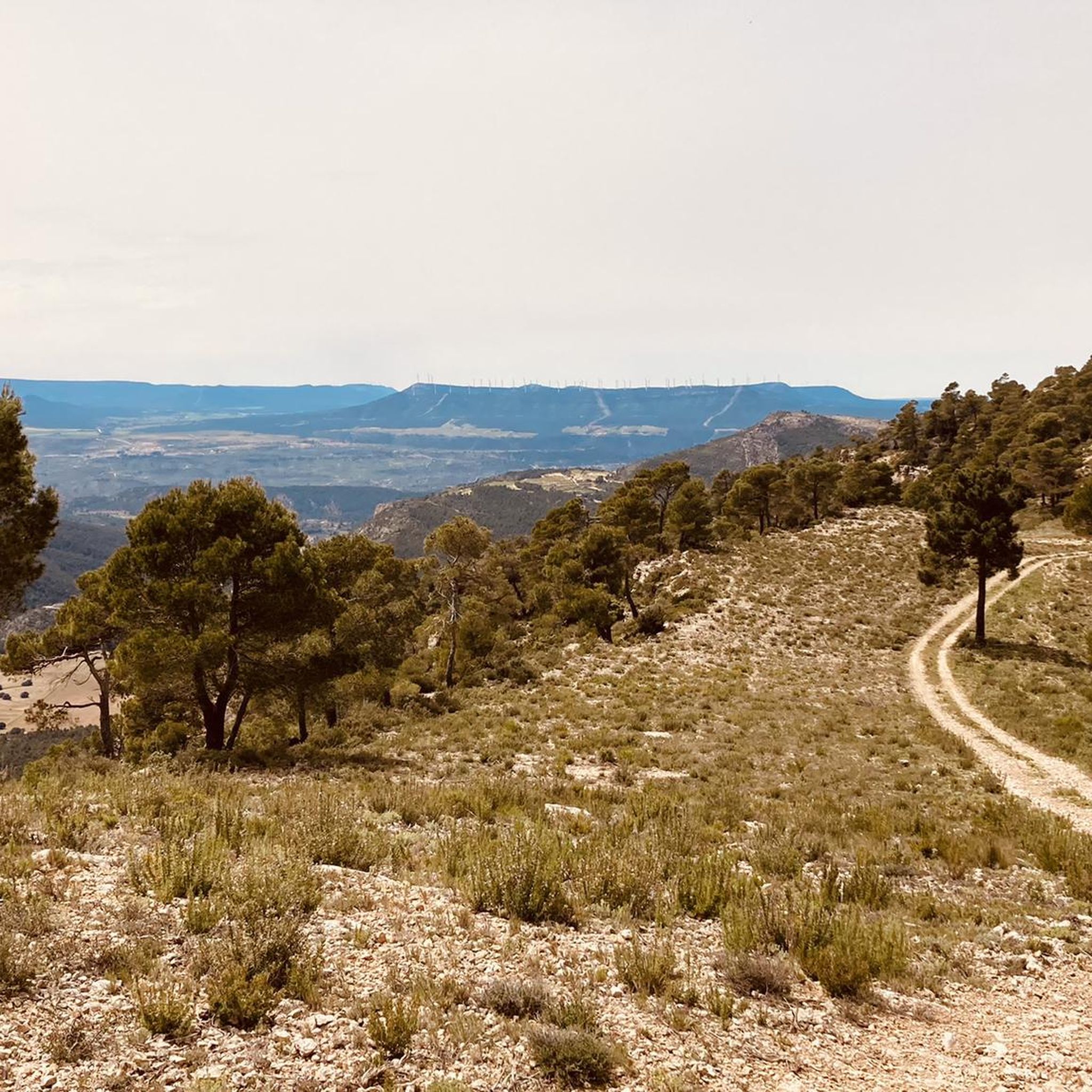
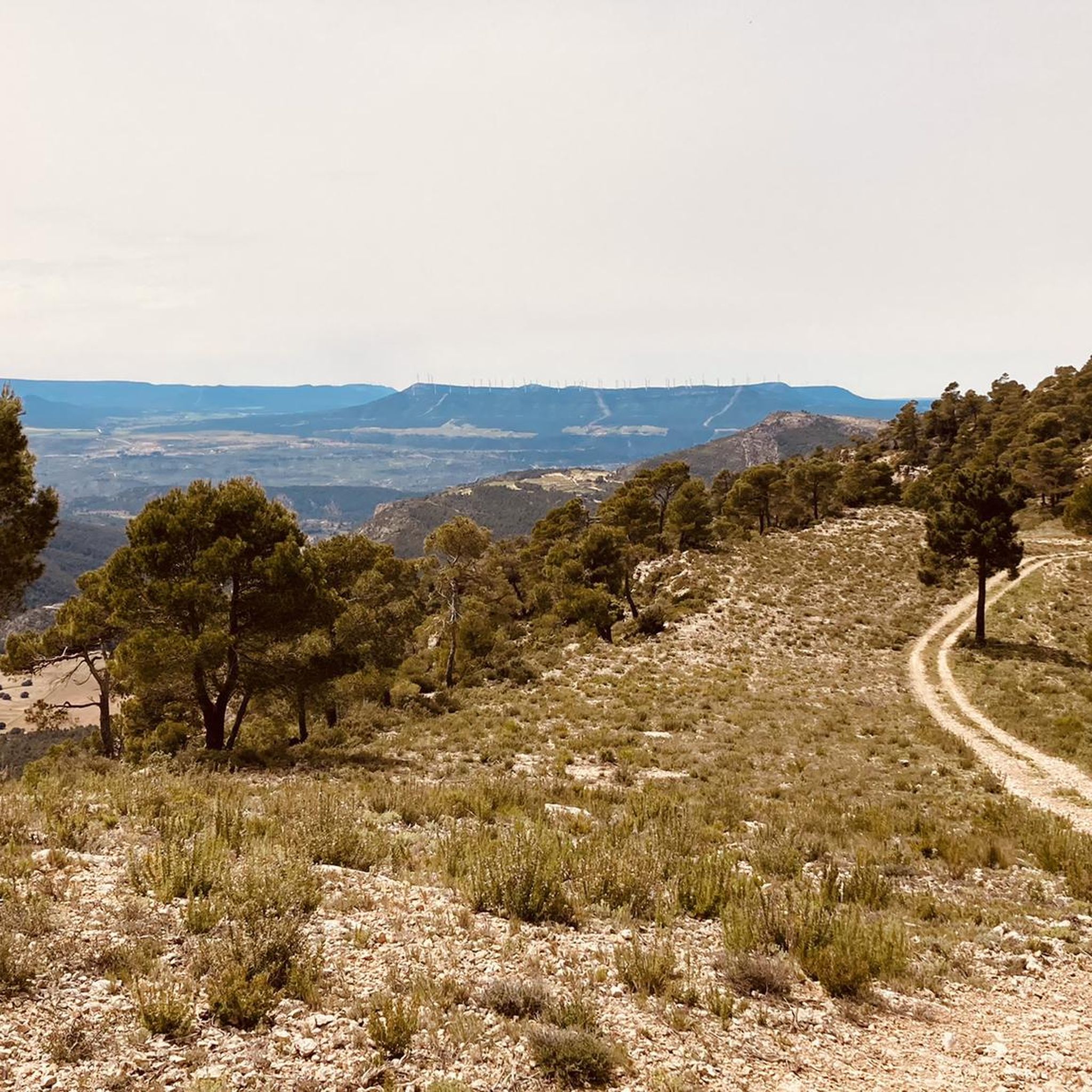
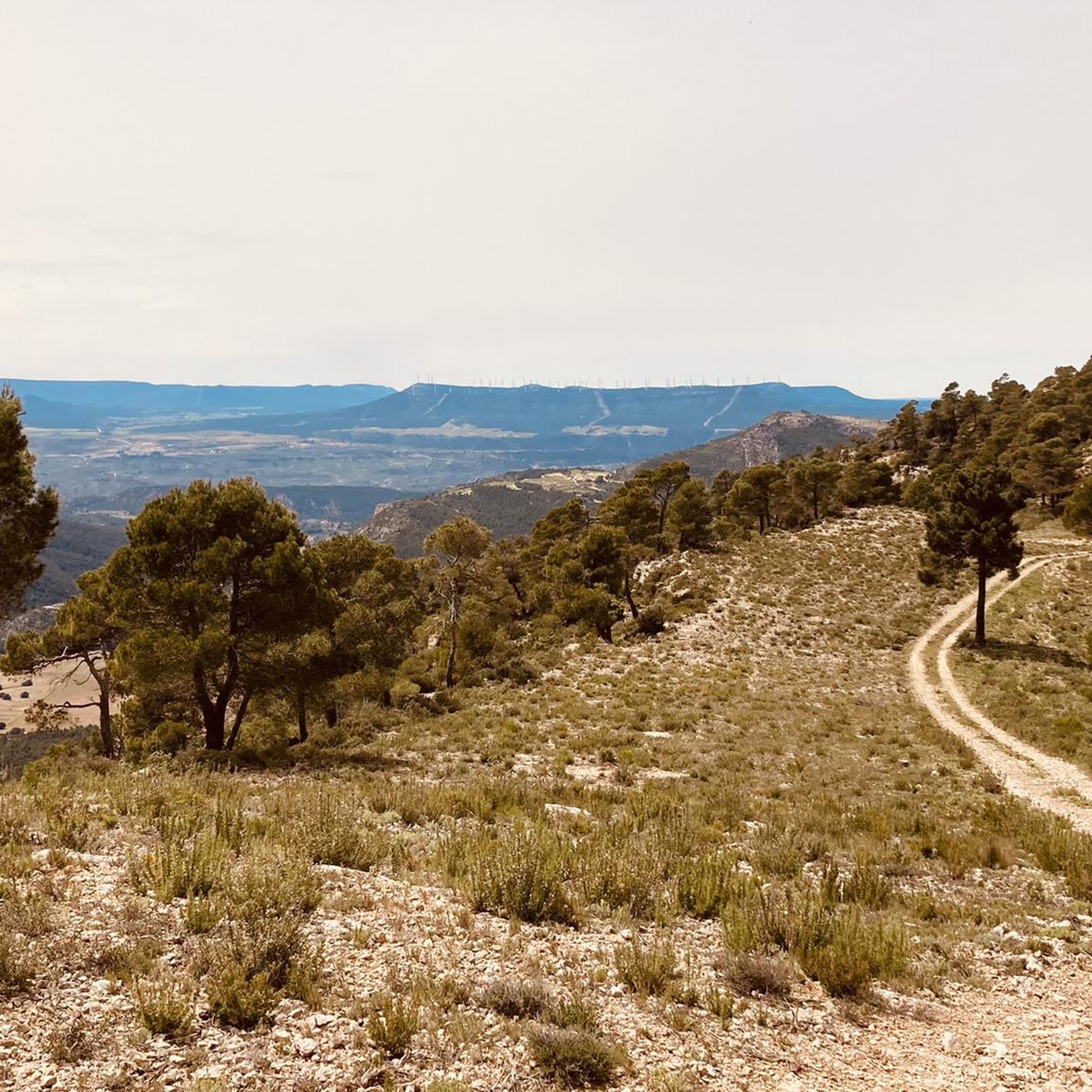
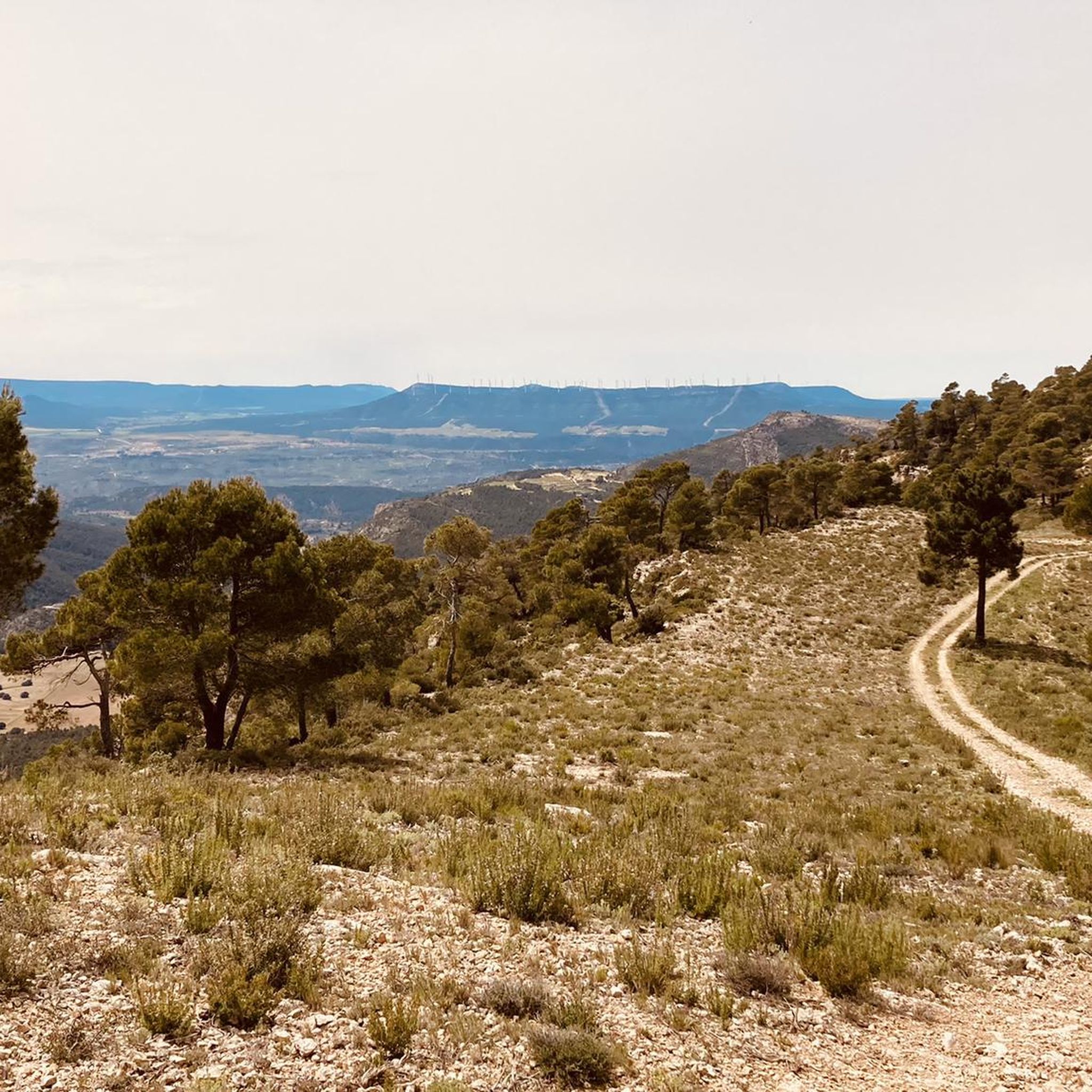
It's not much, but it's worth a visit, as it's very close to the route.
0
0

There are two cavities that contain the cave paintings. In the first part of the first cave, Cave 1, you can see an archer and a deer on the left, a roe deer on the right, and between the two archers another human figure. In the second part of the first cave, Cave 2, the largest and with the largest number of paintings, you can admire the famous scene of the gathering of honey.
0
0

You can still distinguish some of the cave paintings drawn on the walls of the shelter. Currently, it is fenced to protect this ancestral work from any vandalism.
1
0
It is a large cave that is located in the Sierra del Boquerón at 660 meters above sea level. Inside you can see numerous formations created throughout history as a result of dripping and runoff of water (stalactites and stalagmites among others). Without a doubt, it is one of the attractions of the area and its interior can be visited during the summer months through the following link: https://www.cuevadedonjuan.es/es/pagina/horarios-y-tarifas
1
0

It is a set of caves dating between 9000 and 1400 BC. They were discovered at the beginning of the 20th century and declared a UNESCO World Heritage Site in 1998 and contain one of the most famous representations in the world, the Bicorp man climbing lianas to obtain honey from wild bees.
2
0
It is an interesting and very striking cave a few meters from the Cortes stream. The story tells that a person who cared for and herded his goats lived there for a long time. It is a very picturesque and very quiet place.
1
1
Very striking cave a few meters from the Cortes stream. The story tells that a person who took care of and herded his goats lived there for a long time. A very picturesque and very quiet place.
2
0
Archaeological site with views of the Chorrador de La Rebolla, the Hongares ravine. From the viewpoint to the chorrador you can take the path on foot to reach the caves that remain closed except by appointment to enter.
2
0
Frequently Asked Questions
What historical or archaeological significance do the caves in this region hold?
The caves around Teresa de Cofrentes are rich in history. For instance, Cuevas de la Araña are a UNESCO World Heritage Site, famous for prehistoric rock art dating back 9000 to 1400 BC, including the iconic 'Bicorp man' collecting honey. Calicanto raft shelter also features distinguishable ancient cave paintings. Cueva de Don Juan contains archaeological remains from the Mesolithic and Bronze Ages, while Cueva Negra served as a natural refuge for millennia, with its blackened walls showing evidence of countless bonfires.
What kind of geological formations can I expect to see in the caves?
Cueva de Don Juan is a prime example of geological wonders, boasting impressive formations of stalactites and stalagmites. These have been sculpted over millions of years by water, creating whimsical shapes and colors. The cave features both 'dry' inactive sections and 'humid' active sections where formations continue to grow slowly, including the expansive 'Sala de las Columnas' (Hall of Columns).
Are there family-friendly caves to explore near Teresa de Cofrentes?
Yes, Cueva de Don Juan is well-prepared for tourists with paths, railings, and effective lighting, making it a comfortable visit for a wide range of visitors, including families. Guided tours provide engaging insights into its geological characteristics and local legends. Tejador Cave also offers a picturesque and quiet spot for less strenuous exploration.
Which caves near Teresa de Cofrentes are easily accessible for visitors?
Cueva de Don Juan, located in Jalance, is easily accessible by an asphalted track, even for buses, and features well-maintained infrastructure inside. Tejador Cave is also noted for being very close to routes, making it convenient to visit.
When is the best time to visit the caves around Teresa de Cofrentes?
Caves generally offer a consistent climate year-round, making them suitable for visits in various seasons. For Cueva de Don Juan, visits are typically available during the summer months. It's advisable to check specific opening hours and tour availability for each cave, especially for sites like Cuevas de la Araña which require guided tours.
How much time should I allocate for visiting the caves?
The time required varies by cave. Guided tours for Cuevas de la Araña typically last around three hours, including the surrounding natural landscape. A visit to Cueva de Don Juan usually takes approximately 1 hour and 45 minutes. Smaller sites like Cueva Negra or Tejador Cave might require less time, especially if combined with a hiking route.
Do I need to book guided tours or permits to visit the caves?
Yes, for some caves, guided tours are essential. Access to Cuevas de la Araña requires booking through Bicorp's Ecomuseum. Cueva de Don Juan also offers guided tours. It's recommended to check in advance for specific booking requirements and availability for each cave you plan to visit.
Are there hiking trails or outdoor activities near the caves?
Absolutely. The region around Teresa de Cofrentes offers numerous outdoor activities. Cueva Negra is a point of interest along a hiking route. You can find various running trails, road cycling routes, and MTB trails in the area. For example, there's a 'Cueva Negra loop from Teresa de Cofrentes' for running. You can explore more options on the Running Trails around Teresa De Cofrentes guide, the Road Cycling Routes around Teresa De Cofrentes guide, or the MTB Trails around Teresa De Cofrentes guide.
Can I combine a cave visit with other outdoor activities?
Yes, many cave visits can be combined with other outdoor activities. For instance, the area around La Araña Cave and La Rebolla Waterfall offers a natural landscape including the Hongares ravine and the La Rebolla Waterfall viewpoint, which are often incorporated into guided tours. Cueva Negra is also part of a hiking route, allowing you to enjoy both natural beauty and historical context.
What do visitors enjoy most about the caves around Teresa de Cofrentes?
Visitors appreciate the unique blend of ancient human artistry, geological wonders, and historical intrigue. The prehistoric rock art at Cuevas de la Araña and Calicanto raft shelter offers a journey into the past. The impressive stalactite and stalagmite formations in Cueva de Don Juan are a highlight for geology enthusiasts. The picturesque and quiet setting of Tejador Cave also provides a glimpse into local history and traditional rural life.
Is parking available at the cave sites?
For Cueva de Don Juan, the location is accessible by asphalted track, even for buses, which implies parking facilities are available. For other caves, especially those integrated into hiking routes or more remote, parking might be at a nearby trailhead or designated area. It's always best to check specific visitor information for each cave.
Most popular routes around Teresa De Cofrentes
Most popular attractions around Teresa De Cofrentes

Get inspired with the komoot mobile app


Explore more
Extend your search for the best caves by checking out these guides of the top ones around Teresa De Cofrentes:
