Attractions and Places To See around San Martín Del Río - Top 20
Attractions and places to see around San Martín Del Río include a blend of historical landmarks, cultural sites, and natural beauty. The village is situated in the fertile middle section of the Jiloca River valley, which shapes the landscape with orchards, fruit fields, and poplar groves. Notable historical structures include the Gothic-Renaissance Church of San Martín with its octagonal Mudéjar tower, and the 17th-century Town Hall. The area also features archaeological sites and reforested pine hillsides.
Best attractions and places…
Last updated: May 5, 2026
Daroca
Highlight • Settlement
Translated by Google •
Tip by

Aguallueve de Anento
Highlight • Waterfall
The Aguallueve is a spring that continuously falls in the …
Translated by Google •
Tip by

Sign up now to discover places like this
Get recommendations on the best single tracks, peaks, & plenty of other exciting outdoor places.
Sign up for free
Puerta Baja de Daroca
Highlight • Monument
Translated by Google •
Tip by

Roman bridge of Luco de Jiloca
Highlight • Bridge
Translated by Google •
Tip by

Gallocanta Lagoon
Highlight • Lake
Translated by Google •
Tip by

Sign up for free to discover even more attractions around San Martín Del Río.
Sign up for free
Already have an account?
Start today with a free account
Your next adventure awaits.
Login or Signup

Tips from the Community

Watched over by the remains of its ancient castle, Daroca emerges, one of the most beautiful cities in Aragon. Without a doubt, one of the charms of the town is to walk along its walls, with their imposing towers, until you reach the castle, from which you can enjoy a beautiful panoramic view.
0
0

Gallocanta Lagoon, located between Zaragoza and Teruel, is the largest natural lagoon on the Iberian Peninsula and a unique area due to its high salinity. Declared a nature reserve in 2006, it is one of the most important birdwatching spots in Spain, with more than 220 recorded species. Every autumn and spring, thousands of cranes stop here on their migrations, offering an unforgettable spectacle. The area is rich in trails and viewpoints, so it is recommended to bring binoculars and comfortable shoes to enjoy the wildlife and scenery at a leisurely pace.
2
0
The Lower Gate is the most emblematic entrance to Daroca and one of the most impressive defensive monuments in Aragon. Its two robust towers flank a large arch that, in addition to serving as a passageway, also facilitated the drainage of water during periods of heavy rain. Built between the 13th and 16th centuries, it reflects the military and architectural evolution of the city, with Gothic and Renaissance elements such as the gallery of arches and the imperial coat of arms of Charles V. Today, restored, it houses the Center for Daroca Studies and is a must-see for those exploring the city's walls and historic streets.
2
0

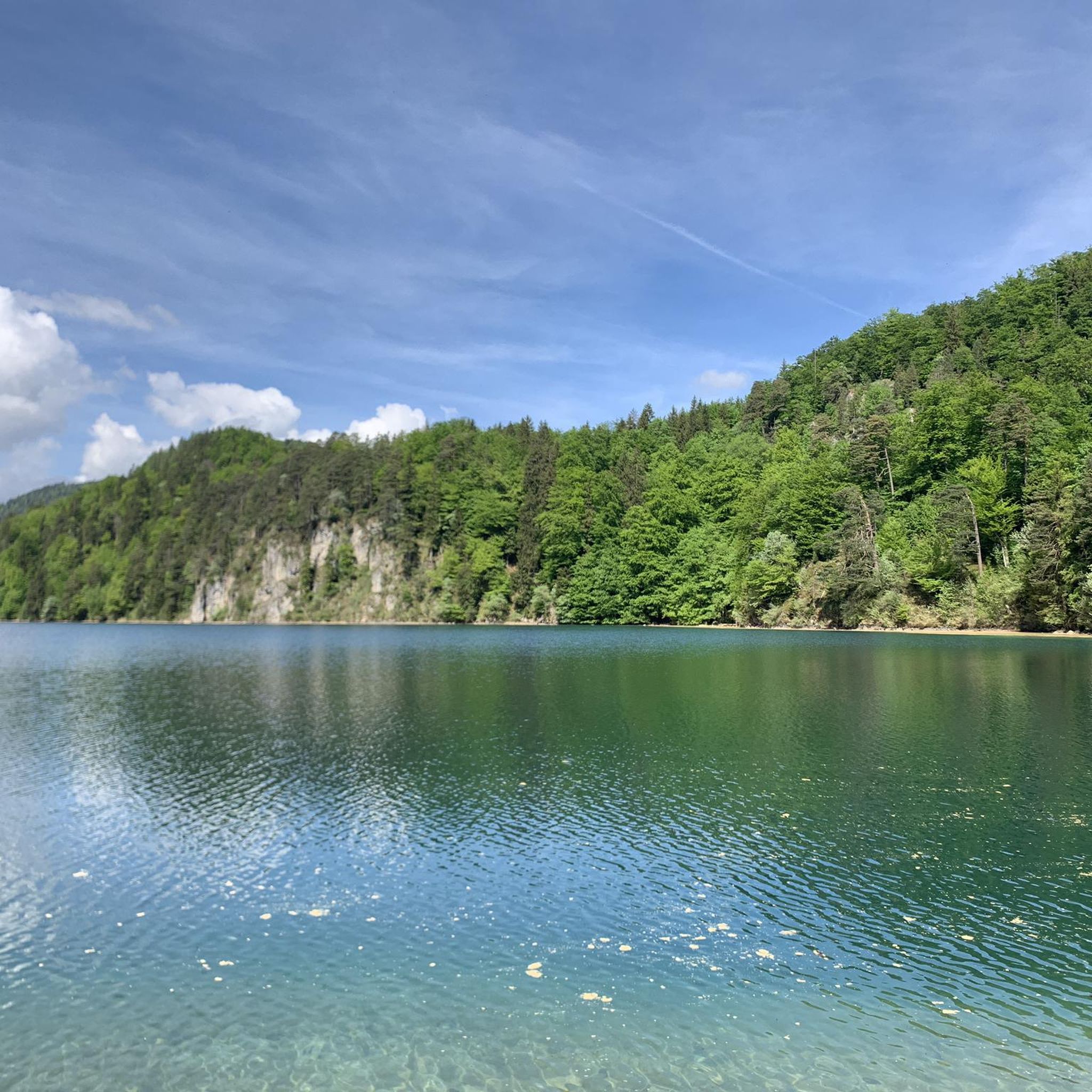
A must-see to listen to the flow of the Pancrudo River. And seeing the beauty of the Jiloca River banks in autumn is special.
0
0

The Aguallueve de Anento is a beautiful spring located in the picturesque town of Anento, in the province of Zaragoza. The Aguallueve is a spring that continuously falls in the form of drops of water, creating a spectacular relief with walls of stone and moss, and small caves hidden inside. It is a limestone formation where several springs have created an impressive karst relief.
5
0
The Aguallueve de Anento is a beautiful spring located in the picturesque town of Anento, in the province of Zaragoza. The Aguallueve is a spring that continuously falls in the form of drops of water, creating a spectacular relief with walls of stone and moss, and small caves hidden inside. It is a limestone formation where several springs have created an impressive karst relief.
7
0

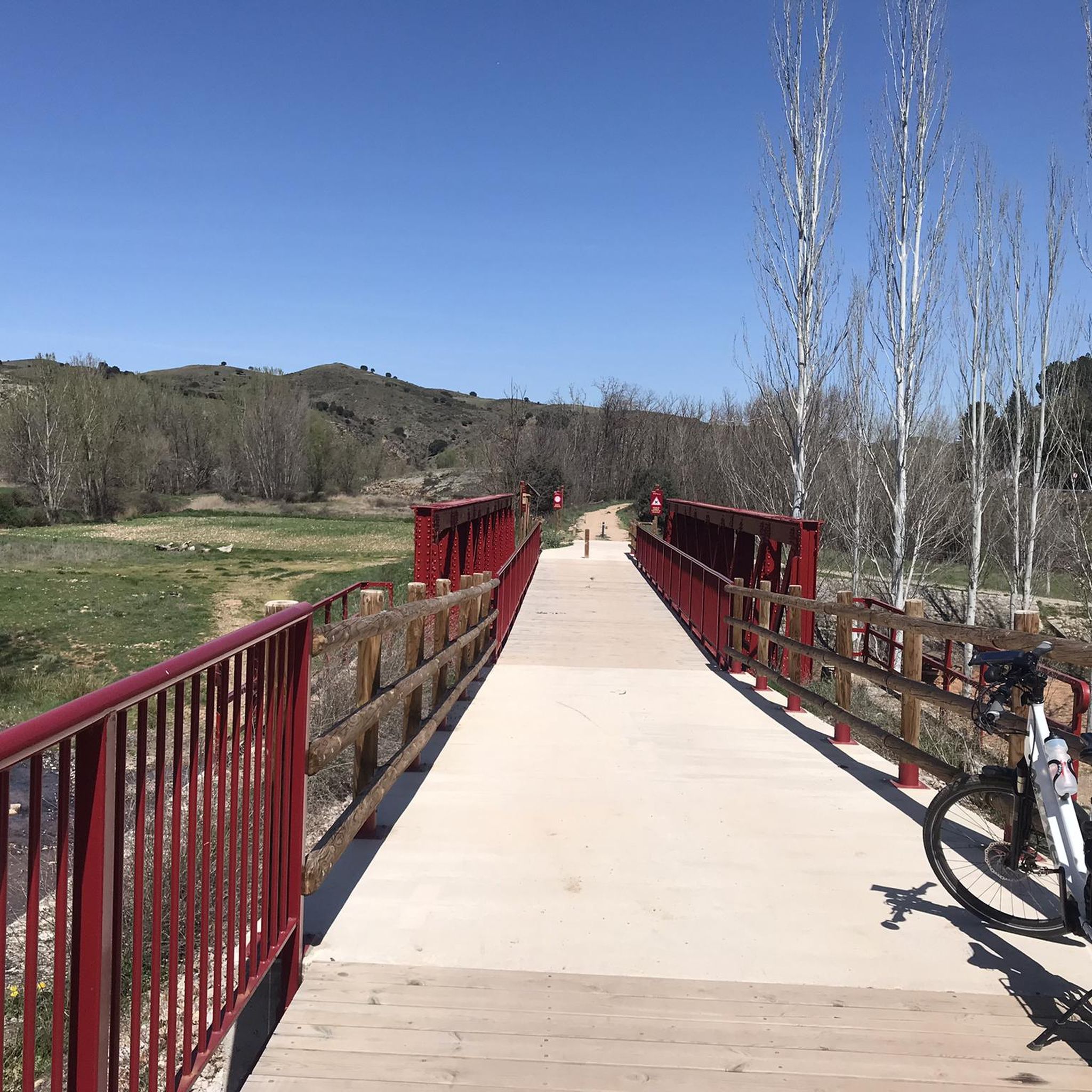
It is a cool place, with the mouth of the Pancrudo in the Jiloca and the passage of the Via Verde.
0
0

Surprising Daroca and its buildings and history, worth a visit
1
2
Frequently Asked Questions
What historical and cultural sites can I explore in San Martín Del Río?
San Martín Del Río is rich in history. You can visit the 16th-century Gothic-Renaissance Church of San Martín, known for its octagonal Mudéjar tower and valuable Romanesque carving. Other notable sites include the 17th-century Town Hall, the Baroque Hermitage of San Francisco, and the Hermitage of the Virgen del Buen Reposo. Don't miss the traditional stone crosses, known as Peirones, found at the village entrances. Nearby, explore the historic settlement of Daroca with its impressive city walls and the emblematic Puerta Baja de Daroca, a significant defensive monument.
Are there natural attractions to visit near San Martín Del Río?
Yes, the region offers beautiful natural spots. The Aguallueve de Anento is a unique spring where water continuously falls in drops, creating a spectacular relief of stone and moss. The Gallocanta Lagoon, one of Europe's largest saltwater lagoons, is a vital birdwatching site, especially for cranes during migration. The Jiloca River Valley itself is a natural feature, characterized by orchards, fruit fields, and poplar groves.
What outdoor activities, like hiking or cycling, are available around San Martín Del Río?
The area around San Martín Del Río is excellent for outdoor activities. You can enjoy walking or cycling along the Camino Natural, which repurposes the old railway line. The village is also part of the historic Camino del Cid route. For more structured routes, consider the 'Las Tres Taifas' for gravel biking, hiking, or cycle tourism, or the 'Anillo de Gallocanta' for hiking. Komoot offers various routes, including running trails like 'Aguallueve de Anento y Arguilay de Baguena' and cycling routes such as the 'Laguna de Gallocanta Loop Trail'. You can find more details on these activities in the running, cycling, and gravel biking guides.
Are there family-friendly places to visit in the area?
Many attractions around San Martín Del Río are suitable for families. The historic settlement of Daroca and its impressive Puerta Baja offer an engaging historical experience. Nature lovers will enjoy the unique Aguallueve de Anento waterfall and the Gallocanta Lagoon, which is excellent for birdwatching. The Roman bridge of Luco de Jiloca also provides an interesting historical stop.
Where can I find good viewpoints around San Martín Del Río?
For panoramic views, the old castle in Daroca offers an impressive vista of the city. The Gallocanta Lagoon also has viewpoints where you can observe nature, especially the migrating cranes, and enjoy beautiful sunsets.
What is the best time of year to visit San Martín Del Río for outdoor activities?
The region is pleasant for outdoor activities for much of the year. Spring and autumn are ideal for hiking and cycling, offering mild temperatures and beautiful scenery, especially around the Gallocanta Lagoon during bird migration seasons. Summers can be warm, but the Jiloca River Valley provides cooler spots. Winters are generally mild, suitable for exploring historical sites.
Can I find easy hiking trails near San Martín Del Río?
Yes, there are options for easy walks. The Camino Natural, built on the old railway line, offers a scenic and relatively flat path suitable for leisurely walks. The 'The Three Taifas Trail' is also rated as an easy cycling route, which can be adapted for hiking. For more detailed information on trail difficulties, you can check the running and cycling guides.
What is the significance of the Jiloca River Valley to the region?
The Jiloca River Valley is central to San Martín Del Río's identity and landscape. The village is situated in its fertile middle section, which has shaped the area with numerous small orchards, fruit fields, large poplar groves, and pastures. Historically, it supported the local economy, including winemaking, and continues to define the natural beauty and agricultural character of the region.
What is the Museum of Wine 'El Trasiego' about?
The Museum of Wine 'El Trasiego' is located in an old winery on the outskirts of San Martín Del Río. It offers insights into the village's winemaking heritage, which was once a significant part of the local economy. Entry to the museum is free, and guided visits can be arranged by prior appointment.
What are Peirones?
Peirones are traditional stone crosses or shrines characteristic of the Teruel province. You can find them at the entrances to San Martín Del Río, such as the Peirón de la Virgen del Pilar and the Peirón del Santo Cristo. They are significant cultural markers reflecting local traditions and religious heritage.
Are there any archaeological sites in the San Martín Del Río area?
Yes, the area holds archaeological interest. Sites like Cerro del Zorro have yielded Bronze Age materials, and Cerro Arrastrado is known for artisan pottery. There is also an Arab settlement referred to as 'la pila de los Moros', indicating a rich historical past.
What unique architectural features can be found in San Martín Del Río?
Beyond the prominent Mudéjar tower of the Church of San Martín, a stroll through the village's narrow and steep streets reveals charming traditional constructions. You can also spot several noble houses adorned with coats of arms, showcasing the historical architecture of the area. The 17th-century Town Hall building itself is a notable historical structure.
Most popular routes around San Martín Del Río
Most popular attractions around San Martín Del Río

Get inspired with the komoot mobile app


Explore more
Still not found the Highlight you’re looking for? See guides of the top attractions in other regions:
