The best road cycling routes around Dłubniański Park Krajobrazowy
4.5
(635)
20,929
riders
21
rides
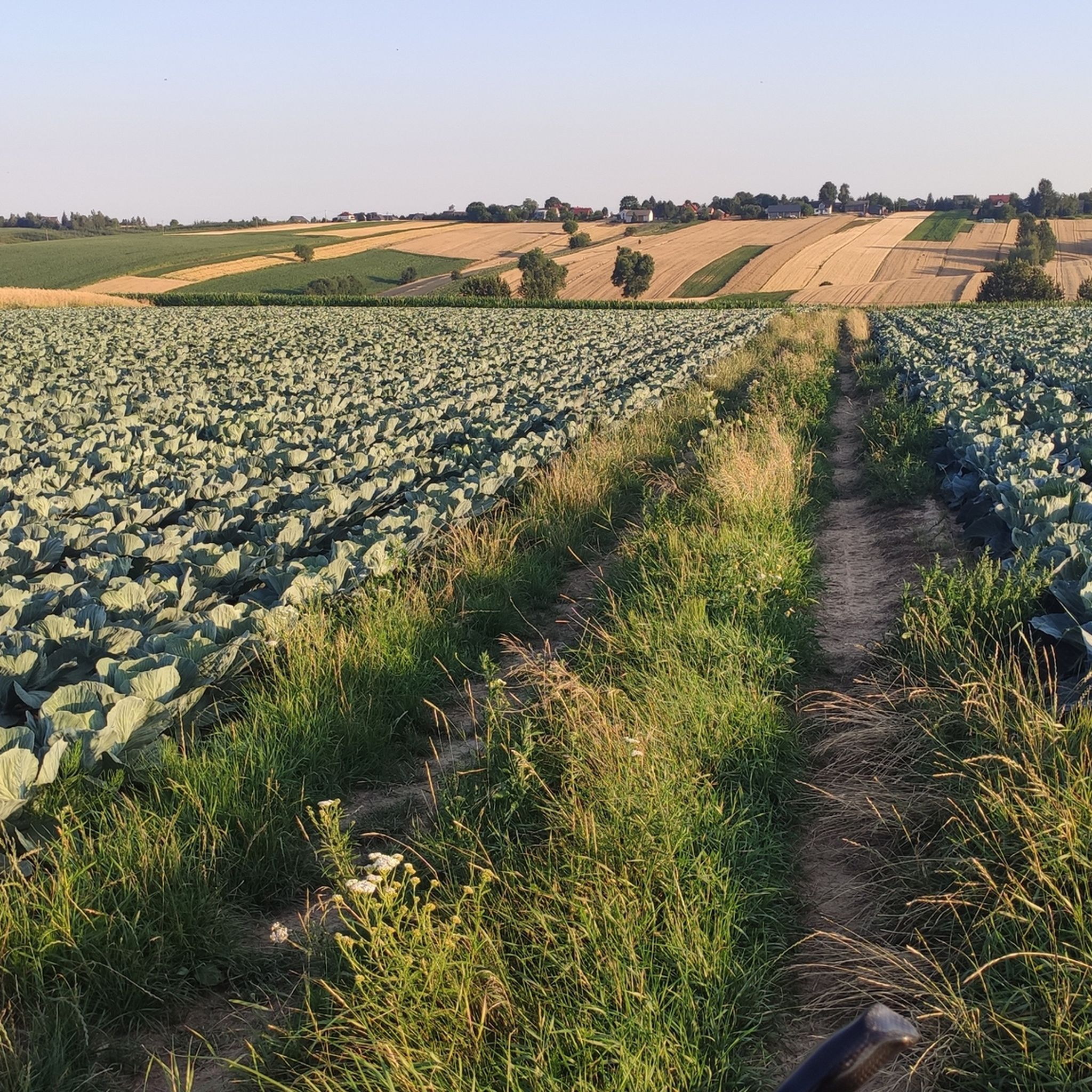
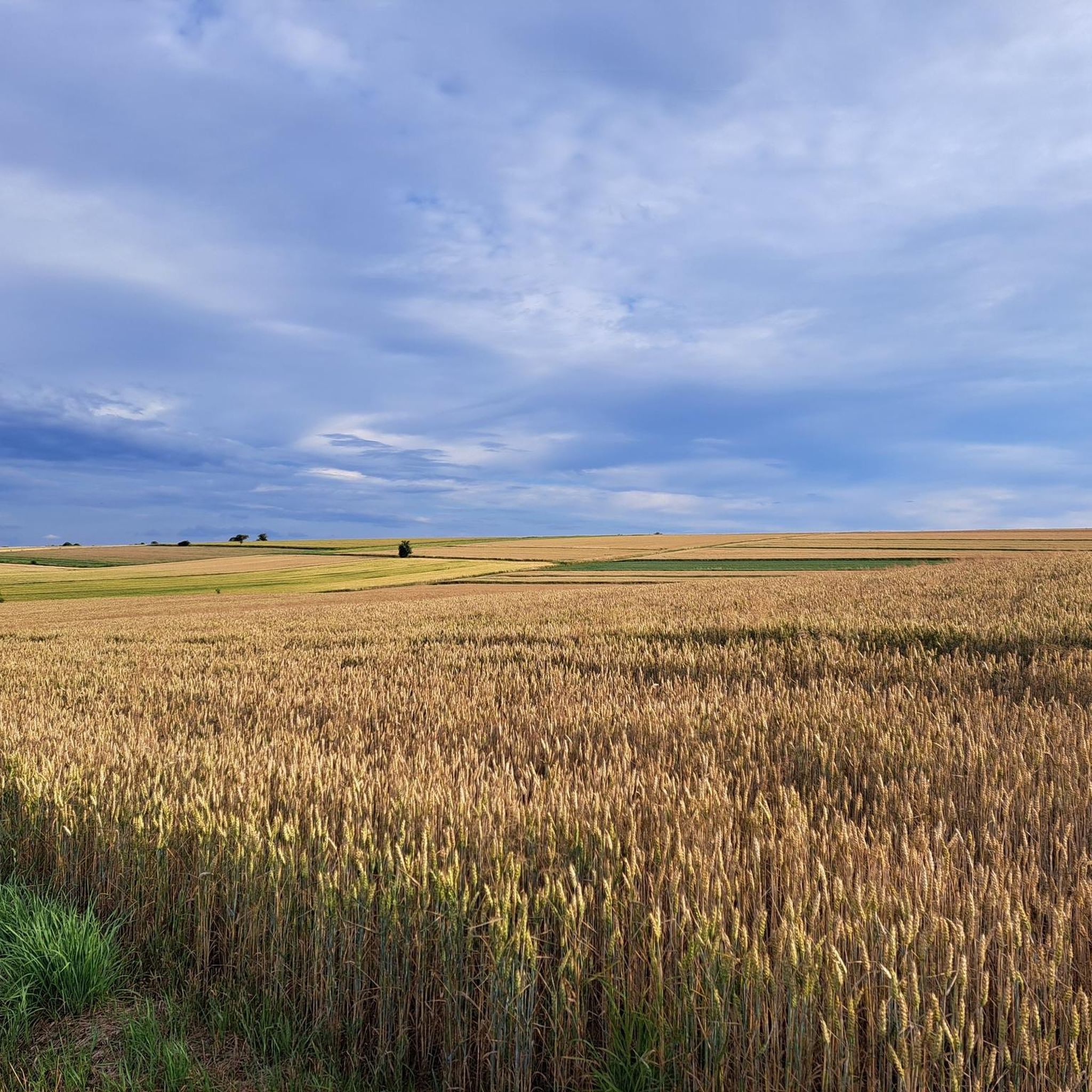
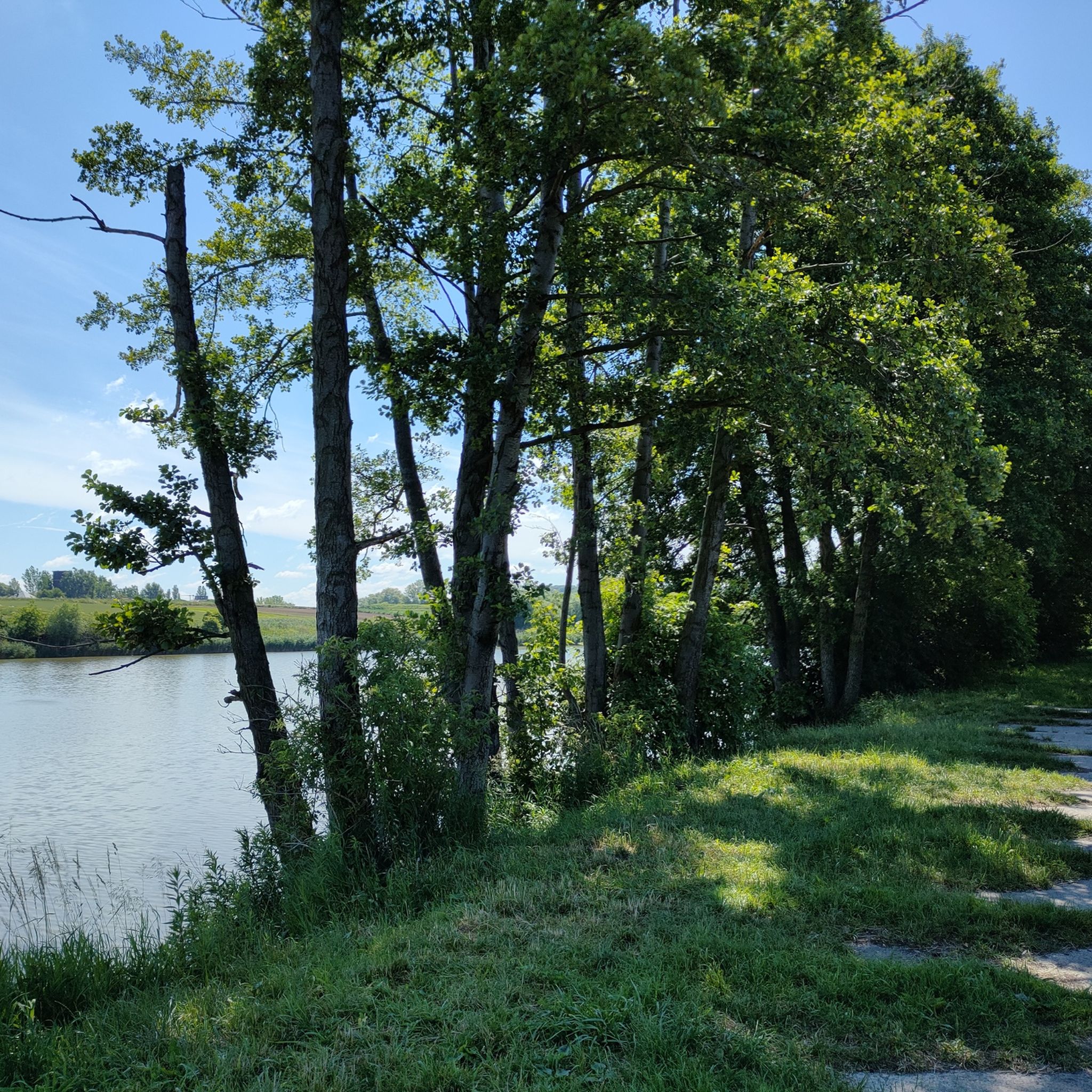
Road cycling around Dłubniański Park Krajobrazowy offers varied landscapes in southern Poland, characterized by the meandering Dłubnia River valley. The terrain features rolling agricultural fields, scattered forests, and picturesque limestone rock formations. This region provides a network of local asphalt roads connecting villages and fields, suitable for road cyclists. The relatively gentle topography makes it accessible for various abilities.
Best road cycling routes around Dłubniański Park Krajobrazowy
- The most popular road cycling route is Korzkiew Castle – Smooth Descent on…
Last updated: May 19, 2026
4.3
(7)
93
riders
57.1km
02:34
520m
520m
Moderate road ride. Good fitness required. Some segments of this route may be unpaved and difficult to ride.
3.0
(1)
16
riders
Moderate road ride. Good fitness required. Mostly well-paved surfaces and easy to ride.

Sign up for free
17
riders
48.4km
02:17
540m
540m
Moderate road ride. Good fitness required. Some segments of this route may be unpaved and difficult to ride.
8
riders
30.5km
01:17
210m
210m
Easy road ride. Great for any fitness level. Mostly well-paved surfaces and easy to ride.
9
riders
43.3km
01:51
310m
310m
Moderate road ride. Good fitness required. Mostly well-paved surfaces and easy to ride.
Get access to more routes and recommendations from other explorers.
Sign up for free
Already have an account?
Our route recommendations are based on thousands of hikes, rides, and runs completed by other people on komoot.
Start today with a free account
Your next adventure awaits.
Login or Signup

Tips from the Community

Great photos of autumn season
2
0

At least the parking meters in the valley here accept debit cards. That wasn't the case everywhere. The castle itself is unspectacular; apart from the views of the valley, only the entrance gate is impressive. The tower itself offers almost no views, just a continuous loop of films with beautiful aerial shots.
0
0

It's private property, but the information board looks like it's in a national park. The owner hung a piggy bank on it. The spring and its surroundings are very pretty, but we only saw it from a distance because it was at the other end of the yard.
0
0

Commemorative figurine of General Jan Henryk Dąbrowski on the route of the military march on July 14, 1809.
0
0
Pochylec is one of the most famous climbing rocks.
0
0

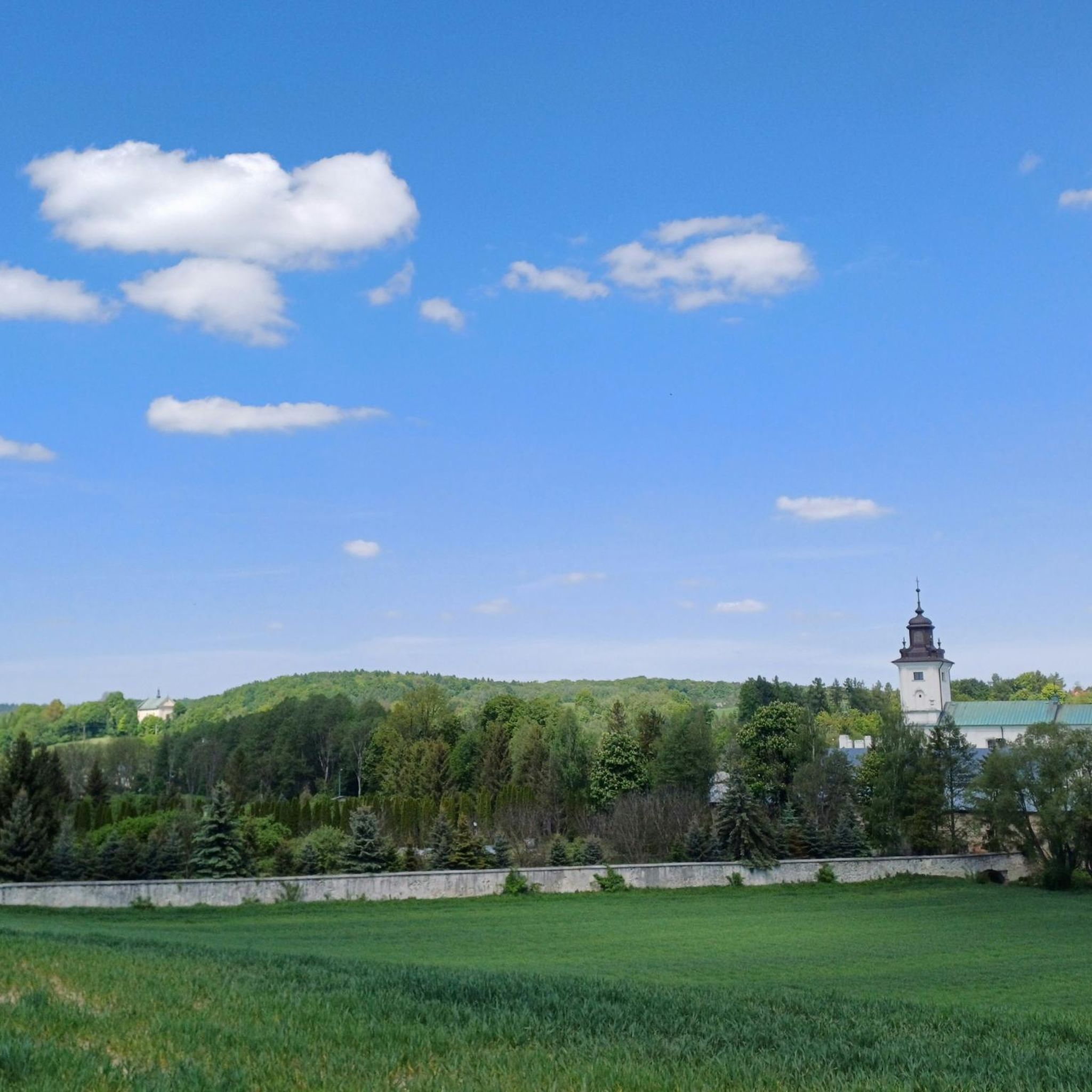
The Norbertine monastery in Imbramowice was founded around 1226 by Bishop Iwon Odrowąż and rebuilt many times, including after Tatar destruction and fires. The current Baroque appearance of the complex comes from the reconstruction in the years 1711–1740, which was led by famous Krakow artists. The church houses valuable works of art, including paintings by William the Italian, historic altars and a Rococo belfry. The monastery also contains unique works, such as a 13th-century antiphonary, works by Brueghel and a historic clock and monstrance.
1
0
The castle in Ojców is one of the most interesting ruins on the Trail of the Eagles' Nests, located on Castle Hill in the Ojców National Park. It was built in the 14th century on the initiative of Casimir the Great and served as a royal guardhouse. The characteristic defensive tower, entrance gate and fragments of walls, which have undergone conservation work in recent years, have survived to this day. Currently, you can visit not only the courtyard, but also the interior of the tower and the new viewing platform with a panorama of the Prądnik Valley.
3
1

Ruins of King Casimir the Great's castle (14th century). Today, the remaining fortifications, some residential quarters, a tower, and an entrance gate remain. The castle also offers beautiful views of the Prądnik Valley, with Chełmowa Góra to the south. Tickets are required to enter.
2
0
Frequently Asked Questions
How many road cycling routes are available in Dłubniański Park Krajobrazowy?
There are over 20 road cycling routes available in Dłubniański Park Krajobrazowy, catering to various skill levels. You'll find a good mix of easy and moderate routes to explore the park's diverse landscapes.
What is the typical terrain and elevation like for road cycling in Dłubniański Park Krajobrazowy?
The park features a relatively gentle topography, characterized by rolling agricultural fields and meandering river valleys. While not mountainous, routes like Korzkiew Castle – Smooth Descent on Rural Road loop can include over 500 meters of elevation gain, offering a moderate challenge. The network of local asphalt roads provides smooth surfaces for cycling.
What natural features or landmarks can I see while road cycling in the park?
Road cycling routes often pass through picturesque landscapes featuring the Dłubnia River valley, agricultural fields, and scattered forests. You can also discover unique natural highlights such as the 'pulsating springs,' like the visually striking Jordan spring in Ściborzyce. The park also features limestone rock formations, adding to the scenic diversity. For a specific natural monument, consider visiting the Colorful Springs in Dłubniański Landscape Park.
Are there any historical sites or cultural attractions accessible by road bike?
Yes, Dłubniański Park Krajobrazowy is rich in cultural and historical attractions. Cyclists can discover numerous old churches, noble manor houses, and wayside chapels. Notable examples include the Baroque Monastery in Imbramowice, which is featured on routes like Old Pharmacy in Zerwana – Monastery in Imbramowice loop, and the wooden Church of the Holy Trinity in Iwanowice. Remnants of old water mills also dot the landscape.
When is the best time of year for road cycling in Dłubniański Park Krajobrazowy?
The best time for road cycling in Dłubniański Park Krajobrazowy is typically during the spring, summer, and early autumn months. During these seasons, the weather is generally pleasant, and the agricultural fields are vibrant, offering beautiful views. The relatively gentle topography makes it accessible for various abilities throughout these periods.
Are there family-friendly road cycling routes in Dłubniański Park Krajobrazowy?
Yes, the park offers several easy road cycling routes that are suitable for families. The gentle topography and network of local asphalt roads connecting villages and fields provide a safe and enjoyable environment for riders of all ages. An example of an easier route is the Przeginia Laskowska – Monastery in Imbramowice loop, which is just over 30 km.
What do other road cyclists enjoy most about road cycling in Dłubniański Park Krajobrazowy?
The area is highly rated by the komoot community, with an average score of 4.6 stars from over 260 reviews. Reviewers often praise the varied rural scenery, the tranquility of the agricultural fields, and the opportunity to combine physical activity with visits to natural monuments and historical sites. Over 6,000 road cyclists have used komoot to explore the park's terrain.
Can I find circular road cycling routes in Dłubniański Park Krajobrazowy?
Yes, many of the road cycling routes in Dłubniański Park Krajobrazowy are designed as loops, allowing you to start and finish at the same point. This makes planning your ride convenient. Examples include the Ojców Castle – Pochylec Rock loop from Trzyciąż and the Auto Wash InnWash loop from Michałowice.
Is there parking available for road cyclists in Dłubniański Park Krajobrazowy?
While specific parking areas for cyclists are not detailed, the park's proximity to villages and towns suggests that parking can typically be found in or near these settlements, which serve as common starting points for routes. It's advisable to check local parking options in the villages where you plan to begin your ride.
Are there any waterfalls in Dłubniański Park Krajobrazowy?
Yes, the Dłubnia River, which meanders through the park, features some small waterfalls. You can find a highlight for Waterfalls on the Dłubnia, offering a charming natural sight along your cycling journey.
What kind of wildlife might I encounter while cycling?
While specific wildlife sightings are not guaranteed, the park's blend of agricultural fields and scattered forests provides habitats for various bird species and small mammals. The tranquil environment offers a chance to observe local flora and fauna in their natural settings.
Most popular routes around Dłubniański Park Krajobrazowy
Most popular attractions around Dłubniański Park Krajobrazowy

Get inspired with the komoot mobile app


Explore more
Browse the best Road cycling routes in other regions.
