The best road cycling routes around Tíjola
5.0
(1)
569
riders
22
rides
Road cycling routes around Tíjola are primarily found within the Almanzora Valley and the Sierra de los Filabres, offering diverse landscapes and challenging terrain. The region is characterized by smooth asphalt roads, varied gradients, and significant elevation gains, making it suitable for experienced cyclists. Notable features include mountainous areas, sweeping plains, and river valleys.
Best road cycling routes around Tíjola
- The most popular road cycling route is Venta Luisa Pass loop from Estación de Serón, a 67.0 miles (107.8…
Last updated: July 24, 2026
5.0
(1)
336
riders
136km
08:19
3,660m
3,660m
Hard road ride. Very good fitness required. Mostly well-paved surfaces and easy to ride.
35
riders
118km
07:03
2,950m
2,950m
Hard road ride. Very good fitness required. Some segments of this route may be unpaved and difficult to ride.

Sign up for free
41
riders
96.0km
05:48
2,520m
2,520m
Hard road ride. Very good fitness required. Some segments of this route may be unpaved and difficult to ride.
18
riders
75.4km
04:40
1,980m
1,980m
Hard road ride. Very good fitness required. Mostly well-paved surfaces and easy to ride.
15
riders
81.2km
04:18
1,440m
1,440m
Hard road ride. Very good fitness required. Mostly well-paved surfaces and easy to ride.
Get access to more routes and recommendations from other explorers.
Sign up for free
Already have an account?
Our route recommendations are based on thousands of hikes, rides, and runs completed by other people on komoot.
Start today with a free account
Your next adventure awaits.
Login or Signup
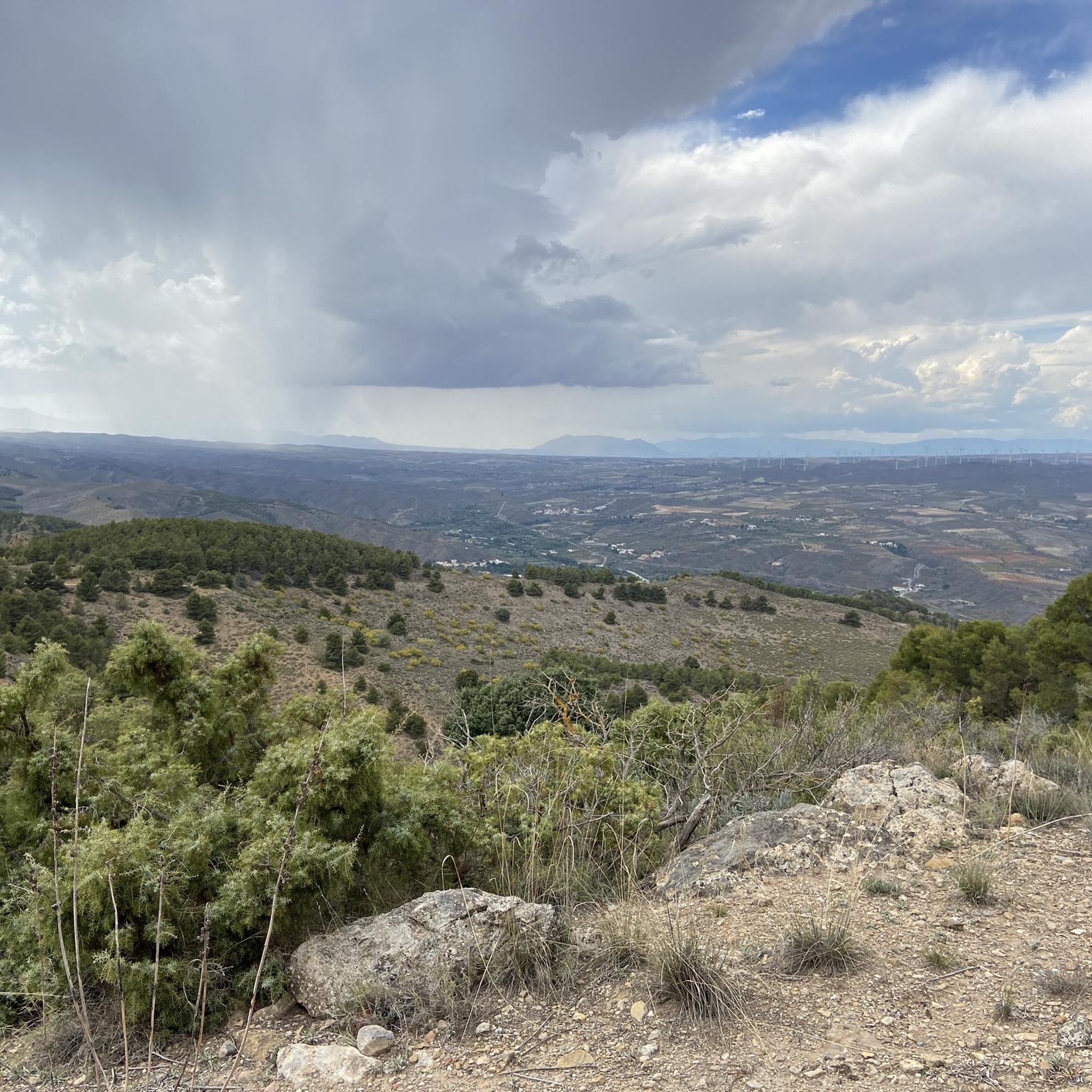
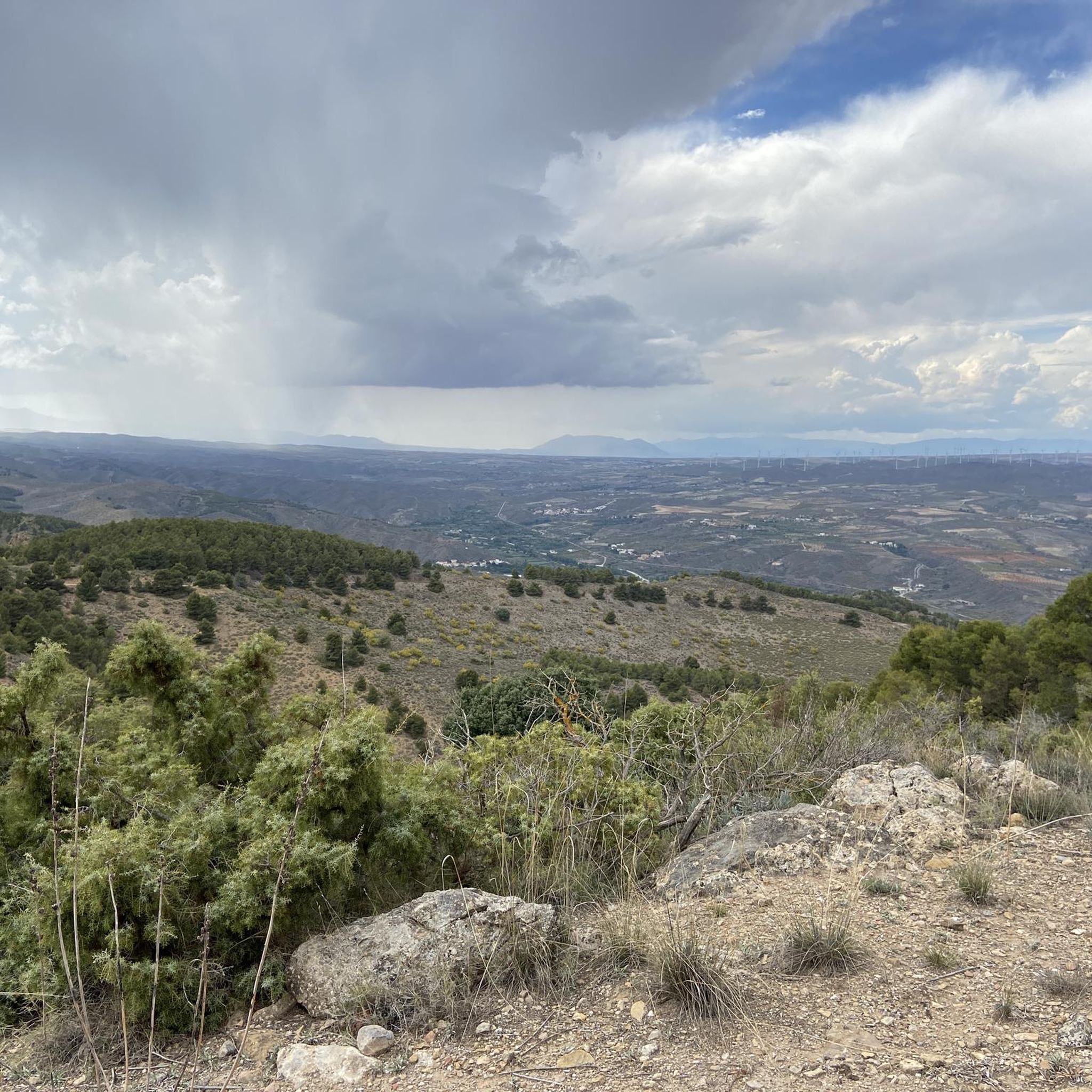
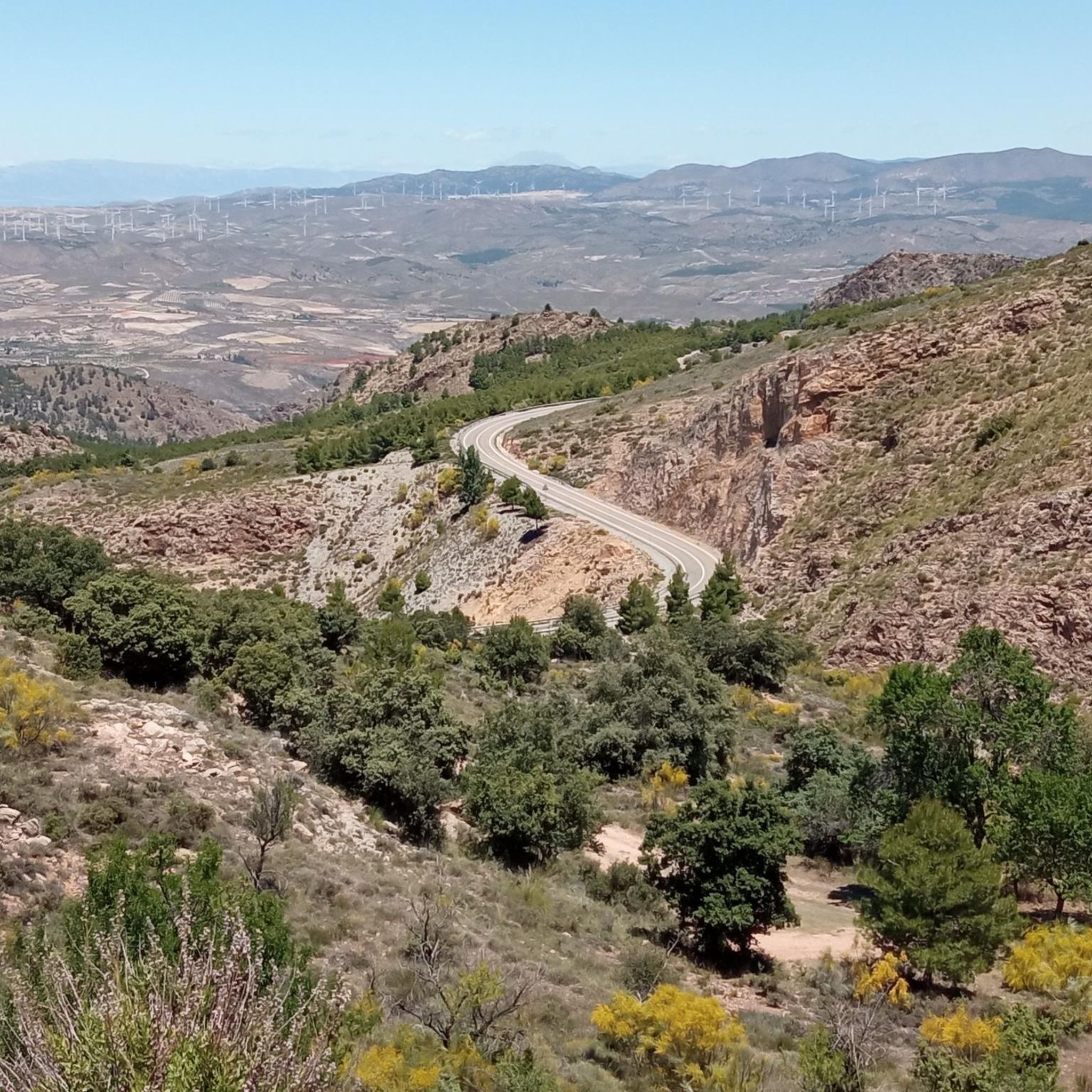
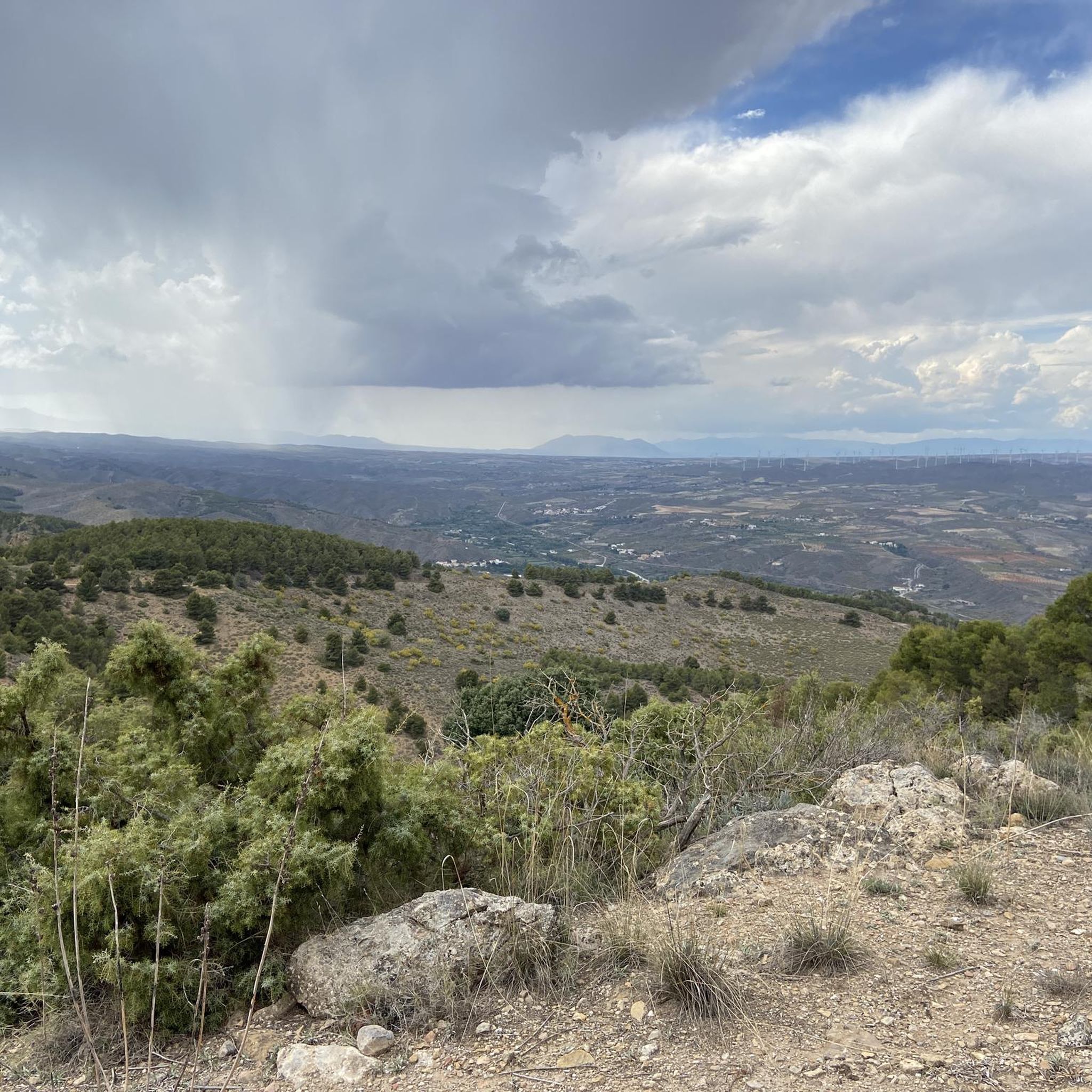
Tips from the Community

El Alto de Velefique is one of Almería's most notable ascents, known for its long ramps, quiet roads, and a series of well-spaced hairpin turns. The gradients are consistent, often between 4% and 5%, with occasional sections exceeding 10%, making the climb a sustained yet achievable effort. The ascent offers sweeping views of the Sierra de los Filabres and a sense of isolation ideal for focusing on your pedaling. Its layout and landscape are reminiscent of the famous Alpe d’Huez, although it is a less-trafficked and much quieter route.
1
0
At 1,870 meters above sea level, the Collado de Conde marks a total change in the Almería landscape, moving from the arid environment, known for Western films, to a much cooler setting of mountains and pine forests. This point also functions as a crossroads, with roads, trails, and gravel tracks opening up in various directions.
0
0

.. totally stunning road through empty yet stunning desert landscape.. some part of the climb are pretty nasty gradients
0
0
really nice restaurant, with great food and service..
0
0
breathtaking place ... so extraterrestrialy beautiful and interesting ..also totally isolated
0
0
its a stunner ... form Velefique side is really demanding
0
0
Easier climb to Alto Velefique ... still so great and empty ... the road is in great condition
1
0
Frequently Asked Questions
What kind of terrain can I expect on road cycling routes around Tíjola?
Road cycling around Tíjola primarily features diverse landscapes within the Almanzora Valley and the Sierra de los Filabres. You can expect smooth asphalt roads with varied gradients, ranging from sweeping plains to challenging mountainous areas. The region is known for its significant elevation gains, making it suitable for experienced cyclists seeking demanding ascents.
Are there any particularly challenging climbs for experienced road cyclists in the Tíjola area?
Yes, Tíjola is renowned for its challenging climbs. The ascent to Calar Alto, a peak at 2300 meters, is a highlight, having been a queen stage finish in the Vuelta a España. Another demanding climb is to Velefique. Routes like the Venta Luisa Pass loop from Estación de Serón offer challenging climbs and varied gradients over 107.8 km.
Are there any less strenuous or family-friendly cycling options near Tíjola?
While most road cycling routes in the immediate Tíjola area are classified as difficult, the region does offer gentler alternatives. The old Tíjola train station is now part of the Almanzora Valley greenway, a restored path suitable for both hiking and cycling, providing a less strenuous experience for families or those seeking a more relaxed ride. For more information on greenways, you can visit Spain's Greenways website.
What scenic viewpoints or natural landmarks can I discover along road cycling routes in Tíjola?
The region offers spectacular panoramic views, especially from higher elevations like Calar Alto. You can also explore unique natural formations such as El Estrecho de Urrácal, a narrow gorge, or enjoy the vistas from Mirador de Piedra Lobera. The Sierra de los Filabres itself provides a dramatic backdrop with diverse landscapes.
Are there any routes that pass by unique water features or springs?
Yes, Tíjola has some unique water features. The Balsa de Cela, located 3.5 km north of Tíjola, is a thermal spring with waters emerging at a constant 22-24 degrees Celsius year-round, offering a refreshing spot. Additionally, you might encounter the Fuente del Huevo Waterfall or the impressive natural setting of La Cerrá de Tíjola, where the Bacares River descends through vertical stone formations.
What historical or cultural points of interest are accessible by road bike?
You can cycle past the Old Train Station of Tíjola, which is now part of the Almanzora Valley greenway and serves as an open-air museum displaying elements of its railway past. The Serón Railway Station, also on the greenway, showcases mining railway architecture. Another route, Sierro Castle – Iron Bridge of Cantoria loop from Sierro, allows you to explore historical structures.
What do other road cyclists enjoy the most about road cycling in Tíjola?
The road cycling routes in Tíjola are highly rated by the komoot community, with an average score of 5.0 stars. Cyclists often praise the challenging ascents of the Sierra de los Filabres, the scenic beauty of the Almanzora Valley, and the rewarding high-altitude views from places like Calar Alto. The region's diverse terrain and well-maintained roads contribute to a memorable experience.
Are there any loop road cycling routes available in Tíjola?
Yes, many of the road cycling routes around Tíjola are designed as loops, allowing you to start and finish in the same location. Examples include the Venta Luisa Pass – Velefique climb loop from Estación de Serón, which offers scenic Mediterranean views, and the Velefique climb – Climb to Alto de Velefique loop from Sierro.
How many road cycling routes are there in Tíjola, and what are their difficulty levels?
There are 18 road cycling routes around Tíjola listed in this guide. The majority are classified as difficult, with 12 routes falling into this category. There are also 6 moderate routes, but no easy routes specifically for road cycling, reflecting the region's challenging terrain.
What is a good route for exploring the mining heritage of the area?
To explore the mining heritage, consider the Las Menas Mining Village – Views of Bacares loop from Tíjola. This route takes you through areas with historical significance related to the region's mining past, offering a glimpse into its industrial heritage alongside scenic views.
What is the best time of year for road cycling in Tíjola?
Tíjola's pleasant weather conditions generally make it an ideal destination for road cycling. While specific recommendations depend on personal preference, the spring and autumn months typically offer milder temperatures, which are more comfortable for tackling the region's significant climbs. Summers can be hot, especially at lower elevations, while winters are cooler but often still suitable for cycling.
Most popular attractions around Tíjola

Get inspired with the komoot mobile app


Explore more
Browse the best Road cycling routes in other regions.
