The best road cycling routes around Pino Del Oro
5.0
(2)
121
riders
13
rides
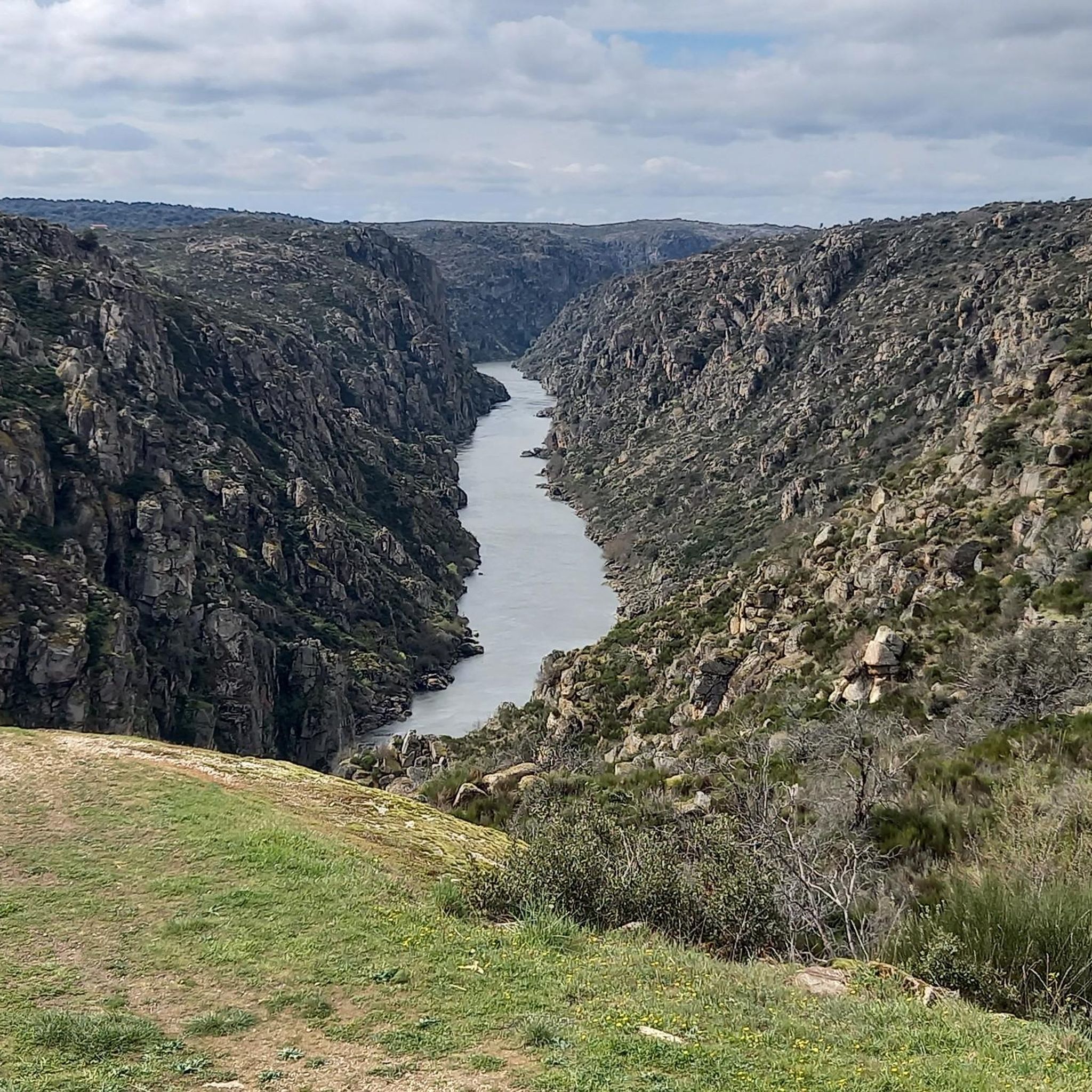
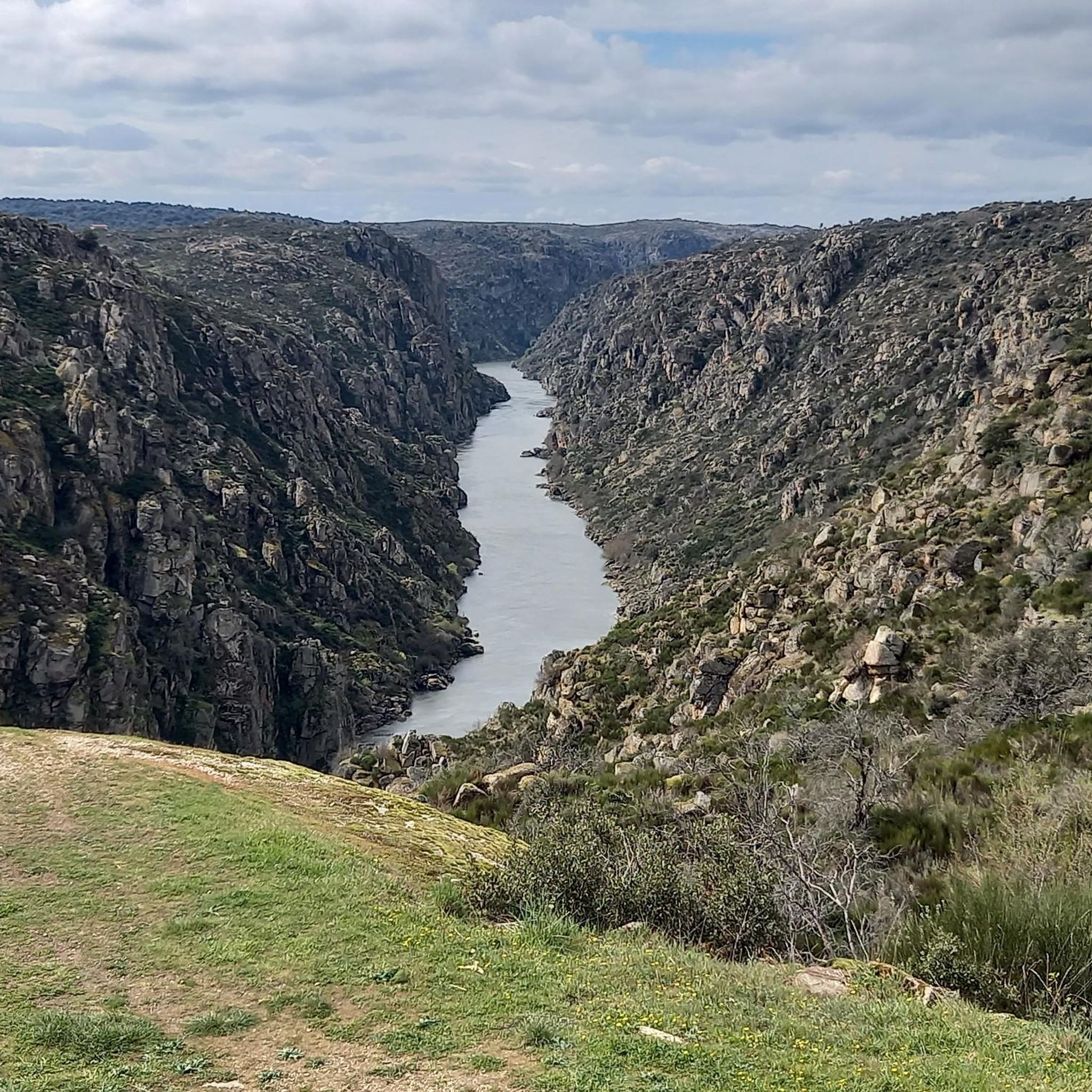
Road cycling routes around Pino Del Oro are situated within the Arribes del Duero Natural Park, characterized by dramatic geological formations shaped by the Duero River. The landscape features deep gorges, known as "Arribes," and transitions from rolling hills to abrupt river cliffs. Granitic rock formations and the Ricobayo Reservoir further define the terrain, offering varied routes for cyclists.
Best road cycling routes around Pino Del Oro
- The most popular road cycling route is Miranda do Douro and Arribes del…
Last updated: May 11, 2026
5.0
(1)
7
riders
61.1km
02:52
770m
770m
Moderate road ride. Good fitness required. Mostly well-paved surfaces and easy to ride.
1
riders
Moderate road ride. Good fitness required. Mostly well-paved surfaces and easy to ride.

Sign up for free
108km
04:43
960m
960m
Hard road ride. Very good fitness required. Mostly well-paved surfaces and easy to ride.
41
riders
92.6km
04:11
910m
910m
Hard road ride. Very good fitness required. Mostly well-paved surfaces and easy to ride.
7
riders
92.0km
04:27
1,250m
1,250m
Hard road ride. Very good fitness required. Some segments of this route may be unpaved and difficult to ride.
Get access to more routes and recommendations from other explorers.
Sign up for free
Already have an account?
Our route recommendations are based on thousands of hikes, rides, and runs completed by other people on komoot.
Start today with a free account
Your next adventure awaits.
Login or Signup
Popular around Pino Del Oro
Tips from the Community

It's located in the heart of the Arribes del Duero Natural Park, an area of great scenic beauty and biodiversity. Things to do nearby: Viewpoints: The viewpoint at the bridge itself and others nearby, such as the one in Villadepera. Hiking trails: Paths through the Arribes, ideal for photography and birdwatching. Charming villages: Villadepera, Pino del Oro, and other towns in the area. From the bridge, you can admire the granite cliffs of the Duero River and the deep riverbed that marks the natural border with Portugal.
2
0
The Requejo Bridge, also known as the Pino Bridge, is a jewel of historical engineering located in Villadepera (Zamora) over the Duero River, within the Arribes del Duero Natural Park. Year of inauguration: 1914. Designed by the engineer José Eugenio Ribera, a pioneer in the use of reinforced concrete in Spain. It was built to connect the Aliste and Sayago regions, facilitating communication between Zamora and Portugal.
2
0
What to see and do Viewpoints: There are scenic viewpoints along the road and in the surrounding area offering views of the dam and reservoir. Ricobayo Reservoir: Ideal for water sports, fishing, and hiking. Natural surroundings: Very close to the Arribes del Duero Natural Park, with its spectacular landscapes.
2
0
The Ricobayo Dam is located on the Esla River, in the province of Zamora (Castilla y León), and is part of the Iberdrola hydroelectric system. Completed in 1934, it was one of the major hydraulic engineering projects of the 20th century in Spain.
2
0
It spans the Duero River in Zamora (Castilla y León), connecting Avenida de Portugal (Pinilla neighborhood) with Calle de Salamanca in the city. The project began in 1882, with construction starting in 1892, under the direction of engineer Prudencio Guadalajara, to alleviate the overloading of the old Stone Bridge. Inaugurated in 1900, it represented a significant improvement in handling the growing traffic in the city. It was designed in steel, using a metal lattice structure of the St. Andrew's Cross type, typical of the late 19th century.
3
0
Tábara, located in the northwest of the province of Zamora (Castilla y León), is a town with a rich medieval history, a stunning natural setting, and a significant cultural heritage. Origins: These date back to the Bronze Age and Roman period. Middle Ages: It was an important monastic center with the Monastery of San Salvador de Tábara, founded by Saint Froilán in the 9th century at the behest of Alfonso III.
9
0

In this town that is located on one of the horns of one of the meanders created by the Río Duero itself, at the Villalcampo Dam we find its church. Interesting village that falls to the same dam in a circuit of open curves with views of the valley carved by the same river.
0
0

This bullring was built in 1875 and is the typical style you will find throughout Spain. It has space for about 10,000 spectators. It is an important part of Zamora and a festival is held here every June.
0
0
Frequently Asked Questions
How many road cycling routes are available around Pino Del Oro?
There are over 10 dedicated road cycling routes around Pino Del Oro, offering a variety of experiences within the Arribes del Duero Natural Park. These routes are highly rated by the komoot community.
What kind of terrain can I expect on road cycling routes in Pino Del Oro?
The terrain around Pino Del Oro is diverse, characterized by dramatic geological formations. You'll encounter deep river gorges, rolling hills, and abrupt river cliffs, along with impressive granitic rock formations. This variety offers both challenging climbs and scenic stretches.
Are there routes suitable for beginners or more advanced cyclists?
While many routes feature challenging terrain, there are options for different skill levels. The region offers 8 moderate routes and 5 difficult routes. For example, the Miranda do Douro and Arribes del Duero Loop is a moderate option, while the Zamora and Sayago Region Loop is considered difficult.
What are some notable landmarks or scenic viewpoints along the road cycling routes?
Cyclists can enjoy several significant landmarks and viewpoints. The historic Requejo Bridge, an engineering marvel spanning the Duero River, is a highlight. You can also find stunning panoramas from viewpoints like São João das Arribas Viewpoint and Mirador de Los Pueyos, offering views of the gorges and the Ricobayo Reservoir.
Can I find circular road cycling routes in the Pino Del Oro area?
Yes, many of the routes around Pino Del Oro are circular. A popular choice is the Circular by the west of Parque Natural Arribes del Duero — by the Salto de Villalcampo, which explores the western part of the natural park.
What is the best time of year for road cycling in Pino Del Oro?
The region's climate, with its varied terrain, generally makes spring and autumn ideal for road cycling, offering pleasant temperatures. Summer can be warm, but early mornings or late afternoons can still be enjoyable. Always check local weather conditions before heading out.
Are there any family-friendly road cycling options in Pino Del Oro?
While the region is known for its dramatic gorges and challenging terrain, some of the more moderate routes with rolling hills might be suitable for families with older, experienced children. However, specific dedicated family-friendly routes are not explicitly highlighted due to the generally rugged nature of the Arribes del Duero.
What facilities are available for cyclists, such as parking or public transport access?
For those driving, parking is typically available in the villages and towns within the Arribes del Duero Natural Park, including Pino Del Oro. Public transport options might be limited, so planning your starting point and logistics in advance is recommended.
Where can I find places to eat or stay near the cycling routes in Pino Del Oro?
Pino Del Oro and surrounding villages within the Arribes del Duero Natural Park offer local cafes, pubs, and accommodation options. These establishments provide opportunities for rest and refreshment along or after your cycling adventures.
What do other cyclists say about the road cycling experience in Pino Del Oro?
The road cycling routes in Pino Del Oro are highly rated by the komoot community, with an average score of 5.0 stars from 2 reviews. Cyclists often praise the stunning natural landscapes, the dramatic gorges of the Duero River, and the challenging yet rewarding terrain.
Are there any long-distance road cycling routes available?
Yes, for those seeking longer rides, routes like the Zamora and Sayago Region Loop cover over 100 km, leading through varied regional landscapes and offering a significant challenge.
Is it possible to combine cycling with other activities like hiking or exploring historical sites?
Absolutely. The region is rich in opportunities beyond cycling. You can explore various hiking trails through the 'Arribes' for photography and birdwatching. Additionally, vestiges of Roman gold mining activity to the west of Pino Del Oro offer a historical dimension to your outdoor exploration.
Can I see the Ricobayo Reservoir from any of the cycling routes?
Yes, the Ricobayo Reservoir is a prominent feature of the landscape. Routes such as the Puente de los Poetas – Ricobayo Dam loop from Pino del Oro offer views of this impressive hydroelectric project and its surrounding spectacular landscapes.
Most popular routes around Pino Del Oro
Most popular attractions around Pino Del Oro

Get inspired with the komoot mobile app


Explore more
Browse the best Road cycling routes in other regions.
