The best walks and hikes around Collsuspina
4.5
(444)
3,007
hikers
270
hikes
Hiking around Collsuspina offers access to a distinctly mountainous terrain, characterized by geological formations and dramatic cliff landscapes. The region features elevations starting at a minimum of 800 meters, with prominent passes like La Pollosa reaching 920 meters. Hikers can explore varied topography, including the Bertí Cliffs and the rock formation of La Trona, which contribute to the area's rugged beauty. This environment provides diverse routes through ancient landscapes.
Best hiking trails around Collsuspina
- The most popular hiking route is…
Last updated: July 6, 2026
4.4
(9)
54
hikers
10.6km
02:57
190m
190m
Moderate hike. Good fitness required. Easily-accessible paths. Suitable for all skill levels.
5.0
(2)
13
hikers
14.9km
04:26
430m
430m
Moderate hike. Good fitness required. Easily-accessible paths. Suitable for all skill levels.

Sign up for free
4.0
(2)
10
hikers
7.84km
02:15
190m
190m
Moderate hike. Good fitness required. Easily-accessible paths. Suitable for all skill levels.
13
hikers
12.8km
03:46
370m
370m
Moderate hike. Good fitness required. Easily-accessible paths. Suitable for all skill levels.
5.0
(1)
10
hikers
8.00km
02:11
120m
120m
Moderate hike. Good fitness required. Easily-accessible paths. Suitable for all skill levels.
Get access to more routes and recommendations from other explorers.
Sign up for free
Already have an account?
Our route recommendations are based on thousands of hikes, rides, and runs completed by other people on komoot.
Start today with a free account
Your next adventure awaits.
Login or Signup

Tips from the Community

La Cova del Toll is a prehistoric cave located in Moià, in Moianès. Situated at an altitude of 745 meters, it has a total length of 1148 meters. The part open to visitors is 180.55 meters long and is L-shaped. It is one of the richest prehistoric caves in Europe in terms of Quaternary fauna. The guided tour, very well conducted by the professional and geared towards younger visitors, explains in great detail and in an engaging way part of the history of these caves, their formation, inhabitants, uses, discovery, and findings. The tour through the recreation of an ancient settlement of inhabitants is the icing on the cake for this entertaining morning.
0
0
La Cova del Toll is a prehistoric cave located in Moià, in the Moianès region. Situated at an altitude of 745 meters, it has a total length of 1148 meters. The part open for visits is 180.55 meters long and is L-shaped. It is one of the richest prehistoric caves in Europe in terms of Quaternary fauna. The guided tour, very well conducted by the professional and geared towards younger visitors, explains in a very detailed and engaging manner part of the history of these caves, their formation, inhabitants, uses, discovery, and findings.
0
0

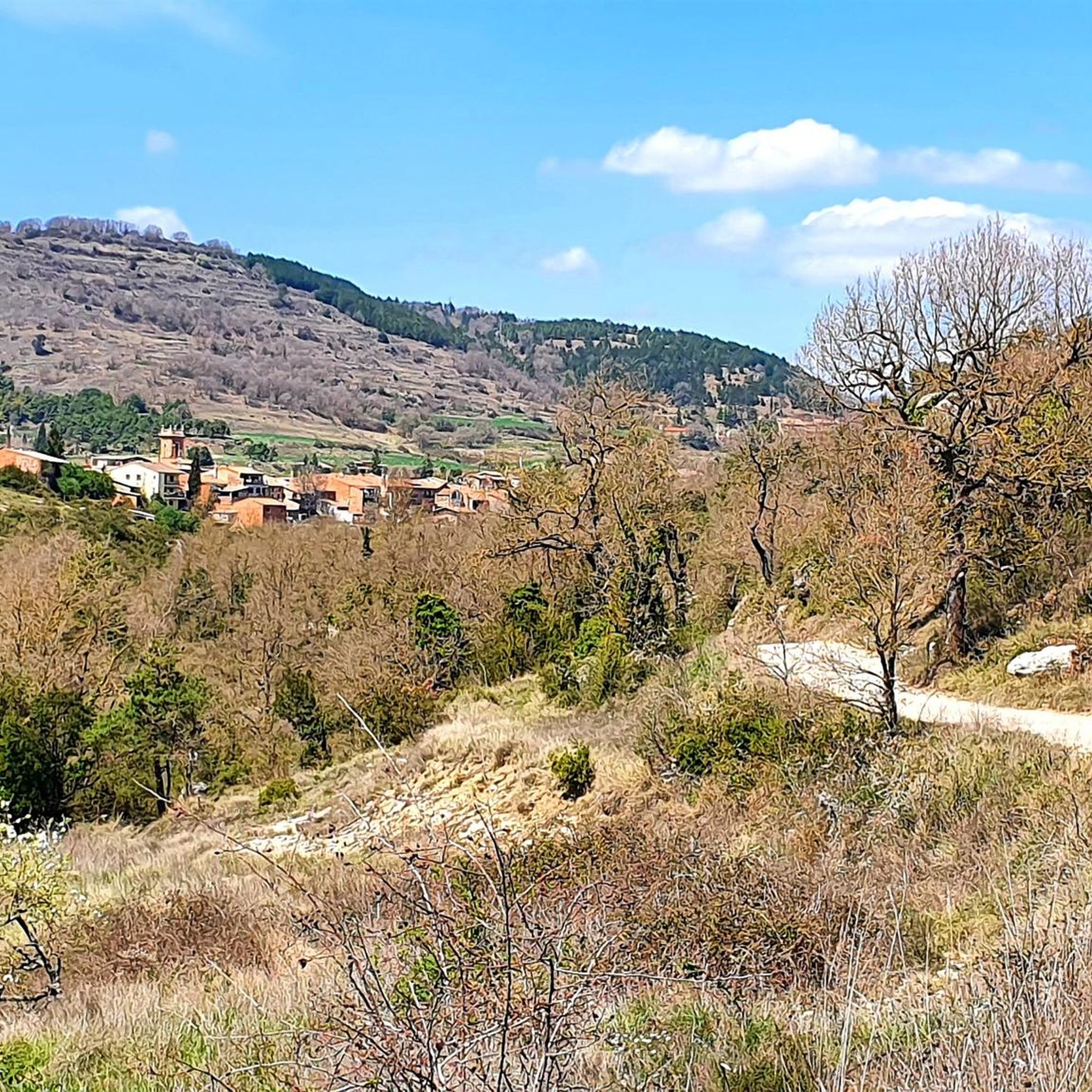
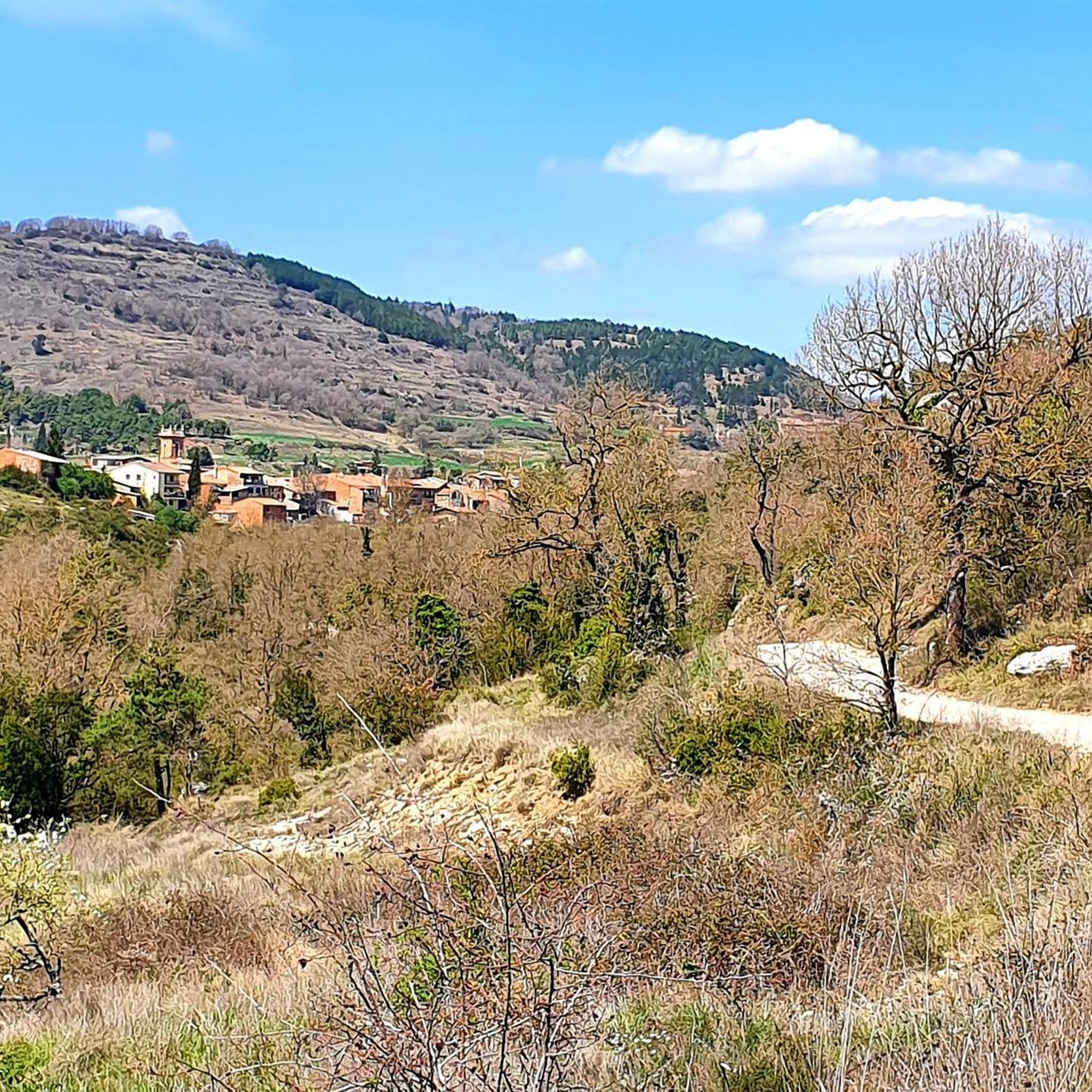
Collsuspina is a small village with fewer than 400 inhabitants. It belongs to the Moyanés region. Its name comes from the fact that it was established on the Espina pass, along the old royal road from Manresa to Vic. The pass was named after the important L'Espina farmhouse that once stood there.
0
0

Can Xarina is a good restaurant
1
0

It is a medium-sized church from the 12th century. It doesn't appear to be in use, but it's nice to visit or take a photo.
2
1

Due to its altitude and the higher rainfall than in the rest of Moianès, it is a term quite rich in water and with notable planes and valleys for crops. The district is criss-crossed by small torrents, such as Armadans or Picanyol, Griolera or Umbertes, and Santa Coloma or Fontscalents, which pour their waters into the Marfà or Golarda stream. In the lands of Collsuspina, a Mediterranean mountain climate with a continental tendency predominates. The term includes the old town and the neighborhoods of Picanyol and Las Casetes as well as a score of Masos.
10
0
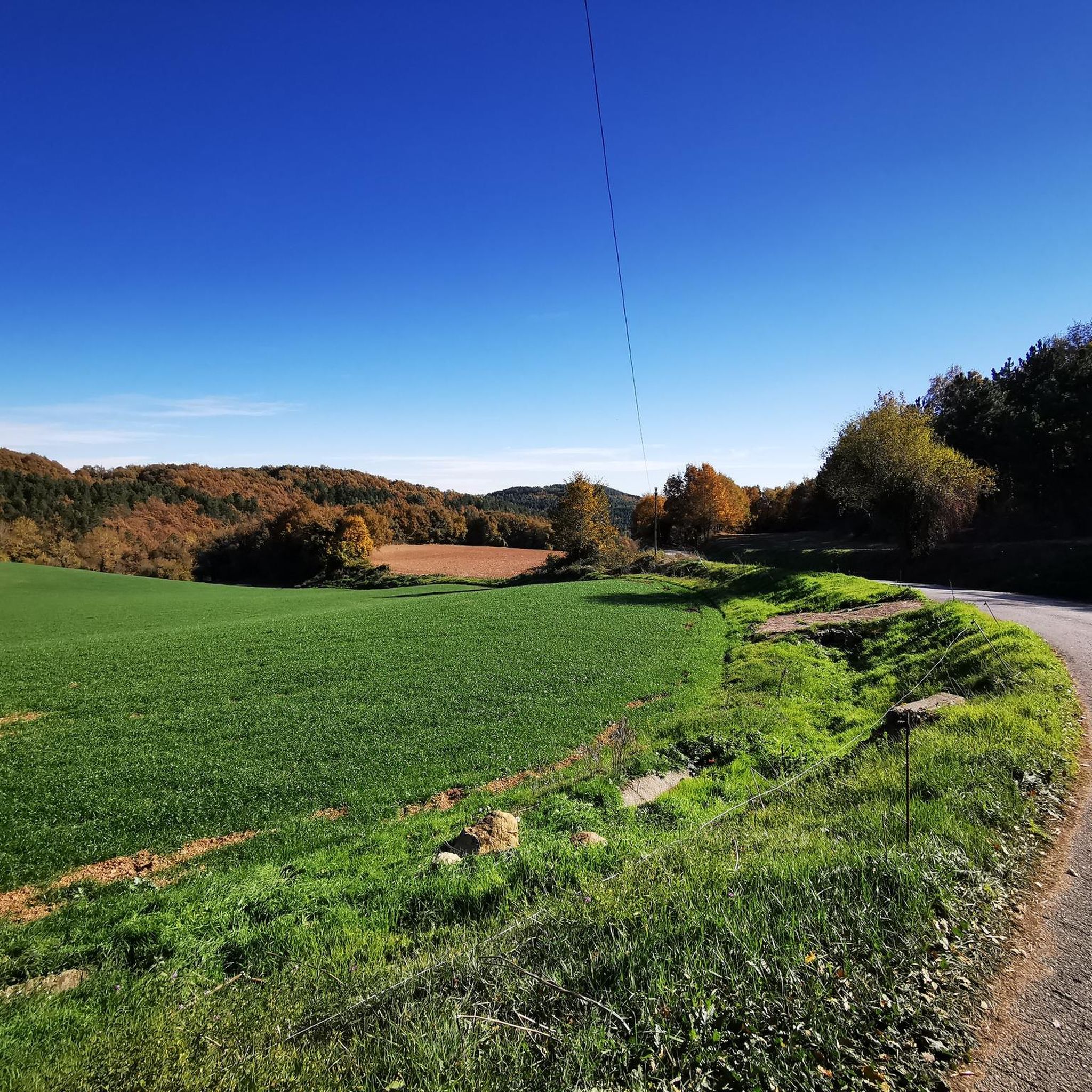
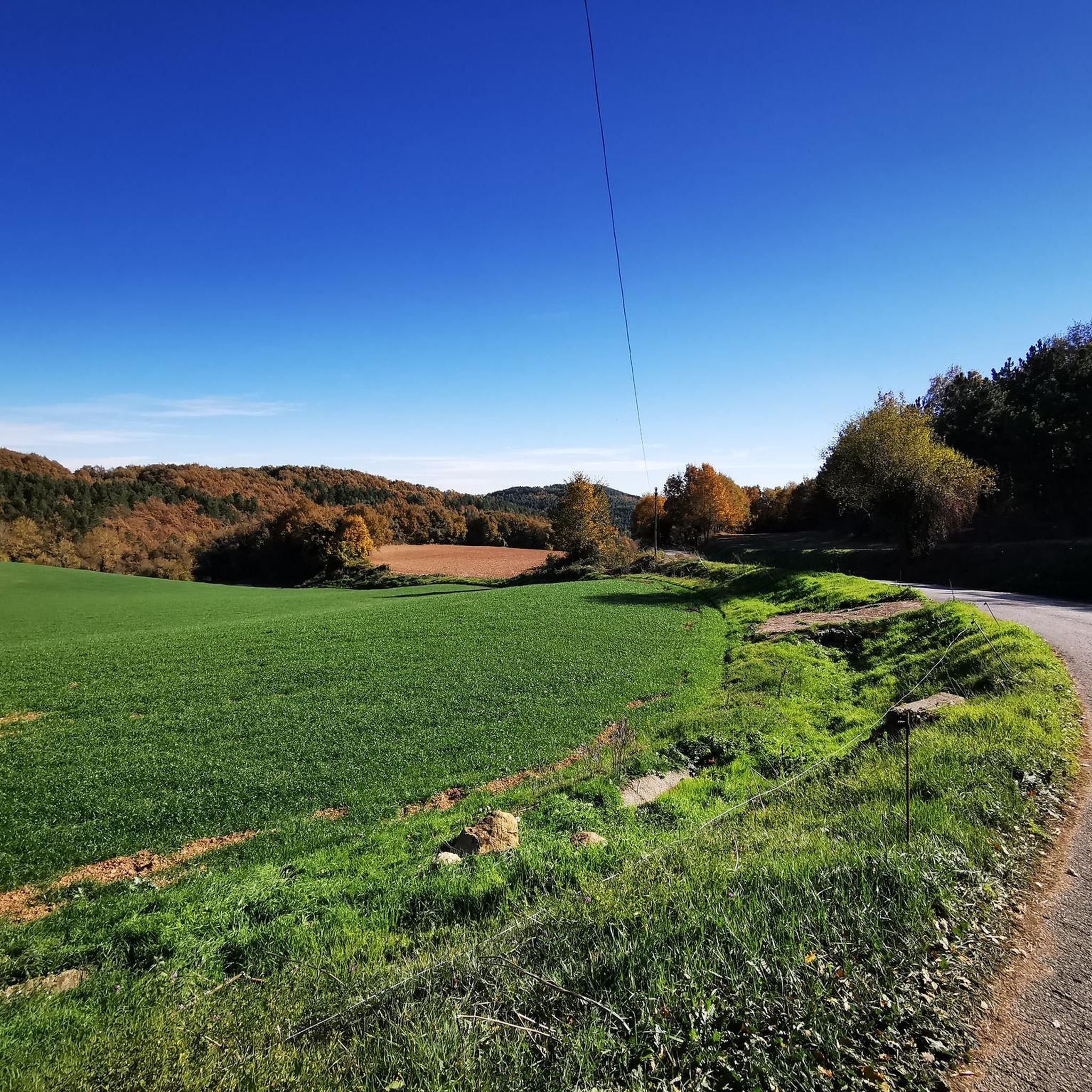
The term of Collsuspina, of 14.86 km2 located in the Moianès region. It extends along the mountain range that closes the Vic plain to the west; It limits to the north with the municipality of Muntanyola, to the northeast and east with Tona, to the east and southeast with the municipality of Balenyà, to the south with Castellcir and to the west with the municipality of Moià. Collsuspina is an essentially mountainous term, geologically formed during the Tertiary period. The port or neck of La Pollosa (920 meters) is the only pass between Moianès and Osona that exceeds a thousand meters in the small mountain range in the north and that goes from the Caseta de Vilafort in Sant Cugat de Gavadons (1043 meters in Sant Cugat de Gavadons, 1,061 meters on Mount Oller); It has a minimum height of 800 meters in the Santa Coloma stream, under the Puig-old.
10
0
Collsuspina is a municipality in Catalonia, Spain. Belonging to the province of Barcelona, located to the east of the Moyanés region and bordering on Osona.
9
0
Frequently Asked Questions
How many hiking trails are available around Collsuspina?
Collsuspina offers a wide variety of hiking experiences, with over 270 routes available on komoot. These range from easy strolls to more challenging treks, ensuring options for all skill levels.
What kind of terrain can I expect on hikes in Collsuspina?
The terrain around Collsuspina is distinctly mountainous, shaped during the Tertiary period. You'll encounter varied topography, including significant geological formations, rugged paths, and dramatic cliff landscapes. Elevations start at a minimum of 800 meters, with prominent passes like La Pollosa reaching 920 meters.
Are there any easy hiking routes suitable for beginners in Collsuspina?
Yes, Collsuspina has 85 easy hiking routes perfect for beginners or those looking for a relaxed walk. These trails generally feature less elevation gain and shorter distances, allowing you to enjoy the natural beauty at a comfortable pace.
What are some notable natural attractions or landmarks to see while hiking in Collsuspina?
Hikers can explore several interesting natural attractions. The area is known for its dramatic cliff formations, including the impressive Bertí Cliffs and the rock formation of La Trona (Bertí Cliffs), a popular climbing spot. You might also discover the Salt de la Tosca Waterfall and Molí de Brotons, offering a refreshing stop.
Are there any circular hiking routes around Collsuspina?
Yes, many routes in Collsuspina are circular, allowing you to start and end in the same location. For example, the Collsuspina – Coves del Toll loop is a moderate 10.6 km trail that takes you to notable cave formations. Another option is the Sant Cugat de Gavadons Church – Collsuspina loop, a 7.8 km route leading to a historic church.
What do other hikers say about the trails in Collsuspina?
The routes in Collsuspina are highly rated by the komoot community, with an average score of 4.5 stars from over 400 reviews. Hikers often praise the varied terrain, the stunning views from viewpoints like El Roc Gros, and the opportunity to explore ancient landscapes and geological features.
Are there any viewpoints offering panoramic vistas in the Collsuspina area?
Absolutely. The region is known for its dramatic vistas. A popular route that offers panoramic views is the Collsuspina – El Roc Gros Viewpoint loop, a moderate 14.9 km path. The Bertí Cliffs also provide awe-inspiring limestone formations and spectacular panoramic views.
What is the best time of year to go hiking in Collsuspina?
While specific recommendations depend on personal preference, the diverse natural environments of Catalonia generally offer good hiking conditions across various seasons. Spring and autumn often provide pleasant temperatures and vibrant scenery. Summer can be warm, so early morning or late afternoon hikes are advisable, especially on routes with shade. Winter hiking is also possible, but be prepared for cooler temperatures in the mountainous terrain.
Are there any trails that lead to interesting historical sites or churches?
Yes, you can combine hiking with cultural exploration. The Sant Cugat de Gavadons Church – Collsuspina loop is a popular 7.8 km trail that leads through varied terrain to a historic church, offering a glimpse into the region's heritage.
What are the typical elevations and distances for hikes in Collsuspina?
Hikes in Collsuspina vary significantly. You can find shorter routes like the Cova del Toll – Coves del Toll loop, which is about 7.8 km with around 120 meters of elevation gain. More challenging routes, such as the El Roc Gros Viewpoint – Collsuspina loop, can cover over 12 km with nearly 375 meters of elevation gain, providing a good workout amidst scenic landscapes.
Are there any specific geological features worth noting in Collsuspina?
Collsuspina's landscape is defined by its mountainous environment and significant geological formations. The area features the
Are there any specific geological features worth noting in Collsuspina?
Collsuspina's landscape is defined by its mountainous environment and significant geological formations. The area features the "port or neck of La Pollosa," a significant pass reaching 920 meters. Additionally, the dramatic Bertí Cliffs and the rock formation of La Trona (Bertí Cliffs) are prominent features, showcasing the region's rugged beauty shaped during the Tertiary period.
Can I find places to eat or stay near the hiking trails in Collsuspina?
While specific cafes or pubs directly on trails are not detailed, Collsuspina itself is a settlement where you can find amenities. For accommodation, the broader region offers options, and you might find various huts and shelters, such as Molines Shelter 2 or Granja Shelter 3, which could be useful for longer treks.
Most popular routes around Collsuspina
Most popular attractions around Collsuspina

Get inspired with the komoot mobile app


Explore more
Browse the best Hikes in other regions.
