Attractions and Places To See around Lemoa - Top 20
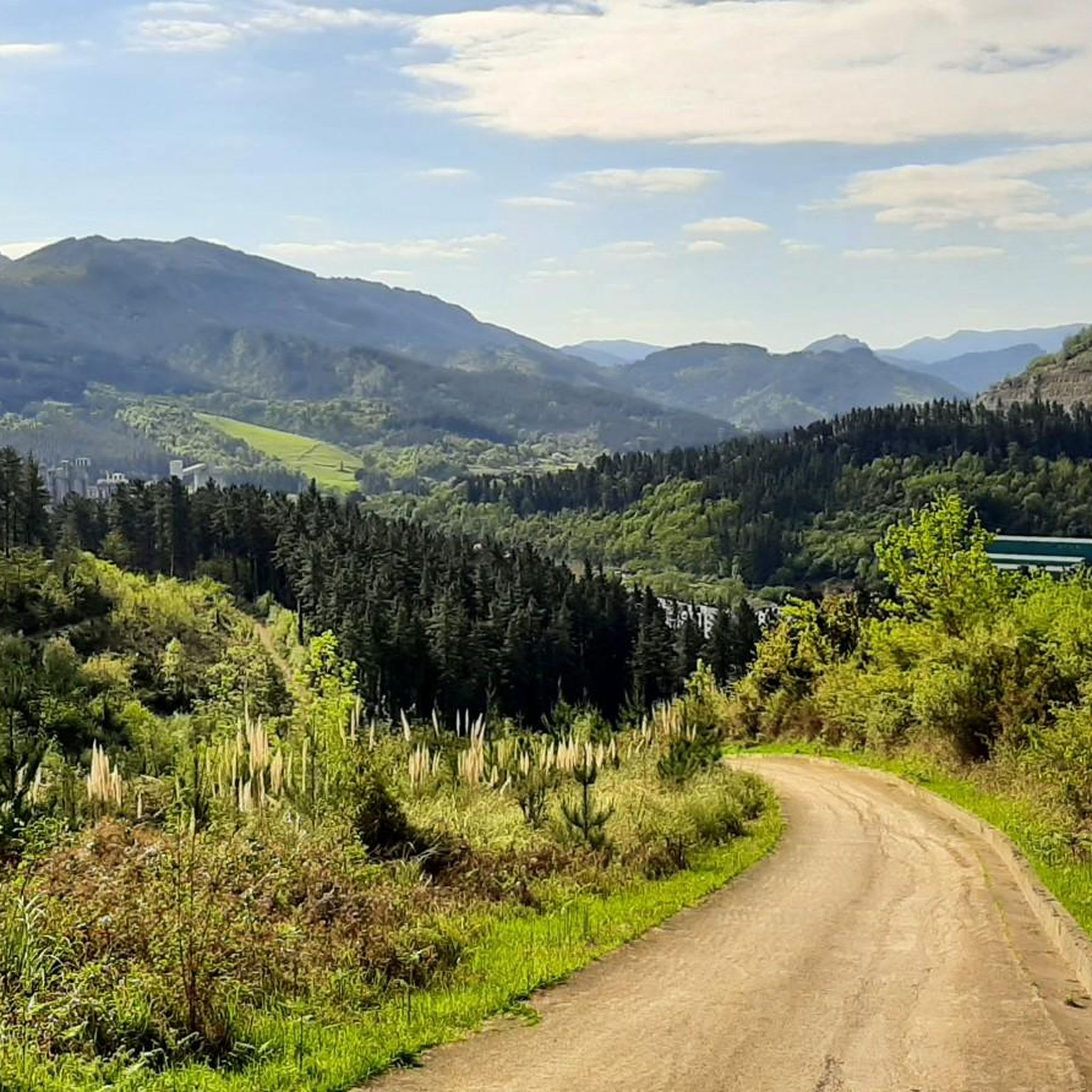
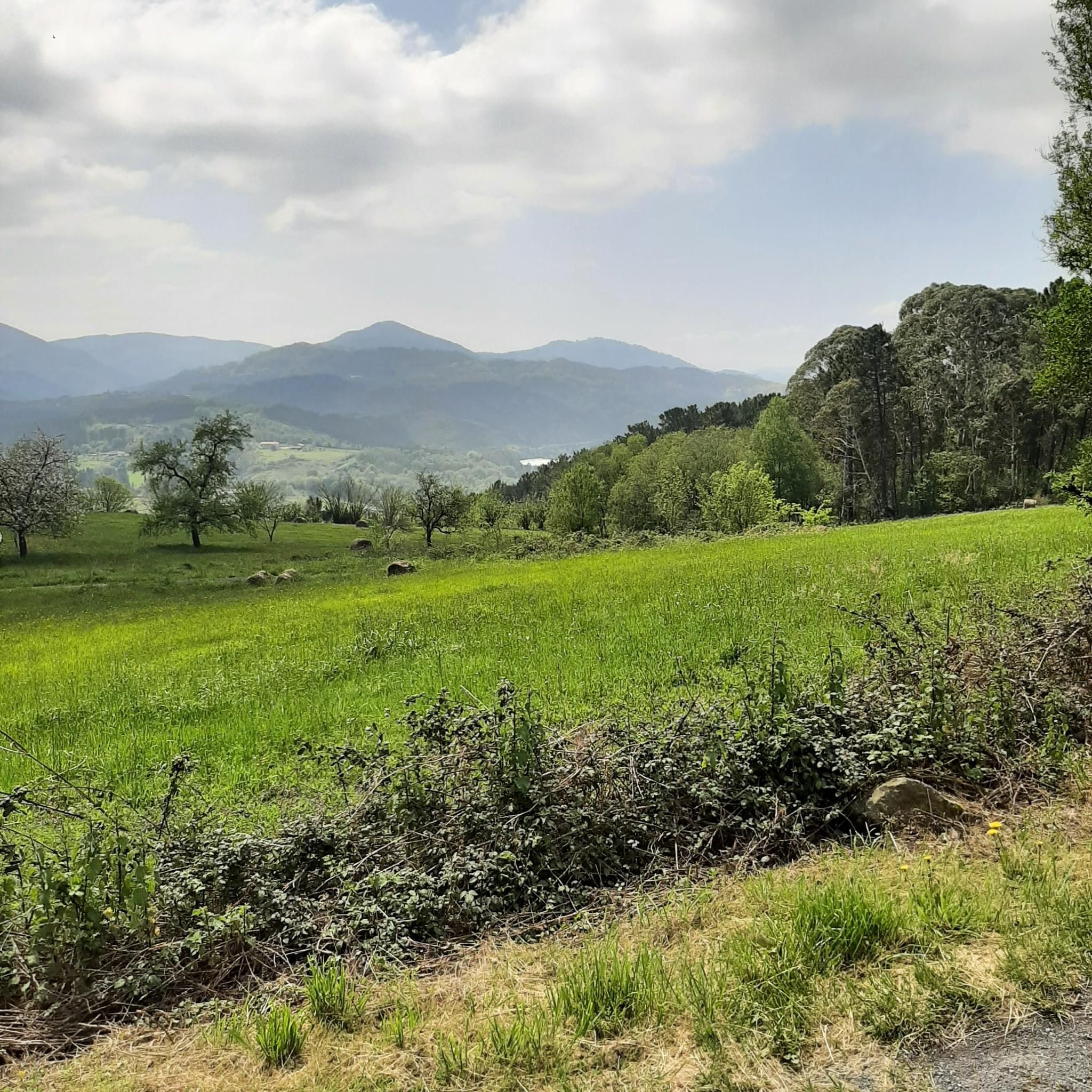
Attractions and places to see around Lemoa include a blend of local heritage, cultural sites, and natural landscapes within Spain's Basque Country. This municipality in Biscay is characterized by its mountainous surroundings, including the Aramotz and Arraño ranges, and rivers such as the Ibaizabal. Lemoa's location near Gorbeia Natural Park provides access to natural environments and scenic views of the Arratia region. The area offers opportunities for historical discovery and appreciation of its distinct character.
Best attractions and places to see around Lemoa
- The most popular attractions is Hirumugarrieta Megalithic Site, a historical site located in the pastoral station of Artxanda. This dolmen features a rectangular chamber and provides insight into the cultural manifestations of the Bronze Age in the region.
- Another must-see spot is Muxika town centre, a settlement situated between the Oiz and Bizkargi massifs. Visitors can explore its scattered neighborhoods, which preserve valuable cultural and historical heritage, including medieval farmhouses and the 16th-century Muxika tower-house.
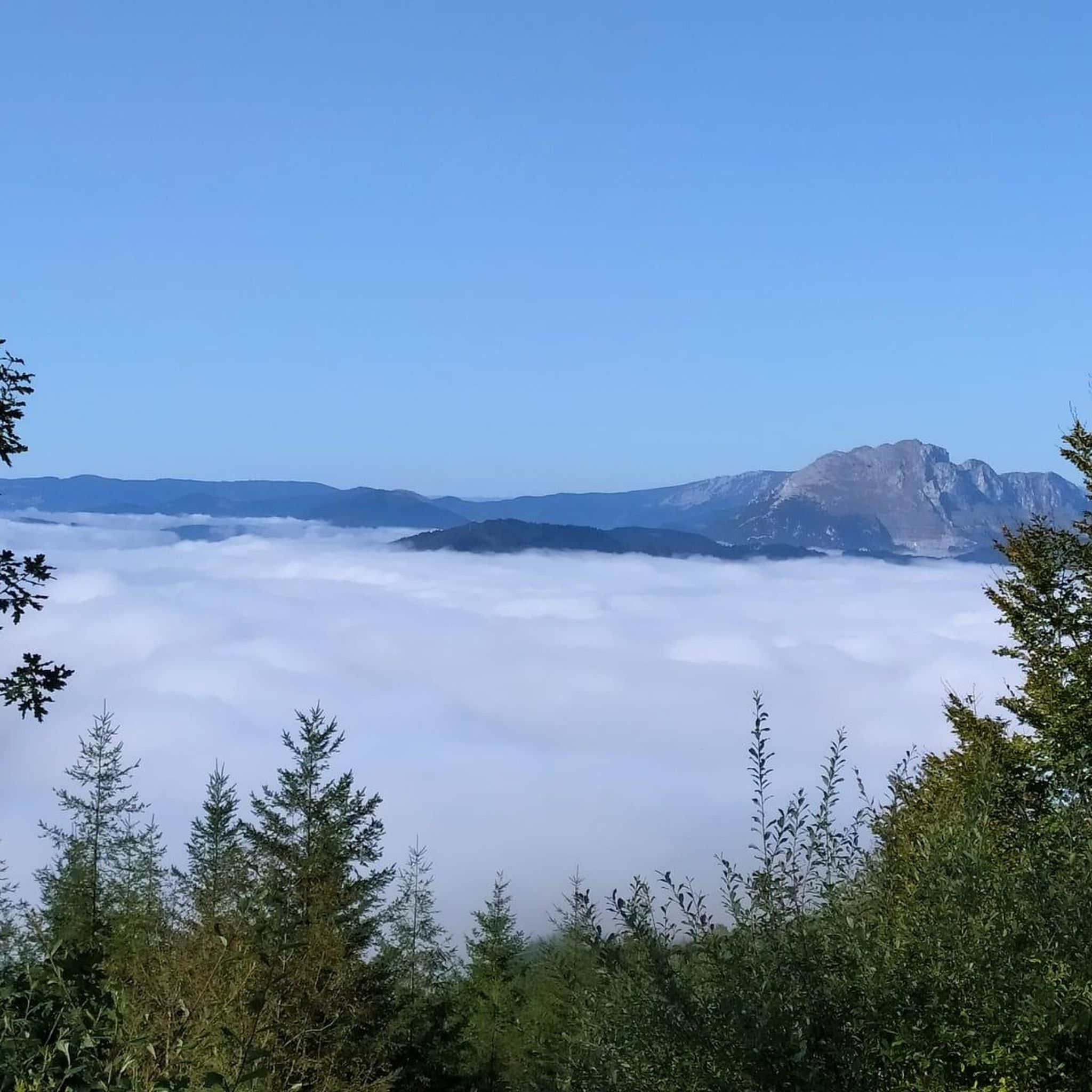
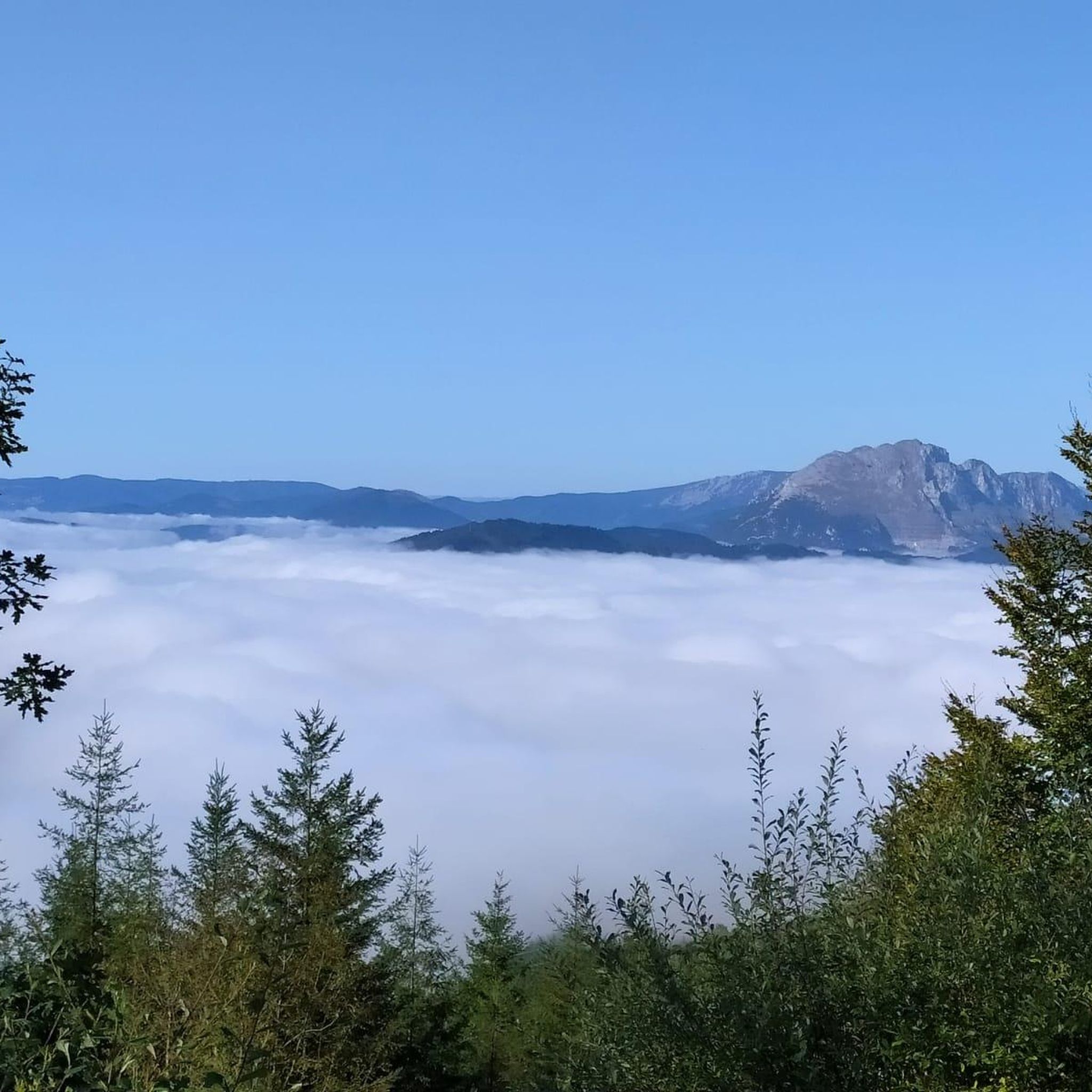
- Visitors also love Alto de Muniketa (Montecalvo), a mountain pass offering views of the sea, Urdaibai, and Duranguesado. This location, at an altitude of 381 meters, was historically a main communication route to the south through Durango.
- Lemoa is known for its historical sites, religious buildings, and mountain passes. The area provides a variety of attractions to see and explore, from ancient megalithic structures to scenic viewpoints.
- The attractions around Lemoa are appreciated by the komoot community, with 2 highlights featuring 3 photos and receiving 13 upvotes.
Last updated: May 9, 2026
Alto de Muniketa (Montecalvo)
Highlight • Mountain Pass
Translated by Google •
Tip by

Church of Santa María de Lezama
Highlight • Religious Site
The Gothic and Baroque styles are those that identify the architecture of the temple. Inside the portico is the Antechurch Table, whose former function was as a meeting space for the municipal community. The interior is divided into three naves and at its feet the tall choir on a carpanel arch stands out.
The main chapel fully completes its image with the presence of a baroque altarpiece.
Translated by Google •
Tip by

Sign up now to discover places like this
Get recommendations on the best single tracks, peaks, & plenty of other exciting outdoor places.
Sign up for free
Hirumugarrieta Megalithic Site
Highlight • Historical Site
The dolmen has a rectangular chamber. Surrounding it was the galgal composed of slabs folded towards the center of the funerary monument. It has been recently excavated, so this monument constitutes a starting point for the study of the cultural manifestations of the Bronze Age of the Artxanda pastoral station, also allowing analogies and differences to be established with other pastoral stations in the territory.
Translated by Google •
Tip by

Alto de Sarasola
Highlight • Mountain Pass
Translated by Google •
Tip by

Muxika town centre
Highlight • Settlement
More info at: turismourdaibai.com/es/muxika
Translated by Google •
Tip by

Sign up for free to discover even more attractions around Lemoa.
Sign up for free
Already have an account?
Start today with a free account
Your next adventure awaits.
Login or Signup

Tips from the Community

The Church of Santa María was built in the 16th century. Since then, it has been renovated several times. Inside, we find vaulted ceilings, five altars, and a beautiful continuous atrium that originally served as a burial site.
0
0

The church of Santa María was built in the 16th century. Since then it has undergone several renovations. Inside we find vaults, five altars and a beautiful continuous atrium, originally used as a burial place. The Gothic and Baroque styles are those that identify the architecture of the temple. Inside the portico is the Antechurch Table, whose former function was as a meeting space for the municipal community. The interior is divided into three naves and at its feet the tall choir on a carpanel arch stands out. The main chapel fully completes its image with the presence of a baroque altarpiece.
0
0
The BI-3524 regional highway connects the towns of Ugao-Miraballes and Artea, crossing the municipality of Zeberio. It is a conventional two-way road with a variable road width of about six meters and has a winding layout, with very tight curves. The section of road on which action has been taken begins before reaching the Olatxu neighborhood, in Zeberio, P.K. 15+800, and ends at the station. 26+060, coinciding with the intersection with the BI-3513 highway, in the municipality of Artea. There are two sections of this road transferred to the municipalities in which no action has been taken; a section of 840 meters in the Olatxu neighborhood and another of 1,300 meters in the urban center of Zubialde.
0
0

Montecalvo is located at an altitude of 381 meters, offering impressive views of the sea and Urdaibai on one side and Duranguesado on the other. The Muniketa road was the main communication route south through Durango until 1848, when the Autzagane road was improved.
1
0

Mythical place for Biscayan cyclists, the scene of endless races of all categories!
0
0

From the top of Muniketa or Montecalvo, there are exceptional views and you can see the sea and Urdaibai on one side, as well as the Duranguesado on the other. Muniketa is a dispersed neighborhood with several typical hamlets and until 1848 it was the main route of communication to the south through Durango. That year the Autzagane road was improved. In Muniketa is the Astei agrotourism, a rehabilitated farmhouse with restaurant service from where we can perfectly see a slope of Mount Oiz and Goraño. From Artatza, the ascent is a 3.7-kilometre climb with 261 meters of positive elevation gain, 12 beautiful horseshoe curves and a very regular slope of around 7%. From Muxika, the ascent is 9 kilometers and a total of 382 meters of positive slope. More info at: https://www.muxikakoudala.eus/es-ES/informacion-cultural/Barrios/Paginas/Muniketa.aspx
0
0
It is located between the Oiz and Bizkargi massifs, and is the largest municipality in the entire region. Its neighborhoods, scattered among green mountains, keep a valuable cultural and historical heritage. It is worth visiting the small neighborhood of Unda, for its medieval farmhouses. In San Román is the emblematic 16th-century Muxika tower-house and the beautiful San Román hermitage, a Romanesque building and a magnificent example of rural religious architecture. In Maguna, Maume, Gorozika or Ajuria, the magnificent natural and rural environment stands out. More info at: https://turismourdaibai.com/es/muxika/
0
0

Hirumugarrieta is a megalithic station located in the pastoral station of Artxanda, in the mountain range that surrounds Bilbao, near Mount Avril. The dolmen has a rectangular chamber. Surrounding it was the galgal composed of slabs folded towards the center of the funerary monument. It has been recently excavated, so this monument constitutes a starting point for the study of the cultural manifestations of the Bronze Age of the Artxanda pastoral station, also allowing analogies and differences to be established with other pastoral stations in the territory.
1
0
Frequently Asked Questions
What historical and cultural sites can I visit around Lemoa?
Lemoa and its surroundings offer a rich historical and cultural heritage. You can explore the ancient Hirumugarrieta Megalithic Site, a Bronze Age dolmen. The Muxika town centre preserves valuable cultural heritage, including medieval farmhouses and the 16th-century Muxika tower-house. Additionally, the Church of Santa María de Lezama, built in the 16th century, showcases Gothic and Baroque architecture. The municipality also features several hermitages like Santiago, San Martín, and San Lorenzo, along with a limekiln and the Ziriboketa mill.
Are there any scenic viewpoints or natural landmarks near Lemoa?
Yes, Lemoa is surrounded by natural beauty. The Alto de Muniketa (Montecalvo) offers impressive views of the sea, Urdaibai, and Duranguesado from an altitude of 381 meters. The crags of Peña Lemoa are a well-known natural landmark overlooking the municipality. The Aramotz and Arraño mountains, composed of limestone, also contribute to the scenic surroundings, with the Ibaizabal and Arratia rivers flowing through the area.
What outdoor activities, like hiking, are available around Lemoa?
Lemoa's proximity to Gorbeia Natural Park provides numerous opportunities for outdoor activities. For hiking, you can find various trails, including moderate routes like the 'Lemoatxa from Lemoa — circular by the Lemoatxa 1937' or more challenging ones such as the 'Belatxikieta Summit (661 m) – Aramotz North Summit loop'. You can explore more options on the Hiking around Lemoa guide.
Can I go cycling or mountain biking near Lemoa?
Absolutely. The region around Lemoa is popular for cycling and mountain biking. Cyclists often frequent the Alto de Sarasola, known as a mythical place for Biscayan cyclists. For touring bicycles, routes like 'View of Mount Meazabal – Forest Trail Near Bilbao loop' are available. Mountain bikers can tackle trails such as 'Reservoir – Crossing loop' or 'Belatxikieta Summit (661 m) – Amorebieta loop'. Discover more routes in the Cycling around Lemoa and MTB Trails around Lemoa guides.
Are there family-friendly attractions or activities in the Lemoa area?
Yes, several attractions are suitable for families. The Muxika town centre, with its scattered neighborhoods and historical heritage, offers an engaging cultural experience for all ages. The Church of Santa María de Lezama is also considered family-friendly. Many of the natural trails and parks in the vicinity, especially those with moderate difficulty, can be enjoyed by families.
What is the significance of the Hirumugarrieta Megalithic Site?
The Hirumugarrieta Megalithic Site is a significant historical site located in the pastoral station of Artxanda. It features a rectangular dolmen, which is a funerary monument from the Bronze Age. Its recent excavation provides crucial insights into the cultural manifestations of that period in the region, helping to understand ancient pastoral stations.
What can I expect to see at Muxika town centre?
The Muxika town centre is a municipality located between the Oiz and Bizkargi massifs. Its scattered neighborhoods are rich in cultural and historical heritage. Visitors can explore medieval farmhouses in Unda, the emblematic 16th-century Muxika tower-house, and the beautiful Romanesque San Román hermitage. The natural and rural environment in areas like Maguna, Maume, Gorozika, or Ajuria is also notable.
What makes Alto de Muniketa (Montecalvo) a notable spot?
The Alto de Muniketa (Montecalvo) is a mountain pass at 381 meters altitude, renowned for its exceptional panoramic views. From here, you can see the sea and the Urdaibai Biosphere Reserve on one side, and the Duranguesado region on the other. Historically, it was a main communication route to the south through Durango until 1848, adding to its significance.
Are there any religious buildings of interest in the Lemoa area?
Yes, Lemoa is home to several religious sites. The Church of Santa María de Lezama, a 16th-century structure with Gothic and Baroque elements, features vaulted ceilings, five altars, and a continuous atrium. Additionally, Lemoa has several hermitages scattered throughout the area, including those dedicated to Santiago, San Martín, San Lorenzo, San Antolin, and San Ignacio, which are part of the municipality's historical heritage.
What kind of terrain can I expect on hiking trails around Lemoa?
The terrain around Lemoa is characterized by its mountainous surroundings, including the limestone Aramotz and Arraño ranges. Hiking trails can vary from moderate paths, such as the circular route around Lemoatxa, to more difficult ascents like those leading to Belatxikieta Summit. You can expect varied elevations and natural landscapes, often offering scenic views.
What is the best time of year to visit Lemoa for outdoor activities?
While specific seasonal data isn't provided, the Basque Country generally experiences mild weather. Spring and autumn often offer pleasant temperatures for hiking and cycling, with lush landscapes. Summer can be warm but is also suitable for outdoor exploration. Winter activities might be limited by weather conditions in the mountainous areas, but cultural sites remain accessible year-round.
Most popular attractions around Lemoa

Get inspired with the komoot mobile app


Explore more
Still not found the Highlight you’re looking for? See guides of the top attractions in other regions:
