The best walks and hikes around Valverde De Júcar
4.5
(7)
34
hikers
8
hikes
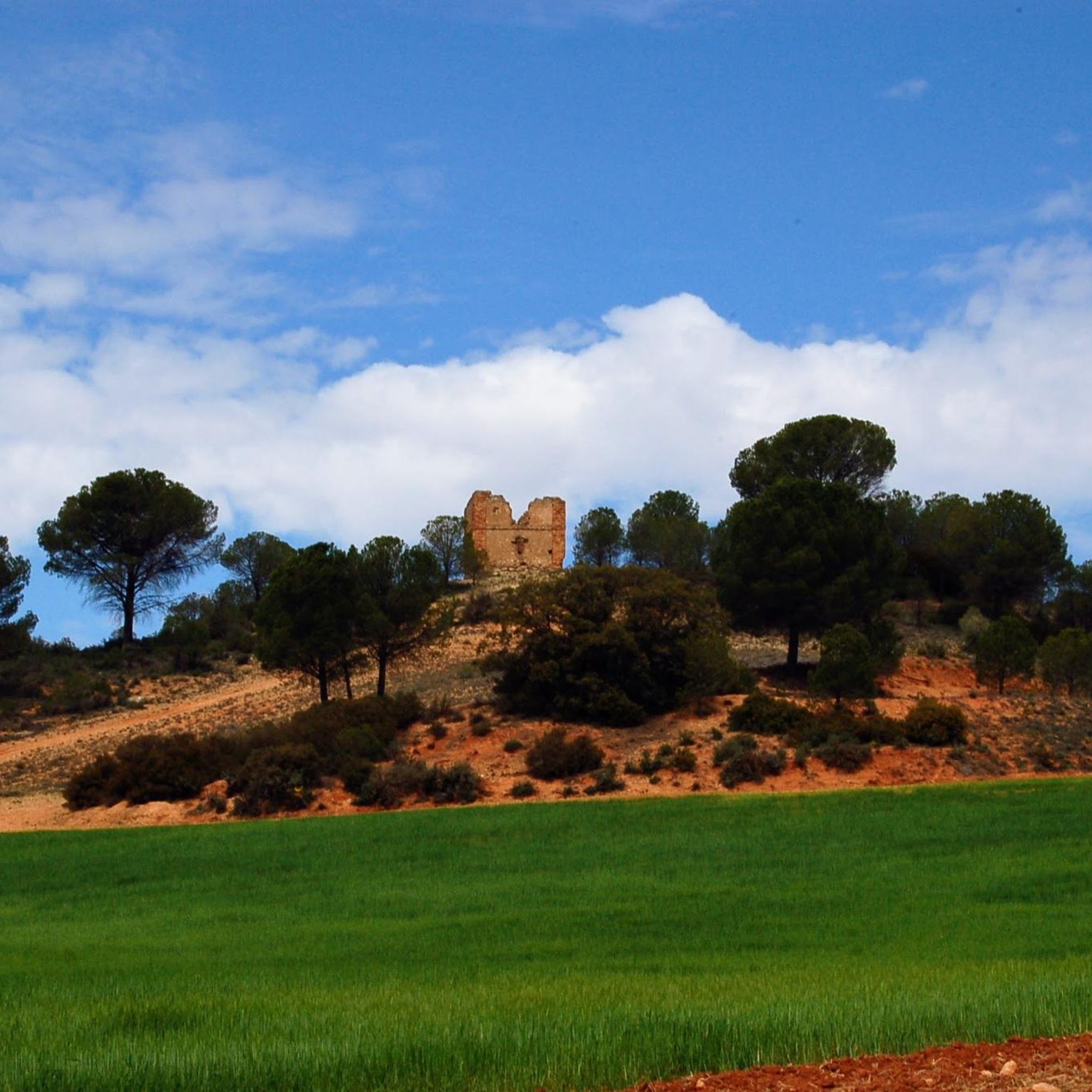
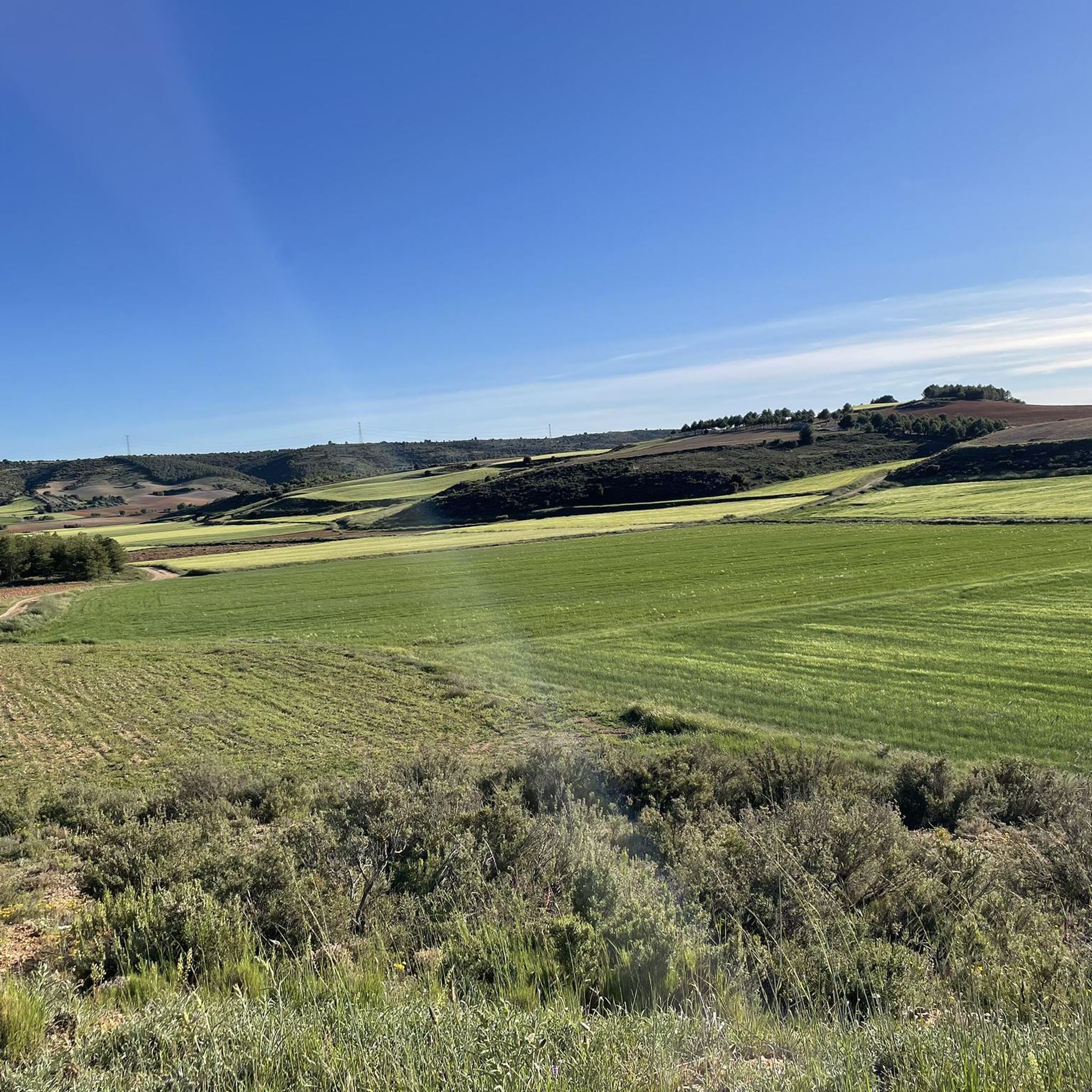
Hiking around Valverde De Júcar offers a diverse landscape characterized by the dramatic Gritos River Gorge and the expansive Las Valeras Plateaus. The region is shaped by the Júcar River, which carves out gorges and meanders through the terrain, alongside agricultural lands featuring olive groves and cultivated fields. This area provides a blend of natural beauty and historical sites, including Roman city ruins, integrated into its trail network.
Best hiking trails around Valverde De Júcar
- The most popular hiking route…
Last updated: July 7, 2026
5.0
(2)
10
hikers
13.2km
03:40
230m
230m
Moderate hike. Good fitness required. Easily-accessible paths. Suitable for all skill levels.
5
hikers
9.45km
02:39
190m
190m
Moderate hike. Good fitness required. Easily-accessible paths. Suitable for all skill levels.

Sign up for free
3.5
(2)
3
hikers
5.63km
01:29
50m
50m
Easy hike. Great for any fitness level. Easily-accessible paths. Suitable for all skill levels.
5.0
(1)
8
hikers
10.0km
02:46
170m
170m
Moderate hike. Good fitness required. Easily-accessible paths. Suitable for all skill levels.
2
hikers
18.4km
05:06
340m
340m
Hard hike. Very good fitness required. Easily-accessible paths. Suitable for all skill levels.
Get access to more routes and recommendations from other explorers.
Sign up for free
Already have an account?
Our route recommendations are based on thousands of hikes, rides, and runs completed by other people on komoot.
Start today with a free account
Your next adventure awaits.
Login or Signup
Popular around Valverde De Júcar
Tips from the Community

What to see at the archaeological site: Roman Forum: Political and commercial center. Judicial Basilica: Space for the administration of justice. Nymphaeum: Monumental fountain with sculptural decoration. Cisterns: Large reservoirs beneath the forum square. Hanging Houses: Dwellings partially suspended over the cliff, precursors to the famous hanging houses of Cuenca. Roman Baths: Visible from the outside. Church of La Sey: Built with Roman materials, a blend of Romanesque, Renaissance, and Baroque styles.
3
0
Valeria is a Roman city located in the province of Cuenca (Castilla-La Mancha), in the municipality of Las Valeras, on the gorge of the Gritos River. It is one of the most important archaeological sites on the Meseta Central plateau and preserves a very complete Roman forum, as well as other urban elements characteristic of Roman Hispania.
5
0
The fascinum or fascinus is the personification of the divine phallus in the magic and religion of Ancient Rome. It was used as an amulet to protect against the evil eye and envy. In the Roman city of Valeria, located in the province of Cuenca, Spain, various archaeological remains have been found that reflect the importance of Roman engineering and culture.
23
0
The Hermitage of St. Catherine and the Necropolis in the Roman town of Valeria are two historical sites of great interest. The hermitage, dedicated to St. Catherine of Alexandria, is known for its architecture and religious significance. The necropolis, on the other hand, offers a fascinating insight into Roman burial practices and contains ancient tombs and artifacts that reflect life and death in that era.
22
0
Mirador del Halcón in Valeria is a spectacular observation point offering panoramic views of the surrounding landscape. It is located on a hiking route that also includes the Roman Bridge of Valeria and the archaeological site of Valeria Ciudad Romana.🚶♀️😎🌄🐶
23
0
The Plaza Mayor of Valeria is an emblematic place in the heart of this historic town. Surrounded by buildings of interest, it is a meeting point for visitors and locals. Here you will find the Church of Nuestra Señora de la Sey, an impressive example of Romanesque architecture with Renaissance and Baroque elements.
24
0
The Valeria Visitor Centre is located at Calle Castrum Altum 2, Valeria. This centre offers a permanent exhibition on Roman construction techniques and has a shop selling publications and souvenirs from the site. General admission to the archaeological site: €6.00 Pets allowed 🐶
23
0
The Roman city of Valeria is a fascinating archaeological site located in the province of Cuenca, about 30 km from the city. Founded in the 1st century BC, Valeria offers a unique insight into Roman urban planning and engineering.🚶♀️😎🌄
24
0
Frequently Asked Questions
How many hiking trails are available in Valverde De Júcar?
There are 8 hiking trails around Valverde De Júcar, offering a range of experiences from easy walks to more challenging routes. You'll find 2 easy, 4 moderate, and 2 difficult trails to explore.
What kind of terrain can I expect on hikes around Valverde De Júcar?
The terrain around Valverde De Júcar is quite varied. You can expect dramatic landscapes like the Gritos River Gorge and the expansive Las Valeras Plateaus, as well as serene agricultural lands with almond and ancient olive groves. The Júcar River carves out gorges and meanders through the area, and some trails offer views of the Alarcón Reservoir.
Are there any easy, family-friendly hiking options in Valverde De Júcar?
Yes, there are easy trails suitable for families. A great option is the Mirror of Valverde Trail (PR-CU 70), which is a 3.5-mile (5.6 km) circular path offering views of the Alarcón reservoir and passing through cultivated fields. It's an accessible route for most fitness levels.
Are there any circular hiking routes in the Valverde De Júcar area?
Yes, several routes are circular. For example, the Mirror of Valverde Trail (PR-CU 70) is an easy circular path. Another option is the Cave – Valeria – Roman city ruins loop from Las Valeras, which is a moderate 10 km circular route blending natural exploration with historical discovery.
What historical sites or attractions can I see while hiking near Valverde De Júcar?
Many trails integrate historical discovery with natural exploration. You can visit the Roman city ruins of Valeria, explore the Castillo de Garcimuñoz, or pass through the dramatic Gritos River Gorge. The Las Cuerdas-Castillo de Garcimuñoz Trail specifically leads to the castle.
Are there opportunities for scenic views or photography on the trails?
Absolutely. The region offers picturesque views, especially along the Gritos River Gorge and the Las Valeras Plateaus. Trails bordering the Alarcón Reservoir, such as the Mirror of Valverde Trail, provide beautiful reservoir vistas. The nearby Serranía de Cuenca Natural Park also features stunning locations like El Ventano del Diablo, offering spectacular views over the Júcar canyon.
What is the best time of year to go hiking in Valverde De Júcar?
Valverde de Júcar is generally pleasant for hiking during spring and autumn when temperatures are milder. Summer can be hot, especially in the middle of the day, so early morning or late afternoon hikes are recommended. Winter offers a different charm, but some paths might be affected by weather conditions.
Are there any long-distance hiking opportunities in the region?
Yes, the extensive 220 km Júcar Natural Trail runs parallel to the Júcar River, offering significant opportunities for long-distance hiking and cycling. While specific stages are not detailed in this guide, it provides a broader network for extended adventures.
What do other hikers enjoy the most about hiking in Valverde De Júcar?
The area is highly rated by the komoot community, with an average score of 4.4 stars from more than 5 reviews. Hikers often praise the diverse landscapes, which blend dramatic gorges with serene agricultural fields, and the integration of historical sites like Roman ruins into the natural trails.
Is public transport available to reach trailheads in Valverde De Júcar?
Information on specific public transport routes directly to trailheads is limited. It is generally recommended to have a car for greater flexibility when exploring the hiking trails around Valverde De Júcar, as many trailheads may be outside the immediate town center.
Where can I find parking for hiking trails in Valverde De Júcar?
While specific parking areas for each trailhead are not detailed, generally, you can find parking in or near the villages that serve as starting points for the trails, such as Valverde de Júcar itself, Las Valeras, or Valera de Abajo. Look for designated parking spots or suitable roadside areas.
Are there any permits required for hiking in the Valverde De Júcar area?
Based on available information, there are no specific permits generally required for hiking on the public trails around Valverde De Júcar. However, if you plan to visit protected areas like the nearby Serranía de Cuenca Natural Park, it's always wise to check for any specific regulations or access requirements for certain zones.
Most popular routes around Valverde De Júcar
Most popular attractions around Valverde De Júcar

Get inspired with the komoot mobile app


Explore more
Browse the best Hikes in other regions.
