Attractions and Places To See around La Baronia De Rialb - Top 20
Best attractions and places to see around La Baronia De Rialb, located in the pre-Pyrenean area of Lleida, offers a blend of natural beauty and historical landmarks. The region is characterized by its serene environment and significant medieval heritage. It features a diverse landscape, including reservoirs, mountain passes, and numerous Romanesque churches. This area provides opportunities to explore both natural features and cultural sites.
Best attractions and places to see around La Baronia De Rialb
- The most popular attractions is…
Last updated: July 7, 2026
Coll de Comiols
Highlight • Mountain Pass
Translated by Google •
Tip by

Coll de Bóixols
Highlight • Mountain Pass
Translated by Google •
Tip by

Sign up now to discover places like this
Get recommendations on the best single tracks, peaks, & plenty of other exciting outdoor places.
Sign up for free
Abandoned Village of Claret
Highlight • Settlement
Translated by Google •
Tip by
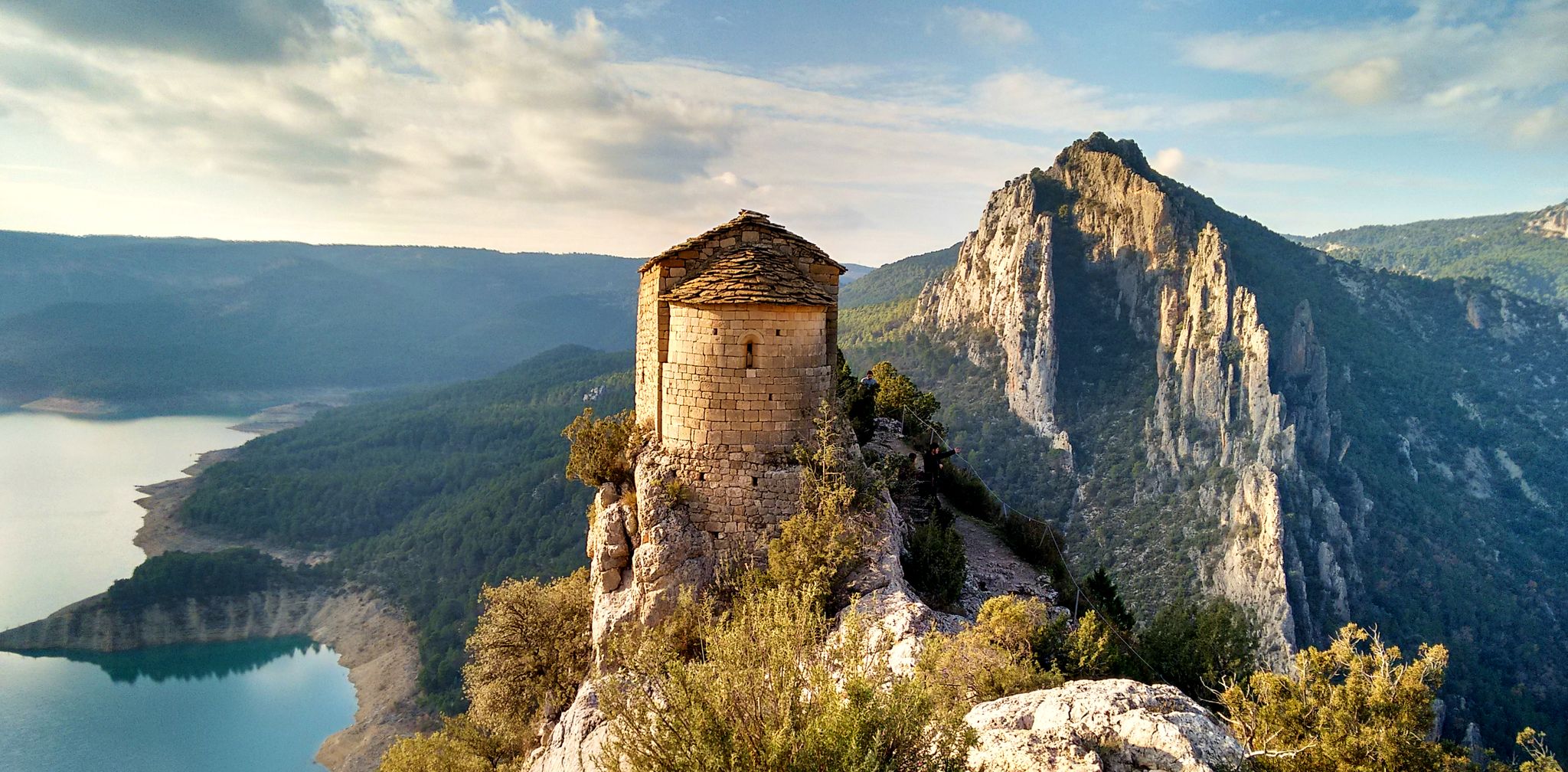
Aguja del Corb and Ruins of Ermita de Sant Salvador
Highlight • Historical Site
Translated by Google •
Tip by
Canal d'Urgell
Highlight • River
Translated by Google •
Tip by

Sign up for free to discover even more attractions around La Baronia De Rialb.
Sign up for free
Already have an account?
Start today with a free account
Your next adventure awaits.
Login or Signup
Popular around La Baronia De Rialb
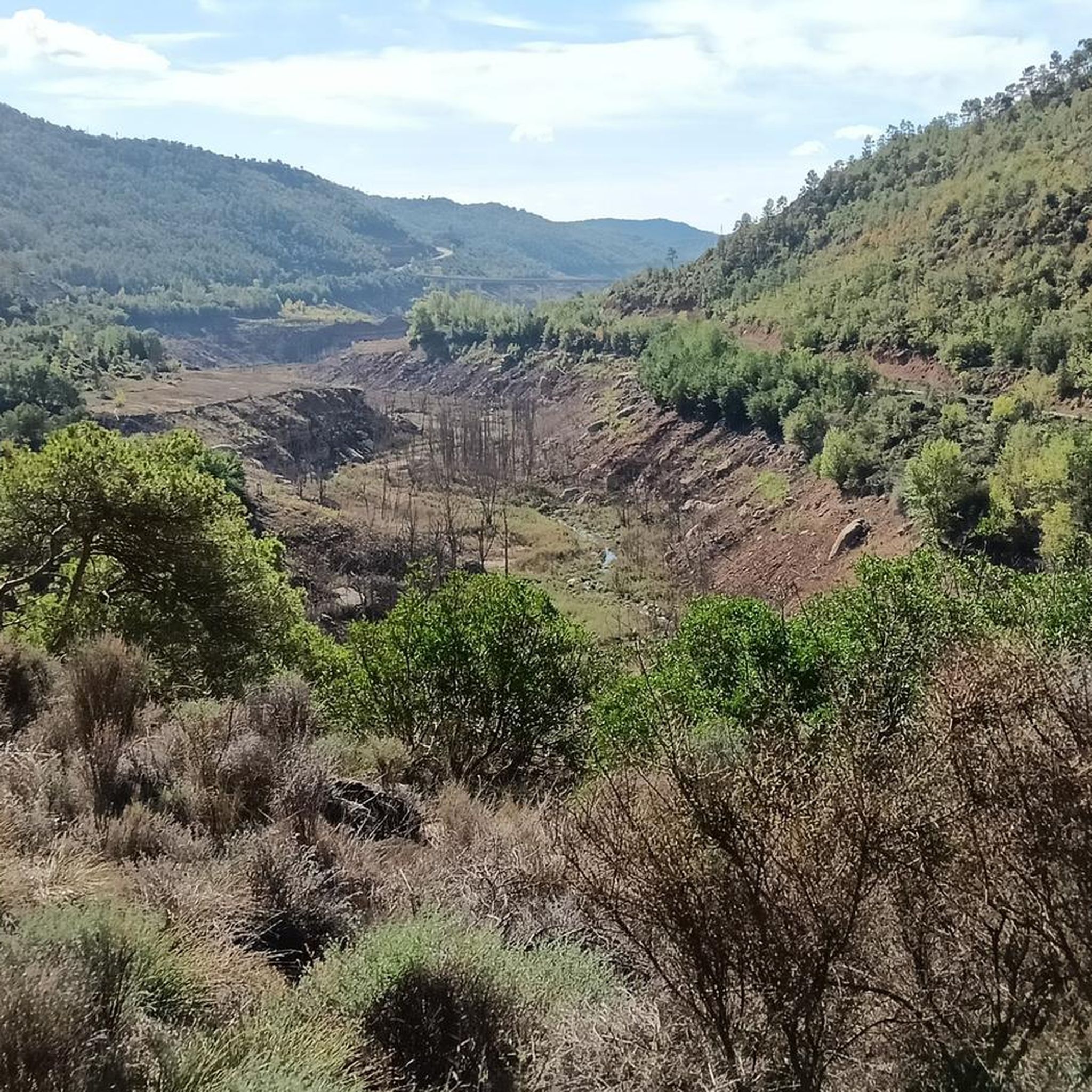
From the Mediterranean to the Pre-Pyrenees – Historical Path in Catalonia (GR 1)
Road Cycling Routes around La Baronia De Rialb
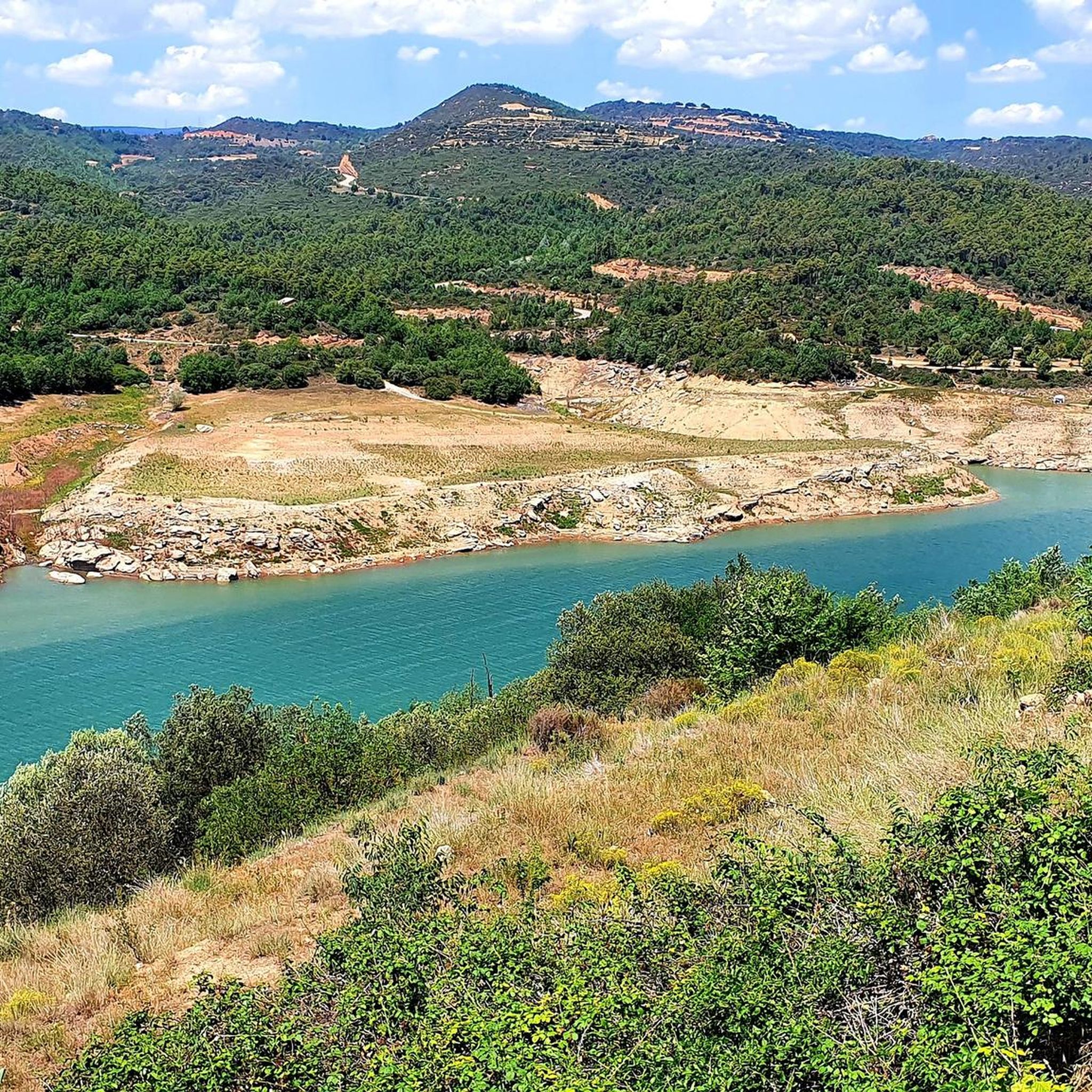
Hiking around La Baronia De Rialb
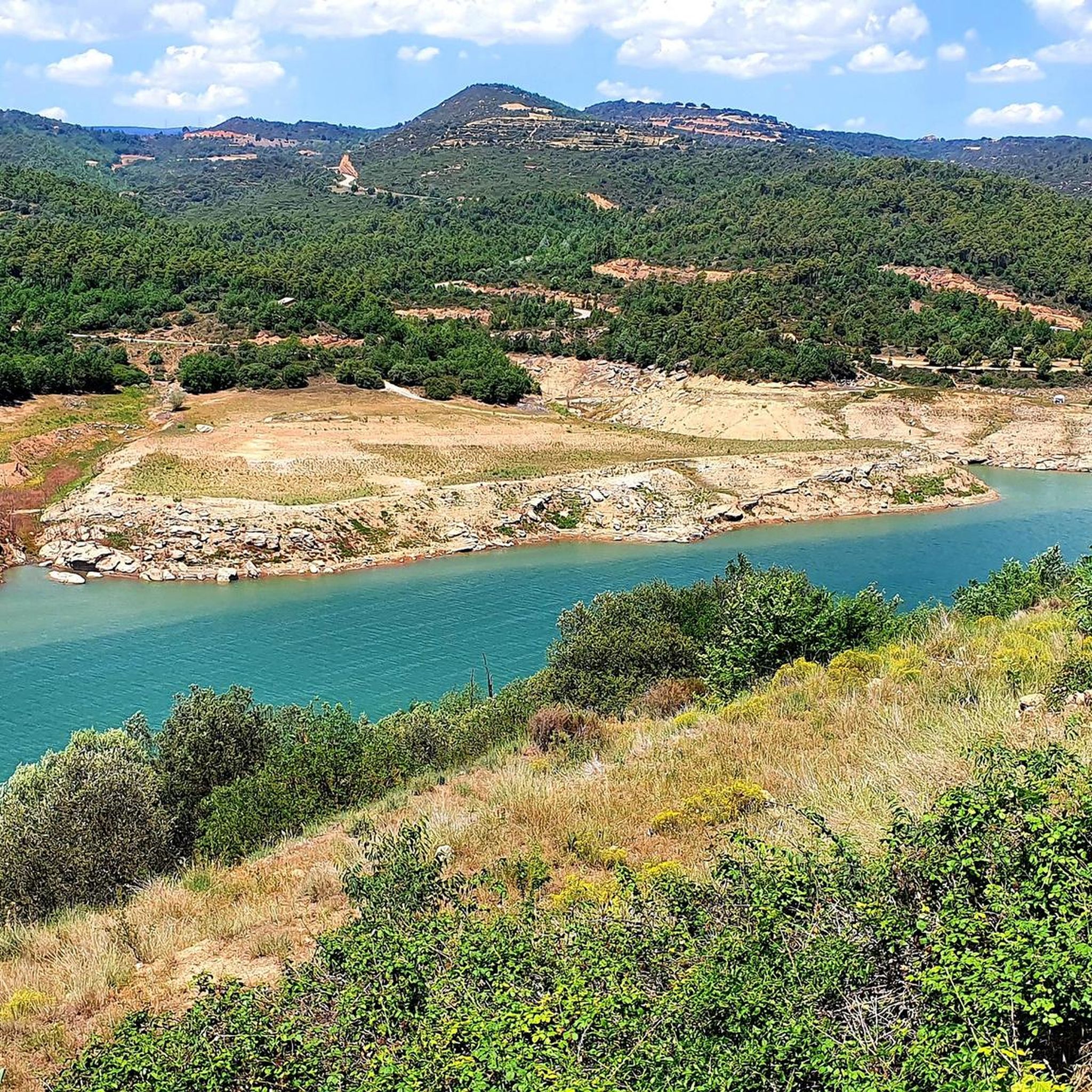
Cycling around La Baronia De Rialb
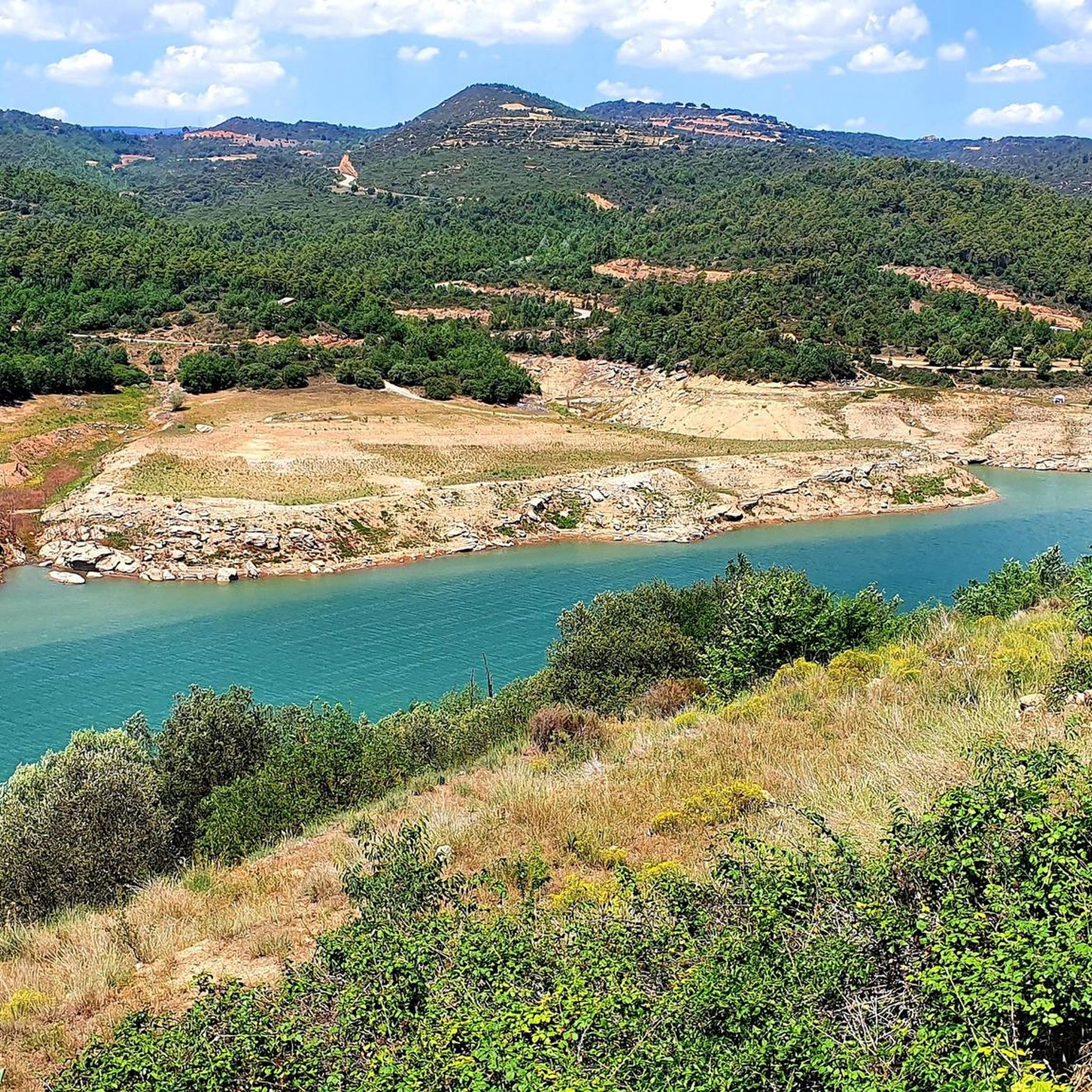
MTB Trails around La Baronia De Rialb
Gravel biking around La Baronia De Rialb
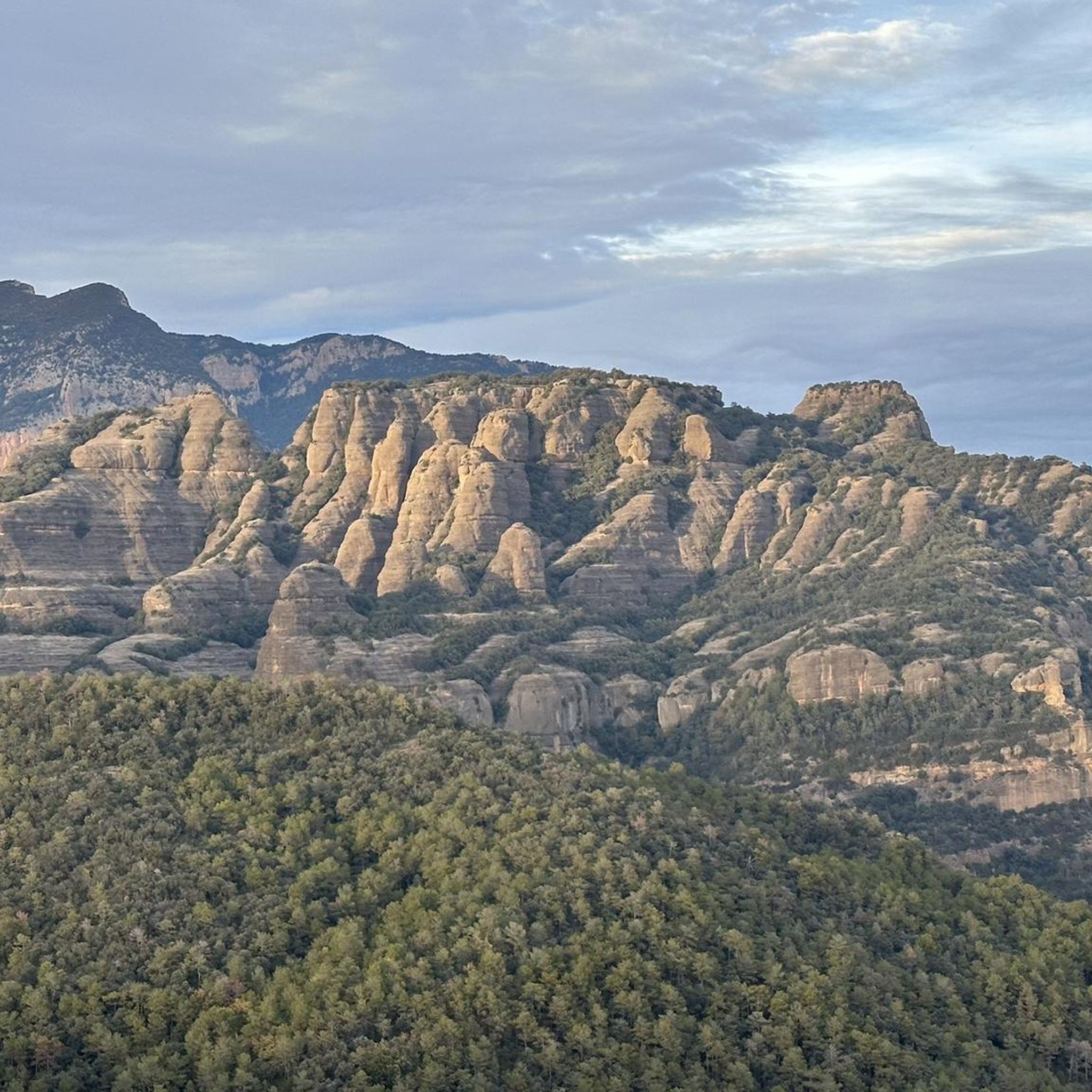
Running Trails around La Baronia De Rialb
Other adventures around La Baronia De Rialb

Tips from the Community

The Canal d'Urgell is a hydraulic infrastructure intended for irrigation, which carries water from the Segre River to the fields of crops in different municipalities in the counties of Urgell, Pla d'Urgell, Noguera, Segrià and Garrigues, with a total irrigated area of about 70,000 hectares and serving about 77,000 inhabitants. This infrastructure is on the left bank of the Segre River. It begins in the Segre River downstream of the town of Ponts and after traveling about 144 km it ends its route in the town of Montoliu de Lleida. Source: Wikipedia.
0
0
Small town located on top of a hill, abandoned, and part of the La Noguera region.
0
0

Next to the Coll d'Ares, it is the most iconic port in the Montsec mountain range and the Lleida Pre-Pyrenees. The views from above, either towards the Pyrenees and the Isona and Tremp valley, as well as the Plana de Lleida, are magnificent. It is a port with 4 aspects, each one different: - The southern slope, which begins in Artesa de Segre, is almost 24 km long and runs along a road with a lot of traffic, very wide and with long straights. After passing the town of Folquer, you face the hardest section of the climb, now with continuous curves and horseshoes, although with a road that is still very wide. The best are the views of the Lleida plain. It is not a side that I like since it is very stinky. - The southeast slope, the one that begins in Pons, is longer than the previous one, with 29 km. It has 2 rest sections, with some descent, and the road is narrow and twisty. There are good views along the climb. This slope joins the southern slope that comes from Artesa de Segre at the height of Folquer, where the hardest 7 km remain until reaching the top of the pass. - The main northern slope begins in Tremp and is 28.2 km. It is similar to the Artesa de Segre slope, with a similar gradient and a wide, busy road with a progressive slope, although it is true that there are no kilometers that reach 7%. I don't like. - The northwest slope, which also begins in Tremp, takes the old road that goes up through the town of Sant Salvador de Toló. It is a climb without traffic, on an irregular asphalt road, one of the old ones, which is grippy and difficult to roll, but in good condition. If you plan to go up to Comiols on the northern slope, you have to do it here and forget about the slope that runs along the main road.
0
0


The Coll de Comiols is a hill located at 1101 meters high. It acts as the border of several municipalities in the Pallars Jussà region. It offers magnificent views of the surrounding mountains and the Cuenca de Tremp.
0
0

Ideal place for cyclists. We can enjoy an incredible landscape and views throughout the climb to the pass. Located at a height of 1,321 metres, in the Catalan pre-Pyrenees, it joins the counties of Pallars Jussà and Alt Urgell.
0
0
Within the municipality of Oliola, we find this abandoned town, on top of a small hill. Much of the town is already in ruins. There is a church dedicated to the Madre de Dios del Carme.
2
0
Collado where we can find the ruins of the hermitage of San Salvador. Romanesque hermitage built well into the 11th century on a surprising site.
1
0
Frequently Asked Questions
What natural features can I explore in La Baronia de Rialb?
La Baronia de Rialb offers diverse natural landscapes. You can visit the large Rialb Reservoir, which is the biggest dam in Catalonia, or explore the spectacular Forat de Bulí gorge, known for canyoning. The region also features mountain passes like Coll de Bóixols and Coll de Comiols, both offering incredible views. Don't miss the centuries-old Alzinera de Cal Penjat oak tree in El Puig de Rialb.
Are there historical or cultural sites to visit in the area?
Yes, La Baronia de Rialb is rich in history and culture. It boasts approximately 23 Romanesque churches, making it one of Catalonia's most significant collections. Notable examples include Santa María de Gualter and Santa María de Palau de Rialb. You can also explore the prehistoric Dolmen of Sòls de Riu, the ruins of the Ermita de Sant Salvador near Aguja del Corb, and the historic Castillo de Montmagastre.
What kind of outdoor activities are available around La Baronia de Rialb?
The region is excellent for various outdoor activities. Cyclists can enjoy challenging routes over mountain passes like Coll de Bóixols and Coll de Comiols. Hiking is popular, with long-distance footpaths like the GR 1 and the Pallerols-Andorra Way crossing the area. For more specific routes, you can find detailed hiking routes, road cycling routes, and MTB trails.
Are there any abandoned villages or unique settlements to explore?
Yes, you can visit the Abandoned Village of Claret. Located on a small hill within the municipality of Oliola, much of this settlement is in ruins, offering a glimpse into the past. It features a church dedicated to the Madre de Dios del Carme.
Where can I find the best viewpoints in La Baronia de Rialb?
For stunning panoramic views, head to the mountain passes. Coll de Bóixols, at 1,321 meters, and Coll de Comiols, at 1,101 meters, both offer magnificent vistas of the surrounding mountains and valleys. The site of Aguja del Corb and Ruins of Ermita de Sant Salvador also provides a unique viewpoint.
What is the best time of year to visit La Baronia de Rialb?
La Baronia de Rialb is generally pleasant for outdoor activities from spring through autumn. The pre-Pyrenean climate offers mild temperatures, ideal for hiking and cycling. Summer can be warm, especially around the reservoir, while spring and autumn provide comfortable weather and beautiful scenery. Winter offers a serene environment, though some higher passes might be more challenging.
Are there family-friendly attractions or activities in the region?
Families can enjoy exploring the natural beauty of the Rialb Reservoir, which provides opportunities for outdoor recreation. The historical sites, such as the Dolmen of Sòls de Riu and the numerous Romanesque churches, can also be engaging for older children interested in history. Gentle walks along parts of the long-distance footpaths or around the reservoir are suitable for families.
Where can I go for a scenic road cycling experience?
La Baronia de Rialb is a fantastic destination for road cycling, particularly known for its mountain passes. The climb to Coll de Bóixols offers an incredible landscape and views throughout the ascent. Another popular cycling spot is Coll de Comiols. You can find various road cycling routes in the area, including challenging loops.
What is the significance of the Romanesque churches in La Baronia de Rialb?
La Baronia de Rialb is exceptionally rich in Romanesque architecture, boasting around 23 Romanesque churches. This concentration makes it one of the municipalities with the most extensive collections in Catalonia. These churches, such as Santa María de Gualter (a former Benedictine monastery) and Santa María de Palau de Rialb, are significant historical and cultural landmarks, reflecting the region's medieval heritage.
Can I find long-distance hiking trails in the area?
Yes, the region is crossed by notable long-distance footpaths. The GR 1 and the Pallerols-Andorra Way both offer extensive hiking opportunities through the diverse landscapes of La Baronia de Rialb. These trails provide a chance to experience the natural beauty and historical sites over longer distances. For shorter options, explore the hiking routes available.
What is the Rialb Reservoir primarily used for?
The Rialb Reservoir is a significant natural feature in the region, fed by the Segre, Rialb, and Ribera Salada rivers. It is notable as the biggest dam in Catalonia and plays a crucial role in water management for the area. Beyond its functional purpose, it also provides opportunities for various outdoor activities and scenic views.
Are there any unique historical ruins besides the abandoned village?
Beyond the Abandoned Village of Claret, you can visit the site of Aguja del Corb and Ruins of Ermita de Sant Salvador. This historical site features the ruins of a Romanesque hermitage that was built in the 11th century on a unique and surprising location.
Most popular routes around La Baronia De Rialb
Most popular attractions around La Baronia De Rialb

Get inspired with the komoot mobile app


Explore more
Still not found the Highlight you’re looking for? See guides of the top attractions in other regions:
