Attractions and Places To See around Grandas De Salime - Top 20
Best attractions and places to see around Grandas De Salime include a blend of historical sites, cultural landmarks, and natural features. This municipality in Asturias, Spain, is characterized by its mountainous terrain, valleys, and the significant Grandas de Salime Reservoir. The area offers insights into traditional Asturian life and serves as an important stop on the Primitive Way of the Camino de Santiago. Its diverse landscapes provide opportunities for exploring both cultural heritage and natural beauty.
Best attractions and places to see around Grandas De Salime
- The most popular attraction is Santa Marina de Buspol Chapel, a religious building that dates back to the 14th century. It houses one of the oldest bells in Asturias and offers views of the reservoir.
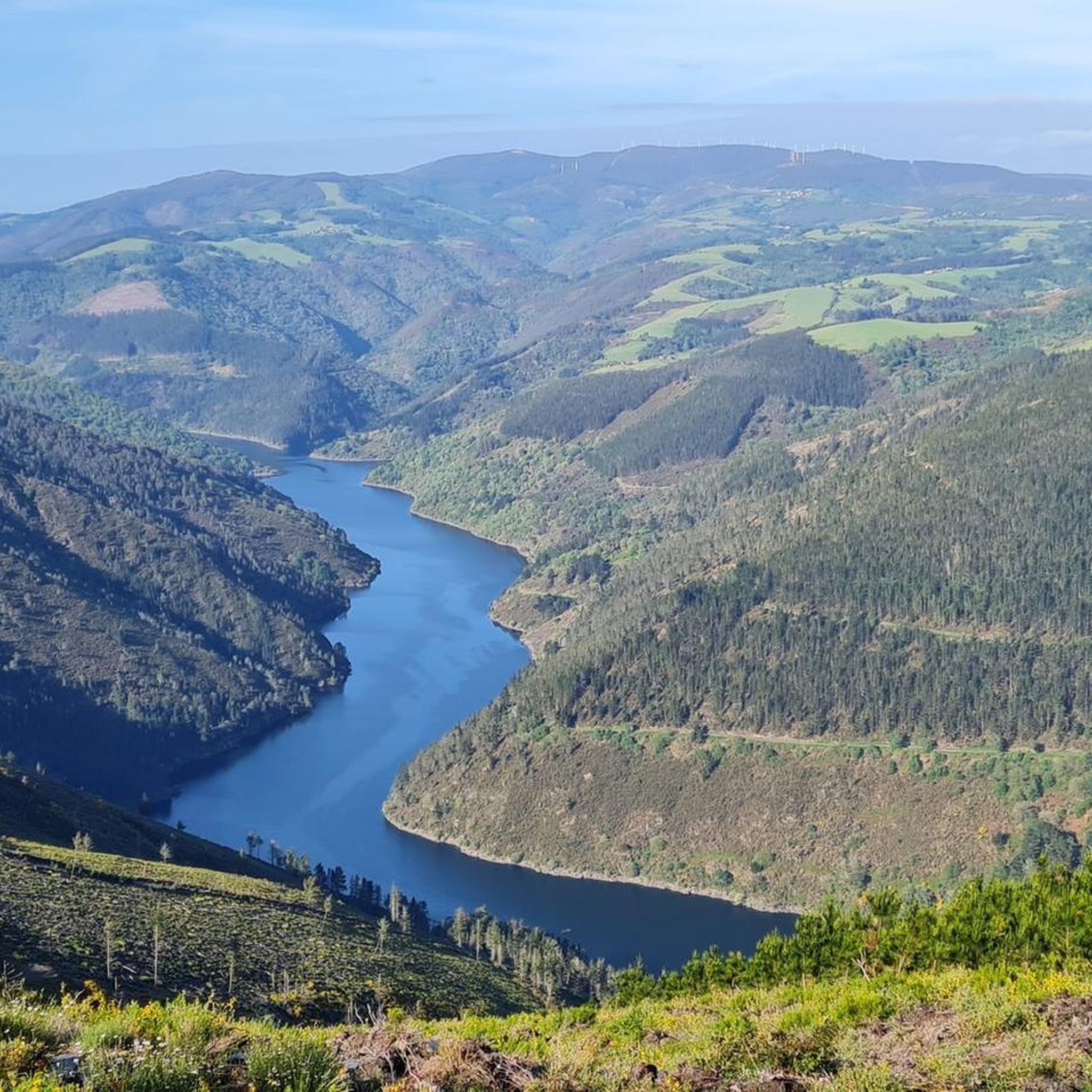
- Another must-see spot is Grandas de Salime Reservoir, a man-made monument. This engineering feat, inaugurated in 1955, is a significant example of Asturias' industrial heritage and offers views of the Navia River.
- Visitors also love Pozo de las Mujeres Muertas Pass, a mountain pass. This crossing point provides views of the western Asturian surroundings and features challenging routes with steep gradients.
- Grandas De Salime is known for its historical sites, natural landscapes, and cultural attractions. The region offers a variety of places to see and explore, from ancient chapels to significant reservoirs and mountain passes.
- The attractions around Grandas De Salime are appreciated by the komoot community, with 115 upvotes and 70 photos shared across 12 highlights.
Last updated: July 20, 2026
Santa Marina de Buspol Chapel
Highlight • Religious Site
The altar has images of Santa Marina, Santa María Magdalena and San Antonio.
Translated by Google •
Tip by

Grandas de Salime Reservoir
Highlight • Monument
Translated by Google •
Tip by

Sign up now to discover places like this
Get recommendations on the best single tracks, peaks, & plenty of other exciting outdoor places.
Sign up for free
Pozo de las Mujeres Muertas Pass
Highlight • Mountain Pass
Translated by Google •
Tip by

Grandas de Salime Ethnographic Museum
Highlight • Historical Site
Translated by Google •
Tip by
Church of Santa María in A Fonsagrada
Highlight • Religious Site
Translated by Google •
Tip by
Sign up for free to discover even more attractions around Grandas De Salime.
Sign up for free
Already have an account?
Start today with a free account
Your next adventure awaits.
Login or Signup
Popular around Grandas De Salime


Tips from the Community

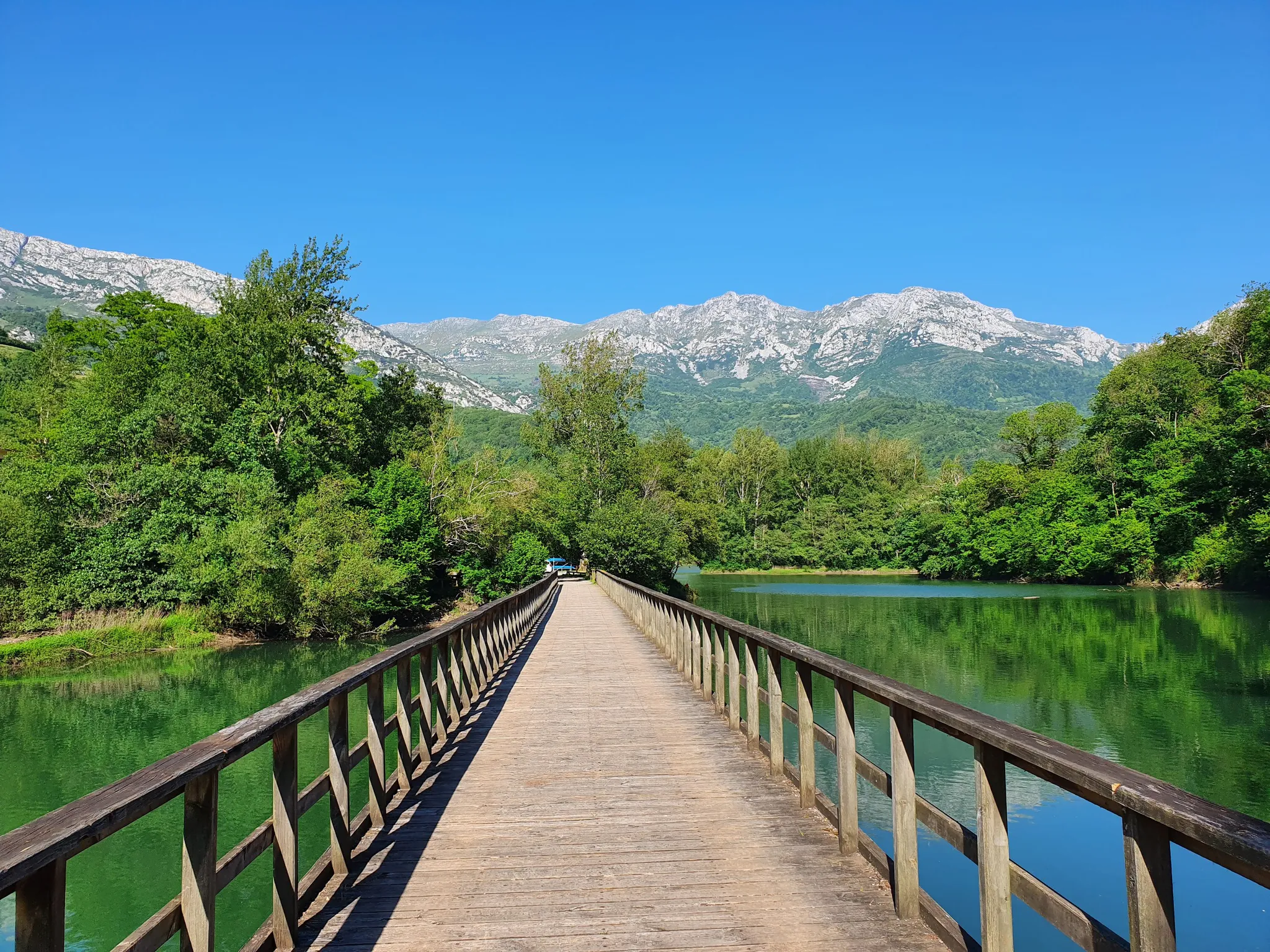
Among the theories surrounding the unusual name of this mountain pass, one is the popular legend that some shepherdesses were caught in a blizzard and died in a nearby shelter. In any case, the pass is located in a stunning setting.
0
0

A museum - free admission on Tuesdays. Otherwise, the prices are reasonable.
0
1
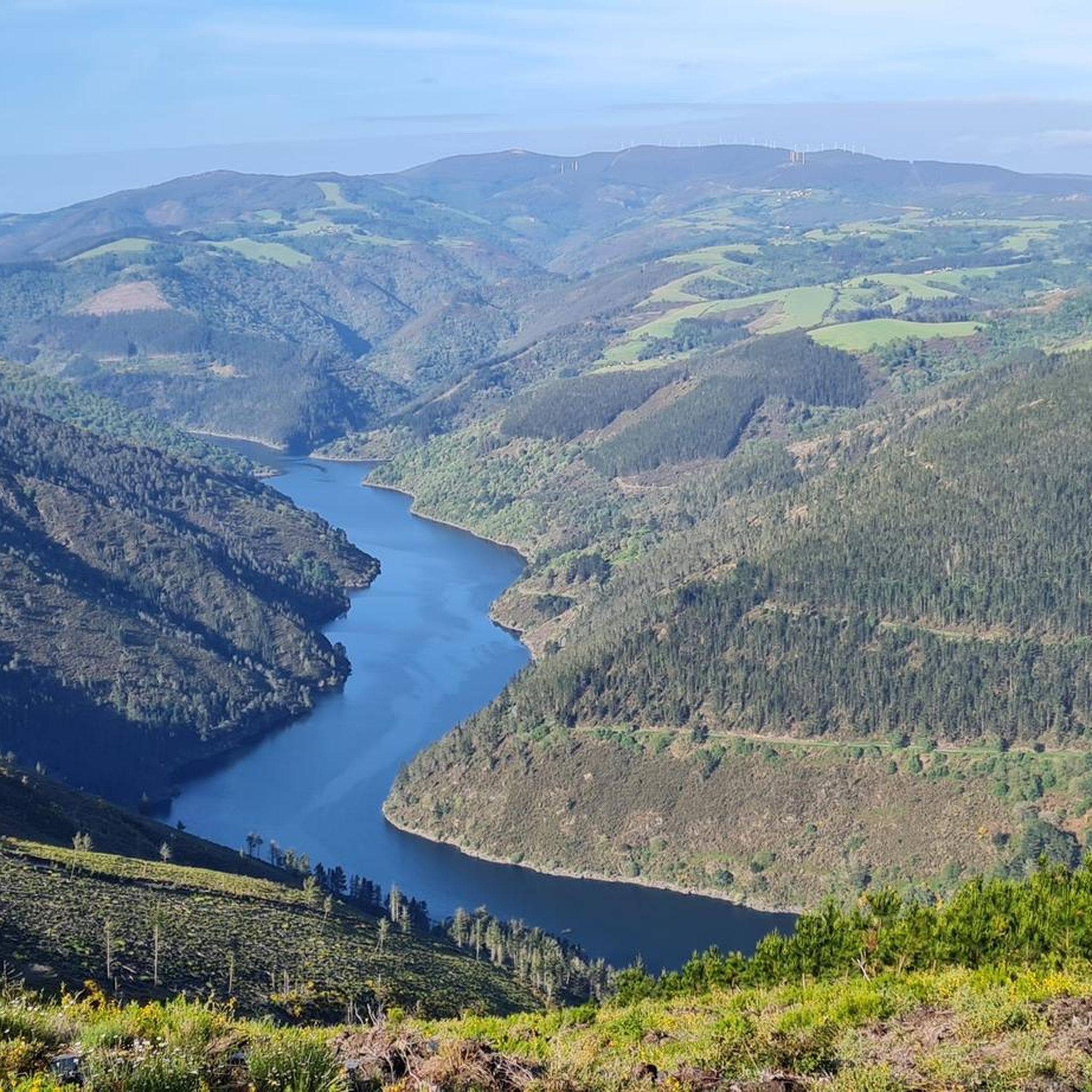
A very impressive structure. The village was relocated during the construction of the reservoir.
0
1
A very old chapel. There's also a selfie spot here. 👍
0
1

Prepare for descent.
0
1

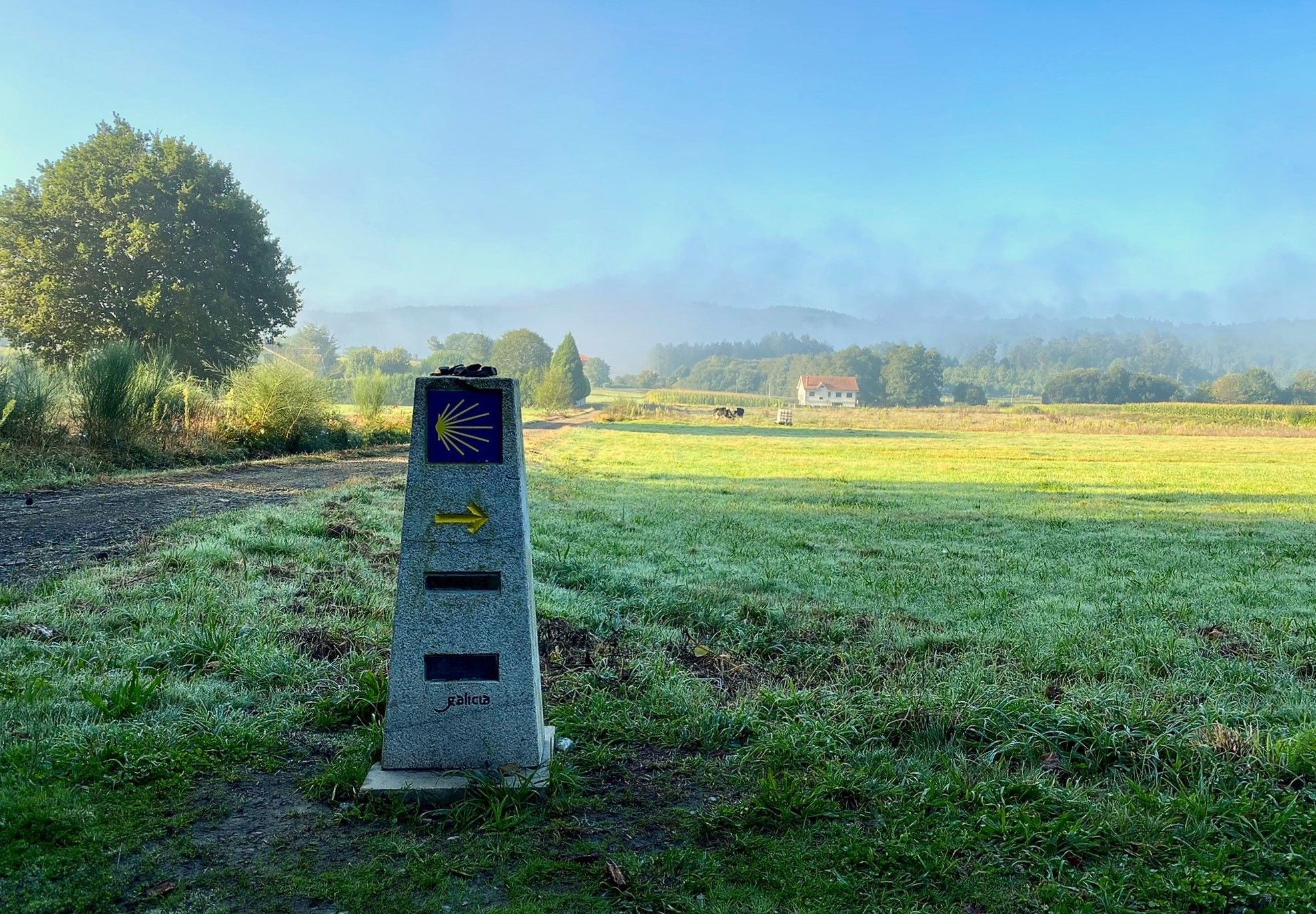
It is known for its hydroelectric dam on the Navia River, forming the Salime Reservoir. It is also an important stop on the Primitive Way of St. James, the last stretch of Asturian land before entering Galicia.
1
0

The Museo Etnográfico de Grandas de Salime offers visitors a fascinating glimpse into the traditional way of life in rural Asturias. Located in the picturesque village of Grandas de Salime, this ethnographic museum showcases a diverse collection of artifacts, tools, and exhibits highlighting the cultural heritage of the region. From agricultural implements to household items, the museum provides insight into the customs, traditions, and livelihoods of the local communities throughout history. With its engaging displays and informative presentations, it offers an enriching experience for visitors interested in the cultural heritage of Asturias.
2
0
Frequently Asked Questions
What historical and cultural sites can I explore in Grandas de Salime?
Grandas de Salime is rich in history and culture. You can visit the Ethnographic Museum of Grandas de Salime ("Pepe el Ferreiro"), which offers a deep dive into traditional rural Asturian life with over 11,000 objects. Another significant site is the Chao Samartín Hillfort and Museum, an archaeological site dating back to the Bronze Age, providing insights into ancient fortified settlements. The Santa Marina de Buspol Chapel, a 14th-century religious building with one of Asturias' oldest bells, also offers a glimpse into the region's past.
Where can I find impressive natural landscapes and viewpoints in the area?
The region boasts stunning natural beauty. The Grandas de Salime Reservoir and the Salime Dam are monumental engineering feats offering expansive views of the Navia River. The Pozo de las Mujeres Muertas Pass provides excellent vistas of the western Asturian surroundings. Additionally, the Sierras de Carondio and Valledor, and the Sierra del Acebo, offer diverse landscapes with mountains, valleys, and rivers ideal for nature lovers.
Are there opportunities for hiking around Grandas de Salime?
Yes, Grandas de Salime is an excellent destination for hiking. You can explore various routes such as the "Agüeira River Trail" or the "Route of the environments of Grandas - circular from Grandas de Salime." The region's diverse topography, including the Sierras de Carondio and Valledor, offers numerous trails of varying difficulty. For more detailed information and routes, check out the Hiking around Grandas De Salime guide.
What cycling routes are available near Grandas de Salime?
Cyclists will find challenging and scenic routes in the area. Options include the "Puerto del Palo Pass – Pola de Allande loop from Lago" and the "Grandas de Salime – Castro Chao Samartín loop from A Fonsagrada." These routes often feature significant elevation changes and offer rewarding views. Discover more cycling adventures in the Cycling around Grandas De Salime guide.
What is the significance of the Camino de Santiago in Grandas de Salime?
Grandas de Salime holds an important position on the Primitive Way of the Camino de Santiago. It serves as the final Asturian stage for pilgrims before they enter Galician lands, making it a significant stop for those undertaking this historic pilgrimage. The Collegiate Church of San Salvador, with its Romanesque origins, is a notable landmark along this route.
Are there any family-friendly attractions or activities in Grandas de Salime?
Families can enjoy several attractions. The Ethnographic Museum of Grandas de Salime ("Pepe el Ferreiro") is engaging for all ages, offering interactive displays of traditional life. The Church of Santa María in A Fonsagrada is also listed as family-friendly. Additionally, the Municipal Park Príncipe de Asturias (Parque Municipal del Toural) in the center of Grandas de Salime provides a pleasant green space for relaxation and play.
What can I learn about ancient history in the region?
To delve into ancient history, visit the Chao Samartín Hillfort and Museum. This archaeological site reveals the evolution of fortified settlements (castros) in the northwest Iberian Peninsula, with origins dating back to the Bronze Age around 800 B.C. The museum provides context and artifacts from the people who inhabited these ancient walls.
What are some unique features of the Grandas de Salime Reservoir?
The Grandas de Salime Reservoir is not only a stunning natural feature but also a significant example of Asturias' industrial heritage. Inaugurated in 1954, its dam stands 132 meters high, and the reservoir extends for 36 kilometers along the Navia River. It's suitable for sailing and water sports, and the Navia River and its tributary, the Agüeira, are known for trout fishing.
What do visitors particularly enjoy about Grandas de Salime?
Visitors frequently appreciate the blend of historical insights, cultural immersion, and opportunities to enjoy Asturias' stunning natural environment. The views from places like the Santa Marina de Buspol Chapel and the Pozo de las Mujeres Muertas Pass are highly rated. The region's rich forest areas, wide valleys, and varied hiking routes also contribute to a memorable experience.
Are there any running trails in the vicinity of Grandas de Salime?
Yes, there are several running trails for those looking to explore the area on foot. You can find routes like the "Seimeira de Vilagocende loop from A Fonsagrada" or the "Bar El Cafetín – Buspol loop from Lago." These trails offer a great way to experience the natural beauty of Grandas de Salime. More options are available in the Running Trails around Grandas De Salime guide.
What is the Church of Santa María in A Fonsagrada known for?
The Church of Santa María in A Fonsagrada is a baroque church from the 16th and 17th centuries. It is located directly on the Camino Primitivo and is known for a fountain at its foot, where legend says the apostle Santiago turned water into milk to feed the children of a widowed woman. It's also a place where pilgrims can get stamps for their Camino passport.
Most popular attractions around Grandas De Salime

Get inspired with the komoot mobile app


Explore more
Still not found the Highlight you’re looking for? See guides of the top attractions in other regions:
