The best cycling routes around Casas De Garcimolina
5.0
(3)
46
riders
12
rides
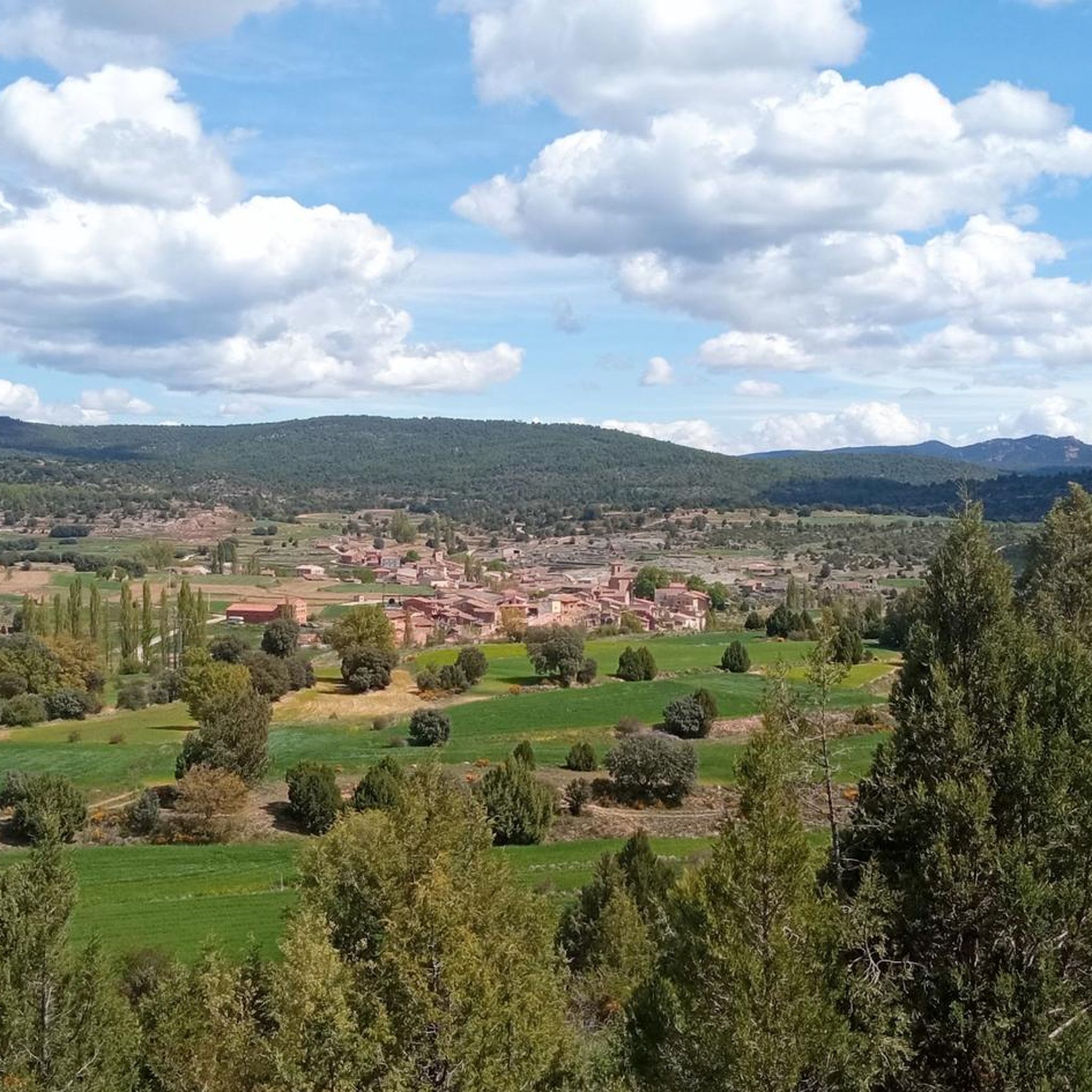
Touring cycling around Casas De Garcimolina is set within the mountainous, forested environment of the Serranía Baja of Cuenca, characterized by undulating terrain, extensive pine forests, and ancient juniper groves. The region features karstic formations and deep river gorges, with prominent landmarks such as El Talayón, the highest peak at 1,603 meters, and Peña el Pardo. These diverse landscapes offer varied terrain for cyclists, from winding river valleys to elevated plateaus, often with minimal car traffic.
Best touring cycling routes…
Last updated: July 11, 2026
7
riders
54.9km
03:31
640m
640m
Hard bike ride. Very good fitness required. Mostly paved surfaces. Suitable for all skill levels.
7
riders
57.5km
03:42
710m
720m
Hard bike ride. Very good fitness required. Mostly paved surfaces. Suitable for all skill levels.

Sign up for free
5
riders
64.8km
04:12
870m
870m
Hard bike ride. Very good fitness required. Mostly paved surfaces. Suitable for all skill levels.
4
riders
40.7km
02:32
450m
450m
Moderate bike ride. Good fitness required. Mostly paved surfaces. Suitable for all skill levels.
5.0
(2)
5
riders
61.1km
03:45
550m
550m
Hard bike ride. Very good fitness required. Mostly paved surfaces. Suitable for all skill levels.
Get access to more routes and recommendations from other explorers.
Sign up for free
Already have an account?
Our route recommendations are based on thousands of hikes, rides, and runs completed by other people on komoot.
Start today with a free account
Your next adventure awaits.
Login or Signup
Tips from the Community

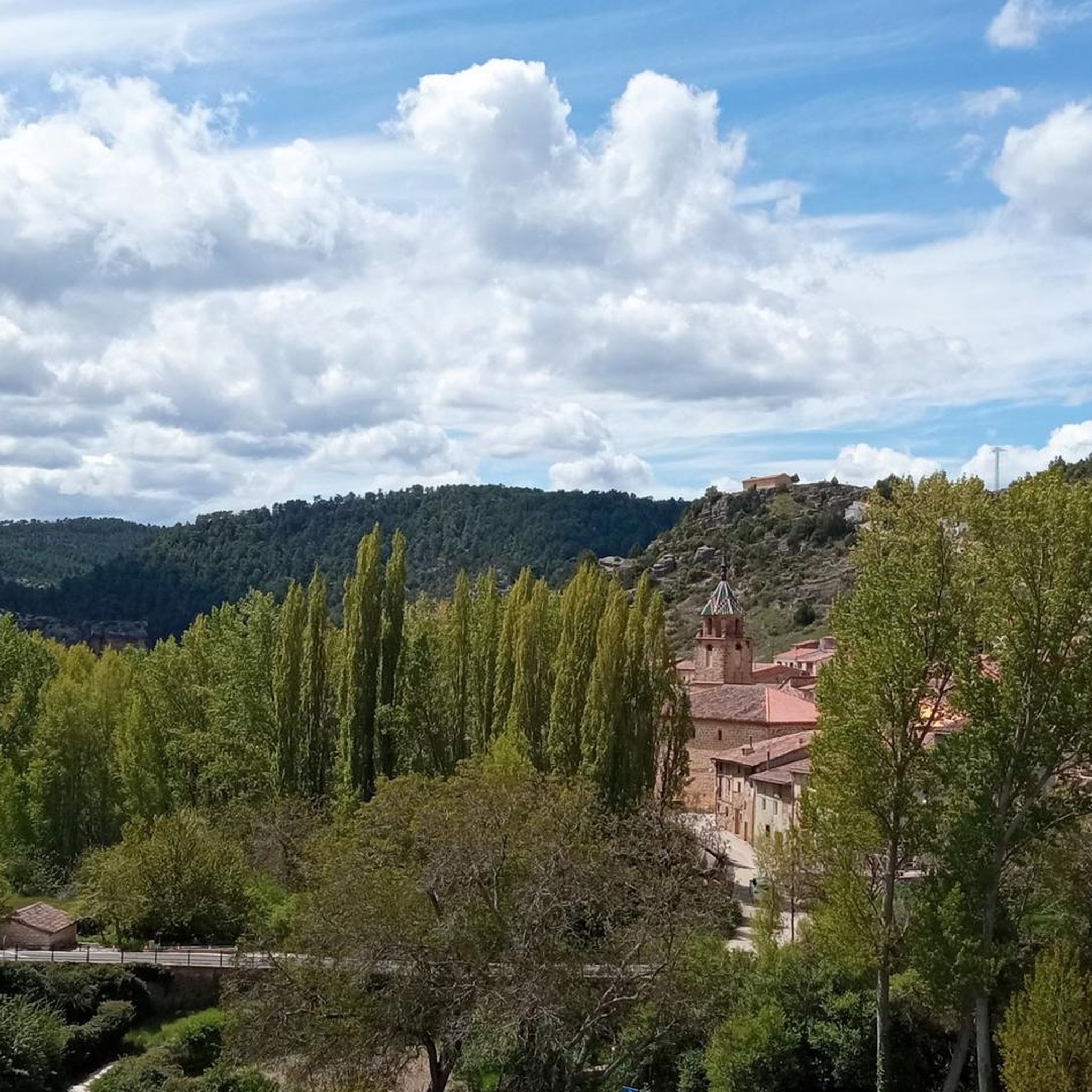
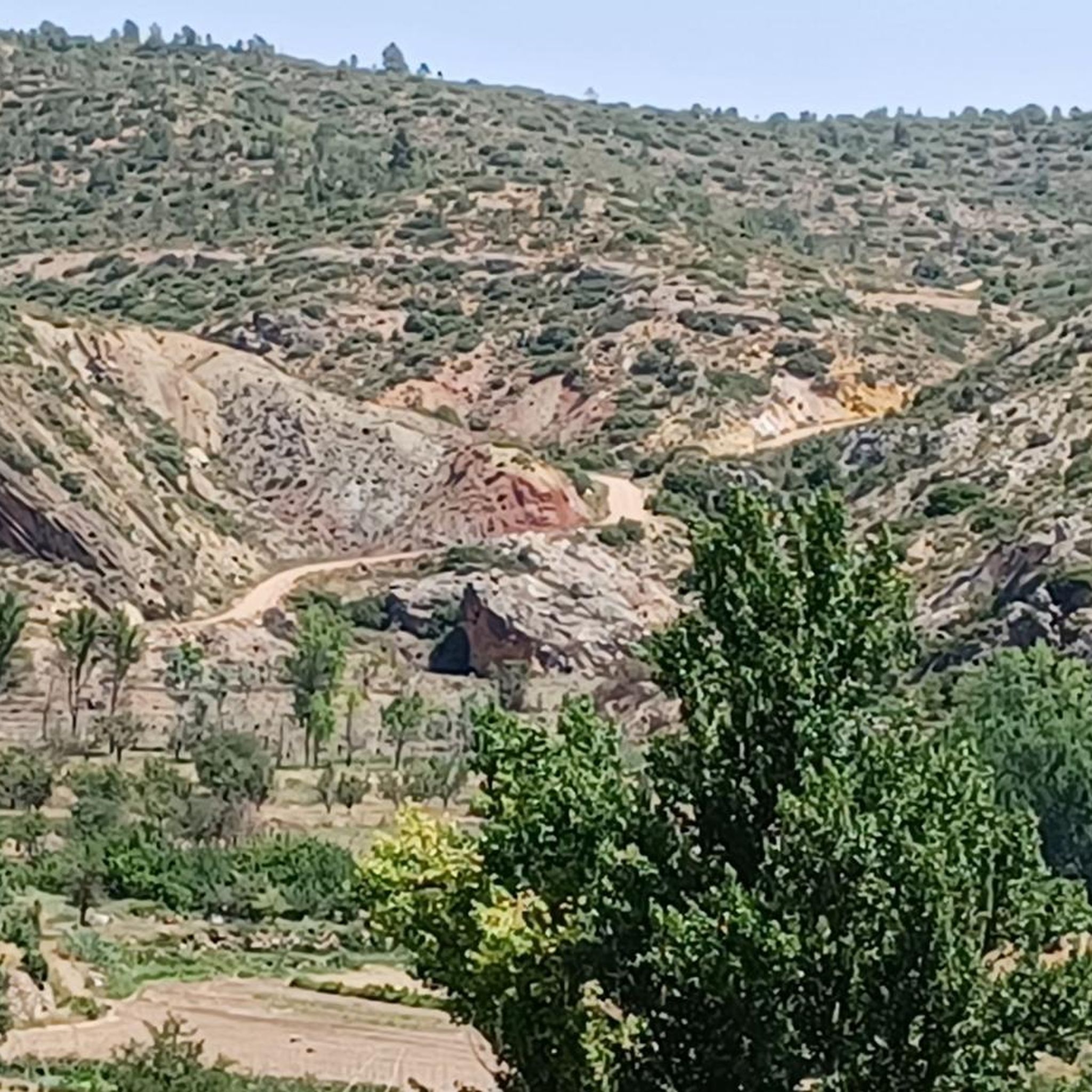
The route descends from the CU-V-5003 road to the Algarra River, offering glimpses of it from within the valley. Along paths parallel to the river, you'll see orchards, tree plantations, and riverside land, some of which is also visible from the access roads and sides of the CU-V-5003.
2
0

Former public washhouse in Huerta del Marquesado. Everything about our drinking water, especially access to clean drinking water, is explained in great detail.
0
0
Sculpture commemorating the victims of the plane crash on April 29, 1959. An Iberia Douglas DC-3 aircraft flying from Barcelona to Madrid deviated from its route due to a storm and crashed into the Pico del Telégrafo (peak of Collado Bajo) between the towns of Valdemeca and Huerta del Marquesado. On this flight, along with the 27 other people traveling on the plane, Spanish gymnast Joaquín Blume lost his life. He was one of Spain's most popular athletes of his time, world champion in 1957 and winner of several consecutive Spanish championships. His wife also died. The rescue of the victims proved extremely difficult. It was snowing when the first people arrived at the scene, some reforestation workers. During the lengthy operation to recover the bodies, it snowed intermittently throughout the night and into the next day. Chronicles describe Dantesque scenes, as almost all of the victims of the accident were scattered over a vast and completely forested area. The notoriety of the prominent victim, Joaquín Blume, made it impossible for the Franco dictatorship to cover up the accident. An interesting fact surrounding this event is that a certain Antonio Fraguas de Pablo (1942–2018) missed the plane, fortunately for him and for us. The then 17-year-old later became very famous as a Spanish graphic humorist/cartoonist under the pen name Forges. He was awarded the Gold Medal for Merit to His Work in 2007, the Gold Medal for Merit to Fine Arts in 2011, and the Ondas Mediterráneas Award in 2011. www.forges.com
0
0
The Laguna del Marquesado Nature Reserve is a fascinating place to visit, especially if you enjoy nature and biodiversity.🌄🚵🚴😎
2
0

wir hatten leider Pech: Closed Wednesday :(
0
0
16th century Trinitarian Monastery transformed into a charming hotel that offers all the comforts.
6
0

Road on the banks of the Laguna river, very quiet, with perfect asphalt.
2
0
This lagoon is located in the Serranía de Cuenca, in the Júcar river basin. It is a wetland with a formation similar to that of the Lagunas de Ruidera Natural Park as a whole. beautiful setting.
4
0
Frequently Asked Questions
How many touring cycling routes are available around Casas De Garcimolina?
There are several touring cycling routes around Casas De Garcimolina, offering diverse experiences. Currently, komoot lists around 8 routes specifically for touring cyclists in the area.
Are there any easy or family-friendly touring cycling routes in Casas De Garcimolina?
While many routes in the area are rated as difficult, you can find options that are more accessible. For example, the Antigua Villa de Moya — circular de GRAVEL desde Landete is an easy 17 km route featuring gravel sections through forested areas, suitable for a more relaxed ride.
What kind of terrain and landscapes can I expect on the touring cycling routes?
The touring cycling routes around Casas De Garcimolina traverse a mountainous, forested environment within the Serranía Baja of Cuenca. You'll encounter undulating terrain, extensive pine forests, and ancient juniper groves, particularly in areas like 'El Sabinarejo'. Some routes feature demanding BTT (mountain biking) trails over 'rodeno' terrain, while others offer smoother gravel paths or even asphalt sections connecting local villages.
Are there circular touring cycling routes available?
Yes, the region offers several circular routes. For instance, the Puebla de San Miguel – Losilla Pass loop from Ademuz is a challenging 75.9 km circular path that provides significant elevation gain and panoramic views of the mountainous landscape.
What natural landmarks or points of interest can I see while cycling in Casas De Garcimolina?
The area is rich in natural beauty and historical sites. You can cycle past prominent features like El Talayón, the highest peak at 1,603 meters, offering spectacular panoramic views. Other notable landmarks include Peña el Pardo, known for its geological formations, and the ancient juniper groves of 'El Sabinarejo'. Nearby, you can also explore the Old Town of Moya or enjoy the Views of the old town of Moya.
What is the best season for touring cycling in Casas De Garcimolina?
The changing seasons transform the landscape, offering different experiences. Spring brings vibrant greens, while autumn provides beautiful ochre colors and a crisp, clear atmosphere. The mountainous terrain means that while summers can be warm, the higher elevations offer cooler temperatures. Winters can be cold but often clear, providing serene rides. Generally, spring and autumn are ideal for comfortable cycling conditions.
Can I bring my dog on the touring cycling routes?
The natural environment of Casas De Garcimolina, with its extensive forests and trails, is generally welcoming for dogs. However, it's always recommended to keep your dog under control, especially in protected areas like the Serranía de Cuenca Natural Park, and to check local regulations or specific route guidelines for any restrictions.
Where can I find parking or access public transport for touring cycling routes?
Casas De Garcimolina and surrounding villages like Landete, Ademuz, and Algarra offer various parking options, typically in or near the village centers, which serve as good starting points for routes. Public transport options to this rural area are limited, so planning your journey by car is often the most practical way to access the trailheads.
Are there places to eat or stay near the touring cycling routes?
The local villages, such as Landete, Algarra, and Ademuz, offer genuine hospitality. You can find small cafes, restaurants, and rural accommodations where you can refuel and rest after your rides. These establishments often reflect the charm of rural mountain architecture.
What do other touring cyclists enjoy the most about touring cycling in Casas De Garcimolina?
The area is highly rated by the komoot community, with an average score of 5.0 stars. Reviewers often praise the diverse landscapes, from challenging ascents with rewarding descents to tranquil rides through ancient pine and juniper forests. The sense of disconnection and peace, broken only by the wind, and the vast panoramic views are frequently highlighted as key attractions.
Can you recommend a challenging touring cycling route?
For experienced touring cyclists seeking a challenge, the The Staircase of Teruel – Teruel Cathedral Square loop from Ademuz is a difficult 85 km trail. It leads through diverse landscapes, including forested areas and open vistas, and typically takes around 5 hours to complete, offering a significant workout and rewarding views.
Are there routes that connect to local villages and culture?
Yes, many cycling routes in the region are designed to not only showcase spectacular natural landscapes but also to connect visitors with the history and traditions of the local villages. You'll find routes that pass through or near charming settlements, allowing you to experience the authentic rural culture and hospitality of the area.
Most popular routes around Casas De Garcimolina
Most popular attractions around Casas De Garcimolina

Get inspired with the komoot mobile app


Explore more
Browse the best Cycling routes in other regions.
