Attractions and Places To See around Casas De Haro - Top 7
Best attractions and places to see around Casas De Haro include historical religious architecture and a natural environment suitable for outdoor activities. This municipality in the south of Cuenca, Spain, offers a glimpse into traditional Spanish rural life. The landscape is characterized by vineyards, walking trails, and open fields, providing opportunities for rural exploration. Casas De Haro serves as a tranquil destination for those interested in local history and the peaceful Spanish countryside.
Best attractions and places to see around…
Last updated: July 15, 2026
La Roda
Highlight • Settlement
Translated by Google •
Tip by

Palace of the Counts of Villaleal
Highlight • Historical Site
Translated by Google •
Tip by
Sign up now to discover places like this
Get recommendations on the best single tracks, peaks, & plenty of other exciting outdoor places.
Sign up for free
Sisante Town Hall and Main Square
Highlight • Settlement
Translated by Google •
Tip by

Church of Santiago el Mayor
Highlight • Religious Site
Translated by Google •
Tip by

Vara del Rey
Highlight • Settlement
Translated by Google •
Tip by

Sign up for free to discover even more attractions around Casas De Haro.
Sign up for free
Already have an account?
Start today with a free account
Your next adventure awaits.
Login or Signup




Tips from the Community

The name of this town originates from its role as a crossroads on the ancient routes that connected Complutum with Carthago Nova in Roman times, and on the Silk Road that linked Toledo with Valencia and Cartagena. It derives from the Arabic word "rutba," the tax paid for the passage of livestock. A true inheritor of so many peoples and cultures, La Roda has absorbed the best of each, evident in its beautiful town center, its magnificent Church of El Salvador, and the Palaces of the Doctor de La Encina and the Counts of Villaleal. It is currently very well connected to the provincial capital, Albacete, from which it is only 36 km away. The entire town center has been declared a Site of Cultural Interest for its historical and artistic value.
7
0
The origin of the name of this town comes from its function as a crossing point for the ancient routes that linked Complutum with Carthago-Nova, in Roman times; or the silk route that linked Toledo with Valencia and Cartagena. It is derived from the Arabic “rutba”, the tax that was paid for the passage of livestock. As a good learner of so many people and cultures, La Roda has known how to collect the best of each and this is evident in its beautiful urban complex, its magnificent church of El Salvador and the Palaces of Doctor de La Encina and that of the Counts of Villaleal. Currently it is very well connected with its capital, Albacete, from which it is only 36 km away. Its entire urban complex has been declared an Asset of Cultural Interest for its historical and artistic value.
6
0
Dating from the 18th century, it was built from an old 16th-century building by the Countess of Villaleal's grandfather, Doña Joaquina de Arce y Lara, who belonged to the Order of Calatrava. The house presents rococo decoration motifs and on its façade there is a wavy balcony with a beautiful wrought iron railing; On the very ornate hole in the wall there is a beautiful Baroque coat of arms belonging to the 18th century.
14
0

Located on Calle de los Mártires, it is one of the most emblematic buildings in La Roda. It has been declared an Asset of Cultural Interest.
4
0


Nucleus that is located to the south of the administrative boundary of Cuenca but that is part of the set of populations that are located in La Mancha and its large flat areas.
0
1

It is the most representative monument of Minaya. You can see the influence of the Gothic and Renaissance style in its two covers. An authentic jewel that you can contemplate while resting on the benches in the square.
1
0
This town has a beautiful urban center full of monuments and buildings that are very interesting to visit. Palace of the Countess of Villaleal, the inn of the Sun and the church of El Salvador are a clear example of this.
2
0
Frequently Asked Questions
What historical and religious sites can I visit in Casas de Haro?
Casas de Haro offers a glimpse into traditional Spanish rural life with several historical and religious sites. You can explore the 18th-century Iglesia Parroquial de Santa María Magdalena, built on an ancient Roman or Visigothic cemetery site. Also, visit the Ermita de San Julián, another 18th-century hermitage located in the upper part of town, featuring barrel and domed vaults.
Are there any unique historical structures related to the region's past?
Yes, you can discover Los Cubos (or Cucos), ancient structures historically used as shelters by shepherds. These unique multi-roomed edifices, some even with fireplaces, offer insight into the region's pastoral history and are found in the southern areas and surroundings of Casas de Haro.
What natural features can I explore around Casas de Haro?
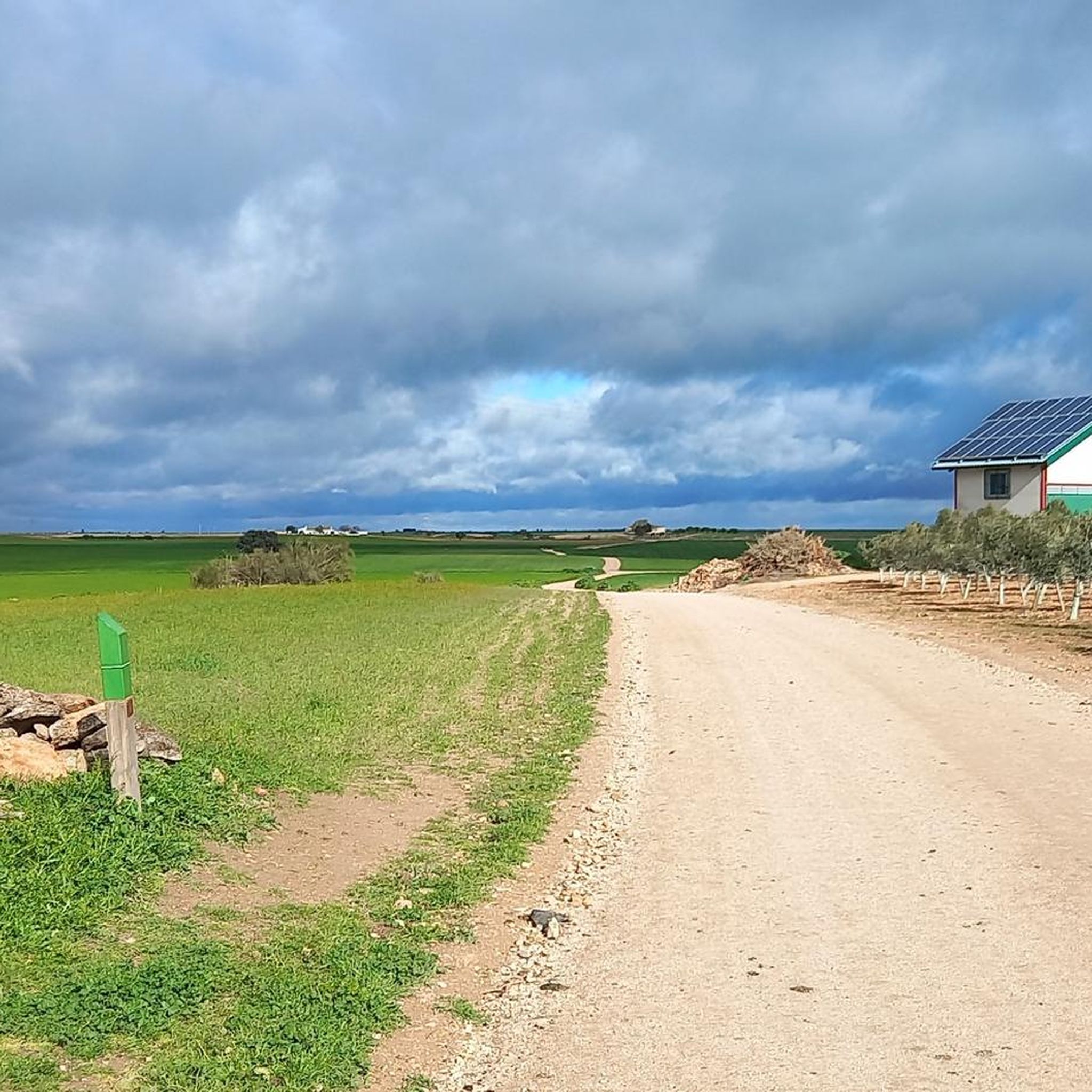
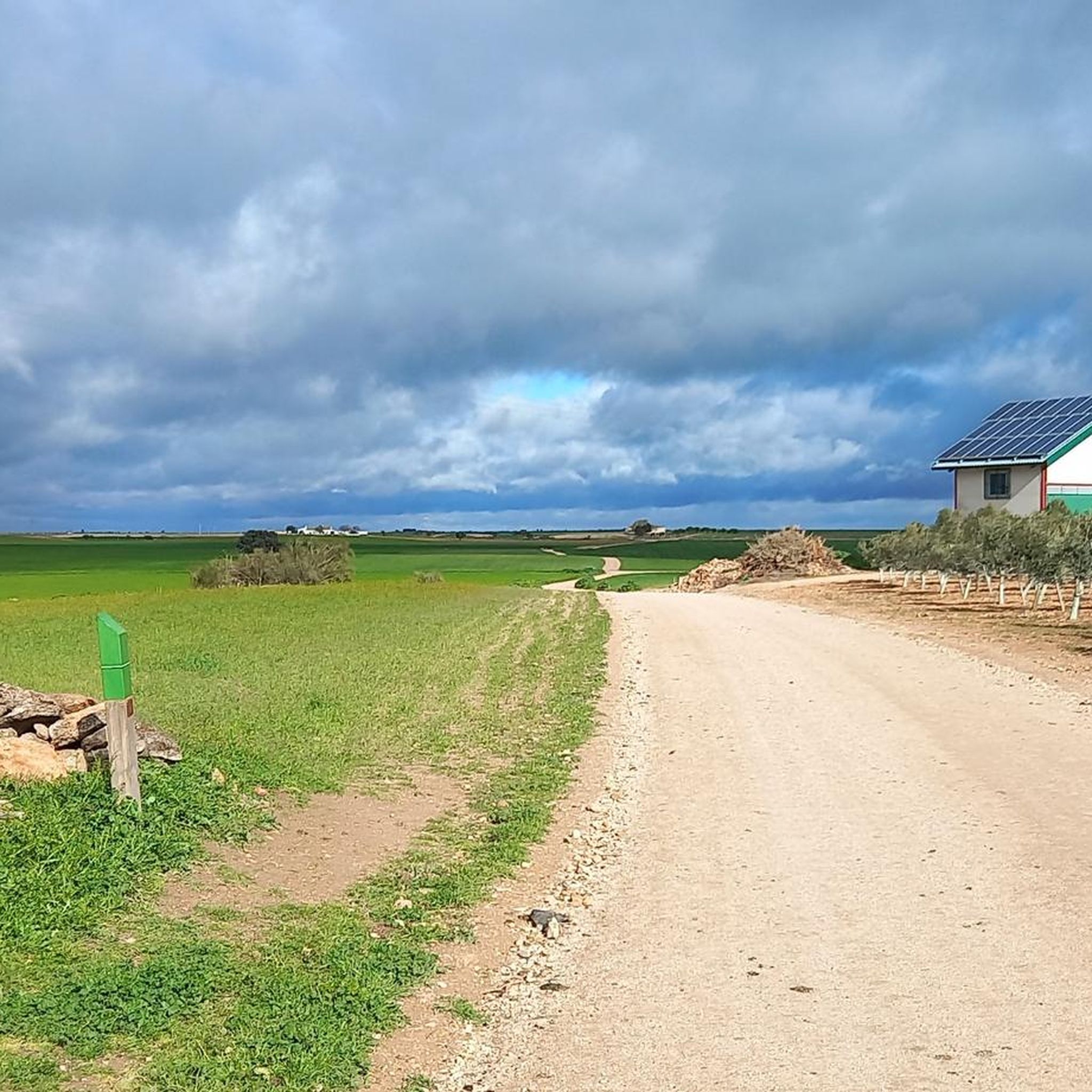
The natural environment around Casas de Haro is characterized by extensive vineyards, walking trails, and open fields. This landscape provides ample opportunities for leisurely strolls and enjoying the peaceful Spanish countryside.
What outdoor activities are available near Casas de Haro?
The region's landscape of vineyards, trails, and fields is ideal for outdoor activities. You can enjoy hiking and leisurely strolls. For cycling enthusiasts, there are numerous routes, including road cycling, touring, and mountain biking. Explore options like the 'Munera and Barrax — circular from La R' for road cycling, the 'Camino de Santiago: Southeast Trail' for touring, or the 'La Roda: Júcar River and Cañada Real Loop' for mountain biking. Find more details on these and other routes in the Road Cycling Routes around Casas De Haro, Cycling around Casas De Haro, and MTB Trails around Casas De Haro guides.
Are there family-friendly attractions in the area?
Several nearby settlements offer family-friendly experiences. You can visit La Roda, a historical settlement with a beautiful urban complex. Another great option is Sisante Town Hall and Main Square, a picturesque and quiet town perfect for exploring its charming streets. The Church of Santiago el Mayor in Minaya is also considered family-friendly.
What is the best time to visit Casas de Haro for outdoor activities?
The region's climate, characterized by vineyards and open fields, makes it pleasant for outdoor activities during spring and autumn when temperatures are milder. Summer can be warm, but early mornings and late afternoons are still suitable for exploration. Winter offers a tranquil experience, though some trails might be less accessible.
What are some notable nearby towns or settlements to explore?
Beyond Casas de Haro, you can explore La Roda, known for its historical and artistic value as a former crossroads. Sisante Town Hall and Main Square is a picturesque and quiet settlement, recognized as one of the most beautiful towns in Castilla La Mancha. Additionally, Vara del Rey offers a glimpse into the flat areas of La Mancha.
Can I find examples of traditional architecture in the surrounding area?
Yes, the area is rich in traditional architecture. In La Roda, you can see the magnificent Church of El Salvador and the Palaces of the Doctor de La Encina and the Counts of Villaleal. The Palace of the Counts of Villaleal, dating from the 18th century, features rococo decoration and a Baroque coat of arms. The Church of Santiago el Mayor in Minaya also showcases a blend of Gothic and Renaissance styles.
What makes La Roda a significant place to visit?
La Roda is significant due to its historical role as a crossroads on ancient routes, including Roman and Silk Roads. Its entire urban complex has been declared a Site of Cultural Interest for its historical and artistic value, featuring a beautiful town center, the magnificent Church of El Salvador, and the Palaces of the Doctor de La Encina and the Counts of Villaleal.
Are there any specific historical buildings with unique architectural details?
The Palace of the Counts of Villaleal in La Roda is an excellent example. This 18th-century building, constructed from an older 16th-century structure, features distinctive rococo decoration motifs, a wavy balcony with a wrought iron railing, and a beautiful Baroque coat of arms on its facade.
What kind of landscape can I expect when visiting Casas de Haro?
You can expect a tranquil rural landscape dominated by vineyards, open fields, and walking trails. This environment is characteristic of the south of the province of Cuenca, offering a peaceful setting for those looking to enjoy the Spanish countryside.
What do visitors enjoy most about the attractions around Casas de Haro?
Visitors appreciate the blend of historical religious architecture and the natural environment suitable for outdoor activities. The charm of traditional Spanish rural life, the picturesque settlements like Sisante Town Hall and Main Square, and the historical significance of places like La Roda are frequently highlighted.
Most popular routes around Casas De Haro

Get inspired with the komoot mobile app


Explore more
Still not found the Highlight you’re looking for? See guides of the top attractions in other regions:
