Attractions and Places To See around Hospital De Órbigo - Top 20
Best attractions and places to see around Hospital De Órbigo are centered around its historical significance on the Camino de Santiago and its natural setting along the Órbigo River. This historic town in León province features notable landmarks, including a medieval bridge and religious sites. The area offers a mix of cultural heritage and points of interest for visitors. Its position on the Camino de Santiago makes it a vital stop for pilgrims.
Best attractions and places to see around Hospital De Órbigo
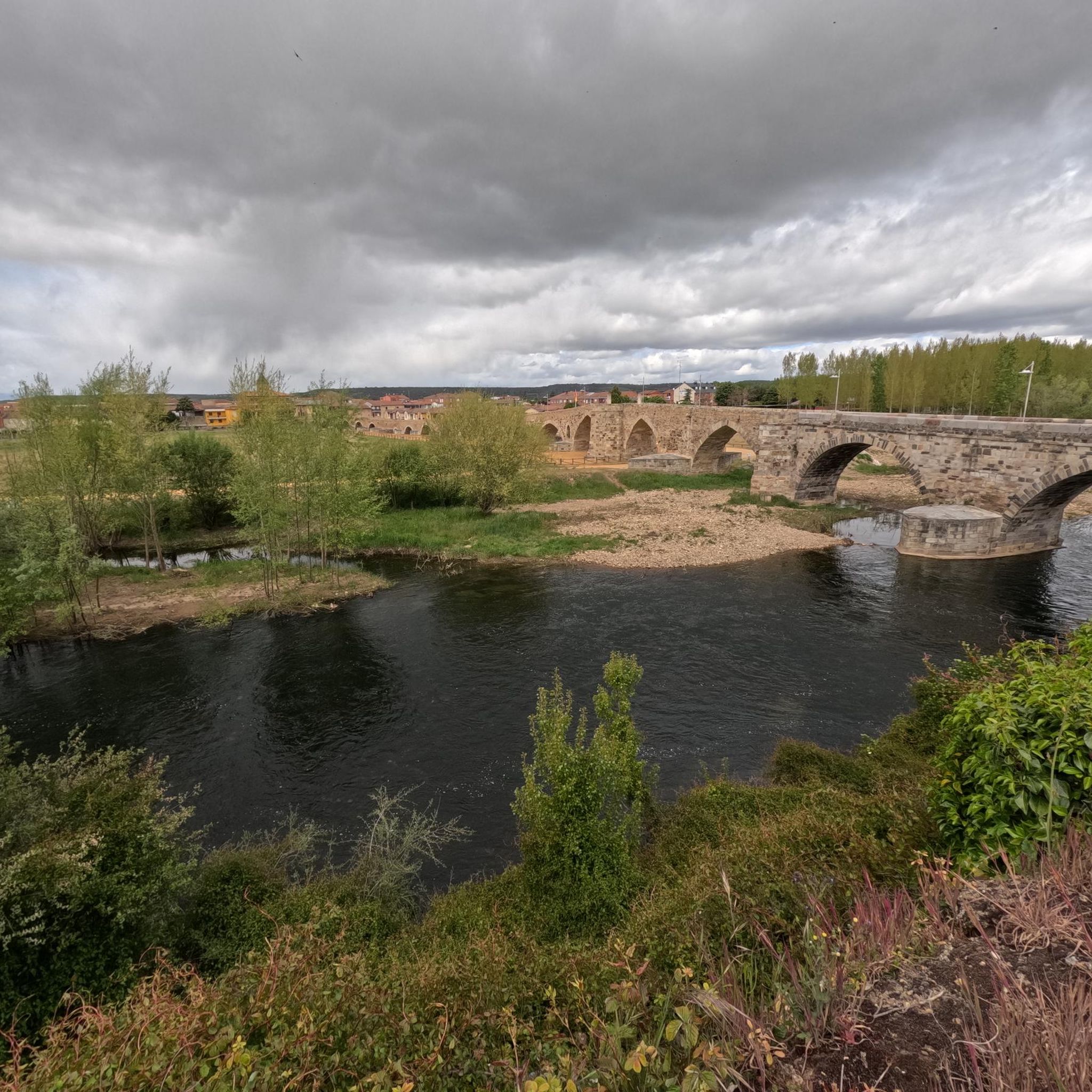
- The most popular attractions is Passo Honroso Bridge, a bridge that spans the Órbigo River with 19 arches. This 13th-century medieval bridge is famously associated with the "Passo Honroso" tournament of 1434.
- Another must-see spot is The Garden of the Soul, a facilities highlight known as a resting place on the Camino de Santiago. Visitors can find food, drinks, and a place to relax, often operating on a contribution basis.
- Visitors also love Tengo Sed Pilgrim Statue, a bronze sculpture depicting a pilgrim drinking from a fountain. Erected in 2014, it symbolizes the pilgrim's journey and is located near San Justo de la Vega.
- Hospital De Órbigo is known for historical sites, religious buildings, and unique man-made monuments. The area provides a variety of attractions to see and explore, reflecting its rich history and pilgrim route.
- The attractions around Hospital De Órbigo are appreciated by the komoot community, with more than 400 upvotes and over 200 photos shared across 4 highlights.
Last updated: August 31, 2026
Passo Honroso Bridge
Highlight • Bridge
Translated by Google •
Tip by

The Garden of the Soul
Highlight • Rest Area
Translated by Google •
Tip by

Sign up now to discover places like this
Get recommendations on the best single tracks, peaks, & plenty of other exciting outdoor places.
Sign up for free
Tengo Sed Pilgrim Statue
Highlight • Monument
It is located at the entrance to the town of San Justo de la Vega
Translated by Google •
Tip by
Church of St John the Baptist, Hospital de Órbigo
Highlight • Religious Site
This is half a year older than Jesus and is considered his forerunner / pioneer. He lives in the desert, preaches the repentance of sins to the Jewish population and baptizes them in the Jordan, where Jesus also comes to be baptized, being filled with the Holy Spirit that descends on him from heaven.
The memorial day of John the Baptist (San Juan Bautista) in the calendar of saints is on June 24th, exactly half a year before 'Christmas Eve'.
Translated by Google •
Tip by

Pilgrim Sculpture and Memorial Cross
Highlight • Monument
Translated by Google •
Tip by

Sign up for free to discover even more attractions around Hospital De Órbigo.
Sign up for free
Already have an account?
Start today with a free account
Your next adventure awaits.
Login or Signup

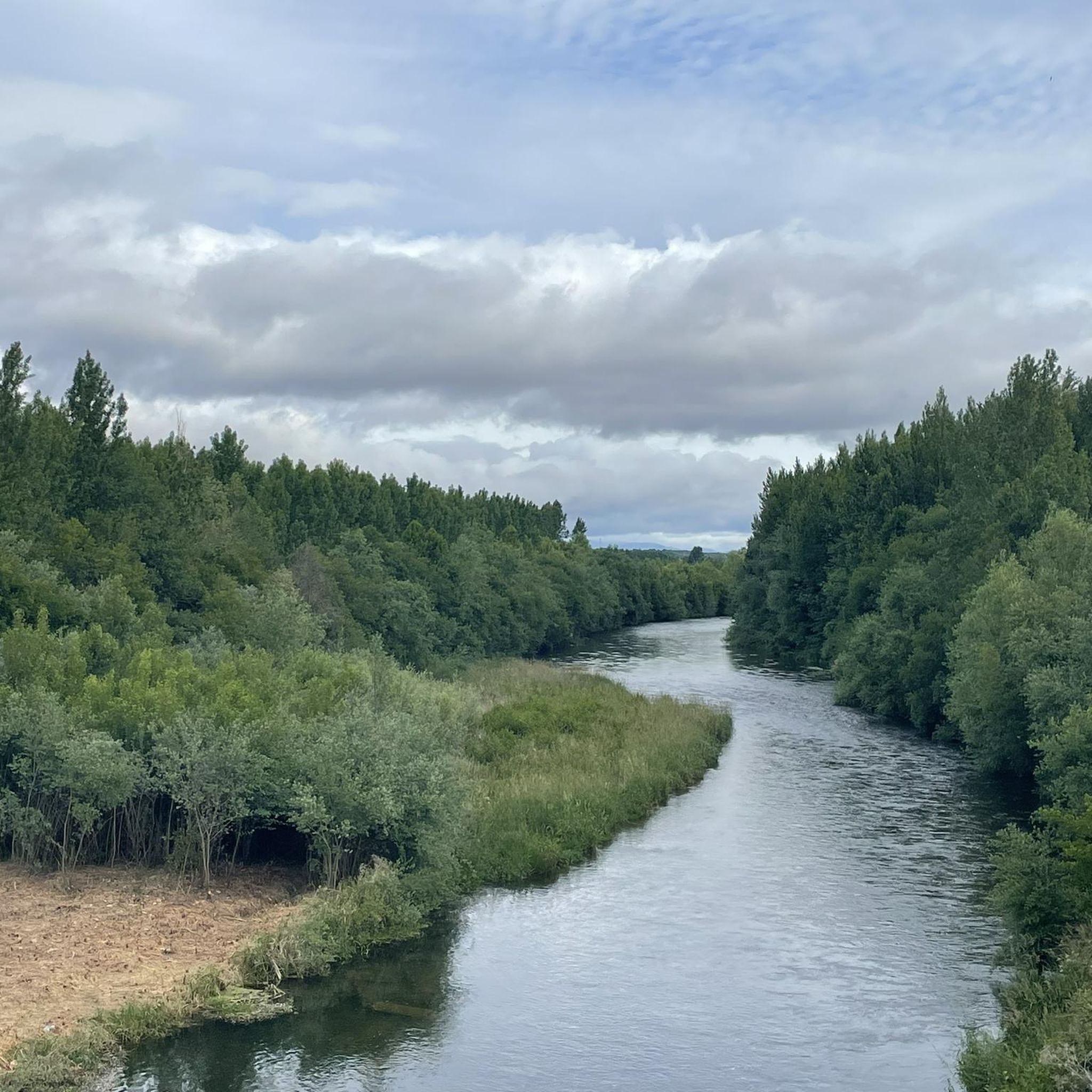
Other adventures around Hospital De Órbigo

Tips from the Community

A great place for a break. You take what you need. You give what you feel is right.
0
0

For me, this place is a piece of paradise on the Camino. Take a short break in the shade. Enjoy some of the delicacies (fruit, eggs, cake, etc.). In this atmosphere, it's easy to relax, rejuvenate, and move on more easily (and happier).
1
0

The Passo Honroso Bridge in Hospital de Órbigo is an impressive medieval construction from the 13th century. This bridge is known for its large size and historical importance, as it was the scene of the famous Passo Honroso joust in 1434, where the knight Suero de Quiñones and his companions defended the bridge for a month. 🌉😎🚶♀️🚴
5
0

The sculpture pays tribute to the pilgrims and is intended to symbolize the traveler's thirst for knowledge, introspective quest and cultural fusion on the Camino de Santiago. It is located in the gardens of the Bajada del Crucero, next to an iron fountain from the early 20th century.
1
1
The 'Sitio, tengo sed' is a sculpture by the artist Sendo, located in the Bajada del Crucero in San Justo de la Vega. The sculpture was unveiled on July 30, 2014. It is a bronze statue 2.5 meters high that shows a pilgrim drinking from his gourd next to a fountain. Other attributes of the pilgrim are also depicted, such as the staff, which symbolizes both resistance and hardship, the knapsack and the conch, which was originally the mark of those returning from the pilgrimage to Santiago de Compostela. The conch's meanings include death and rebirth.
2
0
The Iglesia de San Juan Bautista is located in Hospital de Órbigo, a medieval village in the province of León. The village is known to pilgrims who follow the French route of the Camino de Santiago. The church itself is a reminder of the presence of the Knights Hospitaller. It has a cross-shaped plan and has been rebuilt. The entrance facade has a cross of the Order. The church is very centrally located in the village, next to the town hall. It is perfectly preserved and the statue of San Juan Bautista that can be seen at the entrance through the triple portal is particularly striking. The construction of the church dates back to the mid-18th century. It belonged to the Military Order of the Knights of St. John of Jerusalem and its Prior was that of San Román El Antiguo of the same Order4. The altarpiece belongs to the Plateresque style4.
4
0

A small "Cruz de Ferro" is a very pleasant place to rest. But the path is not recommended for cycling.
2
1
Very beautifully designed fountain for drinking water.
4
0
Frequently Asked Questions
What historical sites can I visit in Hospital De Órbigo?
Hospital De Órbigo is rich in history, particularly due to its role on the Camino de Santiago. The most iconic historical site is the Passo Honroso Bridge, a 13th-century medieval bridge famous for the 1434 tournament. You can also explore the Church of St John the Baptist, an 18th-century church with ties to the Knights Hospitaller, and the Monolith commemorating the Passo Honroso tournament.
Are there any unique cultural monuments to see in the area?
Yes, beyond the historical sites, you can find unique cultural monuments. The Tengo Sed Pilgrim Statue, located near San Justo de la Vega, is a bronze sculpture depicting a pilgrim drinking from a fountain, symbolizing the Camino journey. Another interesting cultural element is the Pelegrins of Villares de Orbigo, traditional figures made of old clothes found along the French Way of Santiago.
What natural features are prominent around Hospital De Órbigo?
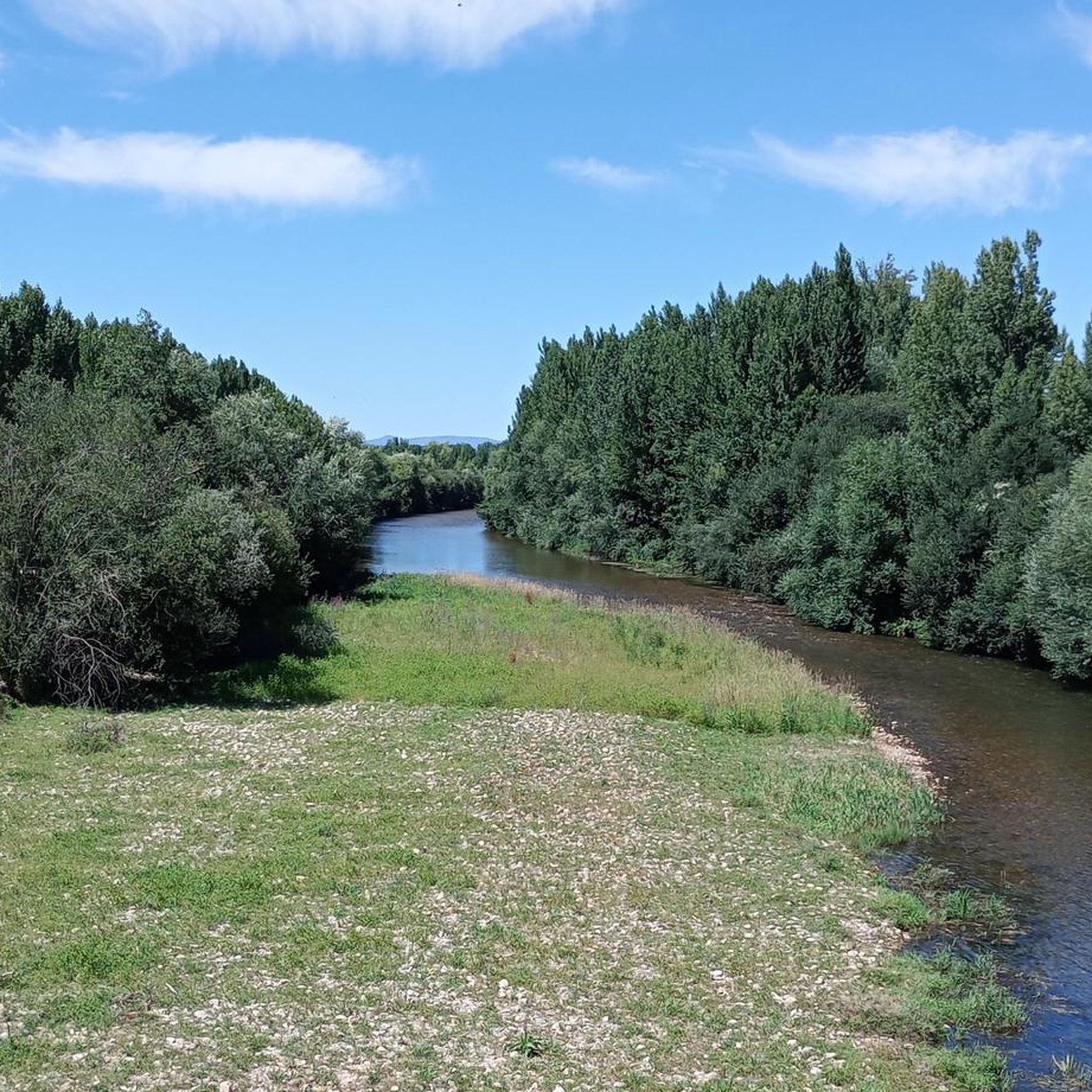
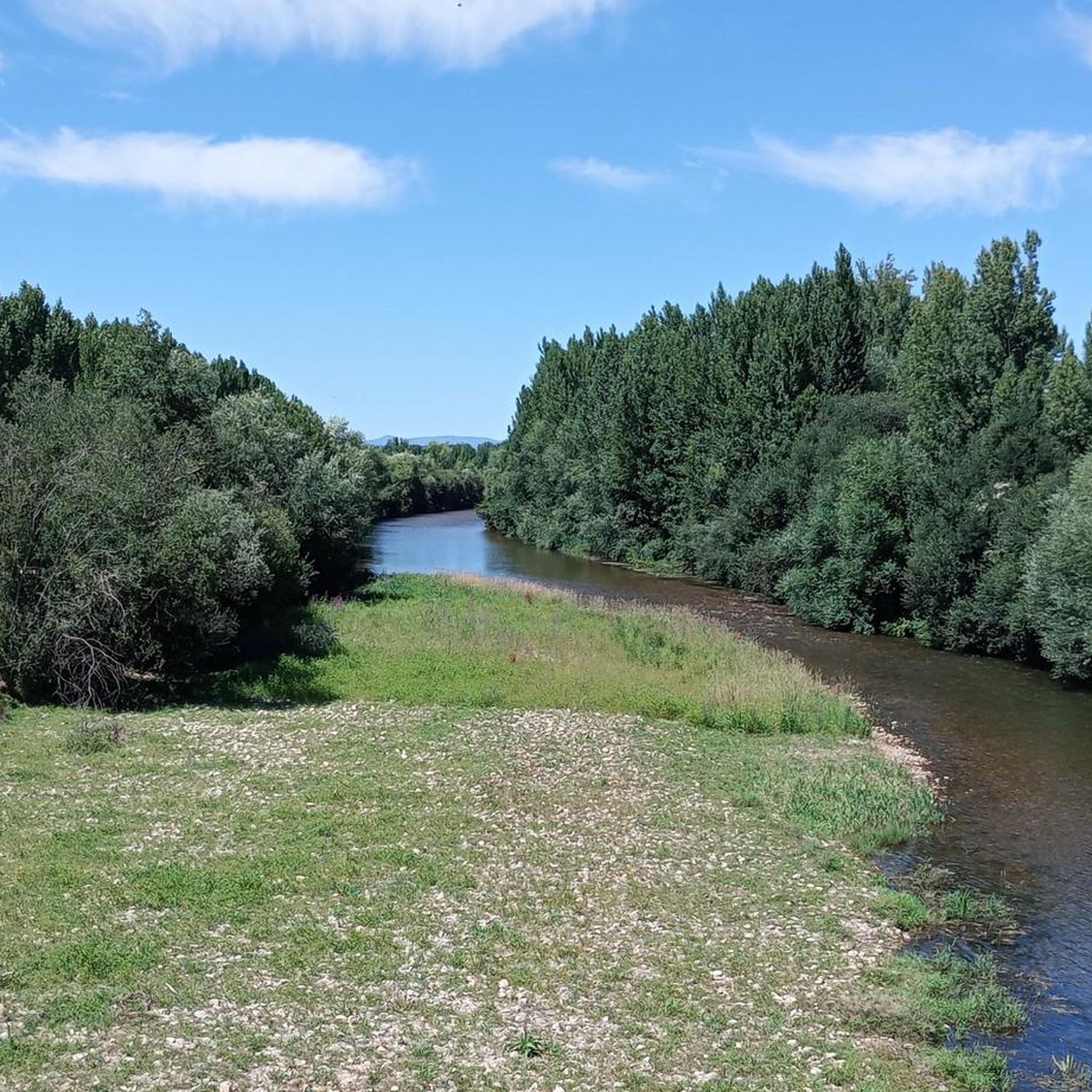
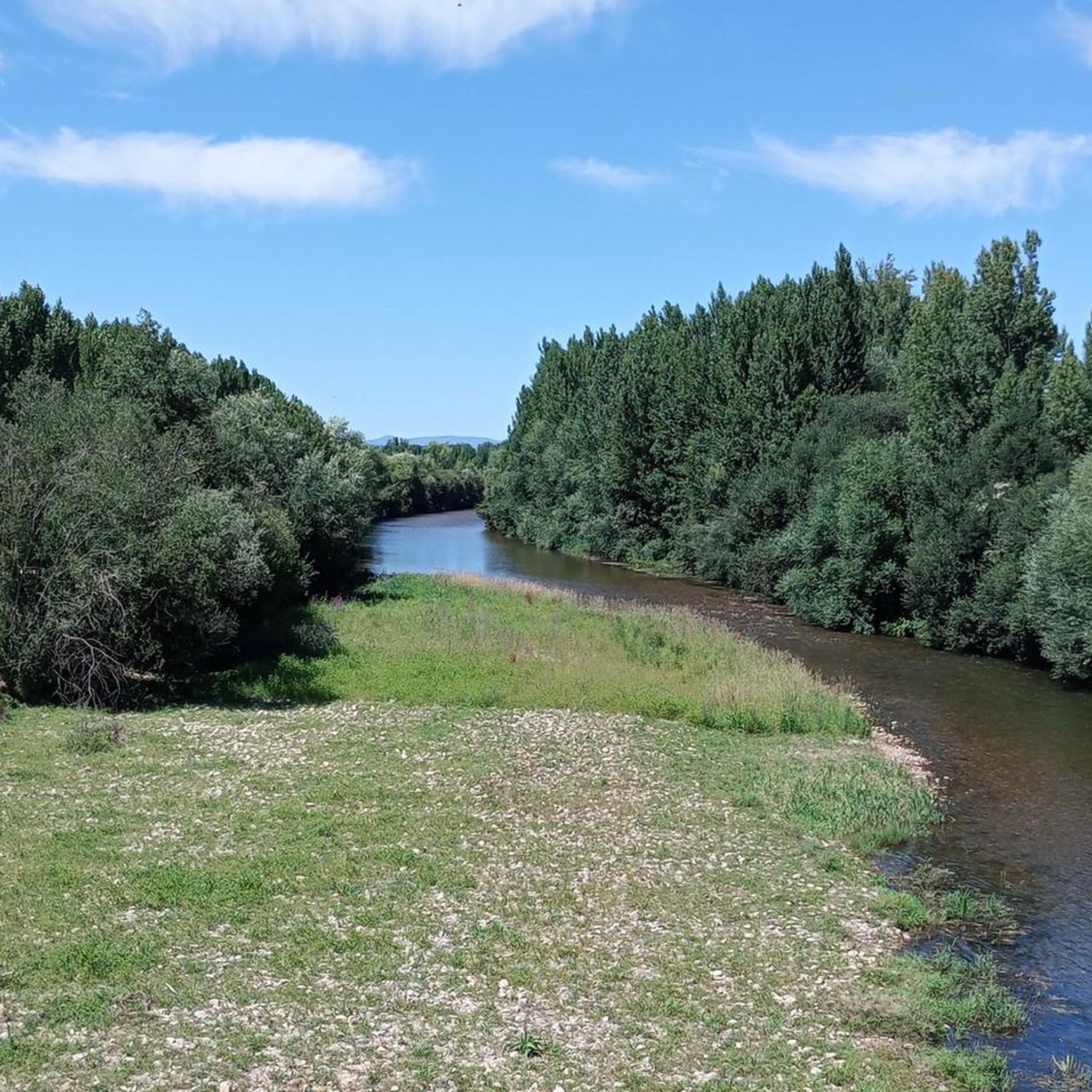
The town of Hospital De Órbigo is situated on the right bank of the Órbigo River, which is a significant natural feature of the area. The river and its banks have historically been important and offer scenic views, particularly around the medieval bridge.
What outdoor activities can I do near Hospital De Órbigo?
The region around Hospital De Órbigo offers various outdoor activities, especially for those following the Camino de Santiago or looking for active exploration. You can find numerous routes for mountain biking, hiking, and running. Many of these routes incorporate sections of the Camino Francés and pass by local attractions.
Are there family-friendly attractions in Hospital De Órbigo?
Yes, several attractions are suitable for families. The Passo Honroso Bridge is an impressive historical site that can capture the imagination of all ages. The Tengo Sed Pilgrim Statue and the Pelegrins of Villares de Orbigo offer interesting photo opportunities and cultural insights. Additionally, The Garden of the Soul provides a welcoming resting place with amenities for everyone.
What is the best time of year to visit Hospital De Órbigo?
Hospital De Órbigo is a popular stop on the Camino de Santiago, which sees pilgrims throughout the spring, summer, and early autumn. The annual Medieval Passo Honroso Joust re-enactment takes place in June, making this a particularly vibrant time to visit for cultural events. For outdoor activities, spring and autumn generally offer milder temperatures.
Where can I find a place to rest or get refreshments along the Camino de Santiago in Hospital De Órbigo?
Pilgrims and visitors can find a welcoming resting spot at The Garden of the Soul. This facility offers food, drinks, and a place to relax, often operating on a contribution basis, making it a convenient stop on your journey.
Is Hospital De Órbigo accessible for wheelchair users?
The Tengo Sed Pilgrim Statue is noted as wheelchair accessible, providing an opportunity for all visitors to appreciate this symbolic monument. Accessibility for other sites may vary, but this statue offers an inclusive point of interest.
What is the significance of the Passo Honroso Bridge?
The Passo Honroso Bridge is historically significant as the site of the 'Passo Honroso' (Passage of Honor) tournament in 1434. During this event, the knight Suero de Quiñones and his companions defended the bridge for a month, engaging in jousts to fulfill a vow. This medieval feat is re-enacted annually, drawing many visitors.
Are there any specific hiking trails I should consider near Hospital De Órbigo?
Yes, as a key point on the Camino de Santiago, there are several hiking options. You can explore sections of the Camino Francés, including an 'Alternative Route' or a 'Hospital de Órbigo - Villavante Loop'. For more options, refer to the Hiking around Hospital De Órbigo guide, which details routes like the 'Albergue San Miguel Art Hostel – Passo Honroso Bridge loop'.
What do visitors particularly enjoy about Hospital De Órbigo?
Visitors frequently appreciate the town's deep historical roots and its connection to the Camino de Santiago. The well-preserved Passo Honroso Bridge is a highlight, often described as remarkable for its length and condition. The welcoming atmosphere of places like The Garden of the Soul also receives positive feedback for providing a peaceful resting spot.
What is the Church of St John the Baptist known for?
The Church of St John the Baptist, rebuilt in the 18th century, is known for its beautiful Plateresque altarpiece. Its origins are linked to the Knights of the Order of San Juan de Jerusalén (Knights Hospitaller), who established a hospital nearby in the 12th century to assist pilgrims, giving the town its name. The church's facade displays the characteristic cross of the Order.
Most popular routes around Hospital De Órbigo

Get inspired with the komoot mobile app


Explore more
Still not found the Highlight you’re looking for? See guides of the top attractions in other regions:
