Attractions and Places To See around Noblejas - Top 20
Attractions and places to see around Noblejas, a municipality in the province of Toledo, Spain, offer a blend of historical sites, cultural venues, and natural features. The area is characterized by its traditional architecture and significant lacustrine ecosystems. Visitors can explore landmarks and natural features Noblejas, providing diverse things to do near Noblejas Spain. The region showcases both man-made heritage and unique natural landscapes.
Best attractions and places to see around Noblejas
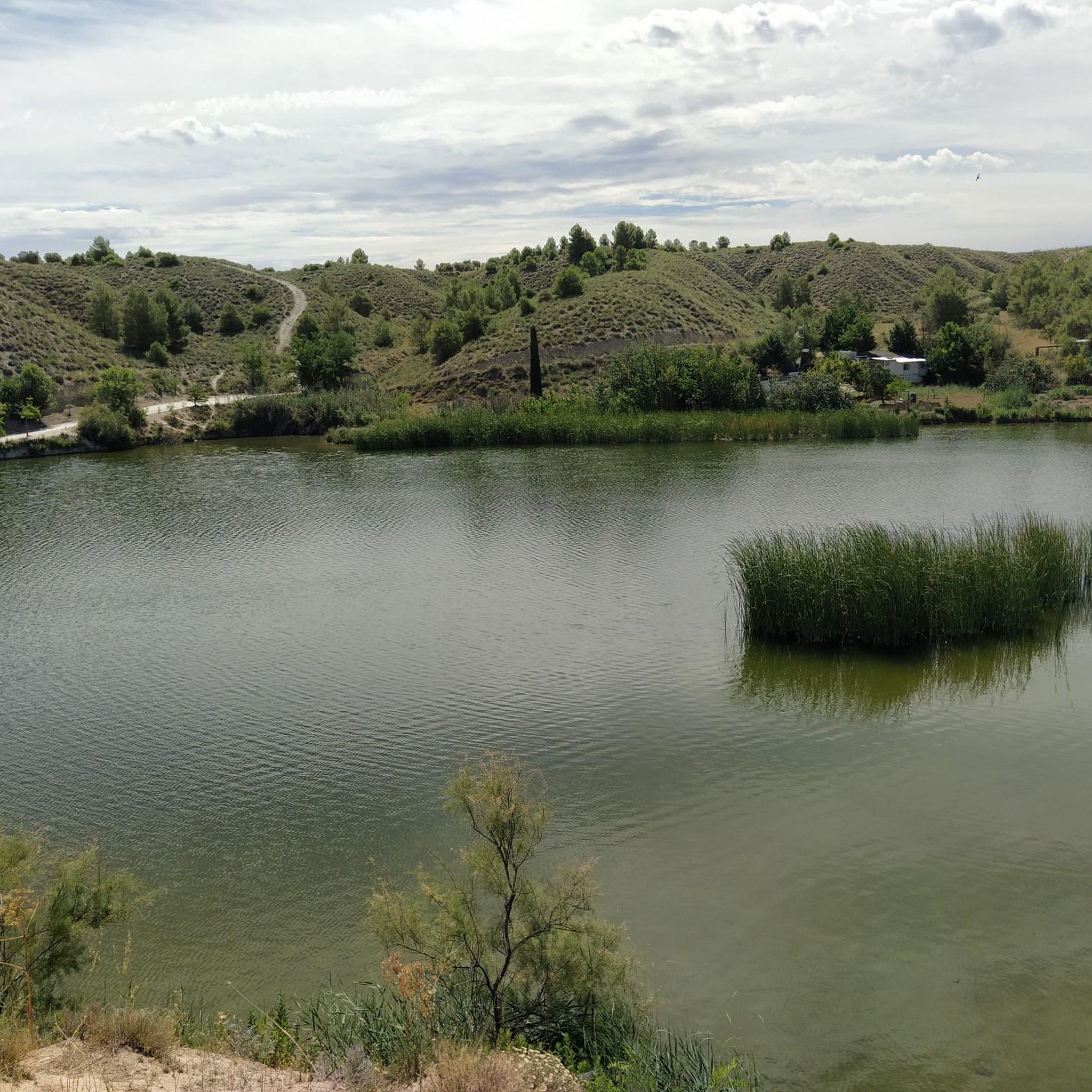
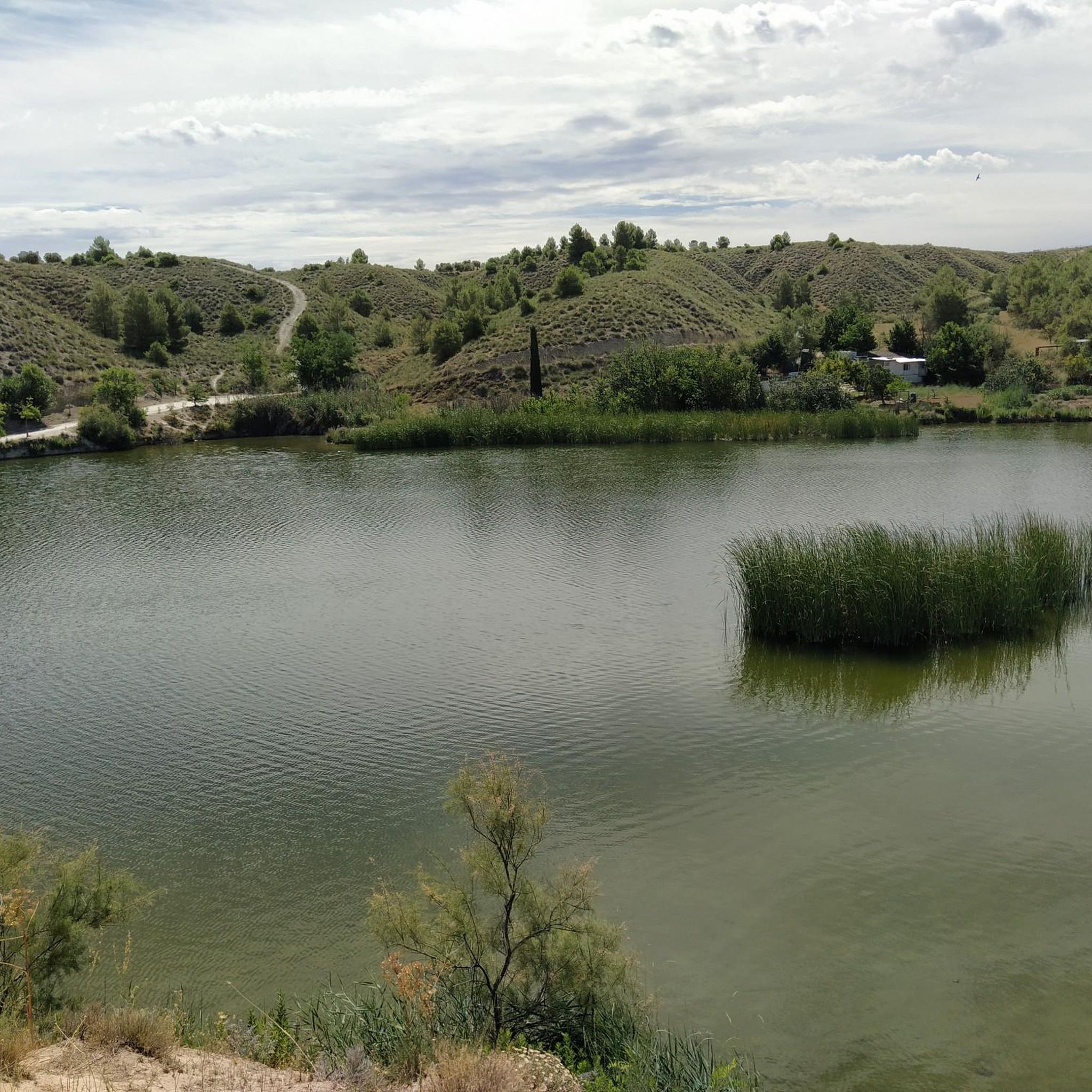
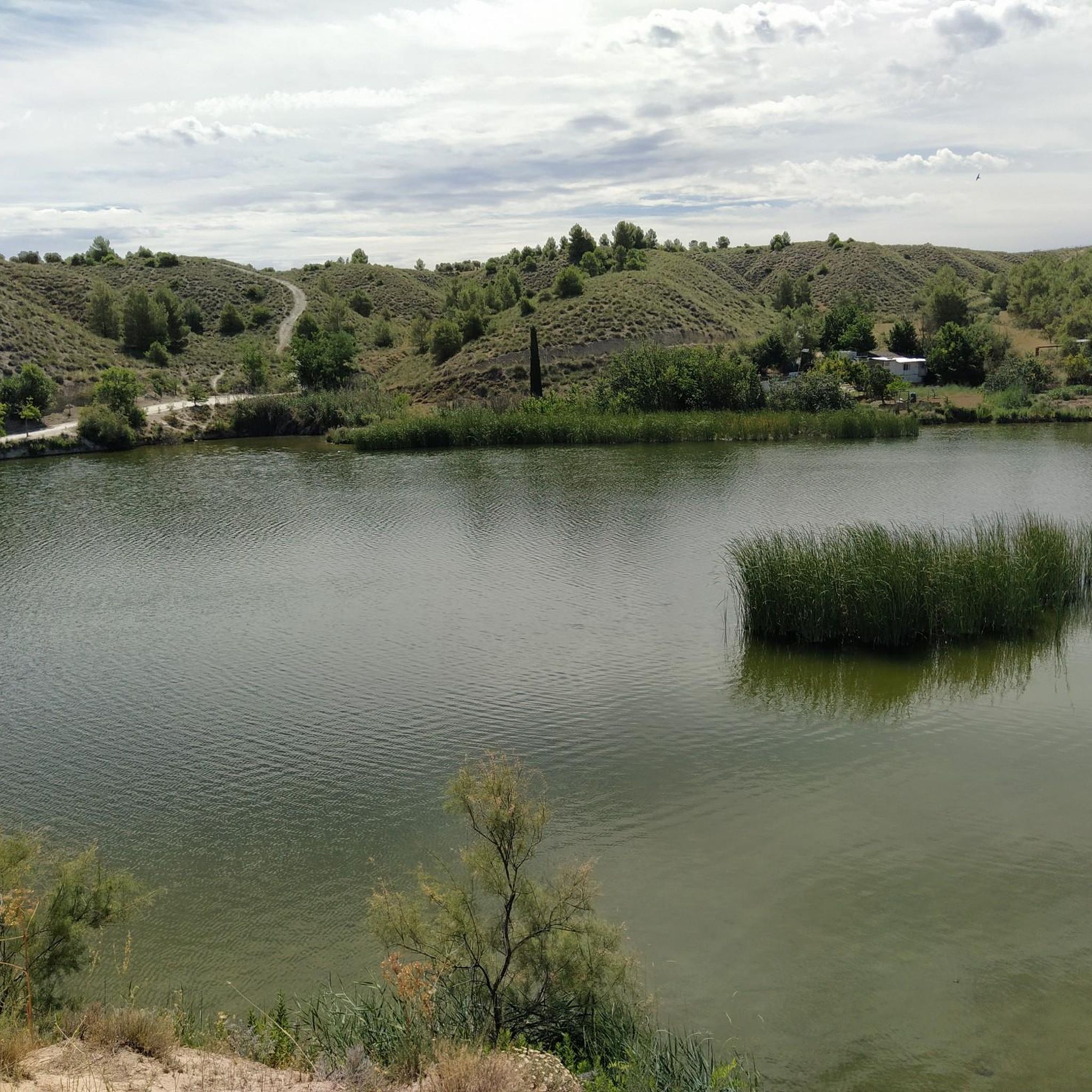
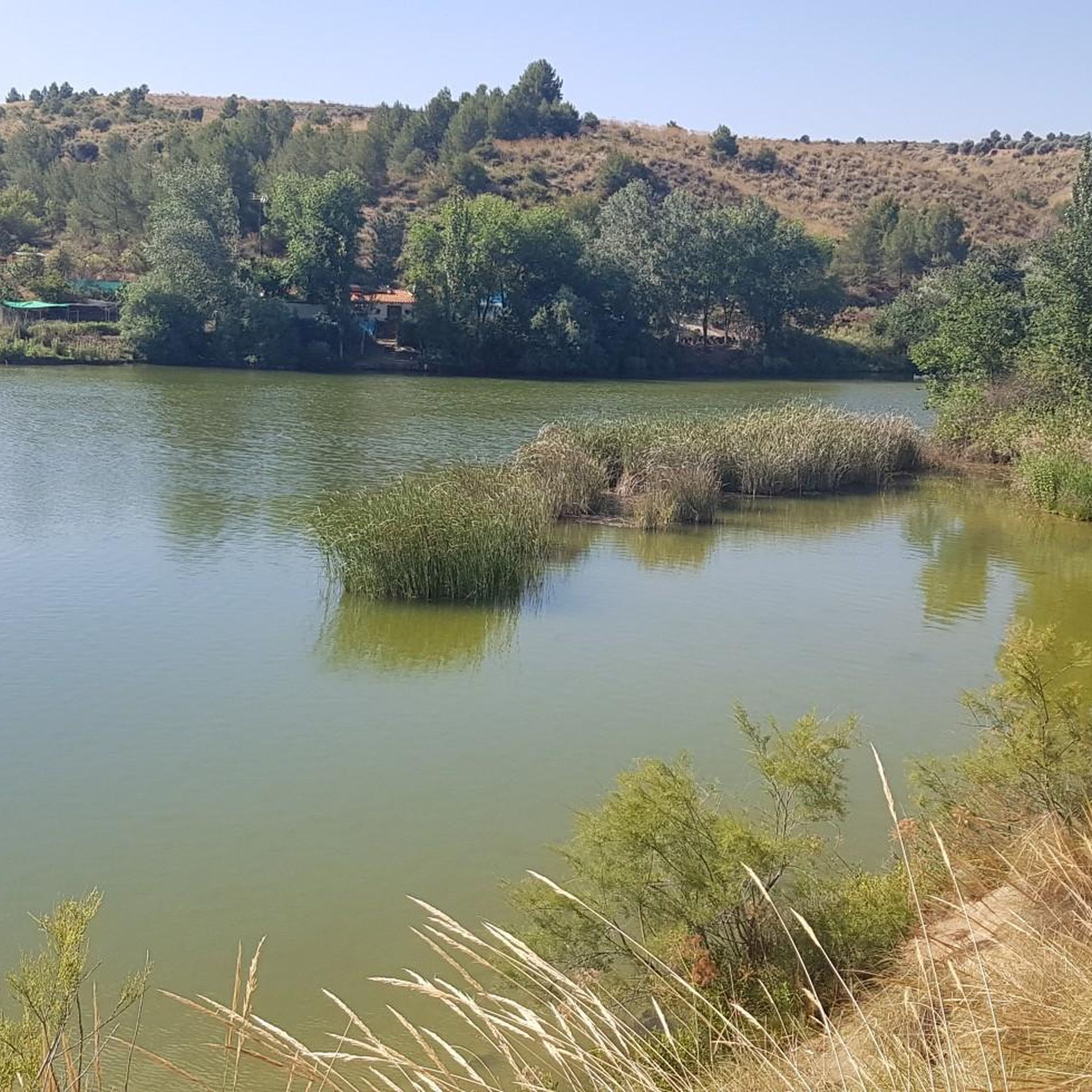
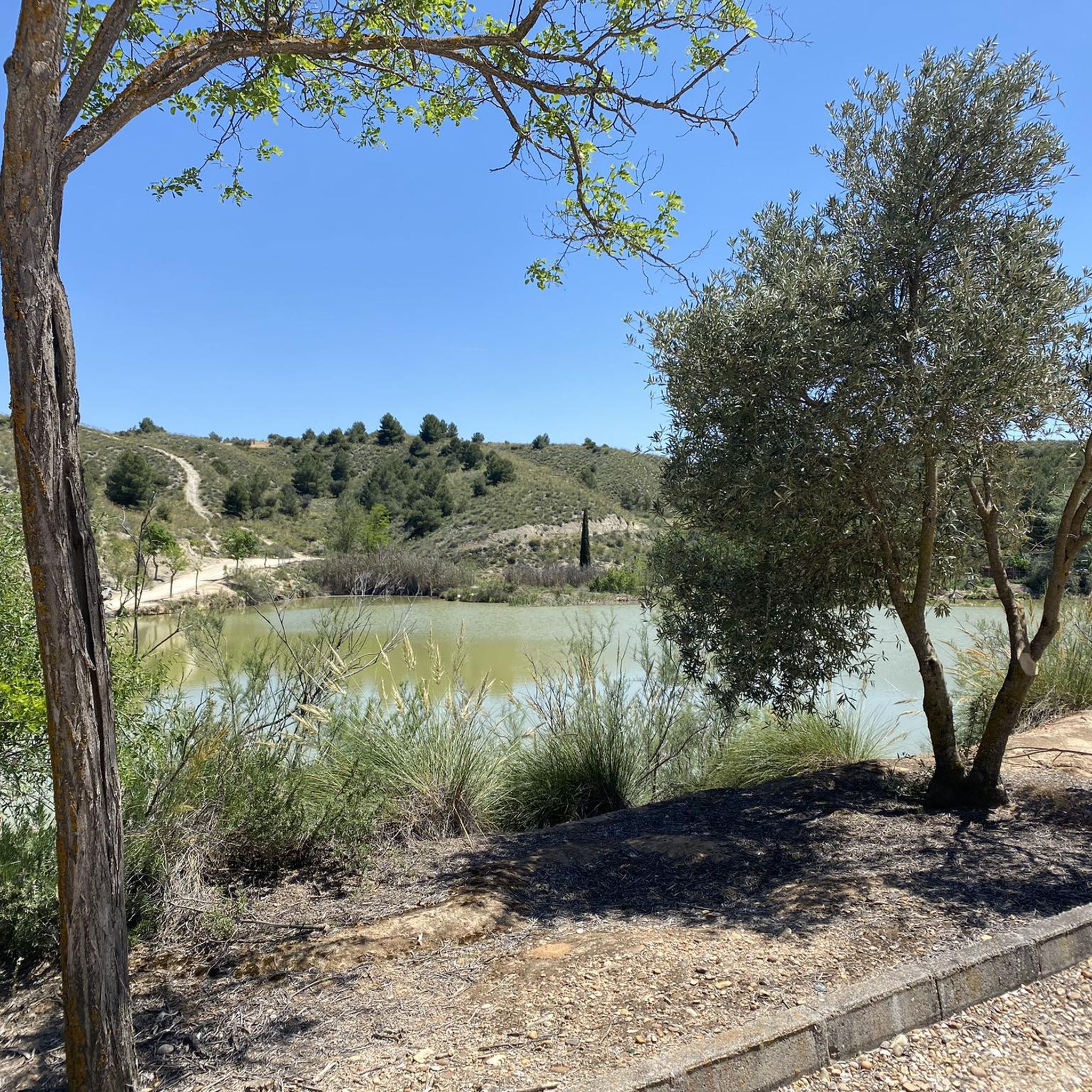
- The most popular attractions is Laguna de Noblejas, a lake that offers a tranquil environment in the Los Almendros del Tajo area. It is a quiet site suitable for relaxation.
- Another must-see spot is Tree-Lined Road to Aranjuez, a cycle way. This paved secondary road connects Aranjuez with Colmenar de Oreja and is lined with linden and elm trees.
- Visitors also love Plaza Mayor of Colmenar de Oreja, a settlement known for its monumental arcaded design. Its construction began in the 16th century and features historic buildings like the Town Hall.
- Noblejas is known for its historical landmarks, natural features, and cultural sites. The area offers a variety of attractions to see and explore, from traditional fountains to unique wetlands.
- The attractions around Noblejas are appreciated by the komoot community. These 4 highlights have gathered 18 upvotes and 12 photos from visitors.
Last updated: May 10, 2026
Plaza Mayor of Colmenar de Oreja
Highlight • Settlement
The square stands out for its porticoed design and its ingenious integration of two neighbourhoods separated by a stream. It also houses historic buildings such as the Town Hall and the Pósito.
Translated by Google •
Tip by

Royal Chapel of San Isidro
Highlight • Religious Site
Translated by Google •
Tip by
Sign up now to discover places like this
Get recommendations on the best single tracks, peaks, & plenty of other exciting outdoor places.
Sign up for free
Plaza Mayor of Colmenar de Oreja
Highlight • Settlement
Translated by Google •
Tip by

Tree-Lined Road to Aranjuez
Highlight (Segment) • Cycleway
From this point, Calle San Isidro, lined with linden and elm trees, leads directly to the Royal Estate of San Isidro.
It is a paved secondary road with two lanes, connecting Aranjuez with Colmenar de Oreja and other nearby towns.
It forms part of the southern access to the Royal Site of Aranjuez and is surrounded by historical and agricultural areas.
Translated by Google •
Tip by
Laguna Seca de las Esteras
Highlight • Lake
Translated by Google •
Tip by

Sign up for free to discover even more attractions around Noblejas.
Sign up for free
Already have an account?
Start today with a free account
Your next adventure awaits.
Login or Signup
Tips from the Community

Historic town of Madrid famous for its monumental arcaded Plaza Mayor, its limestone quarries (used in the Royal Palace) and its centuries-old wineries with D.O. Vinos de Madrid
4
0

The M-305 highway in Aranjuez passes by the Puente de la Reina (Queen's Bridge), a key point for accessing the Royal Estate of San Isidro and connecting with the Prince's Garden. From this point, Calle San Isidro, lined with linden and elm trees, leads directly to the Royal Estate of San Isidro. It is a paved secondary road with two lanes, connecting Aranjuez with Colmenar de Oreja and other nearby towns. It forms part of the southern access to the Royal Site of Aranjuez and is surrounded by historical and agricultural areas.
4
0

Undoubtedly one of the most beautiful towns in southern Madrid, with a long-standing winemaking and agricultural tradition, its arcaded main square is a must-see.
0
0
The Plaza Mayor in Colmenar de Oreja is one of the most emblematic squares in the Community of Madrid. Its construction began in the 16th century and lasted for more than 100 years. Designed by the architect Juan Bautista de Toledo, a disciple of Michelangelo, the square is a magnificent example of Castilian civil architecture. The square stands out for its porticoed design and its ingenious integration of two neighbourhoods separated by a stream. It also houses historic buildings such as the Town Hall and the Pósito.
7
0

In spring and during the rainy season, the blue surface of the Esteras lagoon is an environmental jewel in the arid landscape of the rural moorland. The volume of water depends on rainfall and evaporation. During long periods of high temperatures, the water disappears and becomes a white salt lake with a noticeable crust of mineral salts. In this case, it is advisable not to enter the lake to closely observe the sodium sulphate crystals because it is a mud trap, the wetland is always under the salt.
0
0
It is an impeccable representation of a Castilian porticoed square, with arcades, stone and wooden columns and traditional facades. The current construction was carried out between the 17th and 18th centuries. The main buildings are the Town Hall and El Pósito. At the exit of the square is the Stone Museum.
2
0
The Royal Chapel of San Isidro was built by order of King Carlos III because the oratory of the Royal House could not accommodate all of its employees and laborers who lived in the Cortijo. In this way, the ministers Floridablanca and Grimaldi commissioned the project to Jaime Marquet, but when he died in 1782, Manuel Serrano took over building the current church, which was inaugurated on May 15, 1788. The chapel has a neoclassic. The portico is adorned with four Doric style columns.
30
0
This old agricultural farmhouse, ordered to be created in 1766 by Charles III, sits on land that previously belonged to the 12th century town of Villafranca. With an area of 1,126 hectares, it is located about six kilometers northeast of Aranjuez, on the Colmenar de Oreja highway (M-305).
12
0
Frequently Asked Questions
What natural features can I explore around Noblejas?
Noblejas offers several unique natural features. You can find tranquility at Laguna de Noblejas, a peaceful lake in the Los Almendros del Tajo area, ideal for relaxation. Another significant natural wonder is Laguna Seca de las Esteras, a temporary hypersaline wetland recognized for its geological, botanical, and faunal importance within the páramo landscape. Additionally, the Finca de Torrique, a large dehesa, features walnut plantations, vineyards, and the Tajo River, providing scenic beauty.
Are there any historical landmarks or cultural sites to visit in Noblejas?
Yes, Noblejas is rich in history and culture. You can visit the 17th-century Herrerian and Neoclassical style Royal Chapel of San Isidro, commissioned by King Carlos III. Other notable sites include the recently restored Fuente Vieja (Old Fountain), the 17th-century Iglesia de Santiago Apóstol, and the 18th-century Baroque Ermita de Santa María Magdalena. The Posada de la Cultura and the Bodega Grande, a historic winery, have also been transformed into cultural centers.
What are some family-friendly activities around Noblejas?
Families can enjoy the tranquil environment of Laguna de Noblejas for a relaxing outing. The Plaza Mayor of Colmenar de Oreja, with its monumental arcaded design and historic buildings, offers a pleasant setting for a stroll and is considered family-friendly. The Tree-Lined Road to Aranjuez is also suitable for families looking for a gentle cycle or walk.
What outdoor activities, like cycling or running, can I do near Noblejas?
There are various outdoor activities available. For cycling, you can explore routes like the 'Ocaña and Noblejas Reservoir Loop' or the 'Royal Cortijo of San Isidro – Royal Palace of Aranjuez loop'. Runners can find trails such as the 'Fountain of Hercules and Antaeus – Royal Palace of Aranjuez loop' or the 'Villaconejos loop'. You can find more details and routes in the Cycling around Noblejas and Running Trails around Noblejas guides.
Are there any unique or less-known attractions in the area?
Beyond the main sites, Noblejas holds some unique spots. The Cueva de Villacampa is an old Roman gypsum crystal mine, though it can be challenging to locate without a guide. The recently restored Fuente Vieja, also known as the 'Fuente de los Tres Caños', is particularly striking when illuminated at night and offers a glimpse into traditional local architecture.
What is the best time to visit Noblejas attractions?
The best time to visit Noblejas generally depends on your preferred activities. Spring and autumn offer pleasant temperatures for exploring natural features like the Laguna Seca de las Esteras, especially when it's filled with water. For cultural and historical sites, any time of year is suitable, though avoiding the peak heat of summer afternoons might be more comfortable.
Is there public transport available to reach attractions in Noblejas?
Noblejas has a railway stop at kilometer 20 of the 310 railway line, connecting Madrid and Valencia, which can be used to reach the municipality. However, for specific attractions within and around Noblejas, local transport options might be limited, and having a car is often recommended for greater flexibility to explore the various sites.
Where can I find parking for attractions in Noblejas?
Parking availability varies by attraction. For central locations like the Plaza de José Bono, you can typically find street parking nearby. For natural areas or more remote sites, parking might be less formal, often roadside or in designated small areas. It's advisable to check local signage or inquire locally upon arrival.
What do visitors enjoy most about the attractions around Noblejas?
Visitors appreciate the blend of historical charm and natural tranquility. The Laguna de Noblejas is often praised for its quiet, remote setting, perfect for a peaceful break. The monumental arcaded design of the Plaza Mayor of Colmenar de Oreja also receives positive feedback for its historical ambiance and architectural beauty.
Are there any specific architectural highlights in Noblejas?
Yes, Noblejas boasts several architectural highlights. The Royal Chapel of San Isidro is a notable Neoclassical structure from the 18th century. The Posada de la Cultura is considered one of the most significant architectural buildings in Noblejas, serving as a multifunctional cultural center. The 19th-century Bodega Grande, now a cultural center, also showcases historical industrial architecture.
Can I find viewpoints or scenic spots in the Noblejas area?
While not explicitly designated as viewpoints, areas like the Finca de Torrique, with its walnut plantations, vineyards, and the Tajo River, offer scenic beauty. The Tree-Lined Road to Aranjuez also provides a pleasant, picturesque route with its characteristic linden and elm trees.
Most popular attractions around Noblejas

Get inspired with the komoot mobile app


Explore more
Still not found the Highlight you’re looking for? See guides of the top attractions in other regions:
