The best walks and hikes around Navalcán
4.7
(144)
780
hikers
44
hikes
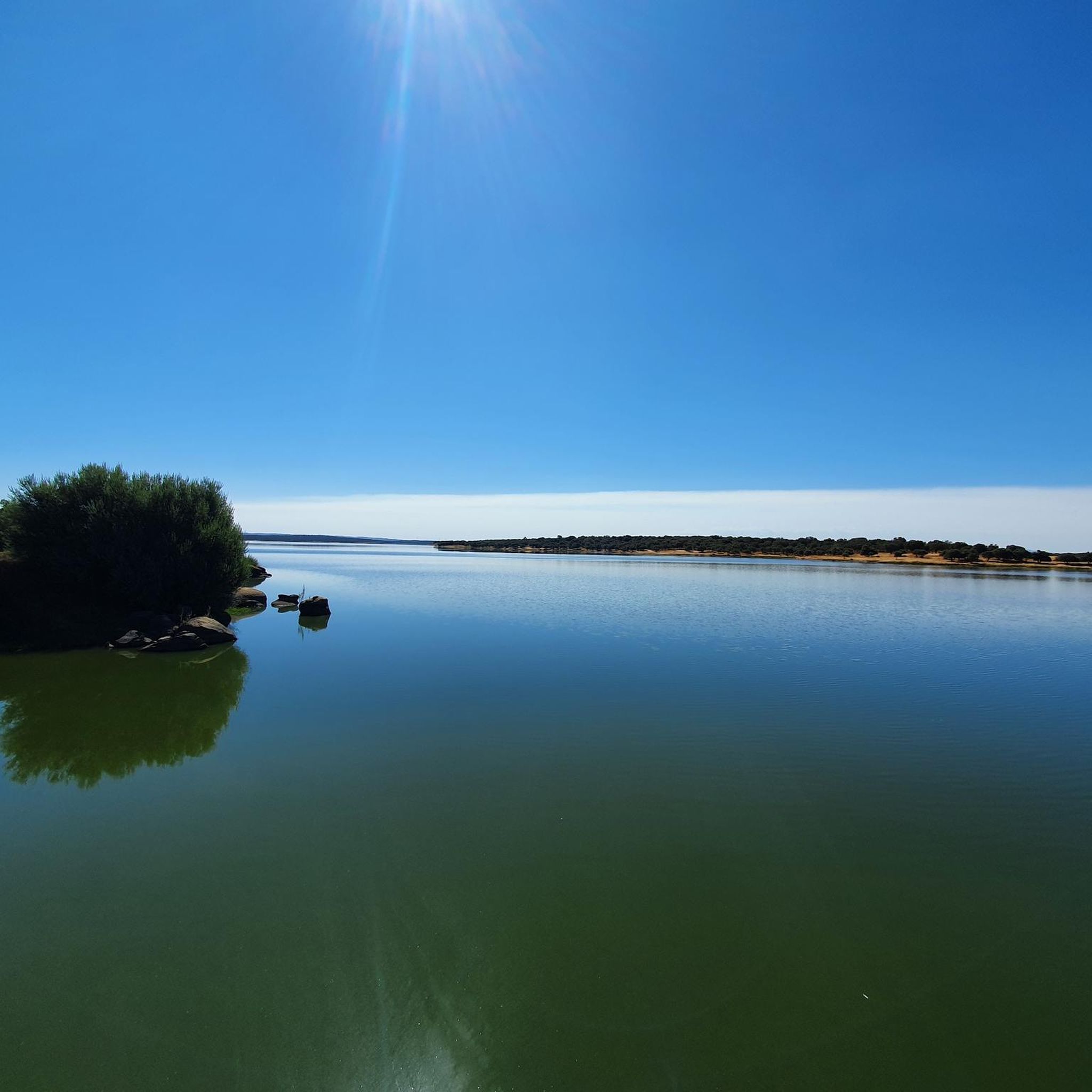
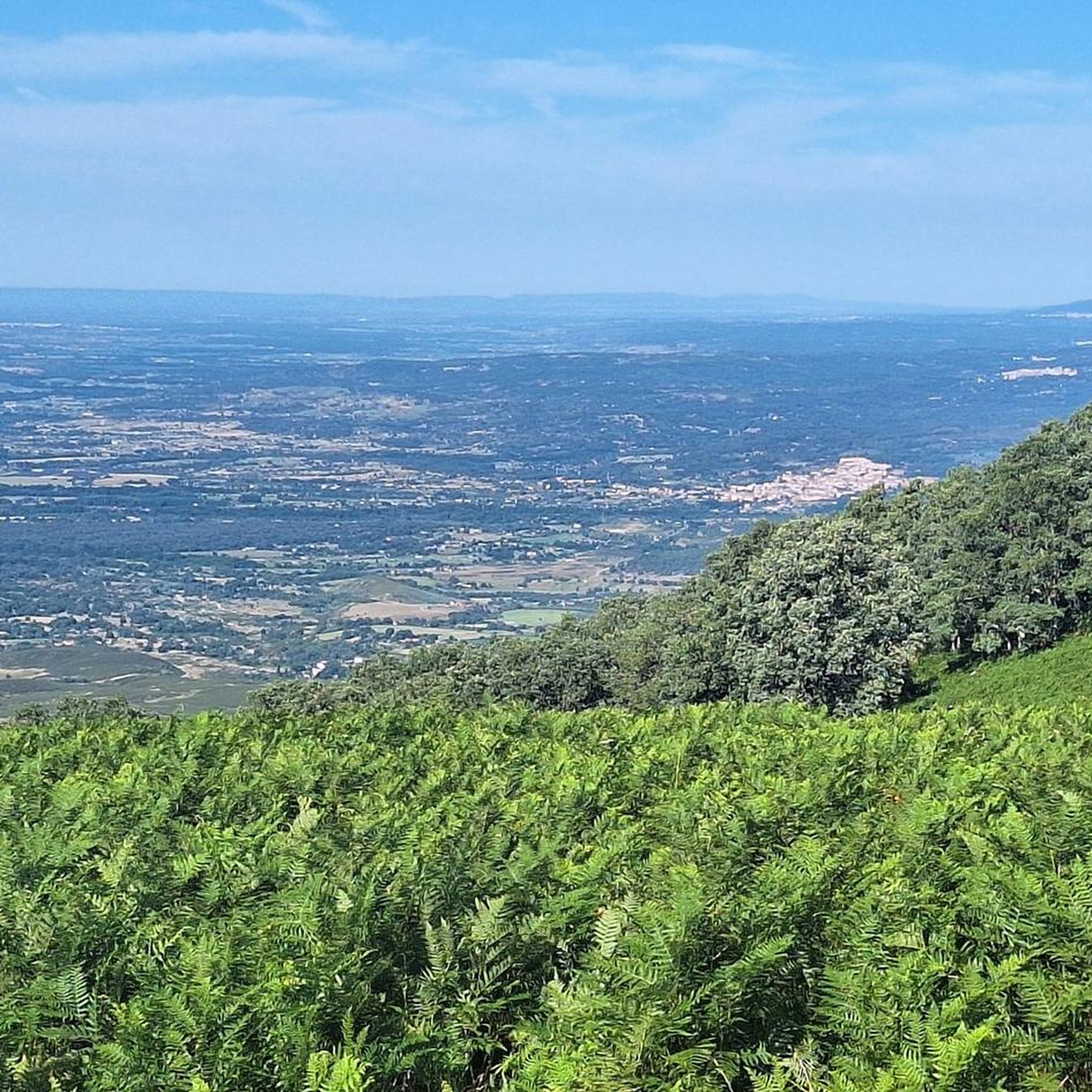
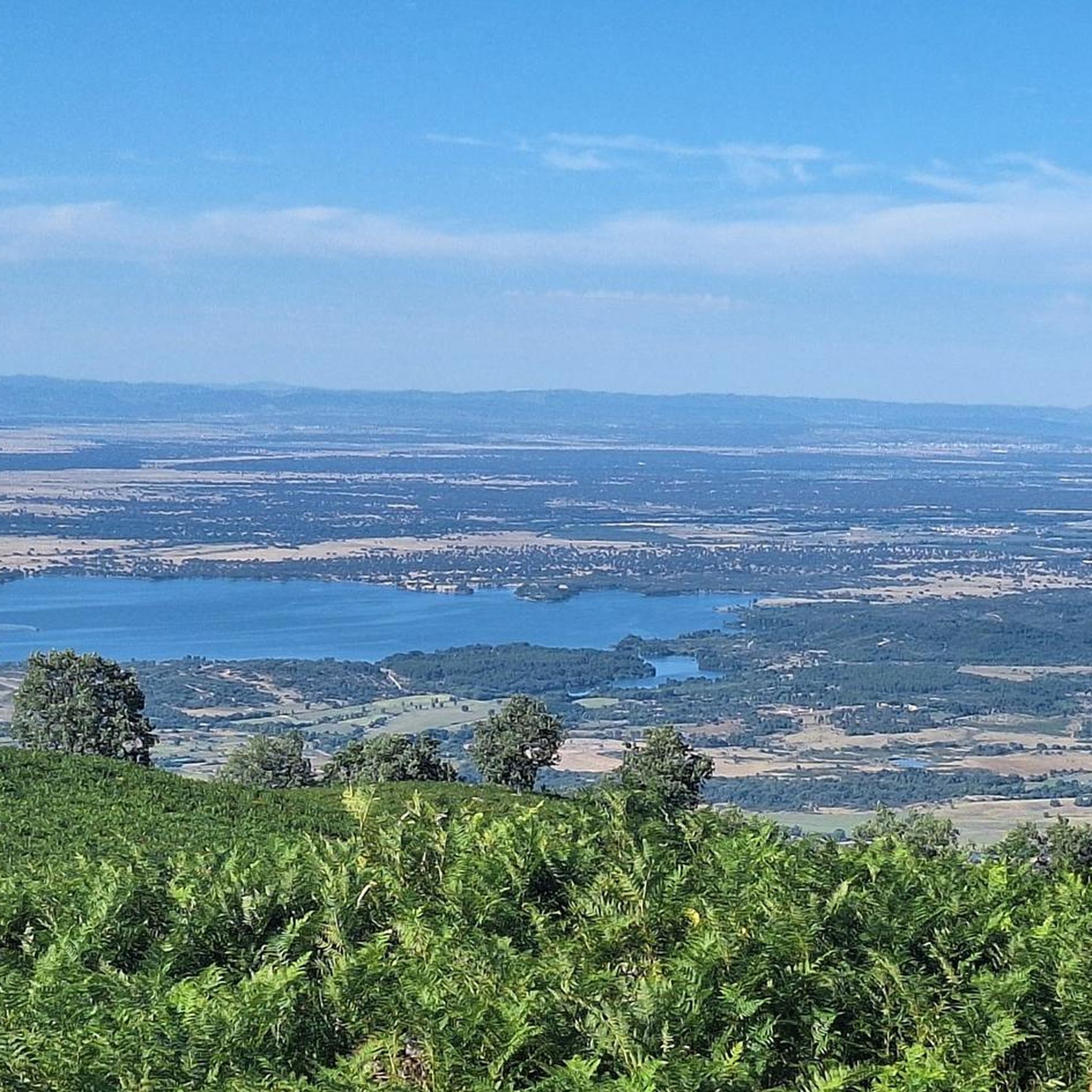
Hiking around Navalcán offers diverse landscapes, from the tranquil Navalcán Reservoir to the varied terrain shaped by the Guadyerbas River. The region features well-preserved Mediterranean forests, pastures, and wetlands, providing a range of natural environments for exploration. Hikers can expect paths through traditional pastoral lands and areas with moderate elevation changes.
Best hiking trails around Navalcán
- The most popular hiking route is Route along the Río Arenal — circular by the Playa de Pelayos, a 5.2 miles (8.4 km)…
Last updated: June 23, 2026
4.7
(15)
70
hikers
15.0km
04:16
280m
280m
Moderate hike. Good fitness required. Mostly accessible paths. Sure-footedness required.
4.5
(29)
139
hikers
8.39km
02:36
180m
180m
Moderate hike. Good fitness required. Mostly accessible paths. Sure-footedness required.

Sign up for free
4.7
(3)
10
hikers
11.7km
02:42
250m
250m
Moderate hike. Good fitness required. Mostly accessible paths. Sure-footedness required.
4.3
(4)
30
hikers
9.96km
02:56
290m
290m
Moderate hike. Good fitness required. Easily-accessible paths. Suitable for all skill levels.
4.3
(4)
30
hikers
10.0km
02:22
290m
290m
Moderate hike. Good fitness required. Easily-accessible paths. Suitable for all skill levels.
Get access to more routes and recommendations from other explorers.
Sign up for free
Already have an account?
Our route recommendations are based on thousands of hikes, rides, and runs completed by other people on komoot.
Start today with a free account
Your next adventure awaits.
Login or Signup


Tips from the Community

The Pelayos River, in Arenas de San Pedro (Ávila), is a popular spot for hiking and swimming in the summer, located in the Tiétar Valley on the southern slopes of the Sierra de Gredos mountain range. It's a river with clear water that forms natural pools ideal for swimming, such as the Charco Verde (Green Pool), a popular spot in the summer. The Pelayos River recreation area has a kiosk, picnic area, and parking, making it a perfect starting point for hiking trails.
8
0

Be careful after passing the monastery, do not miss the sign for La Cruz.
0
1
The Aquelcabos Bridge is commonly called a Roman bridge (since it was built on a previous, presumably Roman, bridge). It is the oldest bridge in Arenas de San Pedro. It is expected that it was built in the 11th century, so it is of medieval origin. It was widely used by travelers and nomadic shepherds, paying in advance for the portage or ferry. It consists of three arches, the central one being the largest of all. Its pavement has been restored with paving imitating the original. On both sides there is a stone parapet one meter high and several parts of its layout have been repaired with cement.
10
0

Built in the s. XIII, this Romanesque hermitage still maintains the original arches and walls. It is a good starting point for walking along the banks of the Arenal River. There is a six-bedroom tourist accommodation a few meters away.
0
0
Medieval bridge built on an old Roman bridge, it served as a link between Arenas de San Pedro and the ports of Peón and Arenal. The mountains and the river saw how the portazgo filled the pockets of the lord of the town with money while the travelers passed over the Arenal River, already with the Cuevas River joined to it.
0
1
Going up the Avellaneda stream, we find this place of pilgrimage just three kilometers from Arenas de San Pedro. The native of Alcántara (Cáceres, Extremadura), ordered the construction of a convent next to the Hermitage of San Andrés del Monte. However, the early death of San Pedro de Alcántara would cause the course of the convent to change, and a chapel was also built in his honor, with plans by Ventura Rodríguez and the approval of H.M. Carlos III, where his body rests, guarded by a marble sculpture behind the main altar. Declared a national historical-artistic monument in 1972, this place also houses a museum with iconographic material of the saint, sacred works by, among others, Goya, Murillo and Pedro de Mena; as well as a library created in 1562, attached to the convent, with 18,000 volumes dating from the 16th century to the present, including an incunabulum, and a convent archive. The place can be visited from Tuesday to Sunday with split hours and depending on religious celebrations. More information: https://www.turismoavila.com/web/puntos_de_interes/visor/index.php?iid=5b21368723781-87
1
0
Elevated viewpoint over the north of Arenas de San Pedro.
0
1
Located on the Arenal River, shortly after the waters of the Pelayo River join it, the Pozo Quirol bridge rises on both sides of a canyon from which you can observe the narrowing of the current, as well as the Carquesas. of the peñeriles.
0
0
Frequently Asked Questions
How many hiking trails are available in Navalcán?
Navalcán offers a wide variety of hiking experiences, with over 40 routes available. These trails cater to different fitness levels, ranging from easy walks to more challenging ascents.
What is the best time of year to go hiking in Navalcán?
The best times for hiking in Navalcán are generally spring and autumn, when the weather is mild and pleasant. Winter can also be rewarding, especially for birdwatching enthusiasts, as species like the Common Crane are frequently observed around the Navalcán Reservoir during this season.
Are there easy hiking trails suitable for beginners or casual walkers?
Yes, Navalcán has several easy hiking options. There are 12 trails classified as easy, offering gentle terrain and shorter distances perfect for a relaxed stroll through the natural surroundings.
Are there any challenging hikes for experienced trekkers?
For those seeking a more strenuous adventure, Navalcán features 3 difficult hiking routes. These trails typically involve greater distances and more significant elevation changes, providing a good challenge for experienced hikers.
What kind of landscapes can I expect to see while hiking in Navalcán?
Hikers in Navalcán will encounter diverse landscapes, including well-preserved Mediterranean forests, expansive pastures, and wetlands. The region is shaped by the tranquil Navalcán Reservoir and the Guadyerbas River, offering varied scenery from plains to moderate mountain terrain. During dry periods, an ancient dolmen from the 4th millennium BC can even become visible in the reservoir.
Are there circular hiking routes in Navalcán?
Yes, Navalcán offers several excellent circular routes. One popular option is the Ruta de los Pescadores (PRC-ASP-1) — circular desde Arenas de San Pedro, a moderate 9.3-mile (15.0 km) path that explores the region's historical heritage. Another is the Santuario de San Pedro de Alcántara — circular desde Arenas de San Pedro por GR 180, which is about 6.2 miles (10.0 km) long.
What historical or cultural sights can I find along the hiking trails?
The area around Navalcán is rich in history. Hikers can discover remnants like Roman bridges crossing the Porquerizo and La Pasadera streams, and the hydraulic complex of Montoya's mills. You might also encounter the ancient dolmen in the Navalcán Reservoir during periods of low water. Notable landmarks include the Aquelcabos Medieval Bridge and the San Pedro de Alcántara Sanctuary.
Are there any good spots for birdwatching while hiking?
Absolutely. The Navalcán Reservoir is a significant birdwatching spot, particularly for larger raptors and migratory birds. You can often observe species such as the Eurasian Black Vulture and the Spanish Imperial Eagle, especially young birds in spring. The Birdwatching Hide at Tiétar River and Reservoir is a great spot to visit.
What do other hikers enjoy most about the trails in Navalcán?
The trails in Navalcán are highly rated by the komoot community, with an average score of 4.7 stars from over 100 reviews. Hikers often praise the well-preserved natural environment, the diverse terrain, and the peaceful atmosphere, especially around the Navalcán Reservoir.
Are there any routes that pass by water features or lakes?
Many routes in Navalcán feature water elements. The Route along the Río Arenal — circular by the Playa de Pelayos follows the river and offers scenic views. The region is also home to the prominent Navalcán Reservoir and the Río Cuevas Reservoir, both offering beautiful waterside paths.
Are there any castles or ancient structures to explore nearby?
Yes, the area around Navalcán has several historical castles. You can visit the Castle of Arenas de San Pedro and the Castle of the Constable Dávalos (Castle of the Sad Countess), which add a cultural dimension to your outdoor exploration.
Most popular attractions around Navalcán

Get inspired with the komoot mobile app


Explore more
Browse the best Hikes in other regions.
