Attractions and Places To See in Cantabria - Top 20
Best attractions and places to see in Cantabria include a diverse landscape ranging from the Cantabrian Sea to the Picos de Europa mountains. This northern Spanish region is known for its prehistoric caves, medieval towns, and significant architectural sites. Visitors can explore a variety of natural parks, coastal areas, and cultural landmarks. The region offers a blend of historical depth and natural beauty for exploration.
Best attractions and places to see in Cantabria
- The most popular attractions is Santillana del Mar Historic Town Centre, a historical site that is considered one of the most beautiful and culturally rich in Cantabria. Its well-preserved village center features centuries-old buildings and the Collegiate Church of St. Juliana.
- Another must-see spot is El Cable Viewpoint, a viewpoint offering panoramic views of the Picos de Europa and the Liébana Valley. Visitors can reach this viewpoint via the Fuente Dé cable car, which ascends to an altitude of 1,820 meters.
- Visitors also love Historic center of Comillas, a historical site known for its rich architecture of late historicism and early modernism. This town features notable buildings such as the Palacio de Sobrellano and El Capricho de Gaudí.
- Cantabria is known for its historical sites, natural parks, and charming towns. The region offers a variety of attractions to see and explore, from ancient cave art to dramatic coastal cliffs and mountain ranges.
- The attractions in Cantabria are appreciated by the komoot community, with more than 340 upvotes and over 170 photos shared.
Last updated: August 29, 2026
El Cable Viewpoint
Highlight • Viewpoint
Translated by Google •
Tip by

Fuente Dé Cable Car
Highlight • Rest Area
Translated by Google •
Tip by

Sign up now to discover places like this
Get recommendations on the best single tracks, peaks, & plenty of other exciting outdoor places.
Sign up for free
Santillana del Mar Historic Town Centre
Highlight • Historical Site
Translated by Google •
Tip by

Historic center of Potes
Highlight • Settlement
Translated by Google •
Tip by

Historic center of Comillas
Highlight • Historical Site
Translated by Google •
Tip by

Mogrovejo Village
Highlight • Settlement
It is located on a plain at an altitude of 640 meters. The views towards the Ándara massif behind it are amazing.
Translated by Google •
Tip by

Descent to Faro del Caballo (700 Steps)
Highlight (Segment) • Trail
Please, it is very difficult to go up and down, so you have to do it with a bit of thought and go with minimal physical preparation (it is not only going down, but then you have to go up and it takes effort), water (there is nowhere to refill anything and if tighten the heat will be very necessary) and suitable footwear. And if you go with small children (I wouldn't recommend it) who know how to walk and then take charge of helping them up, it's very sad to hear the children cry halfway up because they can't take it anymore.
Translated by Google •
Tip by

Collegiate Church of Santa Juliana (Colegiata de Santa Juliana)
Highlight • Religious Site
Translated by Google •
Tip by
San Vicente de la Barquera
Highlight • Settlement
In Roman times, San Vicente was already an important port. In the Middle Ages, notable buildings such as the church of Santa María de los Ángeles were built and today the remains of the wall and the castle remain. However, the most appreciated monument is the stone bridge of La Maza, with its 28 eyes, built by order of the Catholic kings in the 16th century. From this bridge you can appreciate one of the most characteristic views of San Vicente, the contrast of the snow-capped peaks of Europe and the mouth of the estuary to the Cantabrian Sea.
Translated by Google •
Tip by

Church of Saint Christopher
Highlight • Religious Site
Translated by Google •
Tip by

Sign up for free to discover even more attractions in Cantabria.
Sign up for free
Already have an account?
Start today with a free account
Your next adventure awaits.
Login or Signup
Popular around Cantabria
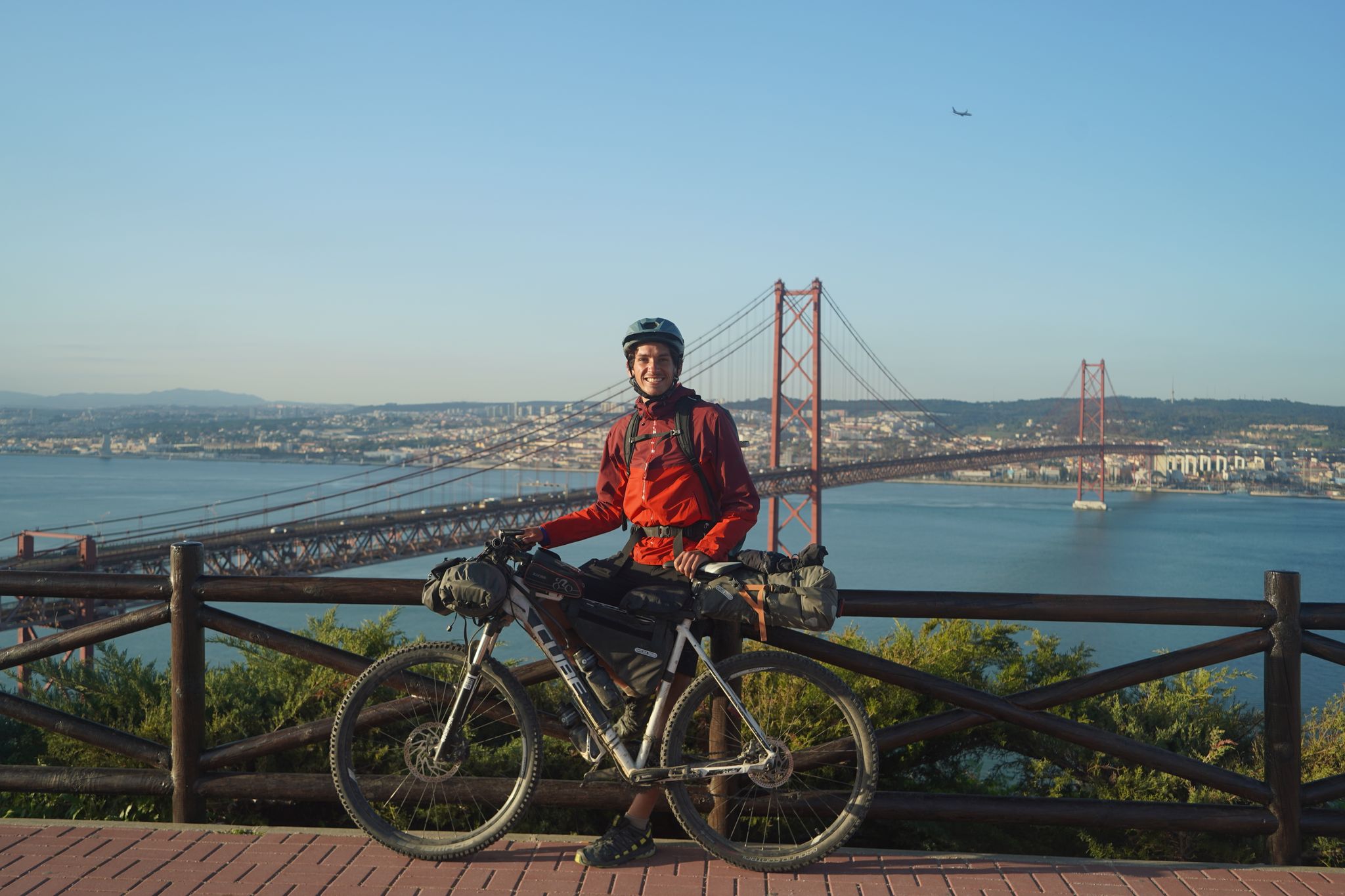
Road to Lisbon – bikepacking the Alps, Pyrenees and Picos de Europa
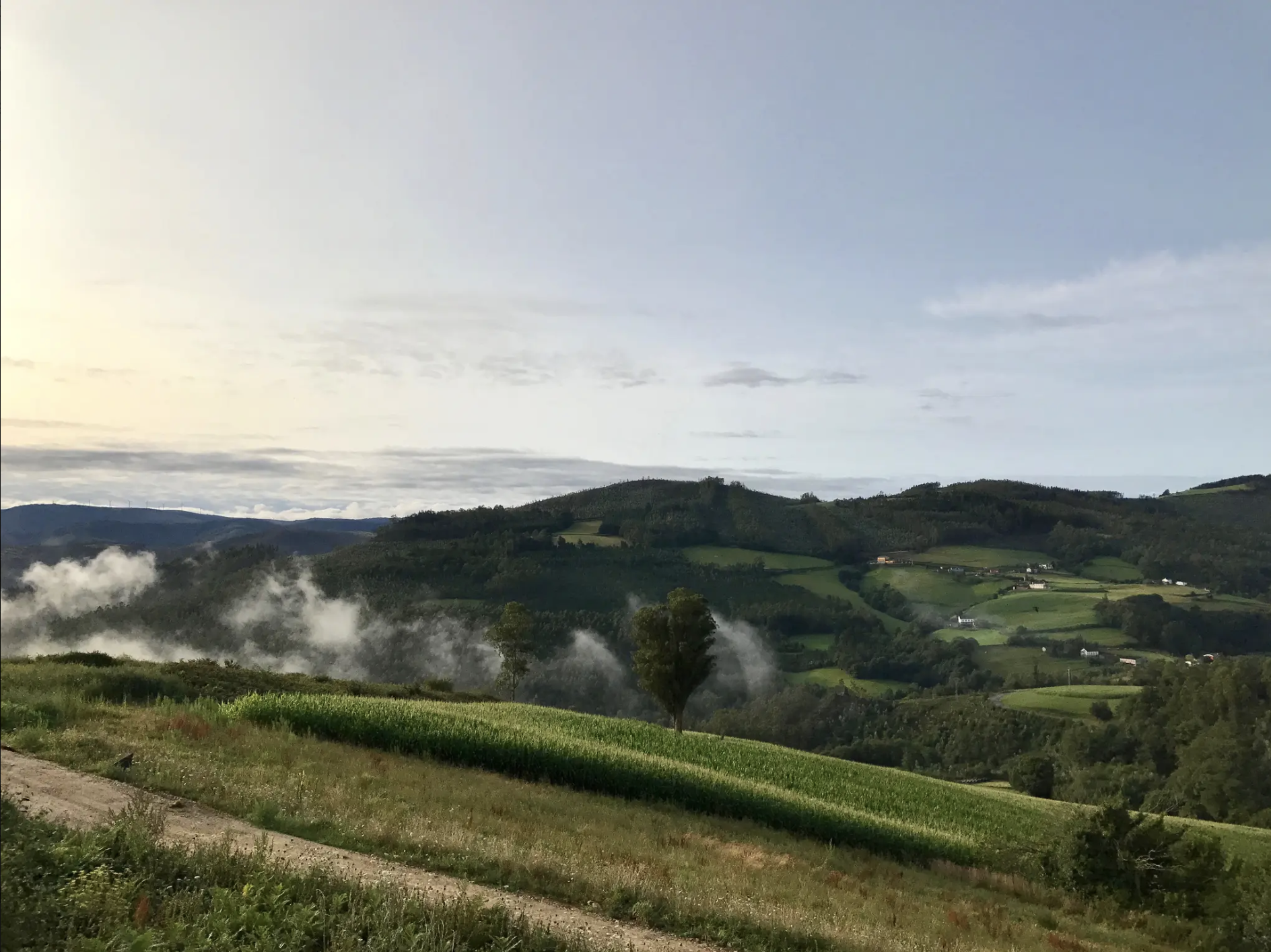
Camino del Norte (in reverse) – Discovering northern Spain's stunning coastline
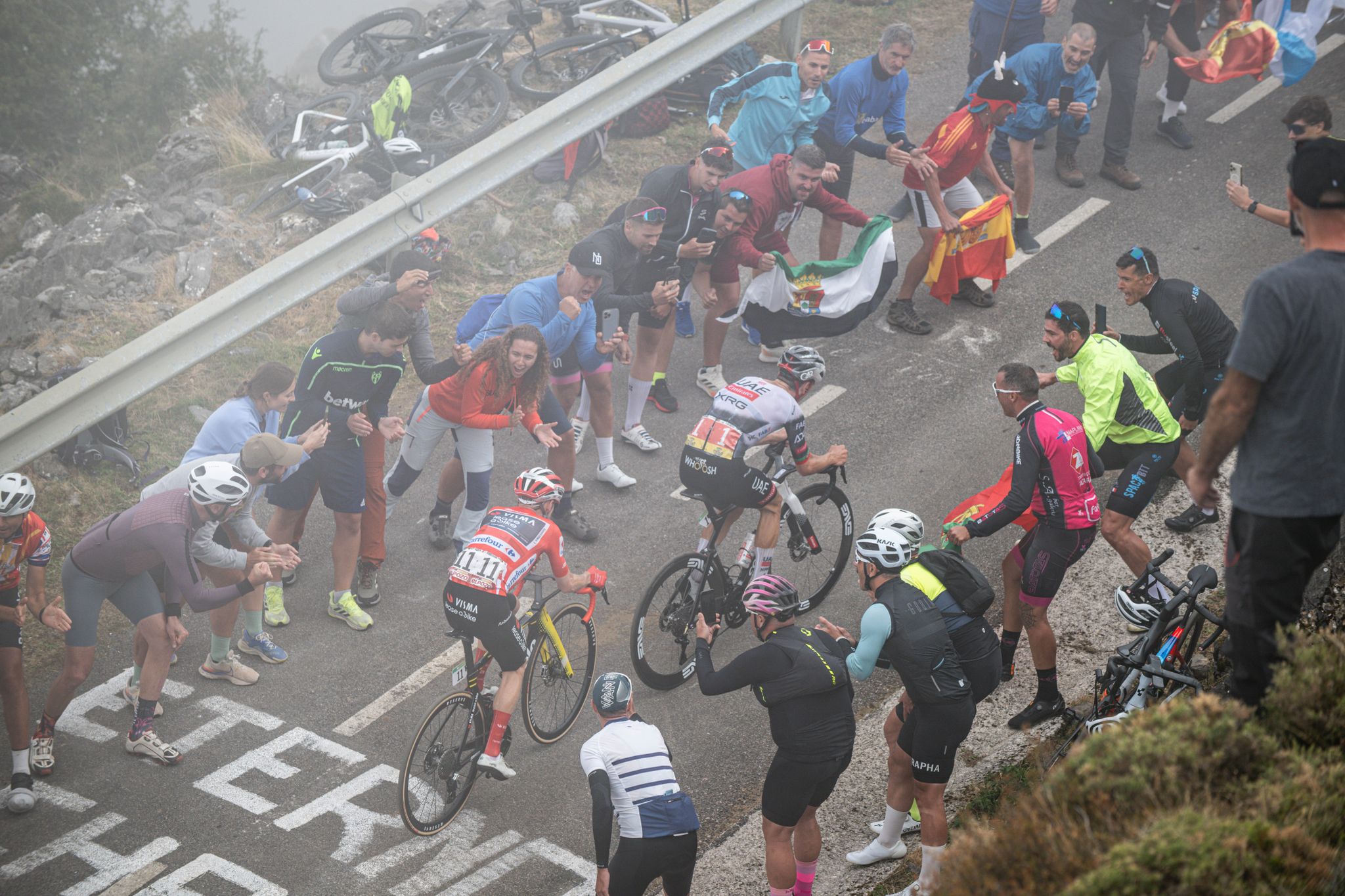
Mythical Passes and Sections of La Vuelta
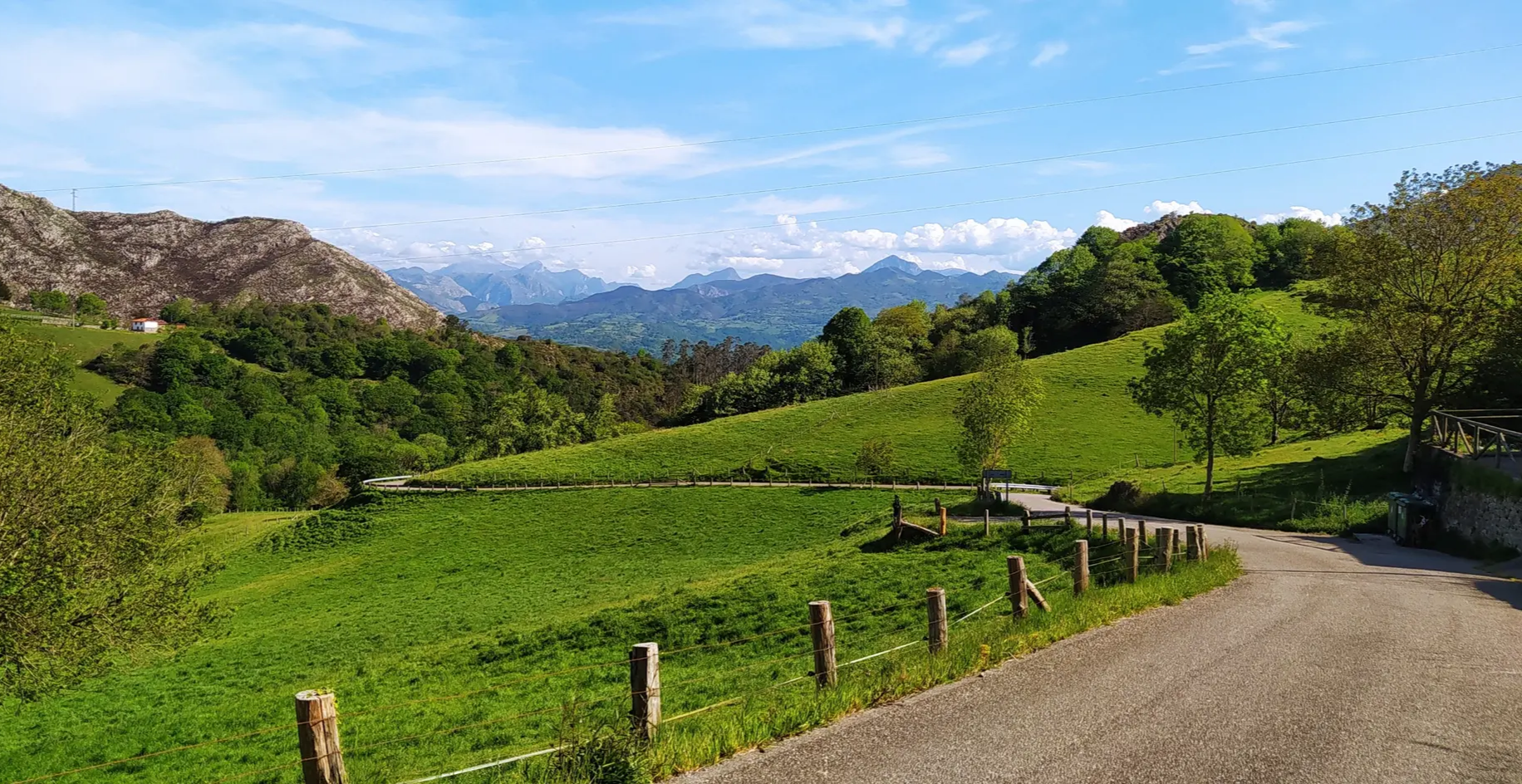
Great mountain passes of Picos de Europa on road bikes
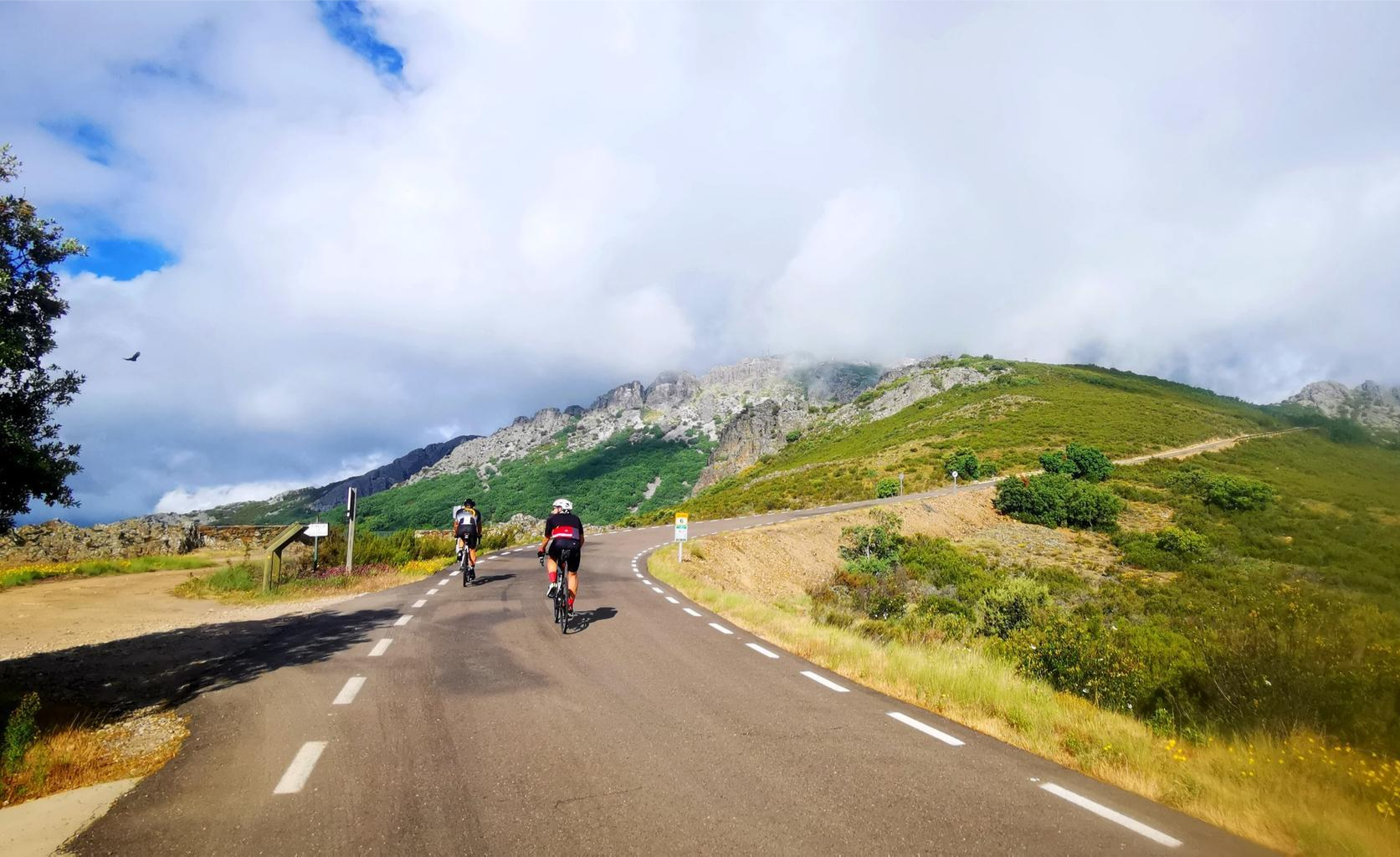
Legendary climbs - Ports of La Vuelta a España
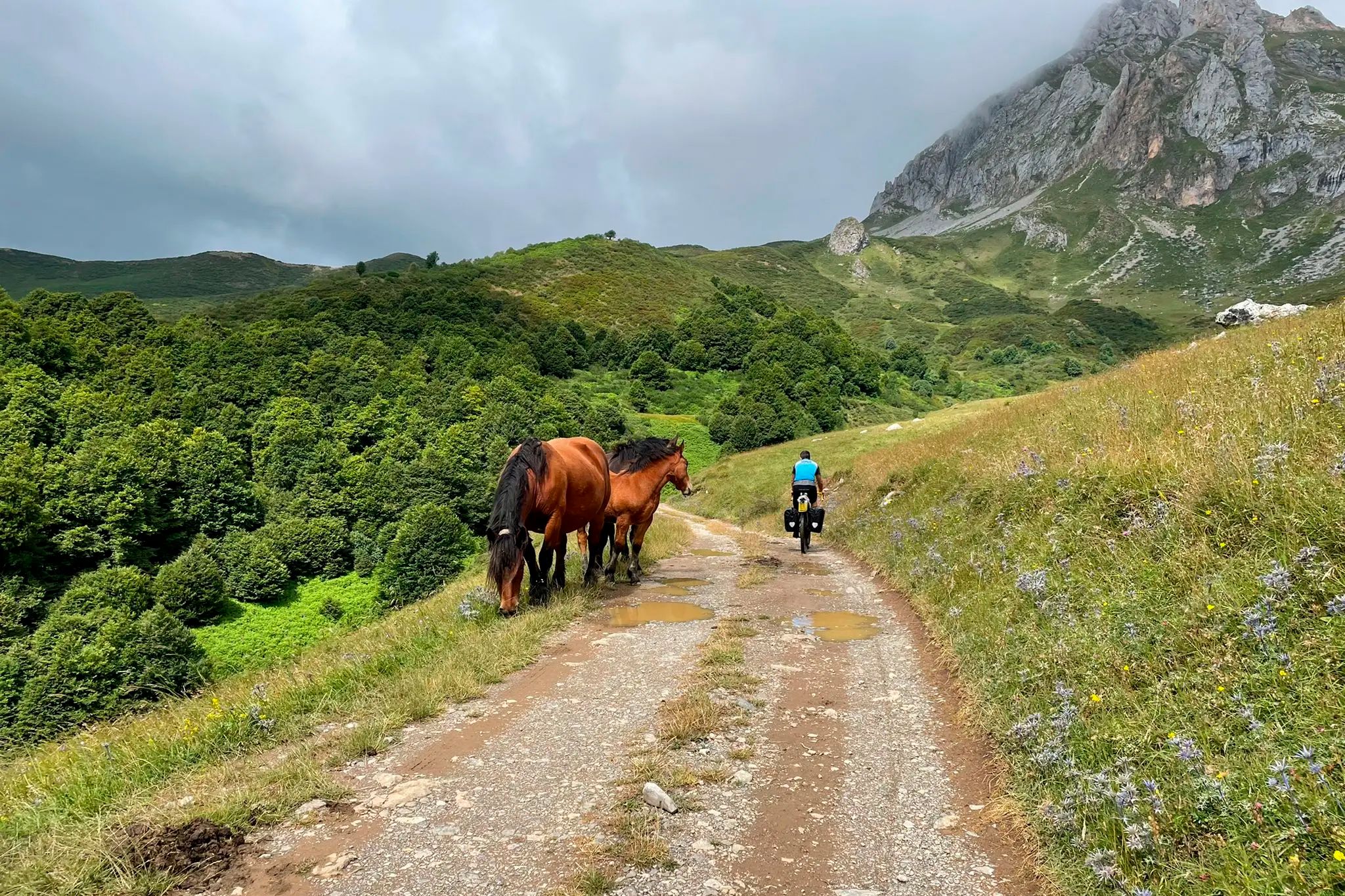
TransCantabrica – Extreme mountain biking in northern Spain
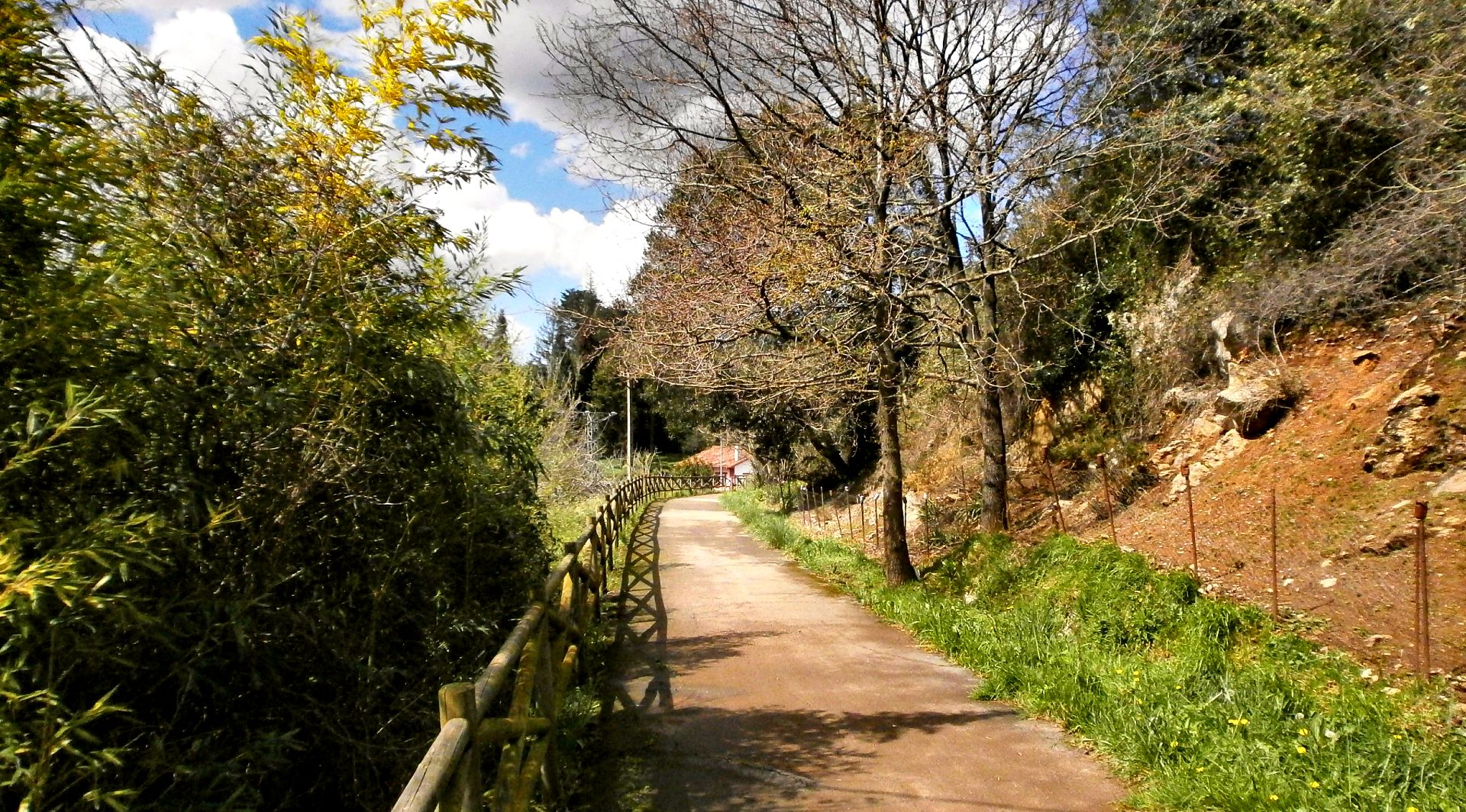
Vía Verde del Pas - Along the Riverbank through Cantabria
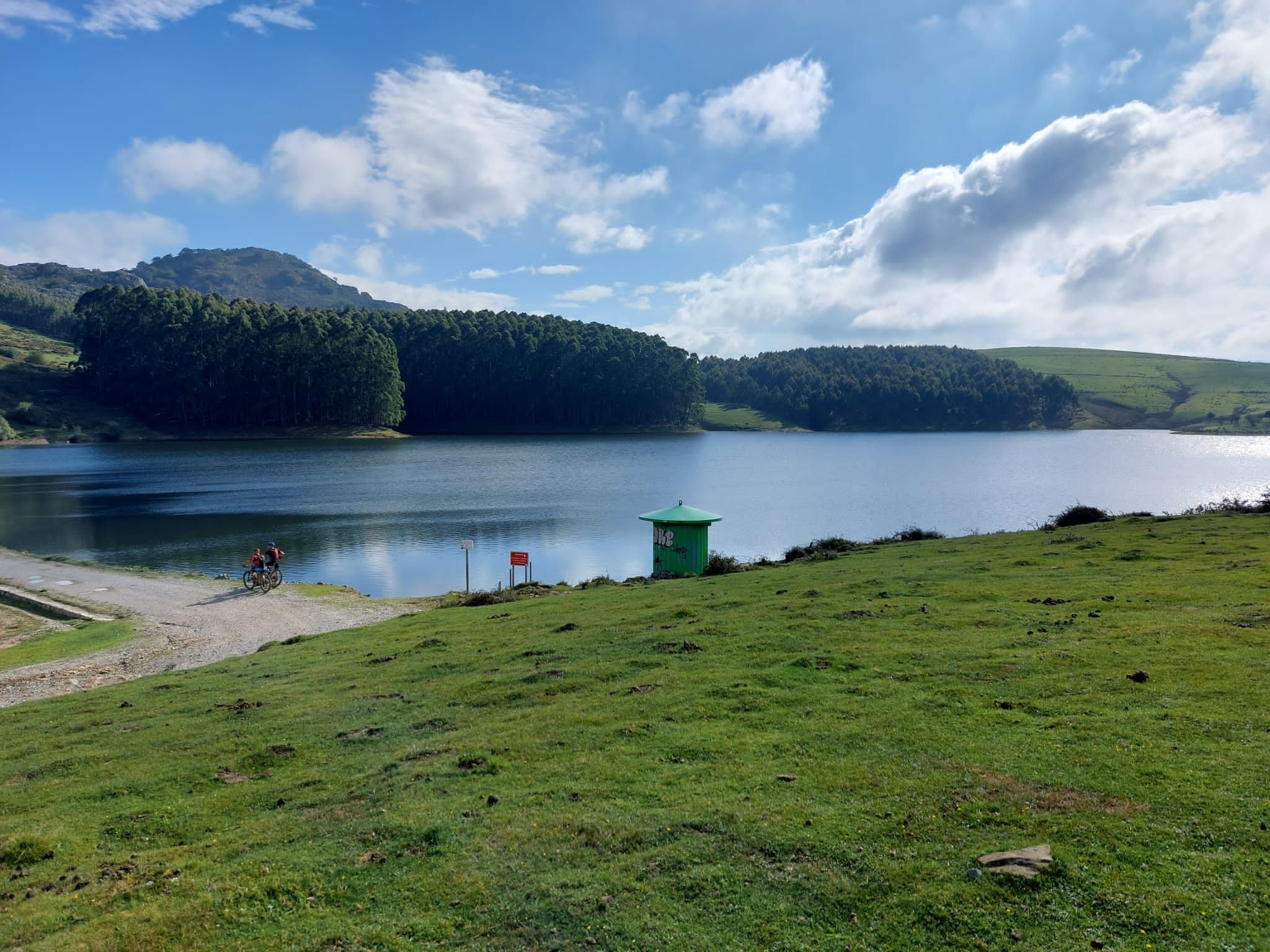
Cycle between land and sea in northern Spain – Pedales de Cantabria
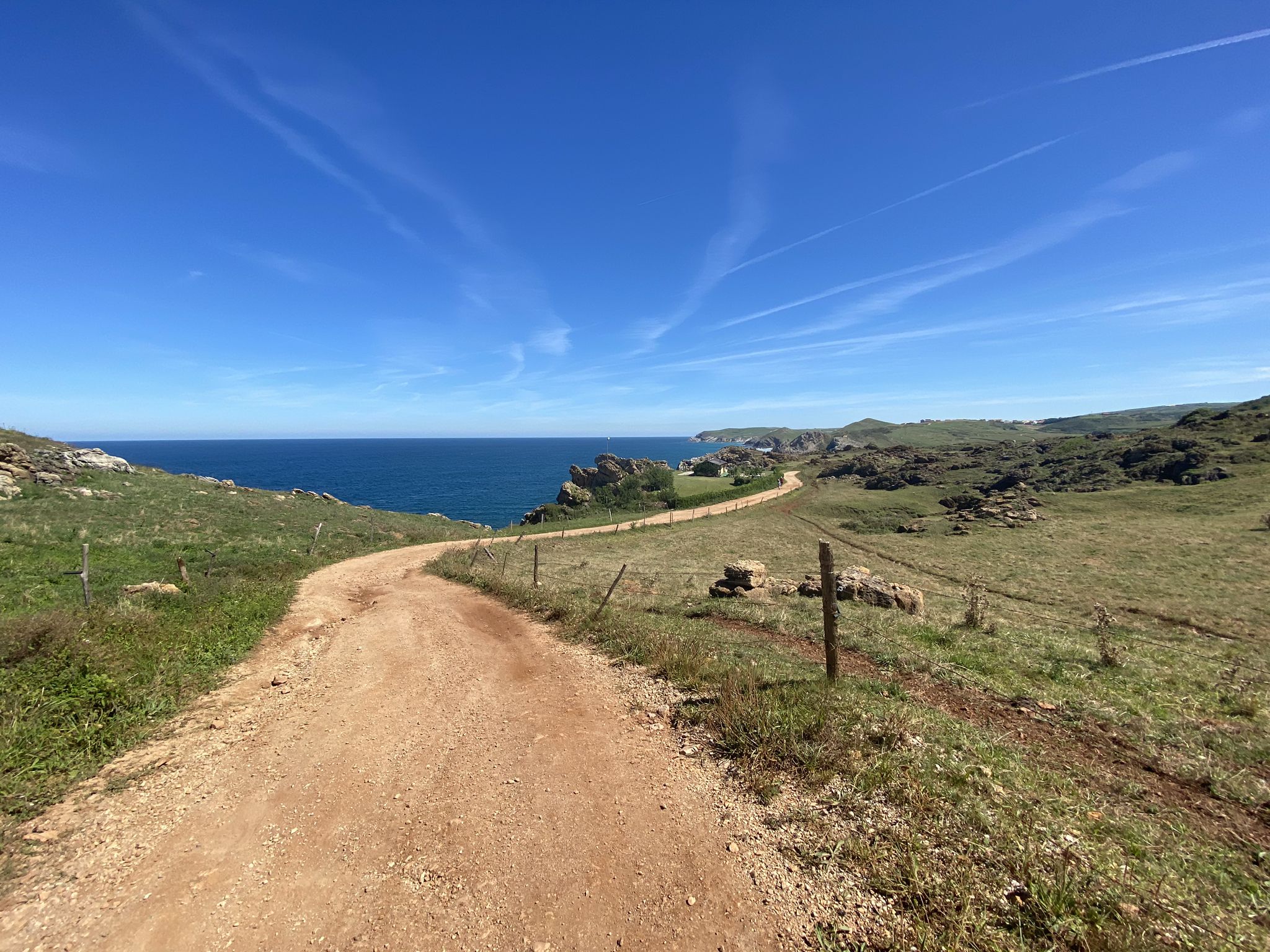
Paths and waves – surf trip by bike in Cantabria
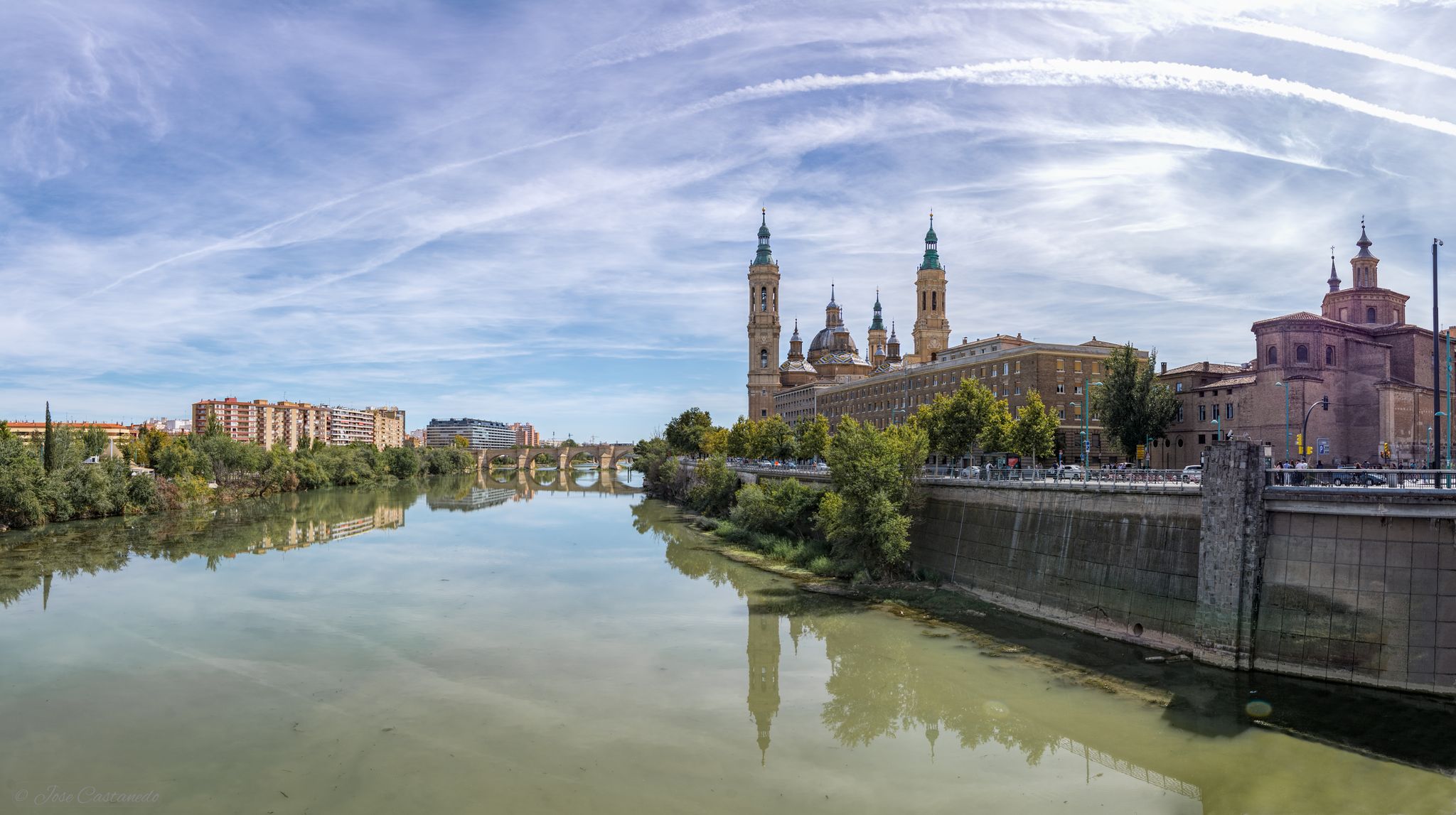
A river getaway – Ebro Natural Trail (GR 99)
Other adventures in Cantabria


Tips from the Community

In the square there are many cafes that invite you to linger.
0
0

Unfortunately, the Romanesque Collegiate Church is closed on April 26th - Monday - there are also no opening hours.🤔
0
0

A town with a lively and very pleasant atmosphere, where you can feel both peace and adventure.
0
0

Spectacular landscapes. The cable car ride also offers beautiful views. I visited/walked around there and loved it, I recommend it.👍🥾
0
0

Mogrovejo is a small village located in the municipality of Camaleño, on a very dominant hill. It preserves an important group of popular houses from Liébana and some unique buildings, among which the medieval tower stands out. The medieval tower is from the end of the 13th century, has a square plan, and is topped by square battlements.
0
0

Beautiful little town. Try Restaurante La Barrica, unbelievable food.
0
1

One of the most beautiful medieval villages in Spain and loved by many tourists. The entire town is one museum.
7
0
The drinking trough is central and has a roof above it 😀
7
0
Frequently Asked Questions
What are some of the most historically significant towns to visit in Cantabria?
Cantabria is rich in history. You can explore the Santillana del Mar Historic Town Centre, considered one of the most beautiful medieval towns in Spain, featuring the 12th-century Collegiate Church of Santa Juliana. Another notable town is Comillas, known for its rich modernist architecture, including Gaudí's El Capricho and the Palacio de Sobrellano. The fishing village of San Vicente de la Barquera also offers historic buildings and scenic views.
Where can I find impressive natural landscapes and viewpoints in Cantabria?
For breathtaking natural beauty, visit the El Cable Viewpoint in the Picos de Europa, accessible via the Fuente Dé cable car, offering panoramic views at 1,820 meters. The Costa Quebrada Geological Park is known for its dramatic cliffs and unique rock formations. You can also explore the Redwood Forest of Cabezón de la Sal for tranquil walks among imposing trees, or the Oyambre Natural Park with its diverse landscapes of beaches and dunes.
Are there any family-friendly attractions in Cantabria?
Yes, many attractions in Cantabria are suitable for families. The Santillana del Mar Historic Town Centre and Historic center of Comillas are great for exploring charming towns. Cabárceno Natural Park is a unique wildlife park where animals roam in semi-freedom, set within a former mining landscape, offering an engaging experience for all ages. The replica of Altamira Cave at the Altamira Museum is also a fascinating educational visit for families.
What kind of outdoor activities can I do near the main attractions?
Cantabria offers diverse outdoor activities. Near the Picos de Europa, you can find numerous hiking opportunities. For example, there are challenging routes like 'Puertos de Áliva from Fuente Dé' or 'Cabaña Verónica from Fuente Dé'. If you prefer cycling, there are routes like 'Caves of Puente Viesgo and Vía Verde del Pas' or 'Parque Marino de la Magdalena to Faro de Cabo Mayor'. You can find more details on these and other routes in the Hiking in Cantabria and Cycling in Cantabria guides.
Where can I experience Cantabria's prehistoric heritage?
Cantabria is world-renowned for its prehistoric caves. While the original Altamira Cave is closed for preservation, an exact replica can be explored at the Altamira Museum and Research Center, showcasing extraordinary Paleolithic paintings. Another significant site is El Castillo Cave in Puente Viesgo, which houses cave art over 40,000 years old, including hand depictions.
What are some unique architectural sites in Cantabria?
Beyond the historic towns, Cantabria boasts unique architecture. Antoni Gaudí's El Capricho de Gaudí in Comillas is a vibrant example of Catalan Modernism. The Palacio de La Magdalena in Santander is an elegant 20th-century palace. In Santillana del Mar, the 12th-century Collegiate Church of Santa Juliana is a prime example of Romanesque architecture.
Are there any challenging trails or unique experiences for adventurous visitors?
For a unique and challenging experience, consider the Descent to Faro del Caballo near Santoña. This involves descending over 700 steps to reach a lighthouse amidst dramatic cliffs, rewarding you with spectacular views over the Cantabrian Sea. It requires good physical preparation and suitable footwear.
What do visitors particularly enjoy about the attractions in Cantabria?
Visitors frequently praise the well-preserved historical centers like Santillana del Mar and Comillas for their charm and architecture. The panoramic views from the El Cable Viewpoint are consistently highlighted as spectacular. The effort required for the Descent to Faro del Caballo is also often mentioned as being well worth the reward of stunning scenery.
How can I access the Picos de Europa attractions like El Cable Viewpoint?
The El Cable Viewpoint is located at the top station of the Fuente Dé Cable Car. You can take a bus from Potes to Fuente Dé. From the lower cable car station, you can either take the cable car, which ascends 750 meters in about five minutes, or hike one of the existing trails up. Always check cable car schedules, especially for the return trip.
Are there any significant religious sites in Cantabria?
Yes, Cantabria has several important religious sites. The Collegiate Church of Santa Juliana in Santillana del Mar is a 12th-century Romanesque masterpiece. The Monastery of Santo Toribio de Liébana is a revered pilgrimage destination, believed to hold a relic of the True Cross. In Santander, you can visit the Cathedral of Our Lady of the Assumption.
What are some coastal attractions or towns to visit?
Cantabria's coastline offers beautiful towns and natural features. San Vicente de la Barquera is an impressive fishing village within Oyambre Natural Park, known for its historic buildings and views of the Picos de Europa. Castro Urdiales is another elegant seaside town featuring the Gothic Church of Santa María de la Asunción. The Costa Quebrada Geological Park provides dramatic cliffs and unique rock formations along the coast.
Most popular routes in Cantabria
Most popular attractions in Cantabria

Get inspired with the komoot mobile app


Didn’t find what you were looking for?
Are you keen on exploring more awesome places nearby? Browse our guides:
