Top 20 Natural Monuments in Cantabria
Best natural monuments in Cantabria are found within a region in northern Spain known for its diverse landscape. This area features unique geological formations, rich biodiversity, and significant natural areas. Cantabria's geography includes mountainous terrain, extensive coastlines, and dense forests. Visitors can explore a variety of natural features, from towering sequoias to dramatic coastal cliffs and high mountain viewpoints.
Best natural monuments in Cantabria
- The most popular natural monuments is Costa Quebrada Rock Formations, a natural monument that features…
Last updated: August 19, 2026
El Cable Viewpoint
Highlight • Viewpoint
Translated by Google •
Tip by

Fuente Dé Cable Car
Highlight • Rest Area
Translated by Google •
Tip by

Sign up now to discover places like this
Get recommendations on the best single tracks, peaks, & plenty of other exciting outdoor places.
Sign up for free
Devil's Eye
Highlight • Natural Monument
Getting …
Translated by Google •
Tip by

Cabo Mayor Lighthouse
Highlight • Monument
Nearby there is a restaurant that is very popular among Santander residents for midday meals.
Translated by Google •
Tip by

Canallave Beach
Highlight • Beach
Translated by Google •
Tip by

Costa Quebrada Rock Formations
Highlight (Segment) • Natural Monument
Costa Quebrada is a stretch of coastline that constitutes a true classroom of sea and land where both teachers, in a book of stone sheets …
Translated by Google •
Tip by

Jano Peak
Highlight • Summit
Translated by Google •
Tip by

Somocuevas Beach
Highlight • Beach
Translated by Google •
Tip by
Santa Justa Beach
Highlight • Beach
Translated by Google •
Tip by
El Bolao Cliff
Highlight • Gorge
You can also see the ruins of a mill at the mouth of Arroyo de la Presa
Translated by Google •
Tip by

Sign up for free to discover even more natural monuments in Cantabria.
Sign up for free
Already have an account?
Start today with a free account
Your next adventure awaits.
Login or Signup
Popular around Cantabria
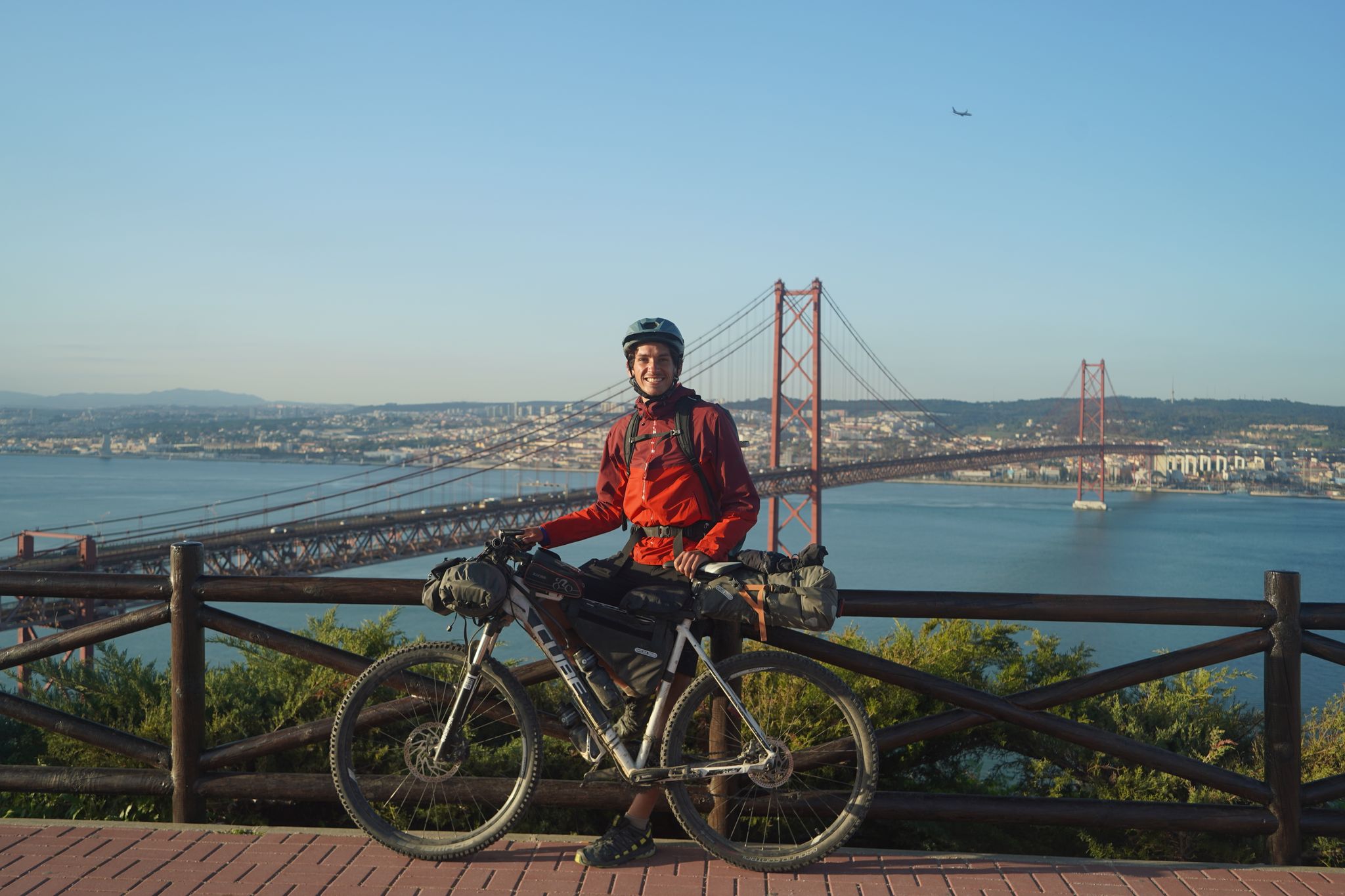
Road to Lisbon – bikepacking the Alps, Pyrenees and Picos de Europa
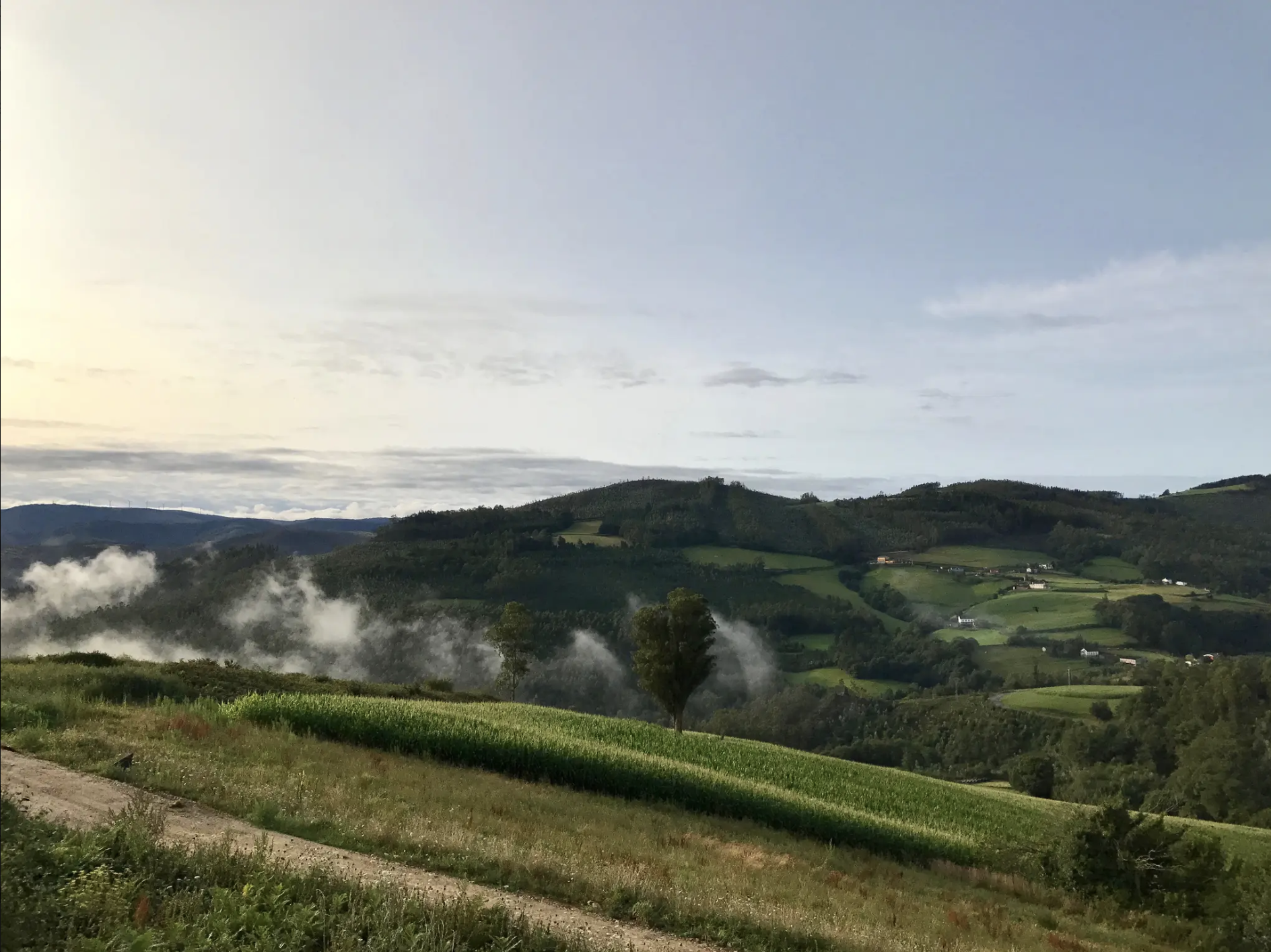
Camino del Norte (in reverse) – Discovering northern Spain's stunning coastline
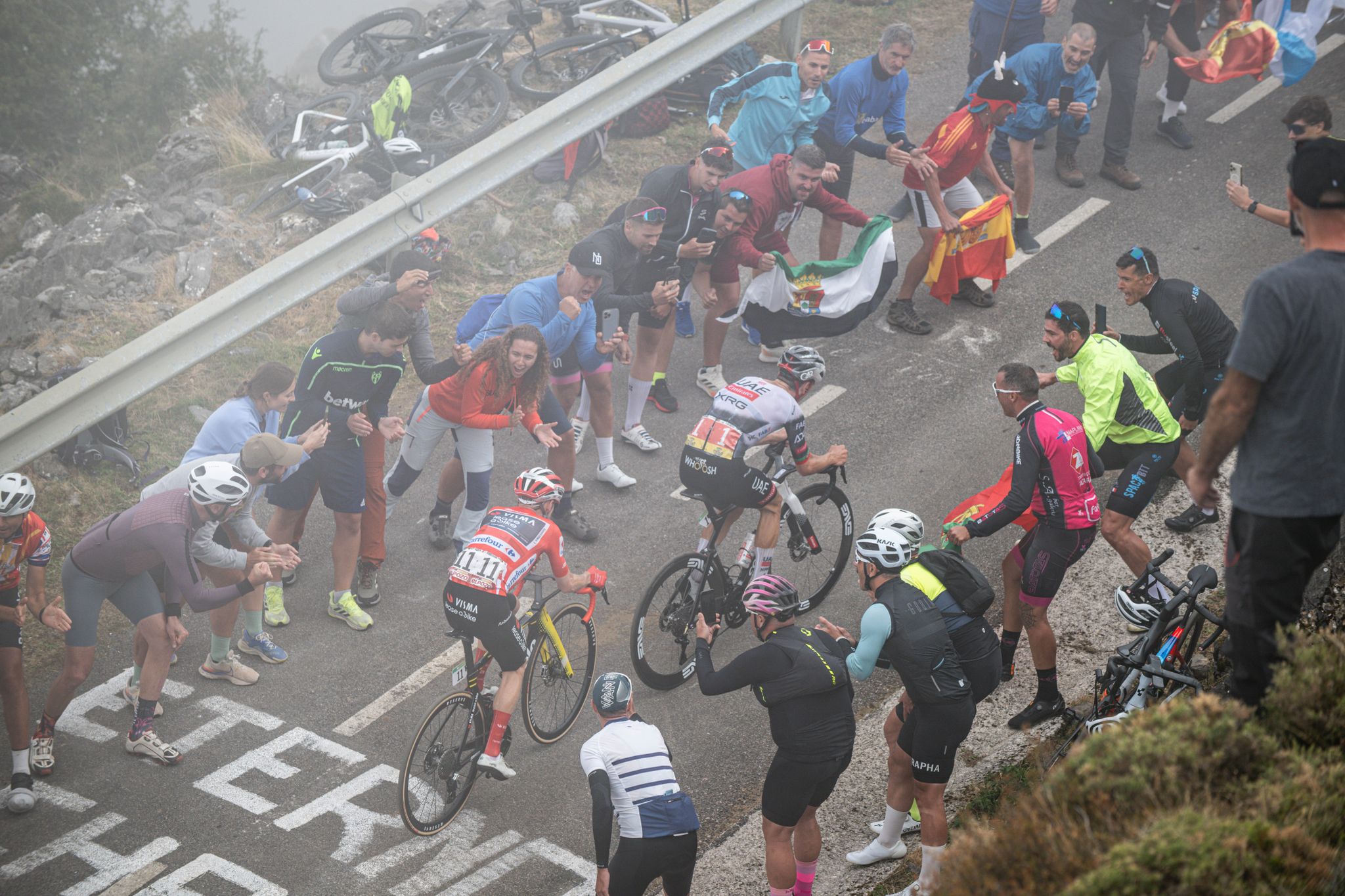
Mythical Passes and Sections of La Vuelta
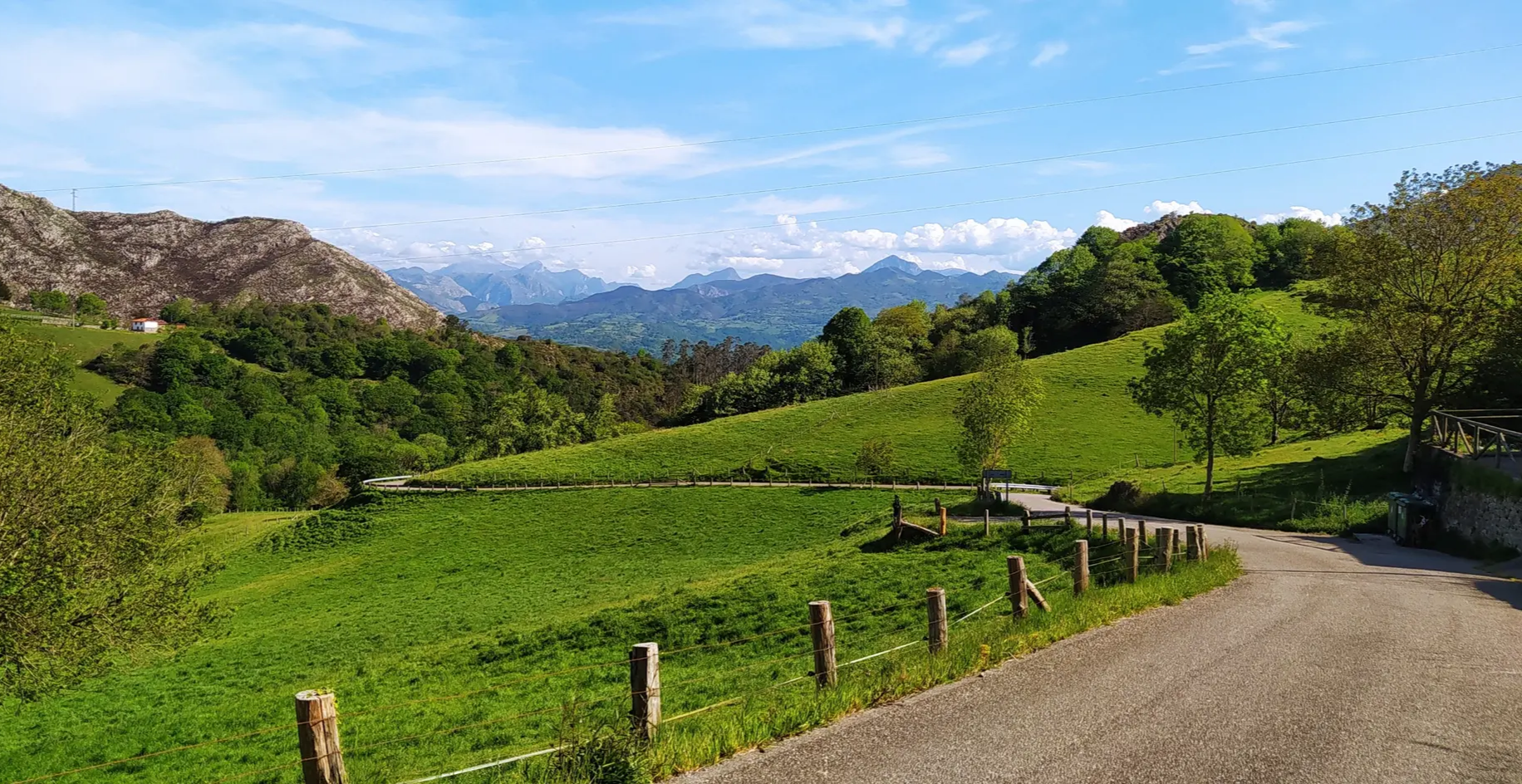
Great mountain passes of Picos de Europa on road bikes
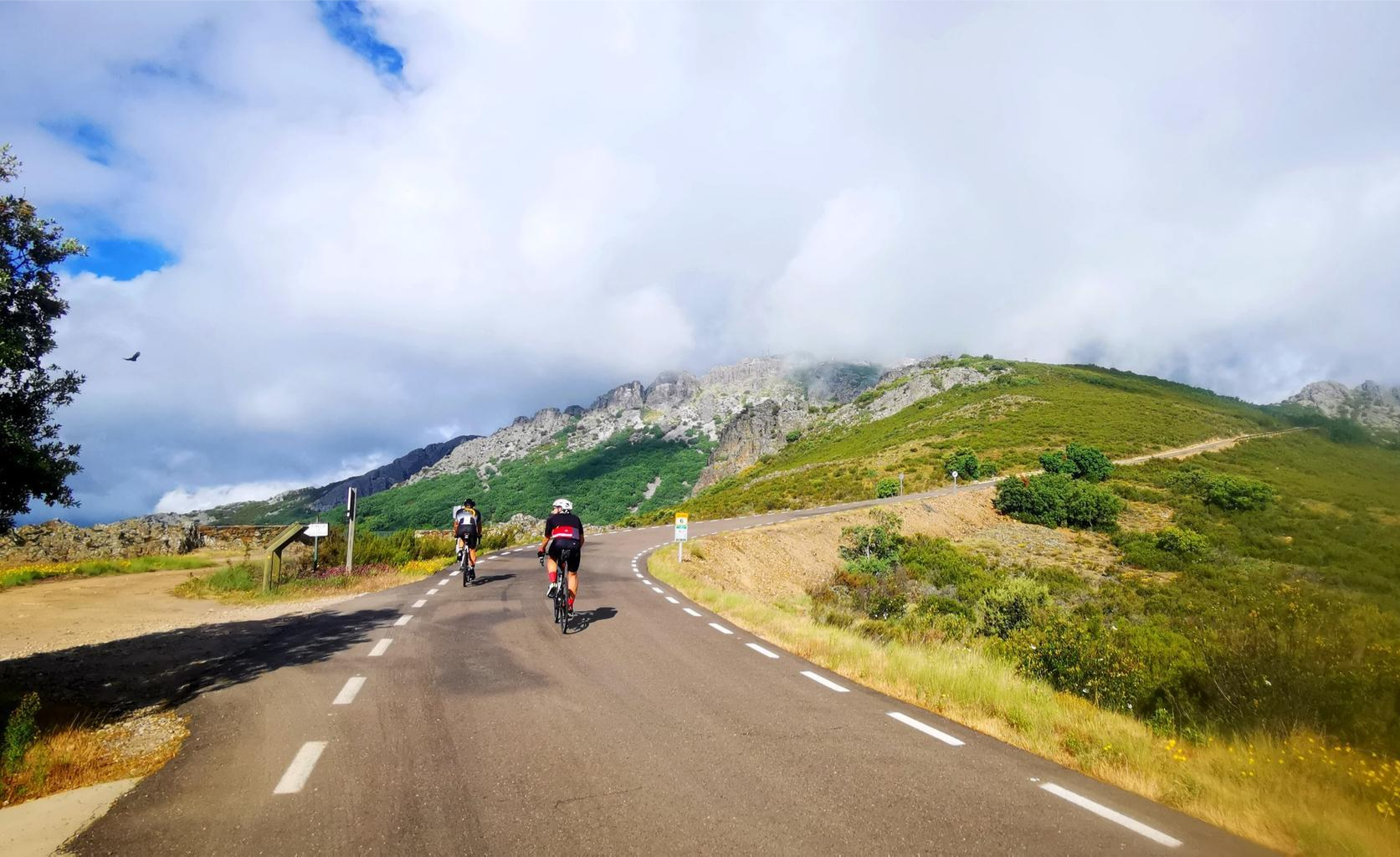
Legendary climbs - Ports of La Vuelta a España
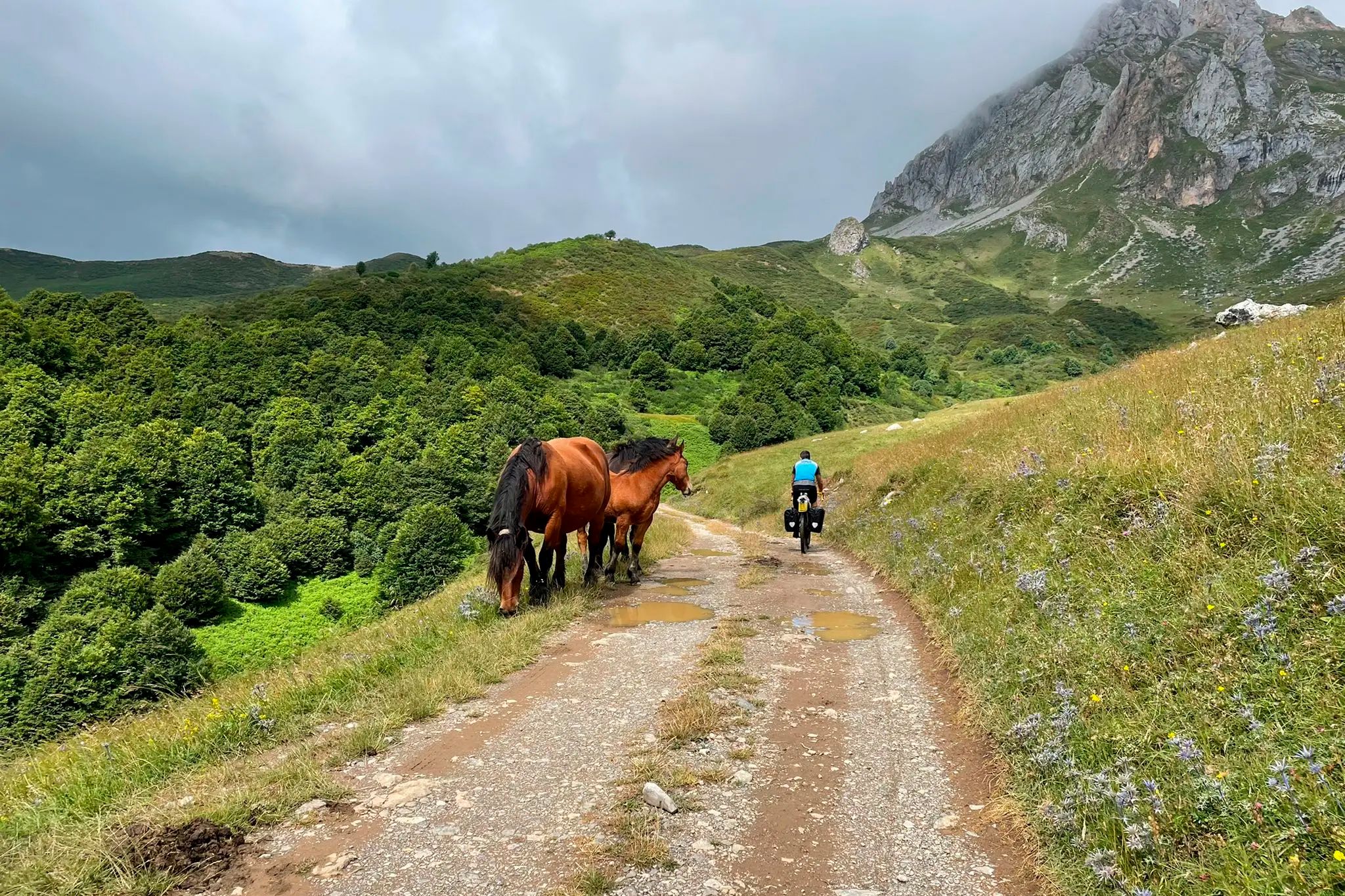
TransCantabrica – Extreme mountain biking in northern Spain
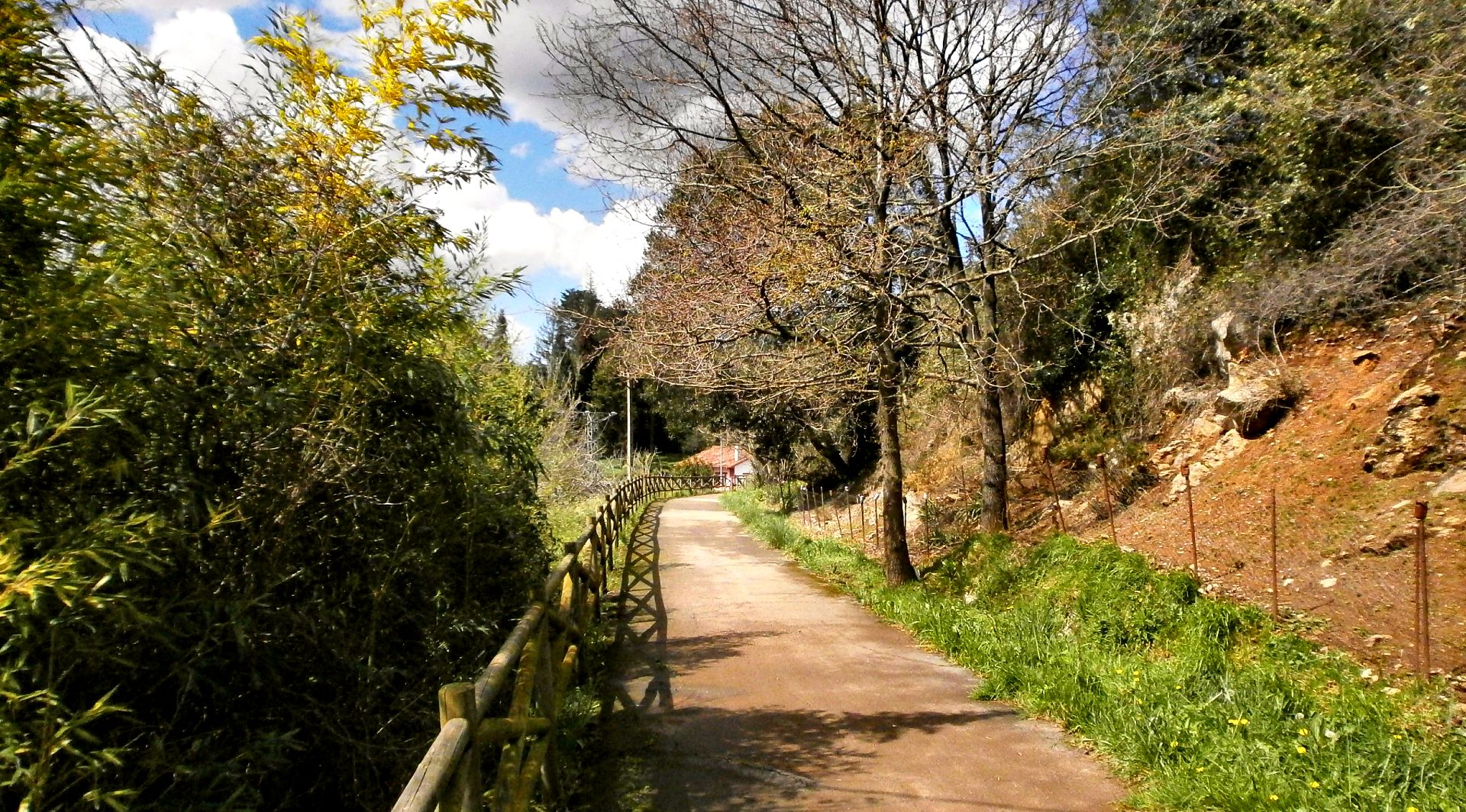
Vía Verde del Pas - Along the Riverbank through Cantabria
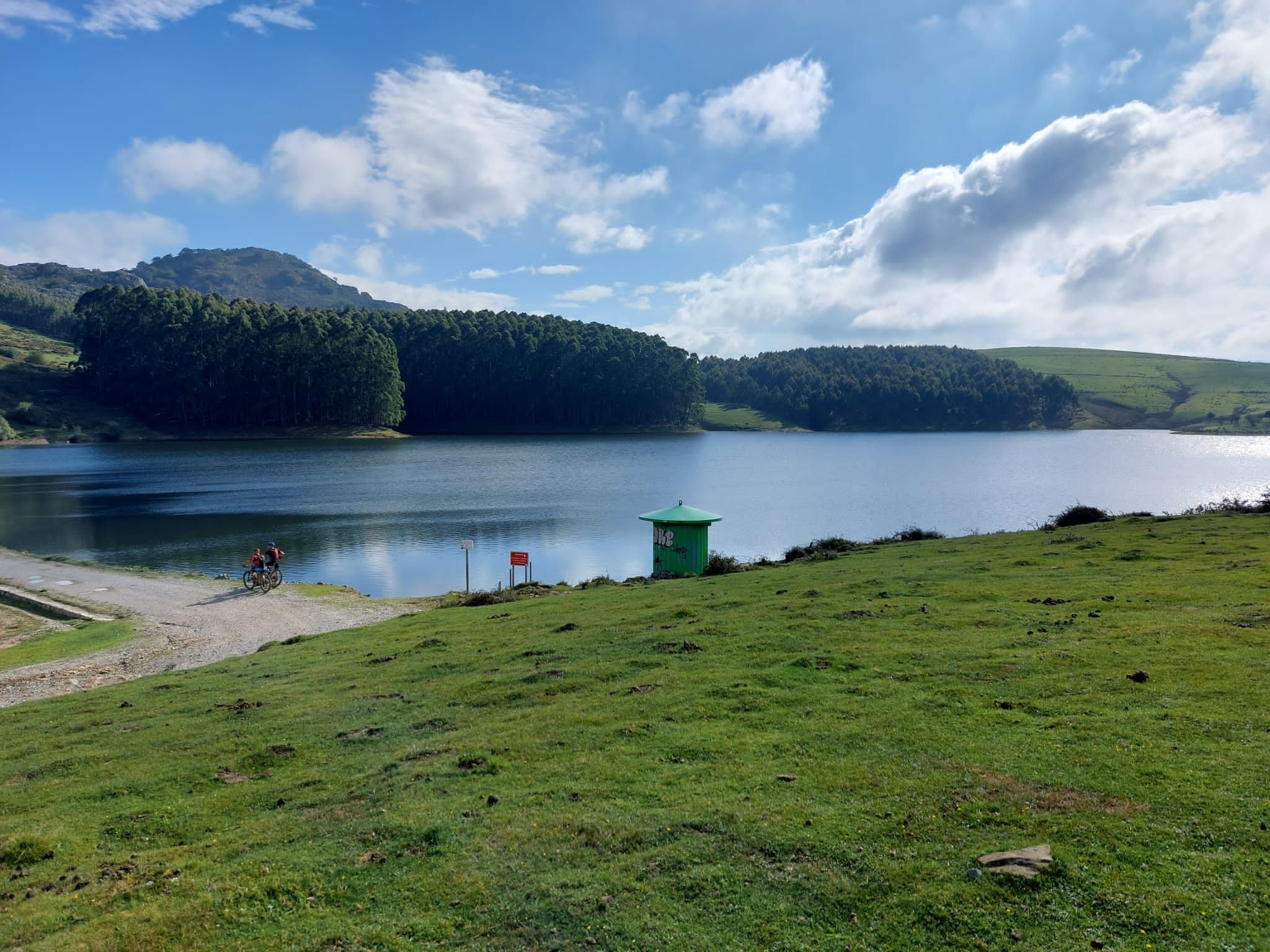
Cycle between land and sea in northern Spain – Pedales de Cantabria
Paths and waves – surf trip by bike in Cantabria
A river getaway – Ebro Natural Trail (GR 99)
Other adventures in Cantabria


Tips from the Community


The Santa Justa beach is a beautiful and unique Cantabrian cove known for housing the Hermitage of Santa Justa embedded in the cliff rock and for its strong currents. It is located next to the town of Ubiarco, in the municipality of Santillana del Mar.
0
0

The hike is not suitable for people with a fear of heights.
0
0


The Costa Quebrada is a magnificent coast for hiking. The access to the bay is currently closed (13.4.26).
1
0

Spectacular landscapes. The cable car ride also offers beautiful views. I visited/walked around there and loved it, I recommend it.👍🥾
0
0

The Bolao Cliff is a stunning natural setting on the coast of Cantabria, Spain, between Cóbreces and Toñanes. It is famous for the El Bolao waterfall, which falls directly into the sea, and for the ruins of a medieval mill. The landscape combines the green meadows with the rugged Cantabrian Sea coast, offering spectacular views.
3
1

Be sure to visit Faro de Cabo Mayor, it is very beautiful to look at and you can take a lovely walk from here.
0
0
Frequently Asked Questions
What are some of the most unique natural features to explore in Cantabria?
Cantabria offers a diverse range of natural features. You can marvel at the towering Costa Quebrada Rock Formations, which showcase millions of years of interaction between sea and land. Another unique experience is visiting the Sequoias of Monte Cabezón, a protected area with 848 giant sequoia specimens, some reaching 36 meters in height. For dramatic mountain scenery, the El Cable Viewpoint in the Picos de Europa provides spectacular panoramic views.
Are there family-friendly natural monuments in Cantabria?
Yes, several natural monuments in Cantabria are suitable for families. The Sequoias of Monte Cabezón offers a serene 2-kilometer circular trail, partially accessible for wheelchairs. Canallave Beach and Somocuevas Beach are great for coastal walks and enjoying the natural beauty. Cabárceno Natural Park, while not a traditional natural monument, provides an engaging experience for all ages, allowing observation of a wide array of animals in semi-freedom, with options to explore by car, on foot, or via cable car.
What kind of hiking opportunities are available near Cantabria's natural monuments?
Cantabria is a fantastic region for hiking. Near the natural monuments, you can find trails ranging from easy coastal walks to challenging mountain routes. For instance, the El Cable Viewpoint in the Picos de Europa serves as a gateway to high mountain routes, including an old mining road. The Collados del Asón Natural Park, home to the Source of the Asón River, is a prime destination for hikers seeking dramatic scenery. You can find many more options, including easy hikes, by exploring easy hikes in Cantabria.
Where can I find impressive waterfalls in Cantabria?
One of the most spectacular waterfalls in Cantabria is the Source of the Asón River, located within the Collados del Asón Natural Park. This majestic 50-meter-high waterfall marks the river's origin and is a prime destination for hikers and photographers.
What are the best natural monuments for coastal views and beaches?
For stunning coastal views and beaches, explore the Costa Quebrada Rock Formations, which offer a rugged coastline with diverse geological features. Canallave Beach, Somocuevas Beach, and Santa Justa Beach all provide beautiful coastal landscapes. The Oyambre Natural Park also combines pristine beaches with extensive dunes and marshes, ideal for birdwatching.
Are there any historical or cultural natural monuments in Cantabria?
Yes, Cantabria is home to the Altamira Cave, a UNESCO World Heritage Site globally renowned for its Upper Paleolithic cave paintings, some dating back approximately 37,000 BCE. To preserve the original art, access to the actual cave is restricted, but a detailed and faithful reproduction, known as the Neocave, is available at the National Museum of Altamira, offering a profound journey into prehistoric human art and history.
What are some natural parks in Cantabria known for their biodiversity?
Cantabria boasts several natural parks rich in biodiversity. Saja-Besaya Natural Park is characterized by dense oak and beech forests, providing a haven for wildlife. Oyambre Natural Park is significant for birdwatching, especially during migrations, due to its estuaries, dunes, and marshes. Cabárceno Natural Park, while a unique nature reserve, houses animals from various continents in semi-freedom, including endangered species.
Can I find challenging trails near the natural monuments in Cantabria?
Absolutely. The Picos de Europa National Park, accessible via the El Cable Viewpoint, offers numerous challenging routes for experienced hikers. For mountain biking enthusiasts, there are difficult routes like the Ándara Massif Loop or the Cruz de Fuentes and Arbencia Waterfall Loop, which you can explore further in the MTB Trails in Cantabria guide.
What is the best way to experience the Picos de Europa from Cantabria?
The most spectacular way to experience the Picos de Europa from Cantabria is by taking the Fuente Dé Cable Car. It ascends 750 meters in just four minutes, taking you to the El Cable Viewpoint at 1,820 meters. From there, you get breathtaking panoramic views of the Picos de Europa and the Liébana Valley, and it serves as an excellent starting point for high mountain routes.
Are there any natural monuments that are good for trail running?
Yes, the diverse landscapes of Cantabria offer great options for trail running. For example, the Dunes of Liencres Natural Park, known for its spectacular dune formations, is popular with runners. You can find various running routes, including coastal paths and park trails, by checking out the Running Trails in Cantabria guide.
What geological formations can be observed in Cantabria?
Cantabria is rich in geological formations. The Costa Quebrada Rock Formations are a prime example, showcasing the erosion and shaping of the coastline over millennia. You can also find unique cave systems like the Devil's Eye, and dramatic cliffs such as El Bolao Cliff, which highlight the region's geological history.
What do visitors enjoy most about the natural monuments in Cantabria?
Visitors frequently praise the spectacular views, the rugged natural beauty, and the diverse environments. Many appreciate the opportunity for serene walks among the Sequoias of Monte Cabezón, the breathtaking panoramas from El Cable Viewpoint, and the unique coastal landscapes of places like Costa Quebrada. The region's blend of mountains, coastlines, and forests offers something for every nature enthusiast.
Most popular routes in Cantabria
Most popular attractions in Cantabria

Get inspired with the komoot mobile app


Didn’t find what you were looking for?
Find even more amazing natural monuments in Cantabria by checking out the top Highlights region by region:
