The best walks and hikes around Glatton
4.5
(189)
1,217
hikers
68
hikes
Hikes around Glatton explore the varied landscape and scenery of Cambridgeshire. The region sits on the edge of two distinct terrains: the gently rolling farmland of the Huntingdonshire Wolds to the west and the flat, expansive Fens to the east. This provides a mix of routes with gentle inclines and far-reaching paths through open countryside, often following public footpaths between villages.
Best hiking trails around Glatton
- The most popular hiking route is the Denton Church Ruins – Washingley Hall Farm…
Last updated: July 6, 2026
4.5
(4)
22
hikers
10.1km
02:36
60m
60m
Moderate hike. Good fitness required. Easily-accessible paths. Suitable for all skill levels.
5.0
(5)
7
hikers
5.60km
01:27
30m
30m
Easy hike. Great for any fitness level. Easily-accessible paths. Suitable for all skill levels.

Sign up for free
3.3
(3)
9
hikers
Easy hike. Great for any fitness level. Easily-accessible paths. Suitable for all skill levels.
3.0
(2)
8
hikers
5.93km
01:33
40m
40m
Easy hike. Great for any fitness level. Easily-accessible paths. Suitable for all skill levels.
4.0
(1)
7
hikers
Moderate hike. Good fitness required. Easily-accessible paths. Suitable for all skill levels.
Get access to more routes and recommendations from other explorers.
Sign up for free
Already have an account?
Our route recommendations are based on thousands of hikes, rides, and runs completed by other people on komoot.
Start today with a free account
Your next adventure awaits.
Login or Signup

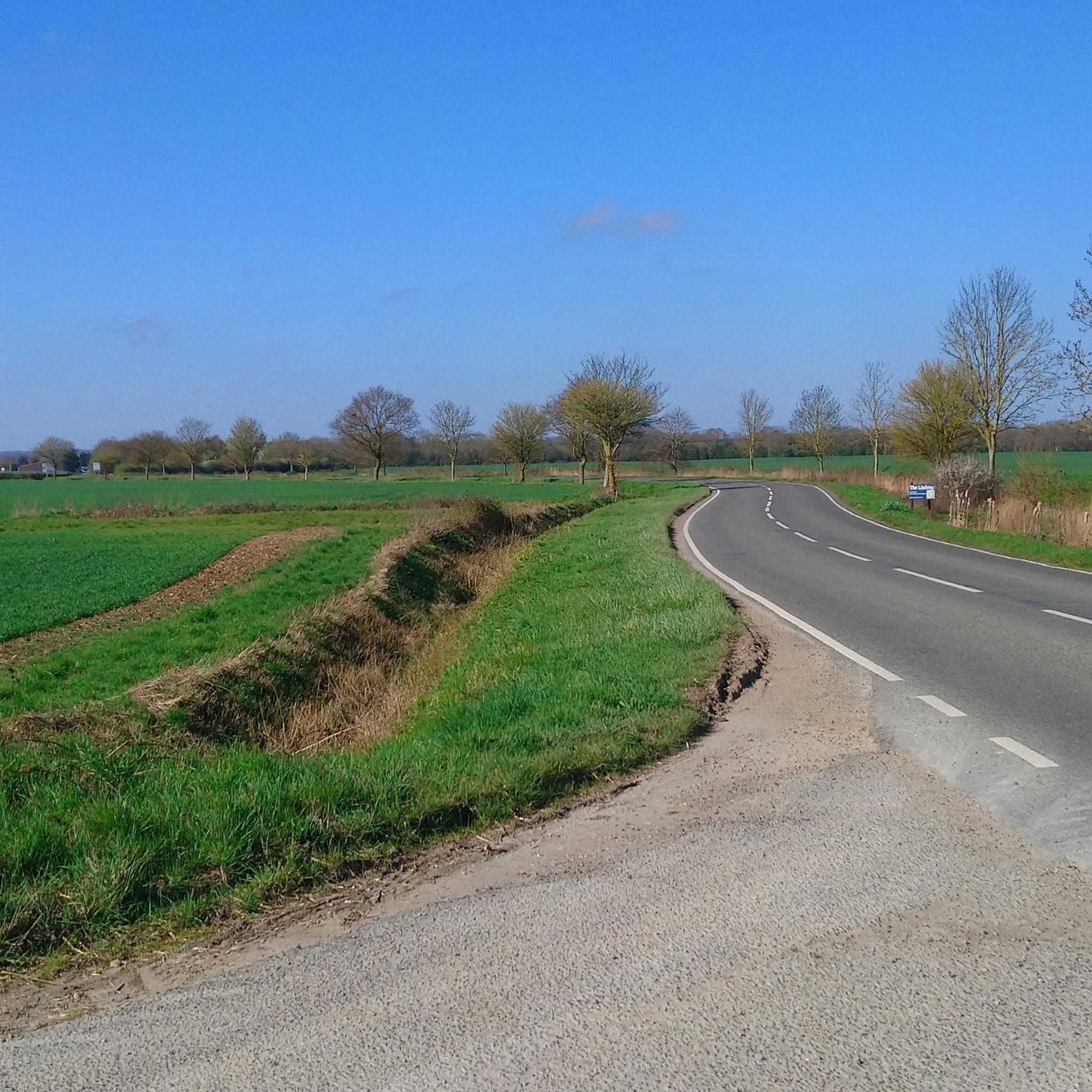
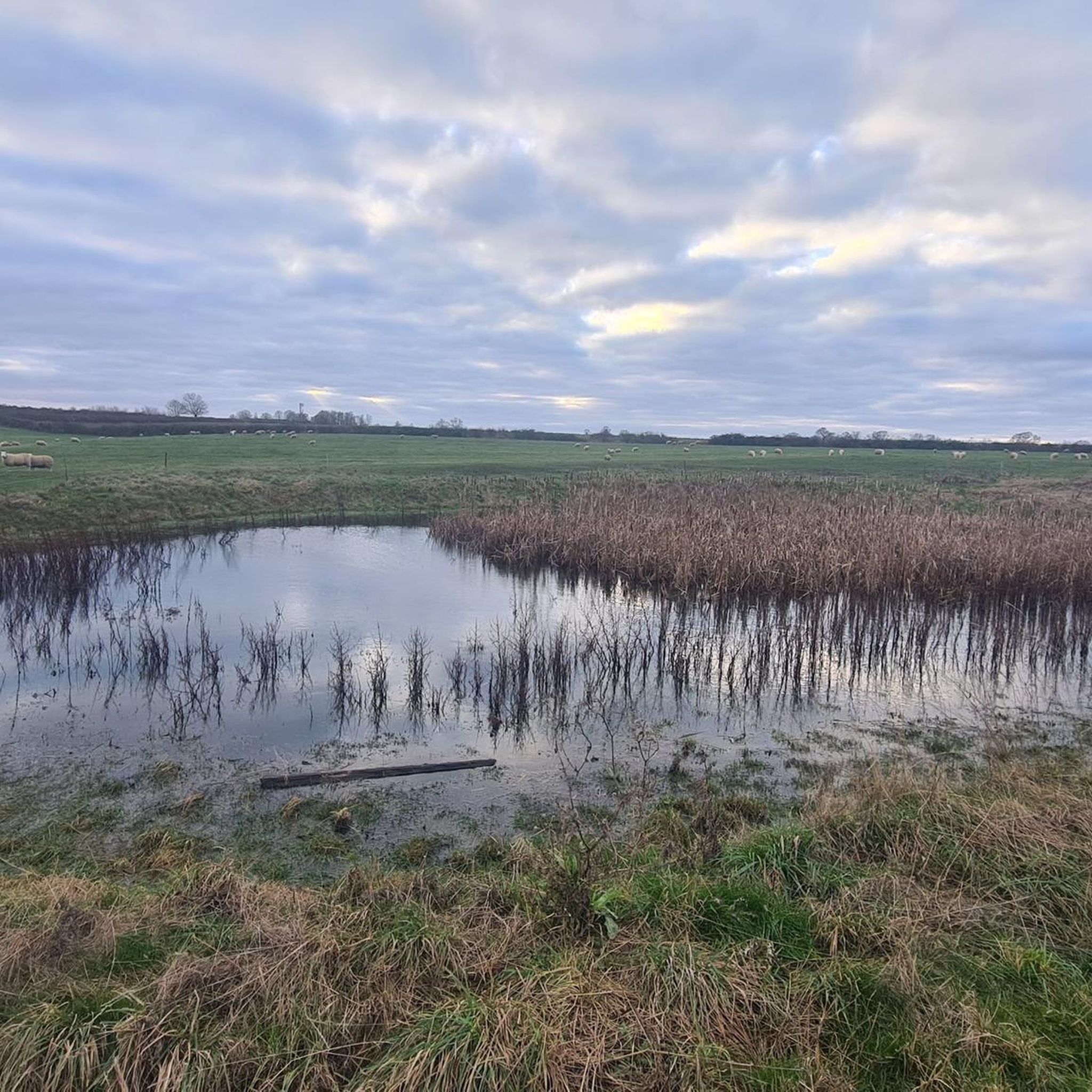
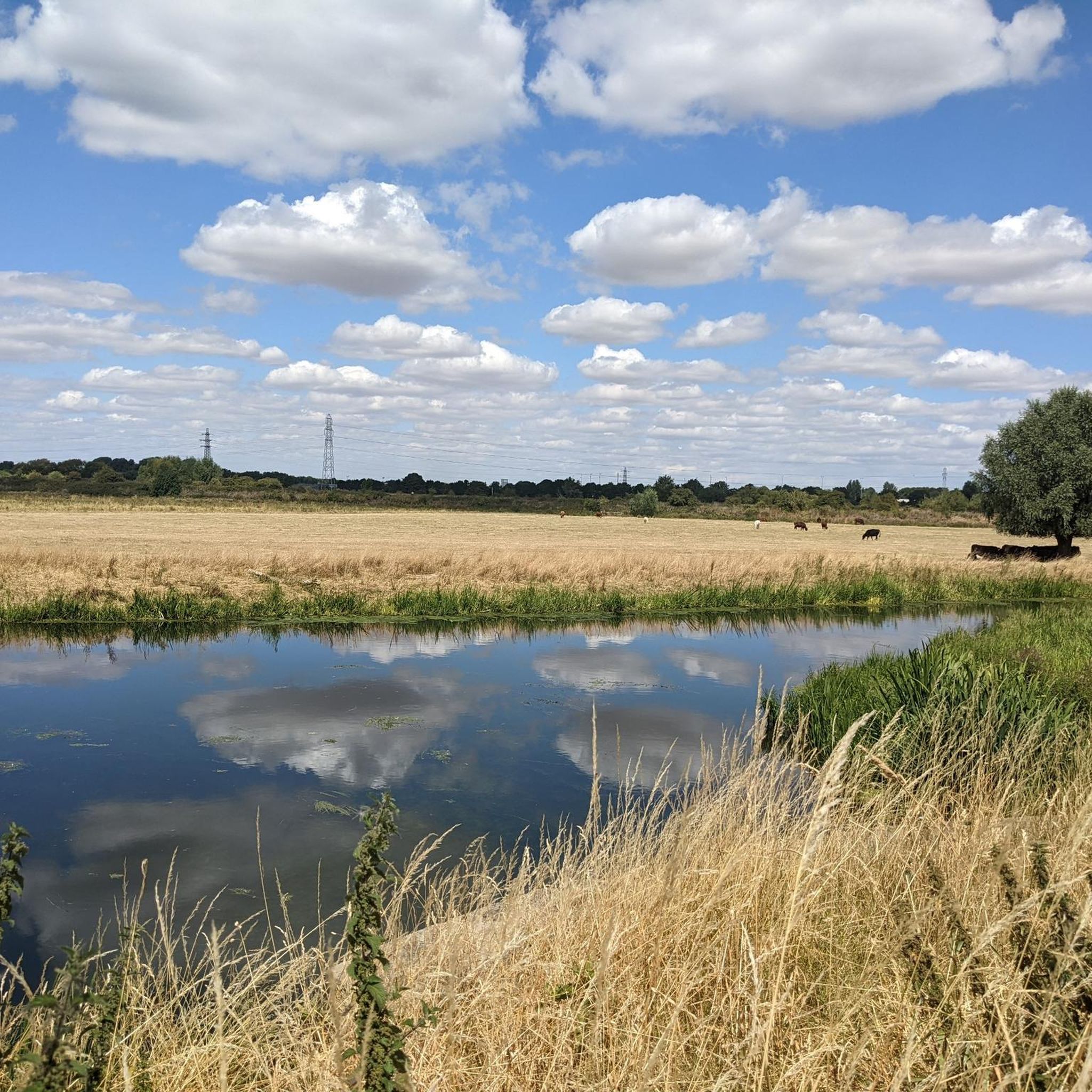
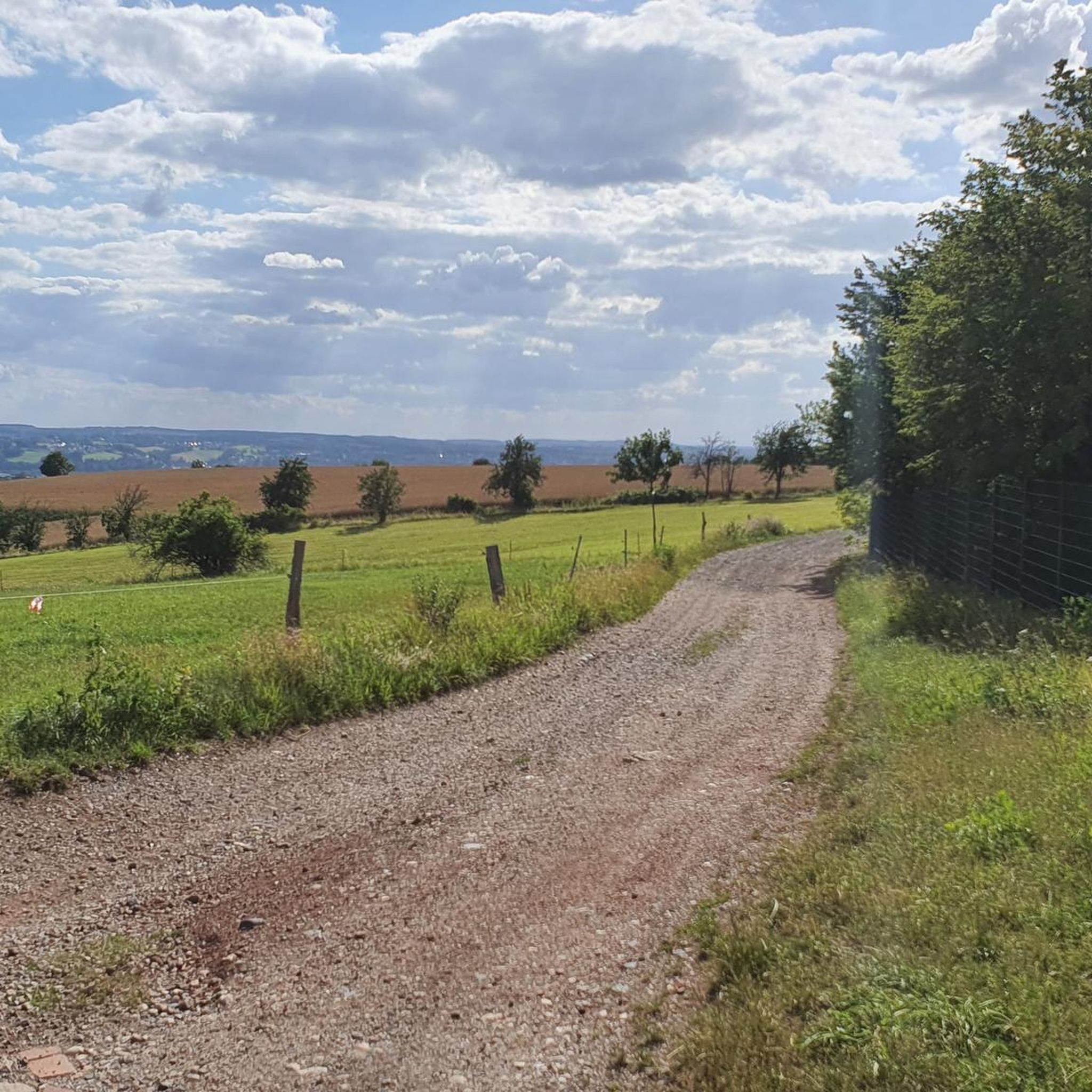
Tips from the Community

Be careful when starting route 2 as the start can be easily missed going through the gate.
0
0

The Parish Church of St. Nicholas lies in the centre of the village and was recorded in the Domesday Book.
0
0

They may look like out of place lampposts but Holme Posts are part of history. The posts were buried in 1848 to measure how much the land sunk after Whittlesey Mere, once on this site, was drained. The peat lake floor had been soaked in water but after drainage, the peat shrank, as did the height of the land. The top of the posts, once level with the ground, are now around 4m above it. The posts are generally accepted to mark the lowest land point in Great Britain at 2.75m below sea level.
0
0
They may look like strange green lampposts but Holme Posts are part of history. The posts were buried in 1848 to measure how much the land sunk after Whittlesey Mere, once on this site, was drained. The peat lake floor had been soaked in water but after drainage, the peat shrank, as did the height of the land. The top of the posts, once level with the ground, are now around 4m above it. The posts are generally accepted to mark the lowest land point in Great Britain at 2.75m below sea level.
0
0
Burnhams Mere was created when the area was cut for peat, resulting in this wildlife haven.
0
0

Congratulations, you are at the lowest point in the UK, 3m below sea level. The top of the iron posts marks ground level when the fen was first drained in 1850. Since then they have been progressively exposed by the shrinking peat until the tops now stand 4m above modern ground level.
0
0

Stunningly beautiful nature reserve. Great for birdwatchers and for taking a break from cycling to get lost in nature.
0
0

A historically important building, sadly only the walls remain and the graveyard is a wilderness. stopped being used in 1928, burials continued into the mid 20thC. Dates from 12thC, rebuilt in 17thC.
0
0
Frequently Asked Questions
Are there many circular walks starting near Glatton?
Yes, the area is well-suited for circular hikes. Many routes are designed as loops that start and end in the same village, such as Stilton or Folksworth. These trails often combine public footpaths, quiet country lanes, and bridleways to guide you through the surrounding farmland and historical sites without needing to backtrack.
What are the best options for an easy, family-friendly walk?
For a very gentle and short walk, the Holme Fen Forest Trail – Holme Posts loop from Holme is an excellent choice. It's a flat, 2.8 km loop through Holme Fen National Nature Reserve, which is suitable for all fitness levels. Another great option is Hinchingbrooke Country Park, a popular local spot with open grassy areas, lakes, and a café.
Can I take my dog on the trails around Glatton?
Most public footpaths around Glatton are dog-friendly, but you'll be crossing active farmland, so it's essential to keep your dog on a lead, especially near livestock. For off-lead opportunities, Somersham Nature Reserve is a well-regarded spot among local dog walkers, offering plenty of space and different trails to explore.
Where can I find a good woodland walk?
Monks Wood National Nature Reserve is a great destination for a woodland hike. It features a variety of different pathways, allowing you to create your own route through the trees. Castor Hanglands National Nature Reserve also offers a mix of natural woodland and open fields, perfect for a longer walk.
Are there any hikes that include historical points of interest?
Yes, many local trails feature historical sites. A great example is the Denton Church Ruins loop from Stilton. This easy 5.9 km walk takes you directly to the atmospheric ruins of the old church, offering a glimpse into the region's past. You'll also pass near the site of the medieval village of Washingley.
What is the landscape like for hiking around Glatton?
The hiking experience is defined by its variety. To the west, you'll find the rolling hills and hedgerows of the Huntingdonshire Wolds, offering gentle climbs and scenic views. To the east, the landscape opens up into the flat, expansive Fens, which are ideal for easy, far-reaching walks with big skies.
Are there any pubs or cafes on the walking routes?
The village of Glatton itself has the Addison Arms, a historic building that now houses an Indian restaurant. Many walks start or pass through nearby villages like Stilton, which also have pubs that make for a convenient start or end point for your hike. For a dedicated café stop, the highly-rated Hinchingbrooke Country Park has facilities available.
Where is the best place to park for a walk near Glatton?
For walks starting in Glatton or nearby villages like Stilton and Folksworth, on-street parking is generally available, but please park considerately as these are residential areas. For dedicated parking, local nature reserves like Hinchingbrooke Country Park and Monks Wood have their own car parks for visitors.
How many hiking trails are there in the Glatton area?
There are over 70 curated hiking routes to explore around Glatton on komoot. These range from easy, short loops perfect for an afternoon stroll to more moderate, longer-distance hikes that connect several villages.
What do other hikers say about the trails around Glatton?
The trails are highly regarded by the komoot community, with an average rating of 4.4 out of 5 stars. Hikers often praise the peaceful countryside, the mix of open fields and quiet lanes, and the interesting historical landmarks found along the paths.
Are there any long-distance footpaths that pass near Glatton?
Yes, the Fen Edge Trail runs nearby. This long-distance path traces the boundary where the low-lying Fens meet higher ground. You can walk manageable sections of the trail to explore the unique geology and history of the area without committing to the entire length.
What kind of wildlife might I see while hiking?
The varied habitats support diverse wildlife. The fenland areas, such as Holme Fen and Houghton Meadows, are particularly good for birdwatching. In the woodlands and meadows, you can expect to see common British birds, butterflies, and wildflowers, especially during spring and summer.
Most popular attractions around Glatton

Get inspired with the komoot mobile app


Explore more
Browse the best Hikes in other regions.
