Top 20 Lakes around Selston
Lakes around Selston offer a variety of natural landscapes and historical sites in the Nottinghamshire area. The region features diverse water bodies, from tranquil reservoirs to historic ponds and nature reserves. These locations provide opportunities for wildlife observation, walking, and exploring local heritage. The landscape around Selston is characterized by woodlands, farmland, and remnants of its coal mining past.
Best lakes around Selston
- The most popular lakes is Mapperley Reservoir, a lake surrounded by bluebell woodlands and rolling farmland.…
Last updated: October 2, 2026
Fountain Dale Ponds
Highlight • Forest
Tip by

Erewash Meadows Nature Reserve
Highlight • Lake
Tip by

Sign up now to discover places like this
Get recommendations on the best single tracks, peaks, & plenty of other exciting outdoor places.
Wyver Lane Nature Reserve
Highlight • Natural
It's an important wetland …
Tip by
Mapperley Reservoir
Highlight • Lake
Tip by

Pennytown Ponds Local Nature Reserve
Highlight • Lake
Lots of little wooden jetties to sit and …
Tip by

Sign up for free to discover even more lakes around Selston.
Already have an account?
Start today with a free account
Your next adventure awaits.
Tips from the Community

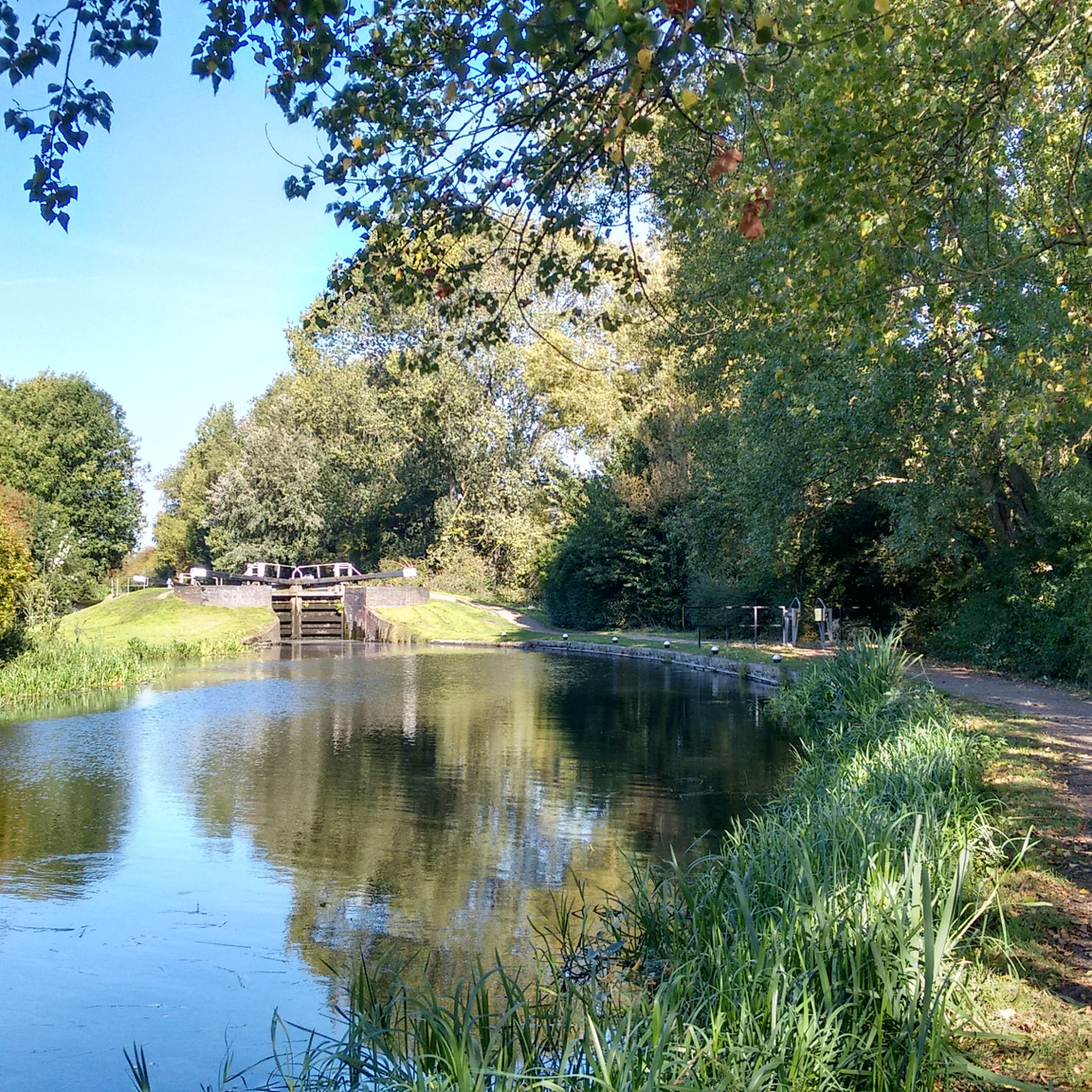
It straddles the Derbyshire and Nottinghamshire county boundaries and is jointly owned by the two county Wildlife Trusts. In spring and summer the reserve's ponds and the wet sections of the canal are a refuge for grass snakes, amphibians and dragonflies. Butterflies and many other insects breed and feed on the wild flowers growing in the grassland. The meadows are best known for their birds. In spring lapwings can be seen performing their impressive aerial displays, while early mornings may offer the best chance of hearing the strange 'drumming' call of breeding snipe. More common breeding birds include the reed buntings with their distinctive black and white heads, and sedge warblers, more camouflaged but twice as noisy in declaring their presence. In spring and autumn the breeding birds are joined by waders, wildfowl and even birds of prey like the hen harrier. Many wildfowl stay for the winter, including a small flock of wigeon, numerous teal and a range of other species.
1
0

Erewash Nature Reserve is the largest area of floodplain and grassland in the Erewash Valley. It's managed by the Derbyshire Wildlife Trust. Look out for water voles and water birds.
2
1
The Cotes Parkland was sold off in small plots during the nineteenth century when the area was being mined for coal and ironstone. Three of the ponds were constructed during the nineteenth century as a result of mining operations, but it is thought that pond 3 is considerably older. In 1942 the area was re-landscaped for public use by Italian prisoners of war and subsequently became very popular for walking and picnicking. The creation of Cotes Park Industrial Estate in the 1970s has isolated the ponds within an industrial and residential landscape. They fell into disuse and decay and suffered from pollution. In the late 1980’s the borough council improved the ponds, which encouraged angling, walking and horse riding, there is an active friends group who have raised funds in partnership with Palmer Morewood Angling Club to install new paths and fishing pegs, the Borough Council have also improved the infrastructure and work with the Environment Agency to combat pollution.
0
0
The Mapperley Reservoir is a very large fresh water lake that spans 17-18 acres and includes a nature reserve that spans 2 acres. The venue, surrounded by trees and situated in a very nice setting, is a nice place to fish throughout the year.
0
0
CLAIMED TO BE THE LEGENDARY location where Robin Hood met the feisty Friar Tuck in the famous folktale, the overgrown remains of a 12th-century moat, lodge, and holy well complex persist in this soggy corner of Sherwood Forest. Fountain Dale’s ancient moat is an impressive waterlogged ditch, 40 feet wide, enclosing what was once a large rectangular artificial island. The feature dates to at least 1251, when the moated island was the site of a hunting lodge, the vestiges of which remain hidden beneath centuries of mud and undergrowth. To date, little archaeological investigation at the site has been carried out. This said, the remains of the medieval manse are likely to be well preserved, having remained unusually undisturbed. The moat and its structures are listed as a Scheduled Monument of National Importance by the public heritage organization Historic England.
1
0

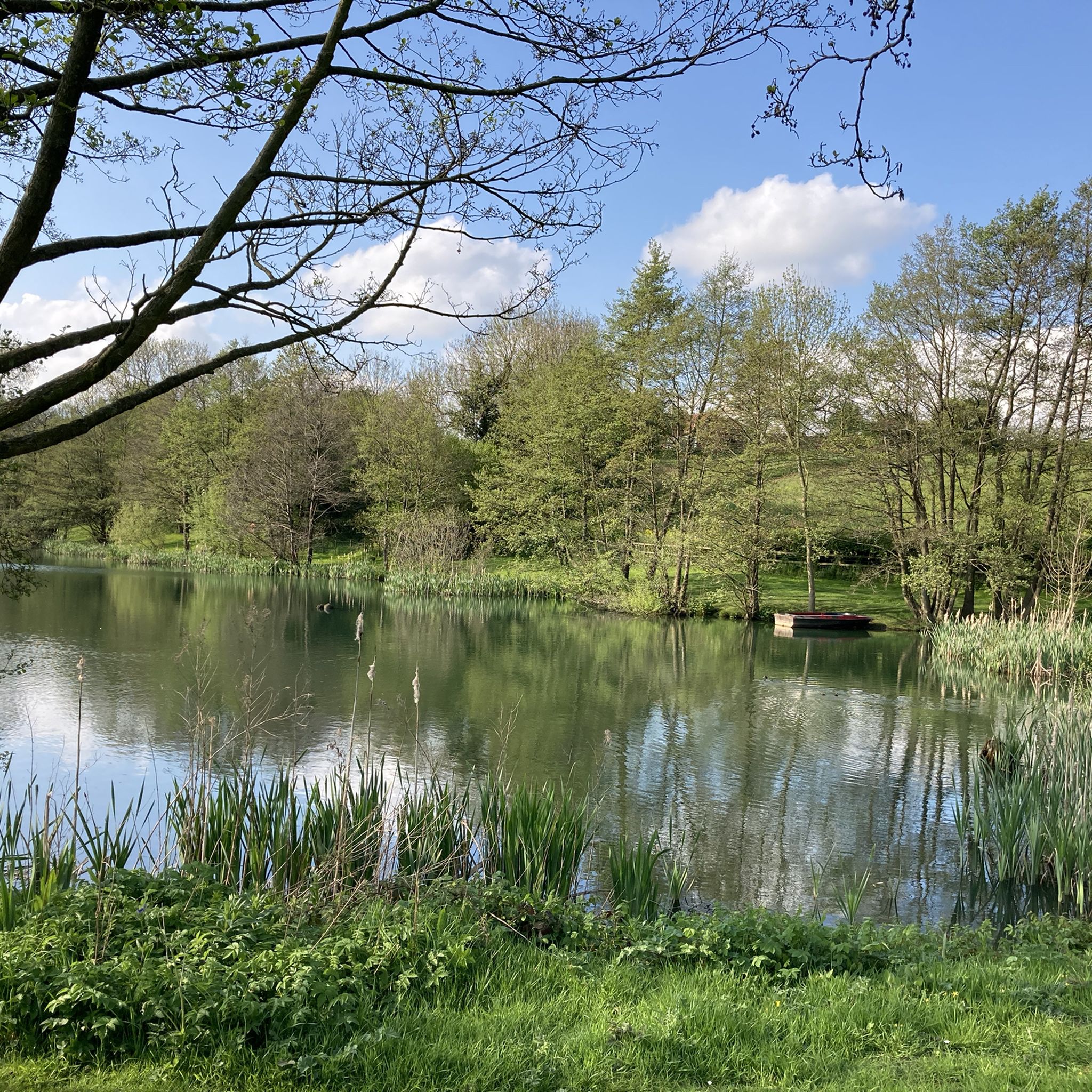
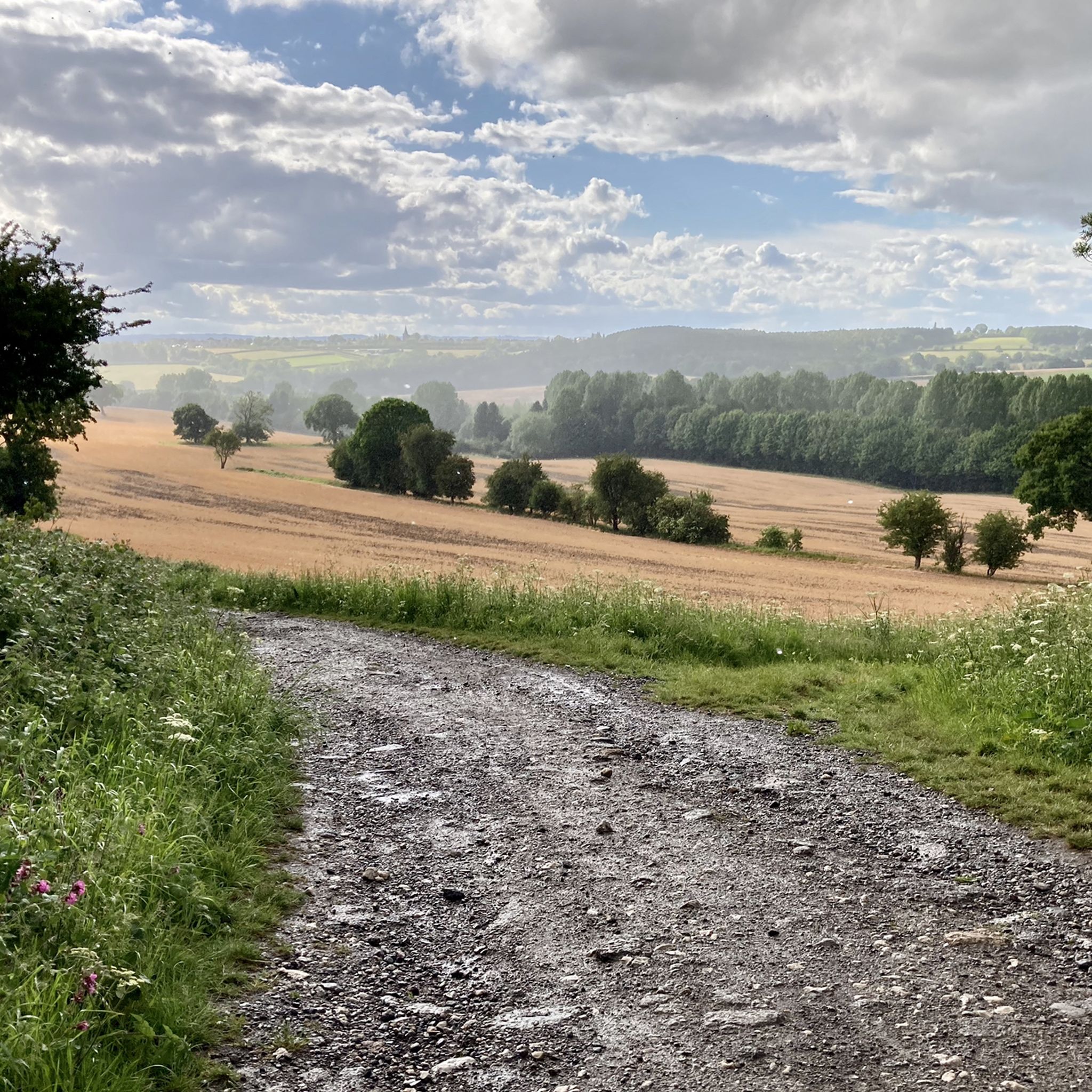
Mapperley Reservoir is a peaceful body of water surrounded by bluebell woodlands, rolling farmland and some fascinating remains from the area’s coal mining heritage. The countryside around here is great for wildlife spotting, especially bird watching. Keep a lookout for coot, moorhen, mallard and kingfisher. In summer, listen out for the songs of chiffchaffs, willow warblers and blackcaps, plus the more familiar calls of robins and chaffinches. There is a visitor centre in nearby Shipley Country Park.
6
0

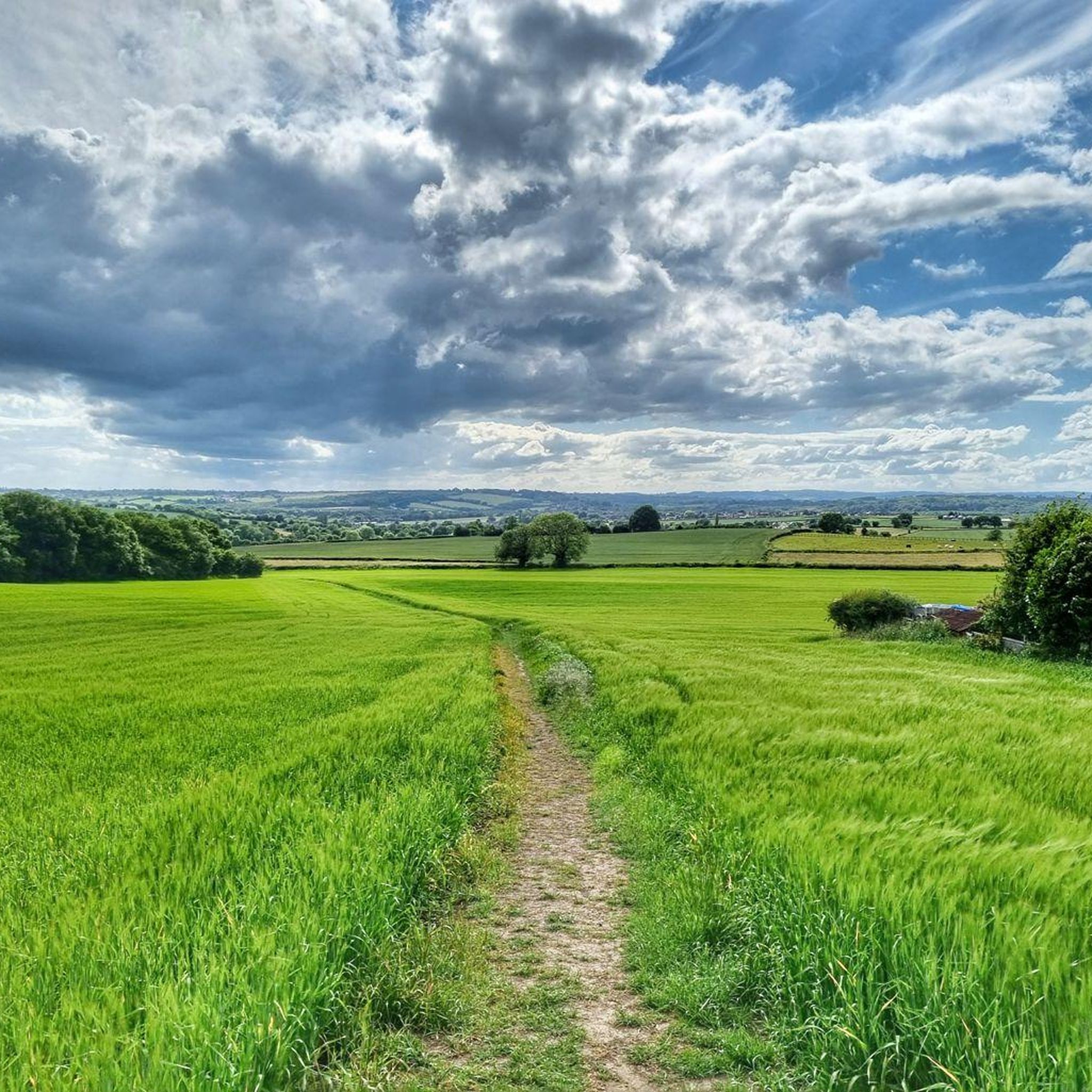
Wyver Lane Nature Reserve is a superb spot for an amble, particularly for wildlife lovers. It comprises two pools surrounded by reed beds and water meadows. It's an important wetland site and home to Canada geese, tufted ducks, little grebes, while large numbers of gulls visit in winter. The reserve is also home to otters, a glorious sight.
1
0

Frequently Asked Questions
What are some highly-rated lakes around Selston?
Visitors frequently enjoy Mapperley Reservoir for its peaceful setting and wildlife, Wyver Lane Nature Reserve for its important wetland habitat and birdwatching, and Erewash Meadows Nature Reserve, known for its diverse wildlife including water voles and various bird species.
Which lakes are best for walking and nature observation near Selston?
For walks and nature observation, Mapperley Reservoir offers paths through bluebell woodlands and farmland, ideal for birdwatching. Wyver Lane Nature Reserve provides excellent opportunities to spot waterfowl and otters around its two pools. Erewash Meadows Nature Reserve is also great for observing diverse wildlife in its floodplain and grassland areas.
Do any lakes near Selston have historical significance?
Yes, Fountain Dale Ponds are legendary as the supposed meeting place of Robin Hood and Friar Tuck, with remains of a moat still present. The Hidden Valley Carp Fishery features lakes dating back to the 14th century, originally designed for monks and now designated as an ancient monument. Pennytown Ponds Local Nature Reserve also has a rich history, with some ponds constructed during 19th-century mining operations and the area re-landscaped by Italian prisoners of war in 1942.
Are there family-friendly lakes near Selston?
Many lakes are suitable for families. Mapperley Reservoir, Fountain Dale Ponds, Erewash Meadows Nature Reserve, Wyver Lane Nature Reserve, and Pennytown Ponds Local Nature Reserve are all categorized as family-friendly. For active water-based fun, Spring Lakes offers an Aqua Park and wakeboarding, making it ideal for family outings.
Which lakes are good for fishing near Selston?
Several lakes cater to anglers. Mapperley Reservoir is a large freshwater lake popular for year-round fishing. The Hidden Valley Carp Fishery, an ancient monument, is specifically designed for carp fishing. Barnstone Lakes is a complex known for premium carp fishing across its four lakes, including Fishers Pit. Hackett Lakes also offers two heavily stocked lakes with a focus on carp, and Pennytown Ponds Local Nature Reserve is popular for angling.
Can I do water sports at any lakes near Selston?
Yes, Spring Lakes in Nottinghamshire is a dedicated water and leisure centre. It features an Aqua Park with slides and activities, as well as a cable lake for wakeboarding, offering a vibrant destination for water sports enthusiasts.
What kind of wildlife can I expect to see at the lakes near Selston?
The lakes are rich in wildlife. At Mapperley Reservoir, you might spot coot, moorhen, mallard, kingfisher, chiffchaffs, and willow warblers. Wyver Lane Nature Reserve is home to Canada geese, tufted ducks, little grebes, gulls, and otters. Erewash Meadows Nature Reserve boasts water voles, various water birds, grass snakes, amphibians, dragonflies, and butterflies.
When is the best time to visit the lakes around Selston?
The best time to visit depends on your interests. Spring and summer are ideal for wildlife spotting, with birds like chiffchaffs and willow warblers active, and dragonflies and butterflies abundant. Summer also offers opportunities for water sports at Spring Lakes. The bluebell woodlands around Mapperley Reservoir are particularly beautiful in spring. Fishing is possible year-round at many locations.
Are there cafes or pubs near the lakes?
While specific cafes directly at every lake are not detailed, the nearby Shipley Country Park, close to Mapperley Reservoir, has a visitor centre which often includes refreshment options. The general area around Selston and the surrounding villages will offer various cafes and pubs.
What outdoor activities can I do near the lakes around Selston?
Beyond visiting the lakes, the region offers various outdoor activities. You can find numerous running trails, such as the 'Woodland Footpath – High Park Wood Singletrack loop from Brinsley' or the 'St Helen's Church, Selston loop from Selston CP'. There are also easy hiking routes like the 'Pinxton Wharf – St Helen's Church, Selston loop from Selston CP'. For cycling enthusiasts, gravel biking routes include the 'High Peak Trail and Derwent Valley Loop'. You can explore more options on the Running Trails around Selston, Easy hikes around Selston, and Gravel biking around Selston guide pages.
Is parking available at the lakes near Selston?
Parking facilities are generally available at many of the larger or more established lake sites. For example, Hackett Lakes provides convenient parking for anglers. For places like Mapperley Reservoir, parking is often available in designated areas or nearby visitor centers like Shipley Country Park.
Are there any wheelchair-accessible paths around the lakes?
While specific wheelchair accessibility for all paths is not detailed for every lake, many nature reserves and public parks strive to offer accessible routes. It's advisable to check the specific site's information or contact them directly for the most up-to-date details on accessible paths before visiting.
Most popular routes around Selston
Most popular attractions around Selston

Get inspired with the komoot mobile app


Explore more
Still not found your perfect lake around Selston? Check out the guides of these regions to see even more beautiful places.
