The best cycling routes around Baginton
4.4
(264)
3,534
riders
361
rides
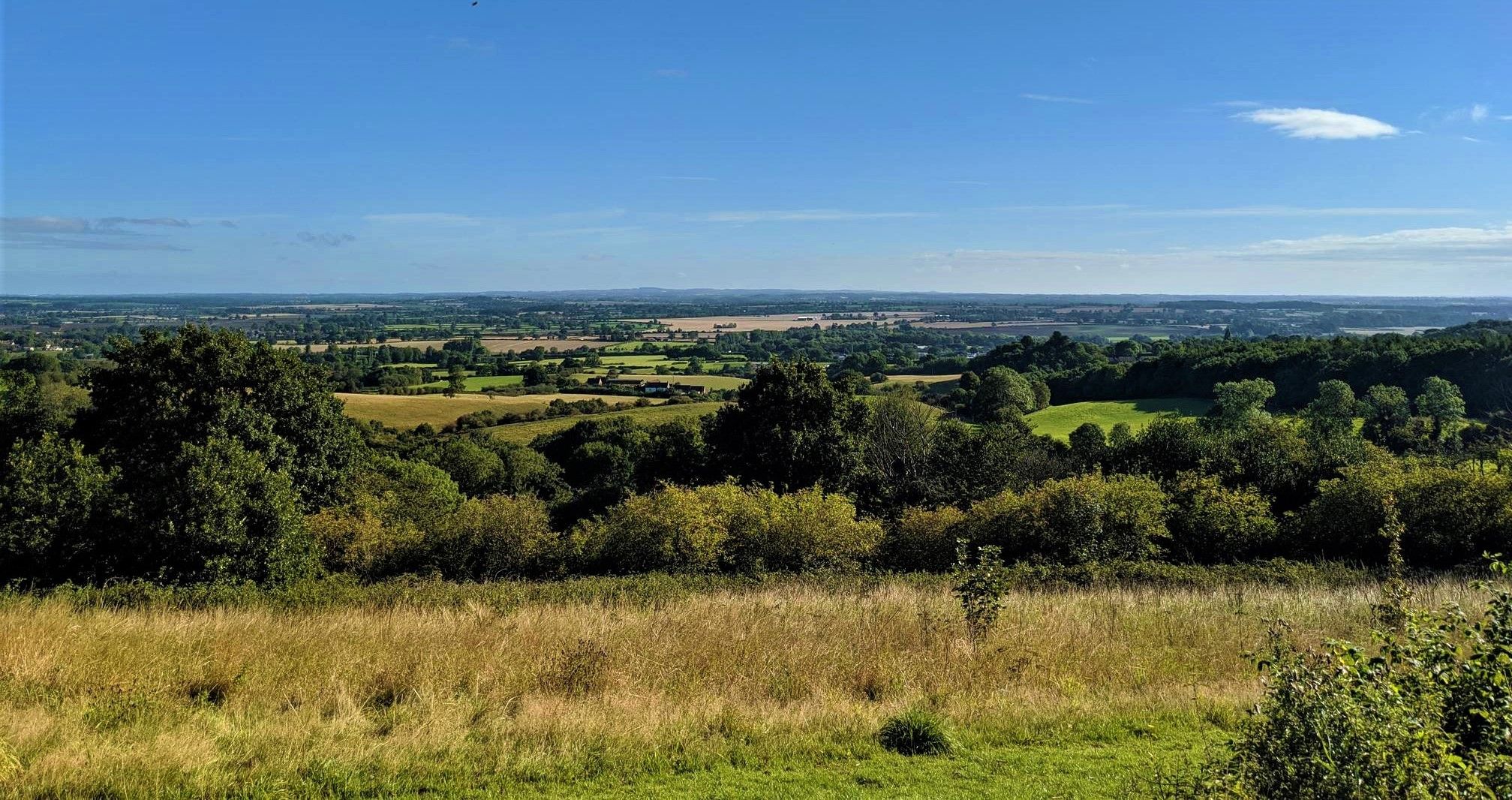
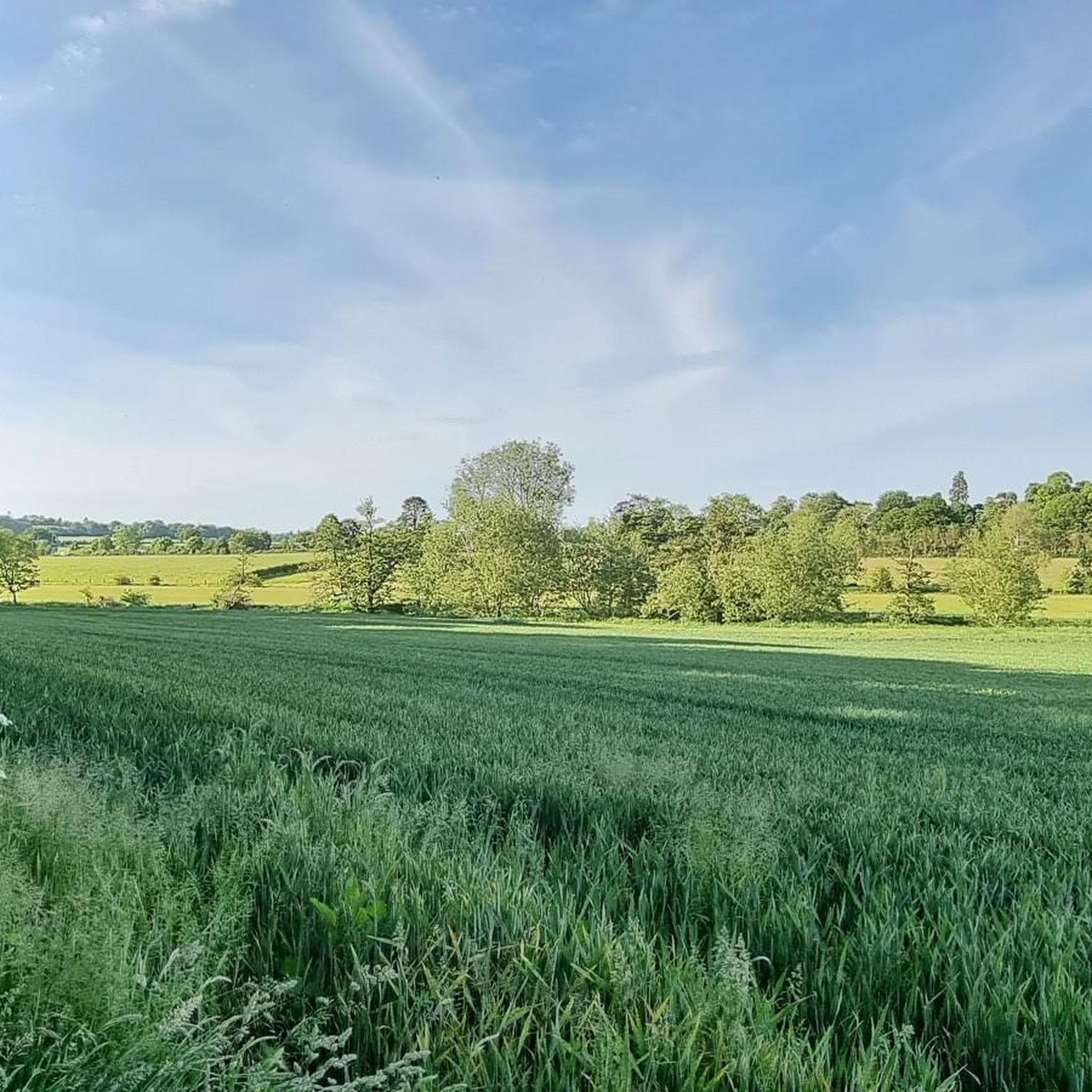
Touring cycling around Baginton offers a network of routes through the rural landscape of Warwickshire. The area features gentle terrain, often following quiet country roads and paths alongside meadows and historical sites. Elevation changes are generally modest, making it suitable for a range of cycling abilities. The region provides access to parklands and local landmarks, contributing to varied cycling experiences.
Best touring cycling routes around Baginton
- The most popular touring cycling route is Bubbenhall Meadow – Wappenbury Bridge loop from…
Last updated: May 9, 2026
4.0
(1)
9
riders
23.5km
01:47
150m
150m
Moderate bike ride. Good fitness required. Mostly paved surfaces. Suitable for all skill levels.
10
riders
30.3km
01:49
180m
180m
Moderate bike ride. Good fitness required. Mostly paved surfaces. Suitable for all skill levels.

Sign up for free
7
riders
14.6km
00:51
70m
70m
Easy bike ride. Great for any fitness level. Mostly paved surfaces. Suitable for all skill levels.
4.0
(2)
8
riders
Easy bike ride. Great for any fitness level. Mostly paved surfaces. Suitable for all skill levels.
4.3
(3)
7
riders
11.9km
00:45
40m
40m
Easy bike ride. Great for any fitness level. Mostly paved surfaces. Suitable for all skill levels.
Get access to more routes and recommendations from other explorers.
Sign up for free
Already have an account?
Our route recommendations are based on thousands of hikes, rides, and runs completed by other people on komoot.
Start today with a free account
Your next adventure awaits.
Login or Signup

Other adventures around Baginton

Tips from the Community


Twelve o'clock ride can be muddy but it's generally okay without cross country specific shoes. Ditto for the path around Coombe Abbey.
0
0

This reserve is a large semi-natural ancient woodland. It is rich in plants, butterflies and birds. Mentioned in the Domesday Book, records show that Richard of Wappenbury was given modest rights over the woods. By the end of the 15th Century, the wood was known by its present name and provided a source of fuel, building materials and hunting opportunities for the local community. Medieval ridge and furrow plough markings found to the north of the woods, ancient bank boundaries, and the age-old pathway known as Nunwood Lane all provide further evidence of the woods’ age. Nearly clear-felled twice in the 1940s and 1950s, the wood was left to regenerate naturally, helping to increase diversity and contributing to its ecological excellence today.
1
0
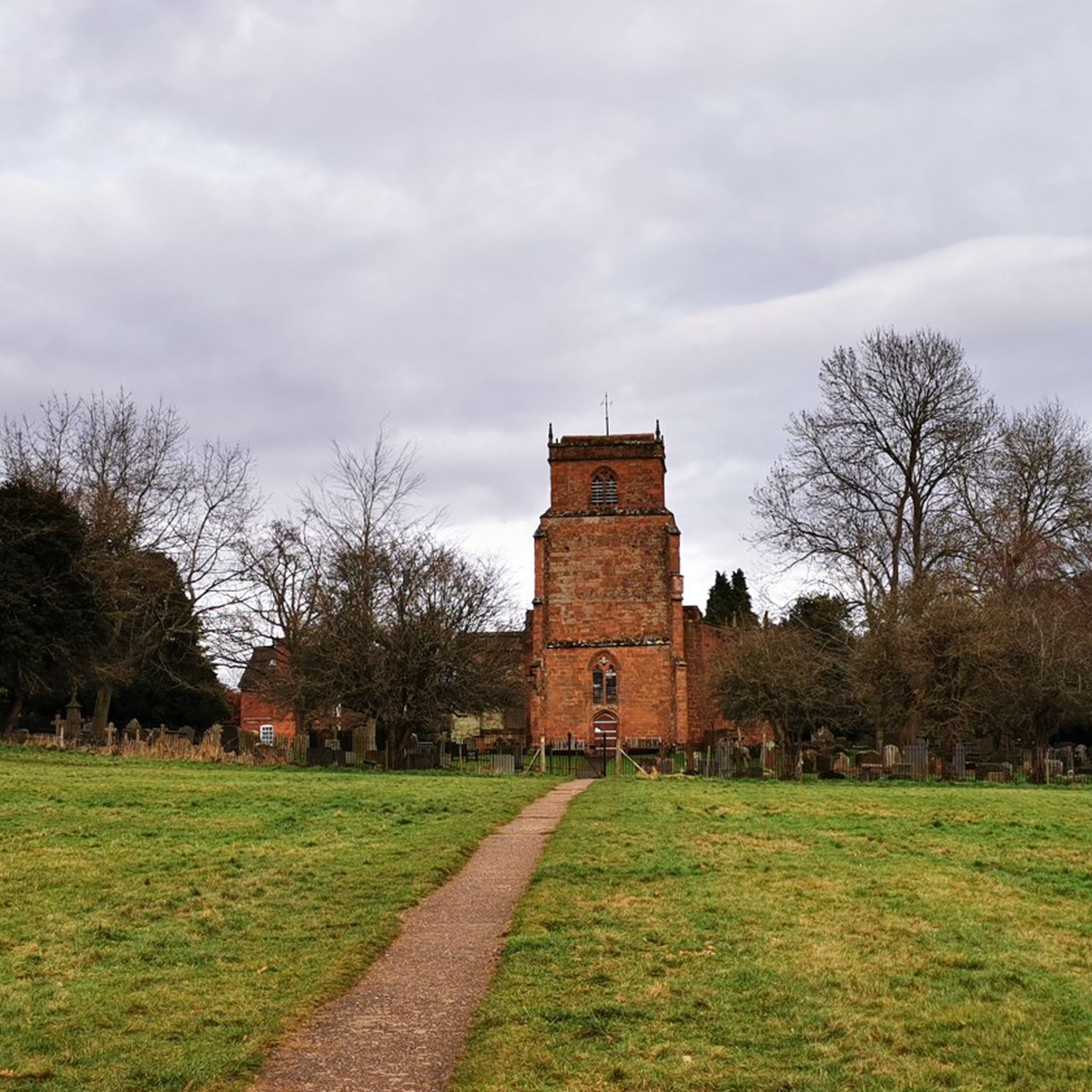
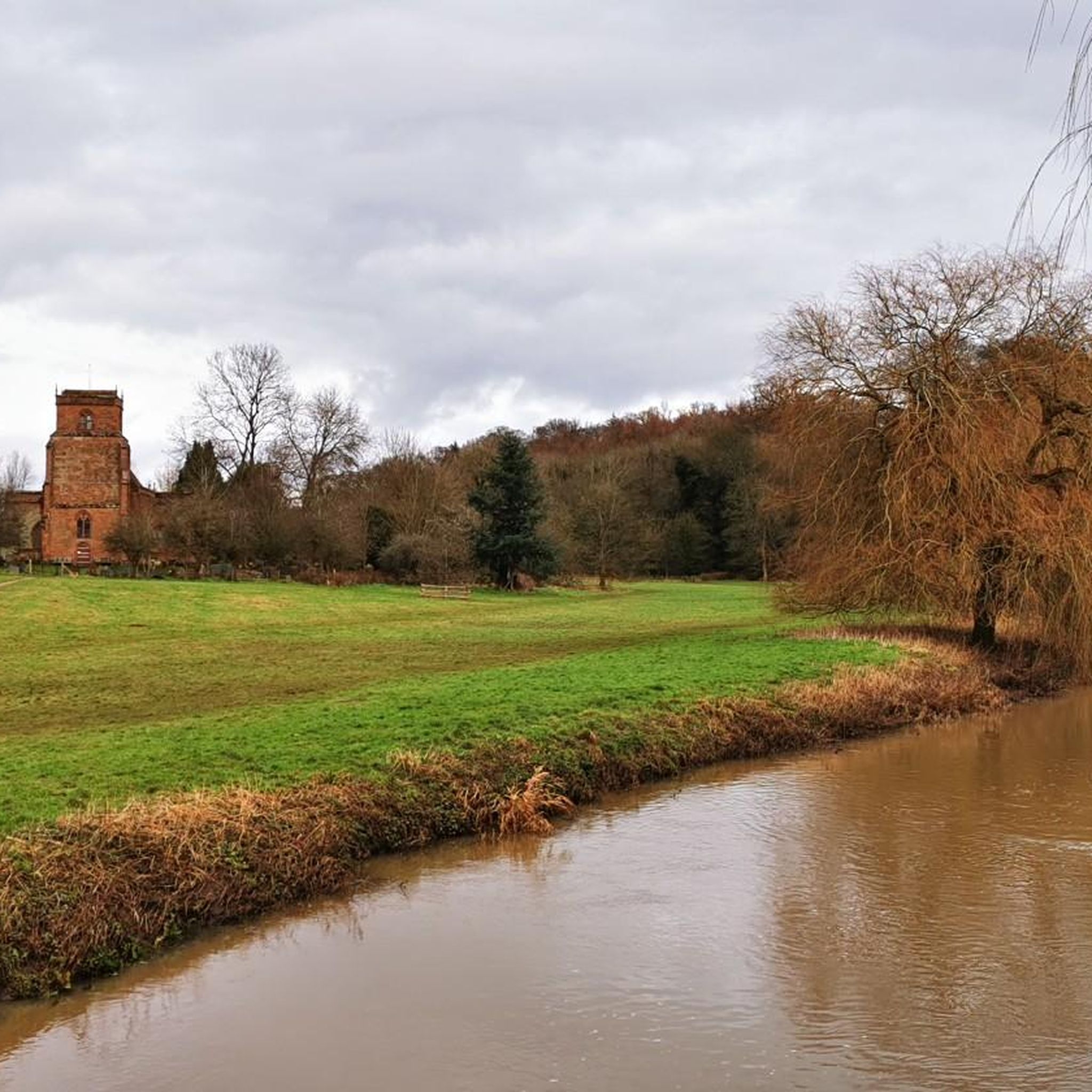
The church of ST. ESPRIT is situated on the west side of the Southam-Coventry road at the junction of the River Leam with the Itchen and stands in a small churchyard near the centre of the village. It was almost entirely rebuilt in the gothic style in 1871 and all that remains of the earlier church is the lower stage of the tower and the south arcade, both of the mid-14th century, together with an early-13th-century south doorway. The present church consists of a chancel, nave, north and south aisles, west tower, organ-chamber, and south porch. It is built of squared and coursed limestone with sandstone dressings and all the roofs are tiled. The lower part of the east wall of the chancel still retains some of the earlier walling of roughly coursed rubble with red sandstone dressings. It is lighted on the east by a pointed tracery window of three ogee trefoil lights and by a two-light on the south, both with hood-moulds. The east wall of the south aisle has a single trefoil light; the south side a three-light and a single light with trefoil heads; the west a similar window, but with two lights. The porch has a pointed entrance arch, the mouldings continued down to splayed stops. The 13th-century doorway has a pointed arch of two orders, the inner a splay and the outer a large roll-moulding, supported on detached shafts with moulded capitals and splayed impost, the outer jamb is chamfered, with a moulded stop below the impost moulding. The tower is in three stages without buttresses and it diminishes with a splayed offset to the second stage. From half way up the second stage it has been entirely rebuilt in a light-coloured sandstone ashlar. The original walls are built of coursed limestone rubble with red sandstone dressings and, except on the north side, bands of red sandstone in the middle of the first stage and again at the base of the second stage. The west face has a narrow trefoil ogee-headed window in the first stage, and in the second a narrow lancet to the ringing-chamber. The belfry has windows with pointed arches on each face, of two trefoil lights, labels with head-stops, and a string-course at the sill level. Above is a plain battlemented parapet on a moulded string-course. A modern lobby has been built at the junction of the tower with the south aisle to give an external entrance to the tower. The chancel (18 ft. 6 in. by 14 ft.) has a tiled floor, a collar-beam roof, plastered walls, and two steps to the altar. The east window has a pointed moulded rear-arch supported on shafts with moulded capitals and bases and a hood-mould with foliated stops. On the north side there is an arched opening into the organchamber. The nave (31 ft. 7 in. by 19 ft. 6 in.) has a hammerbeam roof and a tiled floor. The 14th-century arcade has two bays of pointed arches of two splayed orders supported on octagonal pillars with moulded capitals and bases, the responds repeat the arch splays and have similar moulded capitals and bases. The north arcade is a copy of the south but with more elaborately moulded capitals. Above the apex of each arch there is a pointed two-light clearstory window with widely splayed jambs and sills. The tower arch has been replaced with a modern low segmental one of two splayed orders. The chancel arch is pointed, of three splayed orders supported on three attached shafts with foliated capitals and splayed bases. The north and south aisles (31 ft. 10 in. by 8 ft. 6 in.) have lean-to roofs, tiled floors, and windows with reararches of three trefoils supported on shafts with moulded capitals and bases. At the eastern end of the south wall a badly mutilated 14th-century piscina has been built in. The tower (10 ft. 9 in. by 7 ft.) has been strengthened by increasing the thickness of the north and south walls and carrying over a segmental vault. The pulpit, placed on the south side of the chancel arch, is octagonal, of stone and coloured marble with open traceried panels. The font is also of stone with an octagonal basin, sunk trefoil panels, and stands on an octagonal coloured marble stem moulded at the base. The communion plate is modern except for one large and one small silver paten with hall mark 1773. There are three bells (fn. 47) by Hugh Watts, dated 1616, 1623, and 1624. The registers begin in 1660.
0
0

A bit muddy but always a nice cut through from Binley Road.
0
0
The path passes through the heart of New Close Wood, which is predominately oak woodland with ash and frequent silver birch. Other woody species to look out for include hazel, holly, rowan, aspen, field maple and elm. Honeysuckle is generally quite frequent with its tangle of fraying stems creating a lacework of twisted branches between closely growing trees and shrubs. The ground flora is equally interesting with bluebell, wood anemone, wood sorrel, foxglove, lords and ladies, greater stitchwort, herb robert, wood avens, skull cap, enchanter's nightshade, red campion and an array of fern tussocks.
0
0
The Lunt Roman Fort is the archaeological site of a Roman fort, of unknown name, in the Roman province of Britannia. It is open to the public and located in the village of Baginton on the south eastern outskirts of Coventry. The fort has now been fully excavated and partially reconstructed; the wooden gateway rebuild was led by archaeologist Margaret Rylatt, using the same tools and techniques that the military engineers of the Roman Army would have used. In 2001, Anglo Saxon artefacts dating to Sub-Roman Britain were discovered on the site. Four periods of occupation of the fort during periods of unrest in Roman Britain have been identified by excavation. The fort was built around AD 60 to act as a supply depot and headquarters for an unknown legion during the final campaign against Boudica. From AD 64 it was used, in the second phase, by a cohort which reduced the size of the fort, but from which the principia, praetorium, two granaries and six barrack blocks have been excavated. A number of buildings were demolished to construct a gyrus.[citation needed] Many horse fittings, possible stabling, an extensive metalworking area, granary and storage space suggests a cavalry unit was present at this time. This second phase lasted until AD 77/8. The third period of AD 77/78-79 included construction of a double ditch system, a twin-portalled gateway on the south and occupation outside the defences until the fort was decommissioned. After AD 260, perhaps during the rebel Gallic Empire, it was recommissioned as a temporary fort with ditches on a similar alignment but slightly larger than that of Period 2. Gyrus The north, south and west sides followed the usual pattern for a Roman camp of straight ditches and ramparts. However, on the eastern side the defences bulge out around a circular structure with a diameter of 32 m (105 ft). The sand and gravel subsoil had been dug out to a depth of 600 to 900 mm (24 to 35 in) and the area surrounded with a timber stockade. This ring, the only known "gyrus" in the Roman Empire, may have been used for training horses. The gyrus was added to the fort during its second period of occupation and its construction caused significant disruption to the fort. Having the gyrus within the fort affects not just the wall which curves to accommodate the structure deviating from the Roman playing card shape pattern but also the layout of the fort which is significantly different from the standard layout. This makes the fort unique not just in Britain but also in the Roman Empire.
0
0
Frequently Asked Questions
How many touring cycling routes are available around Baginton?
Baginton offers a wide selection of touring cycling routes, with over 370 routes available on komoot. These routes cater to various skill levels, from easy to difficult.
Are there easy touring cycling routes suitable for beginners in Baginton?
Yes, Baginton has a good number of easy routes perfect for beginners. There are over 140 easy touring cycling routes. For example, the Brandon Park Entrance – Rugby Road loop from Willenhall is an easy 9.1-mile (14.6 km) trail that takes about 51 minutes to complete.
What kind of terrain can I expect on touring cycling routes in Baginton?
The touring cycling routes around Baginton primarily feature rural roads and paths that traverse open meadows and historical sites. The terrain is generally gentle with modest elevation changes, making it accessible for a range of cycling abilities.
Are there any family-friendly touring cycling routes in Baginton?
Many of the easy routes in Baginton are suitable for families. The gentle terrain and quiet country roads make for pleasant rides. Consider the New Close Wood – Rugby Road loop from Willenhall, an easy 7.4-mile (11.9 km) route, which is a good option for a family outing.
What are the typical durations for touring cycling routes in Baginton?
Route durations vary depending on distance and difficulty. Shorter, easy routes like the Brandon Park Entrance – Rugby Road loop from Willenhall can be completed in under an hour. Longer, moderate routes, such as the Bubbenhall Meadow – Wappenbury Bridge loop from Bubbenhall, typically take around 1 hour 47 minutes.
What interesting landmarks or attractions can I see along the touring cycling routes?
Baginton's routes often pass by historical sites and offer scenic views. You might encounter landmarks like Kenilworth Castle or enjoy views of Jephson Gardens. The Lunt Roman Fort – View of St Margaret's Church loop from Baginton specifically highlights historical sites and church views.
Are there circular touring cycling routes available in Baginton?
Yes, many of the touring cycling routes in Baginton are circular loops, allowing you to start and finish at the same point. Examples include the popular Bubbenhall Meadow – Wappenbury Bridge loop from Bubbenhall and the View of Coombe Abbey – View Down the Avenue of Trees loop from Willenhall.
What is the best season for touring cycling in Baginton?
Spring and summer generally offer the most pleasant conditions for touring cycling in Baginton, with milder weather and longer daylight hours. Autumn can also be beautiful with changing foliage, though cooler temperatures and shorter days should be considered. Always check the local weather forecast before heading out.
What do other touring cyclists enjoy most about cycling in Baginton?
The komoot community highly rates touring cycling in Baginton, with an average score of 4.4 stars from over 240 reviews. Cyclists often praise the area's quiet rural roads, open meadows, and the opportunity to explore historical points of interest.
Are there any advanced touring cycling routes for experienced riders?
While Baginton is known for its gentle terrain, there are still options for more experienced cyclists looking for a challenge. There are 37 difficult routes available. These routes may feature longer distances or slightly more varied elevation, providing a good workout while still enjoying the scenic Warwickshire countryside.
Where can I find parking for touring cycling routes in Baginton?
Parking availability varies by starting point. Many routes begin near villages or public spaces where street parking or small car parks might be available. It's advisable to check the specific route details on komoot for suggested starting points and any associated parking information.
What should I bring for a touring cycling trip in Baginton?
For touring cycling in Baginton, essential items include a well-maintained bicycle, a helmet, appropriate clothing for the weather, water, snacks, and a basic repair kit. Given the rural nature of some routes, a fully charged phone with GPS capabilities (like the komoot app) is also highly recommended for navigation.
Most popular attractions around Baginton

Get inspired with the komoot mobile app


Explore more
Browse the best Cycling routes in other regions.
