The best walks and hikes around Dymock
4.5
(1213)
8,530
hikers
236
hikes
Hikes around Dymock explore a landscape of ancient woodlands, agricultural fields, and gentle river valleys. The region is characterized by its network of paths through Dymock Forest, a designated Site of Special Scientific Interest, and along the River Leadon. While much of the terrain is low-lying, some routes incorporate ascents into nearby hills, offering wider views of the Gloucestershire countryside.
Best hiking trails around Dymock
- The most popular hiking route is Swinyard Hill – Millennium Hill loop from Bromsberrow,…
Last updated: October 12, 2026
4.9
(7)
106
hikers
15.5km
04:41
500m
500m
Moderate hike. Good fitness required. Easily-accessible paths. Suitable for all skill levels.
4.5
(4)
43
hikers
10.5km
03:09
330m
330m
Moderate hike. Good fitness required. Easily-accessible paths. Suitable for all skill levels.

4.8
(5)
21
hikers
7.45km
02:00
90m
90m
Moderate hike. Good fitness required. Easily-accessible paths. Suitable for all skill levels.
4.0
(1)
12
hikers
8.86km
02:23
110m
110m
Moderate hike. Good fitness required. Easily-accessible paths. Suitable for all skill levels.
8
hikers
Moderate hike. Good fitness required. Easily-accessible paths. Suitable for all skill levels.
Get access to more routes and recommendations from other explorers.
Already have an account?
Our route recommendations are based on thousands of hikes, rides, and runs completed by other people on komoot.
Start today with a free account
Your next adventure awaits.
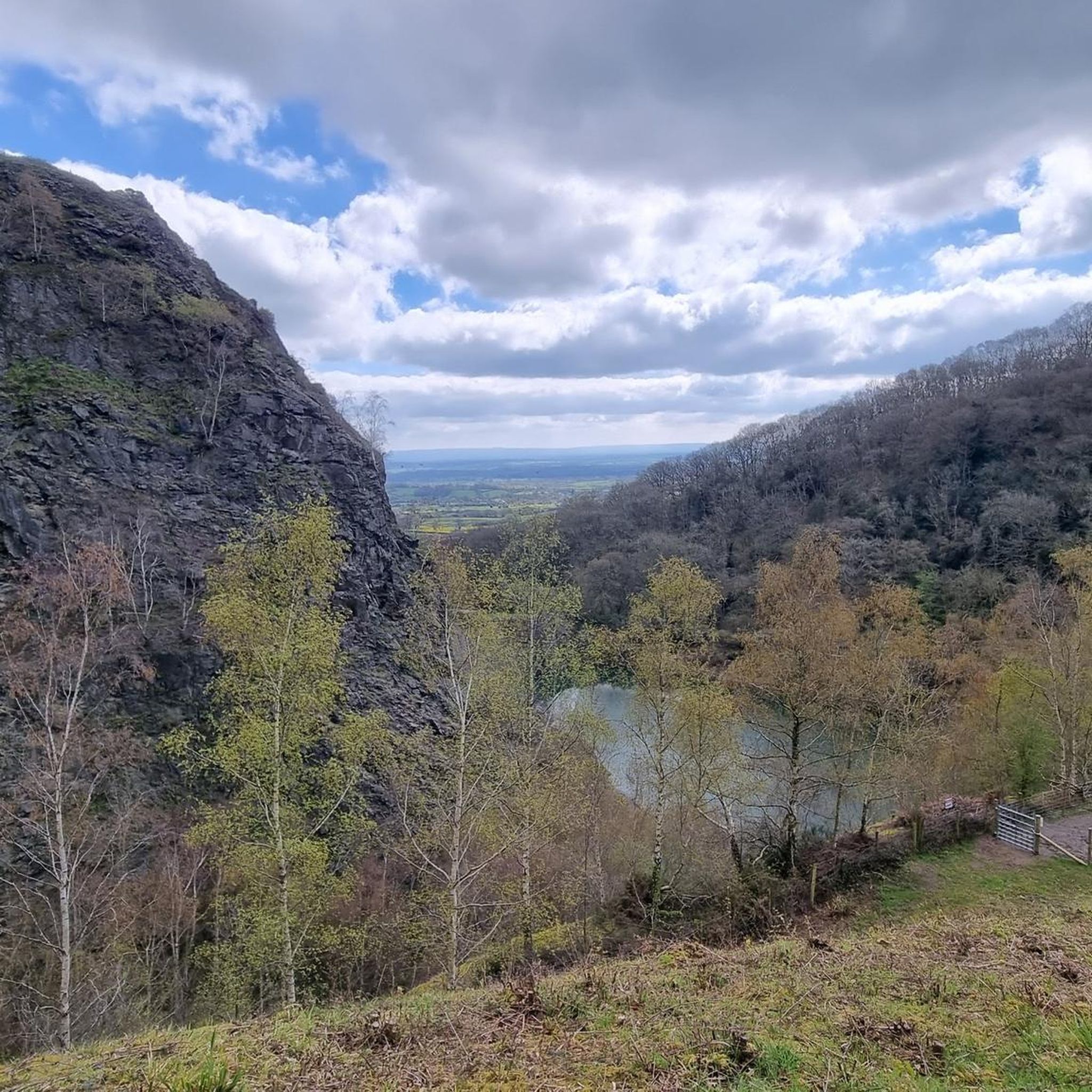
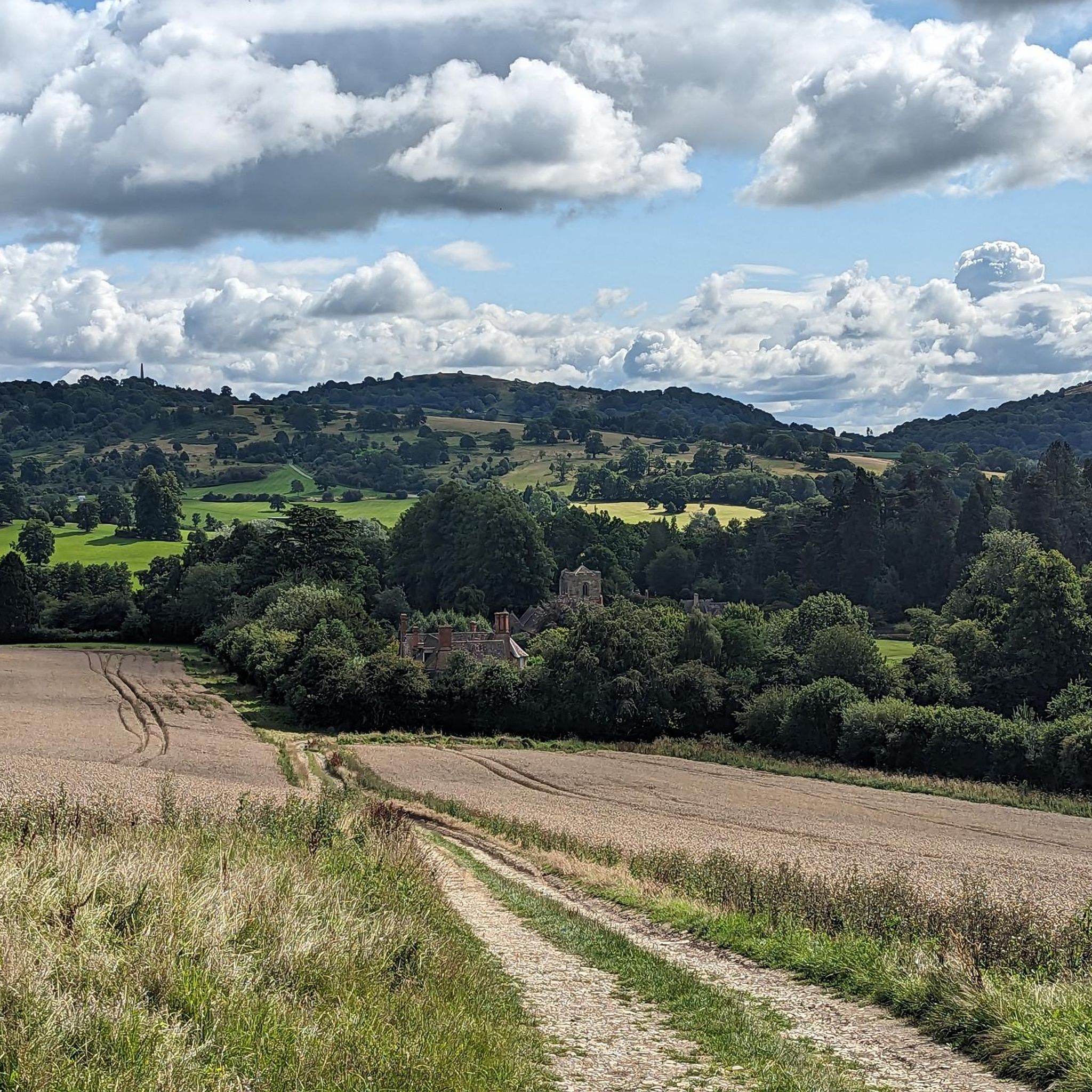
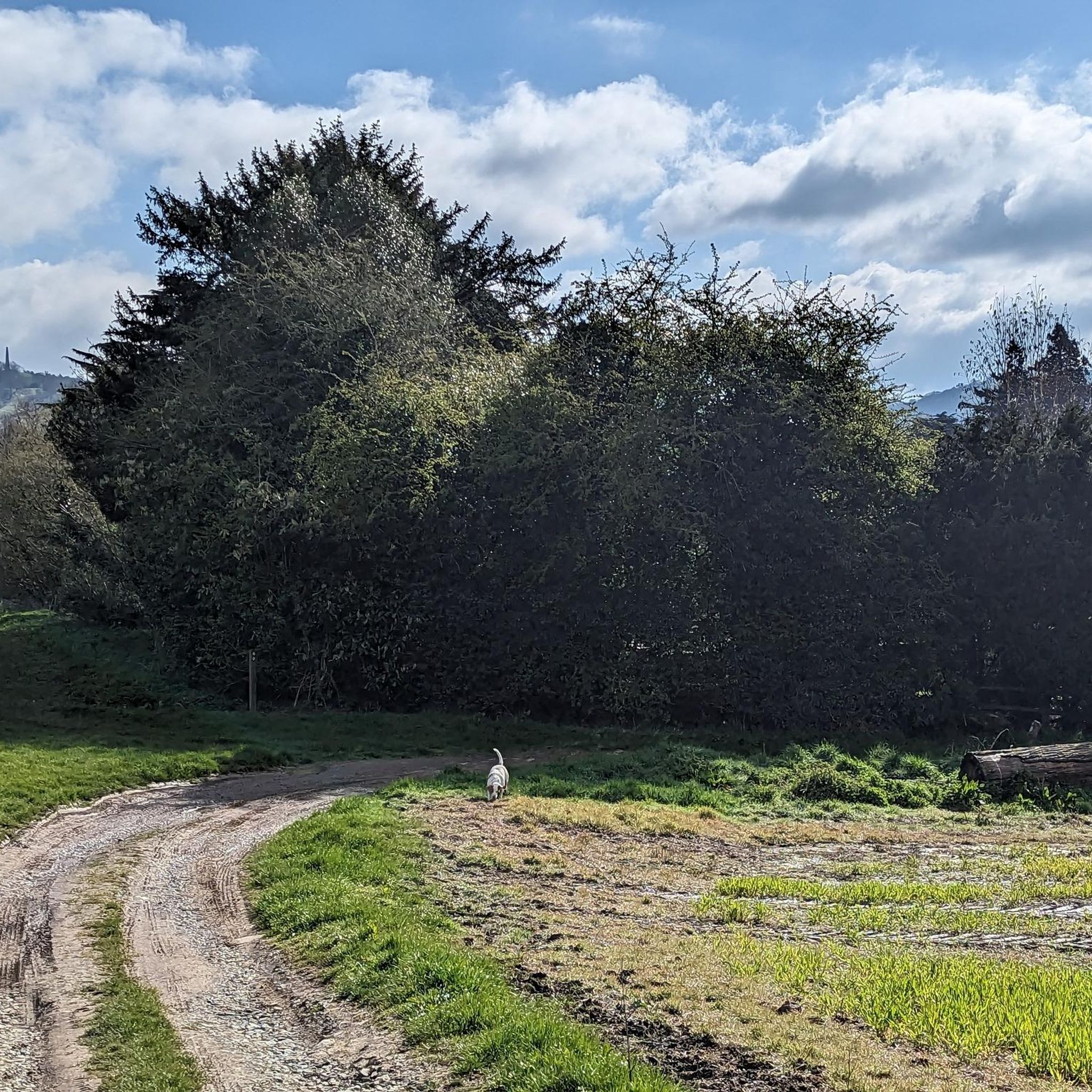
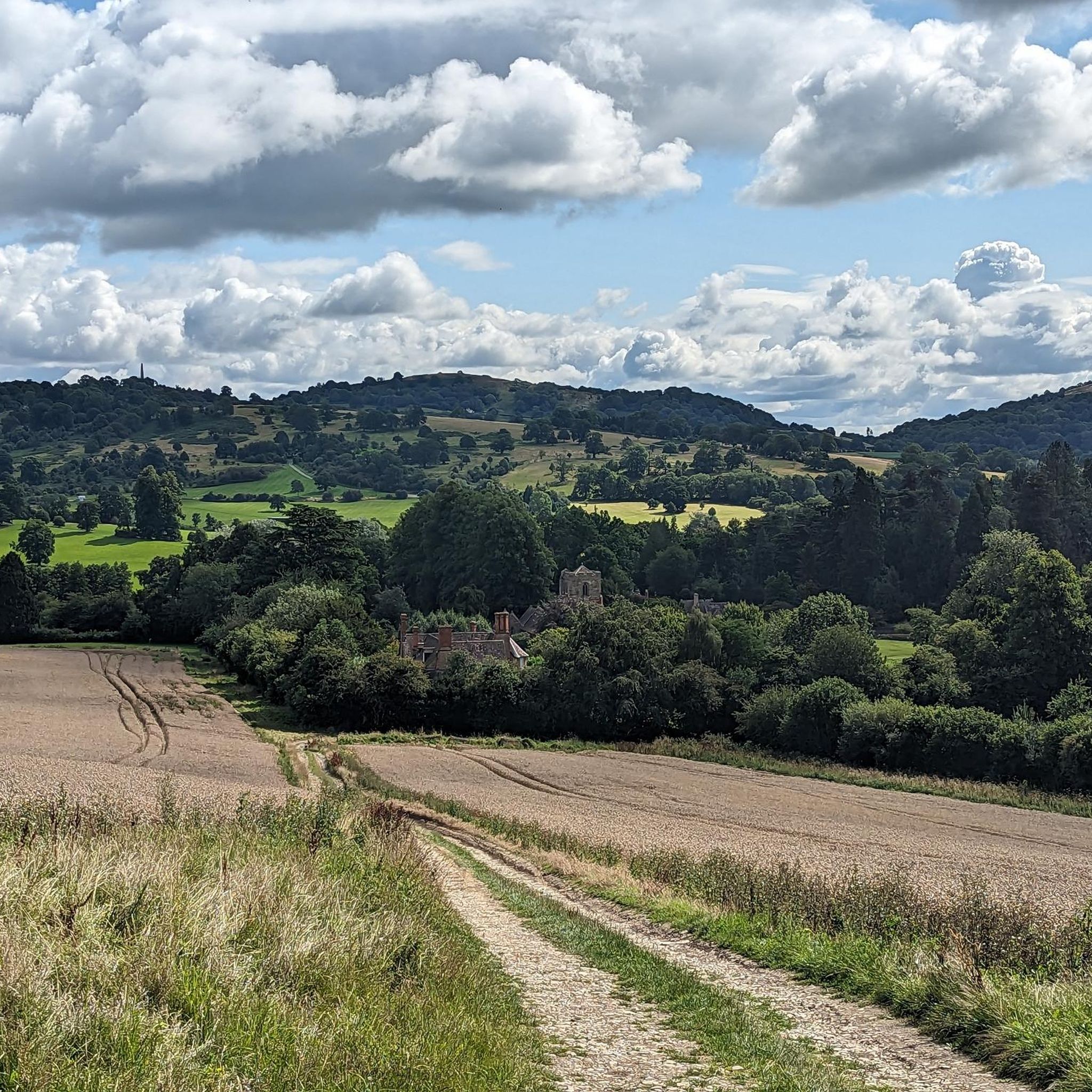
Tips from the Community

Fabulous views after a gentle but easy uphill walk.
0
0

Small little cave but great to get out of the rain/sun for a quick drink and snack.
0
0

White Leaved Oak is a delightful and quirky hamlet tucked away between Chase End Hill and Ragged Stone Hill. It comes complete with its own set of stocks and a great noticeboard!
0
0
Chase End Hill is the most southerly and the smallest of the Malvern Hills, but it is a beautiful hill that is both shapely and has fine views in all directions. Also a great place to watch the sun rise.
0
0
One of the finest hills in the Malverns with it's Iron Age Hillfort (yes another one on the Malverns!), and superb views west across Eastnor Park. It used to be heavily wooded on the Eastern Side, but Ash Die-back disease has caused a huge number of large mature Ash trees to be felled in recent times. This is still a hill to be savoured and you will not see too many people here either.
0
0
The view from the northern end of Ridge Hill towards Ledbury in the east.
0
0
This 150ft tower can be seen from a very long way, such as from the Malvern hills to the east. It really is an impressive thing to see from directly below.
0
0
The road here is an ancient way that in built on the very top of a distinct ridge, with drops on either side. The top of the ridge is more or less the same width as a single track road, and gives fine views to the east, towards Much Marcle in the south and Ledbury more to the north.
0
0
Frequently Asked Questions
When is the best time to see the wild daffodils in Dymock?
The best time to see the famous wild daffodils is in the spring, typically during March and early April. This is when the 'Golden Triangle' between Dymock, Kempley, and Oxenhall is in full bloom, creating vibrant yellow carpets across the woodlands and meadows.
Are there any easy, family-friendly walks in the area?
Yes, Dymock Forest offers several shorter, gentler trails perfect for families. The Lake Walk (2.5 km) and the Princes Walk (1.5 km) are well-marked, relatively flat loops that are ideal for a relaxed stroll with children through the ancient woodland.
Are dogs allowed on the trails around Dymock?
Dogs are generally welcome on the public footpaths around Dymock and in Dymock Woods. However, you will be walking through areas with sensitive wildlife and near farmland with livestock, so it's essential to keep your dog under close control, and on a lead where required by signage.
Where is the best place to park for walks in Dymock Forest?
The main starting point for many trails is the Forestry England car park for Dymock Woods, often referred to as Queen's Wood car park. It provides direct access to several marked trails, including the shorter Lake Walk and Princes Walk, as well as longer routes.
Can I reach the Dymock trails by public transport?
Accessing the trailheads directly via public transport can be challenging as Dymock is a rural village with limited services. It's generally recommended to travel by car to get the most out of the area's walking network. Check local bus schedules for services to Dymock or nearby Ledbury, but be prepared for a walk from the bus stop to the trail start.
What is the difficulty of the Dymock Poets' Paths?
The Poets' Paths consist of two connected 8-mile (approx. 13 km) loops, known as Poets' Path I and Poets' Path II. They are considered moderate walks. The terrain is mostly gentle, following countryside footpaths and quiet lanes, but the distance requires a reasonable level of fitness to complete comfortably.
Are there any challenging hikes with good views?
For a more strenuous hike with rewarding views, consider the Chase End Hill Trig Point – Gullet Quarry loop from Bromesberrow. This route involves a significant ascent up to Chase End Hill, one of the southernmost points of the Malvern Hills, offering panoramic views over the surrounding countryside.
Are most of the walking routes in Dymock circular?
Yes, many of the most popular routes are circular, allowing you to start and end in the same place without retracing your steps. This includes the famous Daffodil Way, the Poets' Paths, and shorter woodland trails. For example, the St Mary's Church, Kempley loop from Kempley is a great circular option through fields and past historic churches.
How many hiking trails are there around Dymock?
There are over 200 routes to explore around Dymock, ranging from short, easy strolls to more demanding full-day hikes. The network includes 124 easy-rated trails and 112 moderate ones, ensuring plenty of options for all abilities.
What do other hikers think of the trails in Dymock?
The area is highly regarded by the komoot community, with an average rating of 4.5 stars from nearly 1,000 reviews. Hikers often praise the peaceful atmosphere of the ancient woodlands, the beauty of the seasonal wildflowers, and the well-maintained network of paths.
Are there any good pubs or cafes on the walking routes?
While the trails themselves are primarily through natural landscapes, the village of Dymock and nearby settlements have pubs that are popular with walkers. It's best to plan your route to start or end near a village to find refreshments, as there are no cafes located directly within Dymock Forest.
What kind of wildlife might I see in Dymock Forest?
Dymock Forest is a Site of Special Scientific Interest (SSSI) known for its rich biodiversity. As you walk, look out for ancient Sessile Oak trees and rare flora. The forest is also a crucial habitat for various butterfly species, including the pearl-bordered fritillary and wood white, especially in the spring and summer months.
Most popular attractions around Dymock

Get inspired with the komoot mobile app


Explore more
Browse the best Hikes in other regions.
