The best cycling routes in Burgas Province
4.7
(102)
862
riders
56
rides
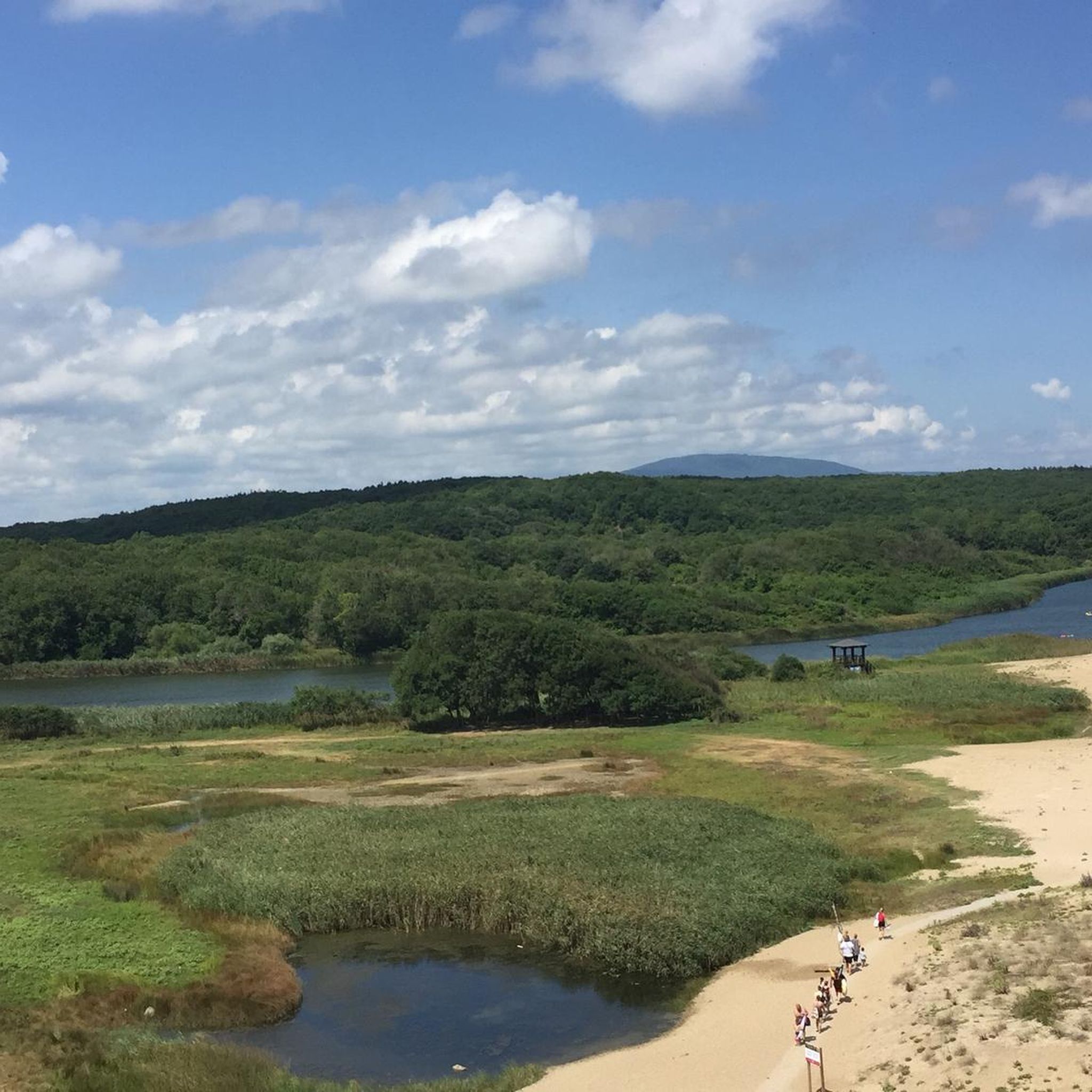
Touring cycling in Burgas Province offers diverse landscapes, from the flat coastal paths along the Black Sea to the more challenging terrain of the Strandzha Mountains. The region is characterized by extensive wetlands, including the Burgas Lakes, which provide easy routes and significant birdwatching opportunities. Cyclists can explore a mix of urban routes, such as those in Burgas's Sea Garden, and rural trails that traverse ancient forests and traditional villages.
Best touring cycling routes in Burgas Province
- The most popular touring cycling route is Burgas Kitesurfing Zone – Burgas Salt Pans & Mud Baths loop from Владимир Павлов, a 15.9 miles (25.6 km) trail that takes 1 hour 46 minutes to complete. This difficult route offers unique views of the salt pans and therapeutic mud baths.
- Another top favourite among local touring cyclists is Nessebar — Ancient City – Tiara Beach loop from v.z. Zora, an easy 12.7 miles (20.4 km) path. This route explores the historic UNESCO World Heritage site of Nessebar and offers coastal views towards Tiara Beach.
- Local touring cyclists also love the Veleka Valley Trail loop from Primorsko, a 70.1 miles (112.8 km) trail leading through the rugged Strandzha Mountains, often completed in about 9 hours 33 minutes.
- Touring cycling in Burgas Province is defined by accessible coastal paths, biodiverse wetlands, and the varied terrain of the Strandzha Mountains. The network offers options for different ability levels, from easy urban rides to challenging mountain trails.
- The routes in Burgas Province are highly rated by the komoot community with an average score of 4.6 stars from over 100 reviews. More than 800 touring cyclists have used komoot to explore Burgas Province's varied terrain.
Last updated: July 8, 2026
4.6
(24)
93
riders
Hard bike ride. Great for any fitness level. You may need to push your bike for some segments of this route.
5.0
(12)
81
riders
22.1km
01:25
100m
100m
Easy bike ride. Great for any fitness level. Mostly paved surfaces. Suitable for all skill levels.

Sign up for free
4.3
(3)
57
riders
Easy bike ride. Great for any fitness level. Mostly paved surfaces. Suitable for all skill levels.
5.0
(1)
43
riders
115km
09:41
1,600m
1,600m
Hard bike ride. Very good fitness required. You may need to push your bike for some segments of this route.
5.0
(3)
36
riders
52.6km
03:34
400m
400m
Moderate bike ride. Good fitness required. Mostly paved surfaces. Suitable for all skill levels.
4.8
(6)
27
riders
46.5km
03:01
160m
160m
Moderate bike ride. Good fitness required. Mostly paved surfaces. Suitable for all skill levels.
4.8
(6)
27
riders
40.2km
02:36
150m
140m
Moderate bike ride. Good fitness required. Mostly paved surfaces. Suitable for all skill levels.
4.5
(4)
33
riders
32.3km
02:09
120m
120m
Moderate bike ride. Good fitness required. Mostly paved surfaces. Suitable for all skill levels.
4.7
(3)
17
riders
26.4km
01:40
210m
210m
Moderate bike ride. Good fitness required. Mostly paved surfaces. Suitable for all skill levels.
5.0
(1)
16
riders
24.8km
01:39
300m
300m
Hard bike ride. Good fitness required. You may need to push your bike for some segments of this route.
Get access to more routes and recommendations from other explorers.
Sign up for free
Already have an account?
Our route recommendations are based on thousands of hikes, rides, and runs completed by other people on komoot.
Start today with a free account
Your next adventure awaits.
Login or Signup
Tips from the Community

Massages are also offered on the premises near the lye pools.
0
0
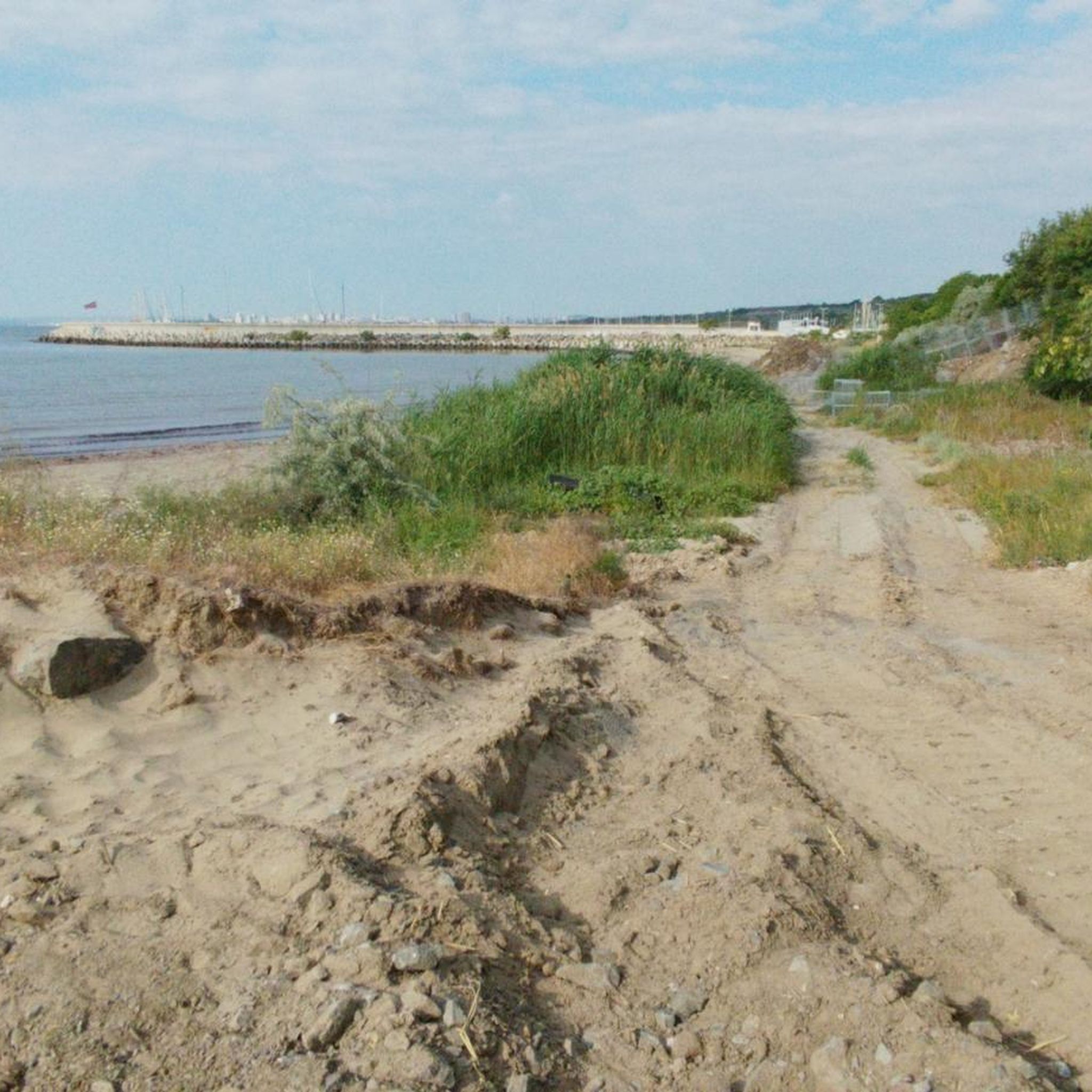
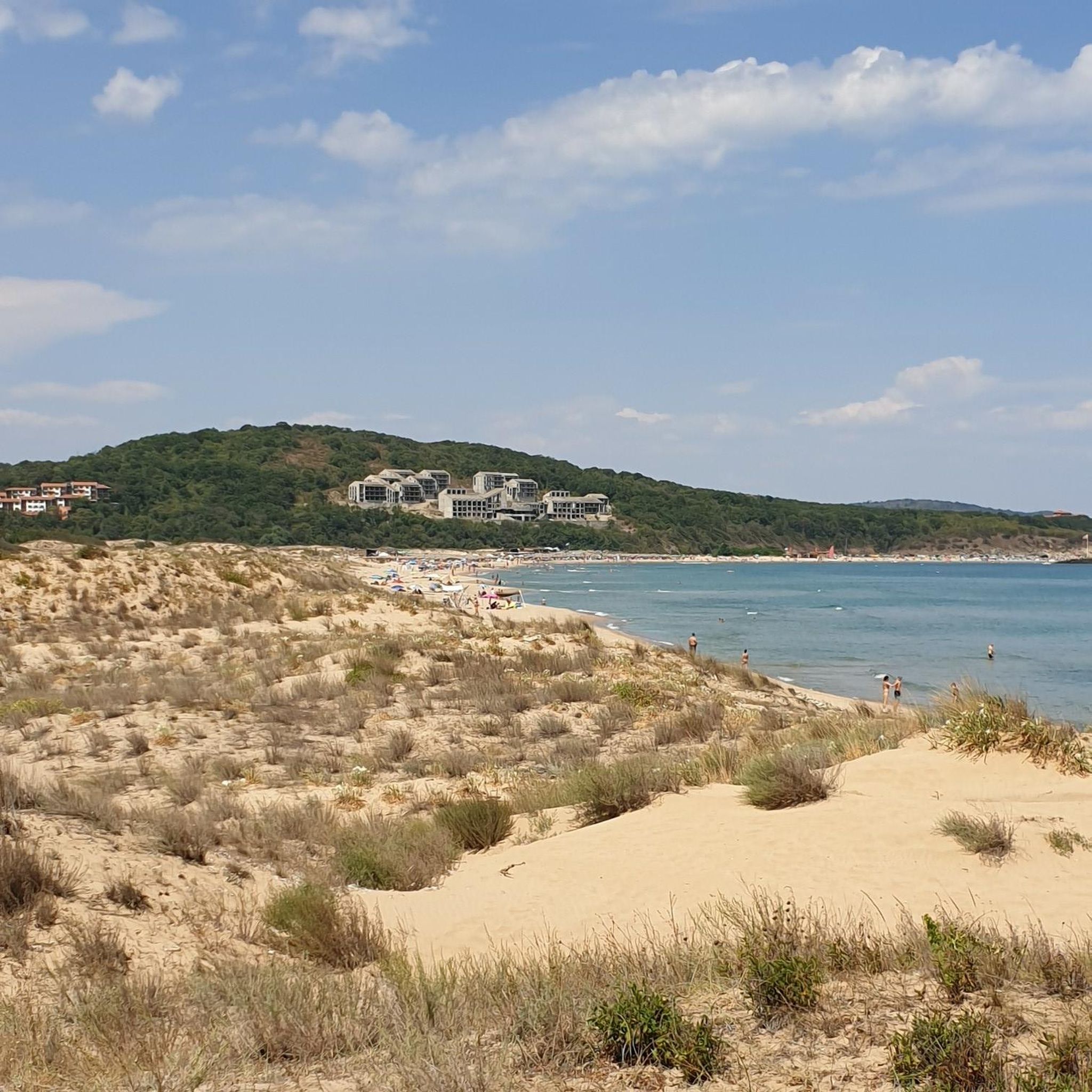
rather lonely beach, that's probably why there are one or two naked people
0
0
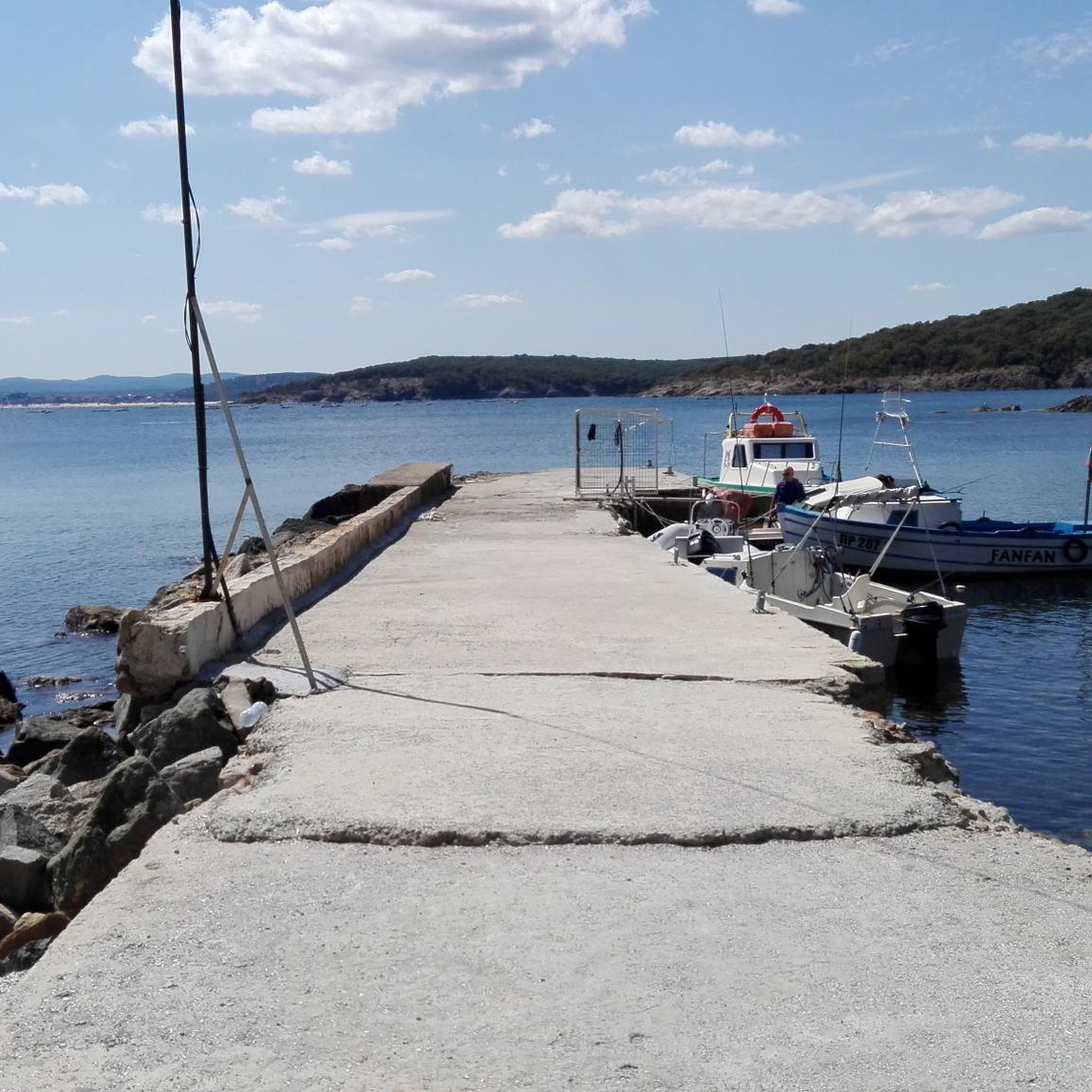
THE OLD PIER During the War of Liberation (1877-1878), under the leadership of Colonel Baykov, the capabilities of the Black Sea ports were explored, which were used to transfer large parts of the Russian army. There were two piers described in Anchialo (Pomorie), but only one of them was sufficient for military purposes. This pier was made of wood, with a depth of 25 sadzhena (2.34 m), a width of 5 paces, and a height above the water of 10 feet. Due to its favorable location—partially sheltered from northeast and east winds—the pier in Pomorle was chosen instead of the one in Burgas. Meanwhile, there were about 40-50 ships in the city, all of which were used to transfer Russian armies to steamships. This enabled the transport of thousands of soldiers from Anchialo to Odessa. Unfortunately, on January 20, 1915, as a result of a severe storm, the city pier collapsed. This posed obstacles to the export of local products, which consisted primarily of salt and wine. The municipal council decided to allocate 5,000 lv from its budget to build a new pier. They even developed a project, but due to the crisis and lack of funds in the years following World War I, the pier was completely destroyed. Finally, in 1924, during the vote on the 1924/1925 annual budget, the municipality decided to allocate a loan of 50,000 lv for the construction of a new harbor. 30 g Between 1961 and 1975, during the term of mayor Tsanko Stefanov, the seafront boulevard was built. As part of the coastal promenade, the old pier was also repaired. The wooden deck was replaced with reinforced concrete. The following decades saw the old pier exposed to the devastating effects of salt and moisture. For a long time, the pier was closed to visitors due to the danger of collapse. In 2015, during Mayor Ivan Aleksiev's first term (2011-2015), the old pier was renovated with funds allocated under the operational program for the development of the fishing sector. Since then, the pier has had a new vision and is ready to welcome residents and guests of the city, offering them a place for a stroll or relaxation.
0
0
Unfortunately, it's closed on weekends. Admission is 4 Lev (June 2025). But it's still worth taking a stroll through the complex and checking out the outdoor exhibits.
0
0
BREY AND HEALING MUD Blye is a product of salt harvesting (salt extraction) and contains only inorganic substances – sodium chloride, magnesium, potassium, sulfur, etc. It is obtained after evaporation and concentration of salts in the lake water during the salt extraction process. Black Sea brine has proven medicinal properties – it is used in the treatment and prevention of diseases related to the musculoskeletal system, skin inflammations and wounds, varicose veins, and colds. It is recommended for osteoarthritis, arthritis, tendonitis, discopathy, joint dislocation, and sciatica. It is best not to sit in the brine for more than 20-30 minutes to avoid overloading the heart. It is not recommended for the treatment of skin diseases or for cosmetic purposes. It is contraindicated for the epidermis and subcutaneous tissue. Healing mud is a sedimentary product of the closed salt lake. It is clean and homogeneous, dark gray to black in color and has the odor of hydrogen sulfide from the numerous putrefactive microorganisms. It contains inorganic compounds such as silicates, sand, gypsum, iron and aluminum compounds, various hydroxides, and salts. This composition has been formed for thousands of years by the putrefaction of single-celled organisms, algae, fish, crabs, and mussels. One centimeter of healing mud is formed over a period of at least one year. The essence of the healing mud treatment is a complex effect on the entire peripheral nervous system. Its thermal properties dilate blood vessels and open new capillaries. This reduces swelling and pain, heals and injures scars, and improves metabolic and regenerative processes. In addition to healing, the mud beautifies and rejuvenates, as calcium, iodine, phosphorus, and other minerals pass through the skin. It treats almost the entire spectrum of skin diseases, arthritis, herniated discs, gynecological problems, and plexitis. It is only contraindicated in cases of tuberculosis, sexually transmitted diseases, and malignant diseases. Apply the healing mud to all or part of the body and let it dry in the sun. Do not apply the mud to the heart area. You can apply it to the face, but it is not recommended to apply it to the entire head. Once the mud has dried on the skin, wash it off with seawater.
1
0
BREY AND THERAPY MUD Blye is a product of salt harvesting (salt extraction) and contains only inorganic substances – sodium chloride, magnesium, potassium, sulfur, etc. It is obtained after evaporation and concentration of salts in the lake water during the salt extraction process. Black Sea brine has proven medicinal properties – it is used in the treatment and prevention of diseases related to the musculoskeletal system, skin inflammations and wounds, varicose veins, and colds. It is recommended for osteoarthritis, arthritis, tendonitis, discopathy, joint dislocation, and sciatica. It is best not to sit in the brine for more than 20-30 minutes to avoid overloading the heart. It is not recommended for the treatment of skin diseases or for cosmetic purposes. It is contraindicated for the epidermis and subcutaneous tissue. Therapeutic mud is a sedimentary product of the closed salt lake. It is clean and homogeneous, dark gray to black in color and has the odor of hydrogen sulfide from the numerous putrefactive microorganisms. It contains inorganic compounds such as silicates, sand, gypsum, iron and aluminum compounds, various hydroxides, and salts. This composition has been formed for thousands of years by the putrefaction of single-celled organisms, algae, fish, crabs, and mussels. One centimeter of healing mud is formed over a period of at least one year. The essence of the healing mud treatment is a complex effect on the entire peripheral nervous system. Its thermal properties dilate blood vessels and open new capillaries. This reduces swelling and pain, heals and injures scars, and improves metabolic and regenerative processes. In addition to healing, the mud beautifies and rejuvenates, as calcium, iodine, phosphorus, and other minerals pass through the skin. It treats almost the entire spectrum of skin diseases, arthritis, herniated discs, gynecological problems, and plexitis. It is only contraindicated in cases of tuberculosis, sexually transmitted diseases, and malignant diseases. Apply the healing mud to all or part of the body and let it dry in the sun. Do not apply the mud to the heart area. You can apply it to the face, but it is not recommended to apply it to the entire head. Once the mud has dried on the skin, wash it off with seawater.
1
0
Frequently Asked Questions
How many touring cycling routes are available in Burgas Province?
There are over 50 touring cycling routes in Burgas Province, offering a wide range of options for different skill levels and preferences. The komoot community has rated these routes highly, with an average score of 4.6 stars.
What is the best time of year for touring cycling in Burgas Province?
The best time for touring cycling in Burgas Province is generally during the spring and autumn months when the weather is milder and more pleasant. Summer can be hot, especially along the coast, but still enjoyable for early morning or late afternoon rides. The region's diverse landscapes, from coastal paths to mountain trails, offer varied experiences throughout these seasons.
Are there family-friendly cycling routes in Burgas Province?
Yes, Burgas Province offers several easy routes suitable for families. For instance, the Burgas Kitesurfing Zone – Burgas Salt Pans & Mud Baths loop from Бургас Централна гара is an easy 11.6 km path that provides a gentle ride with interesting sights. The flat coastal paths around the Burgas Lakes are also excellent for family outings, offering scenic views and birdwatching opportunities.
What kind of terrain can I expect on touring cycling routes in Burgas Province?
Burgas Province features a diverse range of terrain. You can find flat, paved coastal paths perfect for relaxed rides, especially around the Burgas Lakes and the Sea Garden in Burgas. For more challenging adventures, the Strandzha Mountains offer rugged, unpaved trails with significant elevation changes, such as the Veleka Valley Trail loop from Primorsko, which is a difficult 112.8 km route.
Are there any circular touring cycling routes in the region?
Yes, many touring cycling routes in Burgas Province are designed as loops, allowing you to start and end at the same point. An example is the View of Panorama Beach loop from остров Свети Тома, a moderate 25.7 km route. These circular routes are convenient for day trips and exploring specific areas.
What natural features or wildlife can I expect to see while cycling?
Burgas Province is rich in natural beauty and wildlife, particularly around its extensive wetlands. The Burgas Lakes (Atanasovsko, Burgas, and Mandrensko) are critical birdwatching sites, especially along the Via Pontica migration route, where you might spot flamingos and pelicans. The Poda Protected Area is another internationally recognized birdwatching site. The Strandzha Mountains offer ancient forests and diverse flora and fauna. Consider routes like the Burgas Kitesurfing Zone – Burgas Salt Pans & Mud Baths loop from Владимир Павлов to experience the unique wetland environment.
What historical or cultural landmarks can I visit along the cycling routes?
Cyclists can explore numerous historical and cultural sites. The UNESCO World Heritage site of Nessebar, with its ancient architecture, is a must-see. The Nessebar — Ancient City – Tiara Beach loop from v.z. Zora takes you through this historic town. You can also visit the Burgas Salt Pans & Mud Baths, known for their therapeutic properties, or explore the Nessebar UNESCO World Heritage City itself. Other highlights include the Church of Christ Pantocrator, Nessebar and the Church of St. John Aliturgetos.
Are there any moderate touring cycling routes for intermediate riders?
Yes, Burgas Province has a good selection of moderate routes. The Helping Heart of Burgas – Burgas Opera House loop from Бургас-Товарна is a moderate 53 km route that offers a balanced challenge. Another option is the Tortoises on the Coastal Path – Salt Museum Pomorie loop from Nesebar, a 40.2 km route that combines coastal views with cultural stops.
Where can I find parking for my bike when starting a route?
Many routes in Burgas Province start from towns or popular attractions where parking facilities are available. For urban routes, parking can often be found near the Sea Garden or central areas of Burgas. When exploring routes in more rural areas or the Strandzha Mountains, it's advisable to check specific route details on komoot for recommended starting points and parking information.
Can I use public transport with my bike in Burgas Province?
While specific regulations for bikes on public transport can vary, local buses and trains in Bulgaria generally have limited capacity for bicycles, especially during peak hours. It's best to check with the specific transport provider beforehand. For shorter distances, cycling directly to your starting point or using a bike rack on a private vehicle might be more convenient.
What are some challenging touring cycling routes for experienced riders?
For experienced riders seeking a challenge, the Strandzha Mountains offer demanding routes with significant elevation gain. The Veleka Valley Trail loop from Primorsko, a difficult 112.8 km route with over 1500 meters of elevation gain, is a prime example. Another difficult option is the Bike loop from Sinemorets, a 24.8 km route with nearly 300 meters of ascent, offering rugged terrain and stunning views.
Are there good viewpoints along the cycling routes in Burgas Province?
Yes, Burgas Province offers many scenic viewpoints, especially along its coastline and in the Strandzha Mountains. Coastal routes often provide panoramic views of the Black Sea. For example, the Tiara Beach – Hadjiyska River loop from Sunny Beach Resort offers coastal vistas. In the mountains, routes like the Veleka Valley Trail provide elevated perspectives of the ancient forests and diverse landscapes. The Cape Emona is also a notable viewpoint.
Most popular routes in Burgas Province
Most popular attractions in Burgas Province

Get inspired with the komoot mobile app


Didn’t find what you were looking for?
Check out more Cycling routes throughout Burgas Province below and find the perfect route in your destination.
Explore more
Browse the best Cycling routes in other regions.
