Attractions and Places To See around Ampney Crucis - Top 20
Attractions and places to see around Ampney Crucis offer a blend of historical sites and natural beauty within the Cotswolds. This picturesque village in Gloucestershire is characterized by its tranquil setting, with the Ampney Brook flowing through it and a notable 12th-century church. The surrounding area provides opportunities to explore ancient landmarks and scenic landscapes.
Best attractions and places to see around Ampney Crucis
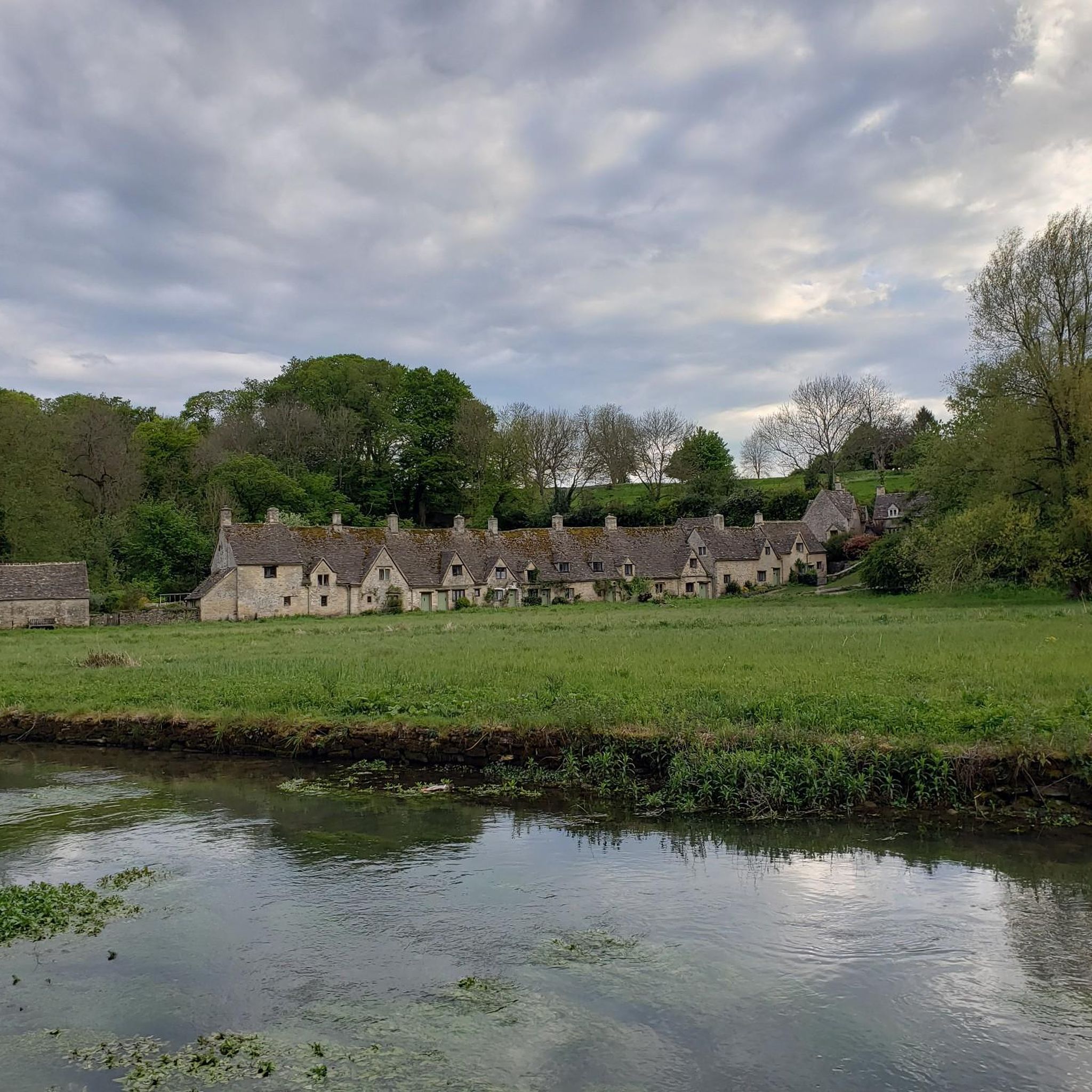
- The most popular attraction is Arlington Row, Bibury, a man-made monument consisting of 17th-century cottages. It is often cited as a prime example of traditional Cotswold architecture, overlooking the tranquil River Coln.
- Another must-see spot is St Mary's Church, Bibury, a historical and religious building. This Grade I-listed Anglo-Saxon church, first established in 899, features Norman doorway arches, a 13th-century font, and Saxon chancel columns.
- Visitors also love Chedworth Roman Villa, a historical site built between the 2nd and 4th centuries. This site provides insight into Roman Britain, featuring underfloor heating and preserved mosaics.
- Ampney Crucis is known for its historical sites, natural features, and cultural landmarks. Visitors can explore ancient churches, Roman villas, and picturesque village settings.
- The attractions around Ampney Crucis are appreciated by the komoot community, with more than 150 upvotes and 95 photos shared.
Last updated: September 26, 2026
Arlington Row, Bibury
Highlight • Monument
Tip by

St Mary's Church, Bibury
Highlight • Historical Site
Tip by

Sign up now to discover places like this
Get recommendations on the best single tracks, peaks, & plenty of other exciting outdoor places.
Chedworth Roman Villa
Highlight • Historical Site
Tip by

NCN Route 45: South Cerney to Cricklade
Highlight (Segment) • Cycleway
Tip by

Daglingworth Gravel Track
Highlight (Segment) • Natural
Tip by

Sign up for free to discover even more attractions around Ampney Crucis.
Already have an account?
Start today with a free account
Your next adventure awaits.
Tips from the Community

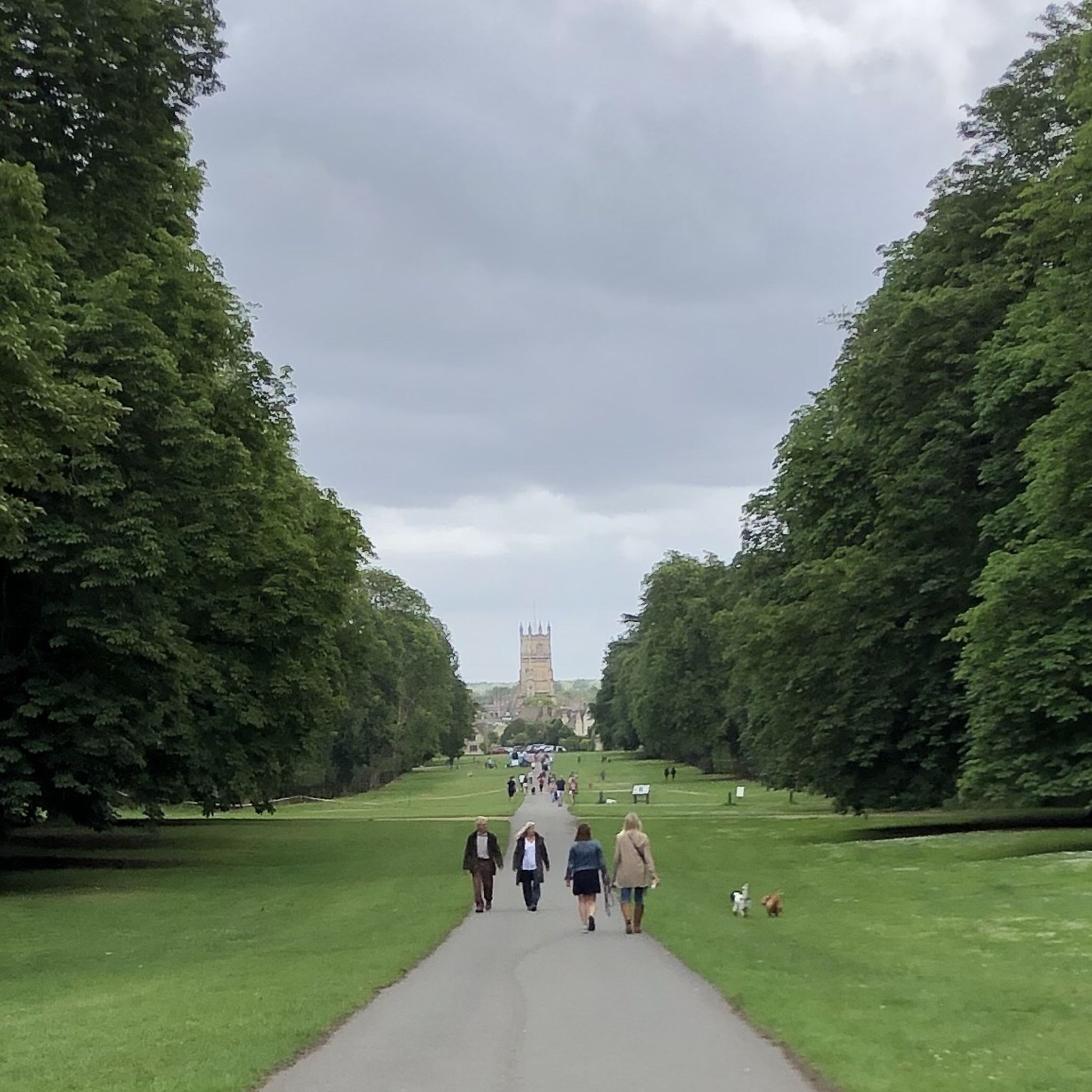
This was on our circular cycling route and provided a great coffee stop. The site itself was too good to miss and as we are NT members, we took the opportunity to look around. Fascinating historical site, well preserved mosaics. Don’t miss. However, if you are not a NT member, it may be expensive as a stop off.
0
0

Beautiful, peaceful church with a long and fascinating history, first established in 899 and now a Grade I-listed Anglo-Saxon church built in the 11th century and added to over the centuries.
1
0

"Bibury is a village and civil parish in Gloucestershire, England. It is on the River Coln, a Thames tributary that rises in the same (Cotswold) District. The village centre is 6+1⁄2 miles (10.5 kilometres) northeast of Cirencester. Arlington Row is a nationally notable architectural conservation area depicted on the inside cover of some British passports. It is a major destination for tourists visiting the traditional rural villages, tea houses and many historic buildings of the Cotswold District; it is one of six places in the country featured in Mini-Europe, Brussels. In the Domesday Book (1086), a record of survey done under William the Conqueror, the place is named Becheberie, and it is recorded that the lands and church in Bibury were held by St. Mary's Priory at Worcester, from whom it passed in 1130 to the Abbey of Osney, near Oxford: the Abbey continued to hold it until its dissolution in 1540." Source: Wikipedia https://en.m.wikipedia.org/wiki/Bibury
1
0
"The Cotswolds is home to some fine churches, and Bibury is no exception. The first church in Bibury was established in 899 and the Grade I listed Anglo-Saxon church which stands today was built in the middle to late 11th century with further work in subsequent centuries. Bibury is best known for Arlington Row and the Bibury Trout Farm, but make sure you wander down the river, past the almshouses, and make your way to the oldest part where you will find the Church. This lovely church, away from the honeypot of Arlington Row, can feel like an oasis of calm where you can take in Norman doorway arches, a 13th century font, Saxon chancel columns, capitals and gravestones, 17th-century table tombs a 15th-century roof and 18th-century wall monuments." Source: Explore Bibury
1
0

Bibury is often titled the most beautiful village in the whole of the UK, and for good reason, Its idyllic beauty and quintessential British charm make it really stand out from the crowd. Perhaps the most iconic feature of this delightful little village is Arlington Row, a row of 17th century cottages which overlook the tranquil River Coln.
3
0

The Anglican Church of St Mary at Bibury in the Cotswold District of Gloucestershire, England, was built in the 11th century. It is a grade I listed building
0
0

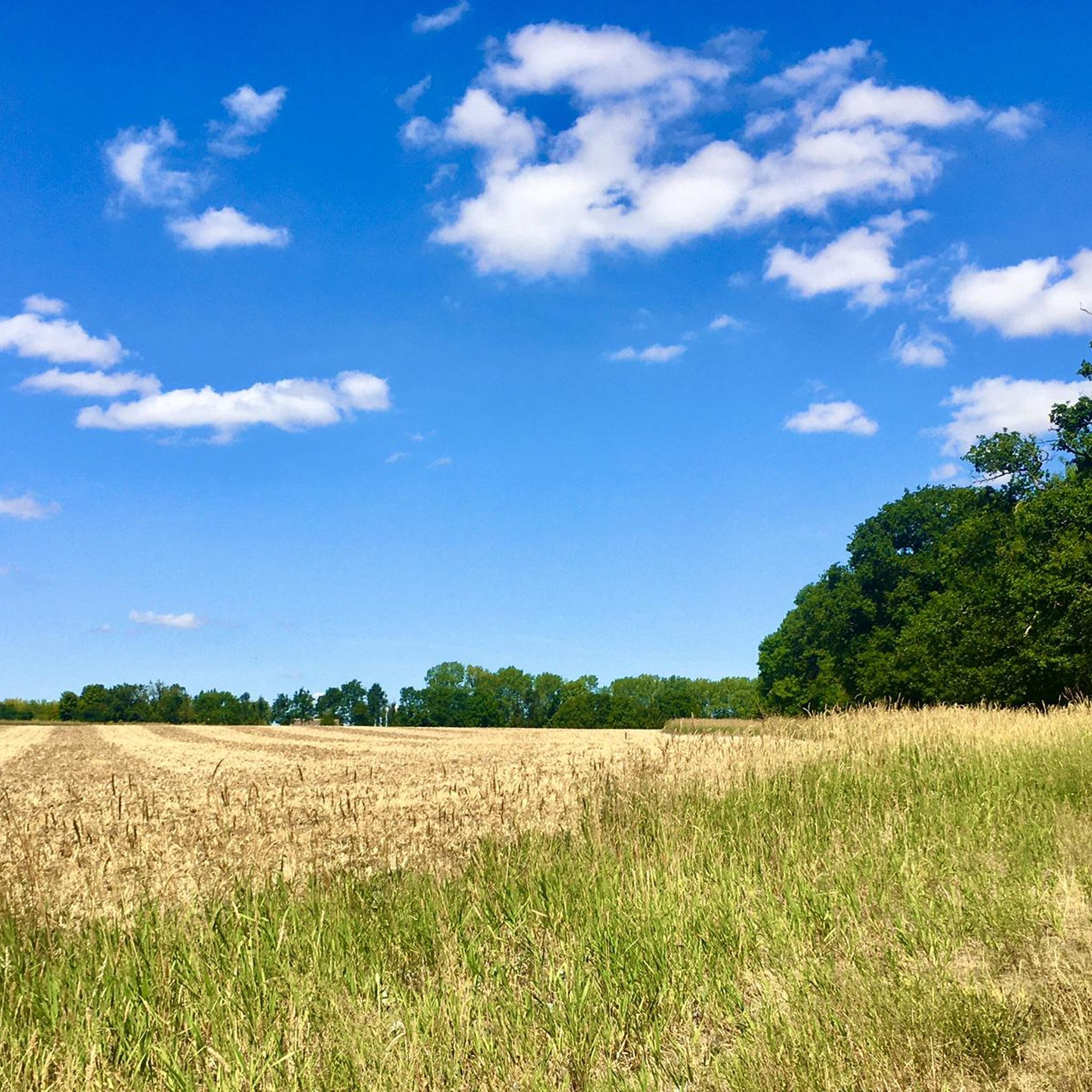
Lovely gravel track connecting Welsh Way to Daglingworth via Quarry
0
0

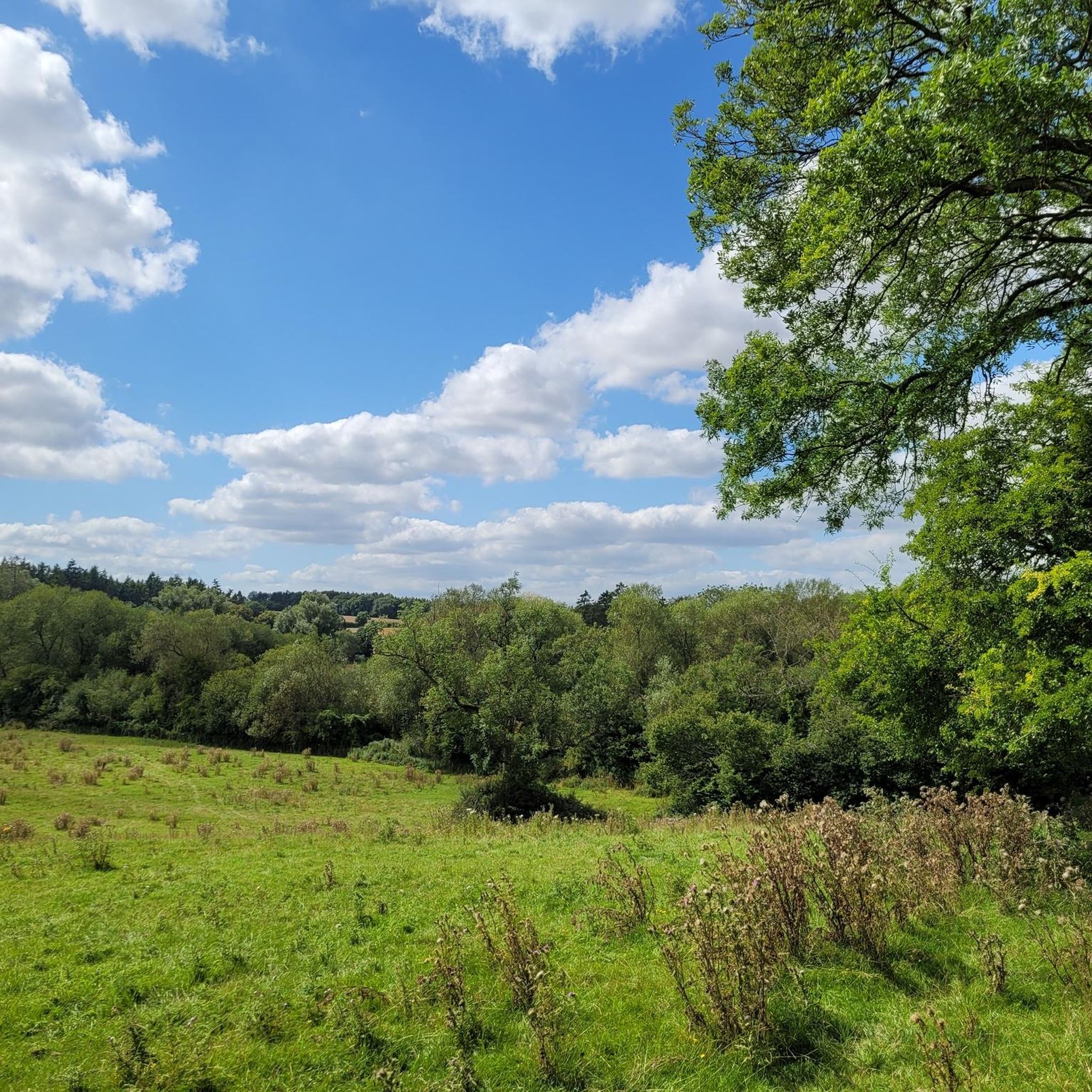
Good going in the dry, not bad in the wet, experienced this track the day before storm Eunice hit in March 2022, wet and winder but surface we fantastic. Part of an old disused railway that is slowly being brought back into use, some sections of the cycle path were closed due to works being carried out on restoring the old line so be aware if you plan to use this route. https://swindon-cricklade-railway.org
0
1
Frequently Asked Questions
What historical sites can I explore in and around Ampney Crucis?
Ampney Crucis is rich in history. Within the village, you can visit the 12th-century Church of the Holy Rood, known for its medieval wall paintings and Saxon door remnants, and the 15th-century Ampney Crucis Cross in its churchyard. Nearby, don't miss Chedworth Roman Villa, a significant historical site built between the 2nd and 4th centuries, featuring preserved mosaics and underfloor heating. Also, St Mary's Church, Bibury, an Anglo-Saxon church established in 899, offers a glimpse into early medieval architecture.
Are there any natural attractions or scenic spots near Ampney Crucis?
Yes, Ampney Crucis is nestled in a picturesque natural setting. The Ampney Brook, a tributary of the River Thames, flows gracefully through the village. You can also enjoy the scenic Picturesque Village Green. The wider Crucis Park Estate, a 600-acre private estate, features parkland, farmland, and wooded areas, providing habitats for diverse wildlife like red kites, buzzards, and deer.
What are some family-friendly activities or attractions in the area?
For families, the area offers several engaging options. Arlington Row, Bibury, with its charming 17th-century cottages, is a delightful place to visit. Chedworth Roman Villa provides an educational and interactive experience for all ages, showcasing Roman history. The tranquil setting of the village and its surrounding natural features also make it ideal for gentle walks and exploring the outdoors with children.
Where can I go for a walk or hike around Ampney Crucis?
There are numerous opportunities for walking and hiking. You can find a variety of trails, from easy strolls to more challenging routes, in the surrounding Cotswolds landscape. For detailed routes and options, explore the Hiking around Ampney Crucis guide, which includes routes like the 'Abbey Grounds Park – Cafe Mosaic loop from Cirencester' and the 'Arlington Row, Bibury loop'.
Are there easy walking trails suitable for all abilities?
Absolutely. If you're looking for less strenuous options, the Easy hikes around Ampney Crucis guide features routes such as the 'Bibury & River Colne loop' and shorter loops around Arlington Row, Bibury. These trails are generally well-suited for a leisurely pace and offer beautiful scenery.
Can I go cycling or gravel biking near Ampney Crucis?
Yes, the area is excellent for cycling. You can find dedicated routes like the NCN Route 45: South Cerney to Cricklade, which follows an old railway line. For more gravel biking specific routes, consult the Gravel biking around Ampney Crucis guide, which lists routes like the 'Lakefront Café at the Dock loop from South Cerney' and the 'Daglingworth Gravel Track – Chedworth Roman Villa loop'.
What is Ampney Park and can I visit it?
Ampney Park is a Grade II listed manor house dating back to the late 1500s, with significant 18th and 19th-century additions. The estate features extensive gardens, including traditional knot gardens, a rose garden, and a lavender walk, as well as a lake and natural forests. While it is a private estate, its historical significance and beautiful grounds are a notable feature of the village.
Where can I find local amenities like pubs or accommodation?
Ampney Crucis offers local amenities for visitors. The Crown at Ampney Brook is a cozy country pub known for its hearty meals and lively atmosphere. There is also a Riverside Hotel in the village, providing accommodation in a scenic setting for those looking to stay overnight.
What is the significance of the Ampney Crucis Cross?
The Ampney Crucis Cross, located in the churchyard of the Holy Rood, is a remarkable 15th-century cross. It is particularly noted for its well-preserved carvings. Historically, its head was hidden for centuries to protect it during periods of religious upheaval and was only rediscovered and reinstalled in 1860, making it a significant local landmark.
What kind of wildlife can be spotted in the Ampney Crucis area?
The natural areas around Ampney Crucis, particularly within the Crucis Park Estate, are home to diverse wildlife. Visitors might spot various bird species such as red kites, buzzards, and sparrowhawks, as well as deer and owls. The estate's commitment to sustainability and extensive tree planting supports this rich biodiversity.
What do visitors enjoy most about the attractions around Ampney Crucis?
Visitors particularly appreciate the blend of historical charm and natural beauty. The iconic 17th-century cottages of Arlington Row, Bibury, are often cited as a highlight, embodying the quintessential Cotswold aesthetic. The historical depth of sites like Chedworth Roman Villa and the tranquil atmosphere of the village itself are also highly valued.
Are there any unique natural features or geological points of interest nearby?
Yes, the Daglingworth Gravel Track, while a route, passes by the Daglingworth Quarry. This area is known for its geological significance, with a wide variety of fossils, including oysters, scallops, and sea urchins, found within its limestone formations. Rare plant fragments and even dinosaur footprints have been discovered here, offering a unique natural and historical insight.
Most popular routes around Ampney Crucis
Most popular attractions around Ampney Crucis

Get inspired with the komoot mobile app


Explore more
Still not found the Highlight you’re looking for? See guides of the top attractions in other regions:
