Attractions and Places To See around Corse - Top 20
Best attractions and places to see around Corse include a variety of historical sites, natural monuments, and religious buildings. The region offers opportunities to explore ancient hillforts, unique geological formations, and significant architectural landmarks. With more than 20 notable spots, Corse provides diverse points of interest for visitors.
Best attractions and places to see around Corse
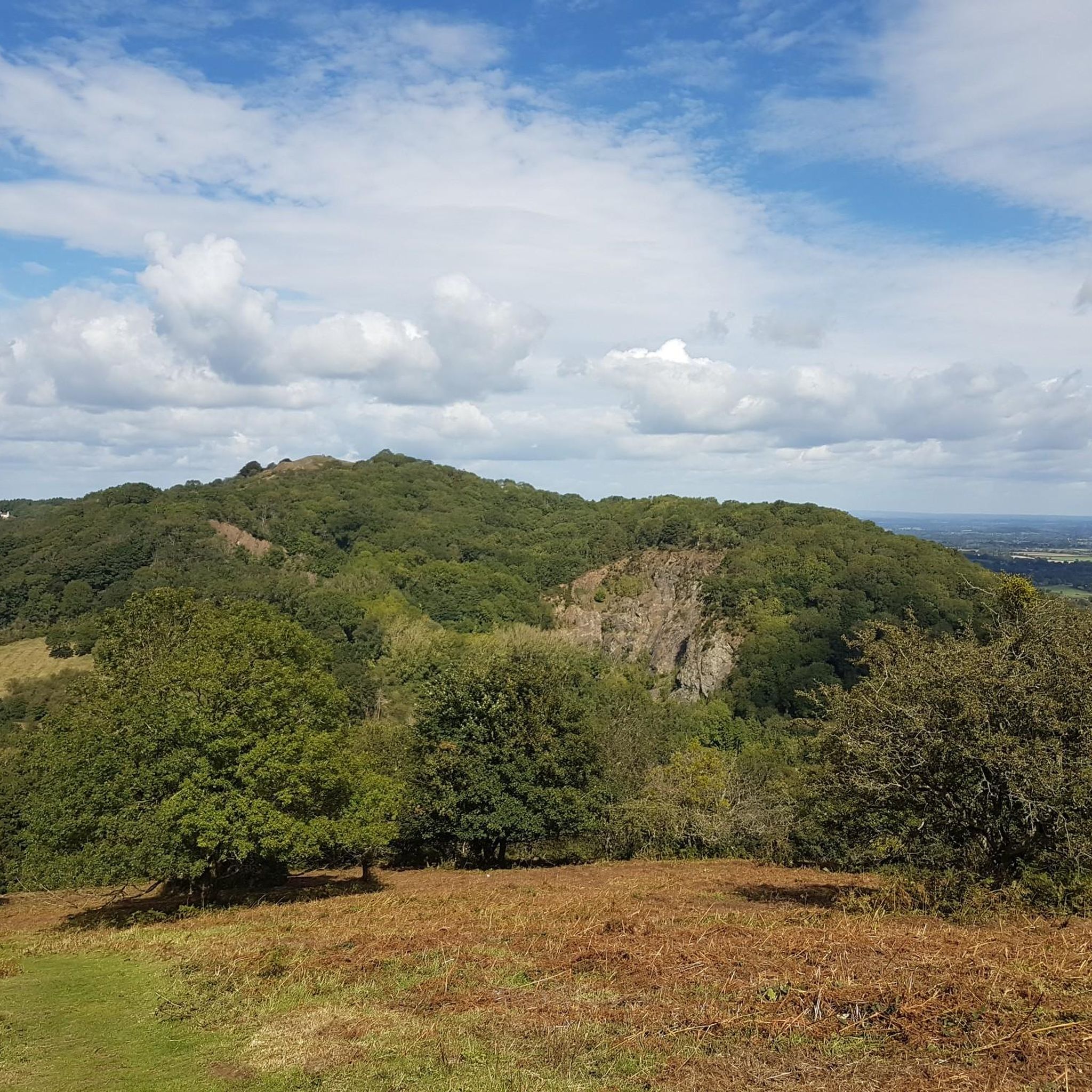
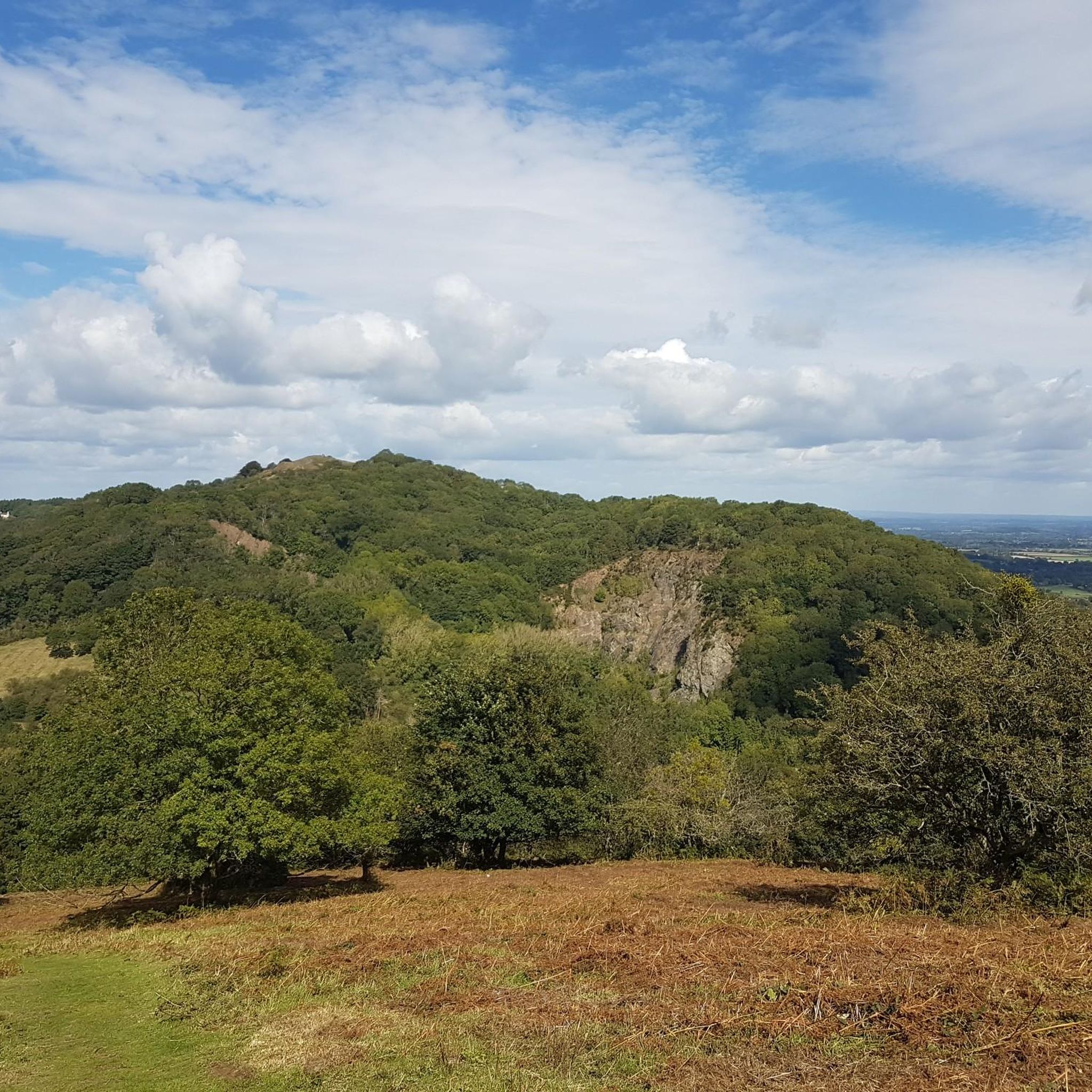
- The most popular attractions is Midsummer Hill Iron Age Hillfort, a historical site that rises in the southern part of the Malvern Hills. It provides extensive views, with Eastnor Castle visible in the Herefordshire countryside.
- Another must-see spot is Gloucester Cathedral, a religious building. This magnificent Grade I-listed building has been a place of worship for more than 1,300 years and features Norman and Gothic architecture.
- Visitors also love Tewkesbury Abbey, a religious building and historical site. Originally founded as a Benedictine Abbey in 1087, it showcases wonderful Norman architecture and 15th-century stained glass windows.
- Corse is known for its historical sites, religious buildings, and natural monuments. The region offers a variety of attractions to see and explore, from ancient fortifications to significant architectural works and scenic viewpoints.
- The attractions around Corse are appreciated by the komoot community, with more than 80 upvotes and 30 photos contributed by visitors.
Last updated: July 6, 2026
Midsummer Hill Iron Age Hillfort
Highlight • Historical Site
Tip by

Clutter's Cave
Highlight • Viewpoint
Tip by

Sign up now to discover places like this
Get recommendations on the best single tracks, peaks, & plenty of other exciting outdoor places.
Sign up for free
Gloucester Cathedral
Highlight • Religious Site
The unique cathedral has also featured in Doctor Who and Sherlock as well as Harry Potter.
You can visit the cathedral and discover its 1,000 years of history from 7.30am - 6pm daily. There is also a cafe and a gift shop. You can find more information, here: gloucestercathedral.org.uk
Tip by

Gullet Quarry
Highlight • Natural
Tip by

Tewkesbury Abbey
Highlight • Religious Site
Tip by

Sign up for free to discover even more attractions around Corse.
Sign up for free
Already have an account?
Start today with a free account
Your next adventure awaits.
Login or Signup

Tips from the Community

Powerful building. Impressive.
2
0

Lovely quarry and very to follow the route up to the top.
0
0
Small little cave but great to get out of the rain/sun for a quick drink and snack.
0
0

One of the finest hills in the Malverns with it's Iron Age Hillfort (yes another one on the Malverns!), and superb views west across Eastnor Park. It used to be heavily wooded on the Eastern Side, but Ash Die-back disease has caused a huge number of large mature Ash trees to be felled in recent times. This is still a hill to be savoured and you will not see too many people here either.
0
0
This is quite a spectacular place but quite rightly the Conservators and local authorities have securely fenced it off as there have been a large number of drownings here over the years. People have jumped off the low cliffs inot the freezing cold water and have also collided with old machinery and vehicles that are hidden under the water.
0
0

From Myseries of Mercia - a book and facebook page.... A mysterious cave on the Malvern hills and an enormous lump of stone in a nearby village...what connects them? This is Clutters Cave, an apparently man-made grotto within a volcanic basalt outcrop. Very little is known about it, not least who on earth "Clutter" was, but it's been mentioned in connection with various points in history going back to the medieval age. Folklore claims that Owain Glyndwr, the legendary Welsh hero, hid in Clutters Cave after his abortive attempt to invade England and retreat from North Worcestershire. He was never seen again so it's as good a story as any. I've also been told that a hermit once lived in the cave, dispensing blessings and wisdom to those who climbed up the hills to see him. Alfred Watkins, author of The Old Straight Track and father of the ley line concept, reckoned he had found a "door" to the cave a few yards away in a nearby gulley which was used as a "sacrificial stone" by "druids". He even got his assistant McKaig to lie on it as a "victim" to prove his point. Unfortunately for Watkins, we know that at least part of his theory was wide of the mark as his cave door is of a completely different type of rock. So what about the big rock? This lies at the centre of the village of Colwall and folklore gives us a reason for its presence. Another name for Clutters Cave is "Giant's Cave" and the story goes that this giant lived on the Malvern Hills with his human wife. One day he saw a man flirting with his good lady down in the valley where Colwall now lies. Erupting with rage as he watched the two of them giggling, he dug his hands into the rock and scooped out an enormous lump which he hurled at the pair down below, crushing them both. It was said that they lay under the rock for centuries until someone dragged it away to clear the obstruction, whereupon the giant put it back into place the next night! Strangely, there is a record of a payment made to a local man to drag the current stone into position to replace "the stone that once stood there". Some say that Clutters Cave is actually a Victorian folly, but nobody has any idea when it appeared. I find this unlikely as although Alfred Watkins did misidentify a few sites he surely would have been aware of something being just a few decades old. I've also seen a reference to it in a novel from 1883 and in the journal of the Royal Anthropological Institute from 1881, neither of which dismiss it as a folly.
0
0

Midsummer Hill rises in the southern part of the Malvern Hills and is a very worthy objective. Site of a former hillfort, along with neighbouring Hollybush Hill, it provides extensive views, with the impressive Eastnor Castle visible in the Herefordshire countryside. A hike to the top could be combined with Herefordshire Beacon to the north, or a longer outing traversing the entire Malvern ridge.
0
0

Frequently Asked Questions
What historical sites can I explore around Corse?
The region around Corse is rich in history. You can visit Midsummer Hill Iron Age Hillfort, an ancient fortification offering extensive views. Additionally, Gloucester Cathedral and Tewkesbury Abbey are significant religious buildings with deep historical roots, showcasing Norman and Gothic architecture.
Are there any natural landmarks or viewpoints to visit near Corse?
Yes, the area offers several natural attractions. Midsummer Hill Iron Age Hillfort provides extensive views over the Herefordshire countryside. For a unique geological feature, explore Clutter's Cave, a man-made grotto within a volcanic basalt outcrop, offering beautiful views over the Herefordshire countryside and the River Severn valley. Gullet Quarry is also a notable natural monument with clear turquoise waters and towering cliffs.
What are the best places for hiking with stunning views around Corse?
For stunning views, consider hiking to Midsummer Hill Iron Age Hillfort, which is part of the Malvern Hills and offers panoramic vistas. The area around Clutter's Cave also provides excellent views over the Herefordshire countryside and towards the Cotswolds from the ridge.
Are there family-friendly attractions in the Corse area?
Yes, both Gloucester Cathedral and Tewkesbury Abbey are listed as family-friendly attractions. They offer rich history and impressive architecture that can be enjoyed by all ages.
What kind of architecture can I expect to see in the religious buildings around Corse?
The religious buildings in the area showcase magnificent architecture. Gloucester Cathedral features a blend of Norman and Gothic styles, having been a place of worship for over 1,300 years. Tewkesbury Abbey is a prime example of wonderful Norman architecture, with some 15th-century stained glass windows still intact.
Can I find outdoor activities like cycling or running near the attractions in Corse?
Yes, the region offers various outdoor activities. For cycling, you can explore routes like the 'Pendock Cross Church – St George's Bakery Garden loop' or the 'Climb to the Wind Turbine – Forest Bakehouse Longhope loop'. Running enthusiasts can find trails such as the 'Ashleworth Hub Café – Pond on Ham Road loop' or the 'History of Hartpury – Short, Steep Rural Climb loop'. You can find more details on these and other routes in the Road Cycling Routes around Corse, Cycling around Corse, and Running Trails around Corse guides.
What is unique about Clutter's Cave?
Clutter's Cave, also known as Giant's Cave, is a fascinating man-made grotto excavated into pillow lavas, which are remnants of a 600-million-year-old underwater volcanic eruption. Folklore suggests it was a hiding place for Owain Glyndwr or home to a hermit. It also offers beautiful views over the Herefordshire countryside.
What is the significance of Gullet Quarry?
Gullet Quarry is a natural monument known for its clear turquoise waters and towering cliffs. Geologically, its main face shows a cross-section through most of the Precambrian rock that forms the core of the Malvern Hills, displaying various rock types and evidence of complex earth movements.
Are any of the attractions around Corse accessible for wheelchair users?
Yes, Gloucester Cathedral is listed as wheelchair accessible, making it a welcoming historical and religious site for all visitors.
What do visitors particularly enjoy about the attractions near Corse?
Visitors appreciate the extensive views from historical sites like Midsummer Hill Iron Age Hillfort. The magnificent architecture and rich history of Gloucester Cathedral and Tewkesbury Abbey are also highly valued. The unique geological features and scenic beauty of places like Clutter's Cave and Gullet Quarry also receive positive feedback.
What is the history behind Tewkesbury Abbey?
Tewkesbury Abbey was originally founded as a Benedictine Abbey in 1087. After the dissolution of the monasteries, it became the parish church. It is renowned for its wonderful Norman architecture and features stained glass windows that have survived from the 15th century.
What is the best way to experience the Malvern Hills near Corse?
The Malvern Hills offer numerous opportunities for exploration. A hike to the top of Midsummer Hill Iron Age Hillfort provides extensive views and can be combined with other peaks like Herefordshire Beacon for a longer outing traversing the entire Malvern ridge. The area around Clutter's Cave also offers great hiking with scenic vistas.
Most popular attractions around Corse

Get inspired with the komoot mobile app


Explore more
Still not found the Highlight you’re looking for? See guides of the top attractions in other regions:
