The best running trails around Redmarley D'Abitot
4.4
(19)
2,236
runners
192
runs
Jogging routes around Redmarley D'Abitot traverse a landscape characterized by rolling hills and extensive woodlands. The region offers a mix of gentle paths and more challenging ascents, providing varied terrain for runners. These routes often lead through quiet rural areas, connecting small hamlets and natural features.
Best jogging routes around Redmarley D'Abitot
- The most popular jogging route is Millennium Hill – Swinyard Hill loop from Bromesberrow, a 10.5 miles (17.0 km) trail that takes 2 hours 10 minutes to…
Last updated: July 6, 2026
29
runners
16.9km
02:10
680m
680m
Hard run. Very good fitness required. Mostly paved surfaces. Suitable for all skill levels.
12
runners
6.02km
00:38
40m
40m
Moderate run. Good fitness required. Mostly paved surfaces. Suitable for all skill levels.

Sign up for free
6
runners
14.4km
01:32
130m
130m
Moderate run. Good fitness required. Mostly paved surfaces. Suitable for all skill levels.
6
runners
11.6km
01:19
110m
110m
Moderate run. Good fitness required. Mostly paved surfaces. Suitable for all skill levels.
4
runners
9.07km
00:57
90m
100m
Moderate run. Good fitness required. Mostly paved surfaces. Suitable for all skill levels.
Get access to more routes and recommendations from other explorers.
Sign up for free
Already have an account?
Our route recommendations are based on thousands of hikes, rides, and runs completed by other people on komoot.
Start today with a free account
Your next adventure awaits.
Login or Signup
Tips from the Community

Small little cave but great to get out of the rain/sun for a quick drink and snack.
0
0

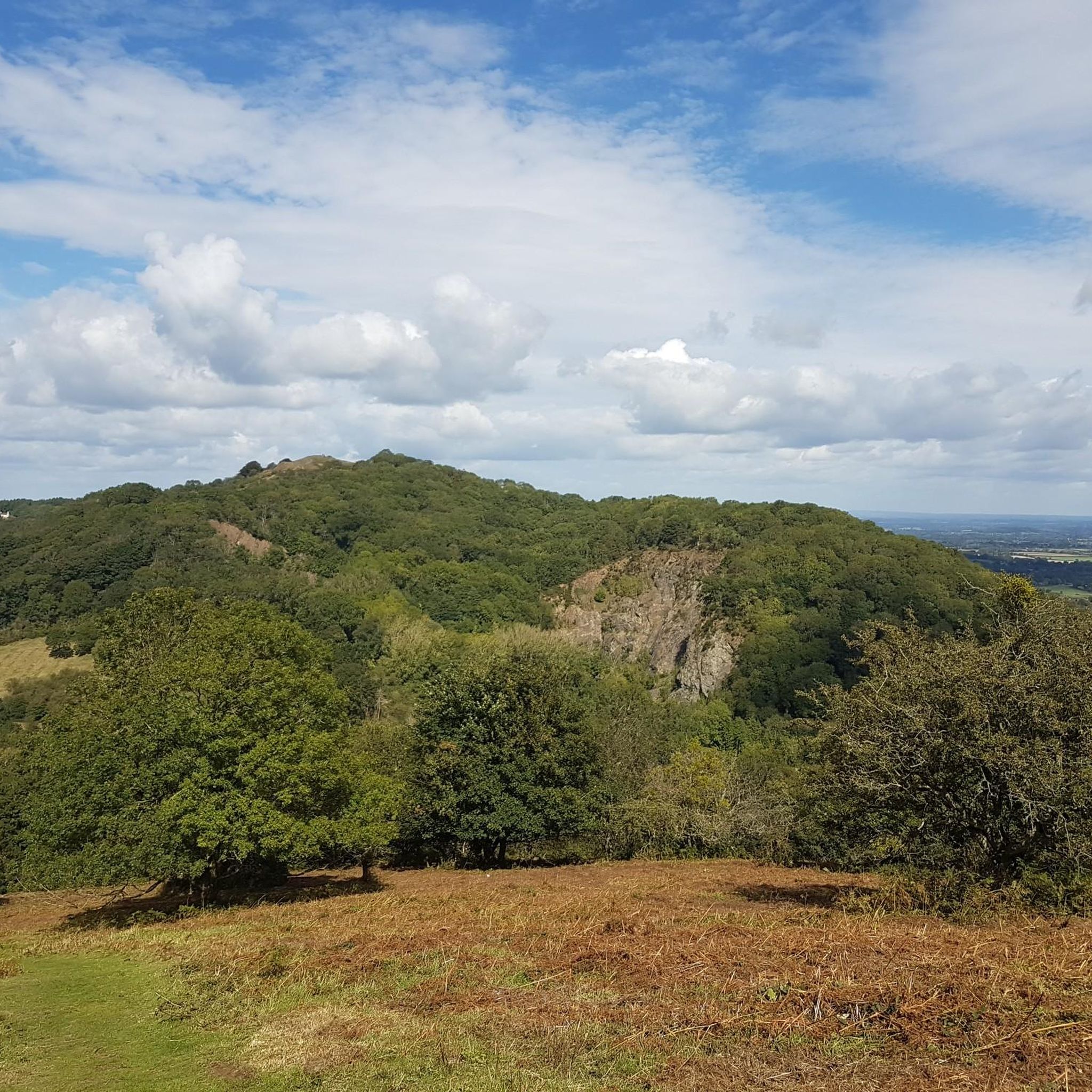
One of the finest hills in the Malverns with it's Iron Age Hillfort (yes another one on the Malverns!), and superb views west across Eastnor Park. It used to be heavily wooded on the Eastern Side, but Ash Die-back disease has caused a huge number of large mature Ash trees to be felled in recent times. This is still a hill to be savoured and you will not see too many people here either.
0
0
The other end of Hereford beacon, with good views of the Eastnor Estate with it's obelisk.
0
0
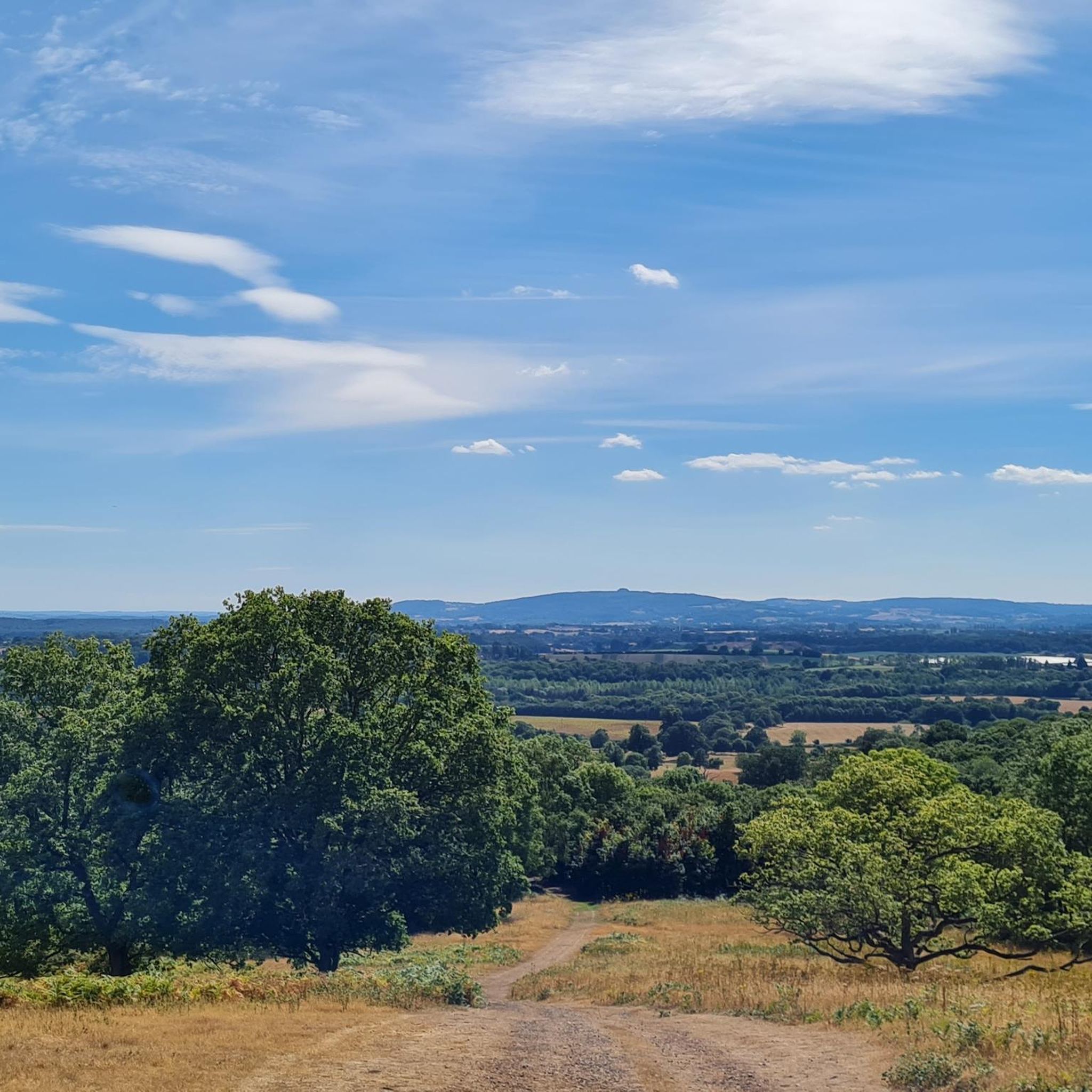
The southern end of the Malverns are steeper and more wooded, though Ash Dieback has done for many trees. Great views to the west over Eastnor towards the Black Mountains on the Welsh border.
0
0

From Myseries of Mercia - a book and facebook page.... A mysterious cave on the Malvern hills and an enormous lump of stone in a nearby village...what connects them? This is Clutters Cave, an apparently man-made grotto within a volcanic basalt outcrop. Very little is known about it, not least who on earth "Clutter" was, but it's been mentioned in connection with various points in history going back to the medieval age. Folklore claims that Owain Glyndwr, the legendary Welsh hero, hid in Clutters Cave after his abortive attempt to invade England and retreat from North Worcestershire. He was never seen again so it's as good a story as any. I've also been told that a hermit once lived in the cave, dispensing blessings and wisdom to those who climbed up the hills to see him. Alfred Watkins, author of The Old Straight Track and father of the ley line concept, reckoned he had found a "door" to the cave a few yards away in a nearby gulley which was used as a "sacrificial stone" by "druids". He even got his assistant McKaig to lie on it as a "victim" to prove his point. Unfortunately for Watkins, we know that at least part of his theory was wide of the mark as his cave door is of a completely different type of rock. So what about the big rock? This lies at the centre of the village of Colwall and folklore gives us a reason for its presence. Another name for Clutters Cave is "Giant's Cave" and the story goes that this giant lived on the Malvern Hills with his human wife. One day he saw a man flirting with his good lady down in the valley where Colwall now lies. Erupting with rage as he watched the two of them giggling, he dug his hands into the rock and scooped out an enormous lump which he hurled at the pair down below, crushing them both. It was said that they lay under the rock for centuries until someone dragged it away to clear the obstruction, whereupon the giant put it back into place the next night! Strangely, there is a record of a payment made to a local man to drag the current stone into position to replace "the stone that once stood there". Some say that Clutters Cave is actually a Victorian folly, but nobody has any idea when it appeared. I find this unlikely as although Alfred Watkins did misidentify a few sites he surely would have been aware of something being just a few decades old. I've also seen a reference to it in a novel from 1883 and in the journal of the Royal Anthropological Institute from 1881, neither of which dismiss it as a folly.
0
0


Midsummer Hill rises in the southern part of the Malvern Hills and is a very worthy objective. Site of a former hillfort, along with neighbouring Hollybush Hill, it provides extensive views, with the impressive Eastnor Castle visible in the Herefordshire countryside. A hike to the top could be combined with Herefordshire Beacon to the north, or a longer outing traversing the entire Malvern ridge.
0
0

Stone waymarker on Shire Ditch below Swinyard Hill.
0
0
Frequently Asked Questions
How many running routes are available around Redmarley D'Abitot?
There are over 190 running routes available around Redmarley D'Abitot, catering to various fitness levels. The area features a mix of easy, moderate, and difficult trails.
Are there easy running routes suitable for beginners in Redmarley D'Abitot?
Yes, Redmarley D'Abitot offers a selection of easy running routes perfect for beginners. While specific easy routes aren't detailed here, the region has 16 routes classified as easy, providing gentle paths through the countryside.
What is the typical length of running trails in the Redmarley D'Abitot area?
The running trails around Redmarley D'Abitot vary significantly in length. For example, the Pendock Cross Church loop from Pendock is a moderate 3.9 miles (6.2 km), while the challenging Millennium Hill – Swinyard Hill loop from Bromesberrow extends to 10.5 miles (17.0 km).
Can I bring my dog on the running trails around Redmarley D'Abitot?
Generally, dogs are welcome on most public footpaths and trails in the Redmarley D'Abitot area. However, as many routes pass through rural areas with livestock, it's always best to keep your dog on a lead and ensure they are under control. Always check local signage for any specific restrictions.
Are there any circular running routes in Redmarley D'Abitot?
Yes, many of the running routes in Redmarley D'Abitot are circular, allowing you to start and finish at the same point. Examples include the Princehill Wood – Collinpark Wood loop from Redmarley D'Abitot and the Grove Coppice – Ever Hill Coppice loop from Redmarley D'Abitot.
What kind of terrain can I expect on the running routes?
The terrain around Redmarley D'Abitot is characterized by rolling hills and extensive woodlands. You'll encounter a mix of gentle paths, woodland trails, and some more challenging ascents, particularly on routes like the Millennium Hill – Swinyard Hill loop.
What are some interesting landmarks or natural features to see along the running routes?
While running, you might encounter various natural features and viewpoints. Nearby attractions include Herefordshire Beacon (British Camp), May Hill Summit, and Jubilee Hill, offering scenic views of the surrounding landscape.
What do other runners enjoy most about the trails in Redmarley D'Abitot?
The running routes in Redmarley D'Abitot are highly rated by the komoot community, with an average score of 4.5 stars from 17 reviews. Runners often praise the varied terrain, the quiet rural settings, and the beautiful woodland sections, such as those found on the Princehill Wood – Collinpark Wood loop.
Are there any running routes that pass through woodlands?
Yes, Redmarley D'Abitot is known for its extensive woodlands. Many routes, like the Princehill Wood – Collinpark Wood loop from Redmarley D'Abitot and the Collinpark Wood loop from Pauntley, lead directly through dense forests, offering shaded and scenic runs.
Are there any challenging running routes for experienced runners?
Absolutely. For experienced runners seeking a challenge, routes like the Millennium Hill – Swinyard Hill loop from Bromesberrow are ideal. This difficult 10.5-mile trail features significant elevation changes across two prominent hills, providing a demanding workout.
Are the running trails around Redmarley D'Abitot suitable for families?
While some routes feature challenging ascents, there are also easier, flatter sections and woodland paths that can be suitable for families. Look for routes classified as 'easy' or 'moderate' for a more family-friendly experience, keeping in mind the overall length and elevation.
What is the best time of year to go running in Redmarley D'Abitot?
The best time to go running in Redmarley D'Abitot largely depends on personal preference. Spring and autumn offer pleasant temperatures and beautiful scenery with blooming wildflowers or vibrant foliage. Summer can be great for early morning or late evening runs, while winter provides a different, often quieter, experience, though trails might be muddier.
Most popular attractions around Redmarley D'Abitot

Get inspired with the komoot mobile app


Explore more
Browse the best Running Trails & Routes in other regions.
