Attractions and Places To See around St. Mellion - Top 20
Attractions and places to see around St. Mellion, a village in east Cornwall, England, offer a diverse range of experiences. Situated near the border of Devon, the area provides access to historical landmarks, natural features, and cultural sites. Visitors can explore the Tamar Valley, parts of Bodmin Moor, and significant mining heritage. The region's landscape combines river views, ancient sites, and elevated viewpoints.
Best attractions and places to see around St. Mellion
- The most popular attractions is The Hurlers Stone Circles, a natural monument and historical site located on Bodmin Moor. These three Neolithic or Early Bronze Age stone circles are arranged in a unique line and are considered among the best ceremonial circles in the South West.
- Another must-see spot is Kit Hill Trig Point, a historical site and viewpoint high above the Tamar Valley. The hill features 18 burial mounds and offers panoramic views of the surrounding landscape.
- Visitors also love Cotehele Quay, a river location that provides views over the Tamar River. This site, now a Discovery Centre, was historically a busy quay for transporting goods and is part of a National Trust estate.
- St. Mellion is known for its historical sites, natural monuments, and significant mining heritage. The area offers a variety of attractions to see and explore, from ancient stone circles to industrial ruins.
- The attractions around St. Mellion are appreciated by the komoot community, with more than 20 upvotes and 15 photos shared.
Last updated: August 16, 2026
Kit Hill Trig Point
Highlight • Historical Site
The hill boasts a wide array of history, including 18 burial mounds, neolithic and bronze-age barrows, as well as pointers towards Cornwall's more contemporary mining history.
Tip by

The Hurlers Stone Circles
Highlight • Natural Monument
Tip by

Sign up now to discover places like this
Get recommendations on the best single tracks, peaks, & plenty of other exciting outdoor places.
Sign up for free
Wheal Anna Maria Calciner Complex
Highlight • Structure
It was named after the Duchess of Bedford!
Her main workings were on the ‘Main Lode‘ (the largest sulphide deposit in southwest England).
When its rich copper waned, Devon Great Consols became the largest arsenic mine in the world because the margins of the copper-rich lode were dominated by arsenopyrite.
In 1860 the copper lode at Anna Maria was up to 45 feet wide and yielding up to 80 tons per fathom, but by around 1880 the copper boom was over. Thankfully, arsenic production sustained the mine into the 1900s, until the company folded.
Arsenic ore, unlike copper ore, was refined on site using the ‘calcination’ process – and at Wheal Anna Maria they yielded over 72,000 tons of refined arsenic! – Whoop!
Tip by

Cotehele Quay
Highlight • River
It is now a Discovery Centre but was once a bustling quay transporting goods to and from Plymouth. There is a working watermill, a tea room here on an estate run by the National Trust. For further information visit their website nationaltrust.org.uk/cotehele/features/cotehele-quay
Tip by

South Phoenix Mine Ruins
Highlight • Historical Site
In 2006 Cornwall and West Devon was declared a World Heritage Site because of the important role its mining history has played in metal extraction around the world.
There was a saying in the late 19th century: "If there's a hole in the ground, you'll find a Cornish man in it." When Cornwall's mines failed, men travelled the world in search of riches and engine houses very similar to the one pictured above can be found in places as far away as Mexico, South Africa and New Zealand.
The village of Minions exists thanks to mining. Before 1800 there was little here except a few farmhouses in the sheltered valleys. But in the 1830s copper was discovered beneath Caradon Hill and the area was soon flooded with miners from all over Cornwall.
Translated by Google •
Tip by

Sign up for free to discover even more attractions around St. Mellion.
Sign up for free
Already have an account?
Start today with a free account
Your next adventure awaits.
Login or Signup

Tips from the Community

Wheal Anna Maria – a copper and arsenic mine – covered 3.2 hectares and had over 6,850 cubic metres of arsenic flues! It was named after the Duchess of Bedford! Her main workings were on the ‘Main Lode‘ (the largest sulphide deposit in southwest England). When its rich copper waned, Devon Great Consols became the largest arsenic mine in the world because the margins of the copper-rich lode were dominated by arsenopyrite. In 1860 the copper lode at Anna Maria was up to 45 feet wide and yielding up to 80 tons per fathom, but by around 1880 the copper boom was over. Thankfully, arsenic production sustained the mine into the 1900s, until the company folded. Arsenic ore, unlike copper ore, was refined on site using the ‘calcination’ process – and at Wheal Anna Maria they yielded over 72,000 tons of refined arsenic! – Whoop!
0
0

Numerous remains can still be seen today, including the route of the railway tracks that transported the ore to Looe Harbour and the engine houses that were used to pump water out of the mines or to lift out the rocks.
6
0
Cornwall's World Heritage Site In 2006 Cornwall and West Devon was declared a World Heritage Site because of the important role its mining history has played in metal extraction around the world. There was a saying in the late 19th century: "If there's a hole in the ground, you'll find a Cornish man in it." When Cornwall's mines failed, men travelled the world in search of riches and engine houses very similar to the one pictured above can be found in places as far away as Mexico, South Africa and New Zealand. The village of Minions exists thanks to mining. Before 1800 there was little here except a few farmhouses in the sheltered valleys. But in the 1830s copper was discovered beneath Caradon Hill and the area was soon flooded with miners from all over Cornwall.
6
0
Three beautiful Neolithic or Early Bronze Age stone circles arranged in a line, a unique grouping in England. The Hurlers Stone Circles are probably the best examples of ceremonial circles in the South West. https://www.english-heritage.org.uk/visit/places/hurlers-stone-circles/
7
0

A hike from Minions will take you through a wonderful history life on Bodmin Moor. From the prehistoric Hurler's and Pipers to the mining industry in ruins here.
2
0

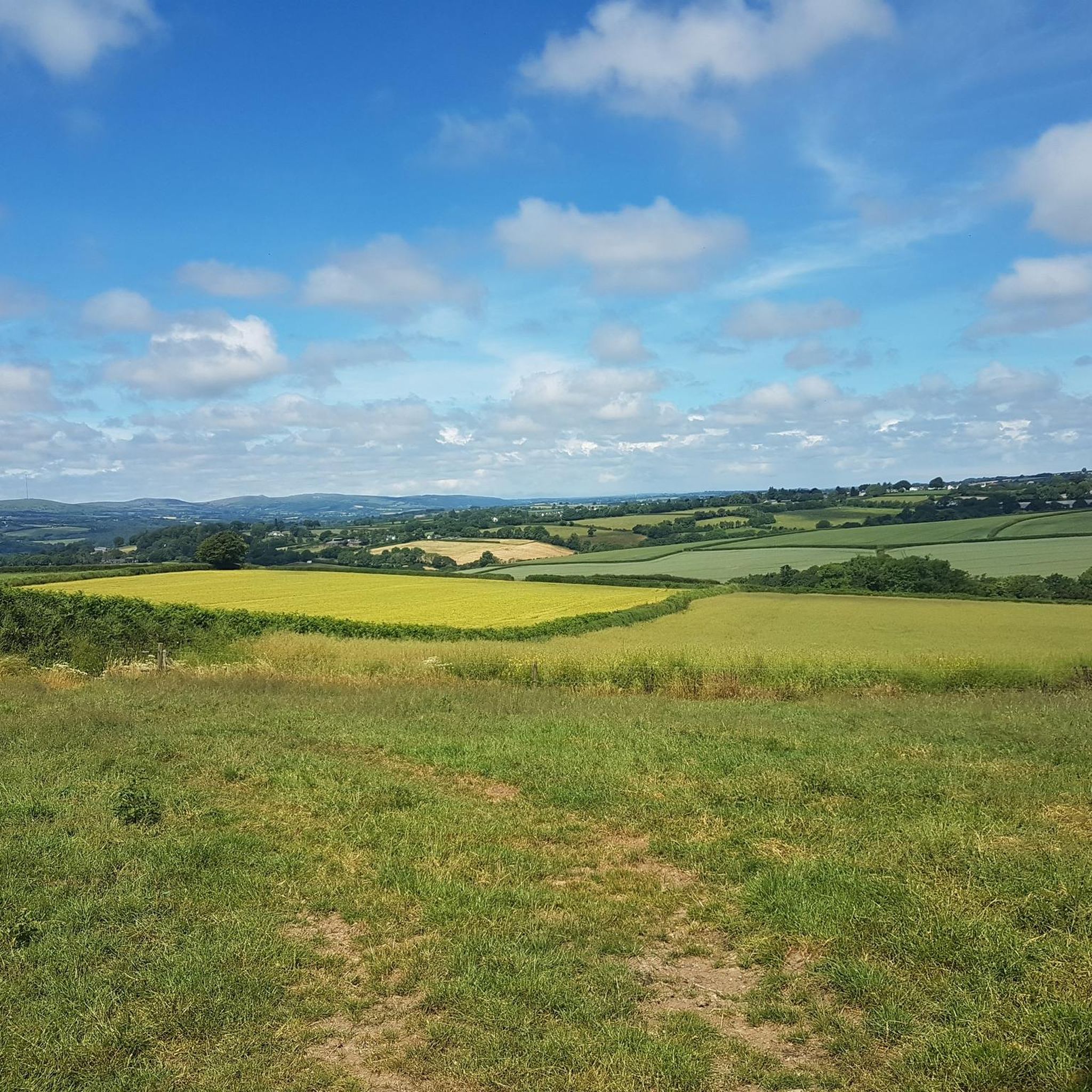
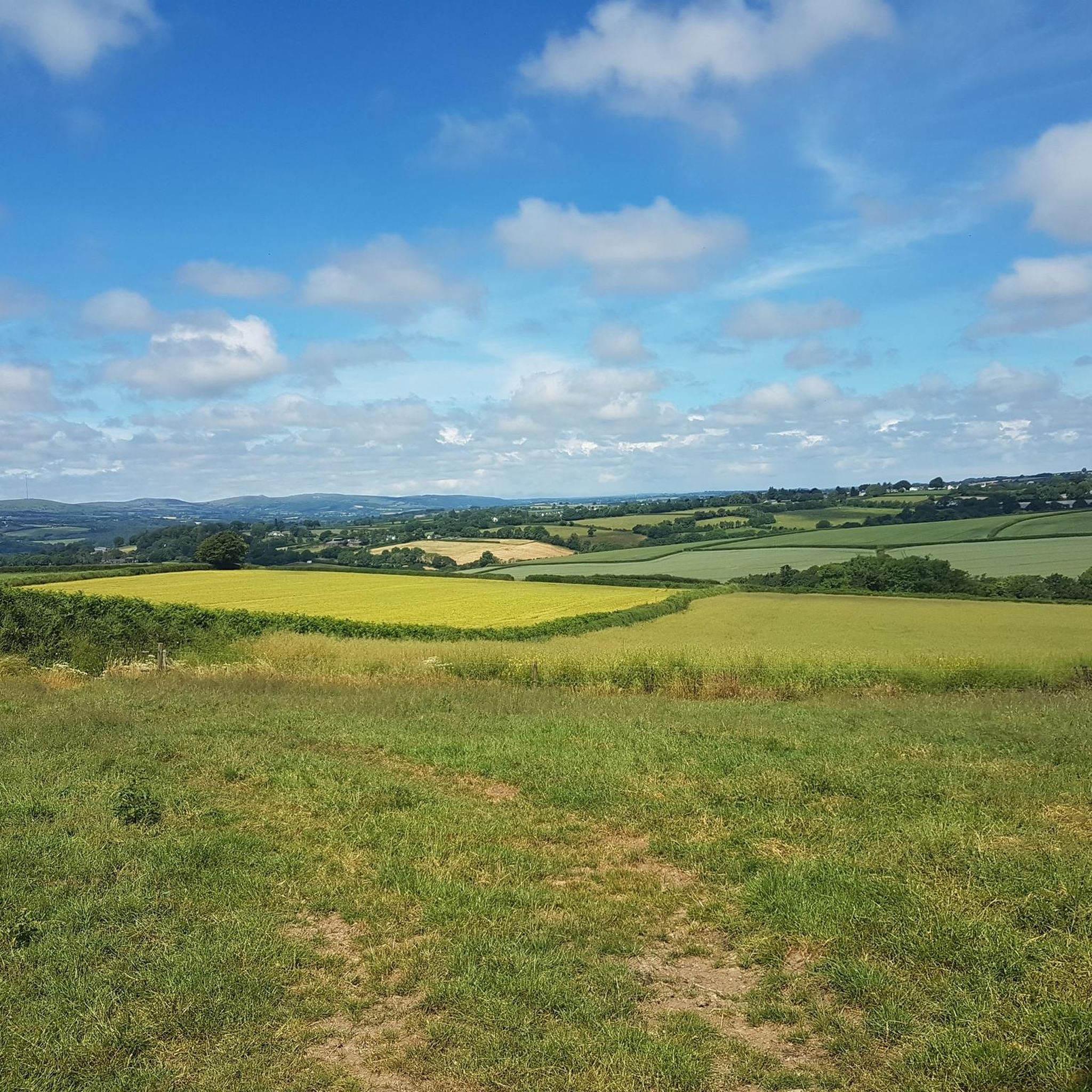
Kit Hill sits high above the Tamar Valley, overlooking the river and the valley it formed. The hill boasts a wide array of history, including 18 burial mounds, neolithic and bronze-age barrows, as well as pointers towards Cornwall's more contemporary mining history.
1
0

The Hurlers are three stone circles on the edge of Bodmin Moor. Legend has it that these were Cornish Hurler players, caught out on a Sunday and punished. They are thought to date to between 2,100 & 1,500 BCE.
0
0

Also, you can get a nice cup of tea and tasty flapjack, in The Edgcumbe cafe!
0
0
Frequently Asked Questions
What historical sites can I visit near St. Mellion?
The area around St. Mellion is rich in history. You can explore the ancient The Hurlers Stone Circles on Bodmin Moor, a unique grouping of three Neolithic or Early Bronze Age stone circles. Another significant site is Kit Hill Trig Point, offering historical insights and panoramic views. Don't miss the charming Dupath Well, a 15th-century well-house, or the impressive Neolithic burial chamber, Trethevy Quoit.
Are there any notable castles or estates in the St. Mellion area?
Yes, Pentillie Castle and Estate is a prominent 17th-century castle and estate with a long history tied to the Coryton family. Nearby, you can also find Newton Ferrers House, an early Cornish mansion in the classical style, which has been beautifully restored.
Where can I learn about Cornwall's mining heritage near St. Mellion?
Cornwall's mining history is a significant part of the region's identity. You can visit the ruins of the Wheal Anna Maria Calciner Complex, once the world's largest arsenic mine. The South Phoenix Mine Ruins also offer a glimpse into this past, as part of Cornwall's World Heritage Site. Morwellham Quay and Tamar Valley Trust provides further insights into the area's mining and cultural heritage.
What natural features and viewpoints are accessible from St. Mellion?
St. Mellion is an excellent base for exploring natural beauty. You can enjoy the picturesque landscapes of the Tamar Valley, or venture to Bodmin Moor, home to the highest point in Cornwall, Brown Willy, offering breathtaking vistas. Kit Hill Trig Point provides expansive views high above the Tamar Valley. The Crocadon Quarry, east of the village, is also a Site of Special Scientific Interest for its geology.
Are there family-friendly attractions around St. Mellion?
Absolutely! The Hurlers Stone Circles are considered family-friendly and offer an intriguing historical outing. Cotehele Quay, with its Discovery Centre, working watermill, and tea room, is also a great option for families. For adrenaline-filled fun, Adrenalin Quarry, about 10 minutes away, offers activities like zip-lining and an inflatable aqua park.
What outdoor activities can I do near St. Mellion?
The region offers a wide range of outdoor activities. Golf enthusiasts can enjoy the championship courses at the St. Mellion Estate. For hiking, you can explore Bodmin Moor or Dartmoor National Park. There are also numerous routes for road cycling, hiking, and mountain biking. You can find detailed routes and guides for Road Cycling, Hiking, and MTB Trails around St. Mellion.
Are there hiking trails near St. Mellion?
Yes, there are many hiking opportunities. You can find easy to moderate trails around the Tamar Valley, including popular loops like the Cotehele House loop or the Kit Hill loop. Bodmin Moor and Dartmoor National Park also offer endless woodland walks and more challenging hikes. For specific routes, check out the Hiking around St. Mellion guide.
What is the best time to visit St. Mellion for outdoor activities?
The mild climate of Cornwall generally makes St. Mellion suitable for outdoor activities for much of the year. Spring and summer offer the best weather for exploring the moors, coastal paths, and gardens, with longer daylight hours. Autumn can also be beautiful with changing foliage. Always check local weather forecasts before heading out.
Are there any National Trust properties close to St. Mellion?
Yes, several significant National Trust properties are within easy reach. These include Cotehele, a historic house and estate with beautiful gardens and a quay (Cotehele Quay), Buckland Abbey, and Antony. These sites offer a blend of history, culture, and scenic beauty.
What do visitors enjoy most about the attractions around St. Mellion?
Visitors particularly enjoy the blend of historical significance and natural beauty. The ancient stone circles and mining heritage sites offer a deep dive into Cornwall's past, while locations like Kit Hill Trig Point are praised for their fantastic panoramic views. The tranquil river views from Cotehele Quay and the unique geological features of the area also receive high acclaim.
Can I find coastal attractions or beaches near St. Mellion?
While St. Mellion itself is inland, its location provides good access to Cornwall's stunning coastline. Many beautiful beaches, such as Whitsand Bay, Newquay, or Polzeath, are within an hour's drive, offering opportunities for swimming, surfing, and coastal walks. Sections of the breathtaking South West Coast Path are also accessible for scenic hikes and wildlife spotting.
Are there any unique gardens to visit in the region?
Cornwall is renowned for its sensational gardens due to its mild climate. While a drive away, notable examples include The Eden Project, The Lost Gardens of Heligan, Trebah, and Glendurgan. These offer diverse botanical experiences and are popular attractions in the wider Cornish area.
Most popular attractions around St. Mellion

Get inspired with the komoot mobile app


Explore more
Still not found the Highlight you’re looking for? See guides of the top attractions in other regions:
