Attractions and Places To See around South Hill - Top 20
Best attractions and places to see around South Hill include a mix of historical sites, natural formations, and cultural venues. The region features significant natural landmarks like Buggs Island Lake and Lake Gaston, offering extensive outdoor recreation opportunities. Its history as a tobacco and railroad town is reflected in its commercial historic district and cultural institutions. South Hill provides diverse points of interest for visitors exploring its landscape and heritage.
Best attractions and places to see around South Hill
- The…
Last updated: May 9, 2026
Kit Hill Trig Point
Highlight • Historical Site
The hill boasts a wide array of history, including 18 burial mounds, neolithic and …
Tip by

The Cheesewring
Highlight • Natural
Translated by Google •
Tip by

Sign up now to discover places like this
Get recommendations on the best single tracks, peaks, & plenty of other exciting outdoor places.
Sign up for free
The Hurlers Stone Circles
Highlight • Natural Monument
Tip by

Golitha Falls
Highlight • River
Tip by

Wheal Anna Maria Calciner Complex
Highlight • Structure
It was named after the Duchess of Bedford! …
Tip by

Sign up for free to discover even more attractions around South Hill.
Sign up for free
Already have an account?
Start today with a free account
Your next adventure awaits.
Login or Signup
Tips from the Community

Wheal Anna Maria – a copper and arsenic mine – covered 3.2 hectares and had over 6,850 cubic metres of arsenic flues! It was named after the Duchess of Bedford! Her main workings were on the ‘Main Lode‘ (the largest sulphide deposit in southwest England). When its rich copper waned, Devon Great Consols became the largest arsenic mine in the world because the margins of the copper-rich lode were dominated by arsenopyrite. In 1860 the copper lode at Anna Maria was up to 45 feet wide and yielding up to 80 tons per fathom, but by around 1880 the copper boom was over. Thankfully, arsenic production sustained the mine into the 1900s, until the company folded. Arsenic ore, unlike copper ore, was refined on site using the ‘calcination’ process – and at Wheal Anna Maria they yielded over 72,000 tons of refined arsenic! – Whoop!
0
0

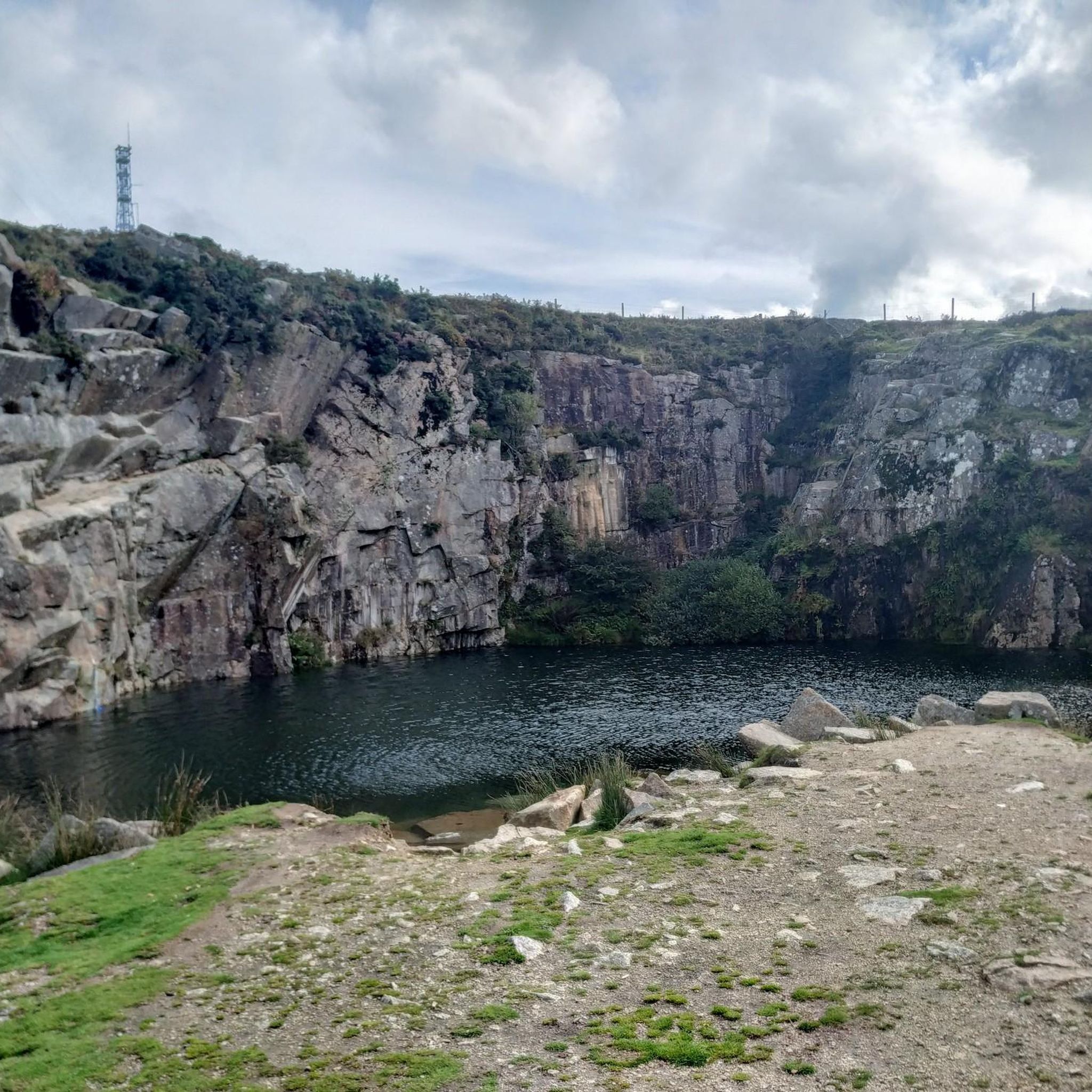
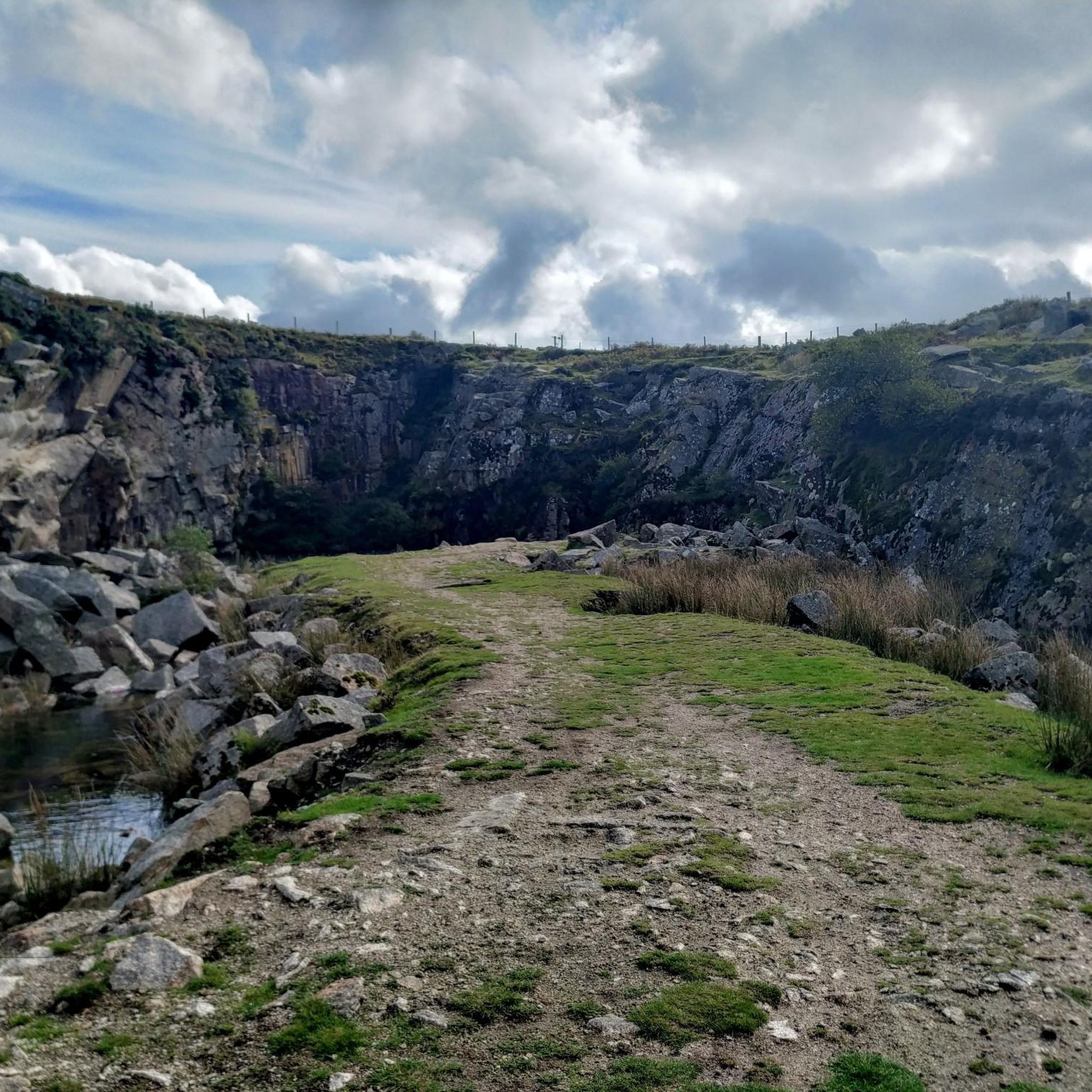
This landmark is located next to the Cheesewring Quarry (which provided the granite cladding for the structure of Tower Bridge in London) and is surrounded by other granite formations. In the late 19th century, this landmark was threatened with destruction due to its proximity to blasting operations, but was saved through local activism.
7
0
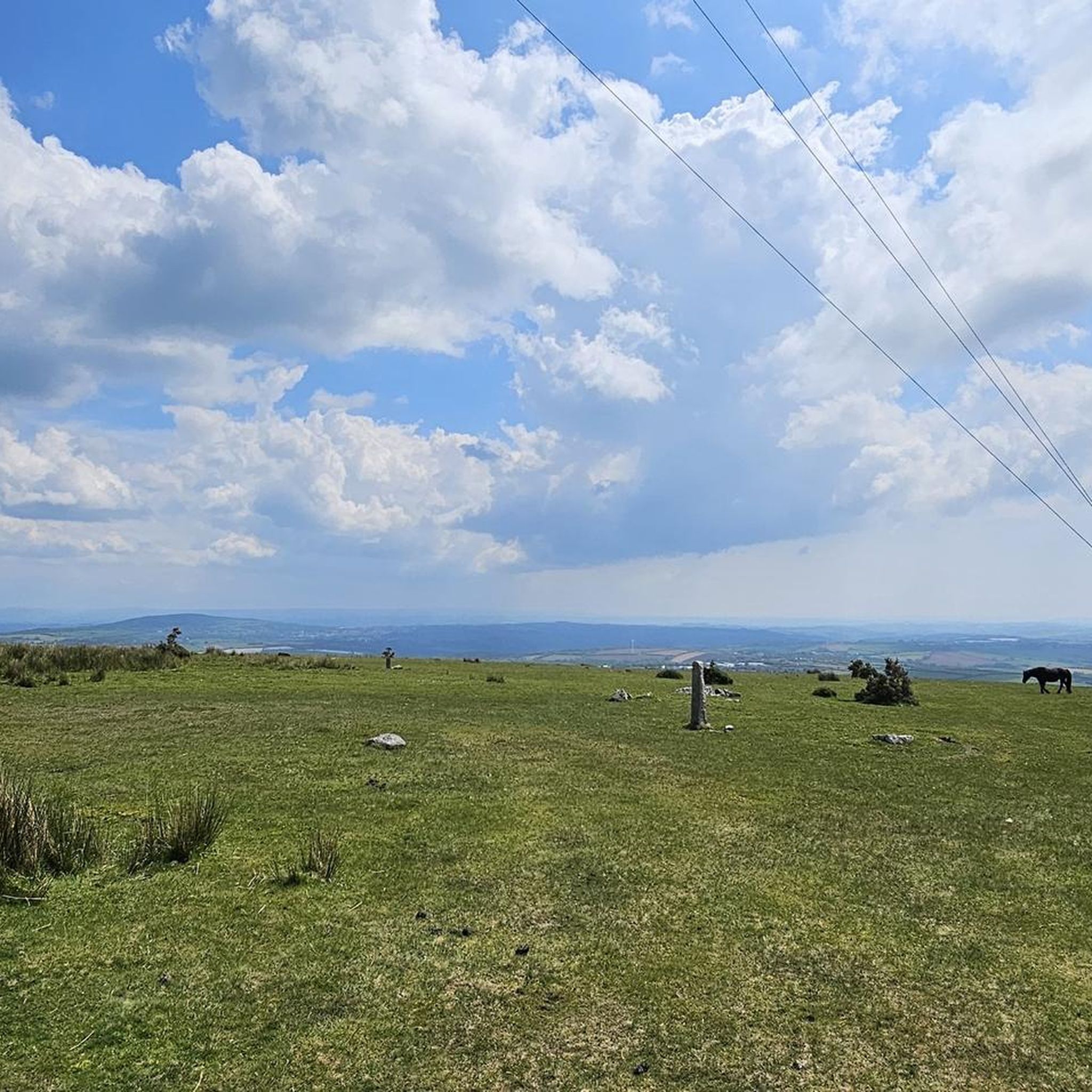
Three beautiful Neolithic or Early Bronze Age stone circles arranged in a line, a unique grouping in England. The Hurlers Stone Circles are probably the best examples of ceremonial circles in the South West. https://www.english-heritage.org.uk/visit/places/hurlers-stone-circles/
7
0

The River Fowey tumbles its way down the Golitha Falls, a collection of waterfalls in Draynes Wood. It is also a haven for wildlife with salmon, sea trout, otters and bats all present. No trip to Bodmin Moor would be complete without a visit here. It is especially spectacular after heavy rain.
0
0

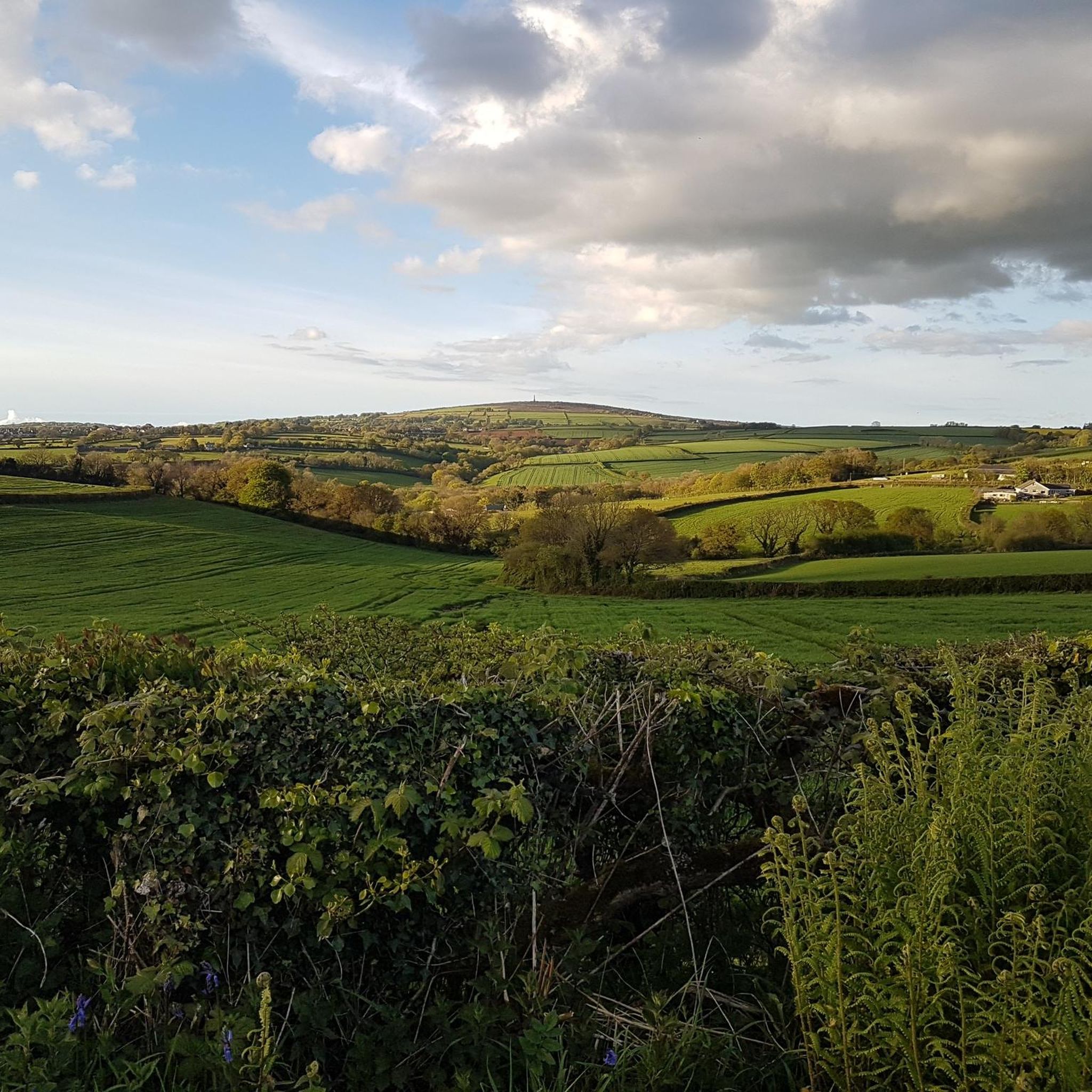
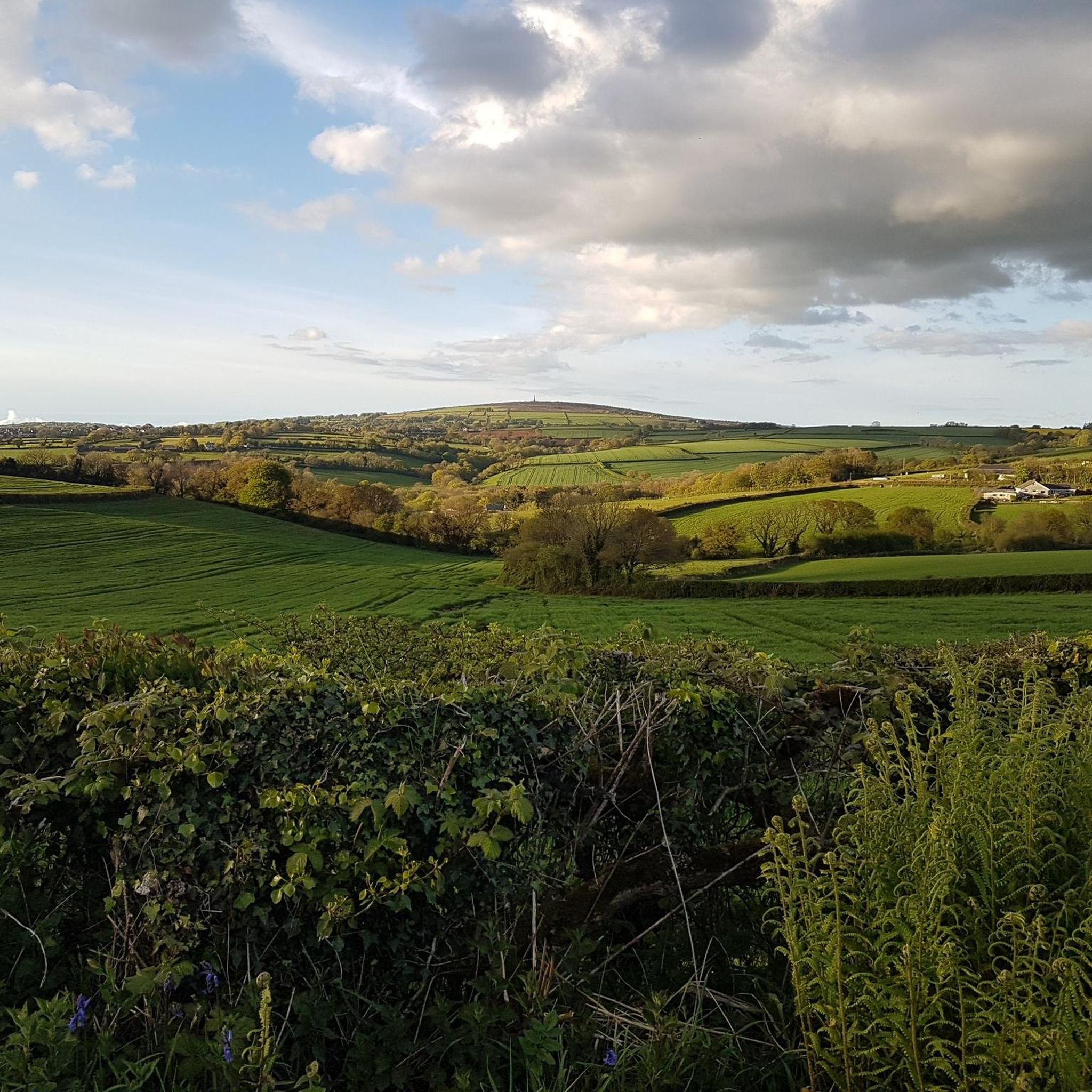
Kit Hill sits high above the Tamar Valley, overlooking the river and the valley it formed. The hill boasts a wide array of history, including 18 burial mounds, neolithic and bronze-age barrows, as well as pointers towards Cornwall's more contemporary mining history.
1
0

The Hurlers are three stone circles on the edge of Bodmin Moor. Legend has it that these were Cornish Hurler players, caught out on a Sunday and punished. They are thought to date to between 2,100 & 1,500 BCE.
0
0
The Cheeswring is a granite tor on the south-east edge of Bodmin Moor. It's a naturally formed structure, although the local legends say it was formed in a contest between giants and saints. Granite from the quarry below was used to clad Tower Bridge.
0
0
Wheal Anna Maria was originally a copper and later an arsenic mine. The biggest arsenic mine in the world. The ruins you can see are from the arsenic calcining complex where the arsenic-ore was crushed then roasted (calcinated). The white powder of arsenic would coat the walls of the flues and be scraped off by men and children. They were protected from the extremely toxic poison only by cotton wool in their ears and noses and rags covering their mouths! They even had to scrape the white powder off their boots before going home.
0
1
Frequently Asked Questions
What historical sites can I explore in South Hill?
South Hill offers several historical sites. You can visit the Colonial Center for Performing Arts, originally the Colonial Theatre, which is listed on the National Register of Historic Places. Whittle's Mill Historic Site and Park provides a glimpse into 18th-century industrial history with remnants of a grist mill. The South Hill Commercial Historic District also showcases the town's origins as a tobacco and railroad hub.
Are there any natural attractions or outdoor recreation areas near South Hill?
Absolutely. South Hill is close to two major lakes: Buggs Island Lake (John H. Kerr Dam & Reservoir), Virginia's largest lake, and Lake Gaston. Both offer extensive opportunities for boating, fishing, swimming, and camping. You can also explore the Tobacco Heritage Trail for walking, running, or biking.
What family-friendly activities are available in South Hill?
Families will enjoy Centennial Park, a state-of-the-art all-inclusive playground with walking paths, disc golf, and a dog park. The South Hill Model Railroad Museum, located in the historic train depot, features panoramic model train displays and local history scenes, appealing to all ages.
Where can I learn more about South Hill's local history and culture?
The South Hill Visitor Center, housed in the historic train depot, is an excellent starting point. It's also home to the South Hill Model Railroad Museum and the Virginia S. Evans Doll Museum. The Colonial Center for Performing Arts hosts various live performances and cultural events.
What are the best places for fishing and water sports near South Hill?
Buggs Island Lake (John H. Kerr Dam & Reservoir) and Lake Gaston are premier destinations for fishing and water sports. Buggs Island Lake is nationally recognized for freshwater fishing, while Lake Gaston offers excellent facilities for boating, swimming, and has abundant fish populations.
Are there any trails for walking or biking in the area?
Yes, the Tobacco Heritage Trail provides a multi-use path for running, walking, or biking through two counties and three towns, allowing you to enjoy nature and the region's heritage. Whittle's Mill Historic Site and Park also features peaceful trails along the Meherrin River.
What unique natural features can be found at Whittle's Mill Historic Site?
Whittle's Mill Historic Site and Park features the serene Meherrin River and an old dam built on a natural quartzite shelf. Intriguing rock formations, possibly a billion years old and representing the roots of an ancient mountain range, can be found on the north bank of the river.
Is there a local market in South Hill?
Yes, the South Hill Farmers Market operates from May through October, offering fresh produce and local goods every Saturday. It's a great way to experience local flavors and support community vendors.
What kind of events does the Colonial Center for Performing Arts host?
The Colonial Center for Performing Arts, a beautifully renovated historic venue, serves as a community theater. It hosts a variety of live performances, concerts, and other cultural events, contributing significantly to South Hill's arts scene.
Can I bring my dog to any attractions in South Hill?
Centennial Park is dog-friendly, featuring a dedicated dog park with separate areas for small and large dogs. This makes it a great spot for your furry companions to enjoy the outdoors.
What is the significance of the South Hill Commercial Historic District?
The South Hill Commercial Historic District reflects the town's origins as a turn-of-the-century tobacco and railroad town. It features historic tobacco warehouses and commercial buildings along West Danville Street and Mecklenburg Avenue, offering a glimpse into the area's economic past.
Where can I find information about the surrounding Mecklenburg County and Lake Gaston areas?
The South Hill Visitor Center, located in the historic train depot, is a central hub for information not only about South Hill but also the surrounding Mecklenburg County, Lake Gaston, and Kerr Lake areas.
Most popular attractions around South Hill

Get inspired with the komoot mobile app


Explore more
Still not found the Highlight you’re looking for? See guides of the top attractions in other regions:
