Attractions and Places To See around Drumaroad - Top 20
Best attractions and places to see around Drumaroad include a blend of natural beauty, historical sites, and cultural points of interest in County Down, Northern Ireland. Situated near the Slieve Croob area and north of the Mourne Mountains, the region features picturesque landscapes and ancient remnants. Drumaroad is part of a drumlin belt, offering characteristic local geography. It serves as a gateway to exploring both natural features and historical landmarks.
Best attractions and places to see around Drumaroad
- The most…
Last updated: June 23, 2026
Slieve Croob Summit
Highlight • Viewpoint
Tip by

Tollymore Forest Park
Highlight • Viewpoint
Translated by Google •
Tip by

Sign up now to discover places like this
Get recommendations on the best single tracks, peaks, & plenty of other exciting outdoor places.
Sign up for free
Murlough Nature Reserve Boardwalk
Highlight • Viewpoint
Tip by
View of Castlewellan Castle
Highlight • Castle
Tip by

Tollymore Forest Park Stone Arch Bridge
Highlight (Segment) • Bridge
Tip by

Sign up for free to discover even more attractions around Drumaroad.
Sign up for free
Already have an account?
Start today with a free account
Your next adventure awaits.
Login or Signup
Tips from the Community

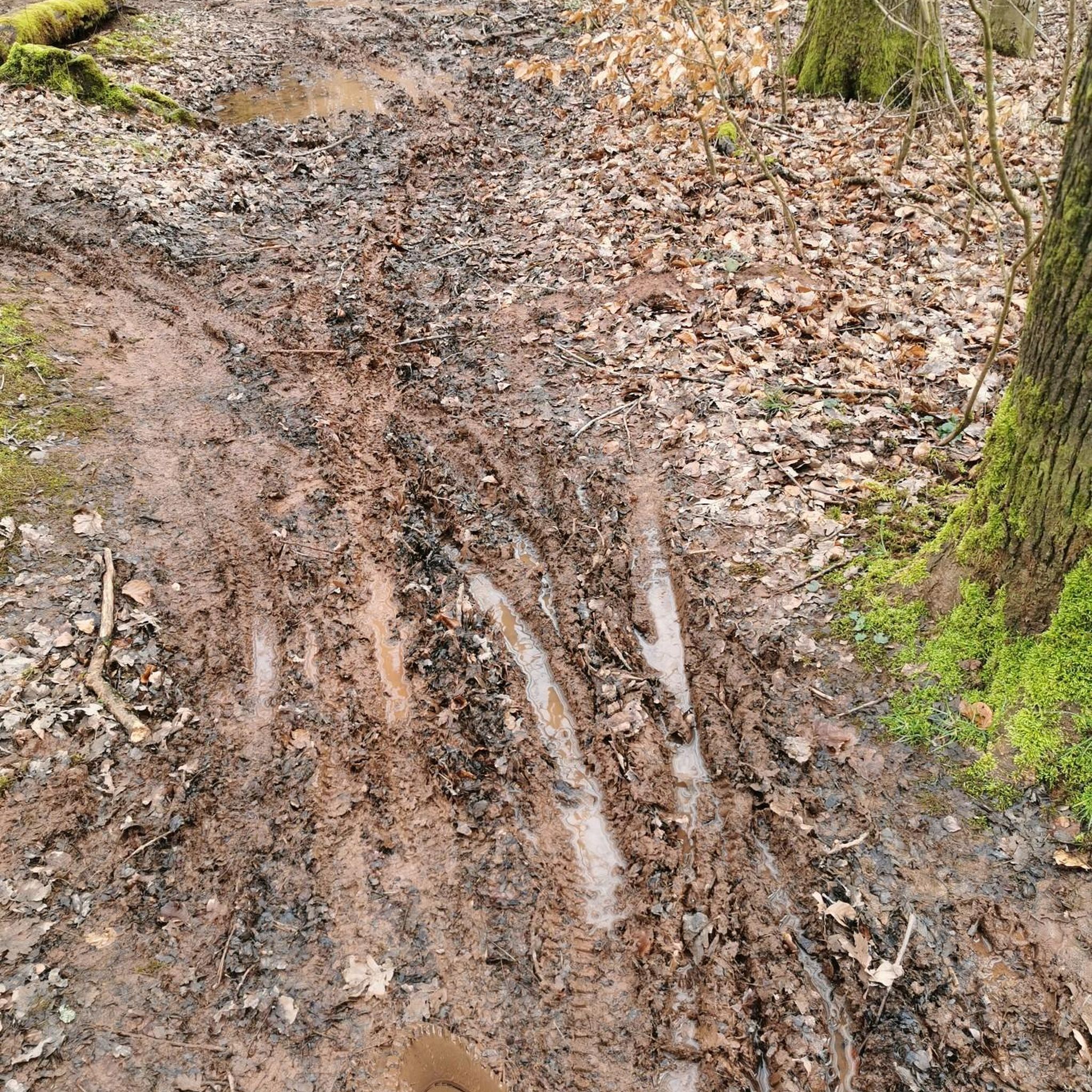
The park has no entry fee, you only have to pay 5 £ for parking.
1
0

Easy route no special gear required. Very scenic
0
0

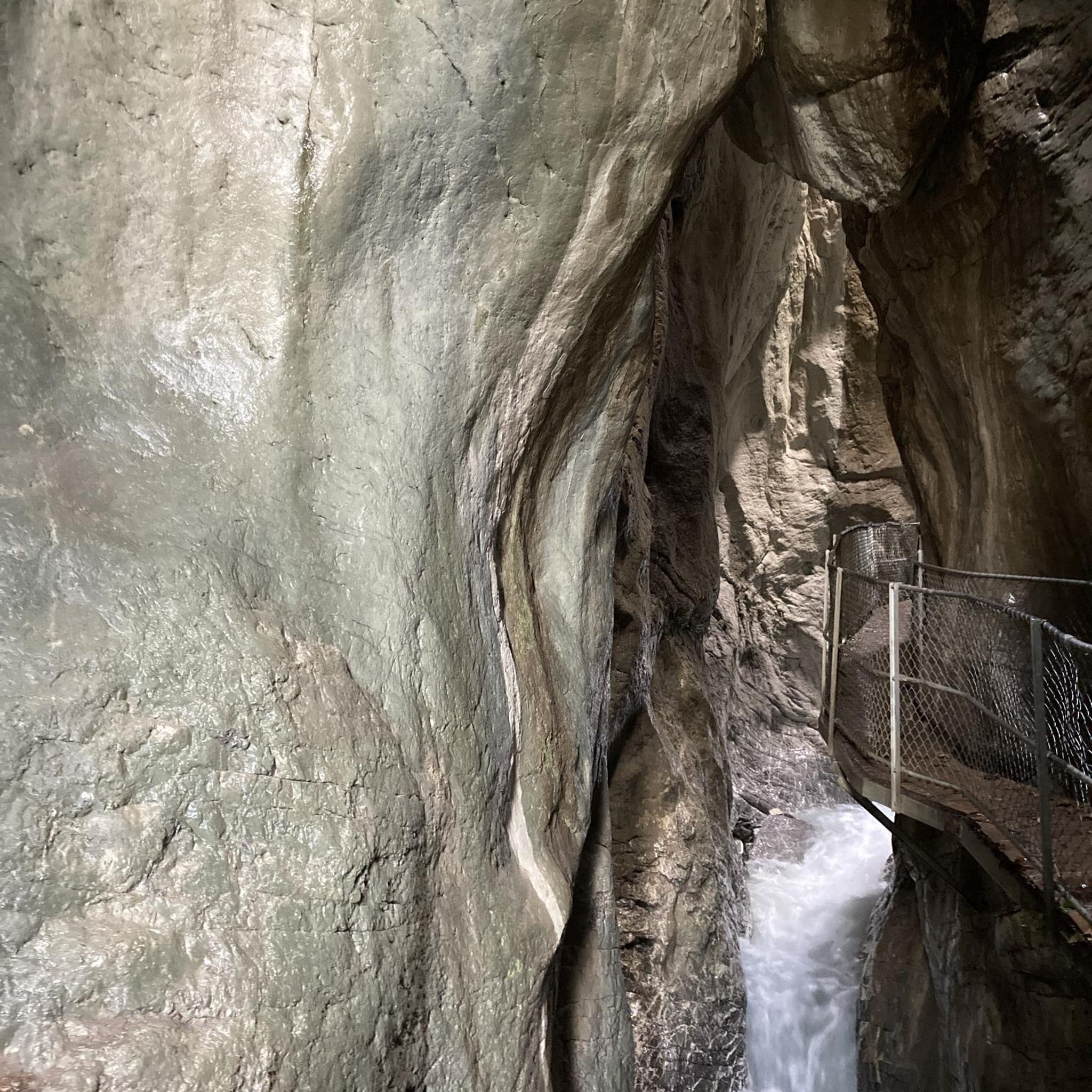
Wonderful forest with an even more beautiful river
0
0
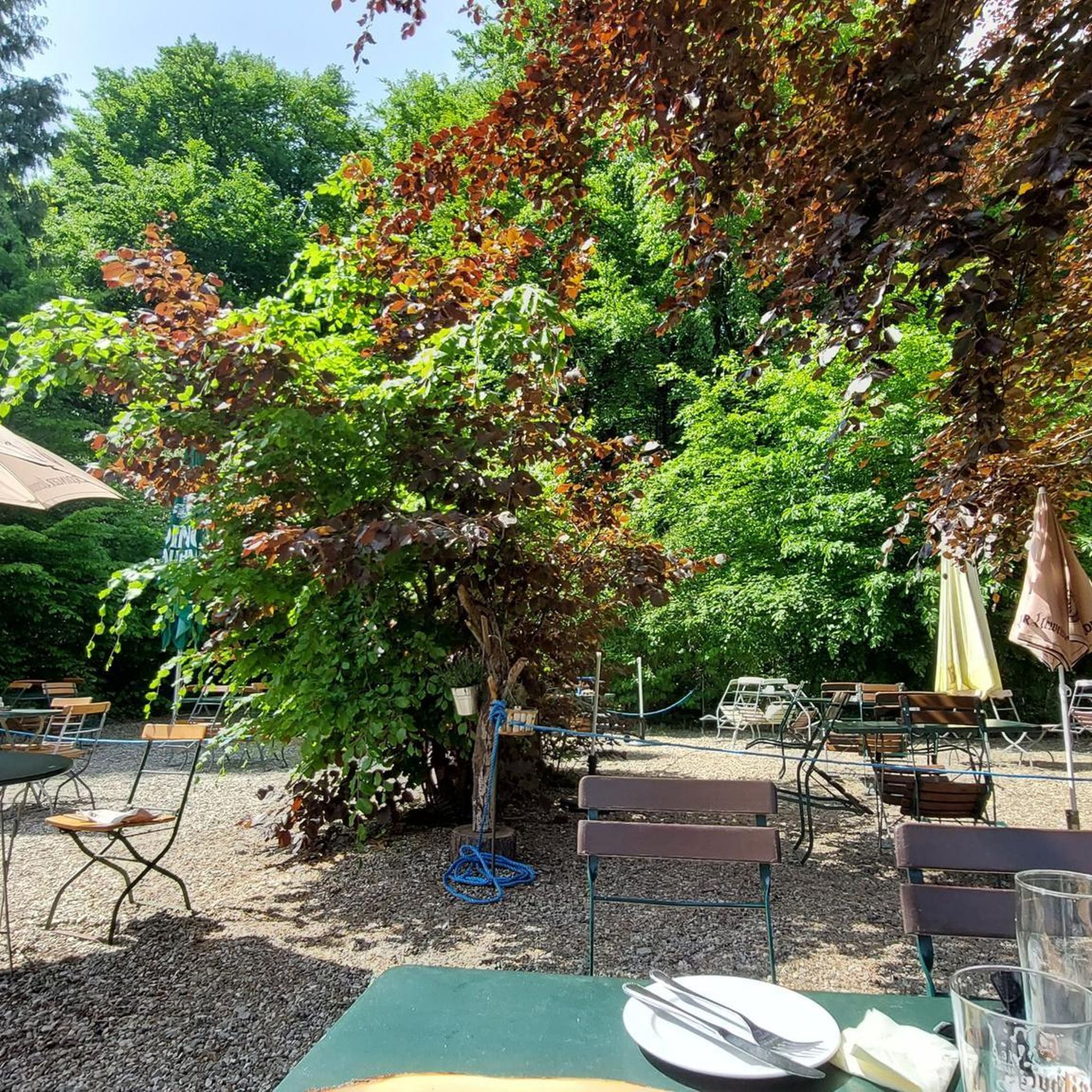
A very beautiful castle in the forest
0
0

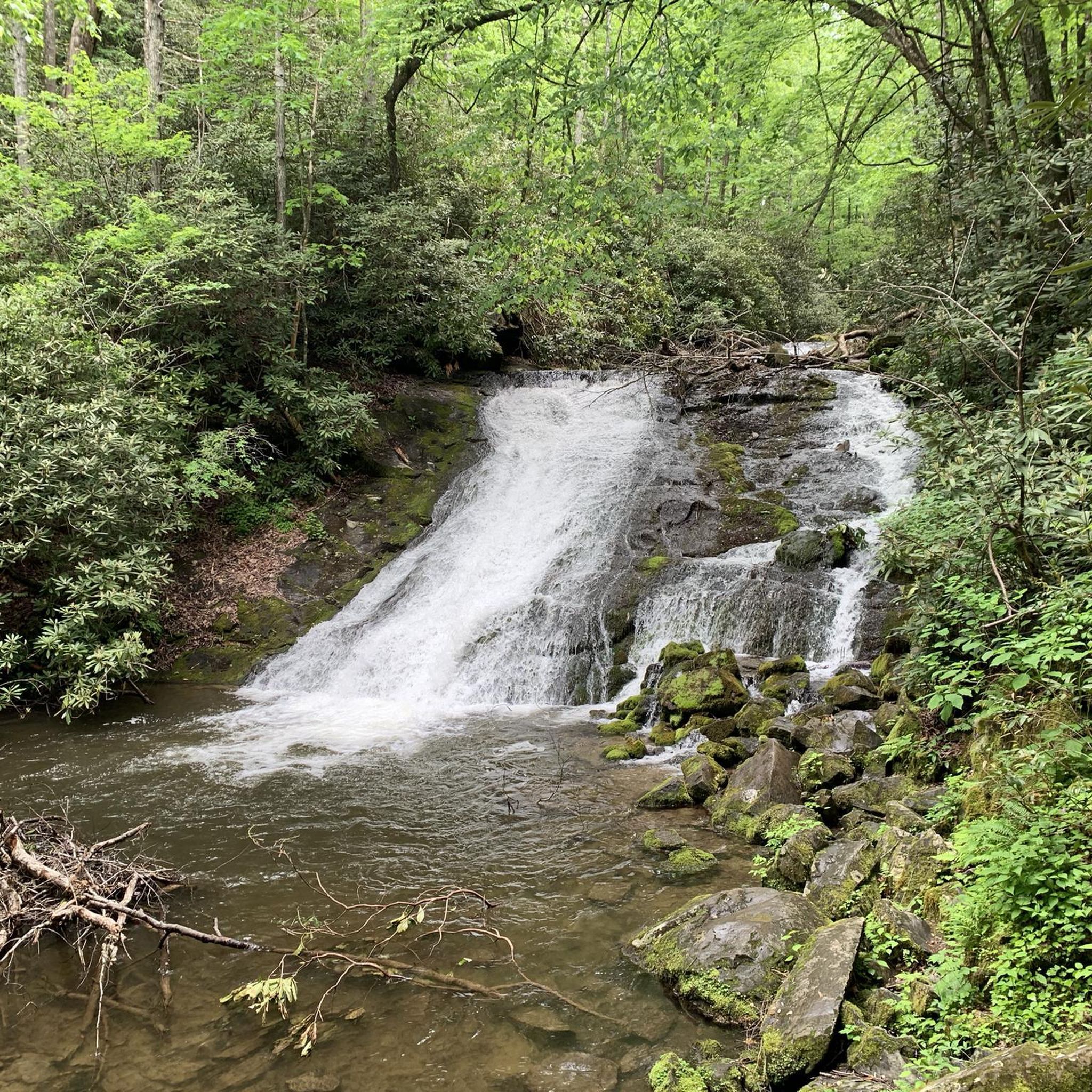
A wonderful path leads along the Schimna River through the Tollymore National Park. Nature literally overwhelms me with colors, green jungle and unusual plants. There is a relatively small infrastructure at the park entrance: a rest area, toilets and a small catering vehicle are available.
2
0
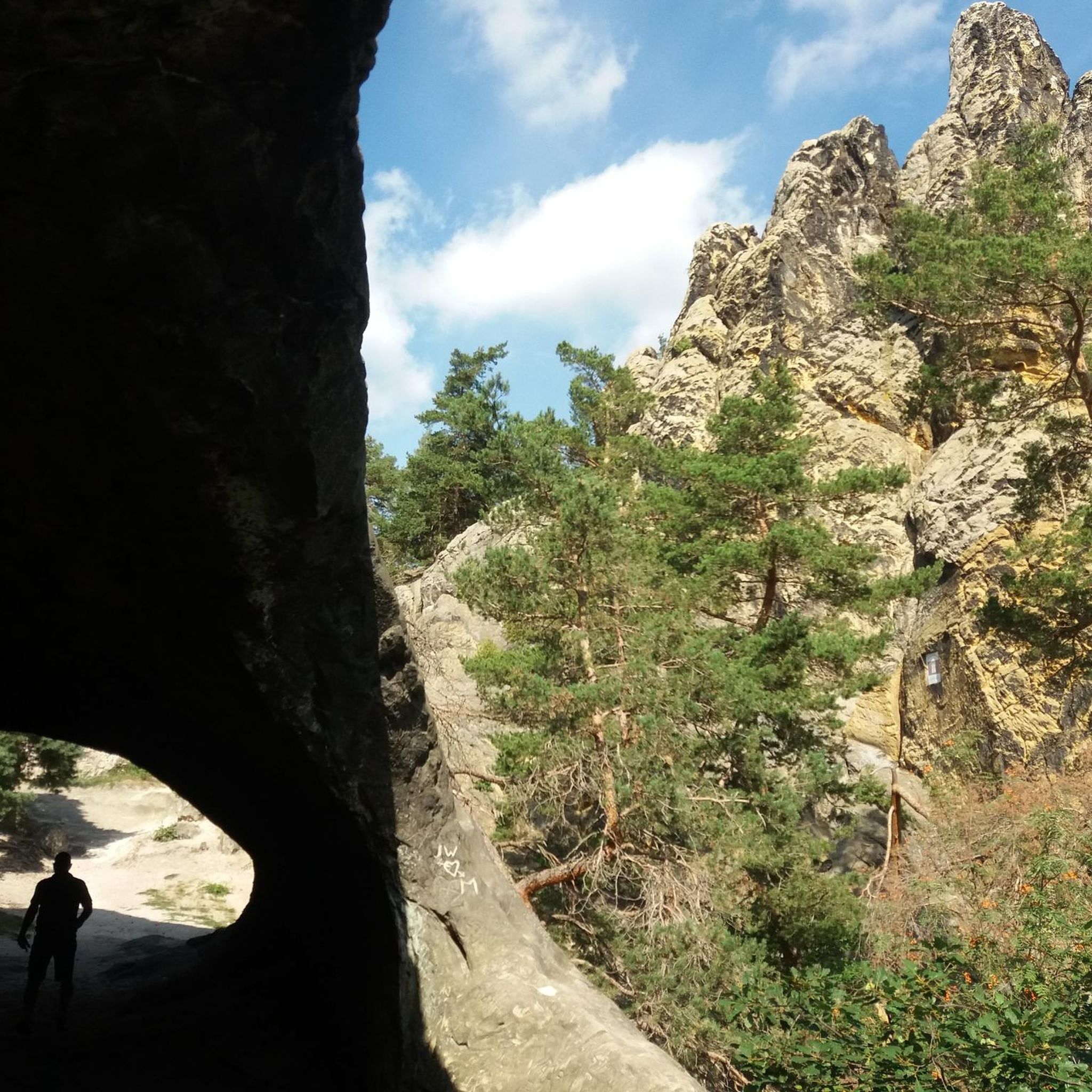
One of the many bridges that visitors will find - a great start.
1
0
Frequently Asked Questions
What are some family-friendly attractions around Drumaroad?
Drumaroad and its surroundings offer several excellent family-friendly options. Tollymore Forest Park is ideal for all ages, with numerous walking trails, a campsite, and facilities. The Murlough Nature Reserve Boardwalk provides an accessible path through a unique sand dune system, perfect for spotting wildlife. Additionally, the area around Castlewellan Castle offers trails around the lake and through the arboretum, which families can enjoy.
Are there good hiking trails near Drumaroad?
Yes, Drumaroad is a great base for hiking. You can find a variety of trails, from easy walks to more challenging climbs. For example, the Slieve Croob Summit offers a tough climb with rewarding expansive views. Tollymore Forest Park has many well-maintained paths along the Shimna River. For more options, explore the hiking routes around Drumaroad, which include trails like the Slieve Croob Transmitter Road Walk and Drumkeeragh Forest Park loop.
What natural features can I explore in the Drumaroad area?
The Drumaroad area is rich in natural beauty. You can ascend Slieve Croob Summit for panoramic views across County Down. The Murlough Nature Reserve Boardwalk takes you through a 6,000-year-old sand dune system, home to diverse wildlife. Tollymore Forest Park features lush forests and the scenic Shimna River. Drumkeeragh Forest, located on the lower slopes of Slieve Croob, also offers extensive views and forest roads for walking.
Are there any historical sites or landmarks to visit near Drumaroad?
Yes, the region has several historical points of interest. While Castlewellan Castle itself is not open to the public, its exterior and the surrounding arboretum are historically significant and worth viewing from the trails. The area also contains ancient sites like the White Fort, an excavated fort with evidence of an underground passage, and Carnreagh Fort. St John the Baptist Catholic Chapel in Drumaroad, completed in 1841, stands on the site of an older 'mass-house'.
What are some easy walks or short hikes suitable for beginners around Drumaroad?
For easier options, Tollymore Forest Park offers various paths that are great for casual strolls. The Murlough Nature Reserve Boardwalk is a flat, accessible trail through a beautiful natural environment. You can also find easy routes within the hiking guide for Drumaroad, such as the Slieve Croob Transmitter Road Walk or the Dundrum Coastal Path.
Can I find mountain biking trails near Drumaroad attractions?
Yes, there are mountain biking opportunities in the wider Drumaroad area. You can explore trails around Castlewellan Lake, which offers various difficulty grades. For detailed routes and options, refer to the MTB Trails around Drumaroad guide, which includes routes like the Castlewellan Lake loop.
What do visitors enjoy most about the attractions around Drumaroad?
Visitors frequently praise the stunning natural beauty and tranquility of the area. Many highlight the expansive views from Slieve Croob Summit on clear days. The well-maintained trails and scenic paths along the Shimna River in Tollymore Forest Park are also highly appreciated for walking and relaxing. The unique ecosystem and wildlife spotting opportunities at Murlough Nature Reserve Boardwalk are also popular.
Are there any running routes available near Drumaroad?
Yes, the area around Drumaroad offers several running routes. You can find various loops and trails, particularly around Castlewellan and Dundrum. For specific routes and their difficulty, check out the Running Trails around Drumaroad guide, which lists options like the Murlough Nature Reserve loop and various routes around Castlewellan Lake.
Is there parking available at the main attractions?
Yes, most major attractions like Tollymore Forest Park and Murlough Nature Reserve Boardwalk have public car parks. It's worth noting that car parks at popular spots like Tollymore Forest Park can become quite full during peak periods, so arriving early is advisable.
What is the best time of year to visit Drumaroad for outdoor activities?
The best time to visit Drumaroad for outdoor activities is generally during the spring, summer, and early autumn months (April to October). During these periods, the weather is typically milder and drier, making hiking, walking, and exploring more enjoyable. Clear days are particularly recommended for visiting viewpoints like Slieve Croob Summit to fully appreciate the expansive views.
Are there any hidden gems or less-known spots around Drumaroad?
Beyond the well-known attractions, the Drumaroad area holds some lesser-known points of interest. Drumkeeragh Forest, while a commercial woodland, offers extensive views across County Down and a quiet forest road system for walkers. The ancient White Fort and Carnreagh Fort provide glimpses into the region's past. The Franciscan Cross at Drumnaquoile is another notable landmark with historical religious significance.
What should I wear when hiking in the Drumaroad area?
When hiking in the Drumaroad area, it's advisable to wear layers, as weather conditions can change quickly, especially at higher elevations like Slieve Croob Summit. Sturdy, waterproof hiking boots are recommended for comfort and safety on varied terrain. A waterproof jacket is also essential, regardless of the forecast, due to the unpredictable nature of Northern Irish weather.
Most popular attractions around Drumaroad

Get inspired with the komoot mobile app


Explore more
Still not found the Highlight you’re looking for? See guides of the top attractions in other regions:
