Attractions and Places To See around Corporation South - Top 20
Attractions and places to see around Corporation South include historical sites and man-made monuments. This region offers a variety of cultural and historical points of interest for exploration. Visitors can discover ancient ruins, religious buildings, and significant historical structures. The area provides opportunities to engage with local heritage and explore different types of landmarks.
Best attractions and places to see around Corporation South
- The most popular attractions is Nendrum Monastery Ruins, a historical site that represents a pre-Norman monastic…
Last updated: July 19, 2026
Nendrum Monastery Ruins
Highlight • Historical Site
Tip by

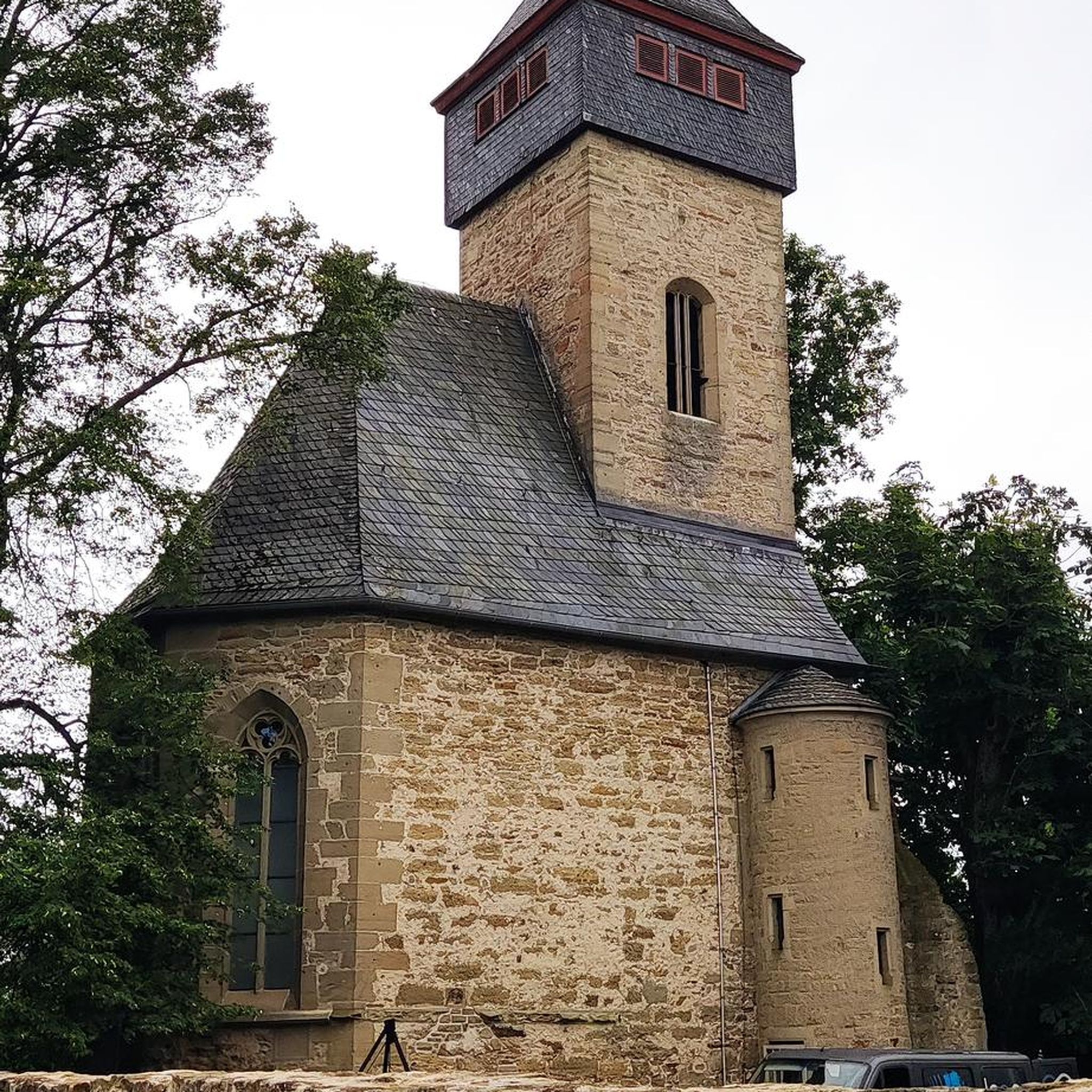
Kilmood Church
Highlight • Historical Site
Tip by
Sign up now to discover places like this
Get recommendations on the best single tracks, peaks, & plenty of other exciting outdoor places.
Sign up for free
Ballycopeland Windmill
Highlight • Monument
Tip by
Grey Point Fort
Highlight • Historical Site
Tip by

Helen's Tower
Highlight • Historical Site
Tip by

Sign up for free to discover even more attractions around Corporation South.
Sign up for free
Already have an account?
Start today with a free account
Your next adventure awaits.
Login or Signup
Tips from the Community

Nendrum Monastery was a Christian monastery founded in the 5th century. The monastery finished somewhere between 974 and 1178, but the church survived until the 15th century. You can visit the ruins if you're riding past.
0
0

This is the best example in Northern Ireland of a pre Norman ecclesiastical enclosure with its buildings. Nendrum is associated with St Mochaoi who died at the end of the 5th century, and is linked with St Patrick in a much later source. Notices of Nendrum clergy, including three bishops, begin in the 7th century and the excavation of a sophisticated tide mill on the shore near the site has shown that the mill was active in the early 7th century, which underlines the early importance of Nendrum. References continue until a fire in 976, perhaps a Viking raid, when the head of the church (erenagh) was burned in his house. In the late 12th century a small Benedictine monastic cell was founded on the site, but by 1302–1306 this was the parish church, abandoned for Tullynakill on the mainland in the 15th century. H.C. Lawlor excavated the site from 1922 to 1924, when enclosure walls, church and round tower were restored. The glacial hill is crowned with three concentric walled enclosures, irregularly oval in plan. Little is known of the outer cashel, only partly in state care. In the middle cashel on the south-west side are circular platforms for huts, which excavation suggested were craft workshops, and a rectangular building known as the ‘schoolhouse’, also a workshop. In the inner cashel were the most important buildings, including the church with its graveyard and the base of a round tower north-west of the church. The west wall of the church was rebuilt in the 1920s, incorporating a reconstructed sundial at the south-west corner. Finds from the 1920s excavation, including the well-known bell of Nendrum, are in the Ulster Museum and Down Museum at Downpatrick. Underwater archaeological work in the 1990s showed that there is a stone jetty south-east of the enclosure, now inundated in the lough, and medieval pottery was found close by. ( source: department of communities )
0
0
Ballycopeland Windmill is the only remaining working windmill in East Down. It was built in the late 18th or early 19th century and was worked until the First World War when it fell into disrepair. It was gradually restored between 1950 and 1978 to full working order.
0
0
A small visitor centre is located inside the Millers house with a Cafe onsite open to the public. Disabled access is not possible within the windmill. This is a group of traditional buildings on a sloping site with changes of level. Wheelchair users can gain access to the exhibition but may find this difficult. Some parts of the complex are inaccessible for wheelchairs. Please note: Online booking is essential. A limited number of tickets may be available on the day however cannot be guaranteed. Tours of the windmill can now be booked on the official Ballycopeland Windmill website https://www.ballycopelandwindmill.com .
0
0
Love spending time here. There is a park bench to the far east corner, and to the left of that hosts one of the best views of the Lough. When tides out you can see traces of the old Salmon fisheries. Its so quiet, and there is a picnic area just to the side of the visitors centre. The site also boasts fragments of an early Sun Dial that have been placed by the entrance to the Church.
0
0

This impressive fort was built in the 20th century and is one of the best preserved forts in the British Isles! It played a huge role in the defenses of Belfast during WW1 & WW2.
3
1

Best example of a pre-Norman monastic site in Northern Ireland. From around the 5th century, it's a stunning location nestled on the islands jutting into Strangford Lough.
0
0
Frequently Asked Questions
What is 'Corporation South' and where are these attractions actually located?
While 'Corporation South' typically refers to an economic region in the Southern United States, the attractions listed in this guide are geographically located in Northern Ireland, specifically around areas like Strangford Lough and the Ards Peninsula. This guide focuses on historical sites and man-made monuments in that specific region.
What historical sites can I visit around this area?
The region offers several significant historical sites. You can explore the ancient Nendrum Monastery Ruins, a pre-Norman monastic site dating back to the 5th century. Another must-see is Grey Point Fort, a well-preserved 20th-century fort that played a role in the defenses of Belfast during both World Wars. Additionally, Kilmood Church is a pretty historical church situated on a rocky knoll.
Are there any family-friendly attractions in the area?
Yes, several attractions are suitable for families. Nendrum Monastery Ruins, Kilmood Church, Grey Point Fort, and Ballycopeland Windmill are all categorized as family-friendly. Ballycopeland Windmill also has a visitor center and cafe, though access within the windmill itself may be limited for wheelchairs.
What outdoor activities can I do near these attractions?
The area offers a variety of outdoor activities. You can find numerous hiking trails, including easy hikes like the Floodgates Walk or the Killynether Wood and Scrabo Tower loop. For cyclists, there are road cycling routes such as the Strangford Lough loop or routes passing by Ballycopeland Windmill. Running trails are also available, including the Floodgates run. You can find more details on these activities in the easy hikes guide, road cycling guide, and running trails guide for the region.
Are there easy hiking trails around the attractions?
Yes, there are several easy hiking options. Popular choices include the Floodgates Walk (around 6.5 km), the Killynether Wood and Scrabo Tower loop (around 4 km), and the Rough Island loop (around 1.8 km). These trails offer a chance to enjoy the local scenery. For more options, refer to the Easy hikes around Corporation South guide.
What is special about <a href="https://www.komoot.com/highlight/424009" target="_blank" rel="noopener">Ballycopeland Windmill</a>?
Ballycopeland Windmill is unique as the only remaining working windmill in East Down. Built in the late 18th or early 19th century, it was gradually restored to full working order between 1950 and 1978. There's a small visitor center and cafe onsite. Online booking is essential for tours, and accessibility within the windmill itself is limited for wheelchairs due to the traditional building structure.
What can I expect at <a href="https://www.komoot.com/highlight/2576477" target="_blank" rel="noopener">Nendrum Monastery Ruins</a>?
Nendrum Monastery Ruins is considered the best example of a pre-Norman monastic site in Northern Ireland, with links to St Patrick. It features three round dry-stone walled enclosures, a church ruin, a round tower, and a graveyard. Visitors often enjoy the quiet atmosphere, picnic areas, and impressive views of the Lough, especially at low tide when traces of old salmon fisheries can be seen. Fragments of an early sundial are also on display.
Are there coastal paths or viewpoints in the area?
Yes, the Holywood Esplanade and Coastal Path offers impressive views along Strangford Lough. It's a popular route for cycling and walking, known for its colorful rows of houses and opportunities to spot migrating birds in the wetlands. It's also a great spot for sunsets. Grey Point Fort also offers viewpoints of the surrounding area.
What do visitors enjoy most about the attractions in this region?
Visitors appreciate the rich historical significance of sites like Nendrum Monastery Ruins and Grey Point Fort, often highlighting their well-preserved nature and the sense of history. The scenic beauty of the coastal paths, like the Holywood Esplanade, with its views of Strangford Lough, is also a major draw. The unique charm of Ballycopeland Windmill as a working historical monument is also frequently mentioned.
Is there parking available at the attractions?
Specific parking details vary by attraction. For Nendrum Monastery Ruins, there is a picnic area just to the side of the visitors' centre, implying parking is available. For Ballycopeland Windmill, a visitor centre is located inside the Millers house, suggesting parking facilities. It's always advisable to check the official websites for the most current parking information before your visit.
Are there cafes or places to eat near the attractions?
Yes, for example, Ballycopeland Windmill has a cafe onsite within the Millers house. Along the Holywood Esplanade and Coastal Path, you can find 'The Dirty Duck' pub/restaurant, which boasts a beer garden with views of the Lough and Cave Hill.

Get inspired with the komoot mobile app


Explore more
Still not found the Highlight you’re looking for? See guides of the top attractions in other regions:
