Attractions and Places To See around Wayford - Top 20
Attractions and places to see around Wayford provide a variety of experiences across the Somerset landscape. The area features historical sites, natural monuments, and man-made structures, reflecting its rich past and diverse geography. Visitors can explore ancient hillforts, disused railway lines, and grand estates. These locations offer insights into the region's heritage and natural beauty.
Best attractions and places to see around Wayford
- The most popular attractions is Pilsdon Pen Summit and Trig Point, a natural monument that offers…
Last updated: October 9, 2026
Pilsdon Pen Summit and Trig Point
Highlight • Natural Monument
Tip by

Donyatt Halt
Highlight • Structure
Tip by

Sign up now to discover places like this
Get recommendations on the best single tracks, peaks, & plenty of other exciting outdoor places.
St John the Baptist Church, Broadwindsor
Highlight • Historical Site
Tip by
Forde Abbey and Gardens
Highlight • Monument
Tip by

Dillington House
Highlight • Historical Site
Tip by

Sign up for free to discover even more attractions around Wayford.
Already have an account?
Start today with a free account
Your next adventure awaits.

Tips from the Community

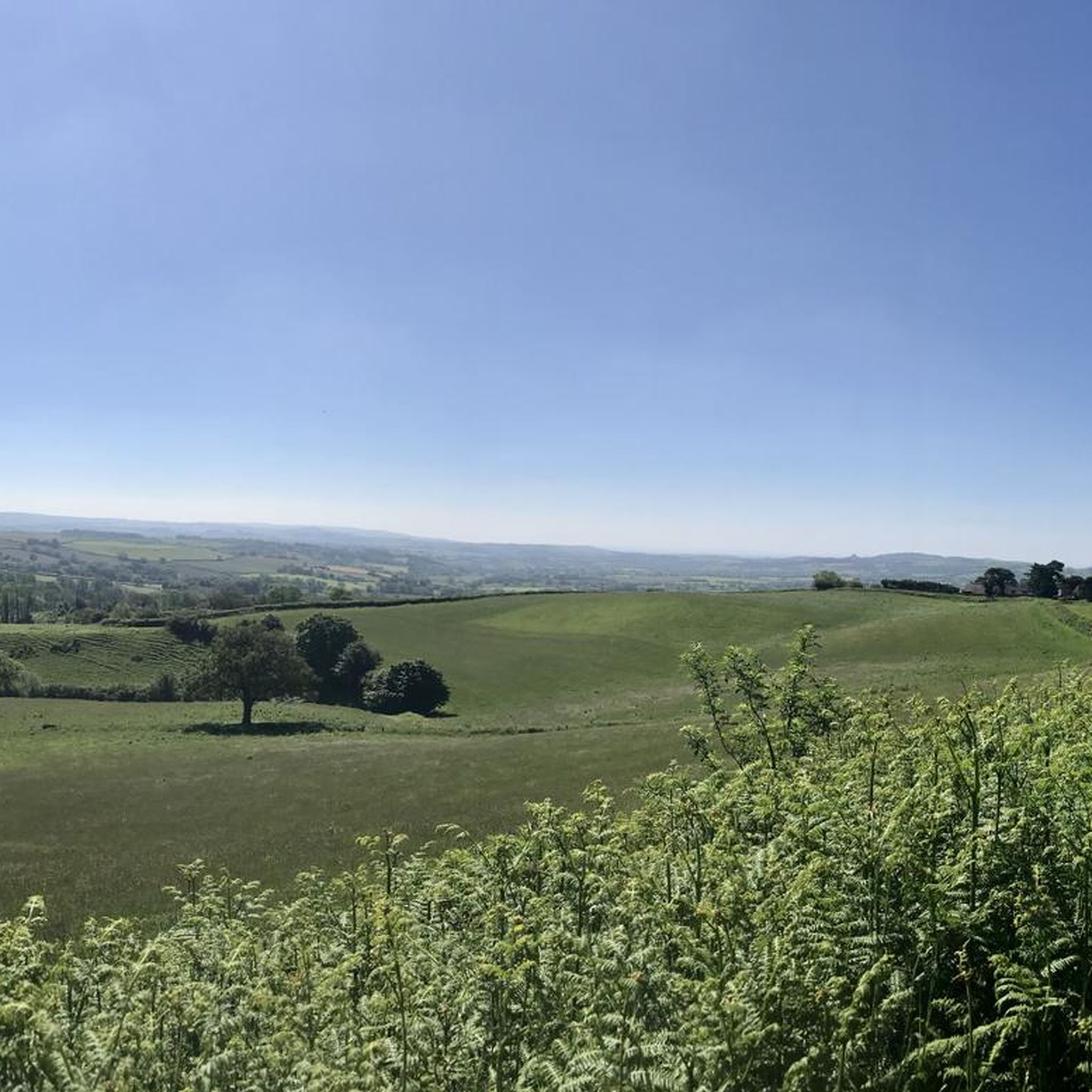
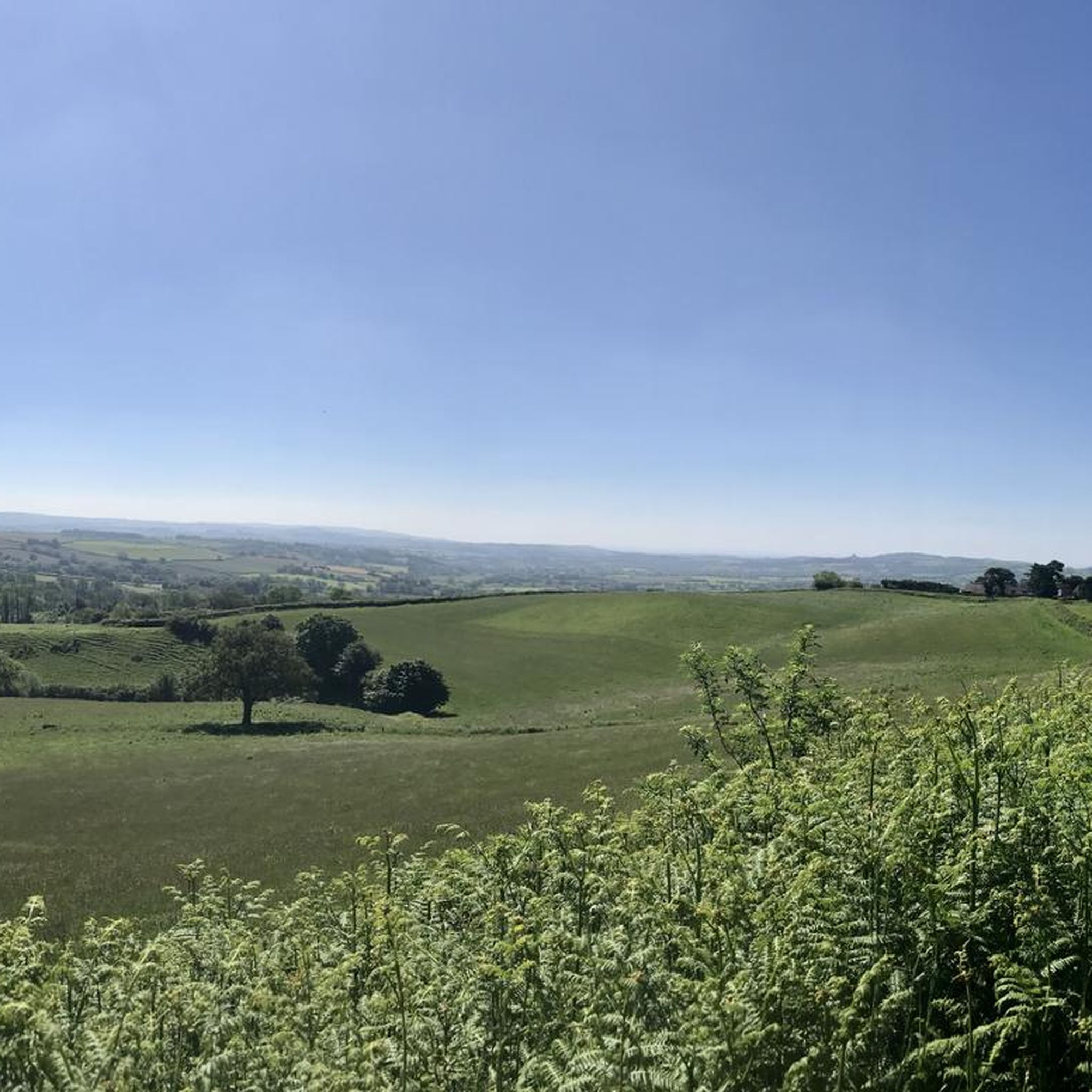
From the trig point at Pilsdon Pen summit, you get spectacular, wide-open views across Dorset. Looking south, the eye sweeps over the lush farmlands and rolling hills of the Marshwood Vale, extending all the way down to Bridport and the dramatic cliffs of the Jurassic Coast.
0
0
Gemini said If you find yourself in the rolling hills of West Dorset, the Church of St John the Baptist in Broadwindsor is a classic, "slow-paced" country church that packs a surprising amount of history into its quiet stone walls. It’s perched on a high spot right in the heart of the village, looking out over the square like it’s been keeping watch forever (which, to be fair, it mostly has). Here’s why it’s worth a wander: A Royal Fugitive’s Hiding Spot The village’s biggest claim to fame involves a high-stakes game of hide-and-seek. After losing the Battle of Worcester in 1651, King Charles II fled for his life and spent a night right here in Broadwindsor. While the King was hiding in a nearby inn (now private cottages), Parliamentarian soldiers actually arrived in the village to search it. Legend says he only escaped because a local woman went into labor in the same building, causing such a chaotic distraction that the soldiers moved on without finding him. He eventually escaped to France, but the church stands as a silent witness to that tense night. The "Witty" Rector In the 1630s, the church was led by Thomas Fuller, a man described as one of the first English writers to actually make a living from his pen. He was famous for his "pregnant wit" and once said, "Charity begins at home, but should not end there." * Even today, the village is very proud of him—you’ll often find his quotes inscribed in the local community pub, The White Lion, just down the road. What to Look For Inside The "Wonky" Architecture: The church has a mix of styles because it’s been rebuilt and patched up over nearly 900 years. You’ll see heavy, rounded Norman arches on one side of the nave and more pointed "Early English" ones on the other. It gives the interior a slightly mismatched, organic feel. The Ancient Font: There is a square font made of Purbeck Marble that dates back to the early 1200s. It’s been used to baptize village children for eight centuries. The Bells: The tower holds a ring of six bells. Some of them are "pre-Reformation," meaning they’ve been swinging in that tower since before Henry VIII broke away from Rome. The "Compromise" Clock: If you’re there during the day, you’ll hear the clock chime. There was a recent local debate about whether it should chime at night; in a very "British village" move, they compromised—it now stays quiet from 9:00 PM to 6:00 AM so the neighbors can sleep!
0
0

Donyatt Halt Records for Donyatt Halt state: "This halt, opened on May 5th, 1928, has a single platform edged with wooden sleepers, and a small wooden shelter. A pathway leads up from the platform to the road, which crosses the line by an overbridge at the Ilminster end of the platform. An ornate oil lamp stands at the top of the path and there are various posts with brackets for hanging oil lamps in winter." It would be the guard's duty to light and extinguish these lamps. Five trains a day operated in each direction taking about 45 minutes for the 15 - mile journey from Taunton to Chard, having made stops at Thornfalcon, Hatch, Ilton, Ilminster and Donyatt. Donyatt.com
0
0


Dillington House was built originally in the 16th century, but re-built in the 19th century. Recently, Dillington House was used by Somerset Council as an event venue and a place to run adult education courses. However the council has stopped this as of September 2023.
1
0

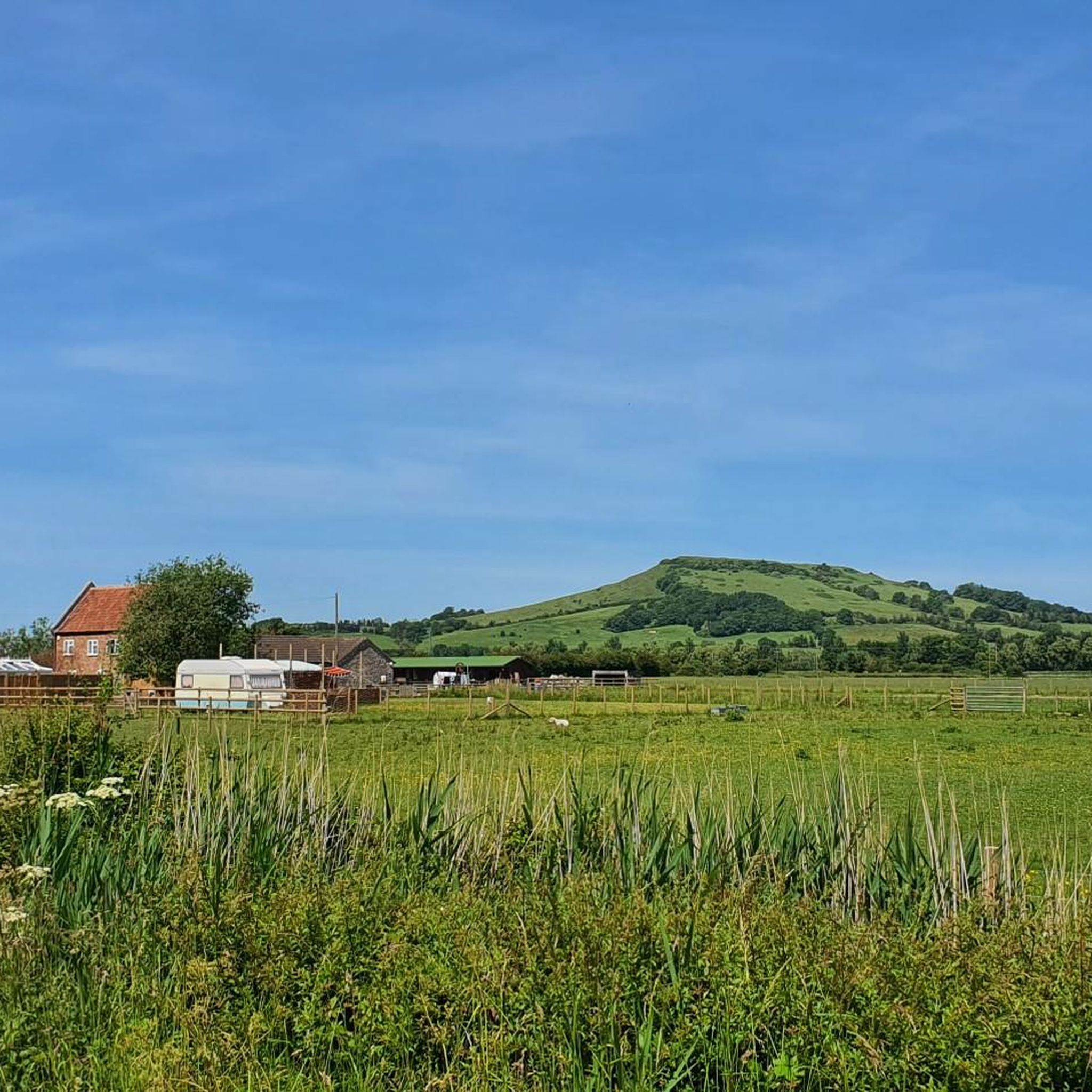
The summit of this hill represents the second highest point in Dorset, and from here, you'll have breathtaking panoramic views. At the top, there was an Iron Age hillfort, which was excavated in the mid-20th century.
0
0
At the heart of the village, you'll find this lovely church, with its churchyard, of which the oldest parts are known to date back to the 12th century, in a Norman Romanesque style. During the Victorian era, it underwent significant restoration, so you can see signs of this period in its exterior appearance.
0
0

Dillington House is a historic 16th-century manor that is run as a hotel, wedding and course venue. The beautiful house is set amongst historic parkland and gardens and a delightful place to visit. During the Second World War, the house was part of 'Fortress Ilminster' as part of the Taunton Stop Line, a plan to protect against Nazi invasion. Tanks and gun emplacements stood along a long drive, which is now a public footpath.
0
0
Frequently Asked Questions
What historical sites can I explore around Wayford?
The region is rich in history. You can visit Pilsdon Pen Summit and Trig Point, an Iron Age fort with evidence of 10,000-year-old flint tools. Donyatt Halt offers a glimpse into the area's railway past. Don't miss St John the Baptist Church, Broadwindsor, a 12th-century church with a fascinating history, including a connection to King Charles II. Also, Forde Abbey and Gardens is a Grade I-listed former priory dating back to the 1100s, and Dillington House is a historic 16th-century manor with WWII connections.
Are there family-friendly attractions near Wayford?
Yes, several attractions are suitable for families. Donyatt Halt, an old railway line, is a pleasant spot for a pit stop with benches and a statue. St John the Baptist Church, Broadwindsor offers historical interest in a quiet village setting. Forde Abbey and Gardens features sprawling gardens and a cafe, shop, and plant nursery, making it an enjoyable outing for all ages. Dillington House, set in historic parkland, is also considered family-friendly.
What natural features or viewpoints can I find around Wayford?
For stunning natural views, head to Pilsdon Pen Summit and Trig Point. As the second highest point in Dorset, it offers panoramic views over the rolling Dorset countryside, including Golden Cap, Marshwood Vale, and the ocean on clear days. It's also home to an Iron Age fort.
What outdoor activities can I do near Wayford's attractions?
The area around Wayford is excellent for outdoor activities. You can find various hiking trails, including easy and moderate options like the 'Wayford Woods – Magdalen Farm loop'. For mountain biking, explore routes such as the 'Donyatt Halt – Castle Neroche Woods loop'. Road cyclists can enjoy scenic rides like the 'Bridport & Lyme Regis loop'. You can find more details and routes in the dedicated guides for Hiking around Wayford, MTB Trails around Wayford, and Road Cycling Routes around Wayford.
Are there easy hiking routes or beginner walks near Wayford?
Yes, there are several easy hiking routes suitable for beginners. The 'Wayford Woods – Magdalen Farm loop from Wayford' is an easy 7.27 km walk. You can find more options and detailed information in the Hiking around Wayford guide.
What is the best time of year to visit attractions around Wayford?
The attractions around Wayford, being a mix of historical sites, natural monuments, and gardens, are enjoyable throughout the year. Spring and summer offer lush gardens and pleasant weather for outdoor exploration, while autumn brings beautiful foliage. Some outdoor activities, like hiking to Pilsdon Pen Summit, are best enjoyed on clear days for optimal views.
Are there any circular walking routes near Wayford?
Yes, the area offers circular routes. For instance, the 'Thorncombe and Forde Abbey loop from Winsham' is a moderate 12.4 km circular hike. You can discover more circular options and their details in the Hiking around Wayford guide.
What should I bring for a walk or hike near Wayford?
When planning a walk or hike near Wayford, it's advisable to bring appropriate footwear for varied terrain, especially if you're tackling routes like those around Pilsdon Pen. Layers of clothing are recommended as weather can change, and a waterproof jacket is always a good idea in the UK. Don't forget water, snacks, and a fully charged phone. For longer routes, a map or GPS device is beneficial.
Are there facilities like cafes or shops at the attractions?
Yes, some attractions offer facilities. Forde Abbey and Gardens has a cafe, shop, and plant nursery. Donyatt Halt provides benches for a pit stop along the old railway line. For other attractions, nearby villages like Broadwindsor (near St John the Baptist Church) may offer local pubs and shops.
What do visitors enjoy most about the attractions around Wayford?
Visitors particularly appreciate the fine views from natural monuments like Pilsdon Pen, the historical insights offered by sites such as Donyatt Halt and St John the Baptist Church, and the expansive, well-maintained gardens at places like Forde Abbey. The blend of natural beauty and rich heritage is a recurring highlight.
Can I find dog-friendly trails or attractions in the Wayford area?
Many outdoor areas and trails around Wayford are generally dog-friendly, especially public footpaths and bridleways. For example, the hiking routes mentioned in the Hiking around Wayford guide are often suitable for dogs, provided they are kept under control. Always check specific attraction rules before visiting, as some indoor areas or formal gardens may have restrictions.
Are there less crowded attractions if I prefer a quieter experience?
While popular sites can draw crowds, many of the historical and natural attractions around Wayford offer a chance for a quieter experience, especially outside peak times. Exploring the trails around Pilsdon Pen or visiting smaller historical sites like St John the Baptist Church, Broadwindsor, particularly on weekdays, can provide a more serene visit. The old railway line at Donyatt Halt also offers a peaceful setting.
Most popular attractions around Wayford

Get inspired with the komoot mobile app


Explore more
Still not found the Highlight you’re looking for? See guides of the top attractions in other regions:
