The best walks and hikes around Lydlinch
4.5
(394)
2,290
hikers
190
hikes
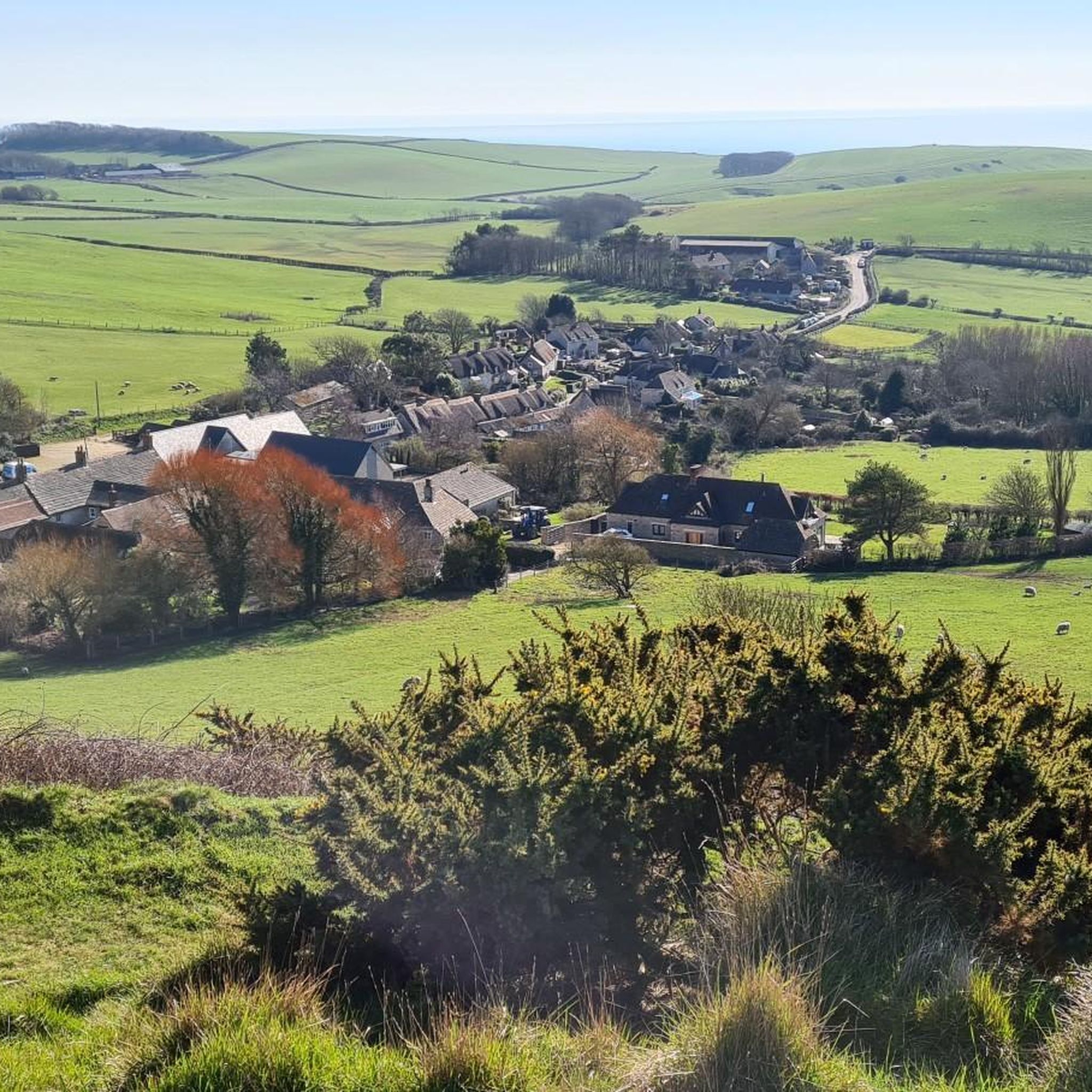
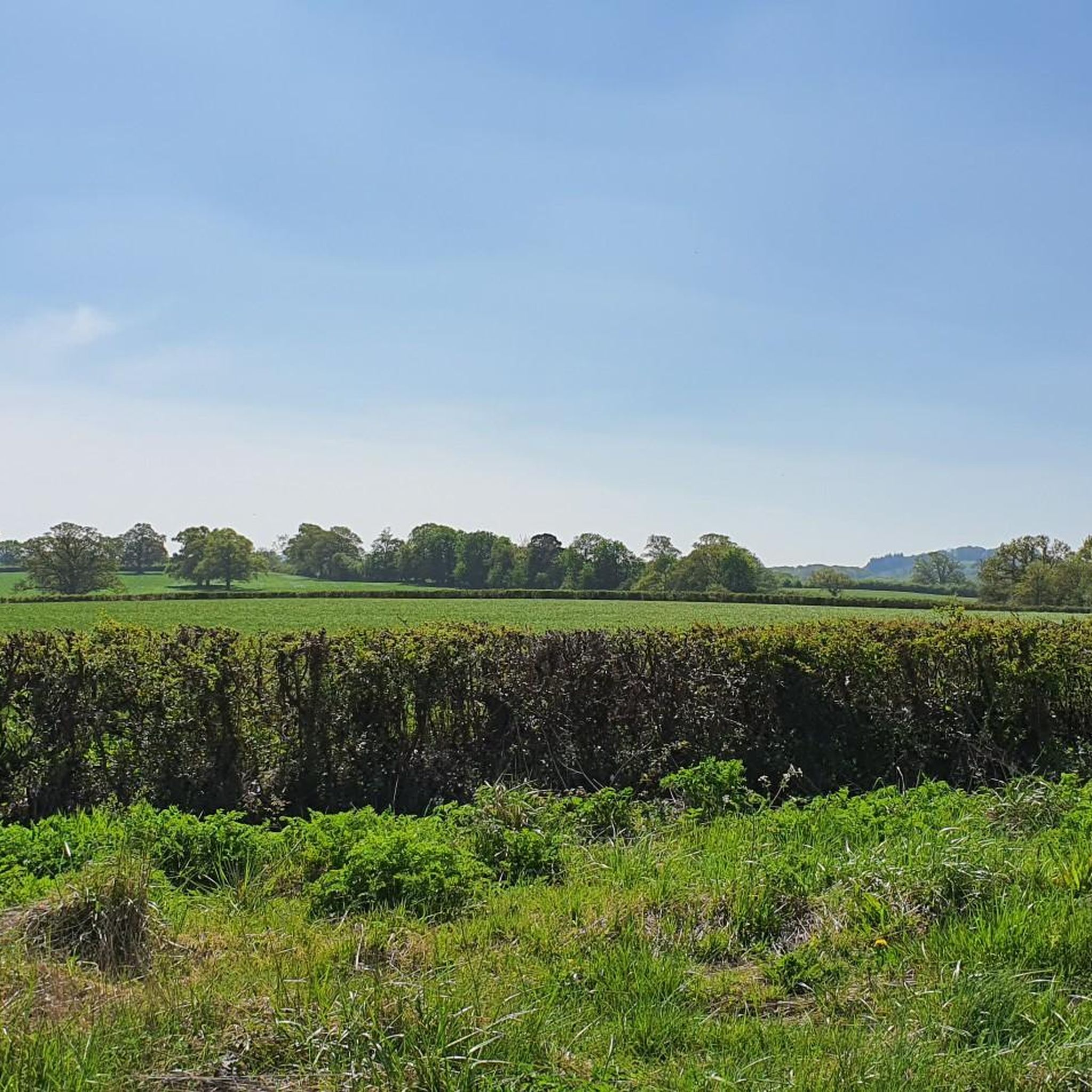
Hiking around Lydlinch offers diverse landscapes within the Blackmore Vale, characterized by ancient woodlands, open fields, and the meandering River Stour. The region features varied terrain, from gentle paths along the river to more moderate climbs around Iron Age hill forts. Lydlinch Common provides a nature reserve setting, while the wider area includes historical sites and sections of the North Dorset Trailway.
Best hiking trails around Lydlinch
- The most popular hiking route is Fiddleford Mill – St Mary’s Church loop…
Last updated: June 26, 2026
4.3
(4)
30
hikers
7.75km
02:05
100m
100m
Moderate hike. Good fitness required. Easily-accessible paths. Suitable for all skill levels.
4.3
(4)
32
hikers
Moderate hike. Good fitness required. Easily-accessible paths. Suitable for all skill levels.

Sign up for free
4.8
(4)
34
hikers
Easy hike. Great for any fitness level. Easily-accessible paths. Suitable for all skill levels.
4.8
(9)
29
hikers
Moderate hike. Good fitness required. Easily-accessible paths. Suitable for all skill levels.
4.6
(5)
26
hikers
4.09km
01:03
20m
20m
Easy hike. Great for any fitness level. Easily-accessible paths. Suitable for all skill levels.
Get access to more routes and recommendations from other explorers.
Sign up for free
Already have an account?
Our route recommendations are based on thousands of hikes, rides, and runs completed by other people on komoot.
Start today with a free account
Your next adventure awaits.
Login or Signup


Tips from the Community

What an absolute cracking pit stop. Extremely good prices on all the food. Only stopped for few coffees and toasted teacakes. Friendly staff and very clean.
0
0
The North Dorset Trailway is a 14-mile multi-use path for walkers, cyclists, and equestrians. It follows the course of the disused Somerset & Dorset Joint Railway line between Sturminster Newton and Spetisbury. The flat, surfaced route is traffic-free and offers beautiful views of the River Stour and the Blackmore Vale countryside.
0
0
Fiddleford Mill is an 18th-century structure near the River Stour, mentioned in the Domesday Book. Although the mill building is disused and not open to the public, it is adjacent to the much older Fiddleford Manor, a magnificent 14th-century English Heritage property known for its spectacular timber roofs.
0
0
It is the Church of England Parish Church and is a notable building, designated as a Grade I Listed structure. History: The present church dates from a rebuild in 1486 by the Abbots of Glastonbury and retains a significant carved wagon roof. A popular walking route goes along Penny Lane and Church Lane to reach the churchyard, which is why it's closely associated with Penny Street.
0
0
The railway bridge ruins are the abutments (supports) of the former Somerset & Dorset Joint Railway bridge over the River Stour. The line, which linked Bath and Bournemouth, closed in 1966 as part of the Beeching Cuts. The main span was demolished, leaving the brick and stone piers visible from the nearby Colber Footbridge. The old railway route is now part of the North Dorset Trailway.
0
0
Colber Bridge is an elegant Grade II Listed footbridge crossing the River Stour upstream of Sturminster Newton Mill. Built of cast iron and coursed rubble in 1841 by J. Conway, it stands near the ruins of the old railway bridge. It is particularly known as a popular and picturesque spot for wild swimming and is a featured landmark on many local walking trails, offering beautiful views of the Dorset countryside.
0
0
Sturminster Newton 'Castle' is the ruinous remains of a 14th-century medieval manor house constructed within the earthworks of an Iron Age hillfort. Originally belonging to Glastonbury Abbey, it was later granted to Katherine Parr by Henry VIII. The remains, which are on private land, are a Grade II* listed building and a Scheduled Ancient Monument.
0
0
The bridge you are referring to is officially known as Town Bridge (or Sturminster Newton Bridge), though it is often referred to as a "County Bridge" due to its historical significance and maintenance. Here are the key details about this historic structure in Sturminster Newton, Dorset: Historical Significance and Features Age: It is a remarkably old bridge, dating from the late 15th or early 16th century (circa 1500). It replaced a historic fording point on the River Stour. Structure: It is a multi-span stone arch bridge with six two-centred arches spanning the River Stour. Listing Status: It is a Grade I Listed Building (List Entry Number: 1110531) by Historic England, which means it is of exceptional interest. Widening: The bridge was widened from 12ft to 18ft in the 17th century. Later, in 1820, one of the central cutwaters (the pointed projections on the piers) was repaired. Pedestrian Refuges: The bridge features larger, central cutwaters that are corbelled out to form pedestrian refuges (small alcoves) to either side of the roadway. The "Transportation for Life" Plaque One of the most famous and curious features of the bridge is an iron plaque affixed within one of the downstream pedestrian refuges. The inscription on this plaque reads: "ANY PERSON WILFULLY INJURING ANY PART OF THIS COUNTY BRIDGE WILL BE GUILTY OF FELONY AND UPON CONVICTION LIABLE TO BE TRANSPORTED FOR LIFE." This plaque is a reminder of the harsh laws of the 19th century, though it is reported that no one was ever transported for damaging this specific bridge. Literary Connection The bridge holds a connection to English literature. It is the one featured in the poem "On Sturminster Bridge" by Thomas Hardy, who lived in the town from 1876 to 1878 while writing his novel The Return of the Native.
0
0
Frequently Asked Questions
What kind of terrain can I expect on hikes around Lydlinch?
Hiking around Lydlinch offers a diverse landscape within the Blackmore Vale. You'll encounter a mix of track, path, and field terrains, which can sometimes be muddy, especially after rain. The area features ancient woodlands, open fields, and the meandering River Stour. You can also expect more moderate climbs around impressive Iron Age hill forts like Hambledon Hill and Hod Hill.
How many hiking routes are there in the Lydlinch area, and what are their difficulty levels?
There are nearly 200 hiking routes available around Lydlinch. The trails cater to various fitness levels, with approximately 83 easy routes, 98 moderate routes, and 13 more challenging options for experienced hikers.
Are there any family-friendly walks suitable for children near Lydlinch?
Yes, Lydlinch offers several easy routes perfect for families. For instance, the St Mary’s Church – North Dorset Trailway loop from Sturminster Newton is an easy 3.2-mile (5.2 km) trail that follows sections of an old railway route, providing a gentle and accessible path for all ages.
What are some notable historical sites or landmarks I can see while hiking in Lydlinch?
The Lydlinch area is rich in history. You can explore impressive Iron Age hill forts such as Hambledon Hill, known for its breathtaking views, and Hod Hill, which also contains a Roman fort. The ruins of the 14th-century medieval manor house known as Sturminster Newton 'Castle' are another point of interest. Additionally, the elegant Grade II Listed Colber Bridge, built in 1841, crosses the River Stour near Sturminster Newton Mill and is a picturesque landmark on local routes.
Are there any circular walks available around Lydlinch?
Many of the hiking routes around Lydlinch are circular, allowing you to start and end in the same location. An example is the Sturminster Newton Castle – Sturminster Newton Mill loop from Sturminster Newton, a moderate 6.3-mile (10.1 km) path that explores historical sites and the River Stour.
What do other hikers say about the trails in Lydlinch?
The routes in Lydlinch are highly rated by the komoot community, with an average score of 4.5 stars from over 300 reviews. Hikers often praise the scenic beauty of the Blackmore Vale, the peaceful river views, and the historical points of interest along the trails.
What natural features can I expect to see on a hike near Lydlinch?
You'll encounter the picturesque landscapes of the Blackmore Vale, characterized by ancient oaks and open countryside. The River Stour meanders through the region, providing scenic beauty. Lydlinch Common, an unenclosed nature reserve, supports ground-nesting birds and diverse flora. The area is also home to significant Iron Age hill forts like Hambledon Hill and Hod Hill, which offer expansive views.
Is Lydlinch Common accessible for walks?
Yes, approximately 80 acres of Lydlinch Common remain unenclosed and serve as a nature reserve. It's a great place to explore the local biodiversity, with various trees like oaks, ashes, and elm, and provides habitats for wildlife.
Are there any trails that follow old railway lines?
Yes, the North Dorset Trailway, an old railway route, is now a popular path for hikers. Several loops, such as the St Mary’s Church – North Dorset Trailway loop from Sturminster Newton, incorporate sections of this trail, offering easily accessible paths.
What is the best time of year to go hiking in Lydlinch?
The Lydlinch area is beautiful year-round, but spring and summer are particularly vibrant, with Hod Hill, for example, rich in insects, butterflies, and plant life. Be aware that some track, path, and field terrains can become muddy, especially during wetter seasons.
Are there any pubs or cafes near the hiking routes in Lydlinch?
While Lydlinch itself is a small village, the wider area, particularly nearby Sturminster Newton, offers options for cafes and pubs where you can refresh after your hike. Many routes are designed to pass through or near these amenities.
Where can I park for hiking trails around Lydlinch?
Parking is generally available in and around the villages that serve as starting points for many of the trails, such as Sturminster Newton. Specific parking information can often be found on individual route descriptions on komoot.
Can I access Lydlinch hiking trails using public transport?
While Lydlinch is a rural area, local bus services connect it to larger towns like Sturminster Newton, which serves as a hub for many hiking routes. Planning your route in advance and checking local bus schedules is recommended for public transport access.
Most popular attractions around Lydlinch

Get inspired with the komoot mobile app


Explore more
Browse the best Hikes in other regions.
