The best walks and hikes around Lac d'Anterne
4.6
(3547)
40,764
hikers
190
hikes
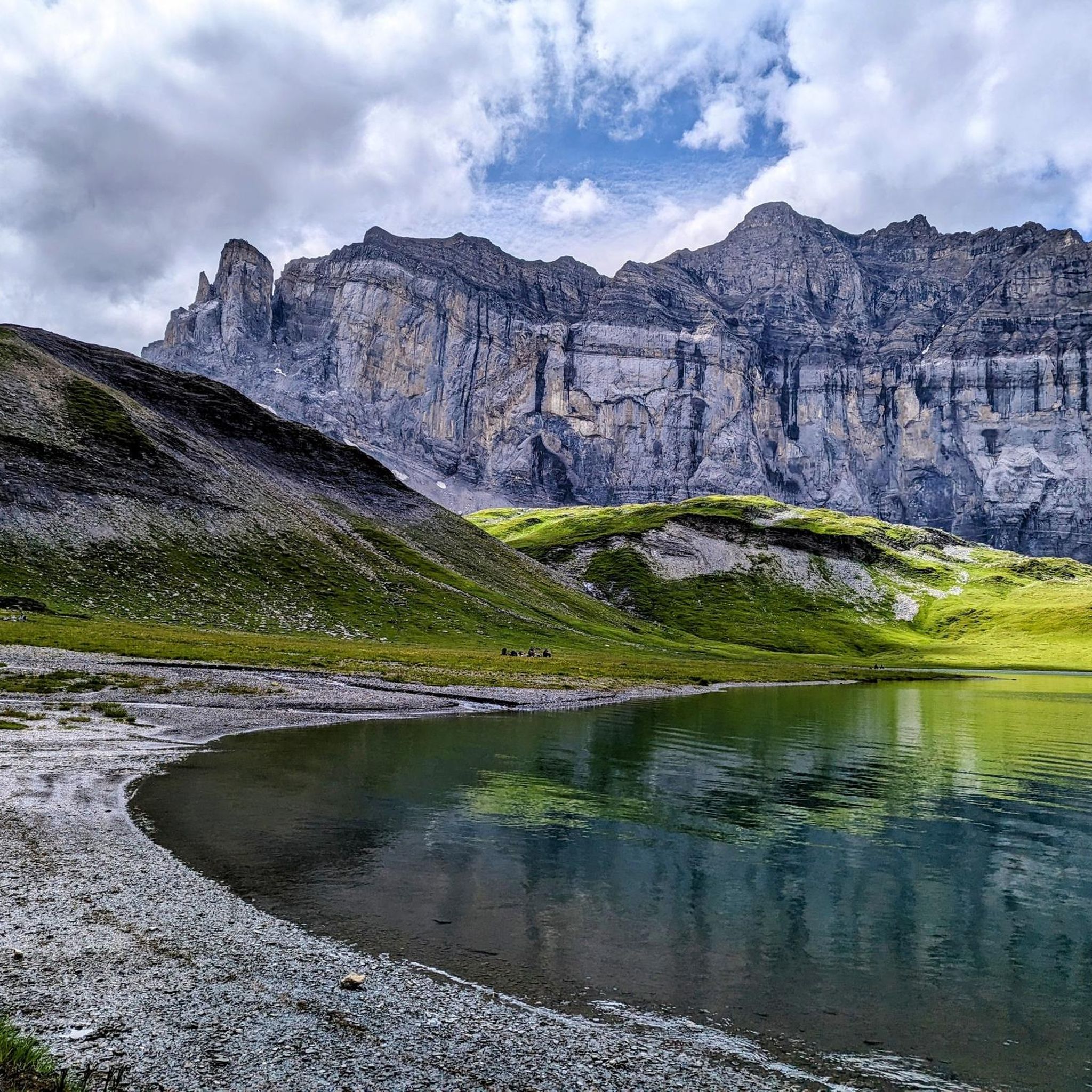
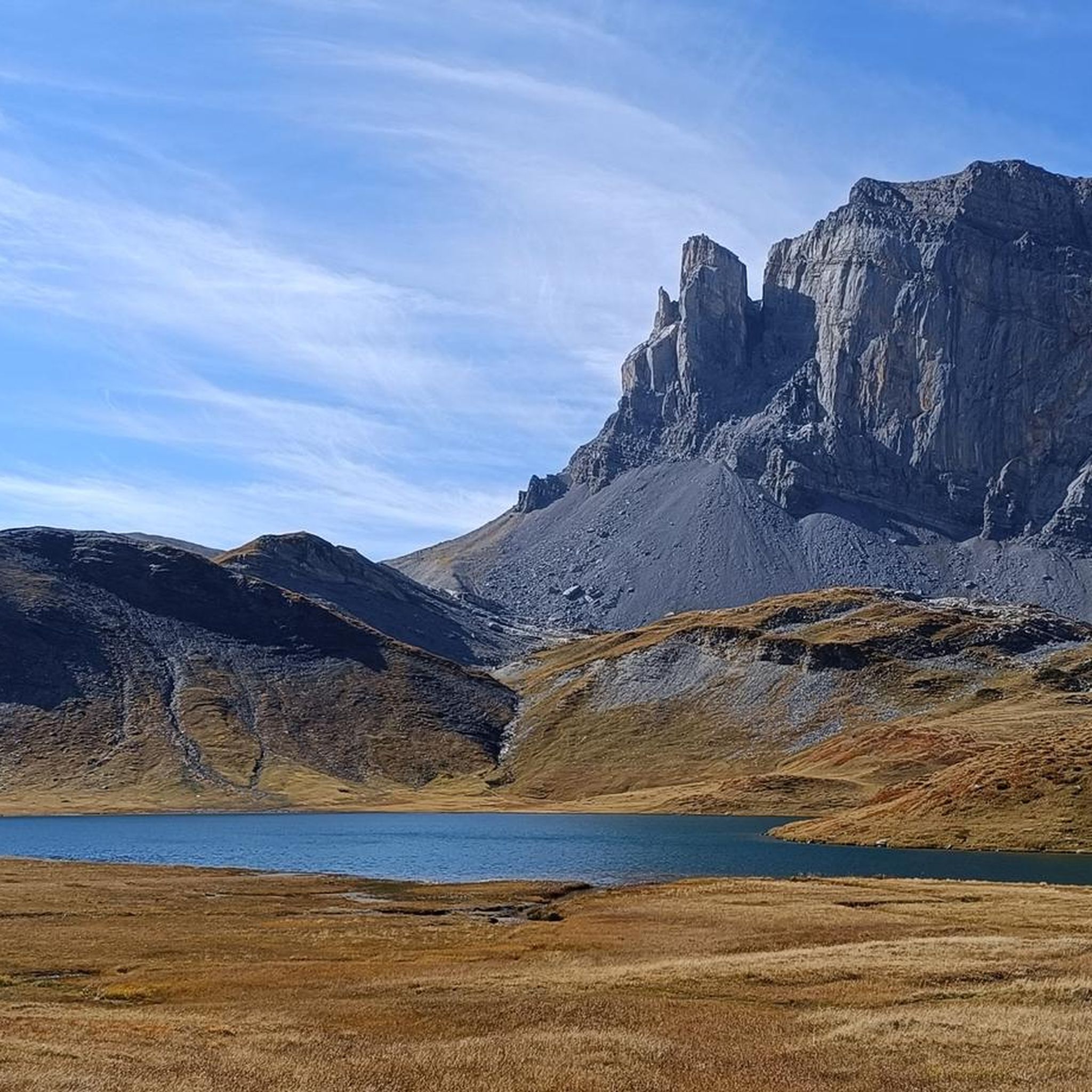
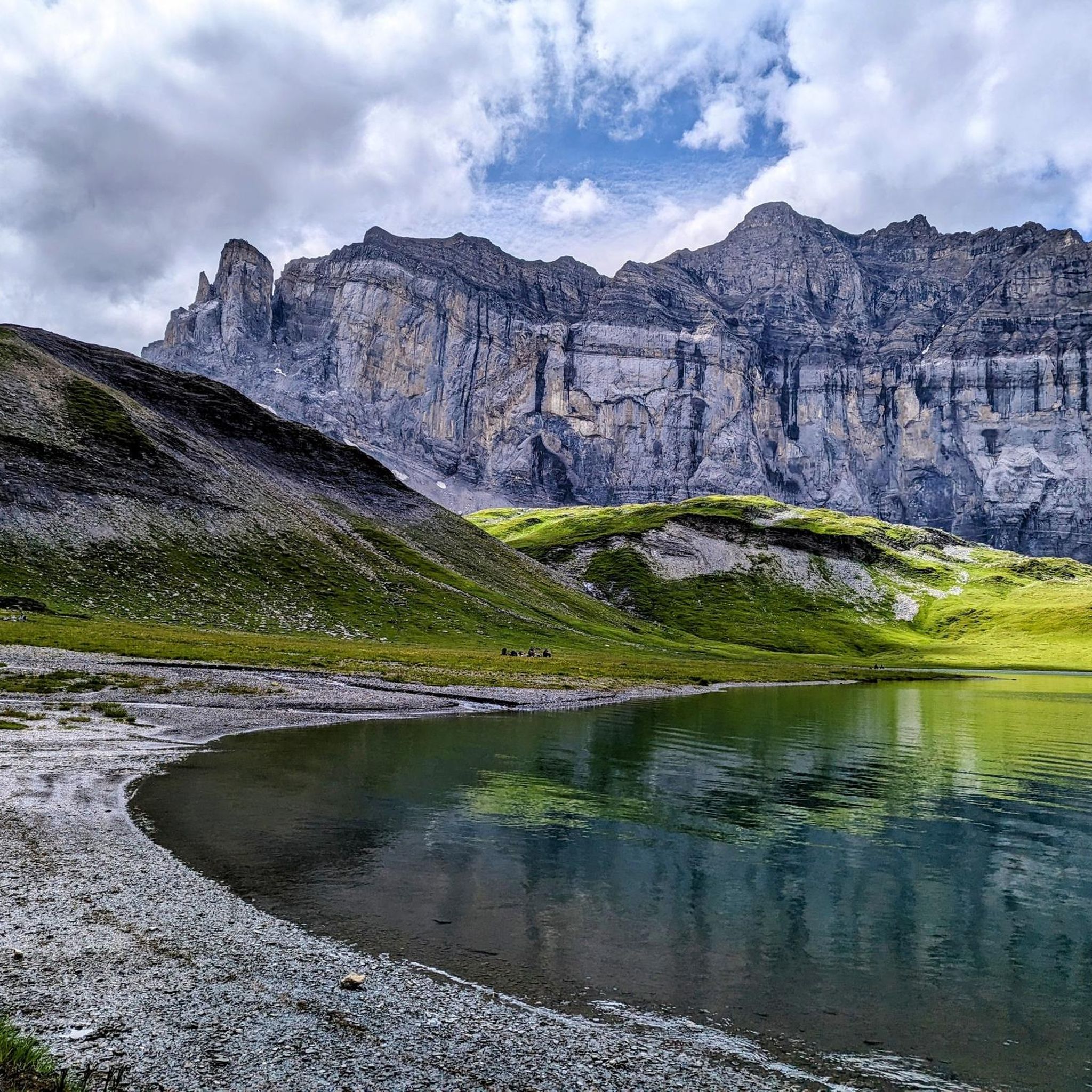
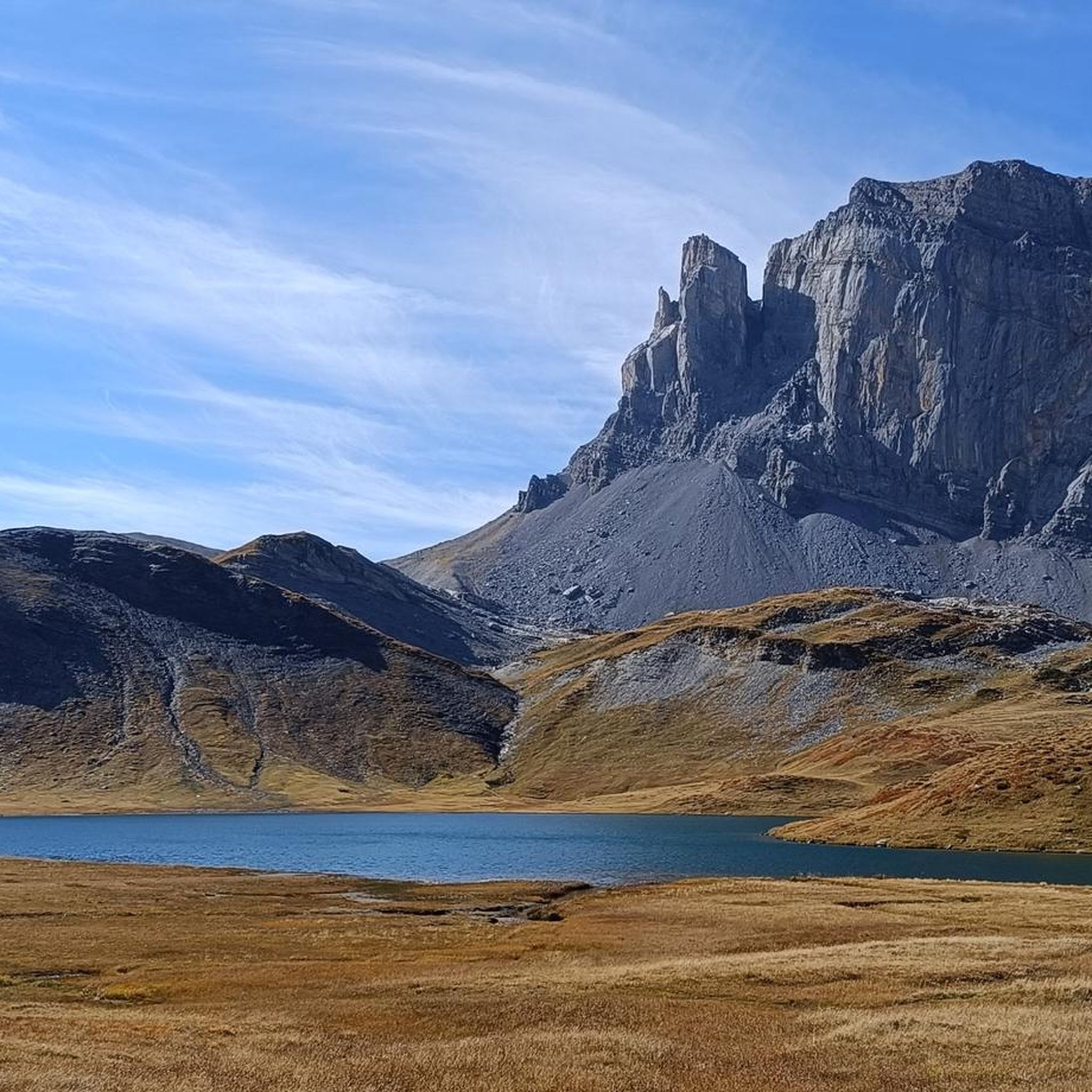
Hiking around Lac d'Anterne offers diverse trails within the Sixt-Passy Nature Reserve in Haute-Savoie, France. Situated at 2,063 meters (6,768 feet), this glacial and karstic lake is the largest natural lake in Haute-Savoie. The area is characterized by dramatic limestone cliffs of the Rochers des Fiz, surrounding peaks like Tête à l'Ane, and expansive alpine meadows. The Col d'Anterne provides a significant passage and offers views of the Mont-Blanc Massif.
Best hiking trails around Lac d'Anterne
- The most popular hiking route is Lake Anterne – Col d'Anterne loop from Lac d'Anterne, a 5.9 miles (9.5 km) difficult trail that takes 4 hours 23 minutes to complete, offering significant elevation gain and panoramic views.
- Another top favourite among local hikers is Moëde-Anterne Refuge loop from Bonneville, a moderate 1.9 miles (3.0 km) path. This route leads to the refuge, providing a shorter option with views of the surrounding landscape.
- Local hikers also love the Moëde-Anterne Refuge – Col d'Anterne loop from Bonneville, a 1.6 miles (2.5 km) trail leading through alpine terrain, often completed in about 1 hour 19 minutes.
- Hiking around Lac d'Anterne is defined by its glacial lake, dramatic mountain cirques, and high alpine meadows. The network offers options for various ability levels, from moderate paths to challenging multi-hour treks.
- The routes in Lac d'Anterne are highly rated by the komoot community with an average score of 4.5 stars from over 3200 reviews. More than 38000 hikers have used komoot to explore Lac d'Anterne's varied terrain.
Last updated: July 10, 2026
5.0
(1)
7
hikers
9.44km
04:23
560m
560m
Hard hike. Good fitness required. Sure-footedness, sturdy shoes and alpine experience required.
5.0
(1)
19
hikers
3.04km
01:06
100m
100m
Moderate hike. Great for any fitness level. Mostly accessible paths. Sure-footedness required.

Sign up for free
10
hikers
2.51km
01:19
230m
220m
Moderate hike. Great for any fitness level. Mostly accessible paths. Sure-footedness required.
5.0
(2)
49
hikers
16.4km
08:08
1,100m
1,100m
Hard hike. Very good fitness required. Sure-footedness, sturdy shoes and alpine experience required.
5.0
(6)
82
hikers
19.2km
09:31
1,380m
1,380m
Hard hike. Very good fitness required. Mostly accessible paths. Sure-footedness required.
Get access to more routes and recommendations from other explorers.
Sign up for free
Already have an account?
Our route recommendations are based on thousands of hikes, rides, and runs completed by other people on komoot.
Start today with a free account
Your next adventure awaits.
Login or Signup


Tips from the Community

The Col de Salenton allows you to connect the Bérard valley to the Diosaz valley. The path is technical on the Bérard side with some snowfields still present in summer, the path is very well marked. The west side is easier to access.
0
0
Quiet, beautiful place. Easy bivouac around the hamlet. A fountain flows with water. The chalets are all closed, no shelter possible
0
0

A very beautiful high-altitude trail from the Refuge Moede Anterne to the Col Saleton; it runs above the remote upper Val Diosaz with views of the Aiguilles Rouges and the Mont Blanc massif rising behind them.
0
0
In autumn, a room is open as a place to sleep (go up the steel stairs at the back).
0
0

Spectacular stream crossing without a bridge with rushing meltwater... If you're not careful, your feet will quickly get wet.
0
0

Point d'intersection Refuge Moëde Anterne Altitude 2002m
1
0

On Mont Buet you are directly opposite Mont Blanc and have a good view of it. From the Refuge de la Pierre a Berard it takes about 3 hours to reach the summit
1
0

Mont Buet is a huge mountain, nestled on the remote Swiss side of the Chamonix valley. The mountain itself is an expanse of rock, with steep walls or open scree slopes. The summit itself is a fantastic and ambitious goal for any aspiring mountain runner, as the ascent can be done with little technical difficulty. It is still very much a mountain, and necessary precautions must be taken. Bring the right equipment, choose good conditions and only go if you have the appropriate experience. This summit, however, will reward you with unbeatable views of the Mont Blanc massif, the Chamonix valley, and even the Matterhorn on a good day.
1
0
Frequently Asked Questions
How many hiking trails are available around Lac d'Anterne?
There are over 180 hiking routes available around Lac d'Anterne, catering to various skill levels. The komoot community has explored these trails over 38,000 times, highlighting the area's popularity for outdoor enthusiasts.
What kind of terrain can I expect on hikes around Lac d'Anterne?
The terrain around Lac d'Anterne is diverse, characterized by its glacial and karstic origins. You'll encounter alpine meadows, rocky paths, and dramatic limestone cliffs, particularly those of the Rochers des Fiz. Some routes involve significant elevation gain and can be challenging, while others offer more moderate paths through the wide Anterne valley.
Are there any family-friendly hiking options near Lac d'Anterne?
While many trails around Lac d'Anterne are considered difficult, there are moderate options that could be suitable for families with some hiking experience. For instance, the Moëde-Anterne Refuge loop from Bonneville is a moderate 3 km path leading to a refuge, offering a shorter option with scenic views.
Can I bring my dog on the trails around Lac d'Anterne?
The Sixt-Passy Nature Reserve, where Lac d'Anterne is located, generally allows dogs on trails but often requires them to be kept on a leash to protect local wildlife and livestock. Always check specific regulations for the particular trail you plan to hike.
Are there any circular hiking routes around Lac d'Anterne?
Yes, there are several circular hiking routes. A notable example is the difficult Lake Anterne – Col d'Anterne loop from Lac d'Anterne, which covers 9.5 km and offers panoramic views. Another moderate option is the Moëde-Anterne Refuge – Col d'Anterne loop from Bonneville, a 2.5 km trail through alpine terrain.
What natural landmarks or viewpoints can I see while hiking?
Hikers are rewarded with breathtaking panoramic views. Key landmarks include the imposing Rochers des Fiz cliffs, the Frêtes de Villy and Moëde, and the crystal-clear Lac d'Anterne itself. From the Col d'Anterne (2,257 m), you can enjoy a splendid view of the Mont-Blanc Massif and Lac de Pormenaz below.
Are there any waterfalls along the hiking routes?
Yes, several routes in the area pass by beautiful cascades. You might encounter waterfalls such as the Cascades de la Pleureuse and Sauffraz, which add to the scenic beauty of the trails.
What is the best time of year to hike around Lac d'Anterne?
The best time to hike around Lac d'Anterne is typically during the summer months, from late June to early September, when the trails are clear of snow and the alpine meadows are in full bloom. The lake's waters can reach up to 14°C in summer, making it a refreshing sight. Always check local weather conditions before heading out.
Is there parking available near the trailheads for Lac d'Anterne?
Yes, popular starting points for hikes to Lac d'Anterne include the Lignon car park in Sixt-Fer-à-Cheval and Plaine Joux in Passy. These locations typically offer parking facilities for hikers accessing the trails.
Can I reach Lac d'Anterne trails using public transport?
Access to the more remote trailheads like Lignon or Plaine Joux often requires a car. While public transport might get you to nearby towns like Sixt-Fer-à-Cheval or Passy, onward connections to the specific starting points for Lac d'Anterne hikes can be limited or require local shuttle services during peak season. It's advisable to check local transport schedules in advance.
What kind of wildlife might I spot while hiking?
The alpine meadows surrounding Lac d'Anterne are a refuge for various wildlife. You might have the opportunity to observe marmots and ibex. The lake itself is home to trout and Arctic char.
Are there any refuges or places to stay overnight near Lac d'Anterne?
Yes, the area features refuges such as the Refuge d'Anterne Alfred Wills, which provides resting points and options for overnight stays. Bivouacking near the lake is generally tolerated between 7 PM and 9 AM, offering a unique chance to experience the sunrise over the Rochers des Fiz.
What do other hikers enjoy most about hiking in Lac d'Anterne?
The area is highly rated by the komoot community, with an average score of 4.5 stars from over 3200 reviews. Reviewers often praise the stunning natural beauty, the clear bluish waters of the lake, the dramatic mountain cirques, and the breathtaking panoramic views of the Mont-Blanc Massif.
Most popular routes around Lac d'Anterne

Get inspired with the komoot mobile app


Explore more
Browse the best Hikes in other regions.
