Top 5 Castles around Rowington
Best castles around Rowington include a variety of historical structures, from medieval castles to moated manor houses. The area, situated in Warwickshire, offers a landscape rich in history and cultural significance. Visitors can explore sites that reflect centuries of English heritage, including fortifications and grand residences.
Best castles around Rowington
- The most popular castles is Kenilworth Castle, a castle that was built over 900 years ago and survived a six-month siege. It features an impressive 12th-century Norman keep and…
Last updated: June 29, 2026
Kenilworth Castle Ruins
Highlight • Castle
Tip by

Kenilworth Castle
Highlight • Castle
Tip by

Sign up now to discover places like this
Get recommendations on the best single tracks, peaks, & plenty of other exciting outdoor places.
Sign up for free
Baddesley Clinton Manor House and Gardens
Highlight • Settlement
Tip by

Tiltyard Dam at Kenilworth Castle
Highlight (Segment) • Monument
Tip by

Elizabethan Garden at Kenilworth Castle
Highlight • Historical Site
Tip by
Sign up for free to discover even more castles around Rowington.
Sign up for free
Already have an account?
Start today with a free account
Your next adventure awaits.
Login or Signup

Tips from the Community

The area surrounding Castle Green offers picturesque views of the castle ruins and a greenery for visitors interested in England's rich history and architecture
0
0

The castle was founded after the Norman Conquest of 1066; with development through to the Tudor period. It has been described by the architectural historian Anthony Emery as "the finest surviving example of a semi-royal palace of the later middle ages, significant for its scale, form and quality of workmanship". Kenilworth played an important historical role: it was the subject of the six-month-long siege of Kenilworth in 1266, thought to be the longest siege in medieval English history, and formed a base for Lancastrian operations in the Wars of the Roses. Kenilworth was the scene of the removal of Edward II from the English throne, the perceived French insult to Henry V in 1414 of a gift of tennis balls (said by John Strecche to have prompted the campaign that led to the Battle of Agincourt), and the Earl of Leicester's lavish reception of Elizabeth I in 1575. It has been described as "one of two major castles in Britain which may be classified as water-castles or lake-fortresses...
0
0
Robert Langham (C16) - "The Castle has the name of Killingwoorth, but if truth grounded upon faithful story, Kenelwoorth [Kenilworth]. It stands in Warwickshire, a 74 mile North-West from London, and as it were in the navel of England, four mile somewhat South from Coventry a proper city, and a like distance from Warwick, a fair Shire town on the North. In air sweet and wholesome, raised on an easy-mounted hill, is set evenly coasted with the front straight into the East, has the tenants and town about it, that pleasantly shifts from dale to hill, sundry wherewith sweet springs burst forth; and is so plentiful and well sorted on every side into arable, meadow, pasture, wood, water, and good air, as it appears to have need of nothing that may pertain to living or pleasure."
1
0
Much of the right-hand court is occupied by the privy garden created by Dudley for the queen. Now known as the Elizabethan Garden, it has been recreated on the basis of archaeological evidence and an account of the 1575 festivities by Robert Langham. The two arbours, one at each end of the terrace, described by Langham as ‘perfumed with sweet trees and flowers’, are now planted with scented plants (vines, honeysuckle, sweet musk rose). The garden is divided into quarters, with a pierced obelisk at the centre of each. Each quarter is subdivided into two knots, defined by low privet hedges, wit patterns of planting based on contemporary Flemish drawings. All the flowering plants used were popular in Elizabeth’s day (carnations, pinks, stocks, wallflowers) and the focal points of the knots are small trees and shrubs. At the centre of the garden is a spectacular fountain in Carrara marble. The faces of the octagonal basin are carved with scenes from Ovid’s Metamorphoses.
0
0
The dam was probably constructed in three phases; initially circa 1125, then subsequently raised by King John and lastly the western lane and bridge possibly 17th century. It is not known when the castle’s great defensive lake, created by the dam, was first called a Mere nor when the breach, shown here being repaired in 1964, was first called Hawkesworth’s Gap. At the end of the Civil War in 1649, Cromwell’s Parliamentarians were determined to ensure that the former Royalist strongholds would never again provide a safe haven for those who opposed the new republican parliament’s powers. So, Colonel Joseph Hawkesworth, MP was appointed to ‘slight’ or damage the castle beyond repair and it is said he breached the Tiltyard to drain the mere as part of the slighting.
0
0

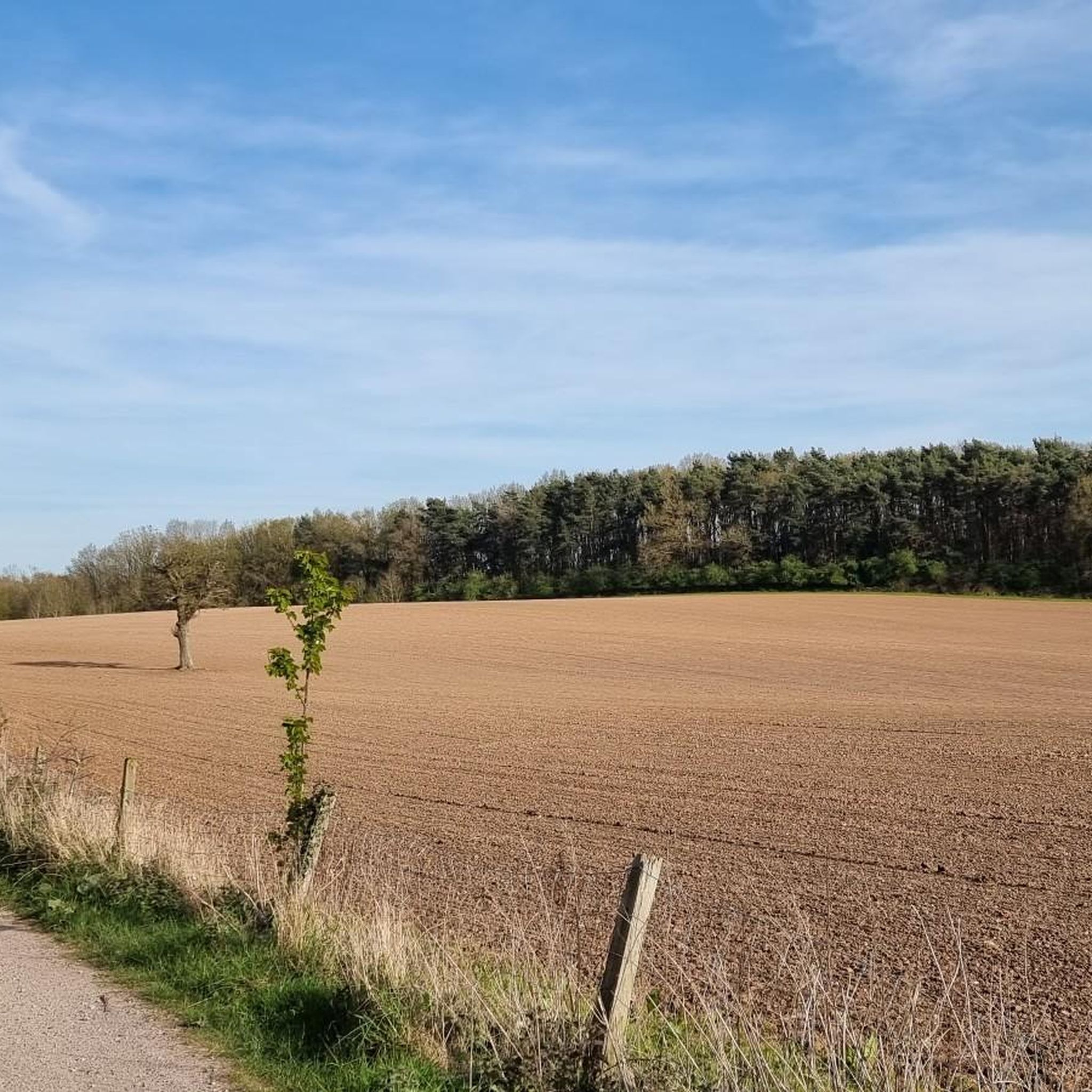
Drop down and corner past a medieval castle. Pretty cool.
0
0

Although much of it is still in ruins, it is definitely worth the visit, very accessible from the centre and with a good car park (paid) next to it. The castle, which was built between the beginning of Norman rule in England and the Tudor period, played a significant role in history.
1
0

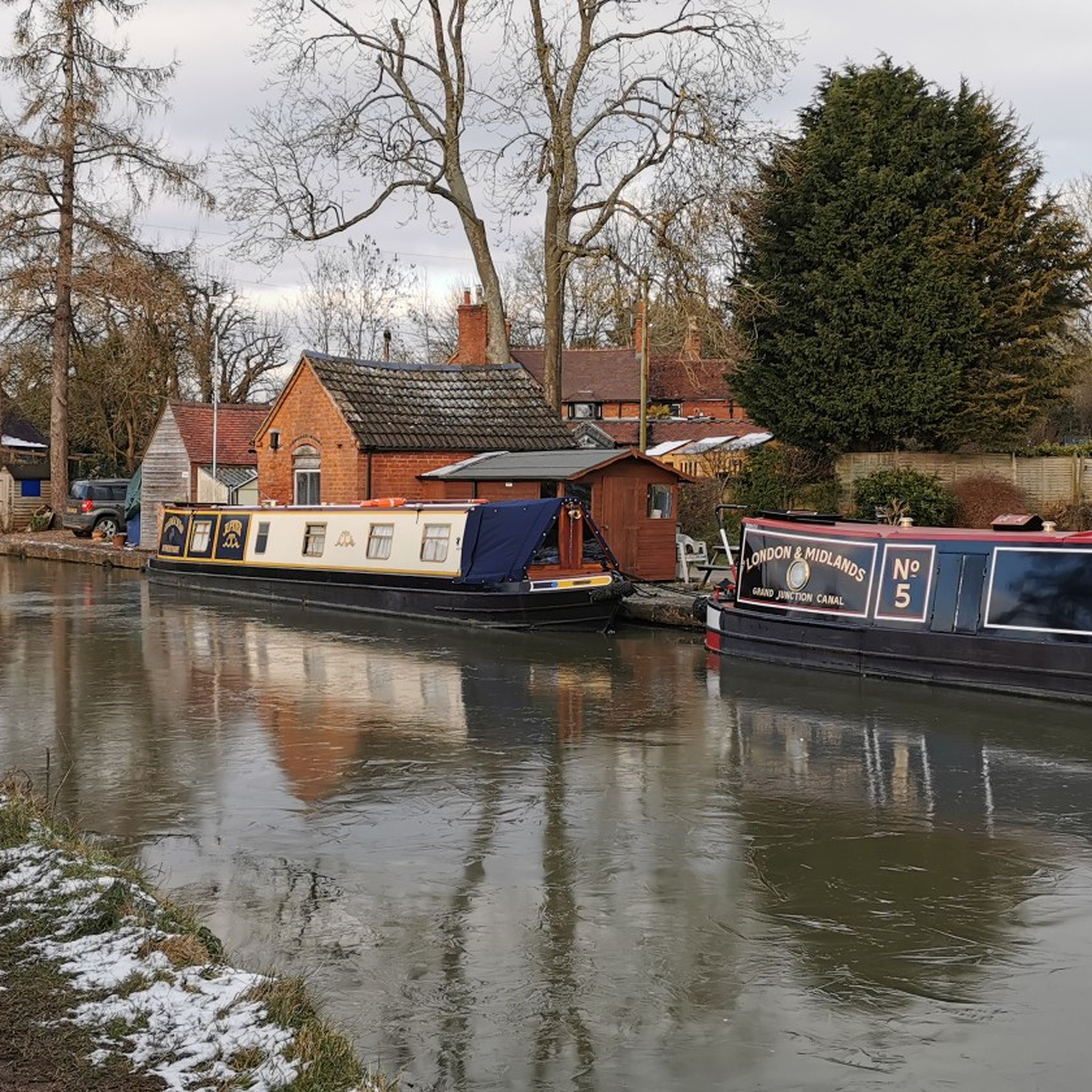
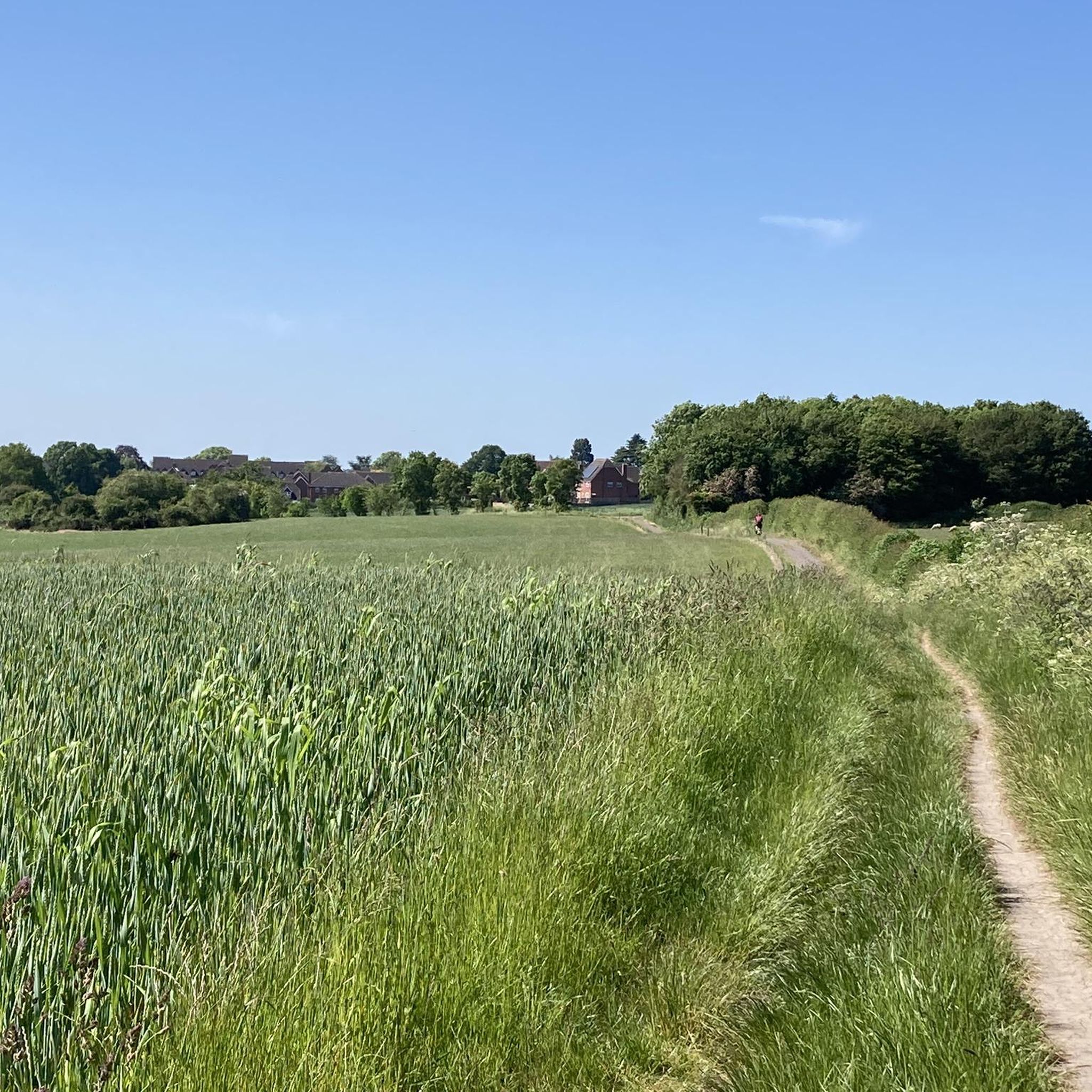
Nice Circular Walk using a mixture of Canal towpath fieldpaths and minor link roads.
0
0
Frequently Asked Questions
What types of historical sites can I explore around Rowington?
The area around Rowington offers a rich variety of historical sites, including impressive medieval castles and moated manor houses. You can visit grand fortifications like Kenilworth Castle, which boasts a Norman keep and a history spanning over 900 years, or explore the moated Baddesley Clinton Manor House, known for its 15th-century architecture and secret priest holes.
Are there family-friendly castles to visit near Rowington?
Yes, several castles and historical sites near Rowington are well-suited for families. Kenilworth Castle and Baddesley Clinton Manor House are both categorized as family-friendly. Warwick Castle, featuring structures like Guy's Tower, also offers a range of activities and shows that appeal to all ages, from exploring lavish rooms to watching jousting tournaments.
What is the best time of year to visit the castles around Rowington?
The spring and summer months (April to September) are generally ideal for visiting the castles around Rowington. During this time, the weather is typically milder, making it more pleasant to explore outdoor areas like the Elizabethan Garden at Kenilworth Castle or the grounds of Baddesley Clinton. Many sites also host special events and re-enactments during these warmer months.
Can I find any 'hidden gem' historical sites near Rowington?
While not a traditional castle, Baddesley Clinton Manor House offers a unique and intimate historical experience. Its well-preserved moat, Elizabethan-era interiors, and fascinating secret priest holes provide a captivating glimpse into 500 years of history, often feeling less crowded than larger attractions. Additionally, Shakespeare Hall in Rowington Green, a 16th-century manor house with literary connections, offers architectural significance, though it is a private residence.
Are there walking or cycling routes that incorporate these historical sites?
Yes, the region around Rowington is excellent for outdoor activities. You can find various routes that pass by or are near these historical sites. For example, there are easy hikes and road cycling routes that allow you to explore the scenic countryside and potentially view some of the castles or manor houses from a distance. Some routes, like the 'Pratt's Pit Pond loop from Baddesley Clinton', even start directly from a historical location.
How long should I allocate for a visit to Warwick Castle from Rowington?
Warwick Castle is a major attraction with a lot to see and do. From Rowington, the drive is approximately 5 miles, taking about 15-20 minutes. To fully experience the castle, including its towers, State Rooms, grounds, and any shows or exhibitions, you should plan to spend at least half a day, if not a full day. Many visitors spend 4-6 hours exploring everything on offer.
Are there options for public transport to Kenilworth Castle from Rowington?
While direct public transport from Rowington to Kenilworth Castle might be limited, you can typically reach Kenilworth town by bus from nearby larger towns like Warwick or Leamington Spa. From Kenilworth town centre, the castle is usually within walking distance. It's advisable to check local bus schedules and routes for the most up-to-date information.
What are the parking options like at the castles near Rowington?
Most major historical attractions like Kenilworth Castle, Baddesley Clinton, and Warwick Castle provide dedicated visitor parking, often for a fee. It's always recommended to check the official websites of each site before your visit for current parking availability, charges, and any booking requirements, especially during peak seasons.
Can I find cafes or pubs near Warwick Castle for refreshments?
Yes, Warwick Castle itself has on-site cafes and refreshment options. Additionally, Warwick town centre, which is adjacent to the castle, offers a wide selection of pubs, cafes, and restaurants where you can enjoy a meal or a drink before or after your visit.
What makes Kenilworth Castle a significant historical site?
Kenilworth Castle is historically significant for several reasons. It features an impressive 12th-century Norman keep and endured one of the longest sieges in medieval English history in 1266. Later, Robert Dudley transformed it into a lavish palace to entertain Queen Elizabeth I, adding the spectacular Elizabethan Garden. The castle's evolution from a formidable fortress to a royal residence offers a deep dive into English history.
What unique features does Baddesley Clinton Manor House offer?
Baddesley Clinton Manor House is notable for its well-preserved moat and its role as a sanctuary for Catholic priests during the 16th century. Visitors can explore three secret 'priest holes' within the house, offering a fascinating glimpse into a turbulent period of English history. The house also showcases Elizabethan-era furnishings and tranquil gardens.
Are there any specific towers or structures worth noting at Warwick Castle?
Absolutely. Guy's Tower is a prominent feature of Warwick Castle, standing at 29 meters high with a distinctive 12-sided design. Another significant structure is Caesar's Tower, one of the tallest and oldest parts of the castle. Exploring these towers provides excellent views and insight into medieval military architecture.
Most popular routes around Rowington
Most popular attractions around Rowington

Get inspired with the komoot mobile app


Explore more
Looking for the best castles somewhere else? Discover other guides around Rowington:
