The best walks and hikes around Preshute
4.5
(1058)
8,291
hikers
20
hikes
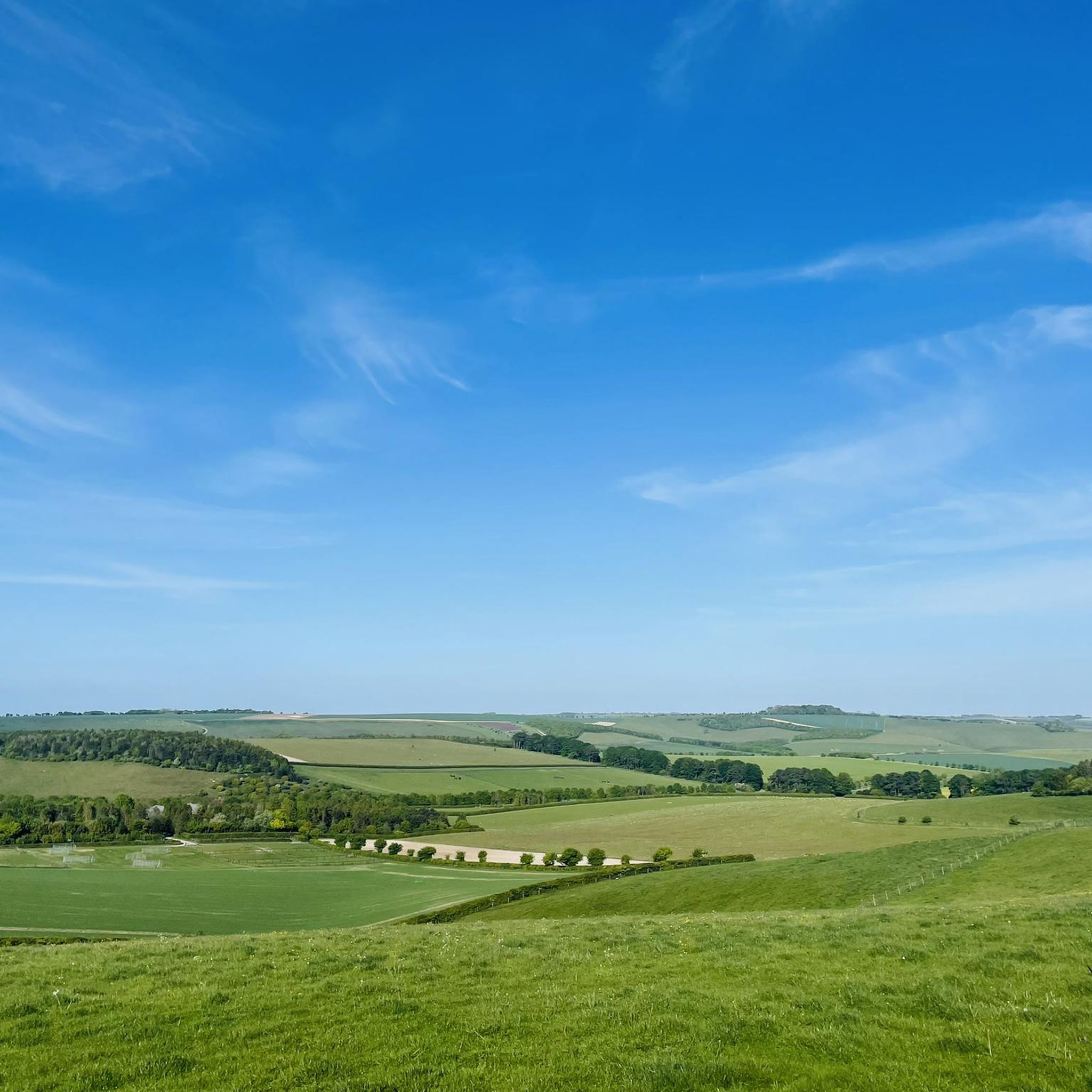
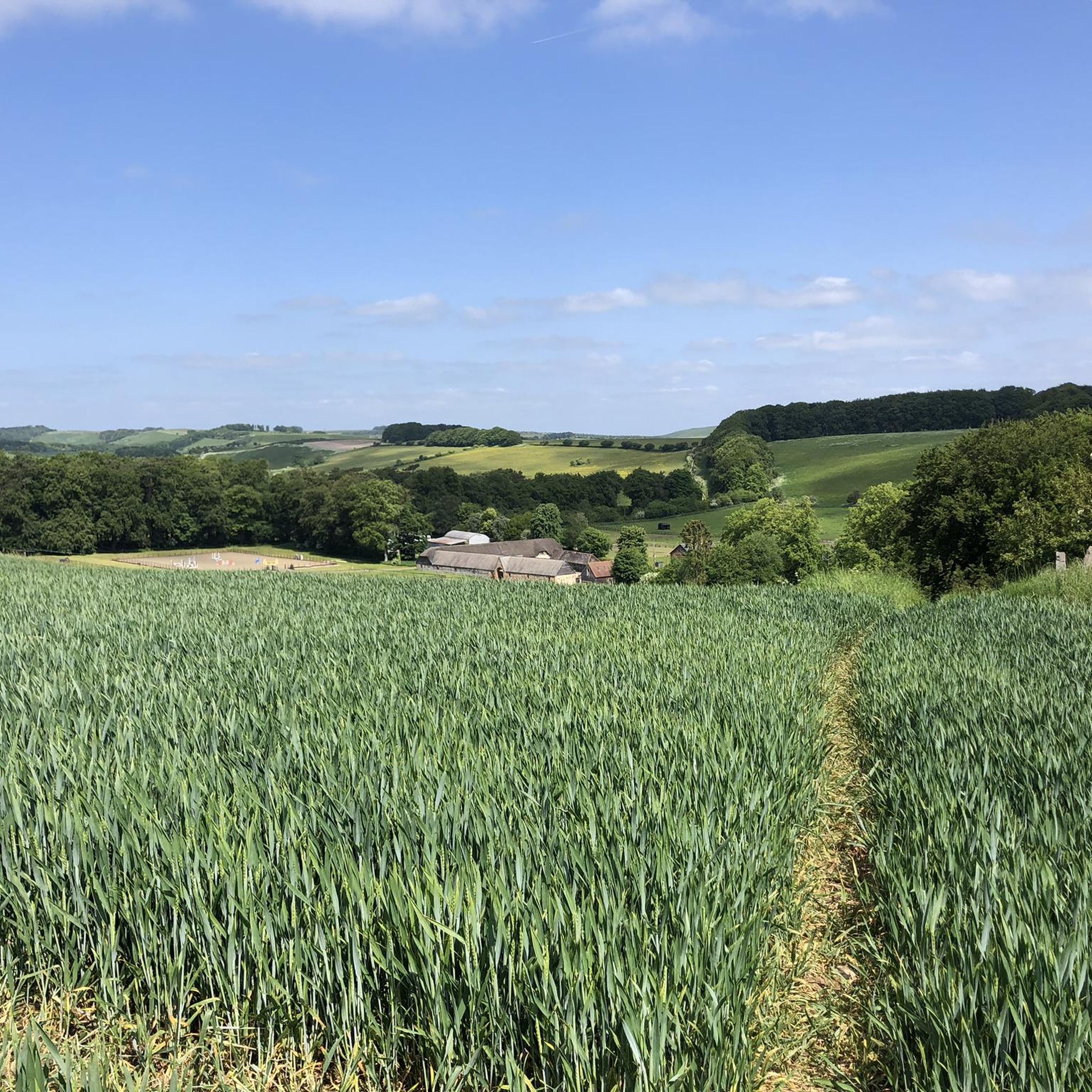
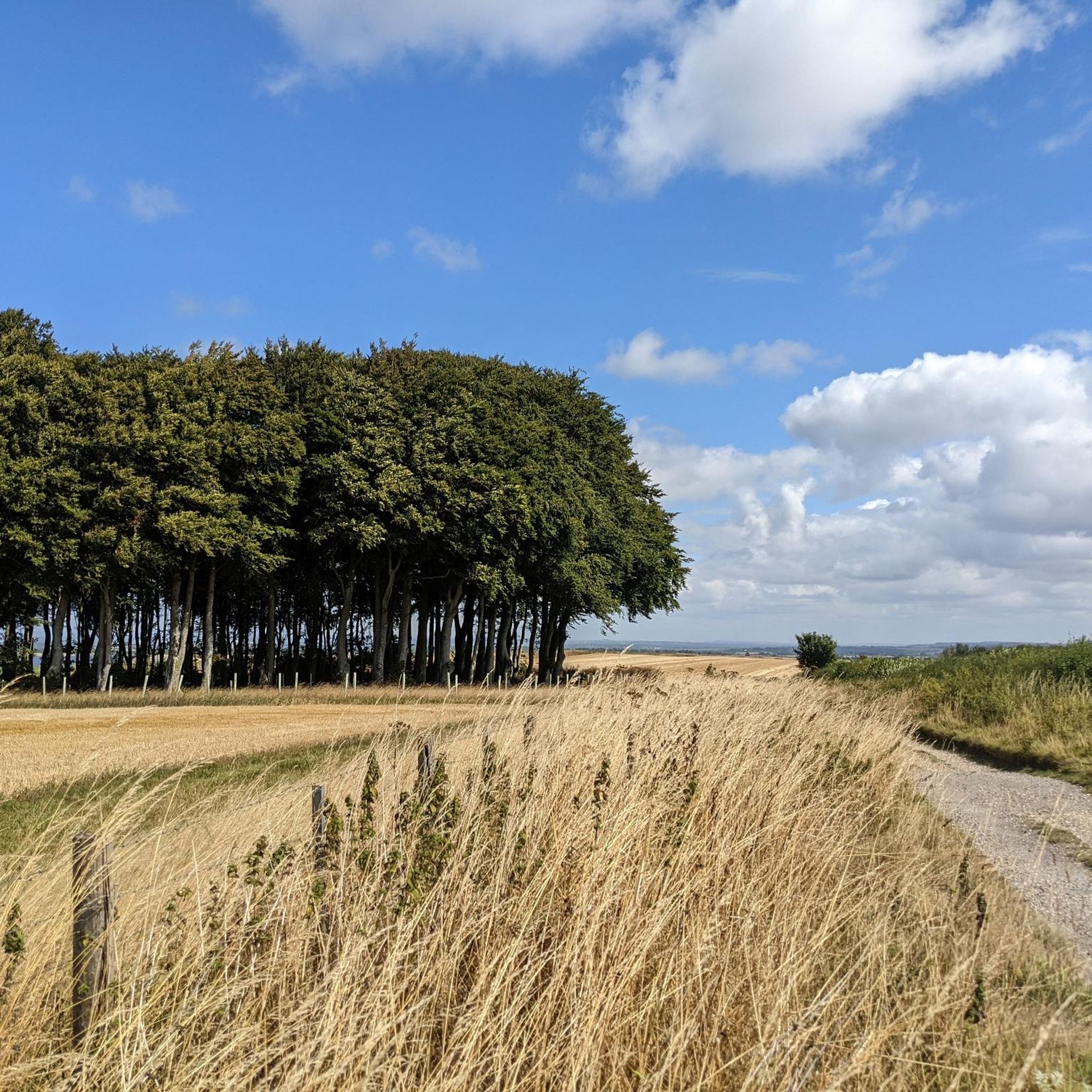
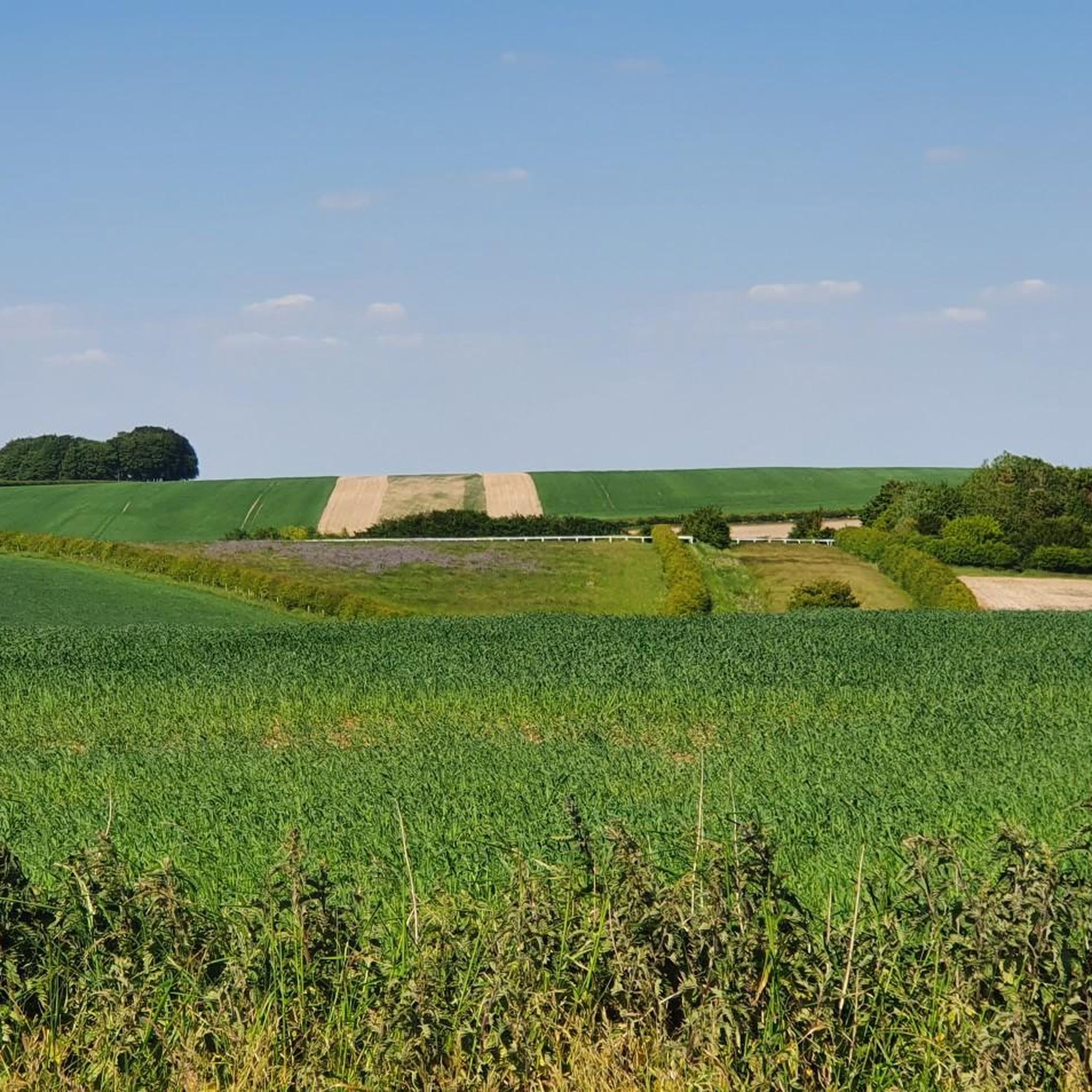
Hiking around Preshute offers varied terrain across Wiltshire's countryside. The region features undulating chalk downland, providing open vistas, alongside river valleys and ancient woodlands like West Woods. An extensive network of public rights of way, including sections of The Ridgeway, connects historical sites and natural features. The landscape includes Bronze Age barrows and offers diverse walking conditions.
Best hiking trails around Preshute
- The most popular hiking route is Devil's Den Dolmen – Valley of Stones loop from Preshute, a…
Last updated: July 6, 2026
4.0
(4)
15
hikers
11.3km
03:01
130m
130m
Moderate hike. Good fitness required. Easily-accessible paths. Suitable for all skill levels.
11
hikers
6.47km
01:45
80m
80m
Easy hike. Great for any fitness level. Easily-accessible paths. Suitable for all skill levels.

Sign up for free
7
hikers
4.48km
01:13
60m
60m
Easy hike. Great for any fitness level. Easily-accessible paths. Suitable for all skill levels.
5.0
(1)
7
hikers
3.39km
00:55
50m
50m
Easy hike. Great for any fitness level. Easily-accessible paths. Suitable for all skill levels.
5.0
(1)
10
hikers
5.11km
01:24
80m
80m
Easy hike. Great for any fitness level. Easily-accessible paths. Suitable for all skill levels.
Get access to more routes and recommendations from other explorers.
Sign up for free
Already have an account?
Our route recommendations are based on thousands of hikes, rides, and runs completed by other people on komoot.
Start today with a free account
Your next adventure awaits.
Login or Signup
Tips from the Community

Lots of varied paths to walk. Can get busy in the Bluebell season, but quiet at other times. Parking and poncho picnic benches.
0
0

The "Valley of Stones" in Wiltshire is a stretch of Fyfield Down National Nature Reserve, renowned for its concentration of Sarsen stones. These huge, naturally-occurring sandstone boulders were formed millions of years ago and later scattered across the chalk landscape. Locally, they are known as the "Grey Wethers" because from a distance, they resemble a flock of sheep. Significantly, this valley was the primary quarry source for the massive sarsen stones used to construct the megalithic monuments at Avebury and possibly Stonehenge.
0
0
Devil's Den stone monument is a Neolithic dolmen (burial chamber) located in Wiltshire, near Marlborough, not Sturminster Newton. The structure features a massive 17-ton capstone resting on two upright sarsen stones. Local folklore claims that if water is poured into the hollows on the capstone, the Devil himself will come during the night to drink it. It was largely reconstructed in 1921 after the chamber collapsed.
0
0
Wooded area within the Fyfield Downs. Be careful on your choice of footwear. It's muddy, really muddy.... and slippy. Have fun!!
0
0
Possibly a fallen standing stone, the Polisher is a very rare example of a stone used to polish stone axes. Associated with the nearby beaker settlement, the stone clearly shows the grooves and smooth dished area where axes were highly finished, perhaps to become high status ceremonial gifts. It is claimed to be a particularly fine example of a grinding bench for shaping, whetting, and polishing stone axe-heads, and to compare with many Neolithic and Bronze Age examples in France
0
0
The Valley of Stones in Wiltshire is a landscape of sarsen stones, a type of hard grey sandstone, that's known for its Neolithic monuments. Those bizarre rocks are locally known as 'Grey Wethers' because they are often mistaken for a flock of sheep in misty weather. But their other name has an even more fascinating origin! These geological features are officially known as Sarsen Stones. Most likely deriving from Wiltshire vernacular for 'Saracen'. Historians think Knight Templars named them as such because they were alien to the soft chalk of the North Wessex Downs. But the name has a more sinister meaning. It stems from the Crusades against Islamic rule, during which they called Muslims Saracens. This word was also used for anything that was 'foreign'. 'Grey Wethers' were used for building in the Neolithic Age! And thus, it is time to fall into the prehistoric rabbit hole as deep as 6000 years! According to The National Trust information board, these stones were used to erect Stonehedge and Avebury!
0
0
In a field on Fyfield Down, 1 mile east of Marlborough, Wiltshire, stands the prehistoric burial chamber known as The Devil’s Den or Clatford Bottom Stone, a Neolithic monument from 5,000 years ago that is also known as a Dolmen (stone table). Get up here on a clear day, nice and early, and you'll witness the most amazing sunrise.
0
0

Great route over meadow fields and Neolithic archeological site. Good conditions over well drained fields.
0
0
Frequently Asked Questions
How many hiking trails are available in Preshute?
Preshute offers a good selection of hiking routes, with over 20 trails available. These range from easy strolls to more challenging long-distance paths across the varied Wiltshire countryside.
What kind of terrain can I expect on hikes around Preshute?
Hiking in Preshute features diverse terrain, including undulating chalk downland with open vistas, serene river valleys, and ancient woodlands like West Woods. You'll find a mix of well-maintained public rights of way and sections of the historic Ridgeway.
Are there any easy, family-friendly walks in Preshute?
Yes, Preshute has several easy routes suitable for families. An excellent option is the Manton Gallops – Valley of Stones loop from Preshute, an easy 4.0-mile (6.5 km) path offering views across the Valley of Stones. Another easy choice is the Devil's Den – Devil's Den Dolmen loop from Preshute, which is just over 2 miles.
What are some notable landmarks or natural features to see while hiking in Preshute?
Preshute and its surroundings are rich in historical and natural features. You can explore ancient monuments such as the Devil's Den Dolmen, Bronze Age bell and bowl barrows, and the iconic Cherhill White Horse. The ancient woodlands of West Woods are also a significant natural attraction, especially known for bluebells in spring.
Are there any circular walks available in the Preshute area?
Many of the trails in Preshute are circular, allowing you to start and end at the same point. For example, the popular Devil's Den Dolmen – Valley of Stones loop from Preshute is a moderate 7.0-mile circular route, and the West Woods Beech Avenue loop from Lockeridge offers an easy 4.5-mile circular hike.
What is the best time of year to go hiking in Preshute?
Preshute offers enjoyable hiking year-round. Spring is particularly beautiful, especially in West Woods when the bluebells are in bloom. The chalk downland provides open vistas that are pleasant in summer, while autumn brings vibrant colors to the woodlands. Winter hikes can be crisp and offer clear views, though conditions may vary.
Are there any dog-friendly hiking trails in Preshute?
Yes, Preshute is generally very dog-friendly, with many public rights of way suitable for walks with your canine companion. The extensive network of paths through woodlands and open downland provides plenty of opportunities for dogs to explore. Always keep dogs under control, especially near livestock.
What do other hikers say about the trails in Preshute?
The hiking routes in Preshute are highly regarded by the komoot community, with an average rating of 4.4 stars from over 280 reviews. Hikers often praise the tranquil, varied landscapes, the historical features, and the well-maintained network of paths that offer a mix of easy and more challenging options.
Can I access Preshute's hiking trails using public transport?
While Preshute itself is a rural parish, it is located near Marlborough, which has bus connections. Access to specific trailheads by public transport might require some planning, as many routes start from smaller villages or rural parking areas. Checking local bus schedules for routes serving villages near your chosen trailhead is recommended.
Are there any long-distance hiking options that pass through Preshute?
Yes, Preshute is situated near sections of The Ridgeway, an ancient trackway and long-distance path. You can experience a part of this historic route on hikes like the Hackpen White Horse – The Ridgeway at Barbury Castle loop from Preshute, a challenging 12.8-mile trail that takes you along the chalk downland and The Ridgeway.
Where can I find more information about outdoor activities in Wiltshire?
For broader information on outdoor activities and adventures across Wiltshire, you can visit the official tourism website: visitwiltshire.co.uk. This resource can provide additional context for planning your trip to the region.
Most popular attractions around Preshute

Get inspired with the komoot mobile app


Explore more
Browse the best Hikes in other regions.
