The best walks and hikes around Lago di Liscia
4.5
(293)
1,063
hikers
19
hikes
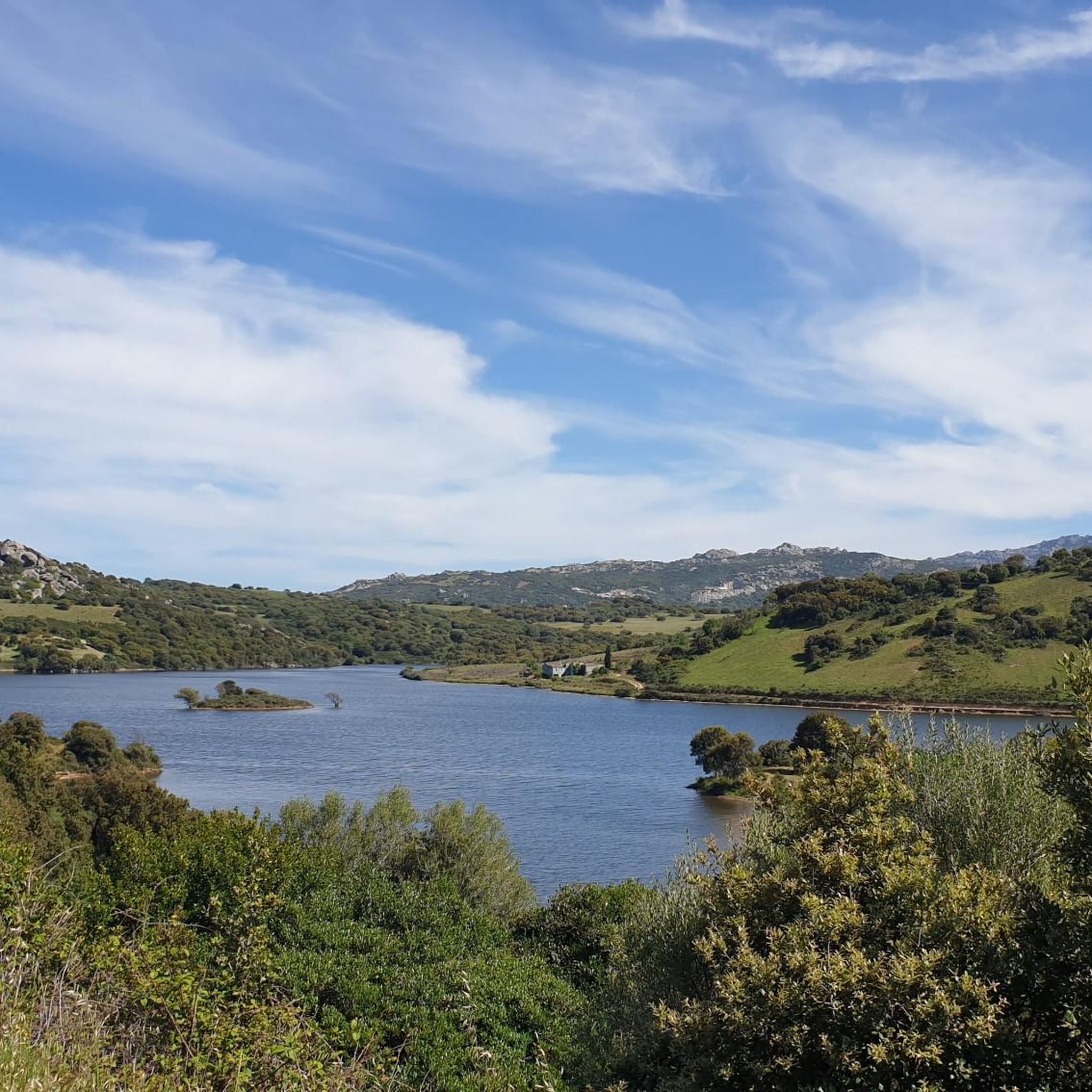
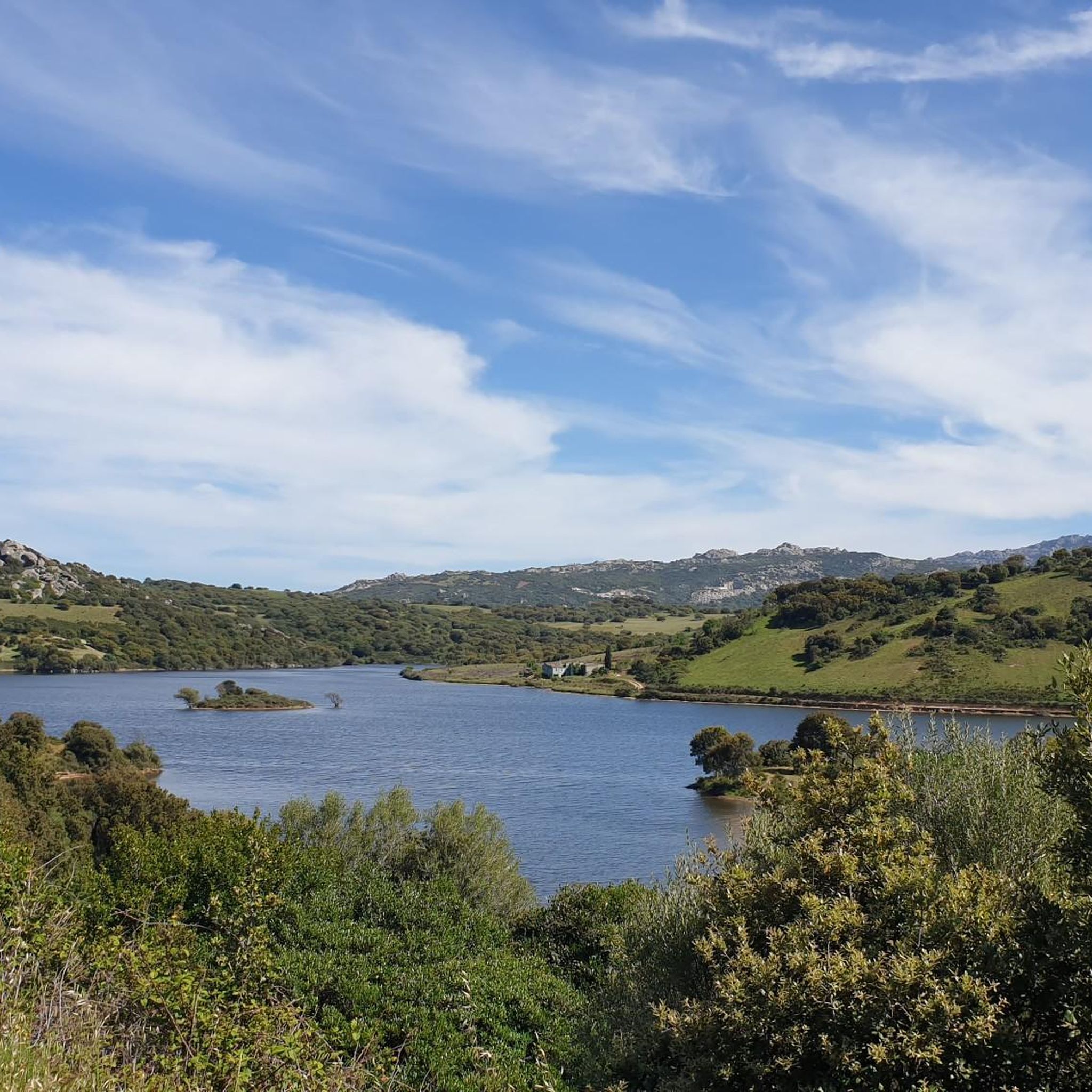
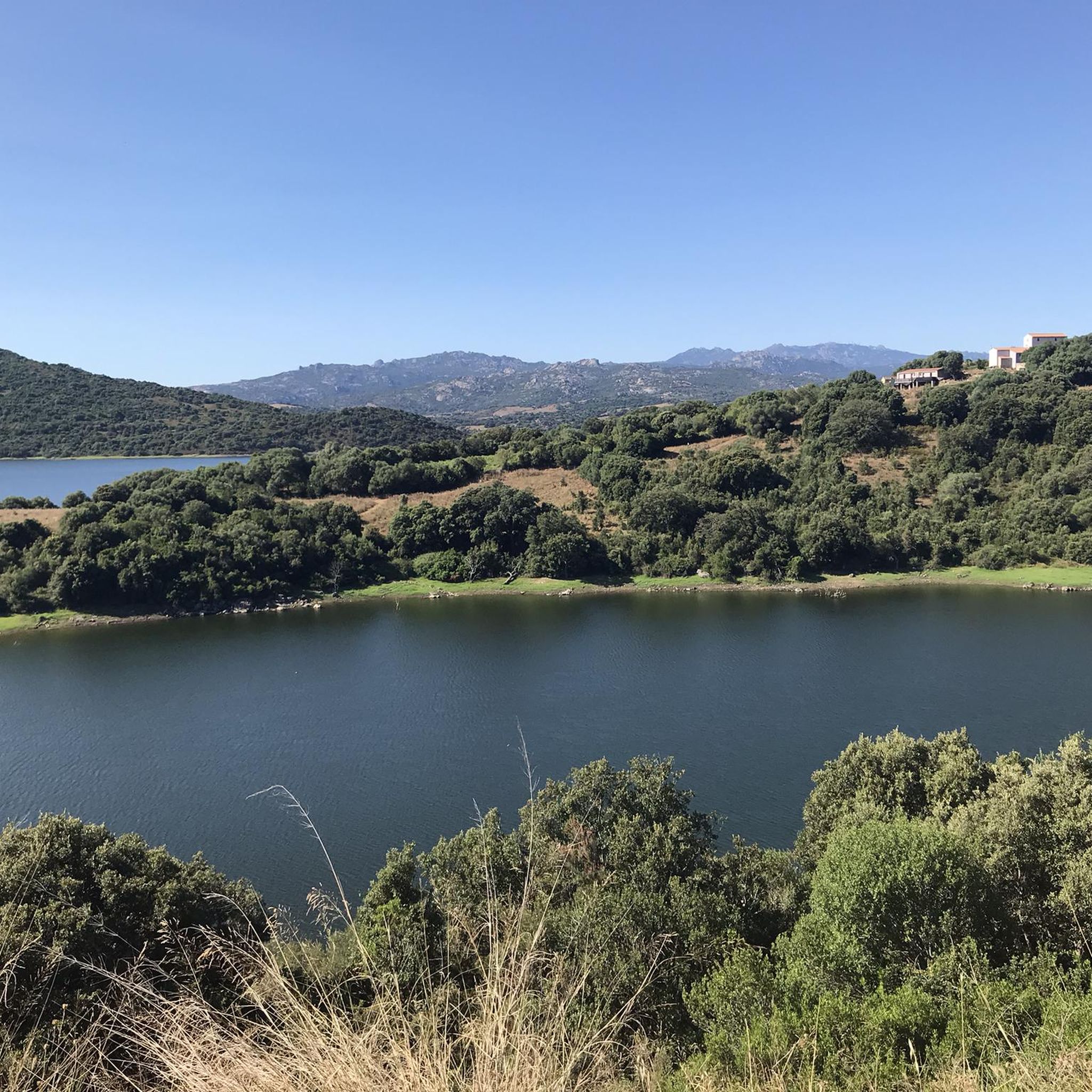
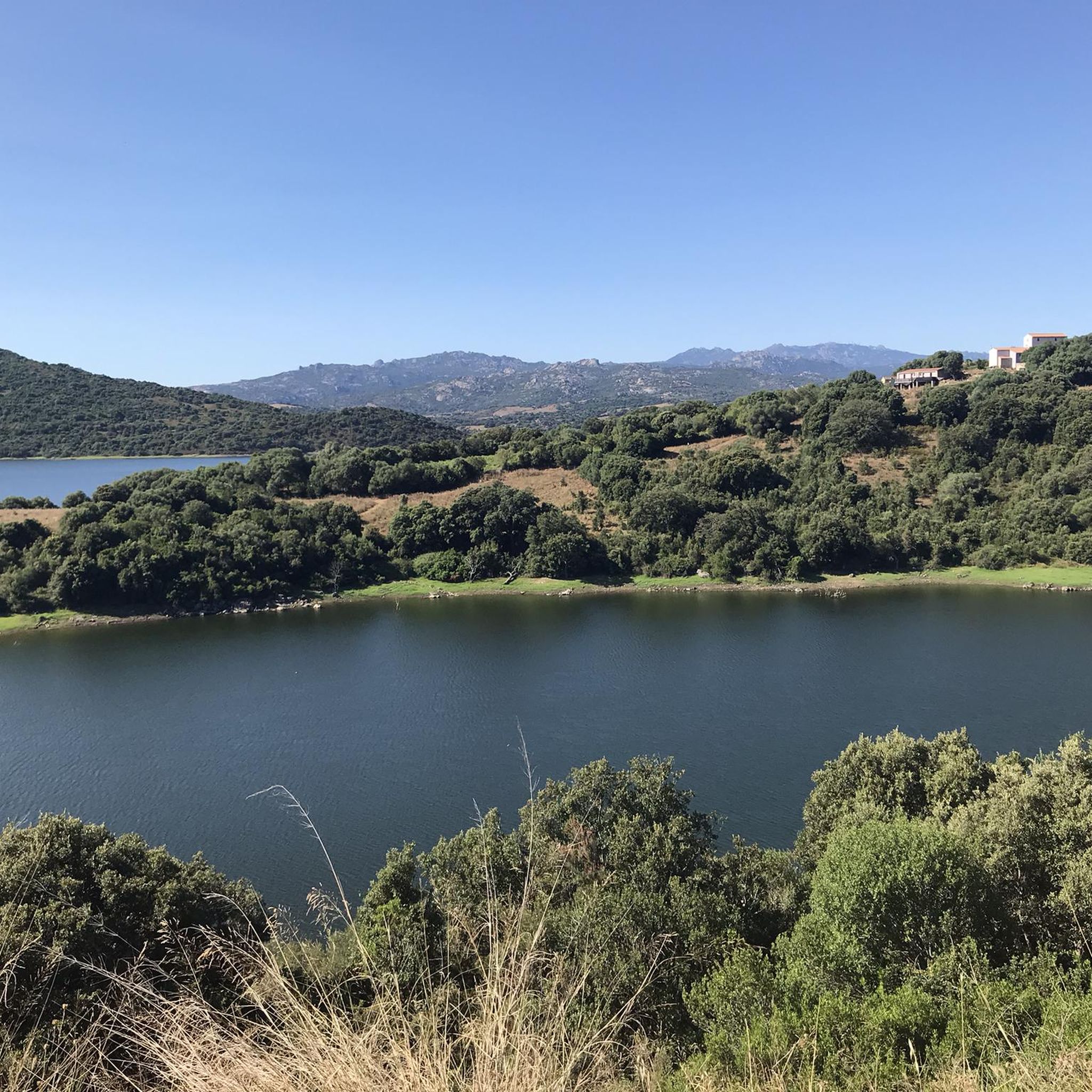
Hiking around Lago di Liscia, an artificial lake in northern Sardinia, offers diverse landscapes for outdoor activities. The region is characterized by the lake's turquoise waters, surrounding Mediterranean scrub, and extensive oak forests. Trails traverse ancient rock formations shaped by natural elements, providing varied terrain from lakeside paths to wooded areas. The undulating landscapes create a serene environment for exploration.
Best hiking trails around Lago di Liscia
- The most popular hiking route is La Prisgiona Nuraghe loop from Tomba dei giganti di Coddu vecchiu, a 1.5 miles (2.4 km) trail that takes 39 minutes to complete. This route allows exploration of historical sites, including the Nuraghe.
- Another top favourite among local hikers is Snack Bar loop from Caragnani/Calangianus, a moderate 8.1 miles (13.0 km) path. This trail offers a longer excursion through the varied terrain of the area, typically completed in about 3 hours 40 minutes.
- Local hikers also love the View of Monte Pulchiana – Monte Pulchiana loop from La punta, a 3.1 miles (5.0 km) trail leading through areas with views of Monte Pulchiana, often completed in about 1 hour 37 minutes.
- Hiking around Lago di Liscia is defined by lakeside paths, oak forests, and ancient rock formations. The network offers options for different ability levels, including 16 easy routes, 4 moderate routes, and 2 difficult routes.
- The routes in Lago di Liscia are highly rated by the komoot community with an average score of 4.4 stars from over 270 reviews. More than 1000 hikers have used komoot to explore Lago di Liscia's varied terrain.
Last updated: July 9, 2026
3.5
(2)
6
hikers
8.31km
02:21
180m
180m
Moderate hike. Good fitness required. Easily-accessible paths. Suitable for all skill levels.
4.9
(7)
33
hikers
Easy hike. Great for any fitness level. Easily-accessible paths. Suitable for all skill levels.

Sign up for free
4.4
(9)
15
hikers
13.0km
03:40
270m
270m
Moderate hike. Good fitness required. Easily-accessible paths. Suitable for all skill levels.
4.5
(2)
3
hikers
31.5km
09:46
1,110m
1,110m
Hard hike. Very good fitness required. Mostly accessible paths. Sure-footedness required.
4.6
(41)
148
hikers
6.42km
01:57
220m
220m
Easy hike. Great for any fitness level. Easily-accessible paths. Suitable for all skill levels.
Get access to more routes and recommendations from other explorers.
Sign up for free
Already have an account?
Our route recommendations are based on thousands of hikes, rides, and runs completed by other people on komoot.
Start today with a free account
Your next adventure awaits.
Login or Signup

Tips from the Community

Medieval castle near Luogosanto, a Sardinian village in the province of Gallura in northeastern Sardinia. Not far from the Church of San Leonardo.
0
0


Special place and for us Dutch very special because this tomb shows similarities with the dolmens in Drenthe (Netherlands). In addition, it is a very beautiful piece of nature where this tomb is located. From the parking lot it is only a short walk without challenges and recommended for everyone!
3
0
The agritourism is highly recommended. Great food with regional products. The people there are very, very friendly. Beautiful pitches under cork oak trees.
0
0

Super nice, small agriturismo in a fantastic location under cork oaks. As there are only a few places available, you should definitely enquire/reserve in advance. Dinner can be booked, which is highly recommended: the food here is cooked with regional, partly home-made ingredients, and it tastes fantastic!
0
0
The huge rock dome is impressive either way, you can even climb up onto its "hump" (fixed ropes).
1
1

Three kilometers as the crow flies from the Palazzo di Baldu is the Castle of Balaiana, connected by a path to the Church of San Leonardo, which was originally the castle's chapel. The structure is located on Monte San Leonardo at an altitude of 299 m above sea level and dominates a large part of the territory and the roads that connect the ports to the towns of the Judicate. For this reason, the castle served to defend the internal borders and the surrounding area. The fortress was probably built by Pisan craftsmen in the course of the 11th century on the orders of Giudice Constantin I. This hypothesis is also supported by some structural features; the castle was built entirely of hewn granite blocks and without the use of mortar. The castle is characterized by a trapezoidal tower divided into two rooms, with access on the east side. The presence of aligned stones in the surrounding plain has led to the assumption that there was a ring wall to prevent advances from all directions. The Castle of Balaiana is mentioned in the Condaghe of Bonarcado (first decades of the 12th century and mid-13th century), which reports the clashes between the Giudice of Gallura, Constantine III, and the sons of his predecessor, who occupied the fortress had. It was then given to the monastery of Santa Maria di Bonarcado in 1146 by the barisone of Arborea; their destruction is carried out by the Catalans/Aragonese. Due to the poor state of preservation of the castle, extensive restoration work was carried out at the end of the last century. Source: https://virtualarchaeology.sardegnacultura.it/index.php/de/archaeologischer-fundplatz/eta-medievale/palazzo-di-baldu/detailelte-datenblaetter/1602-castello-di-balaiana
0
0
Frequently Asked Questions
How many hiking trails are available around Lago di Liscia?
There are over 20 hiking routes documented around Lago di Liscia, offering a variety of experiences. These include 14 easy trails, 5 moderate trails, and 1 difficult trail, catering to different skill levels.
Are there easy hiking options suitable for beginners or families?
Yes, Lago di Liscia offers many easy hiking options perfect for beginners and families. For instance, the Lago di Liscia loop from Sant'Antoni di Gaddura/Sant'Antonio di Gallura is an easy 2.3-mile (3.7 km) path that provides access to the lakeshore and its varied vegetation. Another short and easy option is the Balaiana Castle – Church of San Leonardo loop from Castello San Leonardo di Balaiana, which is 0.4 miles (0.7 km) and leads through historical sites.
Can I find challenging hikes around Lago di Liscia?
While the majority of trails are easy to moderate, there is at least one difficult hiking route available around Lago di Liscia for those seeking a more strenuous adventure. These routes often involve greater elevation changes and more rugged terrain.
Are there any circular hiking routes around Lago di Liscia?
Yes, many of the trails around Lago di Liscia are circular, allowing you to start and end at the same point. An example is the Snack Bar loop from Caragnani/Calangianus, a moderate 8.1-mile (13 km) route that offers a comprehensive exploration of the area.
What are some notable natural attractions or landmarks to see while hiking?
The Lago di Liscia area is rich in natural and historical landmarks. You can visit the impressive Olivastri Millenari (Millenary Olive Trees) on the northern shore, home to a nearly 4,000-year-old olive tree. Hikers can also discover ancient railway bridges along the lakeshore, offering enchanting strolls and access to picnic areas. The surrounding mountains, including Monte Limbara, provide stunning panoramic views.
Is Lago di Liscia a good place for wildlife spotting?
Yes, the diverse natural environment around Lago di Liscia, with its oak forests and Mediterranean vegetation, makes it a good spot for birdwatching and observing local wildlife. The tranquil setting away from major urban centers provides a habitat for various species.
What is the best time of year to go hiking around Lago di Liscia?
The spring and autumn months are generally ideal for hiking around Lago di Liscia, offering pleasant temperatures and lush landscapes. Summers can be hot, but early mornings or late afternoons are still enjoyable. Winters are mild, making it possible to hike year-round, though some paths might be damp.
Are dogs allowed on the hiking trails around Lago di Liscia?
Generally, dogs are welcome on hiking trails around Lago di Liscia, especially if kept on a leash. It's always advisable to carry water for your pet and be mindful of local regulations, particularly in protected areas or near livestock.
How can I get to the hiking trailheads using public transport?
While many trailheads are best accessed by car, the historic Green Train of Sardinia (Trenino Verde) runs along the southern shores during the summer season. This tourist train has stops near the reservoir, allowing hikers to disembark and explore the lake on foot, offering a unique public transport option for accessing certain areas.
Where can I park my car when visiting Lago di Liscia for a hike?
Parking is typically available near popular trailheads and villages surrounding Lago di Liscia, such as Sant'Antonio di Gallura. However, some roads leading directly to the lake can be narrow, steep, and unpaved, so a 4WD vehicle is often recommended for safer navigation to more remote parking spots.
What do other hikers say about the trails around Lago di Liscia?
The trails around Lago di Liscia are highly rated by the komoot community, with an average score of 4.4 stars from over 250 reviews. Hikers often praise the diverse natural beauty, the picturesque contrast between the turquoise waters and lush vegetation, and the tranquil atmosphere of the oak forests and undulating landscapes.
Are there any longer routes for extended hikes around Lago di Liscia?
Yes, for those looking for longer excursions, there are routes that extend for several miles. The Scenic walk around Lake Liscia from S.Antonio is a good example, covering 4.3 miles (6.9 km) and taking nearly 2 hours to complete, offering continuous views of the lake and surrounding forests.
Are there places to eat or refresh near the trails?
While the area is primarily natural, some routes, like the Snack Bar loop from Caragnani/Calangianus, suggest that there are occasional snack bars or small eateries in nearby villages or along certain paths. It's always a good idea to carry sufficient water and snacks, especially on longer hikes, as facilities might be sparse.
Most popular routes around Lago di Liscia

Get inspired with the komoot mobile app


Explore more
Browse the best Hikes in other regions.
