The best cycling routes around Lago di Vico
4.4
(253)
2,735
riders
175
rides
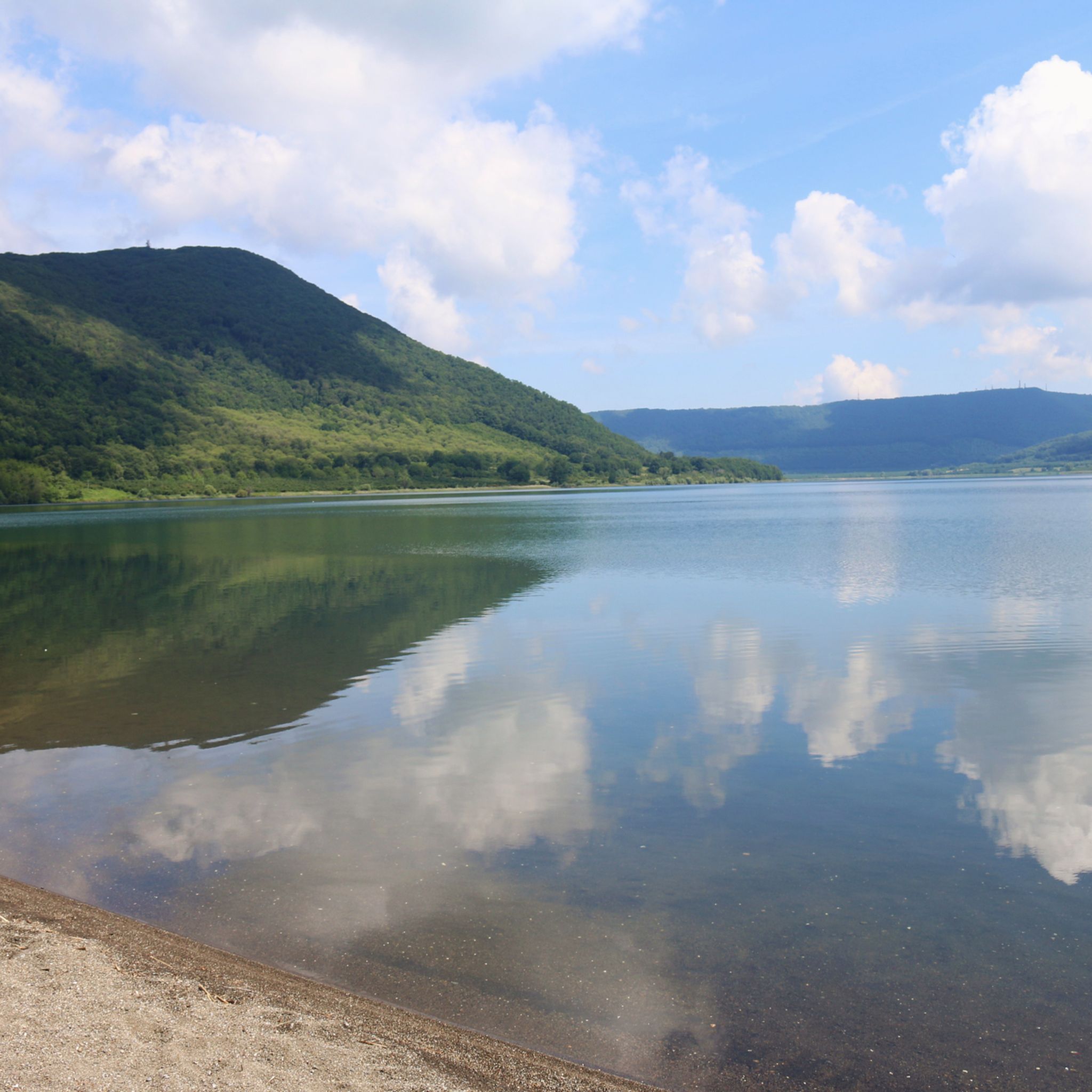
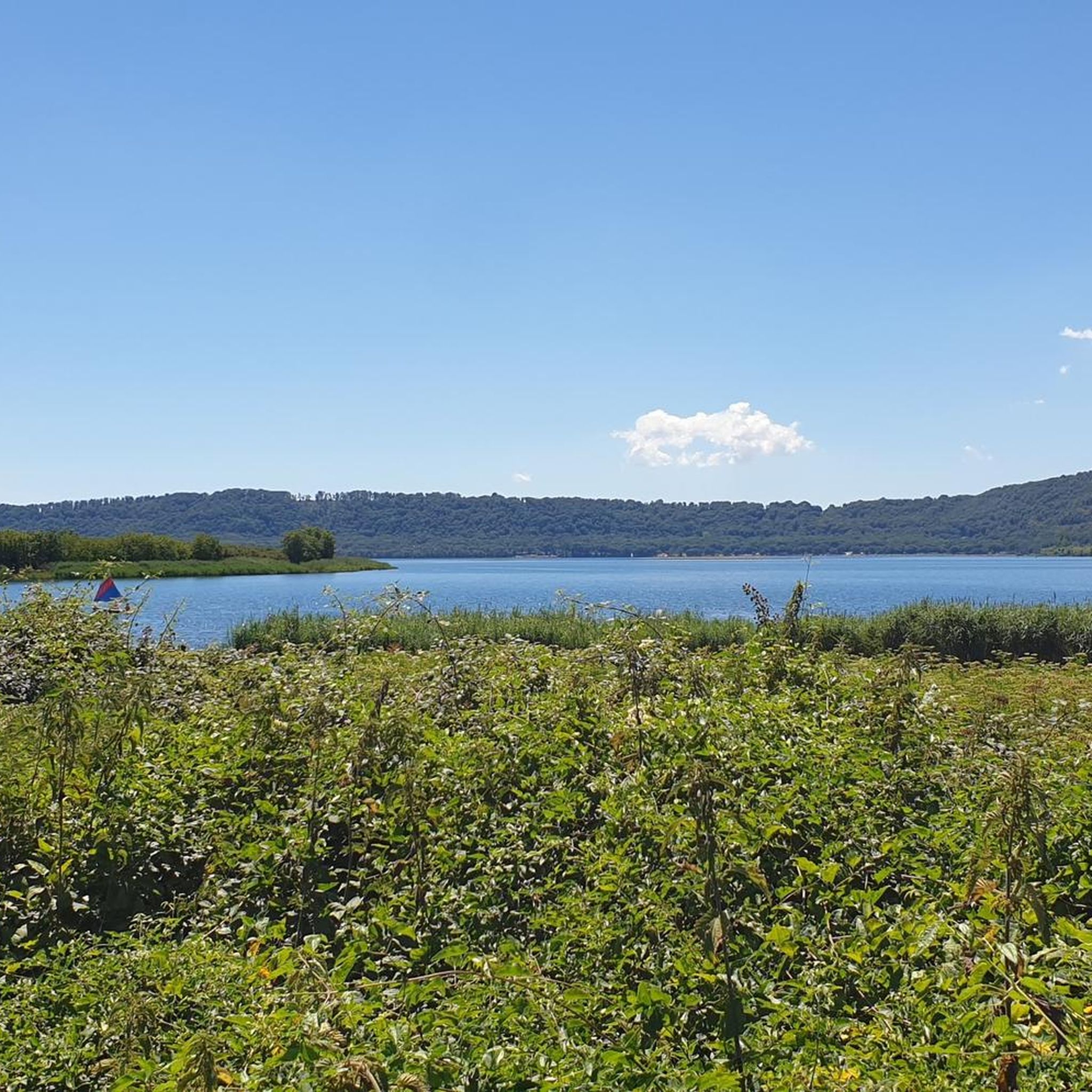
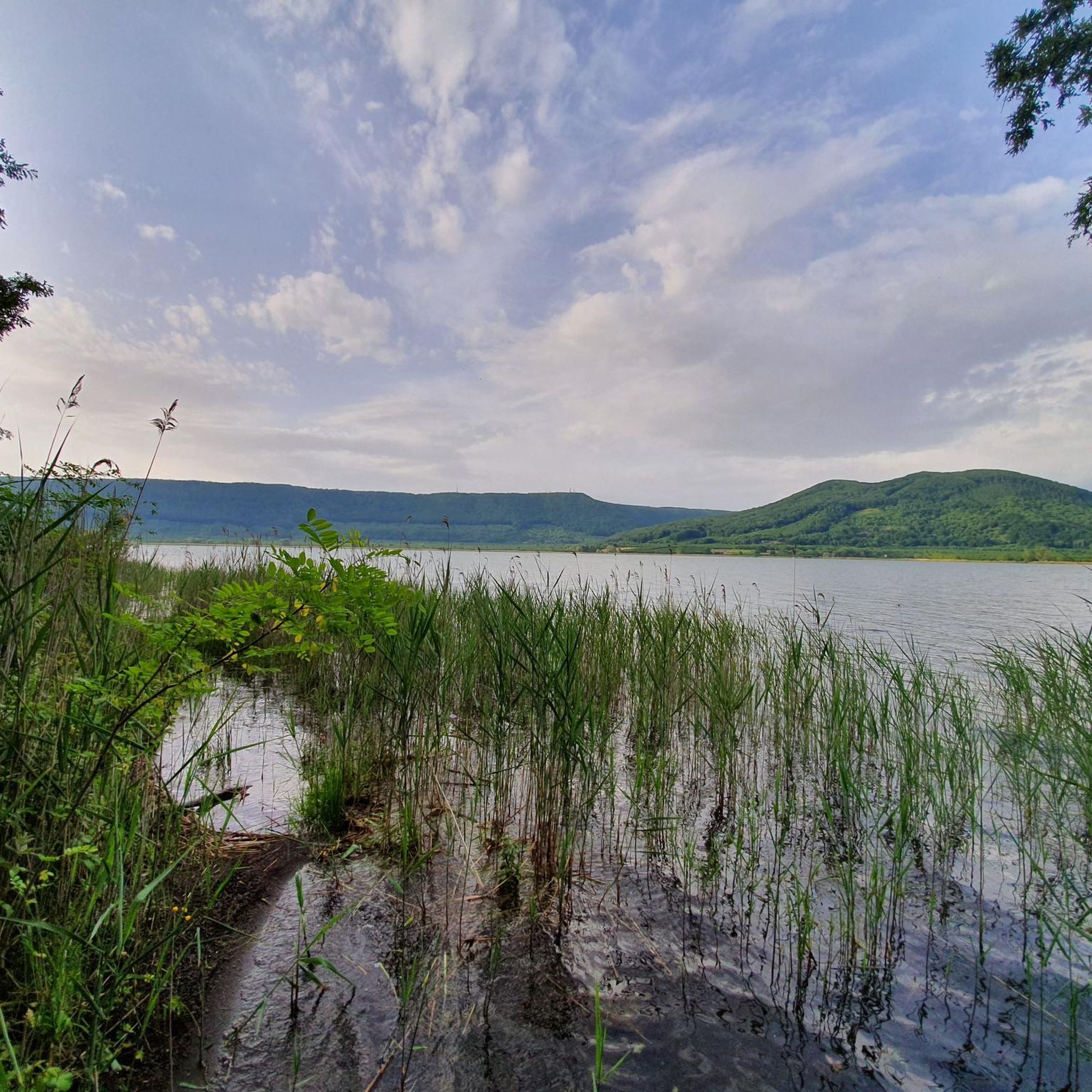
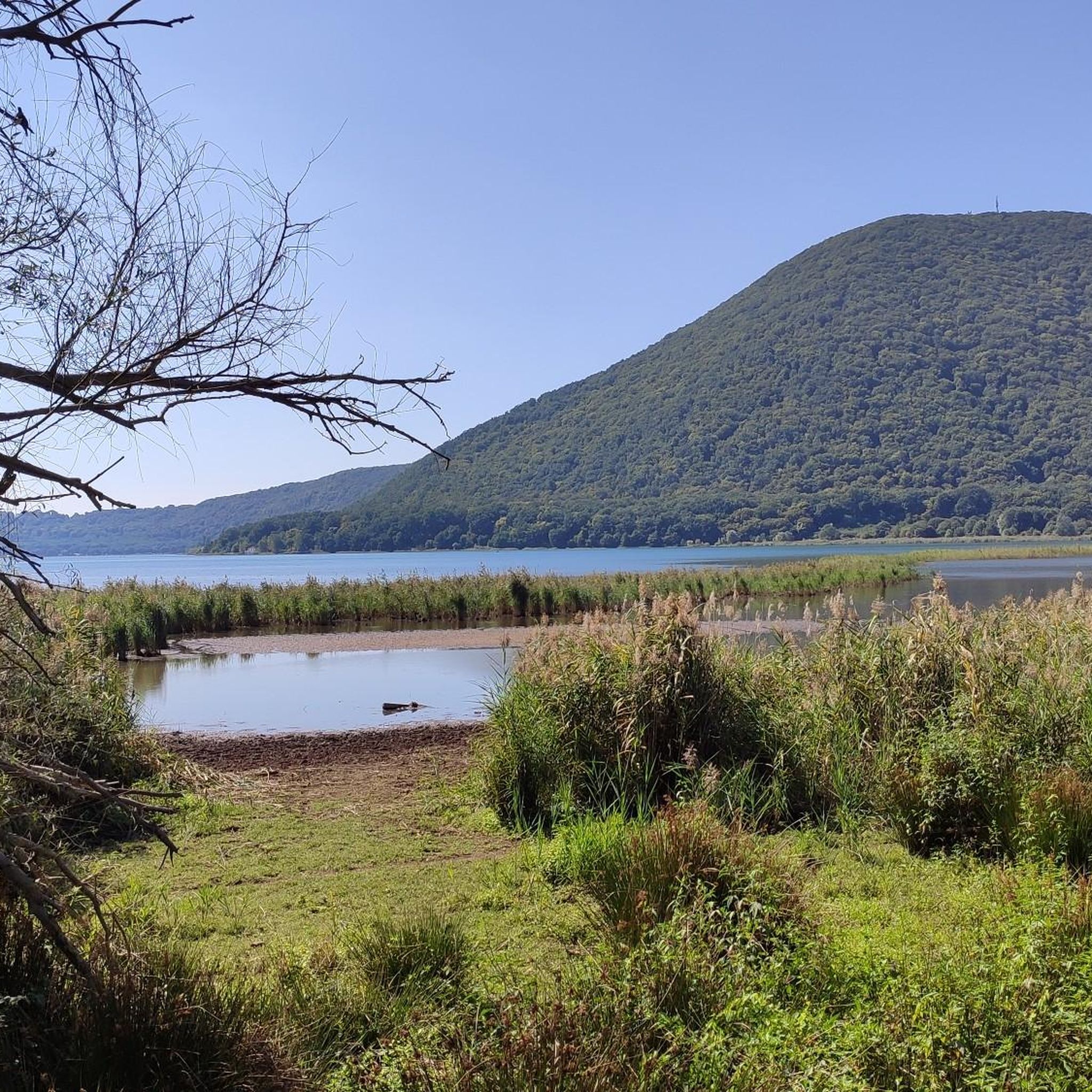
Touring cycling around Lago di Vico offers routes through a landscape characterized by its volcanic origins, featuring the lake itself nestled within a caldera. The surrounding terrain includes dense forests, rolling hills, and elevated viewpoints that provide panoramic vistas of the water and the Lazio countryside. The area presents varied surfaces, from paved roads to dirt tracks, suitable for touring bicycles.
Best touring cycling routes around Lago di Vico
- The most popular touring cycling route is Abbey of San Martino…
Last updated: July 8, 2026
4.5
(22)
137
riders
64.2km
04:53
1,080m
1,080m
Hard bike ride. Very good fitness required. Mostly paved surfaces. Suitable for all skill levels.
4.5
(8)
76
riders
41.4km
03:28
860m
860m
Hard bike ride. Very good fitness required. You may need to push your bike for some segments of this route.

Sign up for free
4.2
(6)
29
riders
78.9km
05:42
1,120m
1,120m
Hard bike ride. Very good fitness required. Mostly paved surfaces. Suitable for all skill levels.
5.0
(3)
27
riders
25.4km
02:27
590m
590m
Hard bike ride. Very good fitness required. Mostly paved surfaces. Suitable for all skill levels.
4.7
(3)
15
riders
24.6km
01:40
430m
430m
Moderate bike ride. Good fitness required. Mostly paved surfaces. Suitable for all skill levels.
Get access to more routes and recommendations from other explorers.
Sign up for free
Already have an account?
Our route recommendations are based on thousands of hikes, rides, and runs completed by other people on komoot.
Start today with a free account
Your next adventure awaits.
Login or Signup

Tips from the Community

Small medieval part of town that has only dead-end streets.
0
0
Viterbo lived its period of major splendor and power in the 13th century when it was chosen as the seat of the papacy instead of Rome, where powerful warring families made life too dangerous. Eight different popes lived in Viterbo making it is similar to Vatican City and Avignon in France. The longest papal conclave in history happened here from 1 December 1268 to 1 September 1271. Following Pope Clement IV's death, infighting between cardinals and political pressure led to a 34-month deadlock. The cardinals were locked up cum clave (hence the word conclave) inside the palace’s large Conclave Hall. In desperation the town’s population, who were feeding them and their entourages, eventually reduced the cardinals’ food and wine supplies, trying to speed up the election. Time wore on and they finally decided to remove the roof of the palace: in order to help the Holy Spirit come down and illuminate them, it was quipped. That worked.
0
0


...easy to ride...well...nature reserve - dirt road/dirt, potholed track, but rideable with a bike/luggage. The prohibition signs probably only apply to cars, etc. A police officer even opened the barrier for me at the end.
1
0
...is on the Via Francigenia pilgrimage route (hiking route)...
1
0

The Papal Palace in Viterbo served as the Vatican for the 24 years of the thirteenth century when the papacy moved there due to ongoing unrest in Rome.
0
0

I got to the place by going uphill through the woods, continuous ups and downs. Near Viterbo
1
0

Abbey of San Martino al Cimino
0
0
Frequently Asked Questions
What is the general difficulty level of touring cycling routes around Lago di Vico?
The touring cycling routes around Lago di Vico are generally considered challenging, with a significant number of routes rated as difficult. However, there are also moderate options available, and a few easier routes for those seeking a less strenuous experience. The terrain often includes rolling hills and elevation changes due to the region's volcanic origins.
Are there any longer touring routes for experienced cyclists around Lago di Vico?
Yes, experienced cyclists looking for longer rides will find several options. For instance, the Lake Vico – Abbey of San Martino loop from Ronciglione is a challenging 78.8 km route with over 1100 meters of elevation gain, offering a substantial day out on the bike.
Where can I find parking near the touring cycling routes around Lago di Vico?
Parking is generally available in the towns and villages surrounding Lago di Vico, such as Ronciglione and Caprarola, which serve as common starting points for many routes. Specific trailheads like ZSC Monte Fogliano also often have designated parking areas. It's advisable to check local signage for any restrictions.
Is Lago di Vico accessible by public transport for cyclists?
While direct public transport options to the immediate lake area with bike carriage might be limited, you can typically reach nearby larger towns like Viterbo by train or bus. From there, you might need to cycle to the lake or arrange for local transport that can accommodate bicycles. Always check current schedules and bike policies with local transport providers.
Are there family-friendly touring cycling routes suitable for children around Lago di Vico?
While many routes around Lago di Vico are rated as difficult, there are some easier sections and routes that might be more suitable for families with older children or those comfortable with some climbs. Look for routes designated as 'easy' or 'moderate' on komoot, which tend to have less elevation and shorter distances. Always review the route profile before heading out with children.
Can I bring my dog on the touring cycling trails around Lago di Vico?
Many outdoor areas around Lago di Vico, including forest paths and less crowded roads, are generally dog-friendly. However, it's crucial to keep your dog on a leash, especially in nature reserves or areas with wildlife, and to be mindful of other cyclists and pedestrians. Always carry water for your dog and clean up after them. Specific rules may apply in certain protected areas.
What is the best time of year to go touring cycling around Lago di Vico?
The spring (April-May) and autumn (September-October) months are generally ideal for touring cycling around Lago di Vico. During these periods, the weather is typically mild, and the natural scenery is at its most vibrant, with blooming flowers in spring and colorful foliage in autumn. Summer can be quite hot, especially in July and August, making early morning or late afternoon rides preferable.
Are there any circular touring cycling routes around Lago di Vico?
Yes, many of the touring cycling routes around Lago di Vico are designed as loops, allowing you to start and end at the same point. An example is the View of Lake Vico – Cima Coppi - Le Cime Trail loop from Ronciglione, which offers rewarding lake views and returns to your starting location.
What kind of views can I expect along the touring cycling routes?
The routes around Lago di Vico offer diverse and scenic views. You can expect panoramic vistas of the volcanic lake itself, especially from elevated points. Many trails also wind through dense forests, offering shaded sections and a sense of immersion in nature. Historical sites like the Abbey of San Martino and charming villages like Capranica also provide cultural points of interest.
What do other touring cyclists enjoy most about cycling in Lago di Vico?
The area is highly rated by the komoot community, with an average score of 4.3 stars. Reviewers often praise the unique combination of volcanic lake views, the tranquility of the extensive woodlands, and the historical abbeys and villages encountered along the way. The varied terrain, from paved roads to dirt tracks, also contributes to a rewarding cycling experience.
Are there any routes that offer a mix of lake views and historical sites?
Absolutely. The region is rich in both natural beauty and history. A route like the Abbey of San Martino – Historic Centre of Capranica loop from ZSC Monte Fogliano combines significant historical landmarks with the scenic landscapes characteristic of the Lago di Vico area.
What types of surfaces can I expect on the touring cycling routes around Lago di Vico?
The touring cycling routes around Lago di Vico feature a mix of surfaces. You will encounter paved roads, particularly when connecting towns or circling the lake, as well as dirt tracks and gravel paths, especially when venturing into the forests or more rural areas. This variety adds to the adventure but means a touring bike capable of handling different terrains is recommended.
Most popular routes around Lago di Vico

Get inspired with the komoot mobile app


Explore more
Browse the best Cycling routes in other regions.
