The best walks and hikes around Lake Cama
4.5
(354)
2,122
hikers
48
hikes
Hiking trails around Lake Cama explore a mountainous region characterized by alpine valleys, high peaks, and the lake itself. The terrain often involves significant elevation changes, leading through forests and open landscapes. This area offers a range of paths from moderate climbs to challenging ascents. The region's natural beauty is defined by its rugged topography and clear waters.
Best hiking trails around Lake Cama
- The most popular hiking route is Lago di Cama – Lake Cama loop from Gallina, a 4.2 miles (6.7 km) trail that takes 4 hours 10 minutes to complete. This difficult route offers significant elevation gain and panoramic views of the lake.
- Another top favourite among local hikers is Alta Via del Lario – Stage 1, a difficult 7.4 miles (11.9 km) path. This trail features sustained climbing through varied mountain terrain, often completed in about 5 hours 56 minutes.
- Local hikers also love the Como Hut – Lake Darengo loop from Capanna Como, a 2.2 miles (3.6 km) trail leading through alpine meadows and offering views of Lake Darengo, often completed in about 2 hours 9 minutes.
- Hiking around Lake Cama is defined by alpine valleys, high mountain passes, and dense woodlands. The network offers options for different ability levels, from moderate loops to challenging multi-hour ascents.
- The routes in Lake Cama are highly rated by the komoot community with an average score of 4.7 stars from more than 300 reviews. More than 2000 hikers have used komoot to explore Lake Cama's varied terrain.
Last updated: July 10, 2026
2
hikers
6.69km
04:11
720m
730m
Hard hike. Good fitness required. Sure-footedness, sturdy shoes and alpine experience required.
6
hikers
11.9km
05:56
900m
900m
Hike the difficult Alta Via del Lario – Stage 1, a 7.4-mile route with 2959 feet of gain through wild alpine terrain near Lake Como.

Sign up for free
1
hikers
3.55km
02:09
390m
390m
Moderate hike. Good fitness required. Mostly accessible paths. Sure-footedness required.
5.0
(1)
9
hikers
17.0km
09:54
1,770m
1,780m
Hard hike. Very good fitness required. Sure-footedness, sturdy shoes and alpine experience required.
12
hikers
18.7km
10:42
1,700m
1,700m
Hard hike. Very good fitness required. Sure-footedness, sturdy shoes and alpine experience required.
Get access to more routes and recommendations from other explorers.
Sign up for free
Already have an account?
Our route recommendations are based on thousands of hikes, rides, and runs completed by other people on komoot.
Start today with a free account
Your next adventure awaits.
Login or Signup
Tips from the Community

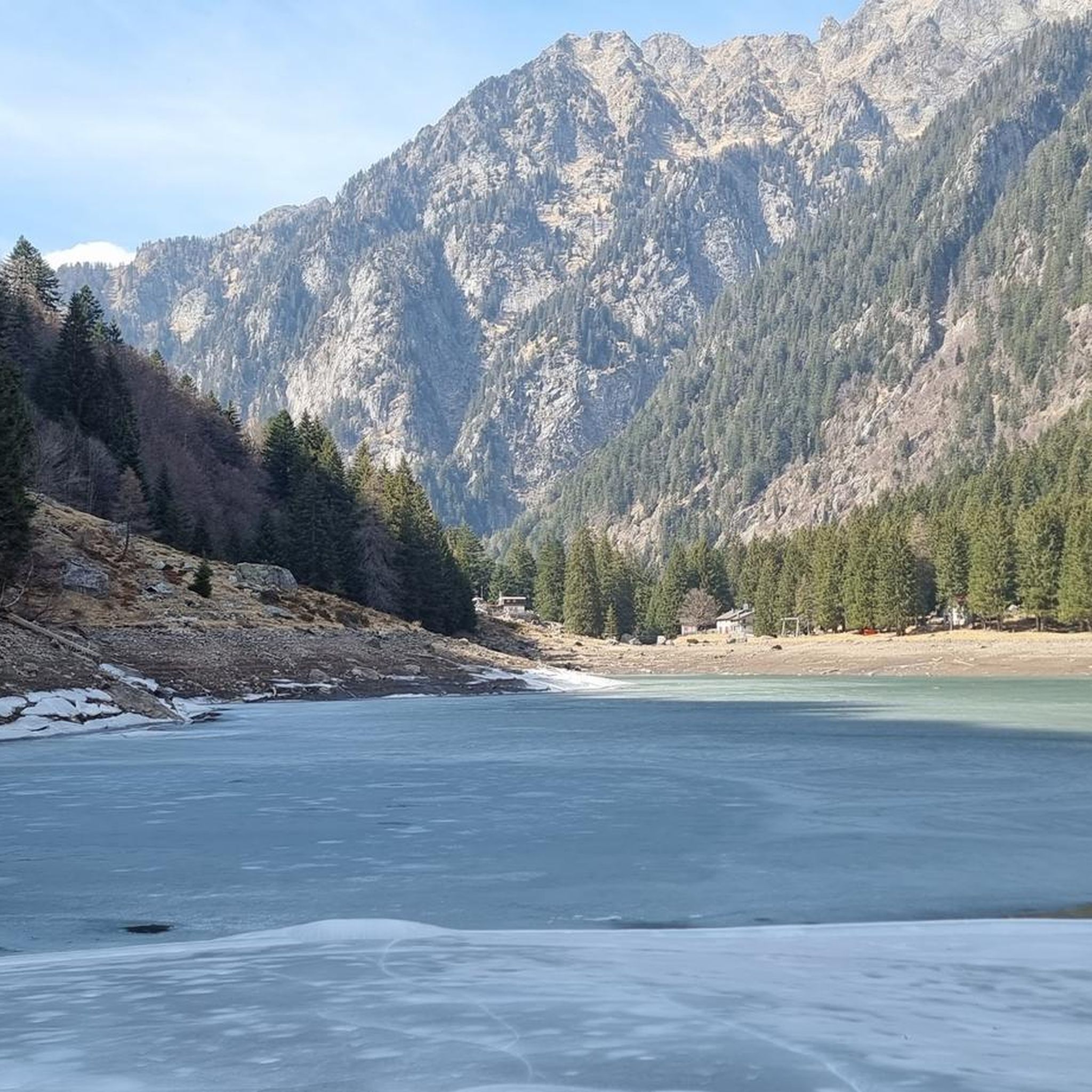
Directly on the Lagh de Cama lies the Capanna Miralago at 1,265 meters – a simple, managed mountain hut in a beautiful location by the water. An ideal place for a break or an overnight stay. The hut is open during the summer season from approximately June to the end of August and offers around 30 sleeping places as well as simple catering.
0
0
The Passo del Segnale is located at around 2,100 meters and is easily recognizable from afar by a distinctive wooden pole with an X-shaped cross. It connects the Val Cama with the Val Leggia and is an important pass between the two valleys – with beautiful views in both directions.
0
0
This hut is located in the middle of Val Leggia along the path and is a good place for a short break. Surrounded by pine trees, you can gather new energy here during the ascent or descent.
0
0

The path passes under two gigantic boulders that form a short natural tunnel, called Sass de la vegia.
0
0
The Passo del Segnale di Vazzola (2108 m) allows you to pass from the Val di Cama to the Val di Leggia and vice versa.
0
0
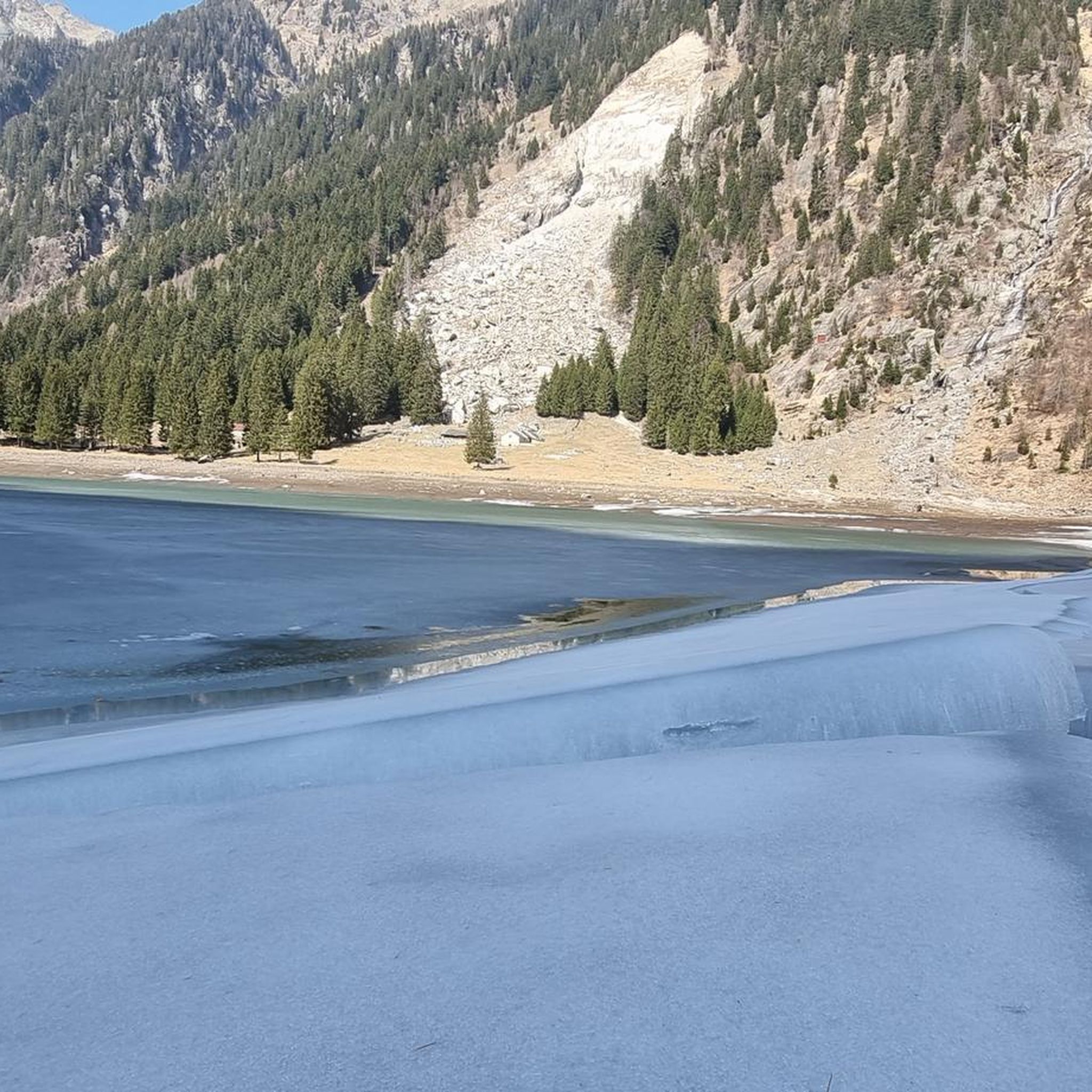
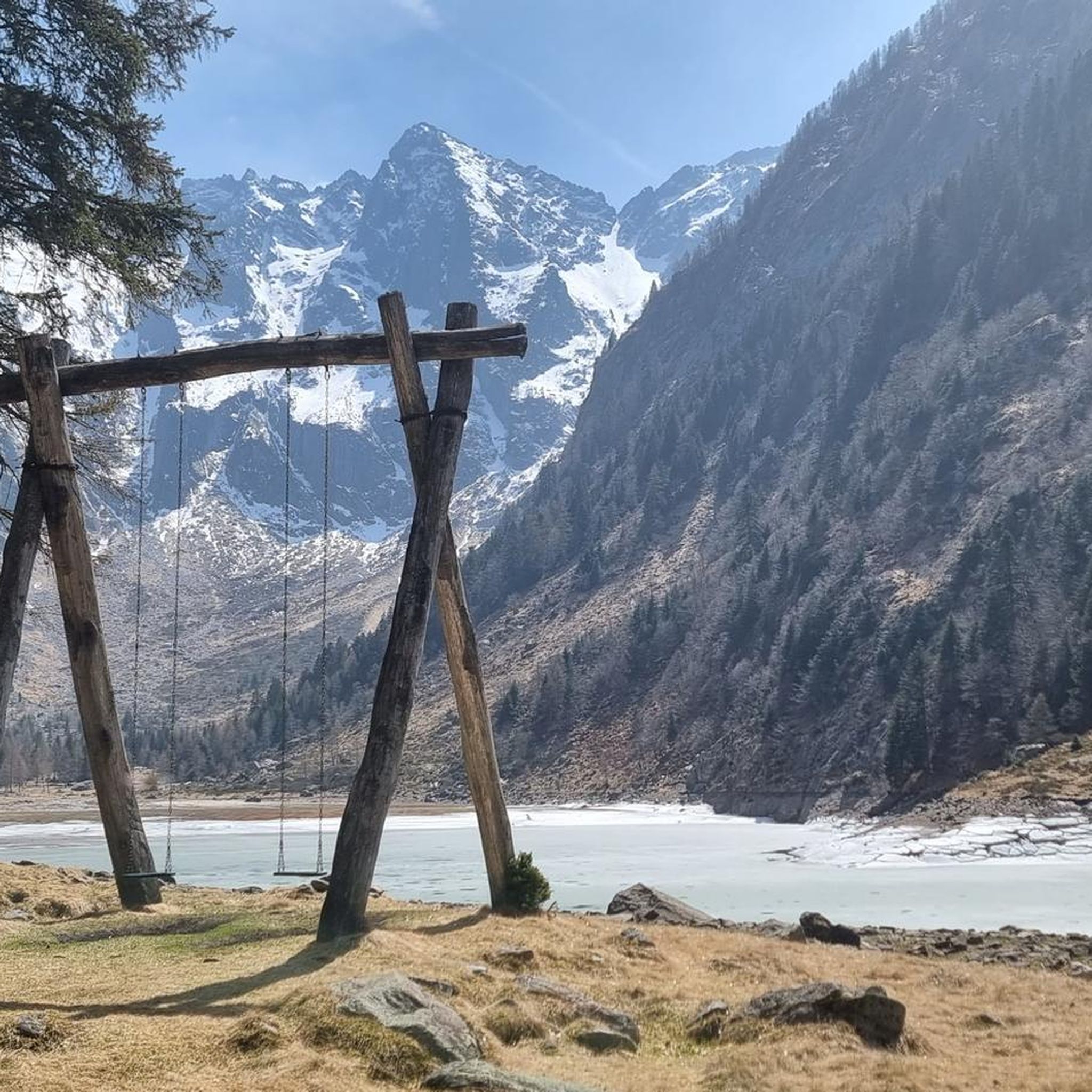
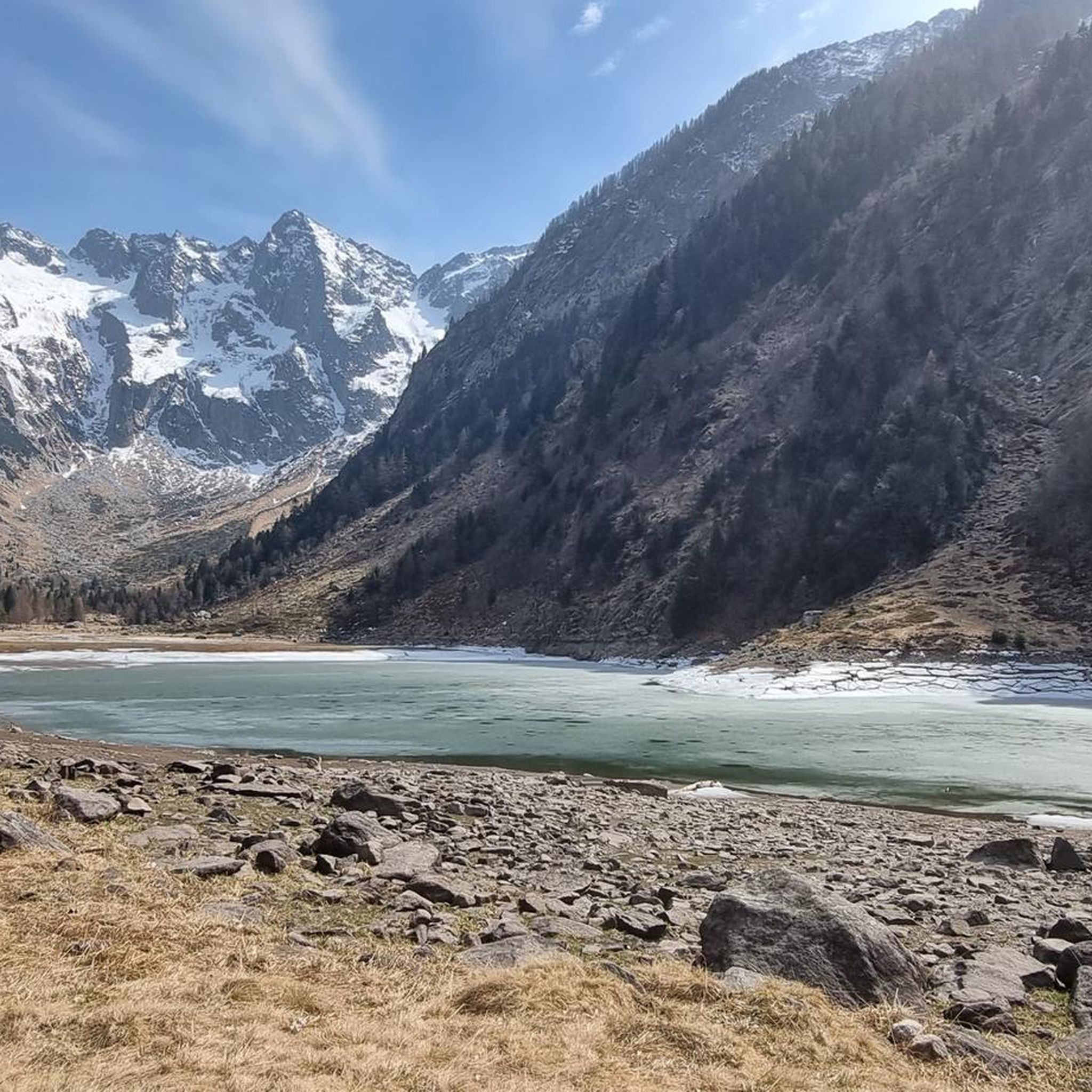
The Cama lake is located at 1,265 meters. The lake remains frozen approximately from mid-November to the end of April, and is enclosed in a rocky basin closed downstream, formed by Piz d’Ugin and Piz de Cressim.
0
0
The Bocchetta del Notar, at 2098 meters above sea level, connects the Cama valley, on the Swiss side, and the Bodengo valley, on the Italian side. The itinerary is also known as "Via dei Crotti" and since the 19th century it has been widely used by smugglers, the spalloni, for their trade between Italy and Switzerland.
1
0

The Petazzi bivouac is located on Lake Ledu' and offers a wonderful view of Lake Como.
1
0
Frequently Asked Questions
How many hiking trails are available around Lake Cama?
The Lake Cama region offers a wide variety of hiking experiences, with over 45 routes documented on komoot. These range from easy strolls to challenging alpine ascents, catering to different skill levels and preferences.
What types of terrain can I expect on hikes around Lake Cama?
Hiking around Lake Cama involves a diverse and often rugged topography. You can expect to traverse alpine valleys, ascend high mountain passes, and navigate through dense woodlands. Many routes feature significant elevation changes, offering both challenging climbs and panoramic views of the lake and surrounding peaks.
Are there any easy hiking trails suitable for beginners or families?
Yes, while the region is known for its mountainous terrain, there are options for easier hikes. Komoot lists 9 easy routes around Lake Cama. For example, the Como Hut – Lake Darengo loop from Capanna Como is a moderate 2.2-mile trail through alpine meadows, suitable for those looking for a less strenuous experience.
Can I find circular hiking routes around Lake Cama?
Yes, circular routes are a popular way to explore the region. A notable example is the Lago di Cama – Lake Cama loop from Gallina, which is a challenging 4.2-mile trail offering panoramic views. Another option is the Lago di Cama – loop in Val Cama and Val Leggia, a longer and more demanding circular route.
What is the best time of year to go hiking in the Lake Cama region?
The best time for hiking around Lake Cama is generally from late spring to early autumn (May to October) when the weather is milder and trails are clear of snow. During spring, you might witness the blooming of alpine flowers, while autumn offers vibrant foliage. Always check local weather conditions before heading out, especially for higher altitude routes.
Are there options for more challenging, multi-day hikes?
The Lake Cama region is well-suited for challenging hikes, including potential multi-day excursions given its extensive network of trails and significant elevation gains. Routes like Alta Via del Lario – Stage 1, a difficult 7.4-mile path with sustained climbing, are indicative of the longer, more demanding options available for experienced hikers.
Are dogs allowed on the hiking trails around Lake Cama?
Generally, dogs are welcome on many hiking trails in alpine regions, but specific rules can vary. It's always best to keep dogs on a leash, especially in areas with livestock or wildlife, and to ensure you clean up after them. Check local signage or specific route descriptions for any restrictions.
What kind of wildlife might I encounter while hiking?
The mountainous and forested environment around Lake Cama is home to various wildlife. Depending on the altitude and habitat, you might spot alpine birds, chamois, ibex, or deer. Keep an eye out for smaller mammals and diverse insect life. Always observe wildlife from a respectful distance.
Are there any notable landmarks or natural features to look out for?
Beyond the stunning Lake Cama itself, the region is characterized by its rugged topography, clear waters, and alpine meadows. You'll encounter high peaks, deep valleys, and dense forests. The Como Hut – Lake Darengo loop, for instance, offers views of Lake Darengo, providing another beautiful water feature to enjoy.
What should I wear or bring for hiking in the Lake Cama area?
Given the mountainous terrain and potential for varied weather, it's crucial to be well-prepared. Always wear sturdy hiking boots, dress in layers suitable for changing conditions, and carry rain gear. Essential items include water, snacks, a map or GPS device, a first-aid kit, and sun protection. For more challenging routes, trekking poles can be beneficial.
Are there places to eat or drink near the trails?
In alpine regions like Lake Cama, you might find mountain huts (rifugi or capanne) along some trails, offering refreshments or even overnight stays. These can be seasonal, so it's advisable to check their operating hours in advance. Otherwise, plan to carry sufficient food and water for your hike.
Is it possible to hike around Lake Cama in winter?
Winter hiking in the Lake Cama region is possible but requires significant experience, proper equipment, and awareness of avalanche risks. Many trails may be covered in snow and ice, making them impassable or dangerous without snowshoes, crampons, and ice axes. It's best to stick to marked winter trails or consult local guides for safe winter excursions.
Most popular routes around Lake Cama

Get inspired with the komoot mobile app


Explore more
Browse the best Hikes in other regions.
