Attractions and Places To See around Drumkee - Top 10
Best attractions and places to see around Drumkee, a townland in County Tyrone, Northern Ireland, offer a blend of natural beauty and historical significance. The area features landmarks such as Mountjoy Castle and the scenic Blackwater River. Visitors can explore diverse landscapes, from the shores of Lough Neagh to tranquil park settings. Drumkee provides opportunities for outdoor exploration and cultural discovery.
Best attractions and places to see around Drumkee
- The most popular attractions is Maghery Footbridge at Lough Neagh,…
Last updated: November 21, 2026
Maghery Footbridge at Lough Neagh
Highlight • Viewpoint
Showing Translation
Tip by

Blackwater River Walk
Highlight (Segment) • Trail
Tip by

Sign up now to discover places like this
Get recommendations on the best single tracks, peaks, & plenty of other exciting outdoor places.
Mountjoy Castle
Highlight • Historical Site
Translated by Google •
Tip by

The Argory Country House
Highlight • Monument
Tip by
Dungannon Park Weir
Highlight • Natural Monument
Tip by
Sign up for free to discover even more attractions around Drumkee.
Already have an account?
Start today with a free account
Your next adventure awaits.

Tips from the Community

For cyclists following the 'Lough Neagh Cycle Way' (National Cycle Route 94), the Maghery footbridge is an iconic resting point and an essential link. This elegant, modern bridge spans the mouth of the Upper Bann as it enters the lough.
8
0
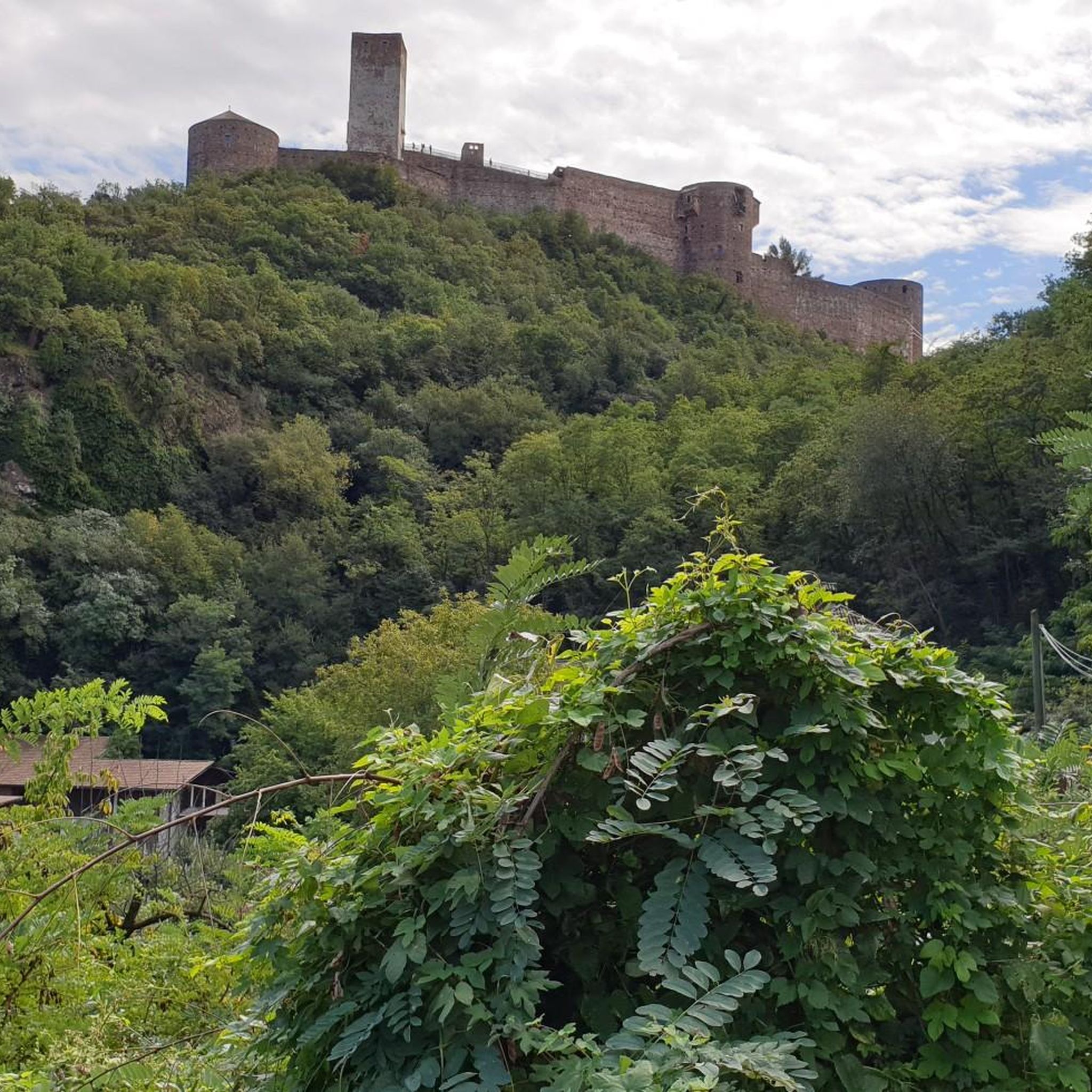
On the banks of Lough Neagh, near the village of Brockagh, you will find the impressive ruin of Mountjoy Castle. This castle was built between 1602 and 1605 by Lord Mountjoy and served at the time as a crucial military stronghold during the turbulent years of the Nine Years' War. Unique is the special combination of building materials: the lower floor is constructed from rough natural stone, while the upper floor consists of locally fired red brick. Although the castle has been a ruin since 1648, the central block and the characteristic arrow-shaped corner towers are still clearly recognizable in the landscape.
8
0

The Maghery Footbridge on the edge of Lough Neagh offers a small moment of peace in the midst of the expansive landscape. As you cross the bridge, your gaze glides over the gentle waters of the largest lake in the British Isles. In good weather, the clouds are impressively reflected on the surface of the water, making the scene look almost like a painting. Even when the sky is cloudy, the lake has a special atmosphere that invites you to linger rather than to quickly pass by. The paths around the bridge are mostly flat, but you should be prepared for occasional sections with unpaved surfaces. This could be a bit slippery, especially in wet weather, but this is not a problem. The connection to the National Cycle Network, Route 94, also offers you many other opportunities to explore the area. A little tip: Maghery itself does not have much to offer apart from the bridge, but a short detour to the nearby Oxford Island nature reserve is definitely worth it. This means you can easily combine a visit to the bridge with a larger circular tour.
4
0
The Blackwater Riverwalk along The Argory Estate is like a walk through time. You stroll along the banks of the Blackwater, surrounded by flowering meadows and the gentle sounds of nature. The riverside promenade is an invitation to simply unwind. You might spot a kingfisher gliding across the water at lightning speed, or linger for a moment at one of the old kissing gates that make this walk so charming. Bond's Bridge, an industrial-era bridge, is a real reminder of the area's history. It not only connects two banks, but also the past with the present. As you continue walking, you'll feel the air of history that accompanies you here as the river flows along at its tranquil rhythm. If you're arriving by car, there is free parking at Bond's Bridge, although spaces are limited. Alternatively, you can park in The Argory Estate car park if you're visiting the National Trust. In any case, it is worth enjoying this idyllic route at your own pace.
1
0
The home's architecture speaks of a time of elegance and artistic expression, and the property's windows capture the changing light that gently falls on the river. But it's not just the country house itself that captivates visitors. The 320-acre property is a nature lover's paradise. A walk through the grounds reveals an impressive variety of flora and fauna. Centuries-old oaks stand next to proud chestnuts, while beeches and linden trees stretch out their branches like protective arms over the paths. The rustling of the leaves, the chirping of the birds and the scent of the earth combine to create a symphonic experience that touches the soul and invigorates the spirit.
2
0
In the shadow of Northern Ireland's vast skies, the mysterious Mountjoy Castle rises on a hill above Lough Neagh. This ruined castle, whose Irish name "Caisleán Mhuinseo" whispers into the wind, stands like a proud sentinel in the village of Mountjoy, County Tyrone. The castle was built in 1602 by order of Charles Blount, 1st Earl of Devonshire and 8th Baron Mountjoy. But times have not always been kind to this building: as early as 1643, a devastating fire left scars on the walls of the castle. What remained is a two-story brick building with the ground floor clad in stone. The architecture speaks of a time of defense and vigilance - a central rectangular block protected by four spear-shaped towers, crisscrossed by embrasures. The north-western tower testifies to the fragility of time - partially collapsed, while the western curtain wall has lost its presence. The entrance, once on the south side of the eastern curtain wall, seems to whisper stories of days gone by, while wide windows on the upper floor capture the eyes of visitors. Unfortunately, an extension at the back keeps some of the castle's secrets hidden, and the interior area is closed to visitors' eyes. But even in its ruined state, Mountjoy Castle embodies the soul and history of Northern Ireland. Not only is it a State Care Historic Monument in the townland of Magheralamfield in the Mid Ulster District, but it is also a silent testament to time, inviting every walker to pause for a moment and listen to the whispers of history.
4
0

The weir at Dungannon park trickles down like a waterfall into a fresh pool of water surrounded by lush green nature.
1
0
Pull up a picnic blanket and enjoy the beautiful views over this weir in Dungannon Park. The water trickles down like a waterfall into a fresh pond surrounded by lush green nature.
2
0
Frequently Asked Questions
What natural features can I explore around Drumkee?
The Drumkee area in County Tyrone offers several natural attractions. You can visit the Maghery Footbridge at Lough Neagh, which provides excellent views of the largest freshwater body in Ireland and the UK. The Blackwater River Walk offers scenic trails along the river, and the Dungannon Park Weir features picturesque views of water trickling into a fresh pond surrounded by lush greenery.
Are there historical sites to visit near Drumkee?
Yes, the region boasts significant historical sites. Mountjoy Castle, a ruined castle built in 1602, stands on a hill overlooking Lough Neagh and is a State Care Historic Monument. Additionally, The Argory Country House is an atmospheric 1820s Irish gentry house set on a 320-acre riverside estate, offering a glimpse into the past.
What family-friendly activities are available in the Drumkee area?
Families can enjoy the Blackwater River Walk, known for its lovely scenery, flowering meadows, and potential for spotting kingfishers. Dungannon Park Weir is an ideal spot for a family picnic amidst beautiful natural surroundings. The estate of The Argory Country House also provides ample space for exploration and enjoyment for all ages.
Are there walking or hiking trails near Drumkee?
Absolutely. You can find various walking and hiking trails in the vicinity. Popular options include the Blackwater River Walk through The Argory estate. For more structured routes, explore the easy hikes around Drumkee, such as the Dungannon Park loop or the River Walk at The Argory, available in the Easy hikes around Drumkee guide.
Can I go cycling around Drumkee?
Yes, the area offers cycling opportunities. The Maghery Footbridge at Lough Neagh is connected to the National Cycle Network, Route 94, providing access to explore the area by bike. You can find various cycling routes, including those around Castle Caulfield and Ballysaggart Lough, in the Cycling around Drumkee guide.
What are some scenic viewpoints in the Drumkee area?
For stunning views, visit the Maghery Footbridge at Lough Neagh, which offers expansive vistas of the lake. The Dungannon Park Weir also provides picturesque views with water trickling into a serene pond, perfect for enjoying nature's beauty.
What is the Blackwater River Walk like?
The Blackwater River Walk is a scenic trail that winds through The Argory estate. It features flowering meadows, charming kissing gates, and offers opportunities to spot wildlife like kingfishers. An industrial-age bridge along the path adds to its historical charm. It's a lovely walk for nature lovers and families.
What can I expect when visiting Mountjoy Castle?
Mountjoy Castle is a ruined castle dating back to 1602, situated on a hill overlooking Lough Neagh. While the interior is not accessible, visitors can explore the exterior of this two-story brick building with its distinctive spear-shaped towers and embrasures. It's a State Care Historic Monument that offers a strong sense of history and a picturesque setting.
Is there a good place for a picnic in Drumkee?
Yes, the Dungannon Park Weir is an excellent spot for a picnic. You can enjoy the beautiful views of water trickling down like a waterfall into a fresh pond, surrounded by lush green nature, making it a tranquil setting for outdoor dining.
What is The Argory Country House?
The Argory Country House is an atmospheric Irish gentry house built in the 1820s. It is located on a 320-acre riverside estate in County Armagh, near Drumkee, overlooking the River Blackwater. The estate is rich in flora and fauna, including ancient oak, chestnut, beech, and pollard lime trees, offering a beautiful natural environment alongside the historic house.
How can I experience Lough Neagh near Drumkee?
The best way to experience Lough Neagh near Drumkee is by visiting the Maghery Footbridge at Lough Neagh. This small bridge provides excellent views of the largest freshwater body in Ireland and the UK, allowing you to take in the expansive landscape and the tranquil waters.
What do visitors particularly enjoy about the attractions around Drumkee?
Visitors appreciate the blend of natural beauty and historical significance. They enjoy the peaceful views from the Maghery Footbridge, the picturesque setting of the Dungannon Park Weir for picnics, and the historical atmosphere of Mountjoy Castle. The scenic Blackwater River Walk is also highly regarded for its charm and wildlife.
Is Drumkee in County Tyrone or County Donegal?
The attractions guide focuses on Drumkee, a townland located in County Tyrone, Northern Ireland. It's important to note that there is also a village and townland named Drumkeen in County Donegal, Republic of Ireland, which offers different points of interest.
Most popular routes around Drumkee

Get inspired with the komoot mobile app


Explore more
Still not found the Highlight you’re looking for? See guides of the top attractions in other regions:
