The best road cycling routes in Cáceres
4.6
(144)
9,745
riders
650
rides
Road cycling in Cáceres offers diverse terrain, from expansive plains to mountainous areas and river valleys. The region features a mix of Mediterranean forests, granite rock formations, and varied topography, providing options for different cycling experiences. Natural parks like Monfragüe National Park and the protected areas of Los Llanos de Cáceres-Sierra de Fuentes contribute to the scenic routes. Cyclists can explore historical paths such as the Vía de la Plata, which connects various towns and landscapes.
Best road cycling routes in Cáceres
- The most popular road cycling route is Ambroz and Jerte Valleys Loop via Puerto de Honduras, a 56.4 miles (90.7 km) trail that takes 5 hours 17 minutes to complete. This challenging route ascends through two prominent valleys, offering significant elevation gain.
- Another top favourite among local road cyclists is Cáceres-Badajoz Corridor Nature Trail: Cáceres Loop, a moderate 30.1 miles (48.5 km) path. This route follows a nature trail, providing a flatter experience through the local landscape.
- Local road cyclists also love the Pantano de Valdesalor — circular desde Cáceres, a 31.1 miles (50.1 km) trail leading through the Valdesalor Reservoir area, often completed in about 2 hours 20 minutes.
- Road cycling in Cáceres is defined by river valleys, mountainous climbs, and open plains, with routes traversing Mediterranean forests and granite formations. The network offers options for easy rides across flatlands to demanding climbs in more elevated regions.
- The routes in Cáceres are highly rated by the komoot community with an average score of 4.6 stars from over 100 reviews. More than 9,000 road cyclists have used komoot to explore Cáceres's varied terrain.
Last updated: July 7, 2026
251
riders
90.7km
05:17
1,890m
1,890m
Hard road ride. Very good fitness required. Mostly well-paved surfaces and easy to ride.
5.0
(2)
159
riders
48.5km
02:08
280m
280m
Moderate road ride. Good fitness required. Mostly well-paved surfaces and easy to ride.

Sign up for free
5.0
(7)
136
riders
50.1km
02:20
320m
320m
Moderate road ride. Good fitness required. Mostly well-paved surfaces and easy to ride.
5.0
(1)
93
riders
Moderate road ride. Good fitness required. Mostly well-paved surfaces and easy to ride.
70
riders
Hard road ride. Very good fitness required. Mostly well-paved surfaces and easy to ride.
59
riders
77.9km
04:54
1,600m
1,600m
Hard road ride. Very good fitness required. Mostly well-paved surfaces and easy to ride.
50
riders
57.6km
03:07
1,160m
1,170m
Hard road ride. Very good fitness required. Mostly well-paved surfaces and easy to ride.
51
riders
93.6km
04:53
1,120m
1,120m
Hard road ride. Very good fitness required. Mostly well-paved surfaces and easy to ride.
44
riders
113km
05:58
1,700m
1,700m
Hard road ride. Very good fitness required. Mostly well-paved surfaces and easy to ride.
5.0
(1)
39
riders
61.2km
03:59
1,440m
1,440m
Hard road ride. Very good fitness required. Mostly well-paved surfaces and easy to ride.
Get access to more routes and recommendations from other explorers.
Sign up for free
Already have an account?
Our route recommendations are based on thousands of hikes, rides, and runs completed by other people on komoot.
Start today with a free account
Your next adventure awaits.
Login or Signup
Popular around Cáceres
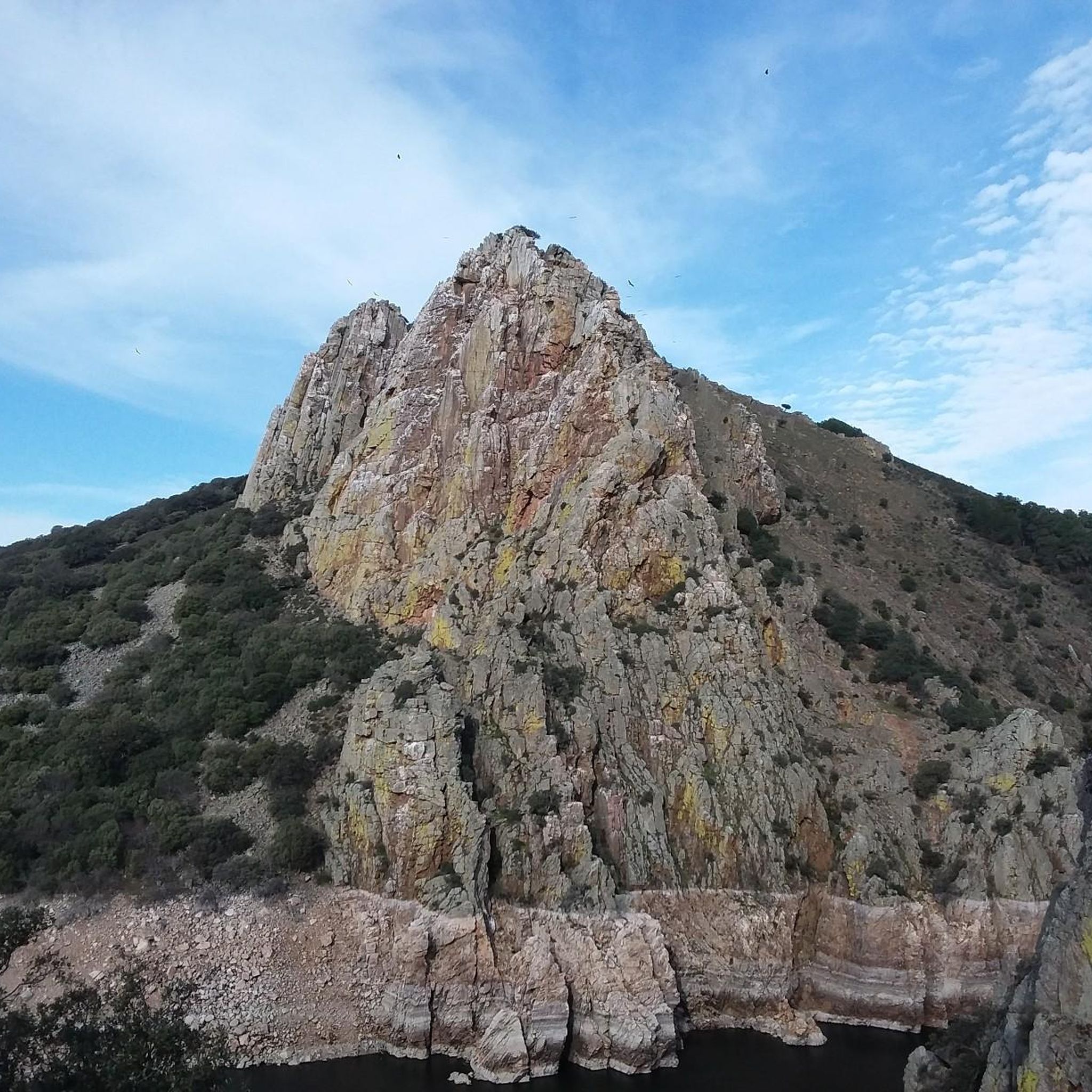
Road Cycling Routes around Plasencia
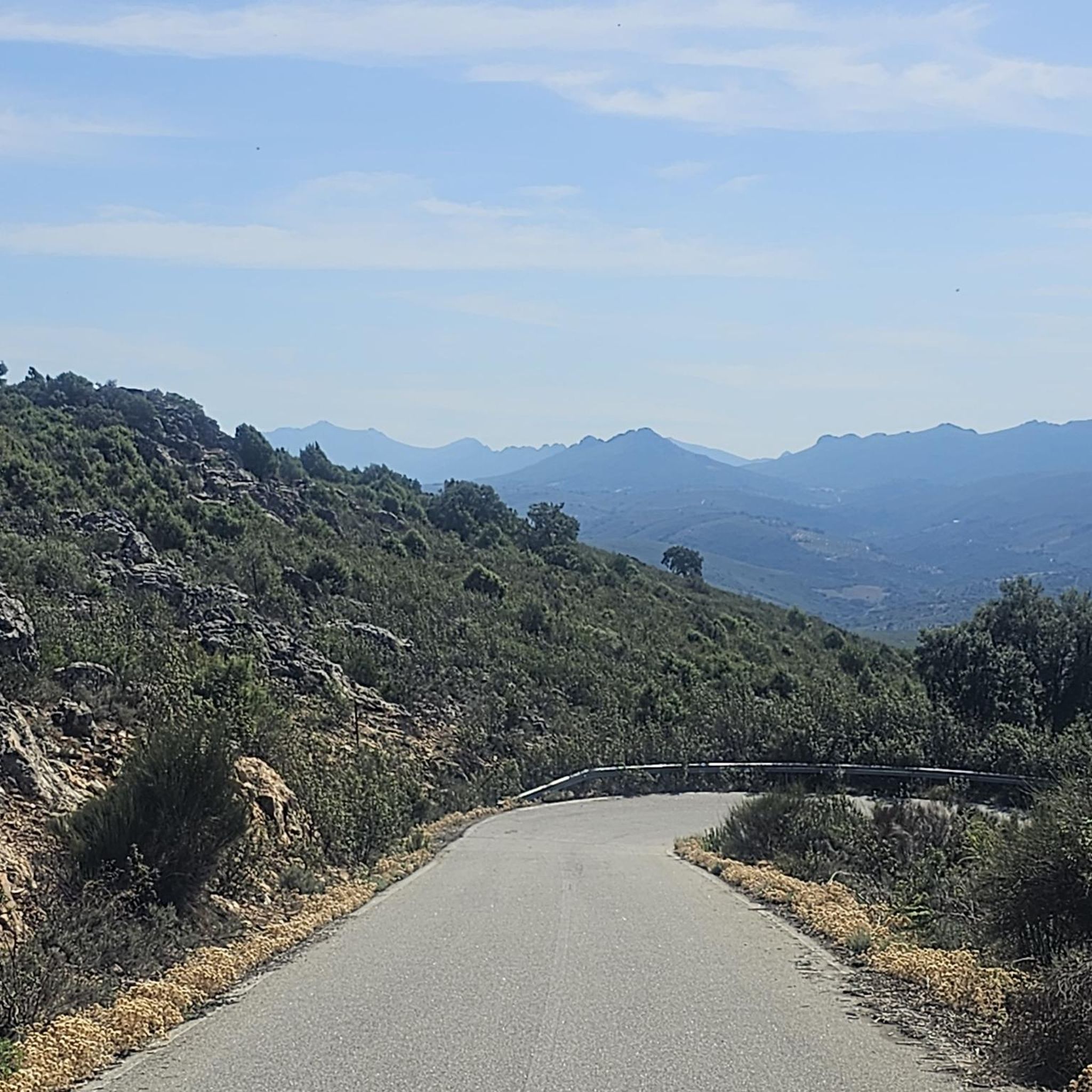
Road Cycling Routes around Navalmoral De La Mata
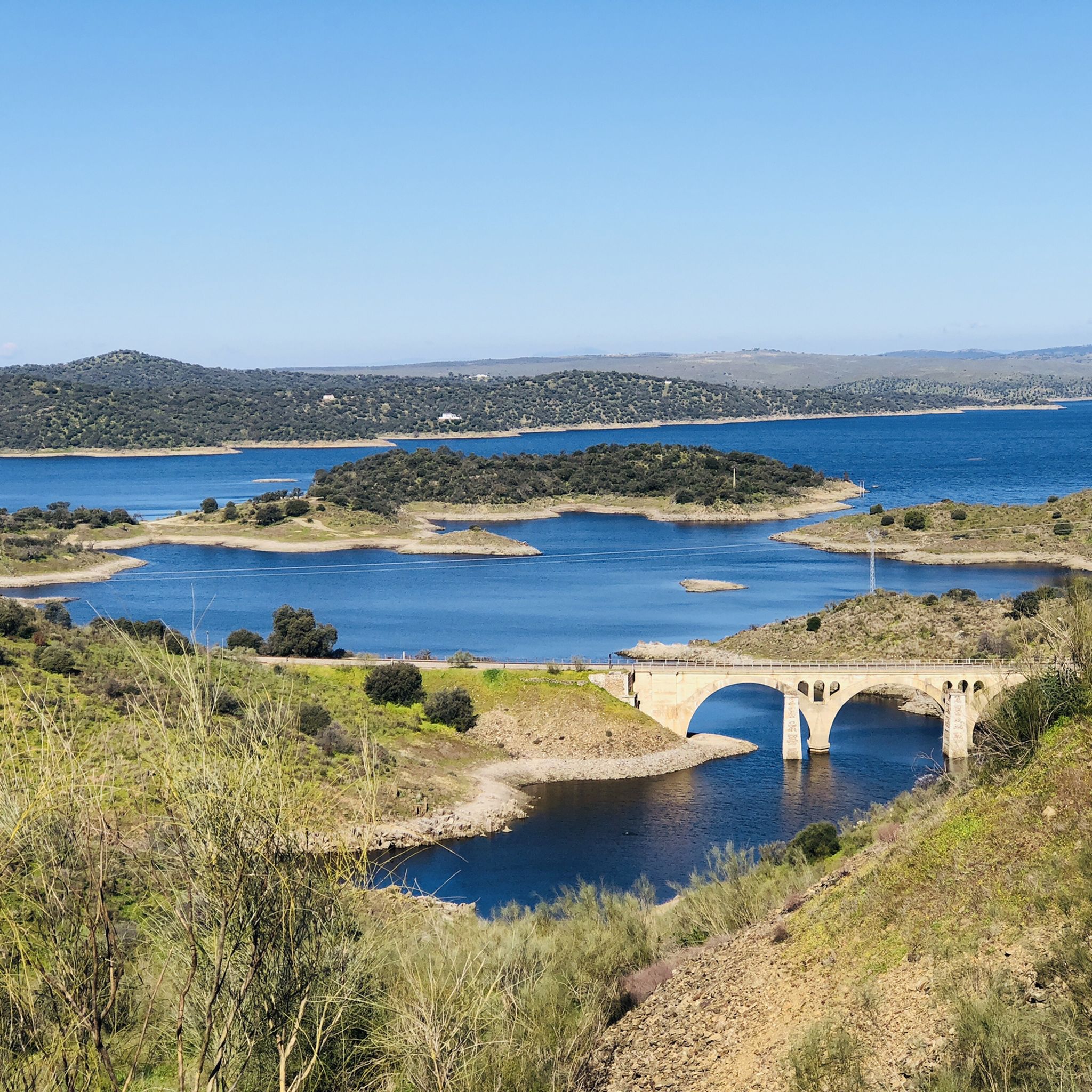
Road Cycling Routes around Caceres
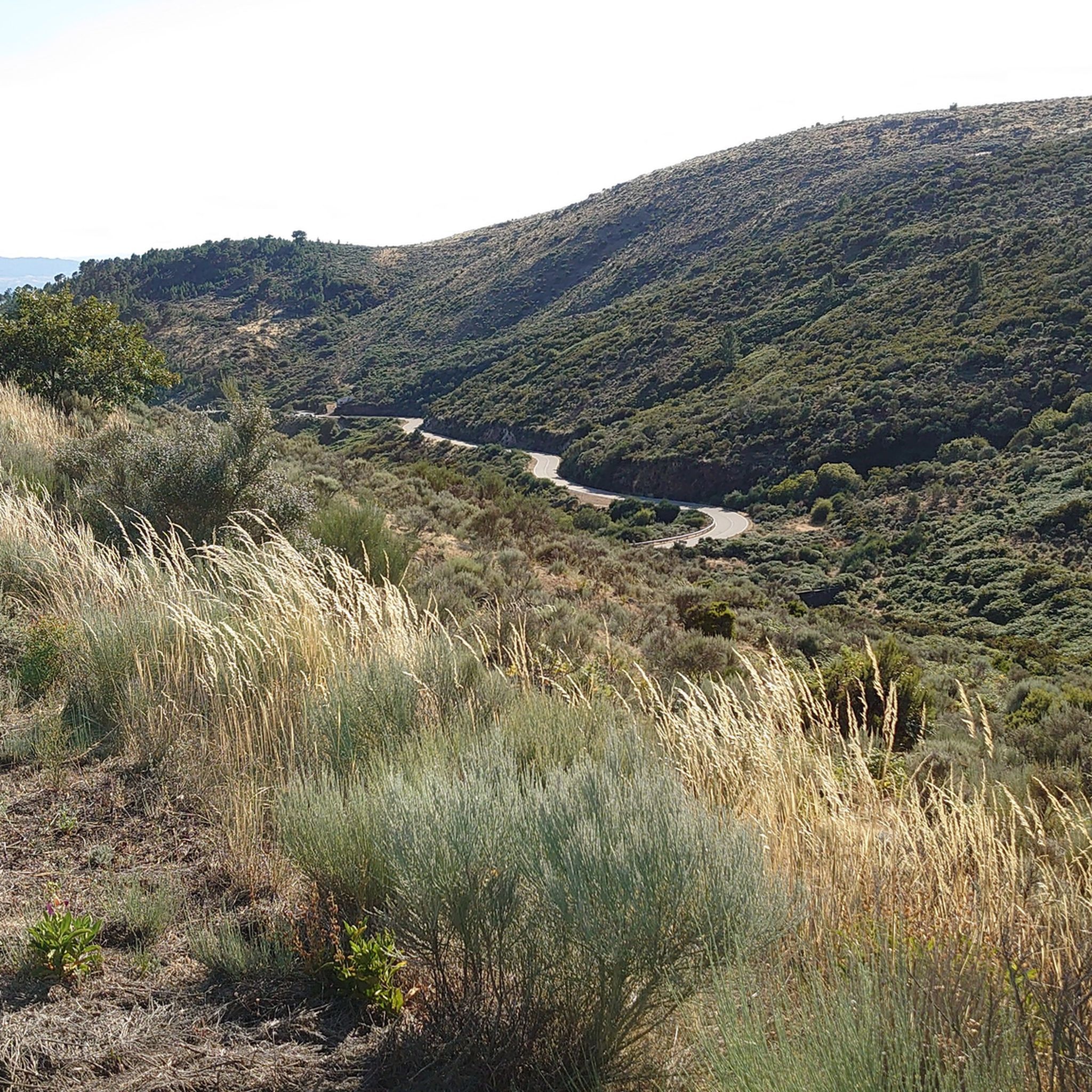
Road Cycling Routes around Coria
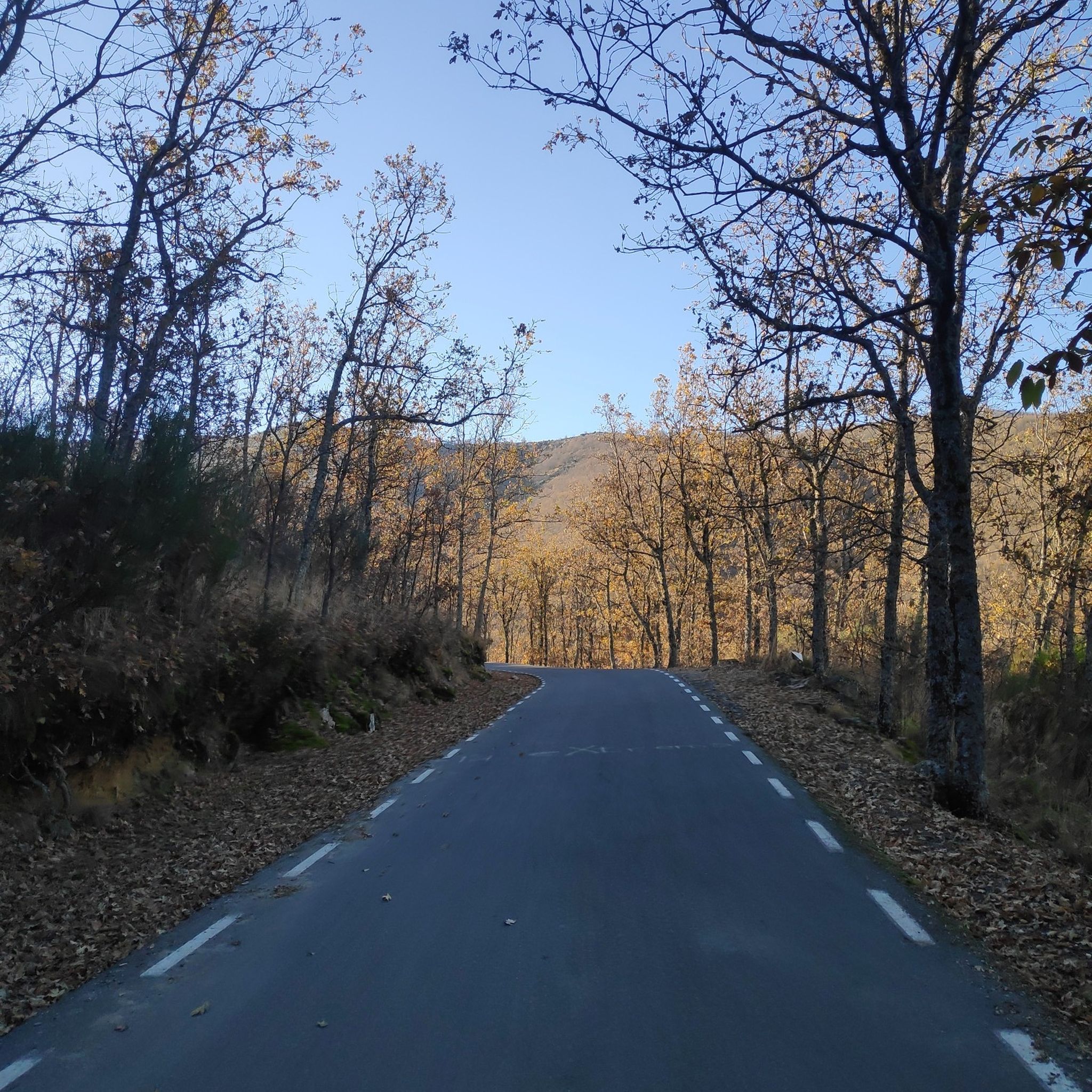
Road Cycling Routes around Hervas
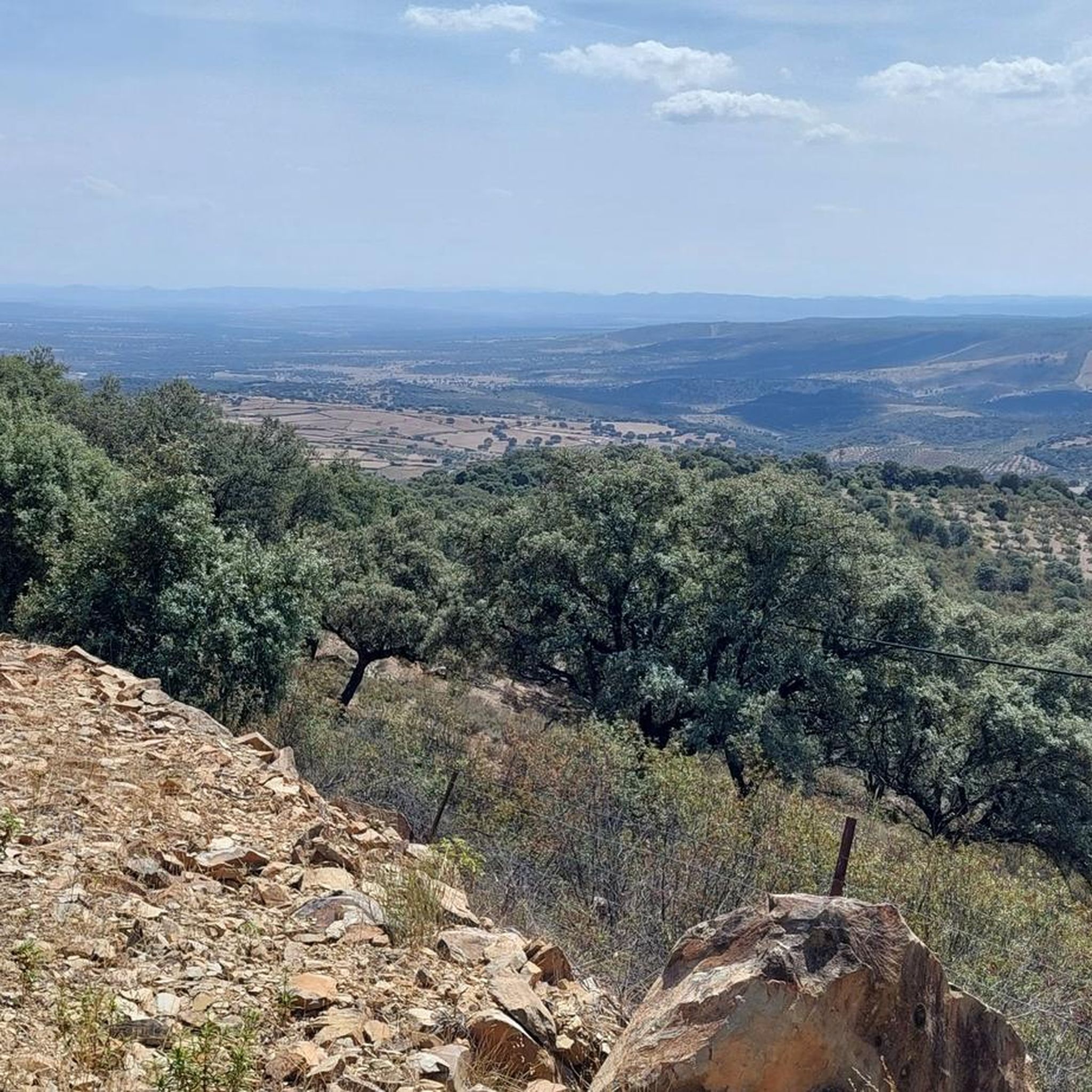
Road Cycling Routes around Logrosan
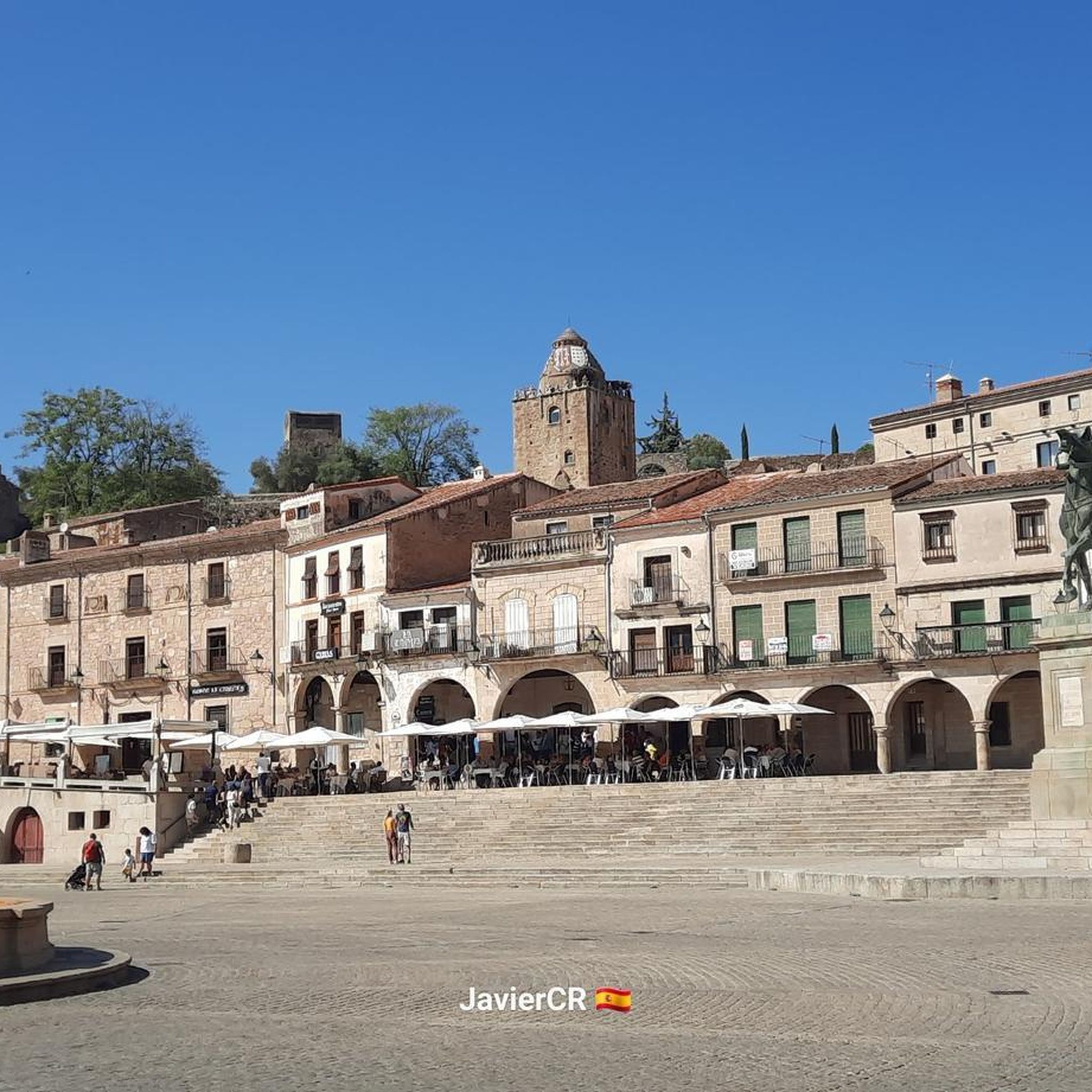
Road Cycling Routes around Trujillo
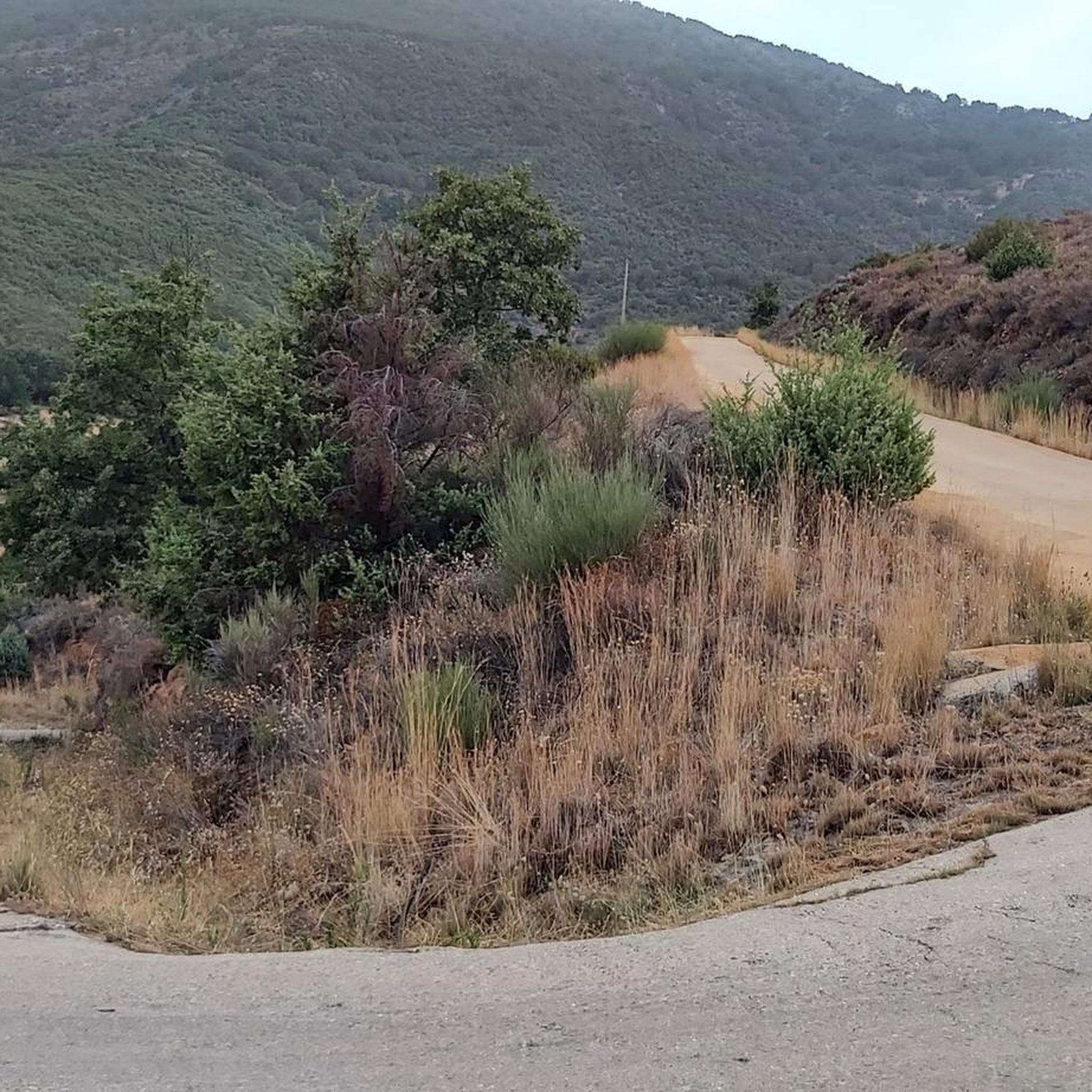
Road Cycling Routes around Jaraiz De La Vera
Road Cycling Routes around Brozas
Road Cycling Routes around Valencia De Alcantara
Other adventures in Cáceres


Tips from the Community

The Royal Monastery of Santa María de Guadalupe is an imposing 15th-century monastic complex located in Guadalupe, in the province of Cáceres, within the autonomous community of Extremadura, Spain. Declared a UNESCO World Heritage Site in 1993, the site combines four centuries of history and is a unique masterpiece of the Gothic-Mudéjar style.
0
0
The Royal Monastery of Santa María de Guadalupe is an imposing 14th-century monastic complex located in the municipality of Guadalupe, in the province of Cáceres, within the autonomous community of Extremadura, Spain. This extraordinary monument, declared a UNESCO World Heritage Site in 1993, represents an exceptional example of an architectural fusion between Gothic, Mudéjar, Renaissance, and Baroque styles. For four centuries, it was the most important monastery in the country, closely linked to the history of the Catholic Monarchs and the discovery of the Americas.
0
0

Beautiful little lake and oasis of peace
0
0

For decades it lay forgotten, becoming a remote ruin visited by few. Recently, however, Mirabel Castle (or what remains of it) has become one of the attractions in this part of the Monfragüe Biosphere Reserve. Located on a hilltop in the mountains, the castle's imposing defensive structure offers magnificent views of the Tagus River stretching out below.
11
0
Hervás has beautiful architectural heritage such as the Davila palace, a parish church, the convent of the Trinitarian fathers etc. The largest collection of classic motorcycles in Europe!
14
0

The Royal Monastery of Santa María de Guadalupe is a 14th-century monastery located in the Spanish town of Guadalupe, in the province of Cáceres. It was declared a UNESCO World Heritage Site in 1993. Inside, you can appreciate Gothic, Mudéjar, Renaissance, Baroque, and Neoclassical architectural styles. A place with a rich history and breathtaking architectural beauty! 🌟🏰
13
0
The Church of the Assumption is considered one of the finest examples of late Gothic architecture. For this reason, both the church and its main altarpiece were declared cultural heritage sites in 1981.
7
0

Stage 1. Guadalupe/Herrera del Duque 98 kilometers. 2,160 meters of elevation gain. The Cáceres town of Guadalupe has been a famous pilgrimage center since the late 13th century, when a local shepherd found the image of the Virgin hidden in a remote mountainous area of the Sierra de las Villuercas, building a hermitage for worship that gave rise to the site of La Puebla de Santa María de Guadalupe. The Order of Saint Jerome founded the Royal Monastery, and during the Middle Ages it was a notable sanctuary of popular devotion. It is the most important and outstanding monument in Guadalupe, with a beautiful Mudejar feel and a blend of Gothic, Renaissance, and Baroque elements. It was declared a World Heritage Site in 1993. The old town of La Puebla has been declared a Historic-Artistic Site and features arcades, stone fountains, folk architecture, and medieval alleyways in the old Jewish quarter. The cycle tour begins in the lively Plaza de Santa María along Calle Sevilla, passes through the Arco de Sevilla, which was one of the gates in the old wall protecting the monastery, continues past the Fuente de los Tres Chorros, one of the town's 17 fountains, and leaves Guadalupe along a cobbled path with slate slabs that requires some skill with the brakes due to the steep slope. On the outskirts, the first milestones of the Villuercas Nature Trail GR-116 appear. The path crosses the road at the rustic Angorrilla bridge and continues through the forest canyon of the Guadalupejo River. The pace is slow at first; the trail doesn't allow for fast pedaling, and the jungle of vegetation captivates the atmosphere. The path passes over the imposing viaduct of the old railway and finally enters the dirt tracks that climb towards the Villuercas mountains, descending back to the Guadalupejo riverbed, where there is a pedestrian bridge to cross the ford when floodwaters make it difficult to cross the river. Alía is the first village on the route, a good place to check your gear and bike after the rough ride before entering the toughest section of the stage, over the Puerto de San Vicente. The crossing of the Guadarranque Valley is a quintessential landscape in the unique geological realm of Las Villuercas, but on a bicycle, it's a significant challenge. At the river footbridges, a furious climb begins to the Manzano pass. The dirt surface of the Nature Trail crosses the road, descends through gravel forks to a stream, and continues along steep slopes to the Puerto de San Vicente pass. The easy option is to climb along the shoulder of the road and, in the village, rejoin the Las Villuercas Nature Trail to the Santa Quiteria station, the start/finish of the Vía Verde de la Jara. In the following section, there are no specific cycling route signs; it is essential to follow the track. The route runs along the foothills of the Altamira mountain range and the Rincón del Torozo Microreserve through holm oak forests, crosses the mountain range via Puerto del Rey, and descends to the Cíjara reservoir dam, one of the large artificial lakes on the middle course of the Guadiana River and borders Cáceres and Badajoz.
1
1
Frequently Asked Questions
How many road cycling routes are available in Cáceres?
Cáceres offers a wide variety of road cycling experiences, with over 650 routes available. These range from easy rides across flatlands to demanding climbs in mountainous regions, catering to all skill levels.
What are the difficulty levels of road cycling routes in Cáceres?
The routes in Cáceres are diverse. You'll find approximately 47 easy routes, 352 moderate routes, and 252 difficult routes. This variety ensures options for beginners looking for a relaxed ride as well as experienced cyclists seeking a challenge.
What do other cyclists say about road cycling in Cáceres?
The road cycling routes in Cáceres are highly rated by the komoot community, holding an average score of 4.6 stars from over 100 reviews. More than 9,000 road cyclists have explored the region using komoot, often praising the diverse terrain and scenic beauty.
What is the best time of year for road cycling in Cáceres?
Cáceres offers good cycling conditions for much of the year. Spring and autumn are generally ideal, with pleasant temperatures and vibrant landscapes. Summers can be hot, especially in the plains, while winters are mild, making it possible to cycle year-round, though some higher mountain passes might be colder.
Are there any easy or beginner-friendly road cycling routes in Cáceres?
Yes, Cáceres has several routes suitable for beginners or those looking for an easier ride. A good option is the Cáceres-Badajoz Corridor Nature Trail: Cáceres Loop, a moderate 30.1-mile (48.5 km) path that provides a flatter experience through the local landscape.
Where can I find challenging road cycling routes with significant climbs?
For experienced riders seeking elevation gain, Cáceres offers numerous challenging routes. The Ambroz and Jerte Valleys Loop via Puerto de Honduras is a demanding 56.4-mile (90.7 km) route with significant ascents. Another excellent option is the Cancho Blanco and Montánchez Climbs Loop, known for its substantial climbs.
Are there long-distance road cycling routes in Cáceres?
Yes, for those looking for longer rides, Cáceres provides several routes exceeding 100 km. The Plasencia and the Honduras Pass Loop covers over 112 km, and the Carrascalejo from Guadalupe is also over 112 km, offering extensive exploration of the region.
Can I find circular road cycling routes in Cáceres?
Many road cycling routes in Cáceres are designed as loops, allowing you to start and end in the same location. An example is the Pantano de Valdesalor — circular desde Cáceres, which takes you around the Valdesalor Reservoir.
What natural landscapes can I expect to see while road cycling in Cáceres?
Cáceres offers incredibly diverse landscapes for road cyclists. You'll encounter Mediterranean forests, unique granite rock formations, and expansive plains. Routes often traverse river valleys like the Jerte and Ambroz, and some pass through or near protected areas such as Monfragüe National Park and Los Llanos de Cáceres-Sierra de Fuentes, known for their rich biodiversity.
Are there historical sites or landmarks along the road cycling routes?
Absolutely. Cáceres is rich in history. Many routes incorporate historical elements, such as sections of the ancient Roman Vía de la Plata. You might also pass by significant landmarks like Monfragüe Castle or the Royal Monastery of Santa María de Guadalupe, offering cultural insights alongside your ride.
Are there routes that pass by reservoirs or natural pools?
Yes, several routes feature picturesque reservoirs and natural water bodies. The Pantano de Valdesalor — circular desde Cáceres takes you around the Valdesalor Reservoir. The region also boasts natural pools, particularly in areas like the Jerte Valley, known for its waterfalls and refreshing spots.
Are there any specific permits required for cycling in natural parks like Monfragüe?
While general access for cycling on public roads through Monfragüe National Park is usually permitted, it's always advisable to check the official park regulations for any specific restrictions or permits required for certain trails or areas, especially if you plan to deviate from main roads. For more information on cycling in the Ambroz Valley, which borders Monfragüe, you can visit visitambroz.es.
Are there family-friendly road cycling options in Cáceres?
For families, it's best to look for the 'easy' or 'moderate' graded routes, particularly those that are flatter and away from heavy traffic. The Cáceres-Badajoz Corridor Nature Trail: Cáceres Loop is a moderate option that follows a nature trail, which might be more suitable for a family outing.
Most popular routes in Cáceres
Most popular attractions in Cáceres

Get inspired with the komoot mobile app


Didn’t find what you were looking for?
Check out more Road cycling routes throughout Cáceres below and find the perfect route in your destination.
Explore more
Browse the best Road cycling routes in other regions.
