Attractions and Places To See around Mullaghmoyle - Top 9
Best attractions and places to see around Mullaghmoyle, a locality in County Tyrone, Northern Ireland, offer a blend of natural beauty and historical significance. The region is rich with points of interest, including ancient sites, scenic forests, and cultural experiences. Visitors will find 9 hidden gems waiting to be explored and visited.
Best attractions and places to see around Mullaghmoyle
- The most popular attractions is Maghery Footbridge at Lough Neagh, a viewpoint that offers views of Lough Neagh, the…
Last updated: November 21, 2026
Maghery Footbridge at Lough Neagh
Highlight • Viewpoint
Showing Translation
Tip by

Mountjoy Castle
Highlight • Historical Site
Translated by Google •
Tip by

Sign up now to discover places like this
Get recommendations on the best single tracks, peaks, & plenty of other exciting outdoor places.
Dungannon Park Weir
Highlight • Natural Monument
Tip by

View of Coney Island from Maghery
Highlight • Lake
Translated by Google •
Tip by
St Mary’s
Highlight • Religious Site
Showing Translation
Tip by
Sign up for free to discover even more attractions around Mullaghmoyle.
Already have an account?
Start today with a free account
Your next adventure awaits.

Tips from the Community

On Maghery Road, a stone's throw from the shores of Lough Neagh, stands St. Mary's Church. This church, also known as Our Lady, Queen of Peace, is a beautiful example of a simple yet graceful neo-Gothic village church. The current church dates from the early 19th century (c. 1827) and immediately stands out with its square tower rising above the village rooftops. The local sandstone walls give the building a warm, robust appearance that perfectly complements the rustic landscape of the lake shores.
7
0
For cyclists following the 'Lough Neagh Cycle Way' (National Cycle Route 94), the Maghery footbridge is an iconic resting point and an essential link. This elegant, modern bridge spans the mouth of the Upper Bann as it enters the lough.
8
0
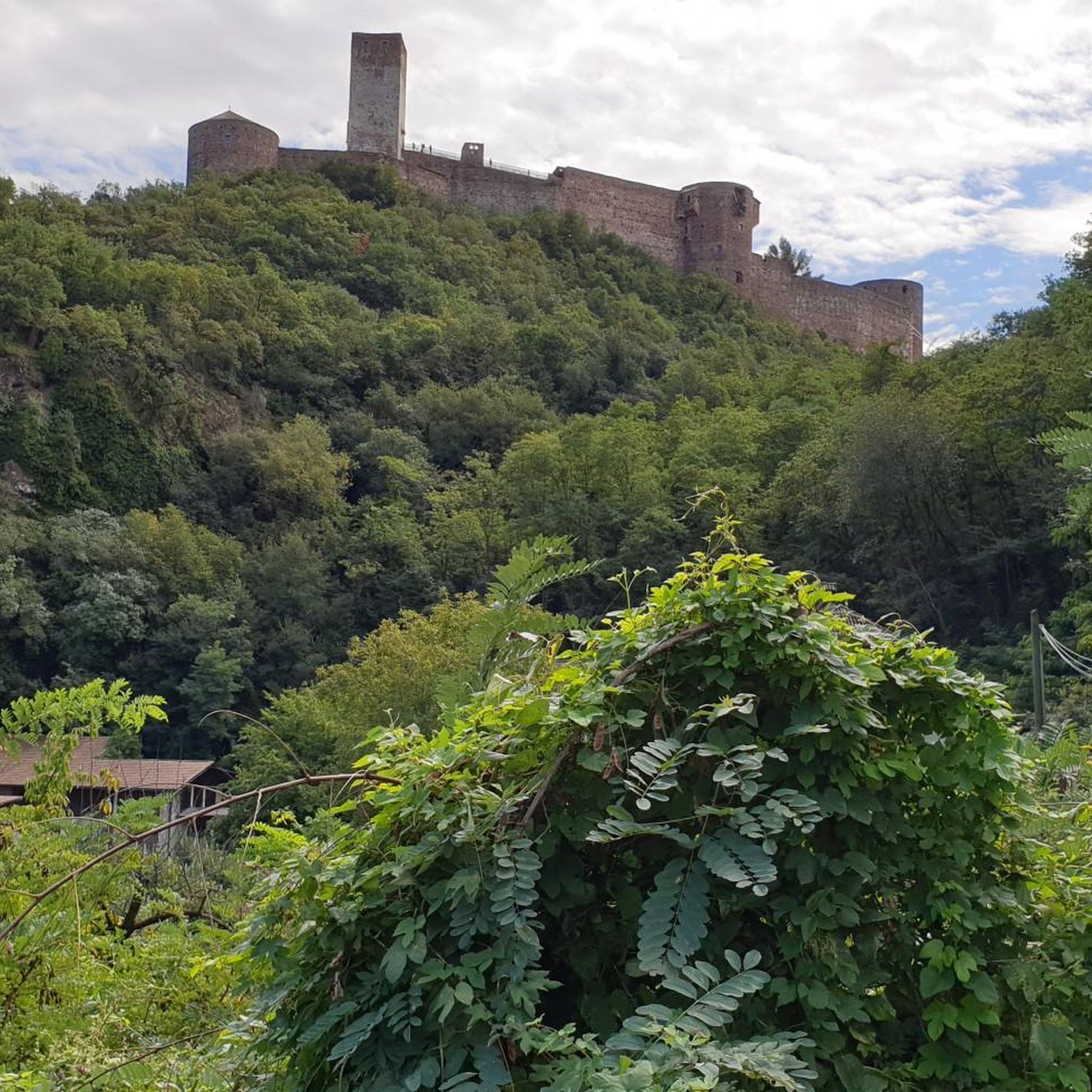
On the banks of Lough Neagh, near the village of Brockagh, you will find the impressive ruin of Mountjoy Castle. This castle was built between 1602 and 1605 by Lord Mountjoy and served at the time as a crucial military stronghold during the turbulent years of the Nine Years' War. Unique is the special combination of building materials: the lower floor is constructed from rough natural stone, while the upper floor consists of locally fired red brick. Although the castle has been a ruin since 1648, the central block and the characteristic arrow-shaped corner towers are still clearly recognizable in the landscape.
8
0

The Maghery Footbridge on the edge of Lough Neagh offers a small moment of peace in the midst of the expansive landscape. As you cross the bridge, your gaze glides over the gentle waters of the largest lake in the British Isles. In good weather, the clouds are impressively reflected on the surface of the water, making the scene look almost like a painting. Even when the sky is cloudy, the lake has a special atmosphere that invites you to linger rather than to quickly pass by. The paths around the bridge are mostly flat, but you should be prepared for occasional sections with unpaved surfaces. This could be a bit slippery, especially in wet weather, but this is not a problem. The connection to the National Cycle Network, Route 94, also offers you many other opportunities to explore the area. A little tip: Maghery itself does not have much to offer apart from the bridge, but a short detour to the nearby Oxford Island nature reserve is definitely worth it. This means you can easily combine a visit to the bridge with a larger circular tour.
4
0
From the shore at Maghery, the view falls directly on Coney Island, which lies quietly in Lough Neagh. The rough waters of the lake, which are constantly in motion, create a special atmosphere that alternates between calm and turmoil. The cool breeze carries the scent of the wild vegetation on the shore, while the sound of the waves sets the tone for the moment. Coney Island itself seems almost untouched, a small spot in the vastness of the lake that seems to tell stories of times gone by. It may be tempting to imagine what it would be like to row there and explore the island. But from here it remains a place of longing in the distance - close enough to arouse curiosity, but far enough to keep a certain mystery. The view is impressive, but on stormy days you realize that nature can be rough here. Perhaps not the ideal place for a long rest, but a place that is worth a moment's pause before continuing on the path.
1
0
In the shadow of Northern Ireland's vast skies, the mysterious Mountjoy Castle rises on a hill above Lough Neagh. This ruined castle, whose Irish name "Caisleán Mhuinseo" whispers into the wind, stands like a proud sentinel in the village of Mountjoy, County Tyrone. The castle was built in 1602 by order of Charles Blount, 1st Earl of Devonshire and 8th Baron Mountjoy. But times have not always been kind to this building: as early as 1643, a devastating fire left scars on the walls of the castle. What remained is a two-story brick building with the ground floor clad in stone. The architecture speaks of a time of defense and vigilance - a central rectangular block protected by four spear-shaped towers, crisscrossed by embrasures. The north-western tower testifies to the fragility of time - partially collapsed, while the western curtain wall has lost its presence. The entrance, once on the south side of the eastern curtain wall, seems to whisper stories of days gone by, while wide windows on the upper floor capture the eyes of visitors. Unfortunately, an extension at the back keeps some of the castle's secrets hidden, and the interior area is closed to visitors' eyes. But even in its ruined state, Mountjoy Castle embodies the soul and history of Northern Ireland. Not only is it a State Care Historic Monument in the townland of Magheralamfield in the Mid Ulster District, but it is also a silent testament to time, inviting every walker to pause for a moment and listen to the whispers of history.
4
0

The weir at Dungannon park trickles down like a waterfall into a fresh pool of water surrounded by lush green nature.
1
0
Pull up a picnic blanket and enjoy the beautiful views over this weir in Dungannon Park. The water trickles down like a waterfall into a fresh pond surrounded by lush green nature.
2
0
Frequently Asked Questions
What historical sites can I explore near Mullaghmoyle?
The region around Mullaghmoyle is rich in history. You can visit Mountjoy Castle, a ruined 17th-century castle above Lough Neagh. Another significant site is Tullyhogue Fort, an ancient site where the O'Neills were crowned Chiefs of Ulster. Further afield, consider Knockmany Cairn, a Neolithic passage tomb with megalithic art, or the Hill of The O'Neill & Ranfurly House in Dungannon, which delves into Ulster's past.
Are there natural attractions or scenic viewpoints around Mullaghmoyle?
Yes, there are several beautiful natural spots. The Maghery Footbridge at Lough Neagh offers expansive views of Ireland's largest freshwater lake. Within Dungannon Park, you'll find the Dungannon Park Weir, where water trickles like a waterfall into a fresh pond. You can also enjoy a View of Coney Island from Maghery, offering a glimpse of the island in Lough Neagh. Knockmany Forest is known for its seasonal bluebell display, and Pomeroy Forest Park provides diverse woodlands.
What kind of outdoor activities can I do near Mullaghmoyle?
The area offers a variety of outdoor activities. For hiking, explore routes like the easy Dungannon Park loop or the moderate Derryadd Lake loop. You can find more hiking options on the Hiking around Mullaghmoyle guide. If you enjoy running, there are routes such as the moderate Running loop from Ballybeg or the more challenging Rath loop from Clonoe Park & Ride, detailed in the Running Trails around Mullaghmoyle guide. Road cyclists can find routes like the moderate Armagh, Emyvale and Aughnaloy loop, available in the Road Cycling Routes around Mullaghmoyle guide. Additionally, Blessingbourne Mountain Bike Trails offer options for cyclists of all abilities.
Are there family-friendly attractions or activities around Mullaghmoyle?
Yes, several attractions cater to families. Dungannon Park is a 70-acre sanctuary with walking trails, a children's playground, picnic areas, and the scenic Dungannon Park Weir. Pomeroy Forest Park features nature-based sculptures and interactive play experiences along its trails, including the magical Renardine trail for children. The OM Dark Sky Park & Observatory offers interactive exhibitions and observing sessions that can be engaging for all ages.
What unique or unusual places can I visit near Mullaghmoyle?
For something out of the ordinary, consider the Cooneen Ghost House, reputedly the only house in Ireland where an exorcism has taken place, known for its eerie atmosphere. Another unique experience is the OM Dark Sky Park & Observatory in Davagh Forest, Northern Ireland's first Dark Sky Park, offering guided tours and stargazing opportunities.
When is the best time to visit Mullaghmoyle for outdoor exploration?
The region offers beauty throughout the year. For enjoying the natural scenery, spring is particularly lovely when Knockmany Forest is carpeted with blooming bluebells. Summer provides pleasant weather for hiking and cycling. The OM Dark Sky Park & Observatory is best visited on clear nights for optimal stargazing, regardless of the season.
Where can I find walking trails suitable for an easy stroll?
For easy walks, Dungannon Park offers accessible trails, including the Dungannon Park loop. The paths around the Maghery Footbridge at Lough Neagh are mostly flat and connect to the National Cycle Network, Route 94, providing gentle walking opportunities. Pomeroy Forest Park also has trails like the Grace Drennan Eco Trail, which is educational and suitable for a relaxed pace.
What is the significance of the OM Dark Sky Park & Observatory?
The OM Dark Sky Park & Observatory, located in Davagh Forest, is Northern Ireland's first Dark Sky Park. It provides a unique opportunity for stargazing and learning about astronomy. Visitors can enjoy guided tours of an interactive exhibition, participate in observing sessions, and attend workshops. The park also features the OM Solar Walk, which connects the modern observatory to the ancient Beaghmore Stone Circles.
Are there any sites related to famous historical figures near Mullaghmoyle?
Yes, history enthusiasts might be interested in visiting the US Grant Ancestral Homestead. This cottage belonged to the Simpson family, who had close ties to Ulysses S. Grant, the Commander of the Union troops during the American Civil War and a former US President.
What do visitors enjoy most about the attractions around Mullaghmoyle?
Visitors appreciate the blend of historical significance and natural beauty. For instance, the Maghery Footbridge at Lough Neagh is loved for its peaceful atmosphere and impressive reflections on the water. The Mountjoy Castle ruins are valued for their historical stories and commanding views. The Dungannon Park Weir is a favorite for its tranquil setting, perfect for picnics amidst lush greenery.
Can I find mountain biking trails in the Mullaghmoyle area?
Yes, Blessingbourne Mountain Bike Trails, located within a picturesque private estate, offer a range of options suitable for various skill levels, catering to both casual riders and experienced mountain bikers. Davagh Forest, home to the OM Dark Sky Park, also features mountain bike trails.
Most popular routes around Mullaghmoyle

Get inspired with the komoot mobile app


Explore more
Still not found the Highlight you’re looking for? See guides of the top attractions in other regions:
