Attractions and Places To See around Drumey - Top 7
Best attractions and places to see around Drumey are concentrated within County Tyrone, Northern Ireland. This small townland is surrounded by a region rich in historical sites, natural features, and cultural points of interest. Visitors can explore ancient forts, serene parks, and significant heritage locations. The area offers diverse opportunities for those interested in history, nature, and local culture.
Best attractions and places to see around Drumey
- The most popular attractions is Dungannon Park Weir, a natural monument and…
Last updated: July 7, 2026
Mountjoy Castle
Highlight • Historical Site
Translated by Google •
Tip by

Dungannon Park Weir
Highlight • Natural Monument
Tip by

Sign up now to discover places like this
Get recommendations on the best single tracks, peaks, & plenty of other exciting outdoor places.
Sign up for free
Tullaghoge Fort
Highlight • Natural Monument
Tip by

Dungannon Park Lake
Highlight • Viewpoint
Tip by
Derryloran Old Church Ruins and Cemetery
Highlight • Religious Site
Tip by
Sign up for free to discover even more attractions around Drumey.
Sign up for free
Already have an account?
Start today with a free account
Your next adventure awaits.
Login or Signup
Popular around Drumey
Tips from the Community

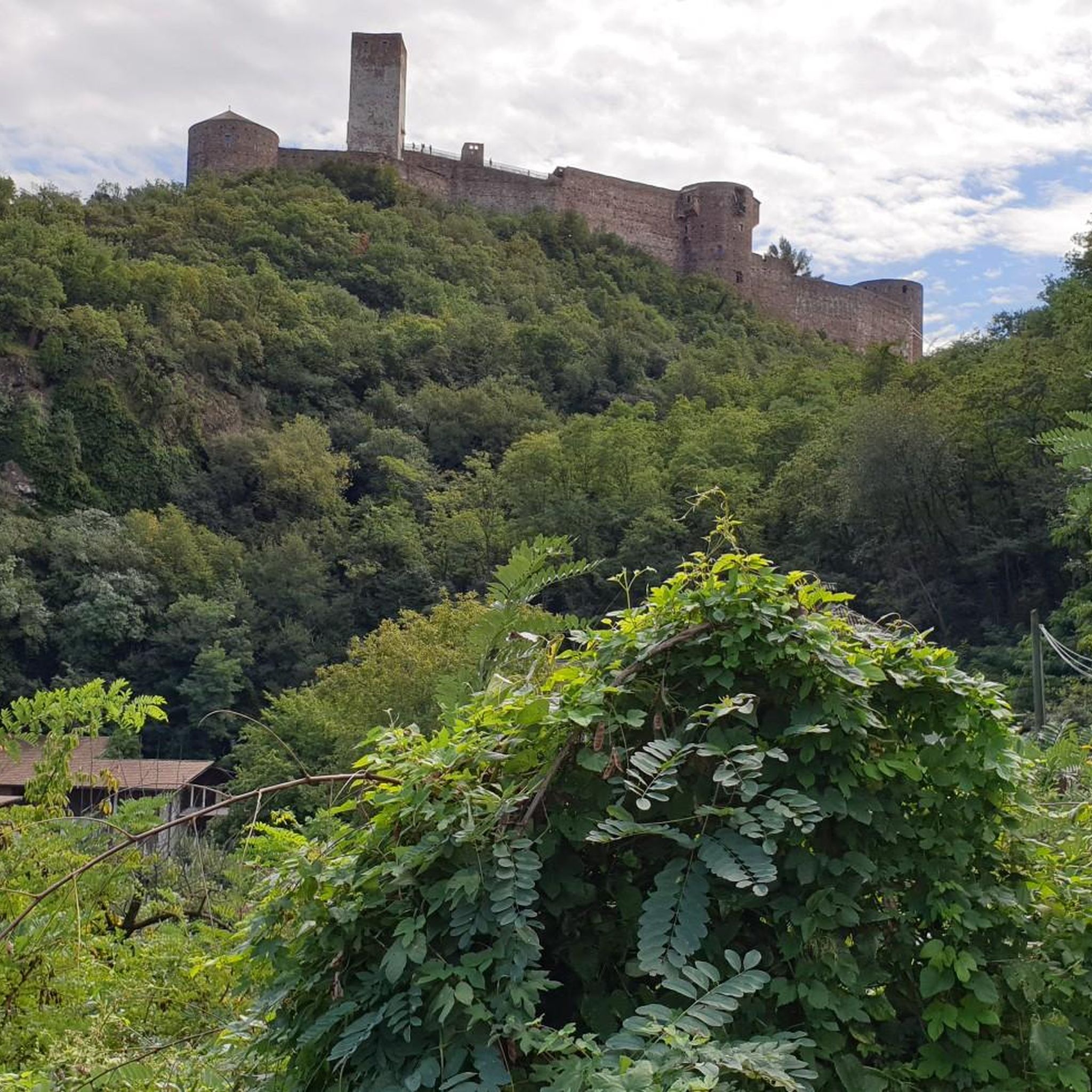
On the banks of Lough Neagh, near the village of Brockagh, you will find the impressive ruin of Mountjoy Castle. This castle was built between 1602 and 1605 by Lord Mountjoy and served at the time as a crucial military stronghold during the turbulent years of the Nine Years' War. Unique is the special combination of building materials: the lower floor is constructed from rough natural stone, while the upper floor consists of locally fired red brick. Although the castle has been a ruin since 1648, the central block and the characteristic arrow-shaped corner towers are still clearly recognizable in the landscape.
8
0

In the shadow of Northern Ireland's vast skies, the mysterious Mountjoy Castle rises on a hill above Lough Neagh. This ruined castle, whose Irish name "Caisleán Mhuinseo" whispers into the wind, stands like a proud sentinel in the village of Mountjoy, County Tyrone. The castle was built in 1602 by order of Charles Blount, 1st Earl of Devonshire and 8th Baron Mountjoy. But times have not always been kind to this building: as early as 1643, a devastating fire left scars on the walls of the castle. What remained is a two-story brick building with the ground floor clad in stone. The architecture speaks of a time of defense and vigilance - a central rectangular block protected by four spear-shaped towers, crisscrossed by embrasures. The north-western tower testifies to the fragility of time - partially collapsed, while the western curtain wall has lost its presence. The entrance, once on the south side of the eastern curtain wall, seems to whisper stories of days gone by, while wide windows on the upper floor capture the eyes of visitors. Unfortunately, an extension at the back keeps some of the castle's secrets hidden, and the interior area is closed to visitors' eyes. But even in its ruined state, Mountjoy Castle embodies the soul and history of Northern Ireland. Not only is it a State Care Historic Monument in the townland of Magheralamfield in the Mid Ulster District, but it is also a silent testament to time, inviting every walker to pause for a moment and listen to the whispers of history.
4
0

The church ruins date from the early 16th century but include stones from a much earlier pre 11th century church. After a new church was built, this one fell into disrepair, but the graveyard remains in use.
0
0
An important historic site, Tullyhogue Fort is where the O'Neills were crowned the Chiefs of Ulster. It is now planted with trees and you can enjoy views across the countryside of County Tyrone.
0
0

The weir at Dungannon park trickles down like a waterfall into a fresh pool of water surrounded by lush green nature.
1
0
Enjoy serene views of still waters and wading fishermen as you circumnavigate the lake at Dungannon Park.
1
0
Pull up a picnic blanket and enjoy the beautiful views over this weir in Dungannon Park. The water trickles down like a waterfall into a fresh pond surrounded by lush green nature.
2
0

Small castle ruins. Unfortunately not accessible inside and "reared" from behind.
8
0
Frequently Asked Questions
What historical sites can I explore near Drumey?
The area around Drumey is rich in history. You can visit the ruins of Mountjoy Castle, a two-story brick building from 1602 with a fascinating past. Another significant site is Tullyhogue Fort, where O'Neill chieftains were historically crowned, offering views across County Tyrone. Don't miss the Derryloran Old Church Ruins and Cemetery, with parts dating back to pre-11th century. Further afield, explore the Hill of The O'Neill & Ranfurly House in Dungannon, the Ulster American Folk Park near Omagh, or the mysterious Beaghmore Stone Circles.
Are there any natural attractions or viewpoints around Drumey?
Yes, you'll find several beautiful natural spots. Dungannon Park Weir offers serene views where water trickles into a fresh pond. Within Dungannon Park, you can also enjoy the tranquil Dungannon Park Lake. The wider region boasts the magnificent Sperrin Mountains, an Area of Outstanding Natural Beauty, and Gortin Glen Forest Park with its lush woodlands and waterfalls.
What outdoor activities are available near Drumey?
The area provides excellent opportunities for outdoor enthusiasts. You can find various cycling routes, including road cycling and touring, with options like the 'Cookstown loop to Killymoon Castle & Tullyhogue Fort' or longer routes through the Sperrins. For runners, there are several running trails, such as the 'Running loop from Cookstown'. You can find more details on these activities in the dedicated guides for Road Cycling Routes around Drumey, Running Trails around Drumey, and Cycling around Drumey.
Are there family-friendly attractions near Drumey?
Absolutely! Dungannon Park Weir and Dungannon Park Lake are both considered family-friendly, perfect for a picnic or a leisurely stroll. The wider County Tyrone area offers the Ulster American Folk Park with its interactive exhibits, and Pomeroy Forest features the Renardine Fairytale Trail, an engaging path with sculptures and play areas ideal for families.
Where can I go for a scenic walk or hike?
For scenic walks, consider Gortin Glen Forest Park, which offers lush woodlands and waterfalls. The Sperrin Mountains also provide dramatic landscapes and numerous hiking opportunities. For a more relaxed experience, Dungannon Park offers pleasant paths around its lake and weir. While specific easy walking trails with duration aren't detailed, many parks and forest areas offer varying lengths and difficulties.
What cultural experiences can I find in the Drumey area?
Beyond historical sites, the region offers cultural insights. The Hill of The O'Neill & Ranfurly House in Dungannon provides a deep dive into the O'Neill dynasty and Gaelic Ulster. The Ulster American Folk Park near Omagh tells the story of Irish emigration. For arts and events, the Strule Arts Centre in Omagh hosts various performances and exhibitions. The An Creagán Centre in the Sperrin foothills also offers insight into local heritage and traditional Irish crafts.
Are there any unique or 'hidden gem' outdoor activities?
Davagh Forest, located within the Sperrin Mountains, is often described as a 'hidden gem' for its world-class mountain biking trails. It's also home to the OM Dark Sky Park and Observatory, an official Dark Skies location perfect for stargazing with advanced telescopes, offering a truly unique outdoor experience after dusk.
What is the best time to visit attractions around Drumey?
The best time to visit largely depends on your preferred activities. Spring and summer (April to September) generally offer milder weather, ideal for hiking, cycling, and exploring outdoor attractions like the Sperrin Mountains and forest parks. Autumn brings beautiful foliage, while winter can be suitable for quieter visits to historical sites, though some outdoor activities might be limited by weather conditions.
Can I find adventure activities near Drumey?
Yes, for thrill-seekers, Todd's Leap Adventure Centre near Ballygawley offers a range of exciting activities. These include ziplining, off-road driving experiences, and even a free-fall drop zone, providing an adrenaline-filled day out.
Are there any places to observe wildlife or unique ecosystems?
Peatlands Park is a notable nature reserve covering approximately 680 acres. It showcases a unique ecosystem of raised bogs, blanket bogs, and wetlands, providing an excellent opportunity to observe specific flora and fauna adapted to this environment. Lough Neagh and the River Blackwater also offer habitats for various bird species and opportunities for fishing.
What are some significant historical houses or homesteads to visit?
Beyond castles and forts, you can explore several historic homes. The Argory is an atmospheric 1820s Irish gentry house with a large wooded riverside estate. The Grant Ancestral Homestead in Ballygawley is the preserved home of the great-grandfather of former US President Ulysses S. Grant. Similarly, the Wilson Ancestral Home near Strabane was the thatched cottage of Judge James Wilson, grandfather of President Woodrow Wilson. Lissan House near Cookstown also offers over 400 years of heritage and notable gardens.
Most popular routes around Drumey

Get inspired with the komoot mobile app


Explore more
Still not found the Highlight you’re looking for? See guides of the top attractions in other regions:
