Attractions and Places To See around Killymenagh - Top 5
Best attractions and places to see around Killymenagh include a variety of historical sites, natural features, and cultural landmarks. Located in the wider region of County Tyrone and near Lough Neagh, the area offers diverse points of interest. Visitors can explore ancient ruins, significant religious sites, and the largest freshwater lake in Ireland. The landscape provides opportunities to connect with both the natural environment and the rich history of Northern Ireland.
Best attractions and places to see around Killymenagh
- The…
Last updated: June 24, 2026
Lough Neagh
Highlight • Lake
Tip by

Mountjoy Castle
Highlight • Historical Site
Translated by Google •
Tip by

Sign up now to discover places like this
Get recommendations on the best single tracks, peaks, & plenty of other exciting outdoor places.
Sign up for free
Ardboe High Cross
Highlight • Religious Site
Tip by

The Battery Marina
Highlight • Rest Area
Tip by
Tullaghoge Fort
Highlight • Natural Monument
Tip by
Start today with a free account
Your next adventure awaits.
Login or Signup
Popular around Killymenagh
Tips from the Community

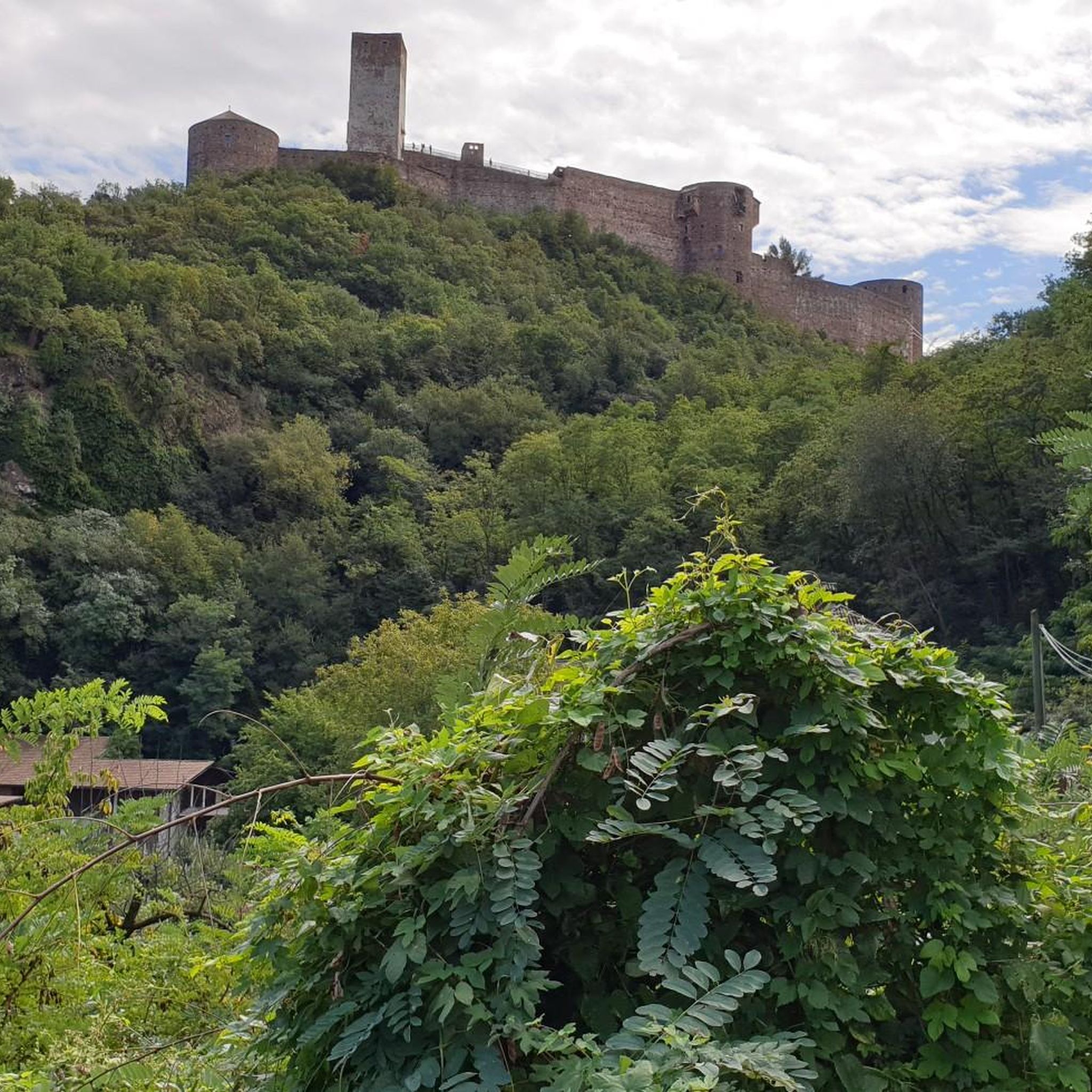
On the banks of Lough Neagh, near the village of Brockagh, you will find the impressive ruin of Mountjoy Castle. This castle was built between 1602 and 1605 by Lord Mountjoy and served at the time as a crucial military stronghold during the turbulent years of the Nine Years' War. Unique is the special combination of building materials: the lower floor is constructed from rough natural stone, while the upper floor consists of locally fired red brick. Although the castle has been a ruin since 1648, the central block and the characteristic arrow-shaped corner towers are still clearly recognizable in the landscape.
8
0

In the shadow of Northern Ireland's vast skies, the mysterious Mountjoy Castle rises on a hill above Lough Neagh. This ruined castle, whose Irish name "Caisleán Mhuinseo" whispers into the wind, stands like a proud sentinel in the village of Mountjoy, County Tyrone. The castle was built in 1602 by order of Charles Blount, 1st Earl of Devonshire and 8th Baron Mountjoy. But times have not always been kind to this building: as early as 1643, a devastating fire left scars on the walls of the castle. What remained is a two-story brick building with the ground floor clad in stone. The architecture speaks of a time of defense and vigilance - a central rectangular block protected by four spear-shaped towers, crisscrossed by embrasures. The north-western tower testifies to the fragility of time - partially collapsed, while the western curtain wall has lost its presence. The entrance, once on the south side of the eastern curtain wall, seems to whisper stories of days gone by, while wide windows on the upper floor capture the eyes of visitors. Unfortunately, an extension at the back keeps some of the castle's secrets hidden, and the interior area is closed to visitors' eyes. But even in its ruined state, Mountjoy Castle embodies the soul and history of Northern Ireland. Not only is it a State Care Historic Monument in the townland of Magheralamfield in the Mid Ulster District, but it is also a silent testament to time, inviting every walker to pause for a moment and listen to the whispers of history.
4
0

An important historic site, Tullyhogue Fort is where the O'Neills were crowned the Chiefs of Ulster. It is now planted with trees and you can enjoy views across the countryside of County Tyrone.
0
0
Near the banks of Lough Neagh stands Ardboe High Cross. Take a close look at the carvings on the cross which represent both the Old and New Testament. A monastery was founded here in the 6th century by St Colman and legend has it that it was created by the milk of a magic cow. Ardboe means hill of the cow, so who knows!
2
0
A little waterside detour will take you to visit The Battery, a marina on Lough Neagh. You can grab at drink at the Battery Bar or take a seat on one of the many picnic benches and breathe in the peace and calm.
1
0

Lough Neagh is the largest freshwater lake in all of the Ireland and the UK. Watch out for the famous eels if you go for a swm ;)
2
0

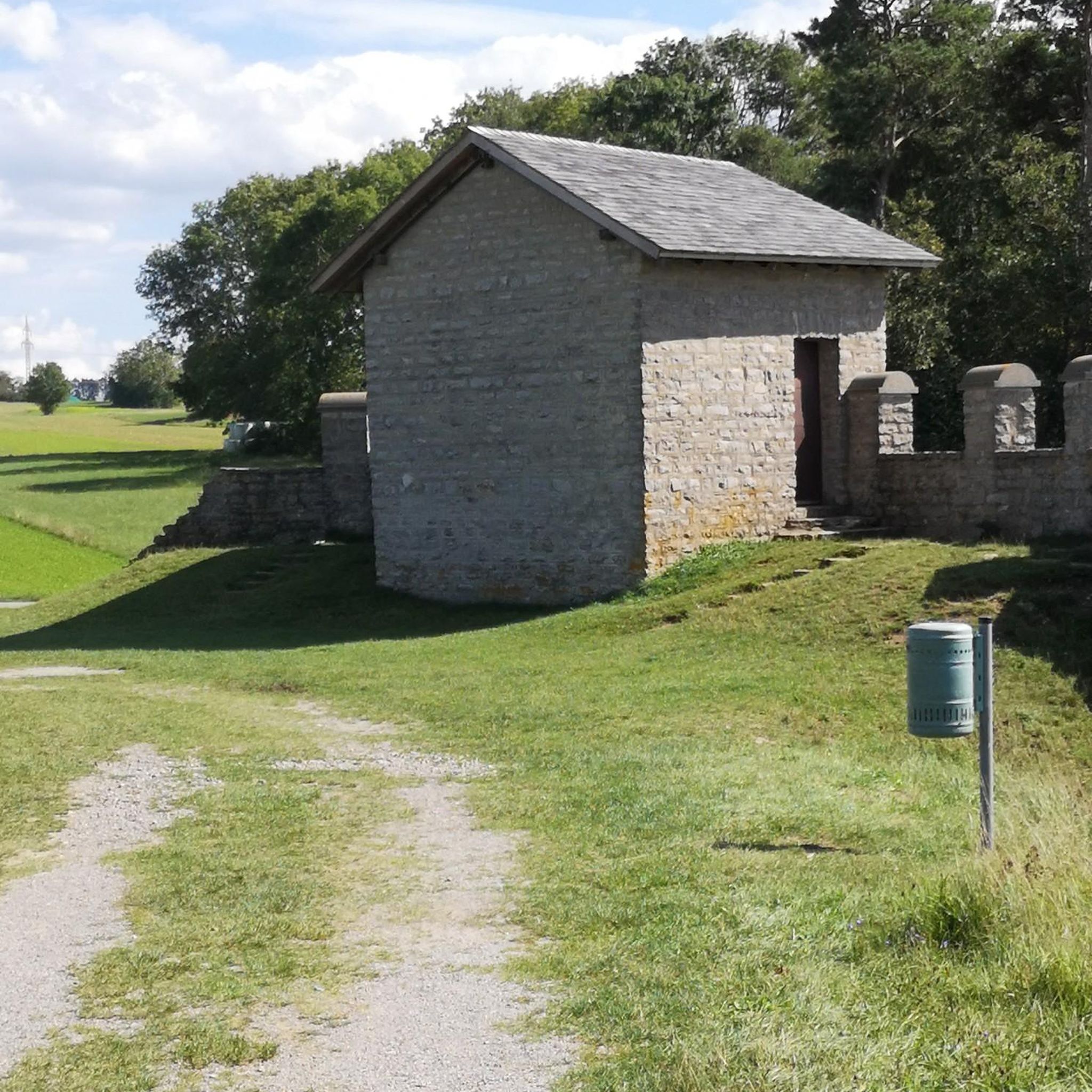
Small castle ruins. Unfortunately not accessible inside and "reared" from behind.
8
0
Frequently Asked Questions
What historical sites can I visit near Killymenagh?
The region around Killymenagh is rich in history. You can explore the ruins of Mountjoy Castle, a 17th-century fortified residence overlooking Lough Neagh. Another significant site is Ardboe High Cross, an ancient religious monument with intricate carvings. Further afield, consider visiting the ancient Beaghmore Stone Circles in County Tyrone or the historic Enniskillen Castle which houses two museums.
Are there any natural attractions or scenic viewpoints around Killymenagh?
Absolutely. The most prominent natural feature is Lough Neagh, the largest freshwater lake in Ireland and the UK, offering scenic beauty. For panoramic views, Tullyhogue Fort provides vistas across the County Tyrone countryside. The Sperrins Mountain Range is an official Dark Skies location, perfect for stargazing, and the Marble Arch Caves in County Fermanagh offer stunning underground formations.
What outdoor activities can I do near Killymenagh?
The area offers various outdoor activities. You can enjoy running on trails like the 'Running loop from Lurgyroe' or 'Running loop from Killycolpy ED'. For cyclists, there are road cycling routes such as the 'Ballyronan and Moneymore loop from Lough Neagh'. Mountain biking enthusiasts will find challenging trails at Davagh Forest. For water-based activities, Lough Erne and Gortin Glen Lakes are ideal for kayaking and canoeing. You can find more details on routes in the Running Trails around Killymenagh and Road Cycling Routes around Killymenagh guides.
Are there family-friendly attractions around Killymenagh?
Yes, several attractions are suitable for families. Lough Neagh itself is a great spot for a relaxed outing, and Ardboe High Cross is an interesting historical site for all ages. The Ulster American Folk Park in Omagh offers an immersive experience with costumed characters and traditional crafts. Davagh Forest has family-friendly mountain bike trails and a pump track, while The Battery Marina on Lough Neagh is a pleasant spot for a waterside break.
Where can I find walking or hiking trails near Killymenagh?
There are several options for walking and hiking. The paths around the Maghery Footbridge at Lough Neagh offer peaceful, mostly flat walks. For a more challenging hike, consider the iconic 'Stairway to Heaven' boardwalk on Cuilcagh Mountain. Davagh Forest also provides various trails, from easy-going to more challenging. You can explore running routes in the Running Trails around Killymenagh guide, which can often be adapted for walking.
What is the best time to visit attractions around Killymenagh?
The best time to visit largely depends on your preferred activities. Spring and summer (April to September) generally offer milder weather, making it ideal for outdoor activities, hiking, and exploring natural sites like Lough Neagh and Cuilcagh Mountain. Autumn brings beautiful foliage, especially in places like Benburb Valley Park. For stargazing at the OM Dark Sky Park and Observatory in the Sperrins, clear, dark nights are best, which can occur year-round.
Are there any unique cultural experiences or crafts to see?
Yes, you can experience traditional Irish culture. The Ulster American Folk Park provides a deep dive into Irish emigration history and traditional crafts. For a unique craft experience, visit the Belleek Pottery Factory in County Fermanagh, renowned for its delicate Parian China, where you can take guided tours and observe artisans at work.
What are some lesser-known or 'hidden gems' near Killymenagh?
Beyond the main highlights, consider visiting Tully Castle, an early 17th-century plantation-style castle near the village of Blaney. The Maghery Footbridge at Lough Neagh offers surprisingly picturesque views, especially when clouds reflect on the water. For those interested in caving, Pollagollum Cave in Belmore Forest, part of the Marble Arch cave system, is believed to be the longest in Ireland.
Can I find places to eat or drink near the attractions?
While specific cafes and pubs vary by attraction, many areas around Lough Neagh, such as The Battery Marina, offer places to grab a drink or a meal. Larger towns like Omagh (near Ulster American Folk Park) and Enniskillen (near Enniskillen Castle) will have a wider selection of dining options. It's always a good idea to check local listings for specific opening times and availability.
What kind of wildlife can I expect to see around Lough Neagh?
Lough Neagh is a significant habitat for various wildlife, particularly birds. It's an important site for migratory waterfowl and waders. The lake is also famous for its eels, which have been a traditional part of the local economy. Keep an eye out for diverse bird species along the shores and in the surrounding wetlands.
Are there any attractions suitable for stargazing?
Yes, the Sperrins Mountain Range, located within County Tyrone, is recognized as an official Dark Skies location. Within the Sperrins, the OM Dark Sky Park and Observatory in Davagh Forest offers advanced technology, including a large telescope, for observing the night sky, making it an excellent destination for astronomy enthusiasts.
Most popular routes around Killymenagh

Get inspired with the komoot mobile app


Explore more
Still not found the Highlight you’re looking for? See guides of the top attractions in other regions:
