The best MTB trails around Embalse de Tranco de Beas
4.9
(32)
318
riders
28
rides
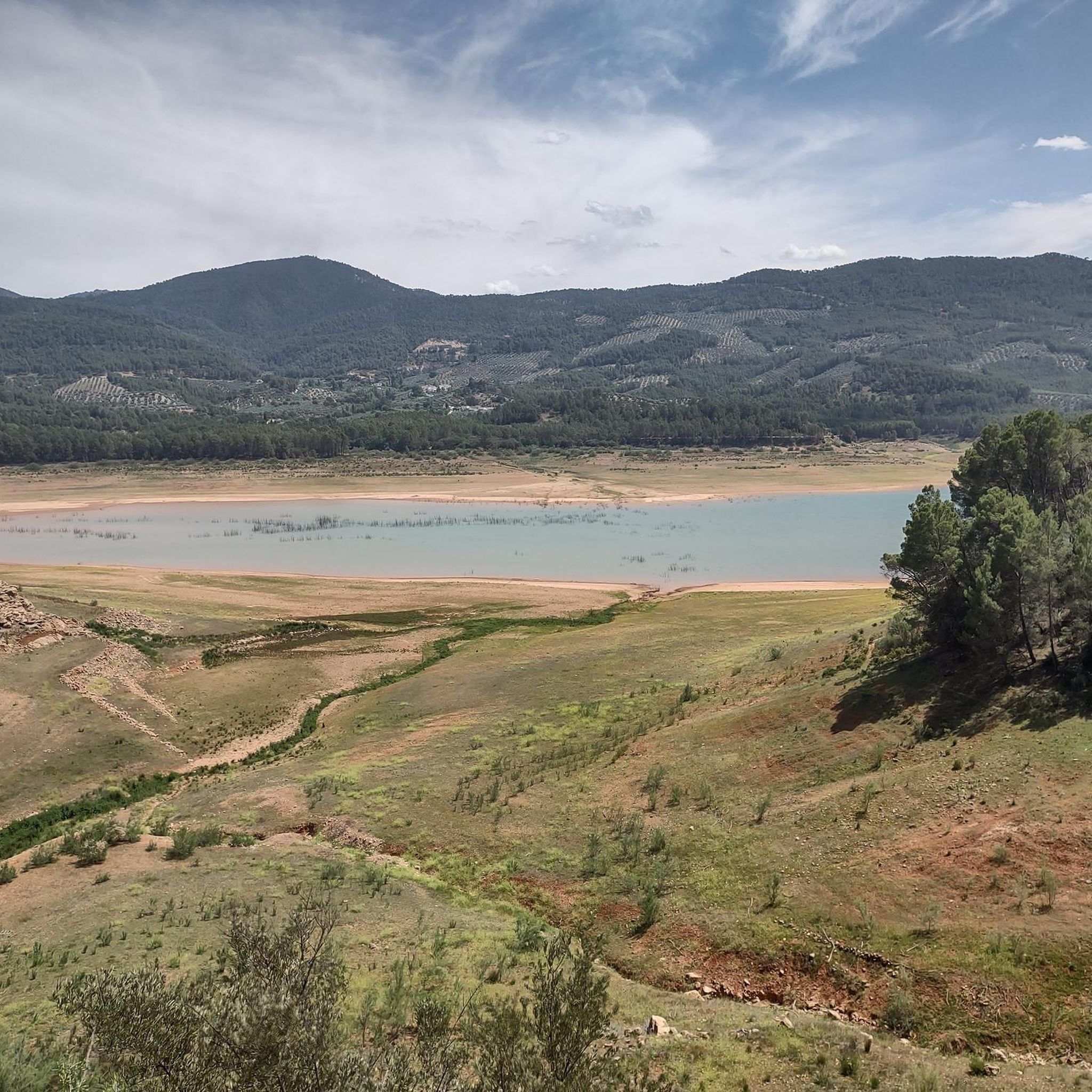
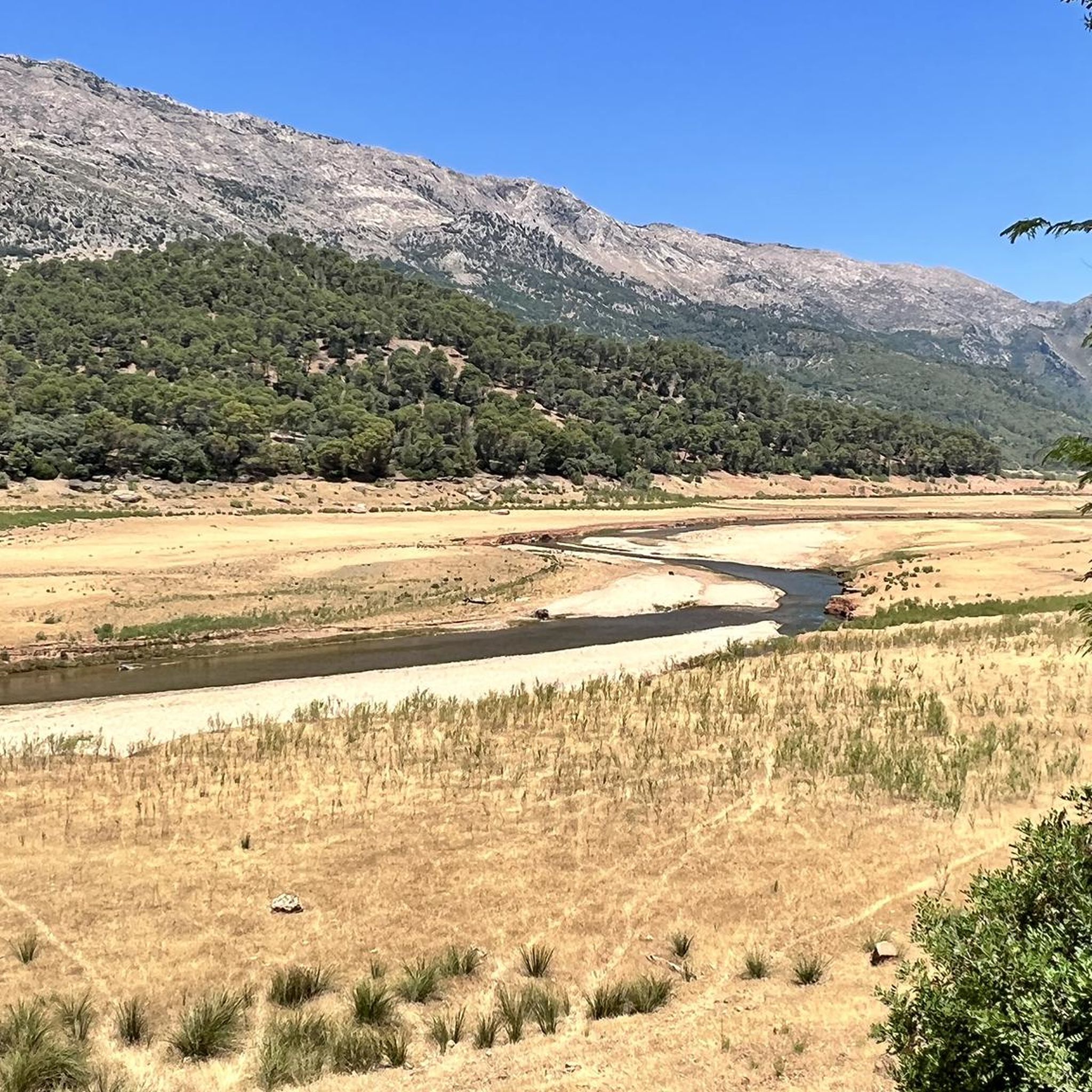
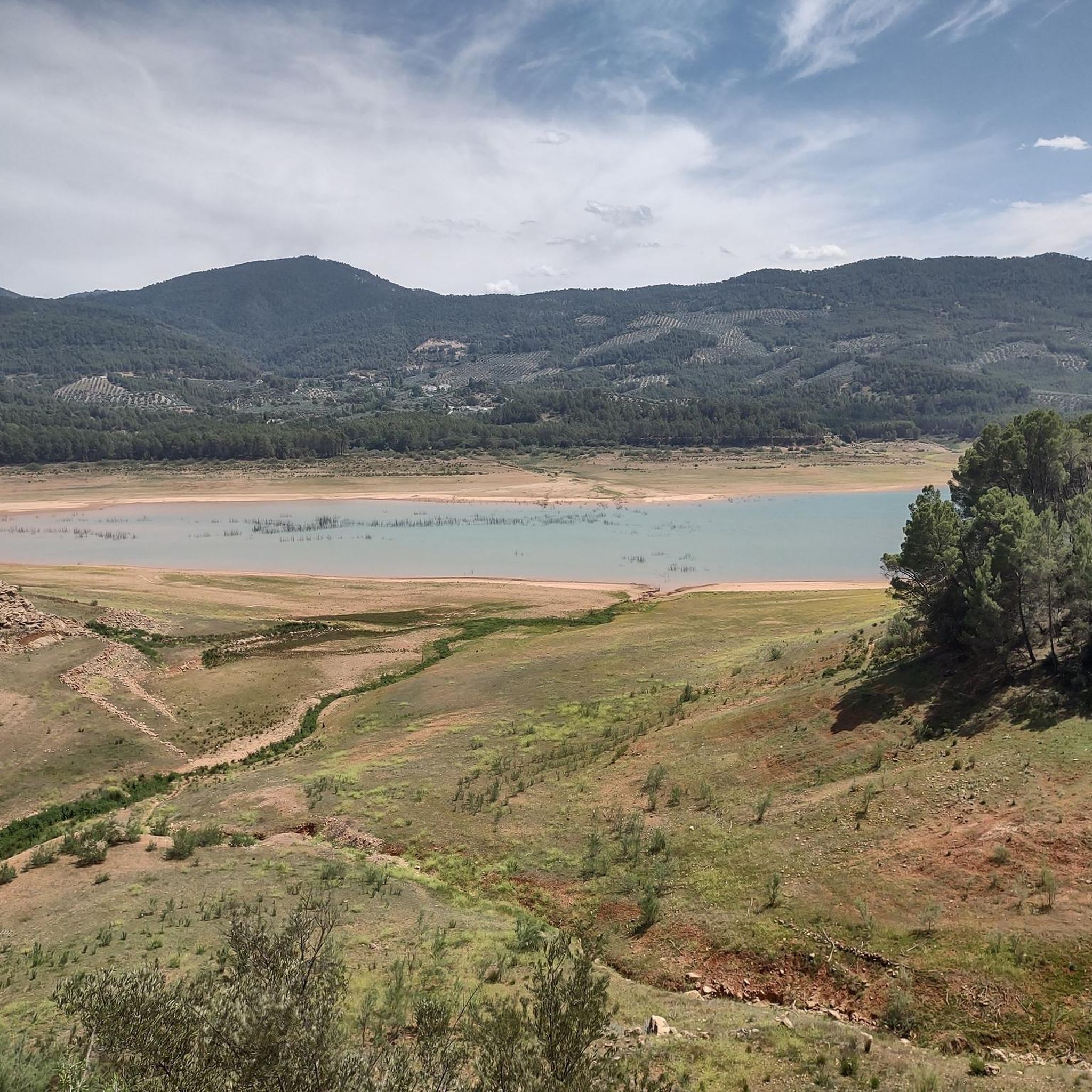
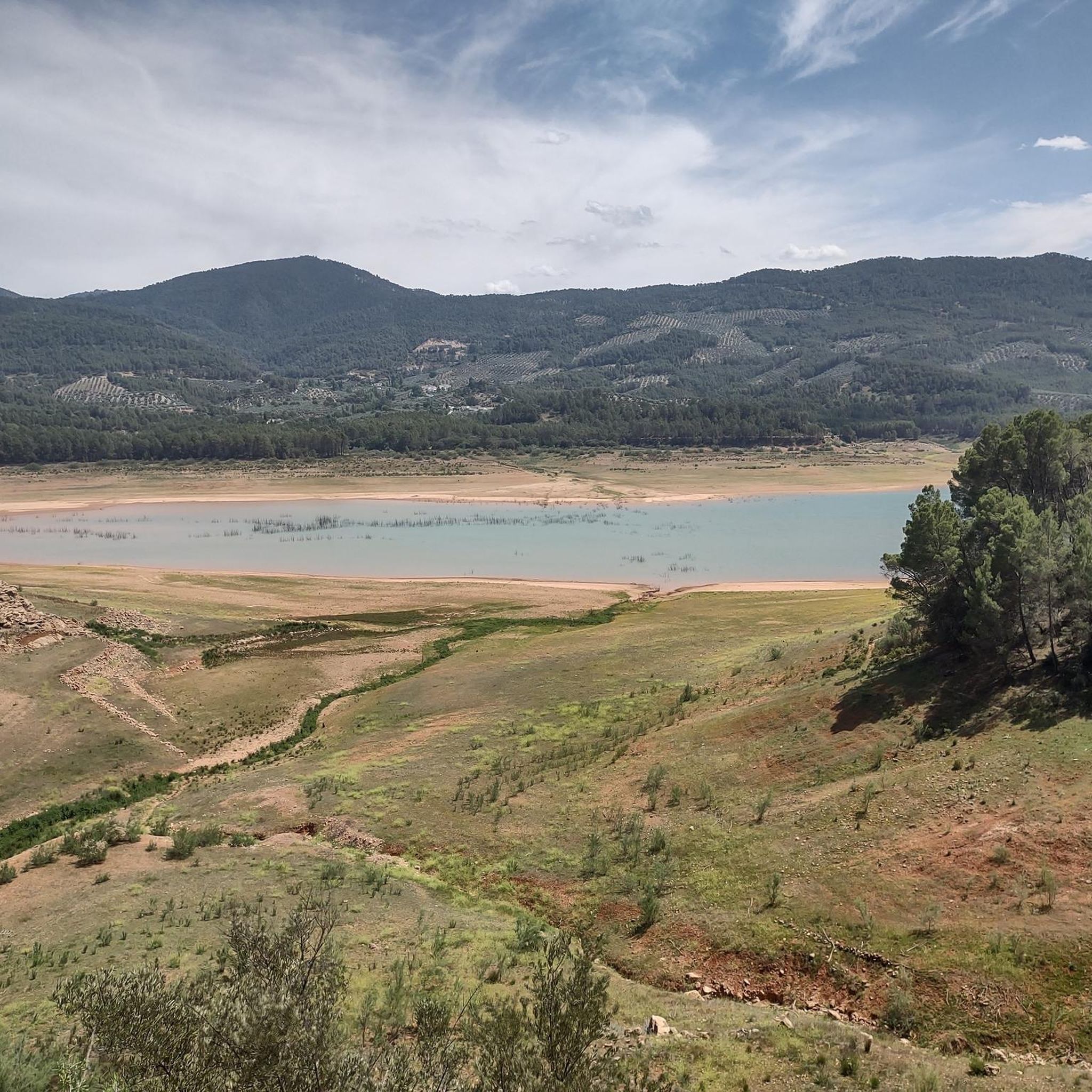
Mountain bike trails around Embalse de Tranco de Beas are situated within the Sierra de Segura, offering diverse terrain for riders. The region is characterized by the large reservoir, river valleys like the Guadalquivir, and the extensive forests of the Cazorla, Segura and Las Villas Sierras National Park. Riders can expect a mix of lakeside paths, challenging climbs through forested hills, and scenic routes with viewpoints over the natural landscape.
Best mountain bike trails around Embalse de Tranco de Beas
- The most popular mountain bike trail is On the shores of the Tranco de Beas reservoir from Hornos - circular through the Cazorla, Segura and Las Villas Sierras National Park, a 45.2 miles (72.7 km) trail that takes 5 hours 40 minutes to complete. This difficult route explores the reservoir's perimeter and the national park.
- Another top favourite among local mountain bikers is Miradores del Río Guadalquivir por la ruta de Felix Rodríguez de la Fuente - circular por el P. N. de las Sierras de Cazorla, Segura y las Villas, a moderate 22.5 miles (36.2 km) path. This route features viewpoints over the Guadalquivir River within the national park.
- Local mountain bikers also love the Risca del Guijarrón desde el charco del Aceite - circular por el P. N. de las Sierras de Cazorla, Segura y las Villas, a 19.4 miles (31.3 km) trail leading through the national park's varied landscapes, often completed in about 3 hours 1 minute.
- Mountain biking around Embalse de Tranco de Beas is defined by reservoir shores, dense national park woodlands, and river valleys. The network offers options for different ability levels, from moderate paths to challenging difficult routes.
- The routes in Embalse de Tranco de Beas are highly rated by the komoot community with an average score of 4.9 stars from over 30 reviews. More than 290 mountain bikers have used komoot to explore Embalse de Tranco de Beas's varied terrain.
Last updated: July 4, 2026
4.0
(1)
29
riders
Hard mountain bike ride. Very good fitness required. Advanced riding skills necessary.
4.9
(9)
38
riders
Moderate mountain bike ride. Good fitness required. Suitable for all skill levels.

Sign up for free
3
riders
Hard mountain bike ride. Very good fitness required. Advanced riding skills necessary.
5.0
(2)
36
riders
Hard mountain bike ride. Very good fitness required. Suitable for all skill levels.
5.0
(1)
14
riders
Hard mountain bike ride. Very good fitness required. Suitable for all skill levels.
Get access to more routes and recommendations from other explorers.
Sign up for free
Already have an account?
Our route recommendations are based on thousands of hikes, rides, and runs completed by other people on komoot.
Start today with a free account
Your next adventure awaits.
Login or Signup
Tips from the Community

I knew that Santiago de la Espada is one of the largest towns in Spain, but I never imagined that the entire Senda del Borosa was within the municipality.
1
0
Today at the Borosa and Las Truchas streams the water is brown, due to the sediments carried by the rains of the last few days. In the stream the water is transparent and crystal clear, an option for less rural bathers on days like this! ;)
1
0

Wonderful section of the GR7
4
0

This homemade food bar is located right at the entrance of the path known as the Cerrada del Utrero, which accompanies the flow of the Guadalquivir River and next to the road.
13
0
We are a few kilometers from the source of the Guadalquivir River, right where the flow is enclosed between rock walls called "Cerrada del Utrero", whose path takes us to walk through the ins and outs that capricious nature has wanted to leave us. Highly recommended route for walking although it is not appropriate for older people or small children.
13
0

The main road is all asphalt, for the ones who like a little bit technical off-road, take this shortcut
0
0

Borosa tributary with a large flow. It can be climbed on foot and with some difficulty... but it offers a spectacle of small jumps and beautiful pools
1
0
Frequently Asked Questions
How many mountain bike trails are available around Embalse de Tranco de Beas?
There are over 25 mountain bike trails in the Embalse de Tranco de Beas area, offering diverse terrain for riders of all levels. The region is part of the extensive Cazorla, Segura and Las Villas Sierras National Park.
Are there any easy mountain bike trails suitable for beginners?
While many trails in the area are moderate to difficult, there is at least one easy mountain bike trail available. For those looking for a less strenuous ride, consider exploring the flatter sections along the reservoir's edge or consulting komoot's route planner to filter for easier options.
What are some challenging mountain bike routes for experienced riders?
Experienced riders will find plenty of challenging routes. One such option is On the shores of the Tranco de Beas reservoir from Hornos, a difficult 45.2-mile (72.7 km) circular trail that explores the reservoir's perimeter and the national park. Another demanding route is Coto Ríos – Arroyo de las Truchas loop from Area Recreativa Las Golondrinas, covering 38.4 miles (61.8 km) with significant elevation changes.
Are there mountain bike trails that offer great views?
Yes, many trails provide stunning views, especially those overlooking the reservoir and the Guadalquivir River. The route Miradores del Río Guadalquivir por la ruta de Felix Rodríguez de la Fuente is known for its viewpoints over the river within the national park. You can also find scenic spots like Isla Cabeza de la Viña Viewpoint and View of Tranco de Beas Reservoir directly along some routes.
What kind of wildlife can I expect to see while mountain biking in the area?
The Embalse de Tranco de Beas is located within the Cazorla, Segura and Las Villas Sierras National Park, which is one of Spain's most important natural areas. You might encounter various species, including deer, wild boar, and a rich diversity of birdlife, especially around the reservoir and in the forested areas. Keep an eye out for griffon vultures soaring overhead.
Are there any circular mountain bike routes?
Many of the mountain bike trails in the region are circular, allowing you to start and end at the same point. Examples include On the shores of the Tranco de Beas reservoir from Hornos and Risca del Guijarrón desde el charco del Aceite, both offering loop experiences through the national park.
What is the best season for mountain biking around Embalse de Tranco de Beas?
Spring (April-May) and autumn (September-October) are generally the best seasons for mountain biking. The weather is milder, and the natural landscape is particularly vibrant. Summers can be very hot, making early morning or late afternoon rides preferable, while winters can bring colder temperatures and occasional snow at higher elevations.
What are some notable attractions or landmarks along the mountain bike trails?
Beyond the natural beauty of the reservoir and river valleys, you can find several points of interest. The Tranco de Beas Reservoir itself is a major feature. You can also explore sections of the Trail next to the Tranco reservoir, which offers scenic paths and access to various viewpoints.
What do other mountain bikers say about the trails in Embalse de Tranco de Beas?
The mountain bike trails around Embalse de Tranco de Beas are highly rated by the komoot community, with an average score of 4.9 stars from over 30 reviews. Riders often praise the diverse terrain, the stunning reservoir views, and the immersive experience within the national park's dense woodlands.
Are there any cafes or places to eat near the mountain bike trails?
Yes, you'll find small villages and recreational areas around the reservoir and within the national park, such as Hornos de Segura or Coto Ríos, which offer cafes, restaurants, and accommodation options. These can be good spots to refuel before or after your ride.
Is parking available at the trailheads?
Parking is generally available at key access points around the Embalse de Tranco de Beas, particularly in villages like Hornos de Segura, Coto Ríos, and at designated recreational areas. It's advisable to check specific route details on komoot for recommended starting points and parking information.
What should I wear for mountain biking in this region?
Given the varied terrain and potential for changing weather, layering is key. Technical cycling apparel that wicks moisture is recommended. Depending on the season, bring a windbreaker or waterproof jacket. Always wear a helmet, and consider gloves and protective eyewear. In summer, light, breathable clothing is essential, while in cooler months, warmer layers are needed.
Most popular routes around Embalse de Tranco de Beas
Most popular attractions around Embalse de Tranco de Beas

Get inspired with the komoot mobile app


Explore more
Browse the best MTB trails in other regions.
