The best walks and hikes in the Cascade Range
4.7
(3286)
61,680
hikers
2,670
hikes
Hiking in the Cascade Range offers routes across a vast mountain chain known for its volcanic peaks, numerous glaciers, and dense coniferous forests. The terrain varies from high alpine environments in national parks like Mount Rainier and North Cascades to deep river gorges with abundant waterfalls. This prominent range, part of the Pacific Ring of Fire, features diverse ecosystems and geological formations. The extensive trail network includes sections of the Pacific Crest Trail, providing a wide range of options for different skill levels.
Best hiking trails in the Cascade Range
- The most popular hiking route is Skyline Trail Loop, a 6.3 miles (10.2 km) trail that takes 3 hours 27 minutes to complete. This route features views of glaciers and alpine meadows on the slopes of Mount Rainier.
- Another top favourite among local hikers is Wahkeena Falls Trail to Fairy Falls and Multnomah Falls loop — Columbia River Gorge, a moderate 5.1 miles (8.2 km) path. The trail passes several waterfalls as it climbs through the forested gorge.
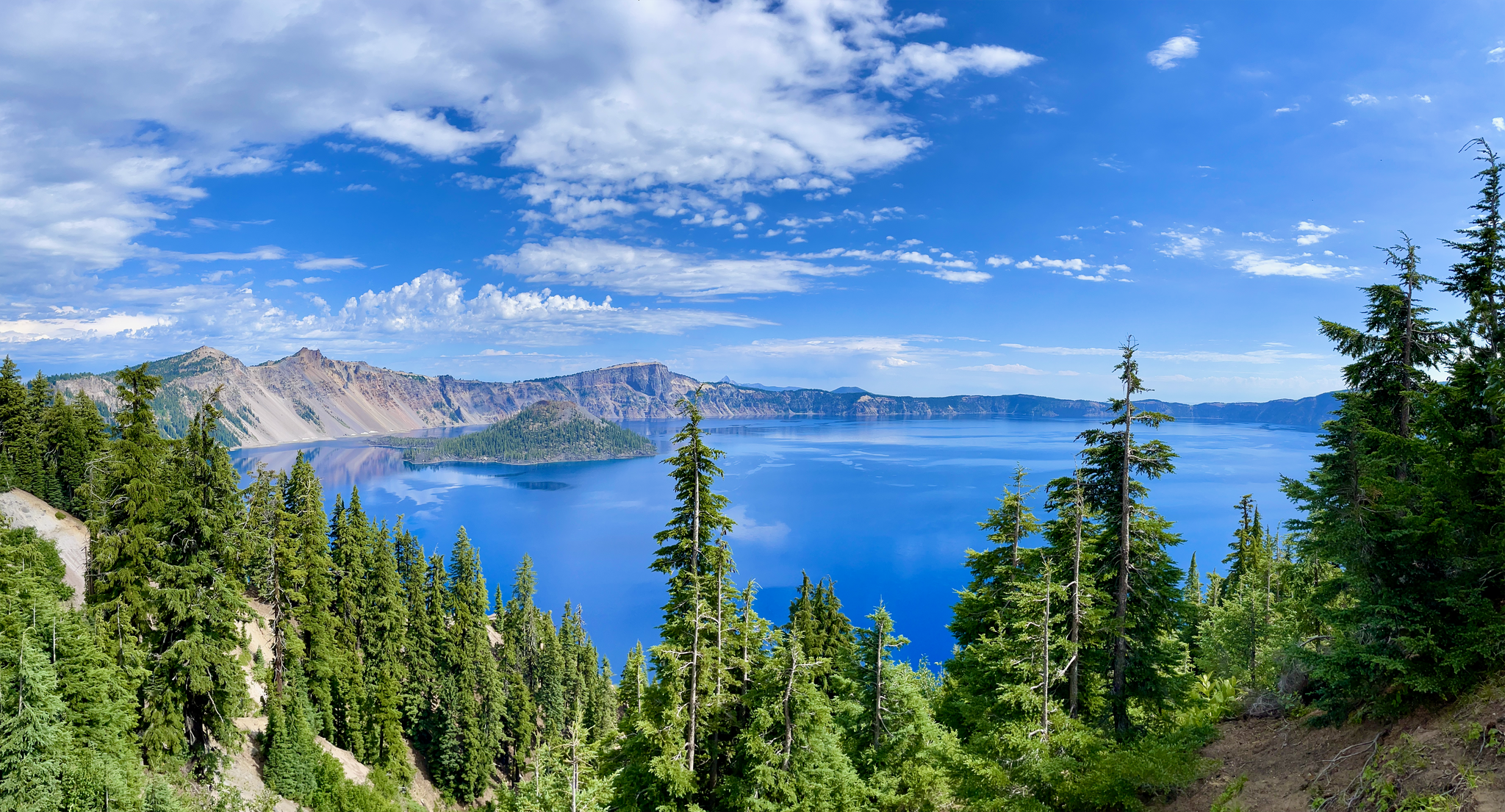
- Local hikers also love the Cleetwood Cove Trail – Crater Lake National Park, a 2.1 miles (3.4 km) trail leading through a forested area, often completed in about 1 hour 8 minutes.
- Hiking in the Cascade Range is defined by its volcanic landscapes, old-growth forests, and numerous waterfalls. The extensive network of trails offers accessible day hikes as well as challenging multi-day backpacking routes for various ability levels.
- The routes in Cascade Range are highly rated by the komoot community with an average score of 4.7 stars from over 3,000 reviews. More than 58,000 hikers have used komoot to explore Cascade Range's varied terrain.
Last updated: August 24, 2026
4.9
(120)
1,573
hikers
10.2km
03:27
510m
510m
Embark on the Skyline Trail Loop for a classic Mount Rainier hiking experience, covering 6.3 miles (10.2 km) with a moderate difficulty. You'll ascend 1684 feet (513 metres) over an estimated 3 hours and 27 minutes, traversing varied terrain from paved sections to rocky paths. As you climb, you'll be treated to expansive views of Mount Rainier and its majestic glaciers. Look out for vibrant subalpine wildflower meadows that add splashes of color to the landscape. Don't miss the stunning vistas from Panorama Point Summit, offering 360-degree views of the surrounding peaks. The trail also passes the picturesque Myrtle Falls Viewpoint, where Mount Rainier provides a dramatic backdrop.
Plan your hike on the Skyline Trail Loop between mid-July and early October, which is the prime season for exploring this area. If you want to see the wildflowers at their peak, aim for late July to mid-August. Be prepared for varied terrain, including potential snow patches at higher elevations, even during summer months. This popular trail can become very crowded, especially on summer weekends, so consider starting early or visiting on a weekday to avoid the busiest times.
The Skyline Trail Loop offers a deep dive into the natural environment of Mount Rainier National Park. You'll encounter diverse ecosystems, from the lush subalpine meadows to the rugged, glaciated slopes of the mountain itself. Keep an eye out for local wildlife, such as marmots, which are often spotted along the route. This trail is notable for providing some of the most iconic and accessible views of Mount Rainier, making it a highlight for many visitors to the park.
4.9
(124)
1,594
hikers
9.49km
03:18
520m
520m
Moderate hike. Good fitness required. Mostly accessible paths. Sure-footedness required.

Sign up for free
4.9
(16)
379
hikers
10.5km
03:26
530m
340m
The Chain Lakes Loop Trail is a truly rewarding experience in the Mount Baker Wilderness, offering a moderate 6.5-mile (10.5 km) hike with 1748 feet (533 metres) of elevation gain that typically takes around 3 hours and 25 minutes. You'll be treated to continuous panoramic views of Mount Baker and Mount Shuksan as the path winds past several pristine sub-alpine lakes, including Iceberg Lake and Mazama Lake. The route's loop design ensures you're always seeing new scenery, from vibrant wildflowers in summer to rugged boulder fields and the impressive Stone Bridge.
Planning your visit requires attention to the short hiking season, which usually runs from July to September due to significant snow cover at high elevations. Trailheads are easily accessible near Artist Point, but it's wise to carry an offline map as signage can be limited. Pets are welcome on a leash, and there are designated campsites around Hayes and Mazama Lakes for those considering an overnight trip.
This trail is considered a
4.8
(57)
1,221
hikers
8.70km
02:49
400m
400m
Embark on the Rattlesnake Ledge Trail, a popular hike that takes you through a lush second-growth forest. You will climb steadily, navigating well-engineered switchbacks as you gain elevation, with glimpses of Rattlesnake Lake appearing below. This moderate route covers 5.4 miles (8.7 km) with an elevation gain of 1313 feet (400 metres), typically taking around 2 hours and 49 minutes to complete, culminating in panoramic views from the Ledge.
When planning your visit, be aware that the trail is very popular, especially on weekends and sunny days. Parking at the trailhead can fill up quickly, so arriving early is highly recommended to secure a spot. While generally accessible year-round, always check local conditions before you go to ensure a smooth experience.
The main reward of this trail is the expansive vista from Rattlesnake Ledge, where you can clearly see the blue-green waters of Rattlesnake Lake, Mount Si, and the distant peaks of Snoqualmie Pass. For a quieter experience and different perspectives, you have the option to continue your hike to Rattlesnake Middle Ledge or Rattlesnake Upper Ledge View.
5.0
(10)
254
hikers
10.5km
04:41
1,220m
650m
Embark on the challenging Dog Mountain Trail, a difficult hike that spans 6.5 miles (10.5 km) and climbs a significant 3986 feet (1215 metres). This route typically takes around 4 hours and 41 minutes to complete, offering a strenuous but rewarding journey through varied landscapes. As you ascend, you'll move from dense temperate forests into expansive meadows, often bursting with vibrant wildflowers like yellow balsamroot and purple lupine. The highlight is reaching the summit, where you're greeted with sweeping views of the Columbia River Gorge, and on clear days, distant glimpses of Mount Hood and Mount St. Helens.
Planning your hike requires some foresight, especially if you aim to visit during the popular wildflower season from mid-April to mid-June. During this peak time, permits are mandatory for weekend hikes. Be aware that the trailhead parking lot fills up very early, so consider utilizing the transit service from Stevenson, which often includes your permit. For this demanding ascent and descent, trekking poles are highly recommended, and if you plan a winter visit, be prepared for snow-covered conditions at the peak, potentially requiring mountaineering gear.
The Dog Mountain Trail is a renowned destination within the Columbia River Gorge National Scenic Area, celebrated for its dramatic elevation changes and seasonal floral displays. It stands out as a prime example of the region's diverse ecosystems, transitioning from lush forest floors to exposed, sun-drenched slopes. The trail's popularity underscores its status as a classic Pacific Northwest experience, drawing hikers seeking both a physical challenge and unparalleled natural beauty.
5.0
(12)
142
hikers
11.3km
07:33
1,640m
890m
Embark on the challenging Mount Saint Helens Summit via Ptarmigan Trail, a difficult route that spans 7.0 miles (11.3 km) and demands a significant elevation gain of 5388 feet (1642 metres). You can expect to spend around 7 hours and 33 minutes on this strenuous hike. The journey begins in a lush, regrowing forest, gradually transitioning to a demanding boulder field before you tackle the loose volcanic ash and sand leading to the summit. From the crater rim, you are rewarded with expansive views of the volcano's interior and distant Cascade peaks. This trail offers a raw, immersive experience of a volcanic landscape in recovery.
Planning your ascent requires careful consideration, as permits are mandatory for climbing between April 1 and October 31. These permits are highly sought after, especially for weekend dates, so secure yours well in advance. Be prepared for full sun exposure and potentially strong winds once you climb above the treeline. Always maintain a safe distance from the crater rim, as conditions can be unpredictable. Look for blue markers along the route to help guide your way to the top.
This route takes you directly to the iconic crater rim of Mount Saint Helens, offering a unique perspective on the 1980 eruption's impact and the subsequent natural regeneration. The landscape tells a powerful story of destruction and rebirth, from the initial forested sections showing signs of recovery to the stark, volcanic terrain higher up. You will witness the raw power of nature and the resilience of the environment as you traverse this historic and geologically significant mountain. The panoramic vistas from the summit are a testament to the region's dramatic beauty.
5.0
(10)
118
hikers
18.1km
06:33
1,150m
720m
Embark on the Skyline, Mazama Ridge, Wonderland, and Lower Lakes Loop for a difficult hiking adventure that showcases the stunning beauty of Mount Rainier National Park. This challenging route covers 11.3 miles (18.1 km) and involves a significant elevation gain of 3778 feet (1152 metres), typically taking around 6 hours and 33 minutes to complete. As you ascend, you will be treated to expansive vistas of Mount Rainier and the Tatoosh Range from viewpoints like Panorama Point. The trail also meanders through vibrant subalpine meadows, bursting with wildflowers during peak season, and skirts the serene Reflection Lakes, famous for their clear mountain reflections.
To make the most of your hike, plan your visit between late July and September, when the wildflowers are in full bloom and most of the snow has melted. Be prepared for potentially steep and slushy snowfields in higher sections, even into late summer; trekking poles or microspikes can be very helpful. Parking at the Paradise Visitor Center, which is where the trailhead begins, fills up quickly, so arriving early is highly recommended to secure a spot.
This loop offers a comprehensive journey through Mount Rainier's diverse ecosystems, from high alpine views to lush subalpine environments. You will experience the park's varied terrain and natural features, making it a notable route for those seeking a full immersion into the landscape. The trail's design ensures you encounter a wide array of scenic highlights, providing a memorable experience of the region's natural grandeur.
4.6
(10)
154
hikers
18.7km
06:38
1,250m
740m
Prepare for a challenging hike on the Angel's Rest and Devil's Rest Loop Trail, a difficult route covering 11.6 miles (18.7 km) with a significant 4103 feet (1251 metres) of elevation gain. This loop typically requires about 6 hours and 37 minutes to complete. You'll traverse varied terrain, passing through areas of forest recovery and alongside several waterfalls, including Multnomah Falls. The ascent to Angel's Rest rewards you with wide-ranging 270-degree views of the Columbia River, Beacon Rock, and on clear days, even Mount St. Helens. It's a strenuous journey that offers a true test of endurance and provides memorable vistas.
Planning your visit requires some foresight, especially regarding parking. The trailhead is popular, particularly on weekends, so arrive early to secure a spot. Be ready for diverse conditions on the trail; you might encounter muddy sections, slush, or even compacted snow at higher elevations depending on the season. Always check current trail conditions before you head out to ensure a safe and enjoyable experience.
This trail is notable for its location within the Columbia River Gorge National Scenic Area, showcasing both natural beauty and the resilience of nature after wildfires. The route offers a unique perspective on the gorge's dramatic landscape and its ongoing ecological recovery. It provides a comprehensive experience of the region's diverse ecosystems and geological features, making it a standout option for those seeking a demanding yet rewarding outdoor adventure.
5.0
(7)
125
hikers
29.4km
12:01
1,400m
2,040m
Embark on The Enchantments Traverse, a difficult 18.3 miles (29.4 km) hike that takes you through Washington's rugged Alpine Lakes Wilderness. You will gain 4580 feet (1396 metres) of elevation over an estimated 12 hours, making this a demanding single-day adventure. The route immerses you in a world of turquoise glacial lakes and jagged granite peaks, especially as you navigate the dramatic landscapes of the Enchantments Core Zone. Prepare for a significant challenge like Aasgard Pass, a steep scramble over large boulders, but the views of places such as Colchuck Lake make the effort worthwhile. Keep an eye out for mountain goats often seen roaming the trails. This journey is widely considered one of the best backcountry trips in the Lower 48.
Planning your trip requires careful consideration, as The Enchantments Traverse is a very challenging hike. If you aim for an overnight trip, be aware that permits are notoriously difficult to obtain through the Enchantments lottery system. Many experienced hikers choose to complete the entire route as a demanding single-day adventure. Be aware that snow conditions can persist until mid-July, potentially requiring micro-spikes for safe passage. Hiking in late autumn or winter is not recommended without advanced backcountry snow travel skills.
This world-class day hike offers an incredible journey through stunning alpine scenery. You will encounter dramatic landscapes and unique geological features throughout the traverse. The Enchantments area is renowned for its pristine wilderness and the distinct beauty of its high-alpine environment. This trail stands out as a premier destination for those seeking a truly immersive and physically demanding experience in the Pacific Northwest.
5.0
(3)
138
hikers
7.45km
02:59
670m
0m
Embark on the Colchuck Lake Trail, a moderate hiking route that takes you through diverse landscapes. You'll navigate rocky terrain, dense forests, and cross streams, with occasional waterfalls adding to the scenery. The 4.6 miles (7.5 km) journey involves a significant climb of 2185 feet (666 metres), typically completed in just under 3 hours. Your reward is the stunning turquoise waters of Colchuck Lake, framed by the imposing granite peaks of Dragontail Peak and Colchuck Peak.
Before you go, be aware that this is a wilderness zone, meaning dogs and drones are not permitted on the trail. Given the significant elevation gain over rocky terrain, proper hiking attire and sturdy shoes are essential for your comfort and safety. The route can be very busy, especially on weekends, so plan your visit accordingly to avoid crowds. This trail serves as a gateway to the highly regulated Enchantments area, which requires special permits.
Colchuck Lake is a glacier-fed alpine lake, a true gem nestled within Washington's Okanogan-Wenatchee National Forest. The area is renowned for its dramatic granite formations and, during autumn, the vibrant golden hues of the larch trees. This trail offers a challenging yet incredibly rewarding experience, showcasing the raw beauty of the region's high alpine environment.
Get access to more routes and recommendations from other explorers.
Sign up for free
Already have an account?
Our route recommendations are based on thousands of hikes, rides, and runs completed by other people on komoot.
Start today with a free account
Your next adventure awaits.
Login or Signup
Popular around Cascade Range
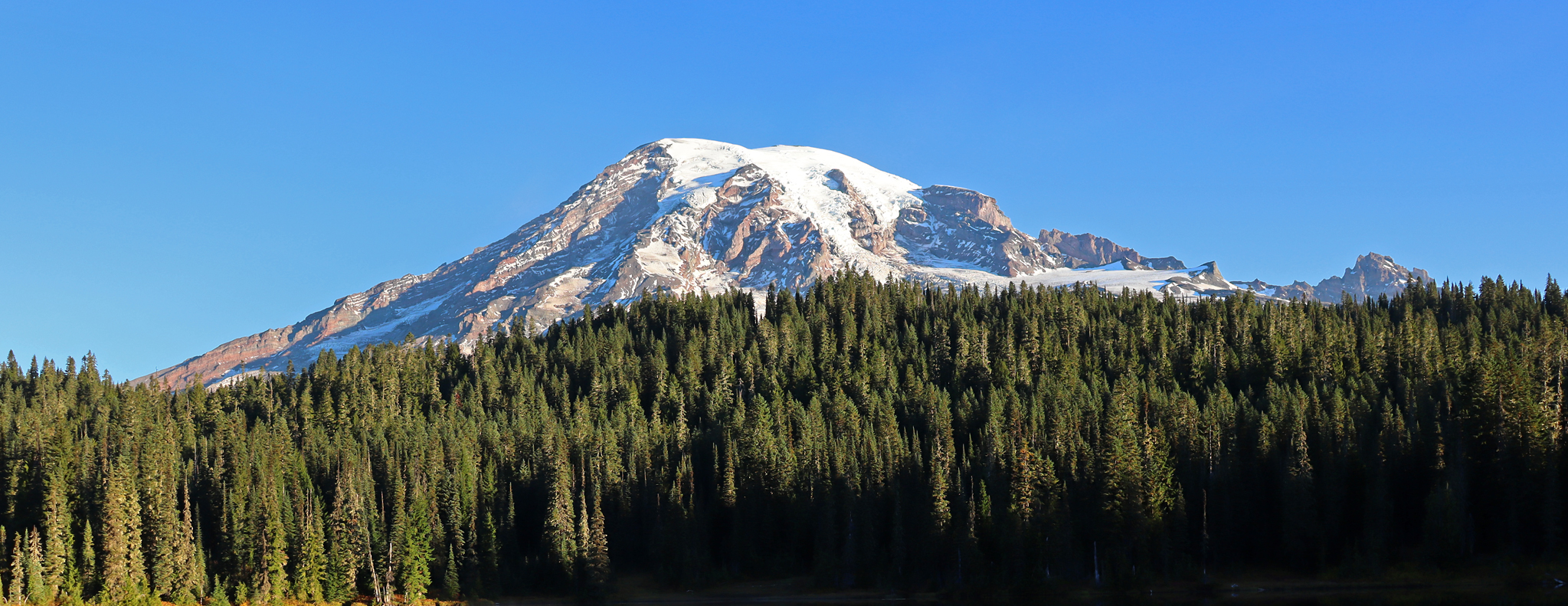
Wonderland Trail — 93 iconic miles around Mount Rainier
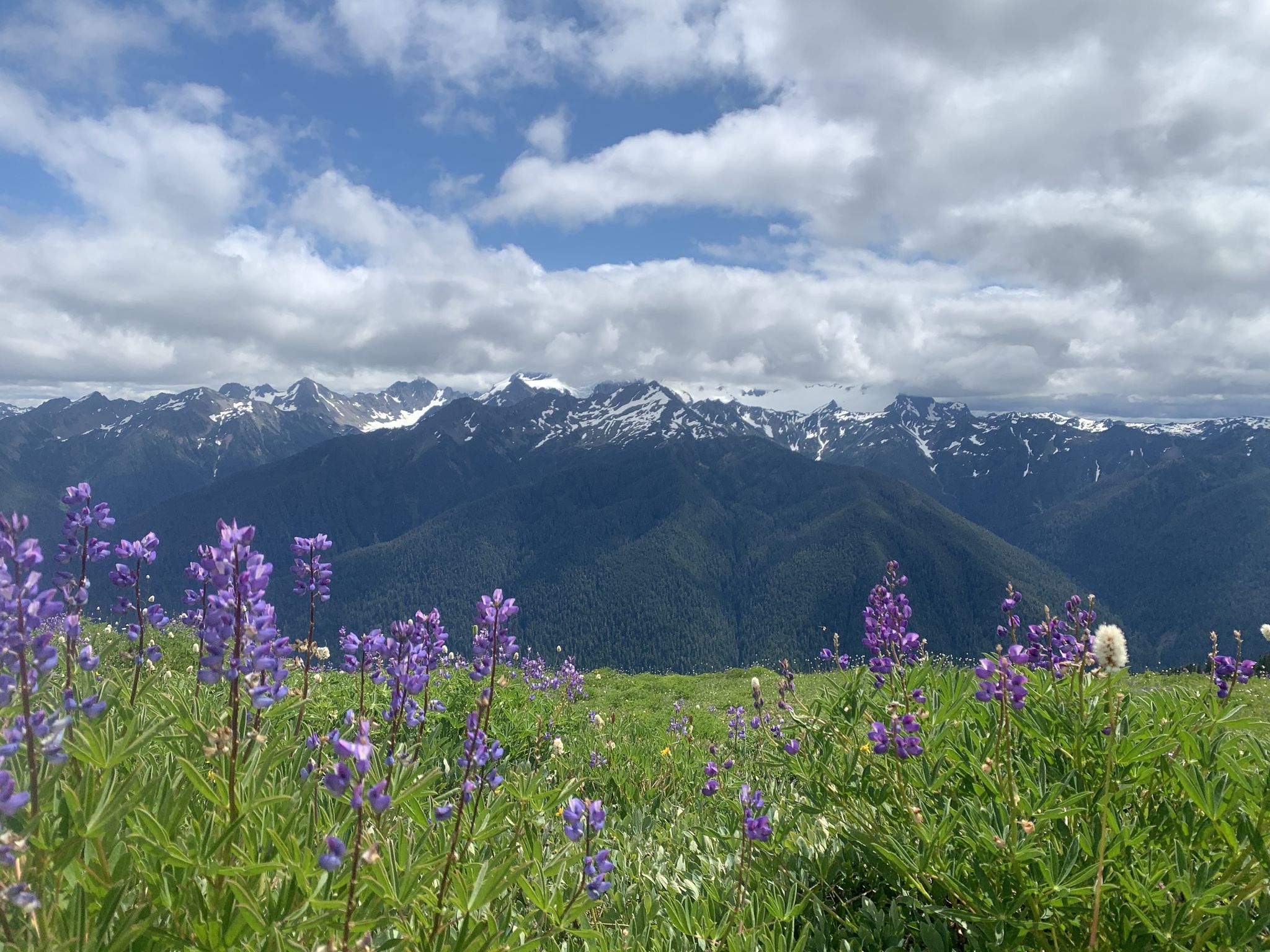
Pacific Northwest National Scenic Trail — From Alpine to Alava through the untamed Northwest

Pacific Crest Trail from Mexico to Canada – 4,200 kilometres of wilderness
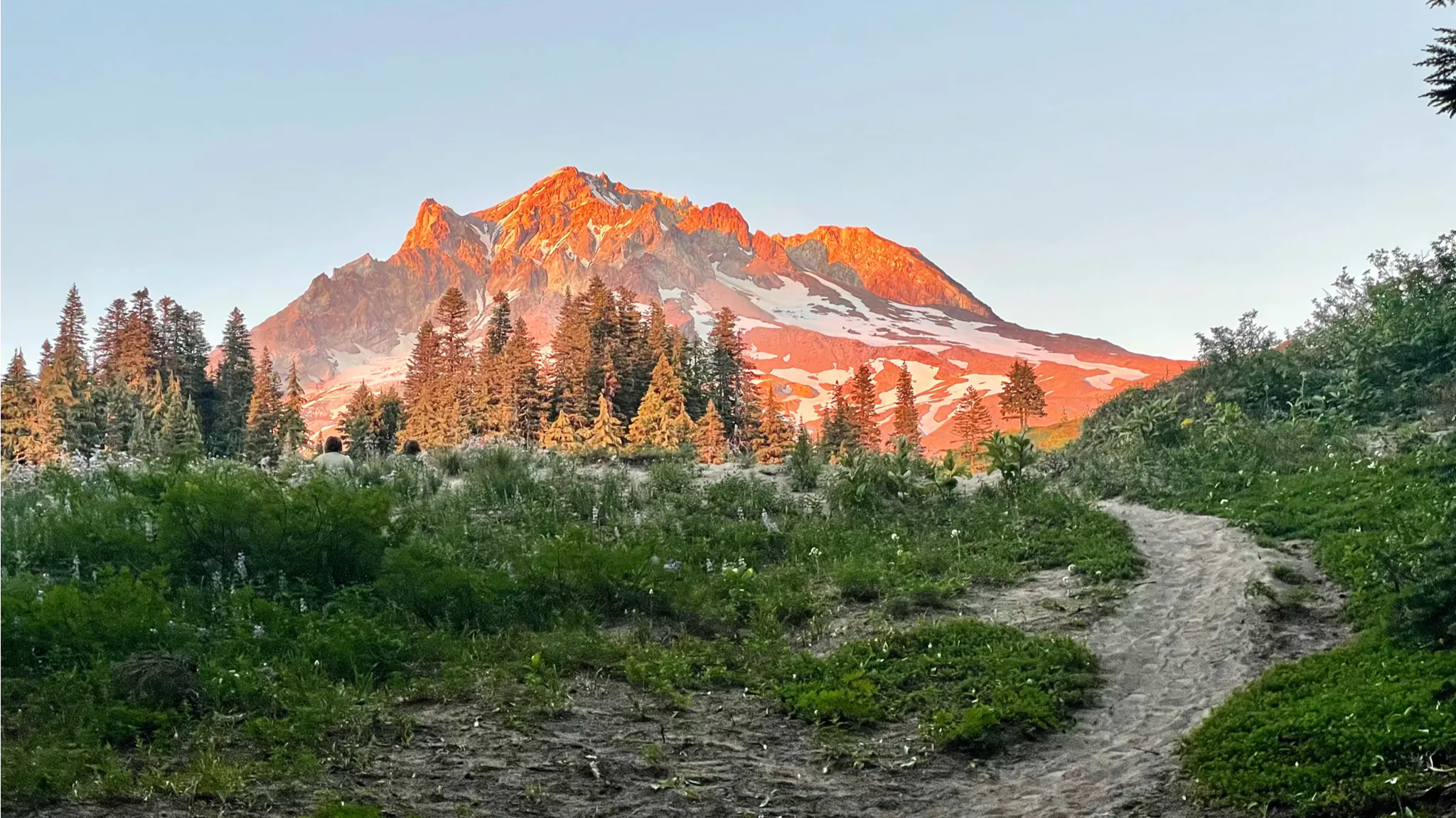
Timberline Trail — A Scenic Mount Hood Adventure
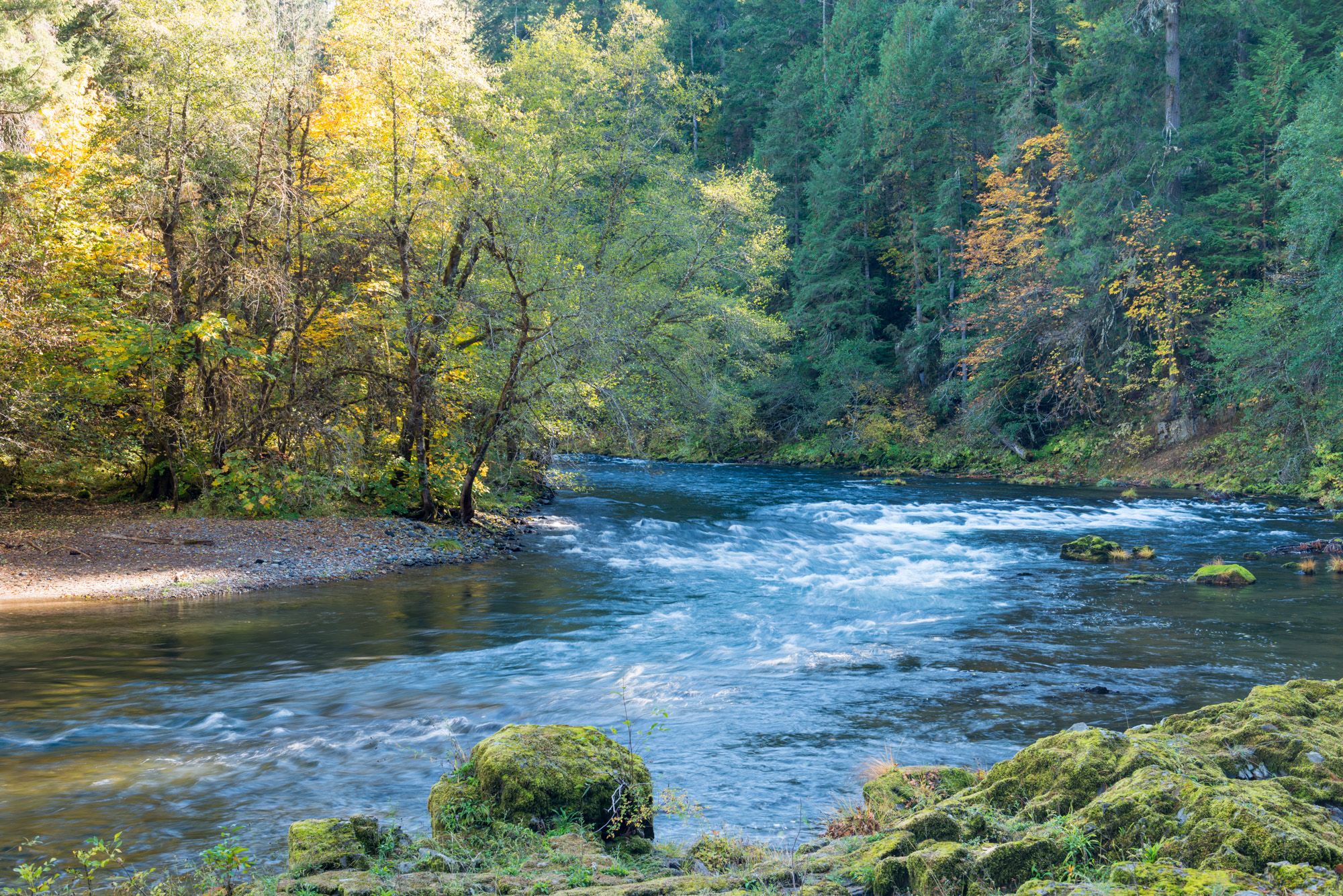
North Umpqua Trail — Waterfalls, Lakes & Lava
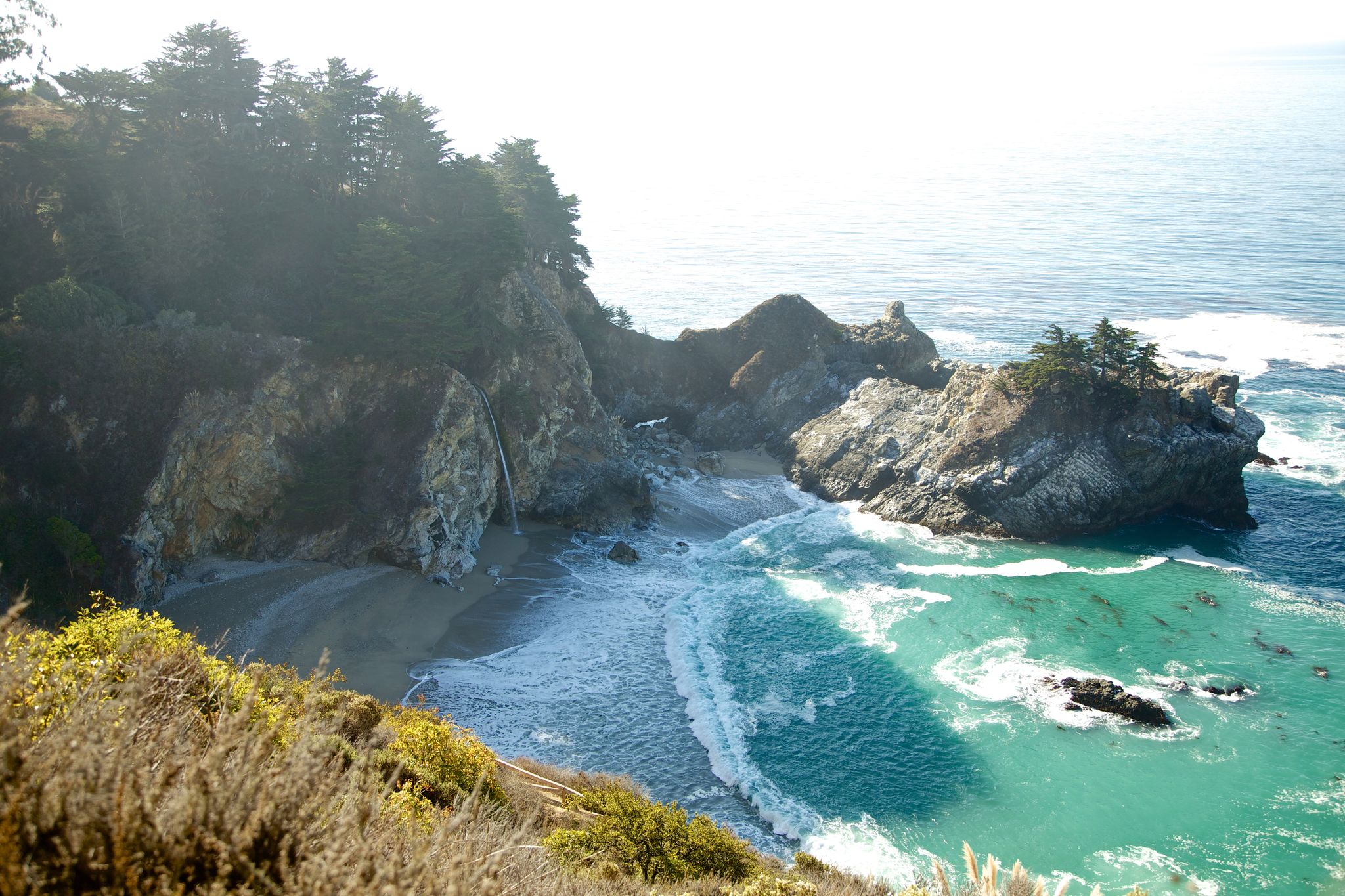
The tour of your life – music trails on the Pacific coast
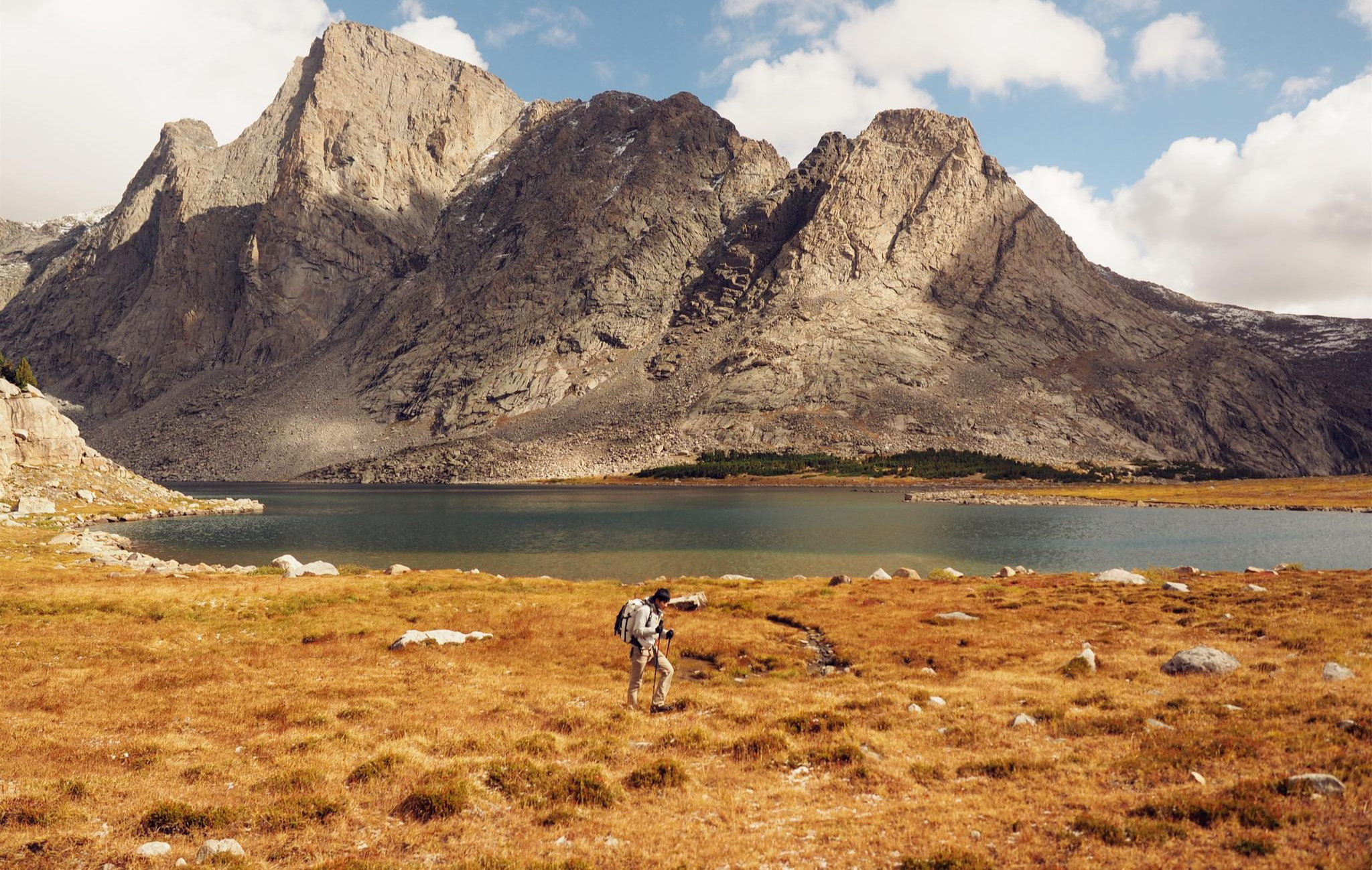
Like in the Wild West – hiking on the Oregon Trail
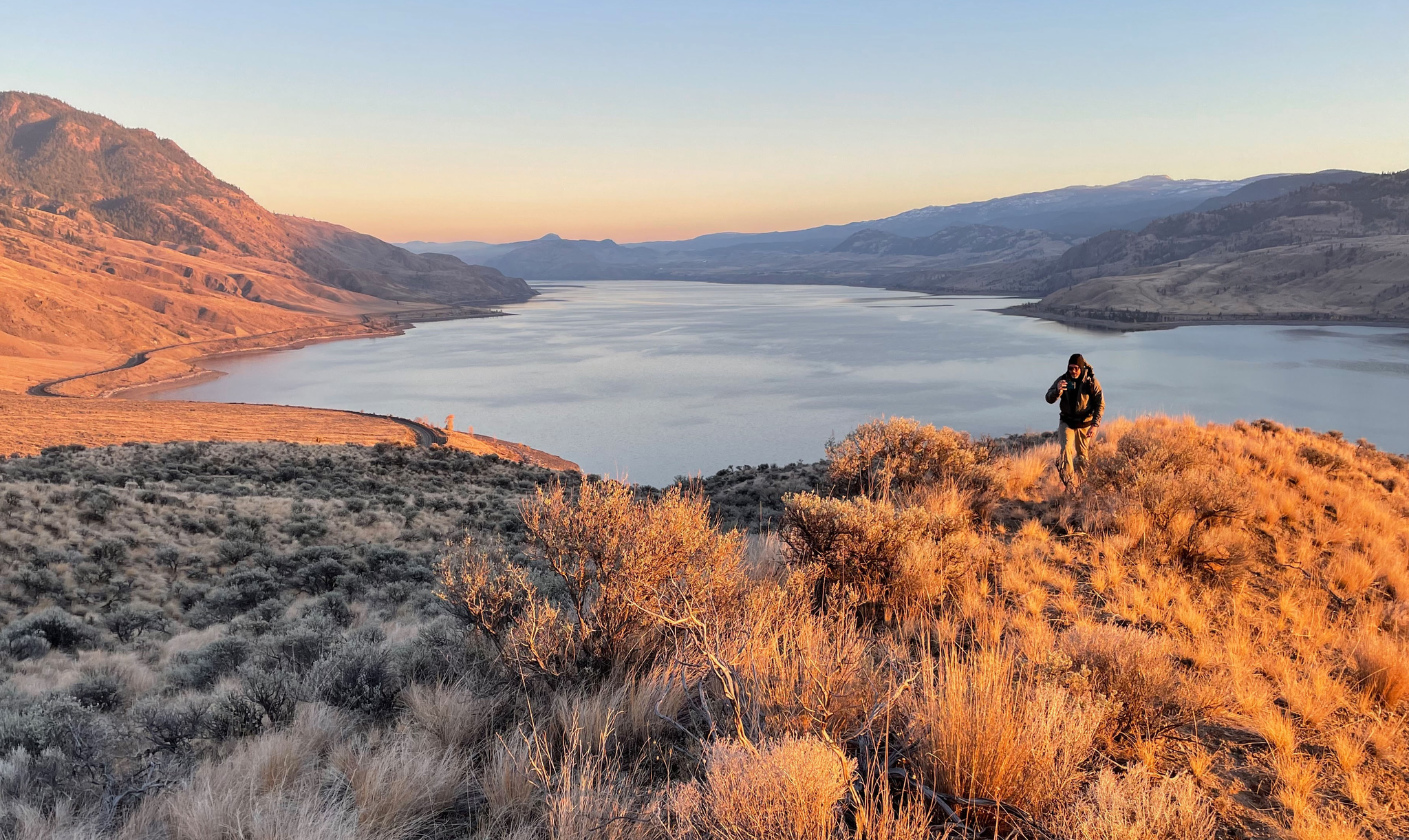
Forests, desert, wilderness - day tours in British Columbia
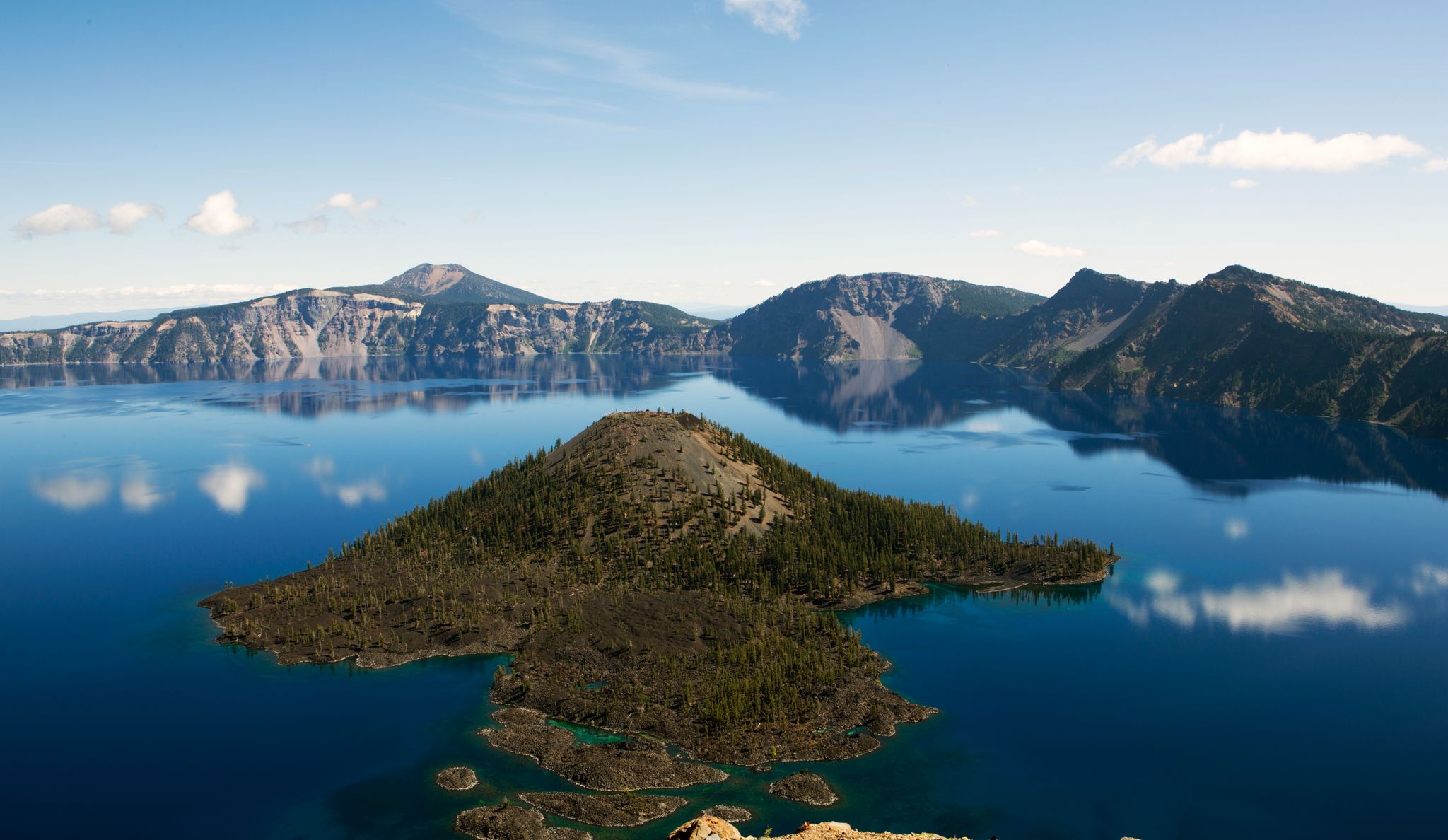
Volcanic peaks and glistening shores – discover Oregon and Washington
The pristine beauty of the US National Parks
Other adventures in the Cascade Range


Tips from the Community

I was recently looking for traditional Viennese restaurants and came across Restaurant Marienhof https://restaurant-marienhof.de/ . I particularly liked the combination of classic Viennese cuisine, cozy atmosphere, and the quiet courtyard garden. Such places show that traditional gastronomy still retains its special charm today. Those who want to enjoy authentic Austrian dishes and spend a relaxing evening in Vienna will find an interesting address there.
0
0

Beautiful hike. Crowded. Make sure you bring water as there is no where to fill up. Not even visitor center. No restrooms. Just overstuff porta potties. Come early. Parking difficult. We got here at 310 pm and found some. But there’s a lot of people. We waiting in line to get into park 1 hour! They need a better system!
0
0

Great trail with amazing views of the surrounding mountains and Mt. Rainier.
0
0
A fantastic vantage point. You can see Mt. Rainier and other surrounding highlights such as Mt. Adams and Mt. Hood. Highly recommended!
0
0
Great unobstructed view of the glacier.
0
0
Great visitor center. The parking lot has just been renovated. The restrooms are currently being renovated.
0
0
Frequently Asked Questions
When is the best time to hike in the Cascade Range?
The prime hiking season in the Cascade Range is typically from July to September. During these months, the snow has mostly melted from the higher elevation trails, and the weather is generally warmer and drier. Wildflowers are also at their peak in mid-summer, especially in subalpine meadows like those around Mount Rainier. Always check local trail conditions before you go, as snow can linger in high passes well into July.
Are there any easy, family-friendly hikes in the Cascades?
Yes, the region has many options for families. The Trail of the Cedars in North Cascades National Park is a highly regarded, accessible loop trail that's great for all ages. Another popular choice is the Cleetwood Cove Trail – Crater Lake National Park , which is the only trail that leads down to the shore of the stunningly blue Crater Lake.
What are some good hikes for seeing waterfalls?
The Columbia River Gorge is famous for its concentration of waterfalls. A great option is the Wahkeena Falls Trail to Fairy Falls and Multnomah Falls loop, which takes you past several beautiful cascades. For a different experience, Ladder Creek Falls offers a lovely, short walk through a garden setting, which is especially impressive when illuminated at night.
What kind of wildlife might I see while hiking in the Cascades?
The Cascade Range is home to a diverse array of wildlife. Depending on your location and elevation, you might spot black bears, elk, mountain goats, marmots, and pikas. The forests and alpine meadows are also excellent for birdwatching. Remember to always observe wildlife from a safe distance and never feed the animals.
Are there any challenging hikes for experienced trekkers?
Absolutely. For a strenuous day hike that rewards you with incredible views, consider the Mount Si trail. It involves a significant amount of elevation gain, climbing over 970 meters, and is a classic challenge for hikers in the Seattle area.
What do other hikers enjoy about the Cascade Range?
The Cascade Range is highly rated by the komoot community, with an average score of 4.7 stars. Hikers frequently praise the dramatic volcanic landscapes, the vast wilderness, and the sheer variety of trails, from glacier-clad peaks in Mount Rainier National Park to the lush, waterfall-filled canyons of the Columbia River Gorge.
How many hiking trails are available in the Cascade Range?
There is a vast network of trails to explore. On komoot alone, you can find nearly 2,000 hiking routes, offering something for every ability level. This includes over 600 easy walks, nearly 900 moderate hikes, and over 450 difficult mountain tours.
Are there any good circular hikes in the region?
Yes, there are many excellent loop trails. The Maple Pass Trail Loop is a fantastic choice, offering stunning 360-degree views of the surrounding North Cascades peaks, alpine lakes, and wildflower meadows during the summer.
What should I pack for a day hike in the Cascades?
Mountain weather can change rapidly, so it's crucial to be prepared. Essential items include:
- Layers of clothing: A moisture-wicking base layer, an insulating mid-layer, and a waterproof/windproof outer shell.
- Navigation: A map and compass, or a GPS device/phone with downloaded maps.
- Food and Water: More than you think you'll need.
- Sun protection: Sunscreen, sunglasses, and a hat.
- First-aid kit.
- Sturdy hiking boots with good traction.
Where can I find great views without a strenuous climb?
For spectacular views with moderate effort, the Panorama Point – Mount Rainier National Park trail offers breathtaking vistas of Mount Rainier and its glaciers. Another excellent spot is Sherrard Point in Oregon, a well-regarded viewpoint that provides panoramic views of the surrounding Cascade peaks.
Do I need a permit to hike in the Cascade Range?
Permit requirements vary depending on the specific area. Many trails in National Parks (like Mount Rainier and North Cascades) and National Forests require a recreation pass, such as the Northwest Forest Pass or the America the Beautiful Pass, to be displayed in your vehicle at the trailhead. For overnight backpacking, specific wilderness permits are often required. Always check the official website for the park or forest you plan to visit for the most current information on fees and permits.
What is a good trail for seeing alpine lakes?
The Snow Lake Trail is one of the most popular hikes for accessing a beautiful alpine lake. The trail climbs through forest and over a pass before descending to the shore of the large, scenic lake, which is nestled in a rocky basin.
Most popular routes in the Cascade Range
Most popular attractions in the Cascade Range

Get inspired with the komoot mobile app


Explore more
Browse the best Hikes in other regions.
