Top 20 Caves around Eijsden-Margraten
Best caves around Eijsden-Margraten are primarily former marl quarries and prehistoric flint mines, offering unique historical, geological, and ecological insights. This municipality in the Dutch province of Limburg features a diverse underground landscape. These underground attractions Eijsden-Margraten provide opportunities for historical exploration and natural observation. Several sites are accessible for public exploration, often through guided cave tours Eijsden-Margraten.
Best caves around Eijsden-Margraten
- The most popular caves is Château Neercanne, a castle that utilizes its marl caves as unique wine…
Last updated: August 17, 2026
Château Neercanne
Highlight • Castle
Translated by Google •
Tip by

Strooberg Quarry
Highlight • Cave
The green, sloping Bemelerberg has a marl wall on one side like on a postcard. Here the yellow limestone rises high into the air and …
Translated by Google •
Tip by

Sign up now to discover places like this
Get recommendations on the best single tracks, peaks, & plenty of other exciting outdoor places.
Sign up for free
Geulhemmerberg Climb and Cave Dwellings
Highlight (Segment) • Climb
Translated by Google •
Tip by

Bemelerberg Cave
Highlight • Cave
In the Middle Ages, not everyone was allowed to plant hedges. That is why small farmers made fences by means of a construction of posts, stuck planks in wickerwork …
Translated by Google •
Tip by

Thier des Vignes Flint Caves
Highlight • Cave
Source: mini-ardenne.be/poi.card.php?id=6036&language=fr
Translated by Google •
Tip by

Sign up for free to discover even more caves around Eijsden-Margraten.
Sign up for free
Already have an account?
Start today with a free account
Your next adventure awaits.
Login or Signup
Popular around Eijsden-Margraten
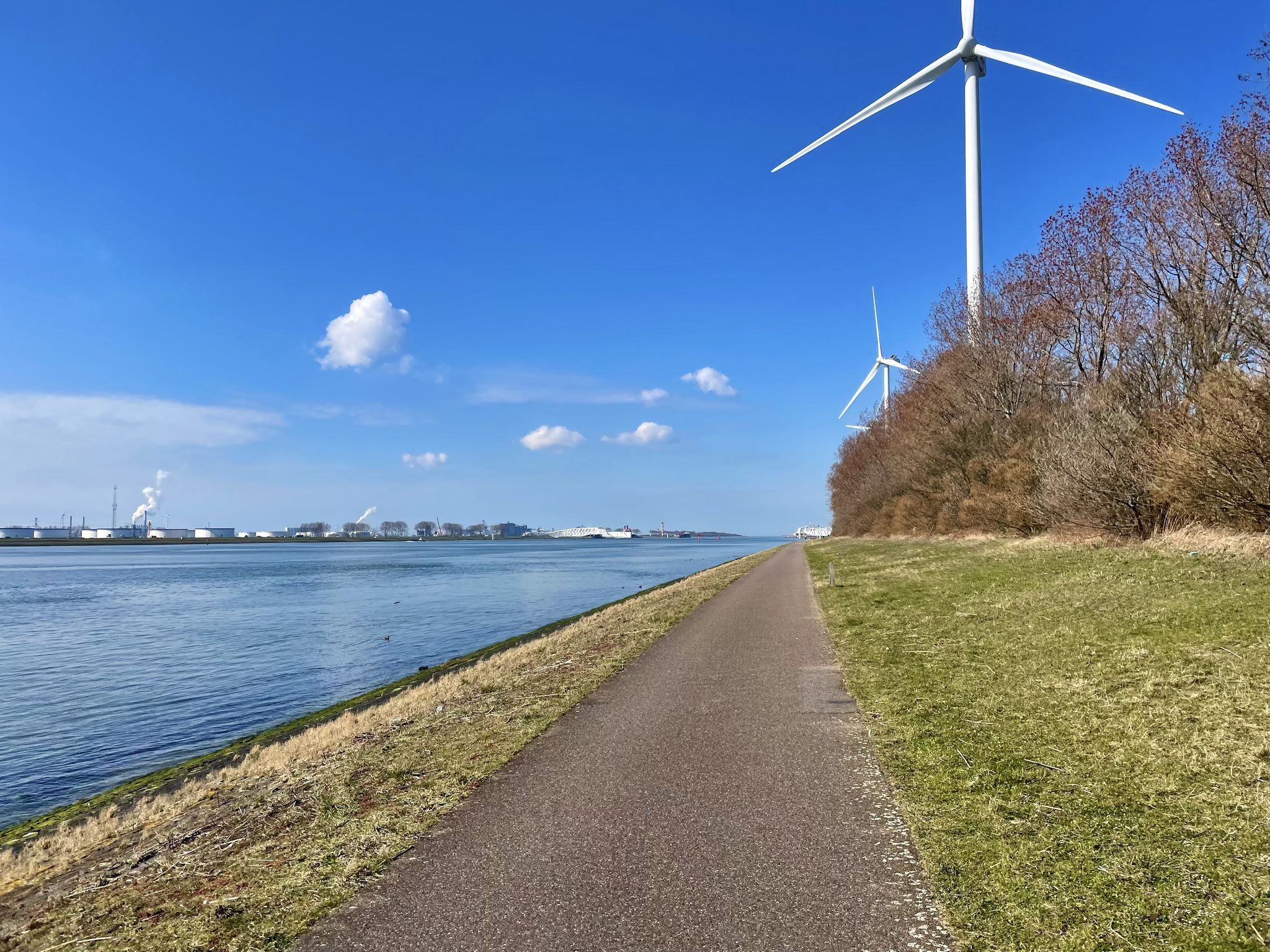
The Meuse Cycle Route - Follow the Meuse from the hills to the harbor
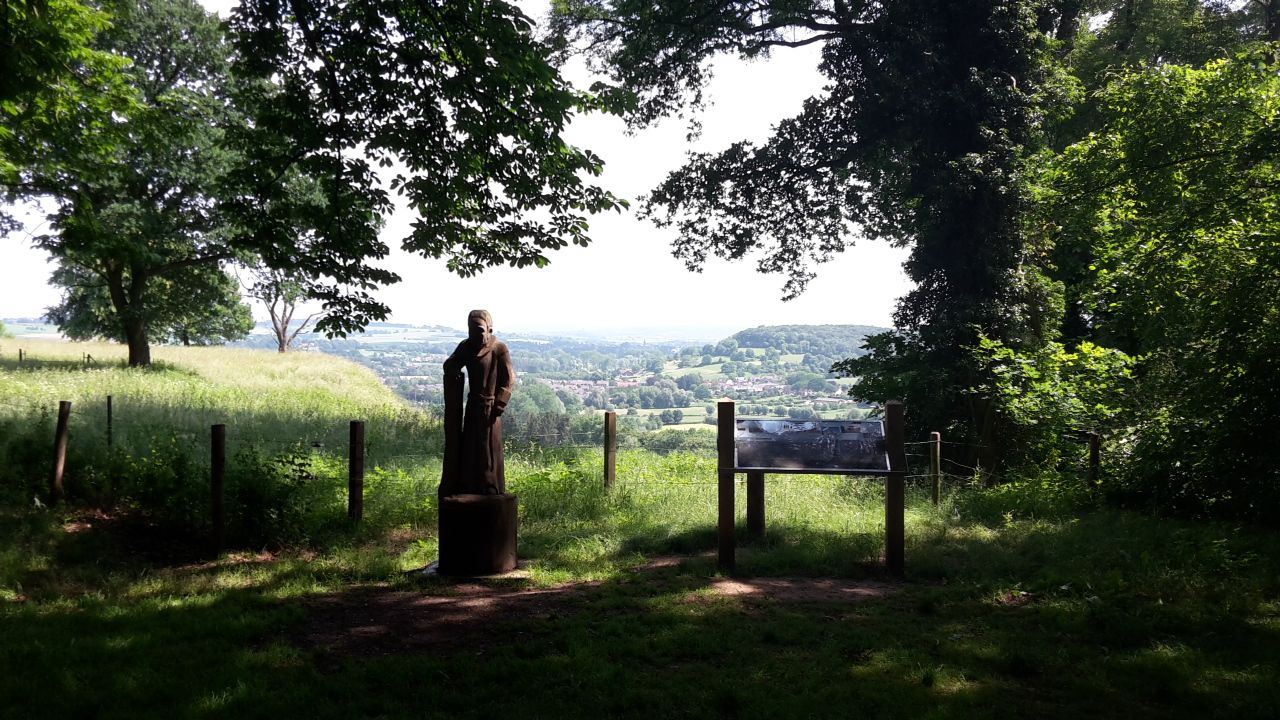
Via Coriovallum – a pilgrimage in the Dutch region of South Limburg
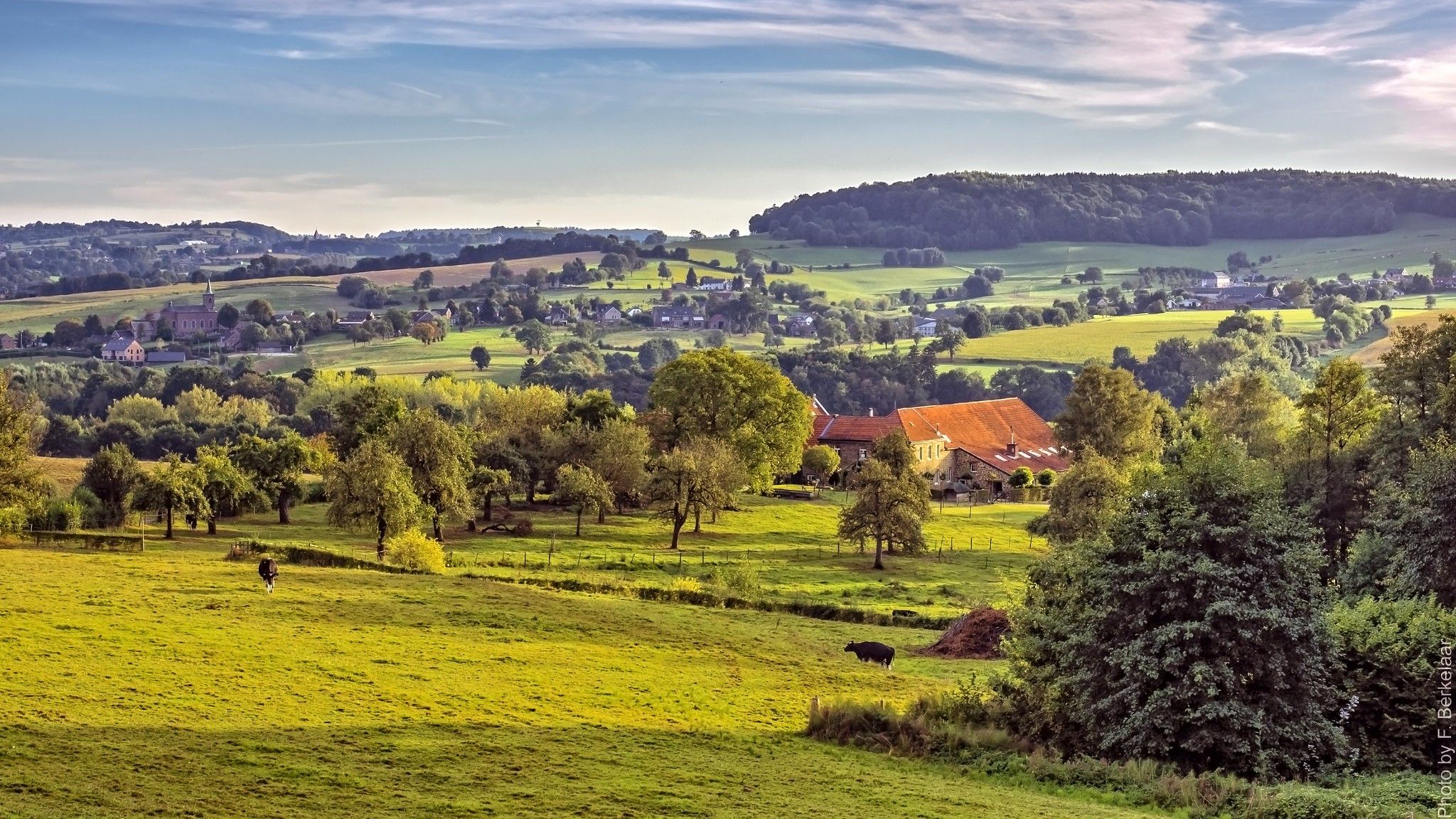
Pilgrim's Way part 2 — s-Hertogenbosch to Maastricht
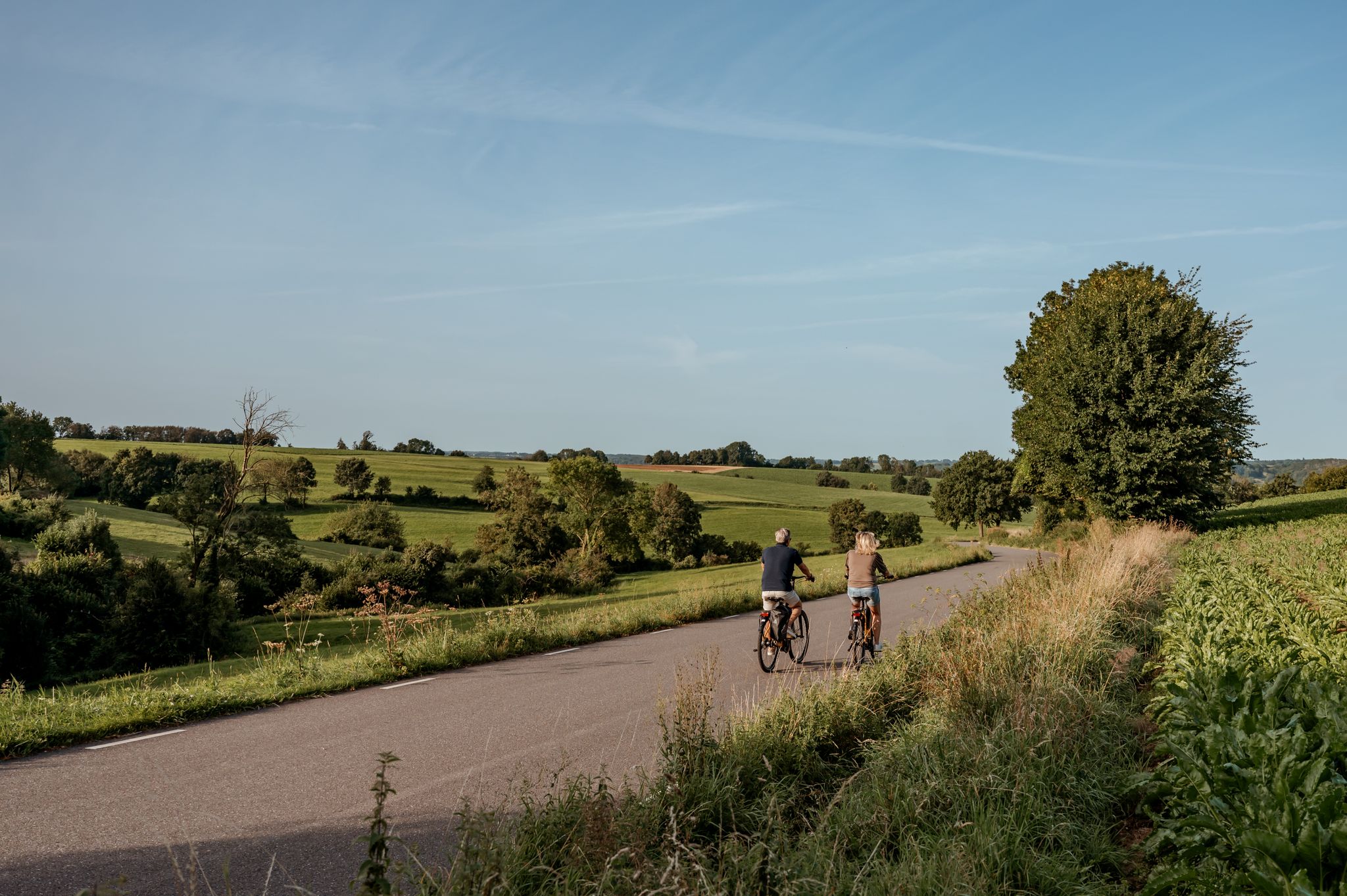
The best of South Limburg by bike
The Meuse Cycle Route - Follow the Meuse from the hills to the harbor
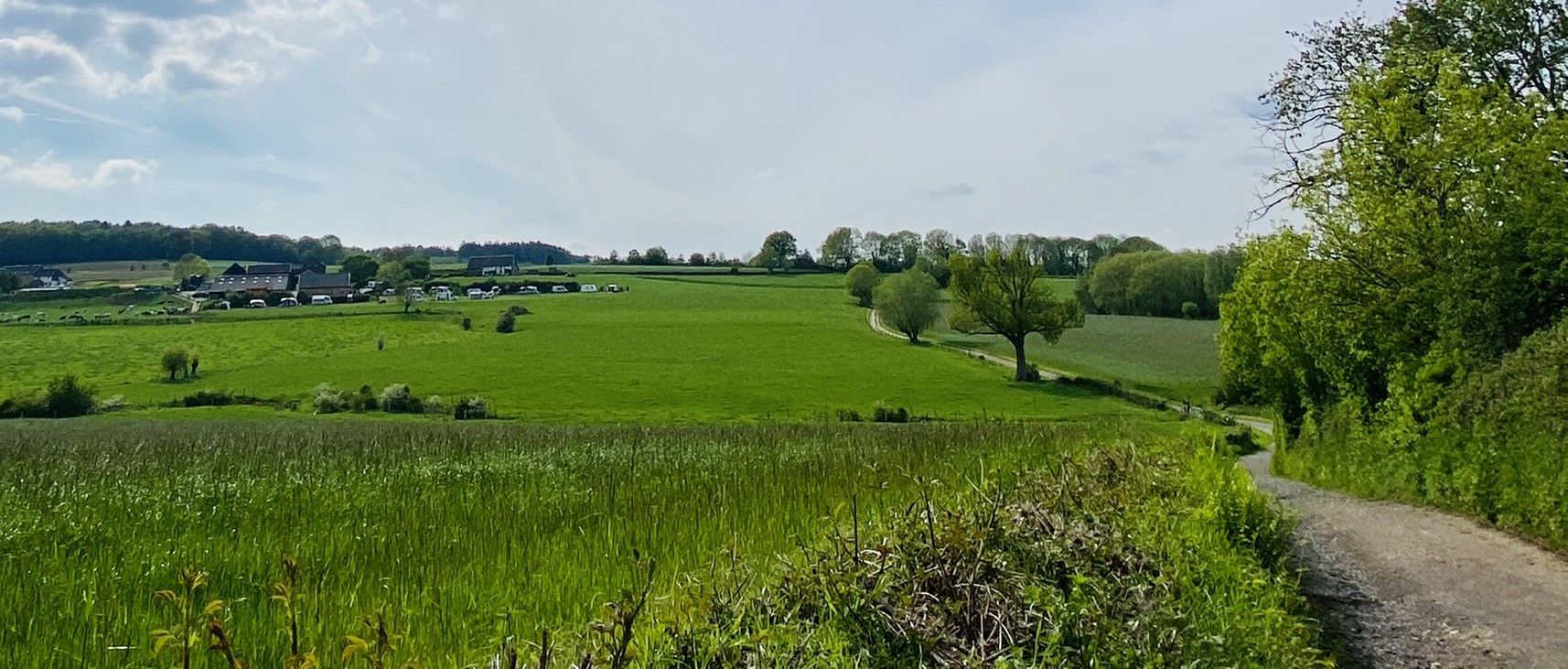
The Krijtlandpad trail - South Limburg at its best in five hiking stages
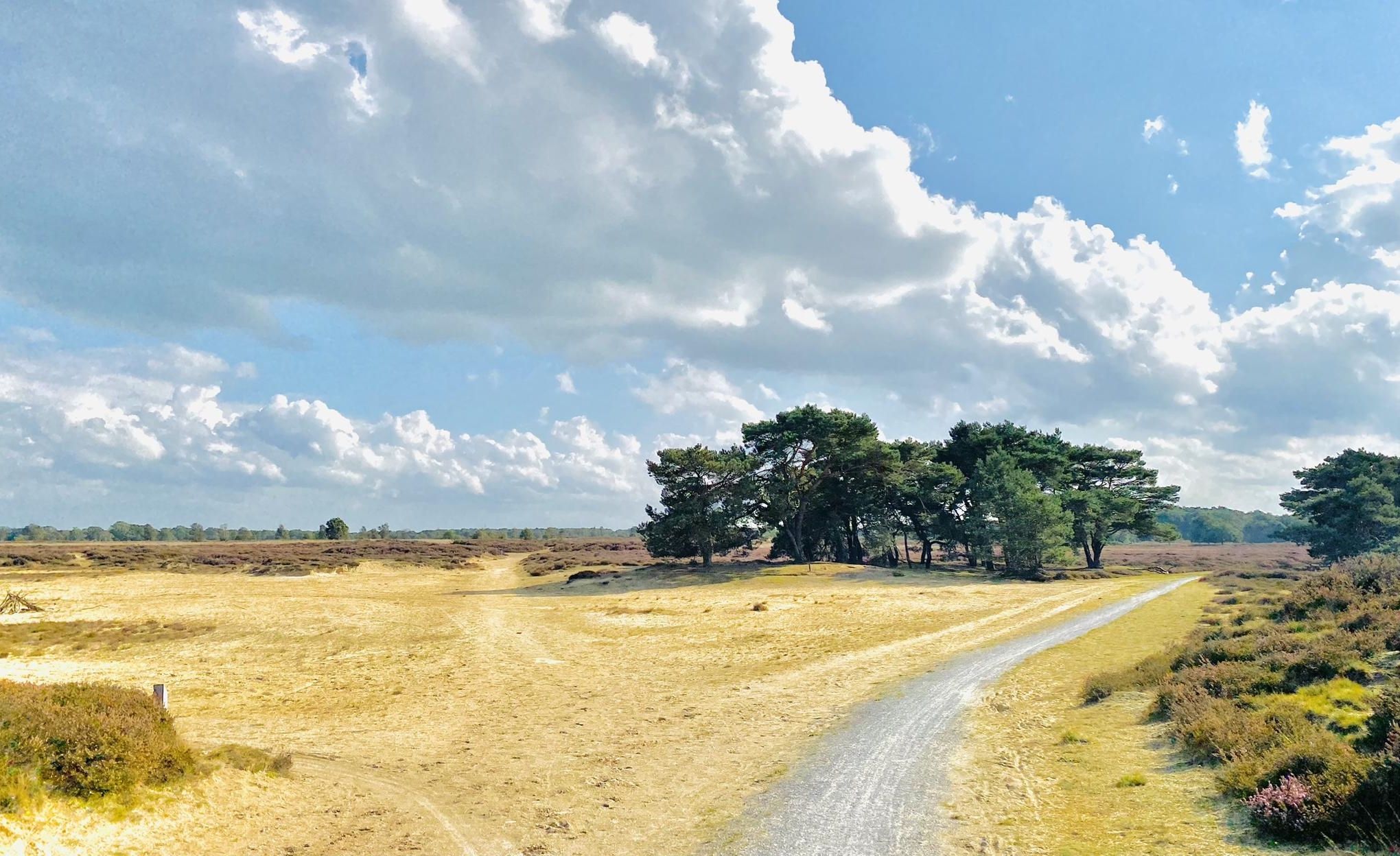
Outside the built-up area - 10 trail runs between stations (30-55 km)
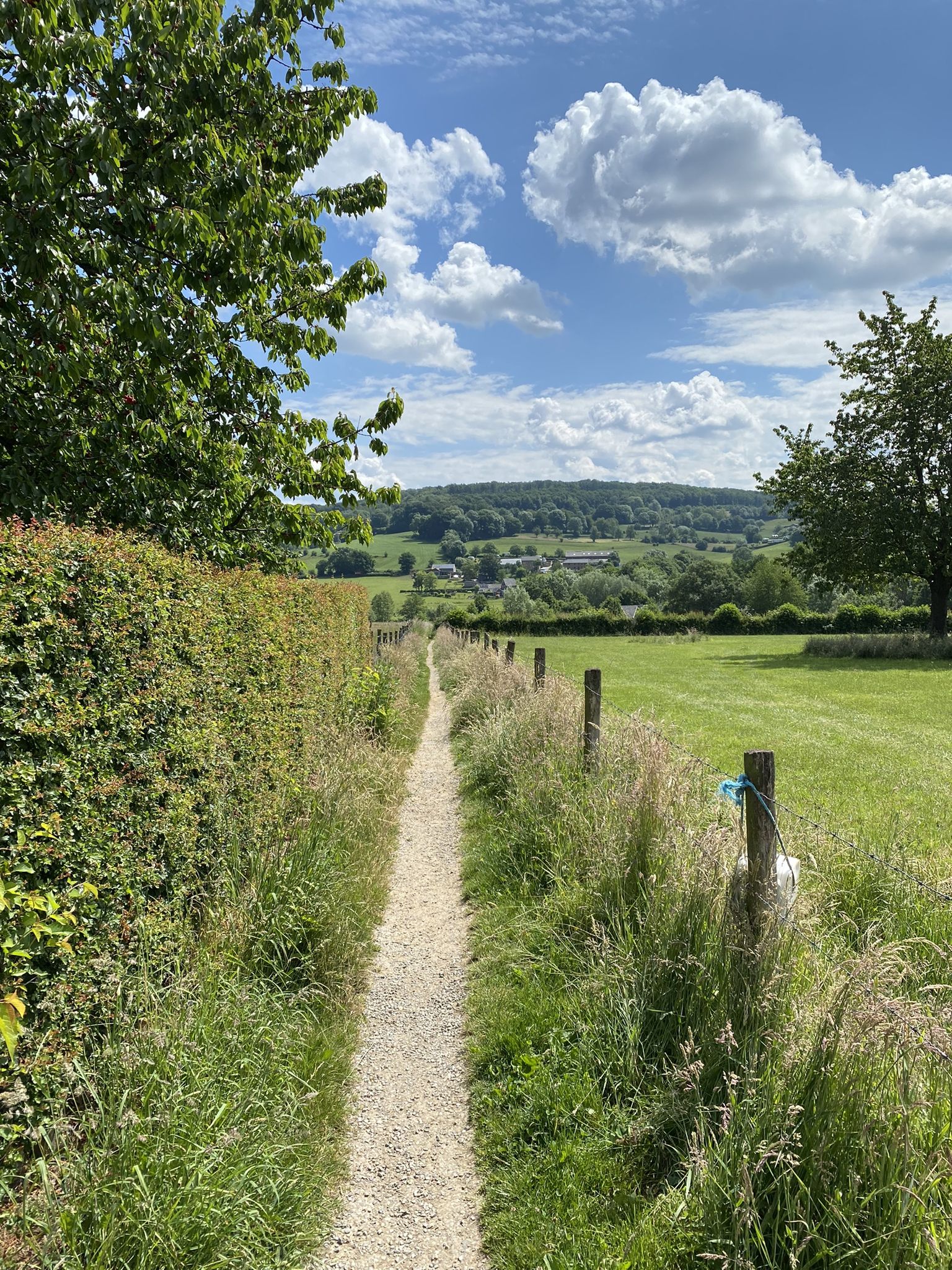
Train your calves in the rolling hills - 10 trailruns in Limburg
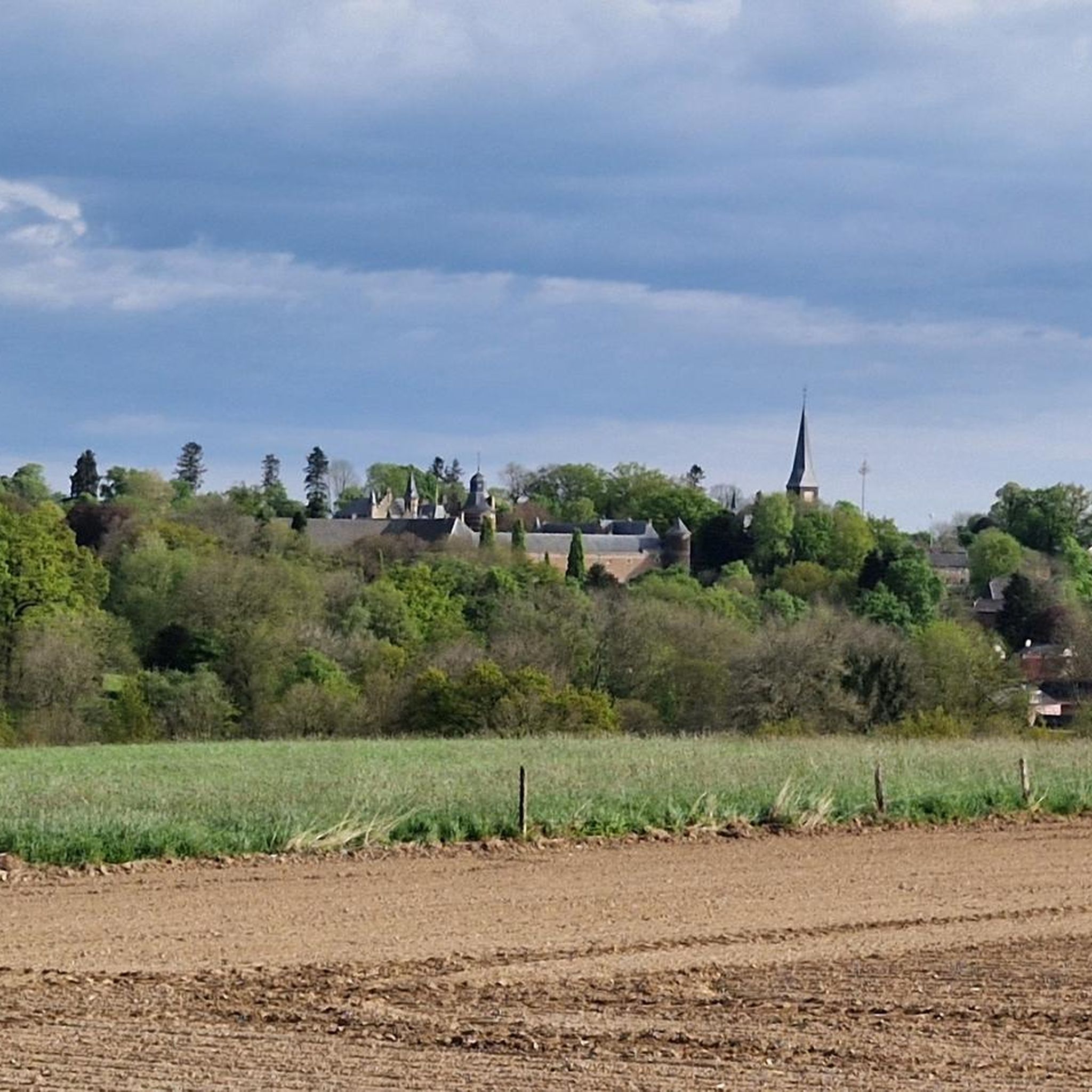
Cycling around Eijsden-Margraten
Hiking around Eijsden-Margraten
Other adventures around Eijsden-Margraten


Tips from the Community

The Neercanne castle is built on the original site of Roman fortifications whose caves still exist and are used as a wine cellar. In the hall, the original staircase with a railing on wide columns is still present. Weapon trophies are depicted in relief on the ceiling. Currently, the castle is used as a hotel and restaurant. The restaurant has been awarded one star by the Michelin Guide.
5
0


we tried to return to Maastricht using the Arriva bus. However, it was a small bus and only 3 seats were available. My friends walked.
1
0

There are old flint quarries in this area: the “Carrières de silex du Thier des Vignes”.
1
0

Here you have a view of old marl quarries. You can see a marl wall with meadows, cows, or sheep.
1
0

A mysterious flint cave on the edge of the Albert Canal, near the locks at Klein Ternaaien. You reach the entrance via a steep path through the woods. The caves are dark, cool, and full of atmosphere—perfect for those who love hidden natural spaces. Bring a flashlight and good walking shoes!
2
0

The Strooberggroeve is a Limburg marl quarry in the Dutch municipality of Eijsden-Margraten. The underground quarry is located north of Bemelen under the Bemelerberg on the north side of the mouth of the dry valley Koelbosgrub in the Meuse valley. The quarry is located on the western edge of the Plateau of Margraten in the transition to the Meuse valley. At this point, the plateau drops steeply for a few meters. https://nl.wikipedia.org/wiki/Strooberggroeve
3
0

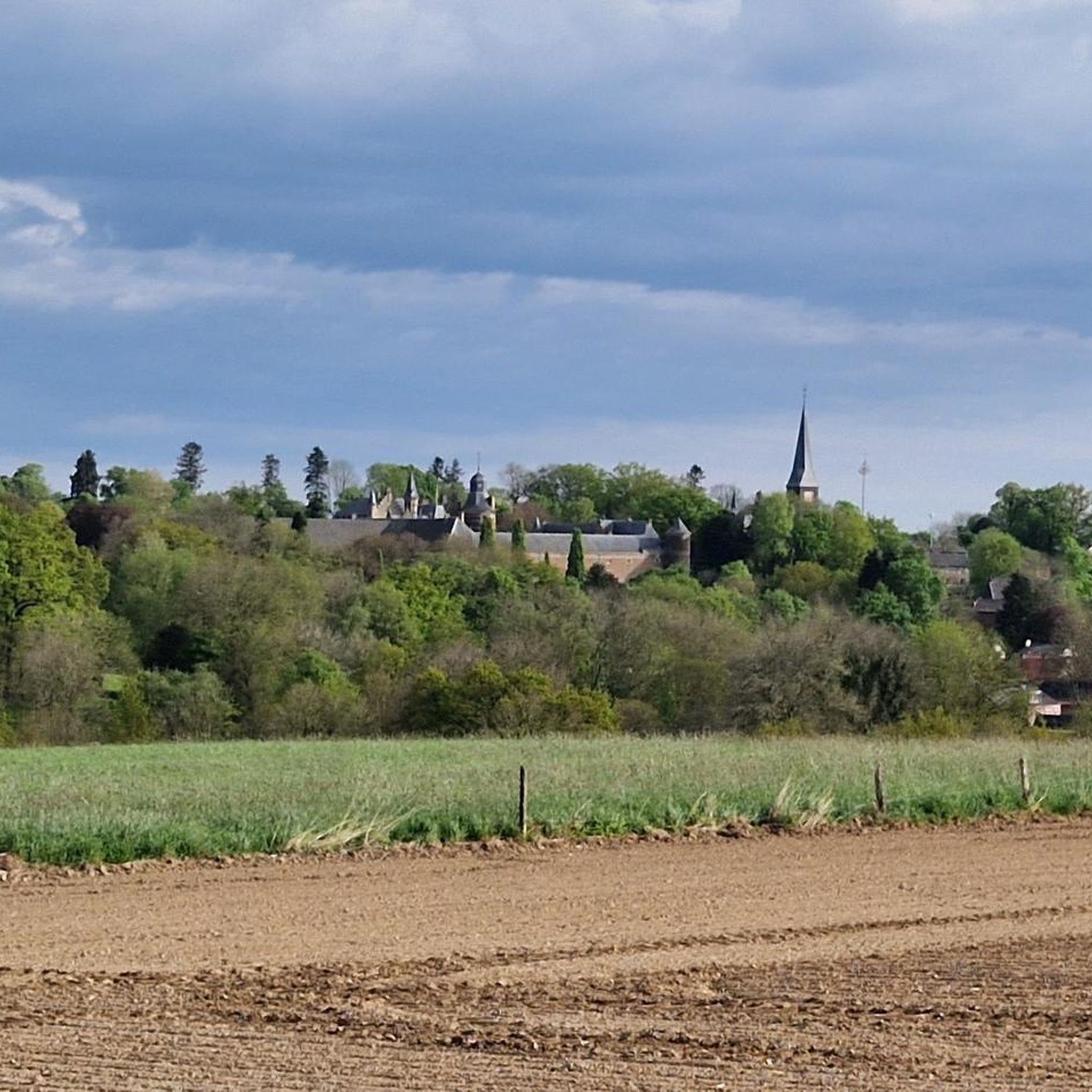
Very nice walking route along the chateau. Beautiful panorama. With a house in the valley below that used to be the border post.
4
0
Frequently Asked Questions
Which caves offer historical insights into the region?
The Château Neercanne utilizes its marl caves as unique wine cellars and event spaces, offering a blend of history and culture within its historical underground spaces. The Prehistoric Flint Mines of Rijckholt-St. Geertruid date back to the Neolithic period (around 4000 BC) and provide direct experience of prehistoric mining techniques through guided tours. Additionally, the Geulhemmerberg Climb and Cave Dwellings feature old rock dwellings where blockbreakers once lived.
Are there guided tours available for the caves in Eijsden-Margraten?
Yes, guided tours are available for some sites. The Prehistoric Flint Mines of Rijckholt-St. Geertruid offer guided tours that delve into underground tunnels, covering geology, landscape, and archaeology. For 't Rooth Quarry, excursions are regularly organized by Het Limburgs Landschap, providing the only way to access this unique natural landscape.
What unique nature or wildlife can be found in the region's caves and quarries?
The Strooberg Quarry is a protected habitat for birds of prey, and its surrounding chalk grasslands are home to unique flora, including wild orchids. 't Rooth Quarry boasts unique flora and fauna, including rare species like the fire-bellied toad, and is a rich source of fossils from a million-year-old Cretaceous Sea. Keerderberggroeven are sealed to protect bat populations.
Are there family-friendly caves to visit in Eijsden-Margraten?
While specific 'family-friendly' ratings for all caves are not available, the historical and educational aspects of the Prehistoric Flint Mines of Rijckholt-St. Geertruid can be engaging for families, though good physical condition is recommended. The Trichterberggroeve Limestone Quarry is also listed as family-friendly, offering geological interest from the outside.
What should I wear when visiting the caves?
For sites like the Prehistoric Flint Mines of Rijckholt-St. Geertruid, good physical condition and appropriate footwear are recommended due to the nature of the terrain. Caves are generally cool and can be damp, so layers of clothing and sturdy, closed-toe shoes are advisable for any underground exploration.
How much time should I plan for a cave visit?
Guided tours for the Prehistoric Flint Mines of Rijckholt-St. Geertruid typically last 2 to 2.5 hours. For other sites like Château Neercanne, the duration depends on whether you are dining or attending an event. Viewing sites like Strooberg Quarry from the outside might take less time, depending on your interest in the surrounding nature.
What outdoor activities can I do near these caves?
The region around Eijsden-Margraten offers various outdoor activities. You can find numerous running trails, such as the 'History in the rolling forests of Limburg' or the 'Mettenberggroeve Caves – Strooberg Quarry loop'. There are also mountain hikes, including the 'Fort Sint Pieter – Château Neercanne loop', and cycling routes like the 'Mergelland Route West Loop'. You can explore these options further in the Running Trails around Eijsden-Margraten, Mountain Hikes around Eijsden-Margraten, and Cycling around Eijsden-Margraten guides.
Are there any easy-to-access caves or quarries for casual visitors?
While many quarries are not publicly accessible underground, sites like Château Neercanne offer a cultural experience within its historic marl cellars, which are easily accessible. The Strooberg Quarry can be admired from the outside, offering impressive views without requiring underground exploration.
Can I visit the caves with my dog?
Information regarding dog accessibility varies by specific location. For guided tours like the Prehistoric Flint Mines, it's best to check with the tour operator directly. Outdoor areas around quarries like Strooberg Quarry or Trichterberggroeve Limestone Quarry might be dog-friendly, but always keep dogs on a leash and respect local regulations, especially in nature reserves.
What is the best time to visit the caves and quarries in Eijsden-Margraten?
The best time to visit depends on the specific activity. For underground tours, conditions are generally consistent year-round, but booking in advance is often necessary. For enjoying the surrounding nature and views, spring and autumn offer pleasant temperatures and beautiful scenery. Always check opening hours and tour availability, especially for sites with limited access like 't Rooth Quarry.
Are there any hidden or less-known caves to explore?
The Thier des Vignes Flint Caves are described as mysterious, dark, cool, and atmospheric, appealing to those who appreciate hidden natural spaces. While formal guided tours are not readily available, informal exploration with a flashlight and sturdy shoes is suggested, implying a more off-the-beaten-path experience.
How can I reach the caves by public transport or car?
Eijsden-Margraten is accessible by car, and many sites will have nearby parking. For public transport, it's advisable to check local bus routes connecting to the specific cave or quarry you wish to visit. For instance, Château Neercanne is reachable by car, and many walkers prefer the stairs via the terraces.
Most popular routes around Eijsden-Margraten
Most popular attractions around Eijsden-Margraten

Get inspired with the komoot mobile app


Explore more
Extend your search for the best caves by checking out these guides of the top ones around Eijsden-Margraten:
