The best cycling routes around New Orleans
4.5
(17)
293
riders
37
rides
If you’ve ever tried planning touring cycling around New Orleans, you know how quickly the options can feel overwhelming. With so many paths and bayous, it’s tough to tell which routes are genuinely worth your time and which are just filler. That’s exactly why we’ve put together this guide: our komoot community has ridden, mapped, and reviewed these routes, so we can give you a curated shortlist of the very best, saving you the guesswork.
New Orleans is a truly unique place to explore by bike. Forget about big climbs; the terrain here is wonderfully flat, making it accessible for almost everyone. What you get instead are miles of scenic routes winding through ancient live oaks, alongside tranquil bayous, and with stunning views of the Mississippi River and Lake Pontchartrain. From easy urban loops to longer excursions, there’s a route for every pace, and thanks to the mild climate, you can enjoy cycling here almost any time of year.
If you only do one route, we'd start with the Big Lake City Park – Bayou St. John loop from New Orleans. At 22.3 miles (35.9 km) with minimal elevation, it’s a moderate ride that perfectly captures the city’s green spaces and iconic waterways. For a shorter, easy spin with historic charm, the Steamboat Natchez – Washington Artillery Park loop from New Orleans is a fantastic 10.0 miles (16.0 km) option, offering great river views. With more than 250 touring cyclists having already explored New Orleans with komoot, you know you’re in good company.
Last updated: June 4, 2026
4.5
(4)
39
riders
35.9km
02:03
30m
30m
Moderate bike ride. Good fitness required. Mostly paved surfaces. Suitable for all skill levels.
4.0
(2)
36
riders
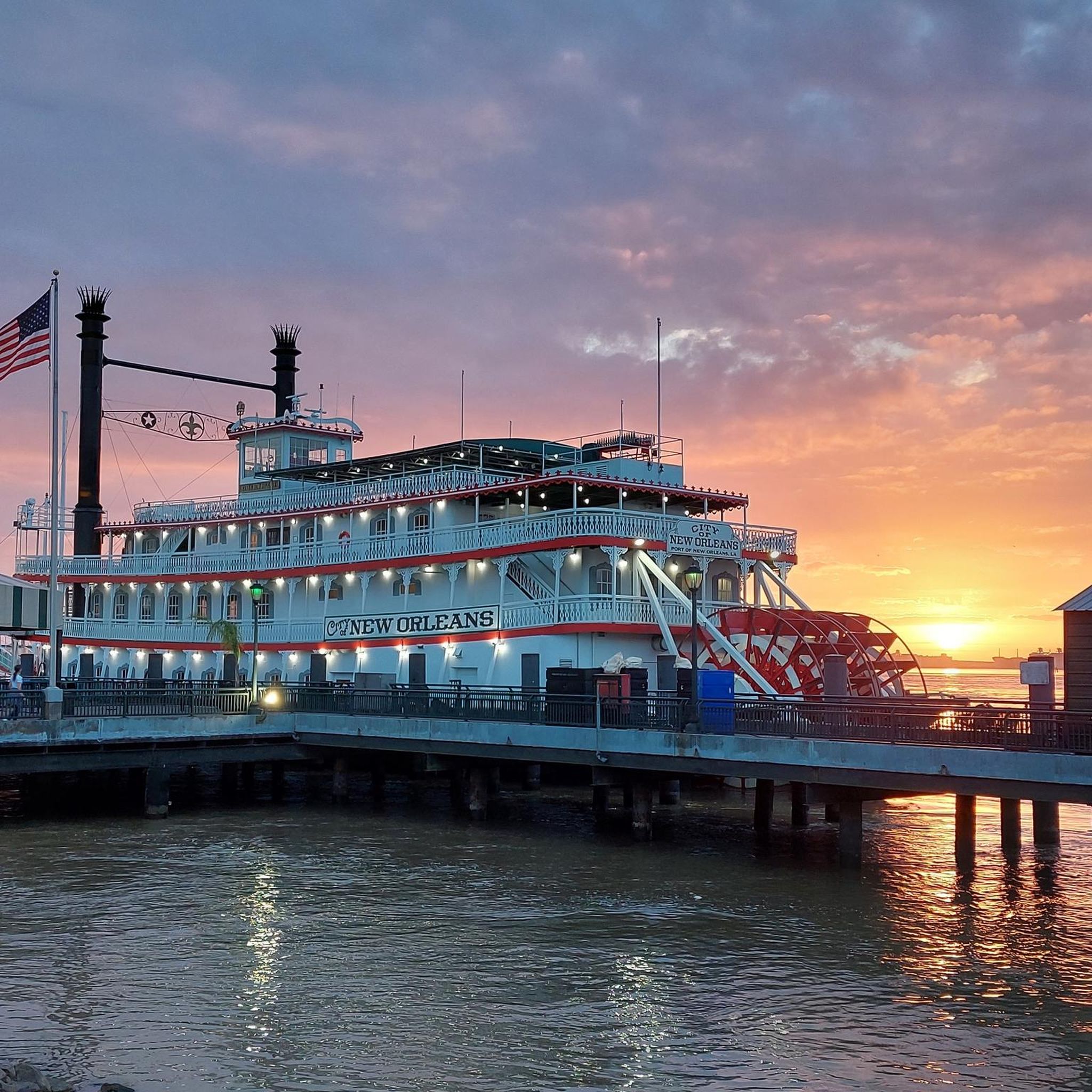
The Steamboat Natchez – Washington Artillery Park loop offers a fantastic way to experience New Orleans' riverfront and historic core on two wheels. This 10.0-mile (16.0 km) route is almost entirely flat, with only 58 feet (18 metres) of elevation gain, making it an easy ride that takes just under an hour. You'll cruise along the Mississippi River, passing through green spaces like Crescent Park and Woldenberg Riverfront Park, where you can spot traditional paddle steamers. It's a perfect, family-friendly touring cycling route for soaking in the city's unique atmosphere.
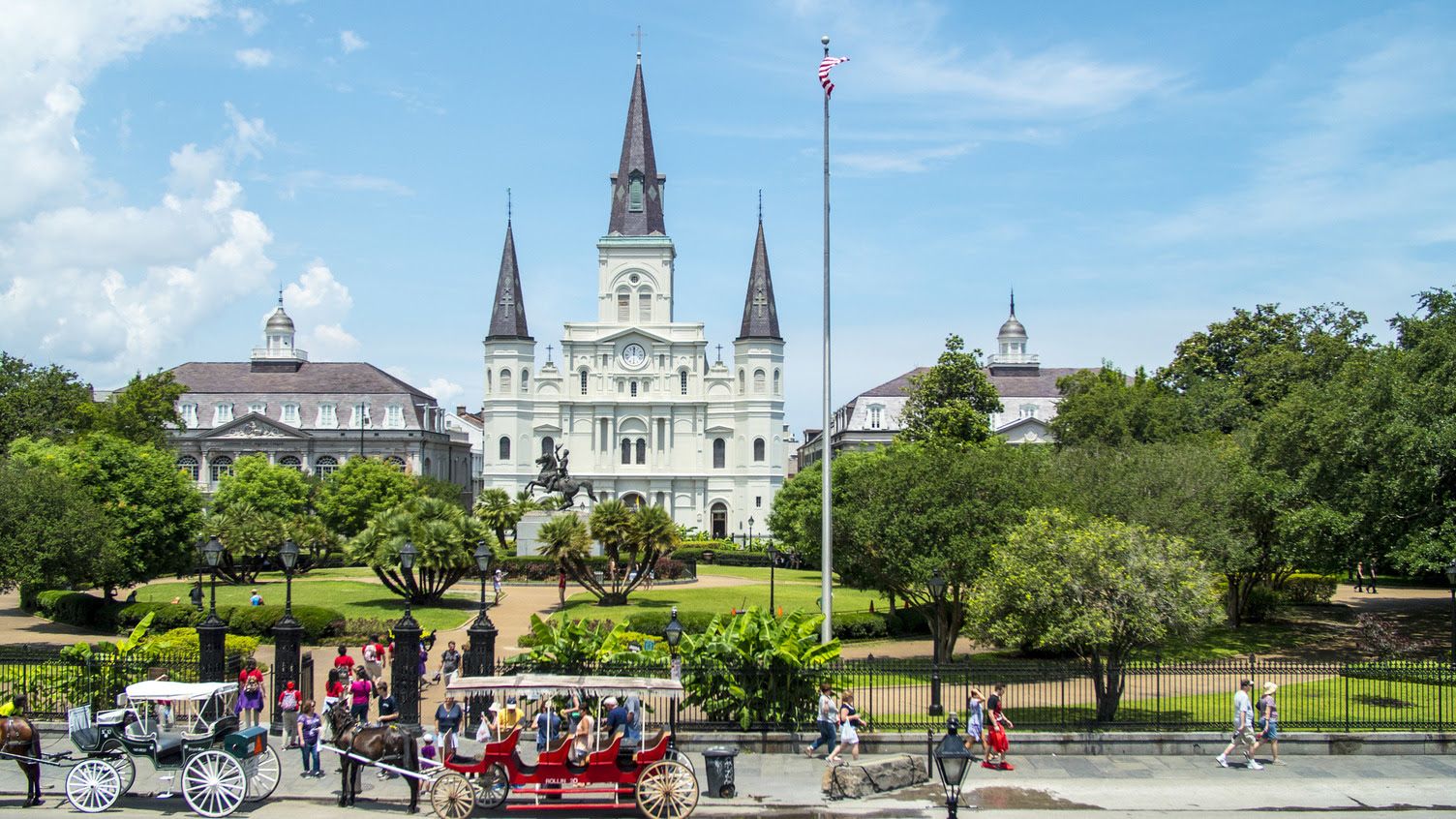
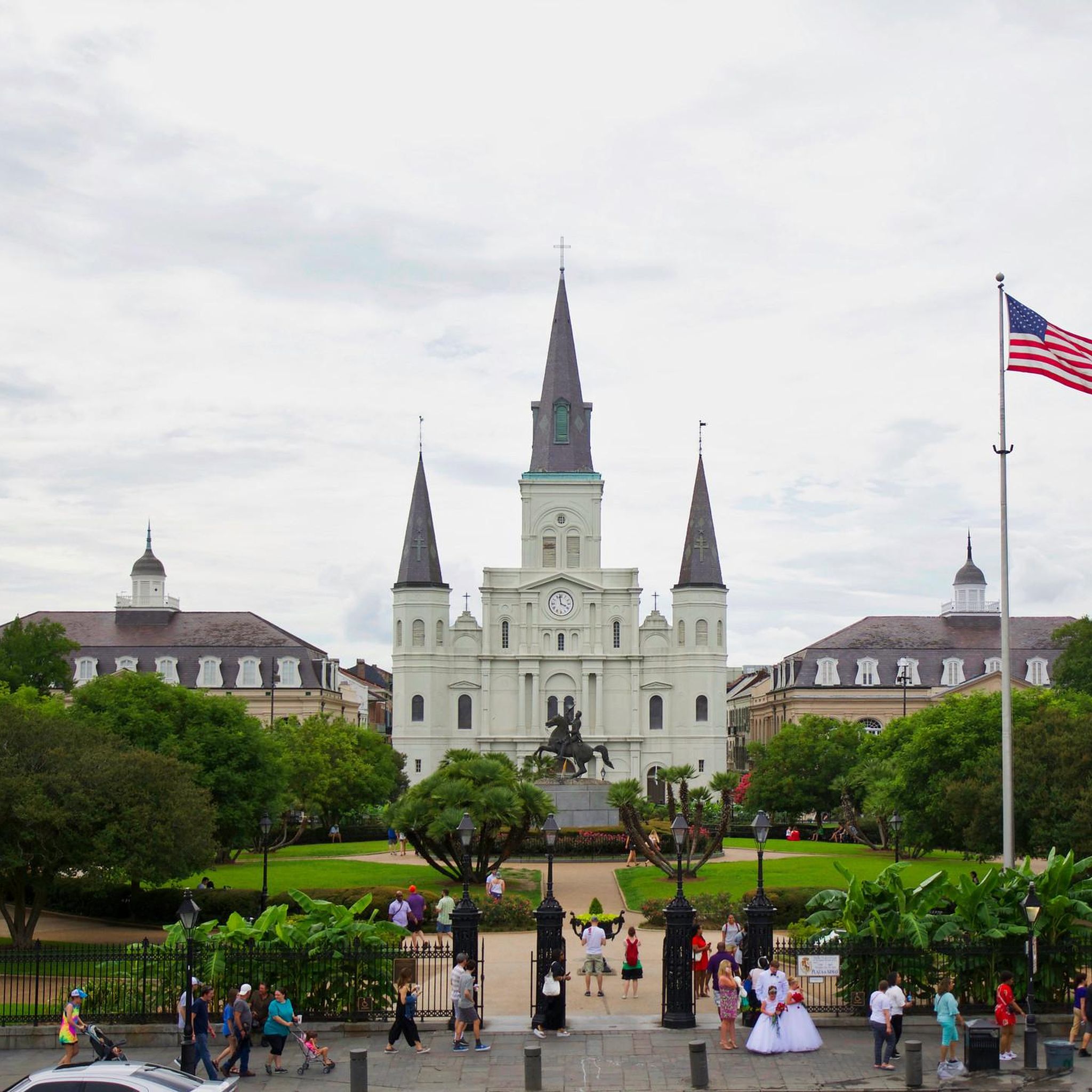
To make the most of your visit, head to Washington Artillery Park, which is centrally located near the French Quarter's famous St. Louis Cathedral and Jackson Square. While specific parking information isn't detailed, its downtown location means it's well-connected. Consider an early morning start to enjoy cooler temperatures and potentially stunning sunrise views over the river from Woldenberg Riverfront Park.
This route is a top favorite among local touring cyclists due to its accessibility and the iconic landmarks it touches. It seamlessly blends the natural beauty of the Mississippi River with the bustling energy of downtown New Orleans, offering a unique perspective on the city's rich history and vibrant culture. It's an excellent choice for beginner touring cycling in New Orleans, providing a taste of the city's charm without demanding much effort.

Sign up for free
12
riders
33.5km
01:54
30m
30m
The Washington Artillery Park – Audubon Park loop offers a delightful touring cycling experience, blending the vibrant energy of the French Quarter with the serene natural beauty of Audubon Park. You'll pedal along the Mississippi River, enjoying urban views before transitioning to the tranquil, tree-lined paths of Audubon Park, where ancient live oak trees create a stunning canopy. The route is exceptionally flat, making it an easy 20.8-mile (33.5 km) ride with only 92 feet (28 metres) of elevation gain, perfect for a relaxed outing.
Planning your ride is straightforward, as this loop is designed for accessibility. It's an easy route, suitable for all skill levels and takes approximately 1 hour and 54 minutes to complete. Starting from Washington Artillery Park in the French Quarter, you'll find the route well-connected to public transport options. While mostly paved, be aware that some sections within Audubon Park might be unpaved. Consider cycling in the cooler parts of the day, especially during warmer months, to fully enjoy the journey.
This loop is a fantastic way to experience the diverse character of New Orleans, linking iconic landmarks and offering a unique contrast between city bustle and green oasis. Audubon Park itself is a cherished urban sanctuary, known for its magnificent oaks, peaceful lagoons, and diverse wildlife. Don't miss "The Fly" at Audubon Riverview Park, a beloved riverside greenspace that provides exceptional views and is a prime spot for watching the sunset over the Mississippi River.
20
riders
17.6km
01:01
10m
10m
Easy bike ride. Great for any fitness level. Mostly paved surfaces. Suitable for all skill levels.
5
riders
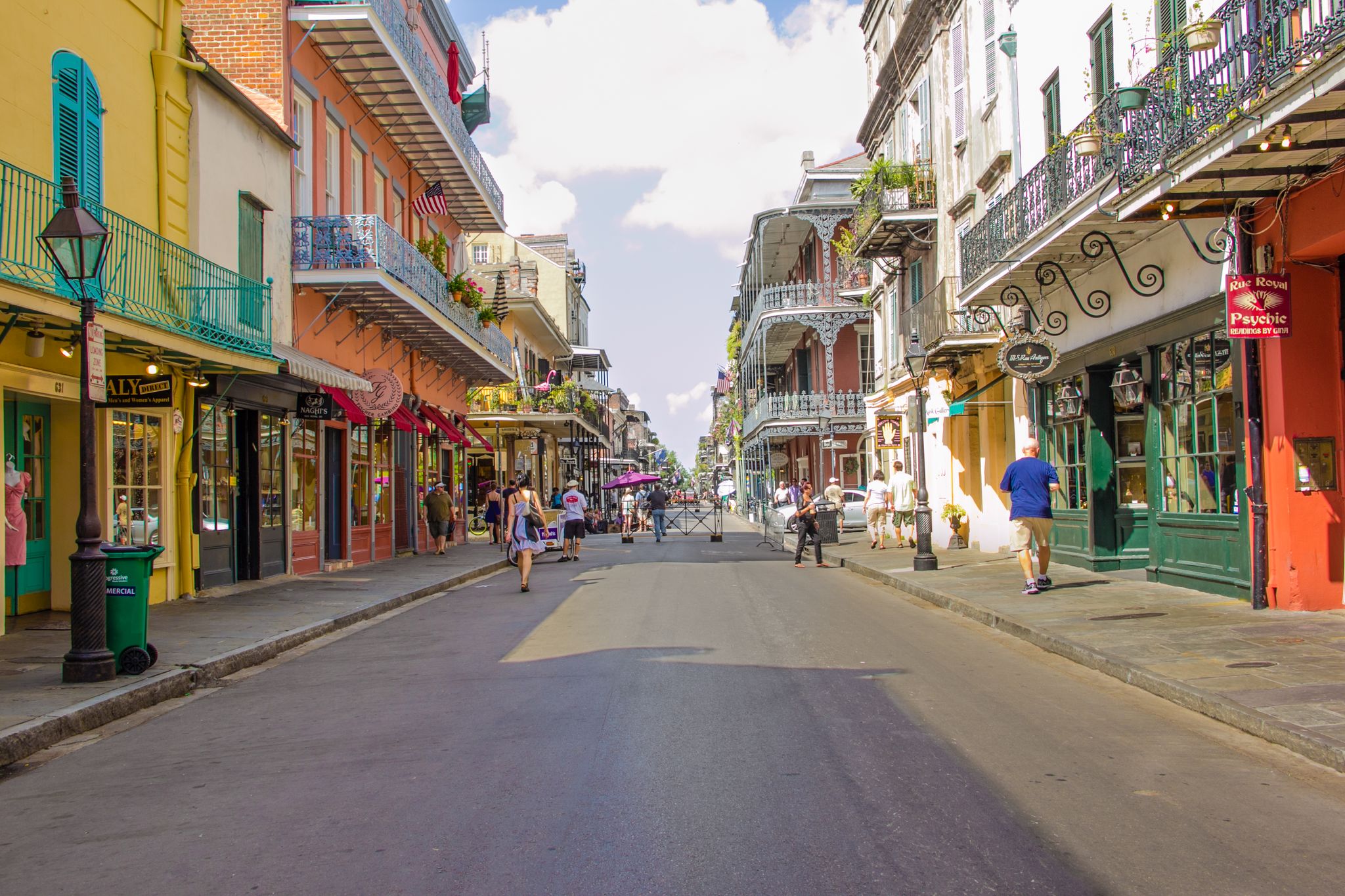
This easy touring cycling route offers a delightful spin through the historic heart of New Orleans, perfect for soaking in the city's unique atmosphere. You'll glide along mostly paved surfaces, potentially catching glimpses of the Mississippi River and the famous Steamboat Natchez as you start near its French Quarter dock. The route then immerses you in the vibrant architecture and cultural energy of the French Quarter, particularly along Royal Street, making it a visually rich experience for any casual cyclist.
At just 5.1 miles (8.2 km) with a minimal 26 feet (8 metres) of elevation gain, this loop is rated easy and can be completed in about 28 minutes, making it accessible for all fitness and skill levels. Parking is available in the French Quarter, and given the city's flat terrain, no special preparation is needed beyond choosing a comfortable time of day to avoid the heat. It's a great option for a quick, family-friendly outing.
The trail's appeal lies in its direct connection to New Orleans' iconic landmarks and historic districts, offering a unique perspective on the city's charm. Cycling through areas like the French Quarter and along Royal Street provides an intimate encounter with the city's rich history and vibrant street life, distinct from a river cruise. It's an excellent choice for those seeking a short, accessible ride that combines scenic river views with urban exploration.
Get access to more routes and recommendations from other explorers.
Sign up for free
Already have an account?
Our route recommendations are based on thousands of hikes, rides, and runs completed by other people on komoot.
Start today with a free account
Your next adventure awaits.
Login or Signup


Tips from the Community


Beautiful, small park - you can relax here or listen to concerts - a beautiful location with a pleasant atmosphere
2
1

Royal Street is one of the original streets in the city and dates back to the early 18th century. The street now has art galleries, antique shops and many buildings showcasing the wrought iron features common in the architecture of New Orleans.
1
0

This is a beautiful and well-maintained park that makes for a great picnic spot. There is lots of history, the architecture and landscaping is fantastic, and of course the iconic Louis Armstrong Arch is a must-see.
1
0

New Orleans City Park is the largest outdoor attraction in New Orleans at 1,300 acres, surpassing Central Park in size. It is also one of the oldest parks in the country, and features many different attractions, including the New Orleans Botanical Garden, Storyland playground, and Carousel Gardens Amusement Park, alongside themed gardens, biking and walking paths, live concerts, and the world’s largest grove of mature live oak trees. The park offers facilities for various events, recreational rentals like surreys and swan boats, and private gondola rides. Be aware if riding your bike: golf carts are allowed on designated roads but not on bike paths or grassy areas, and they must follow posted speed limits.
1
0

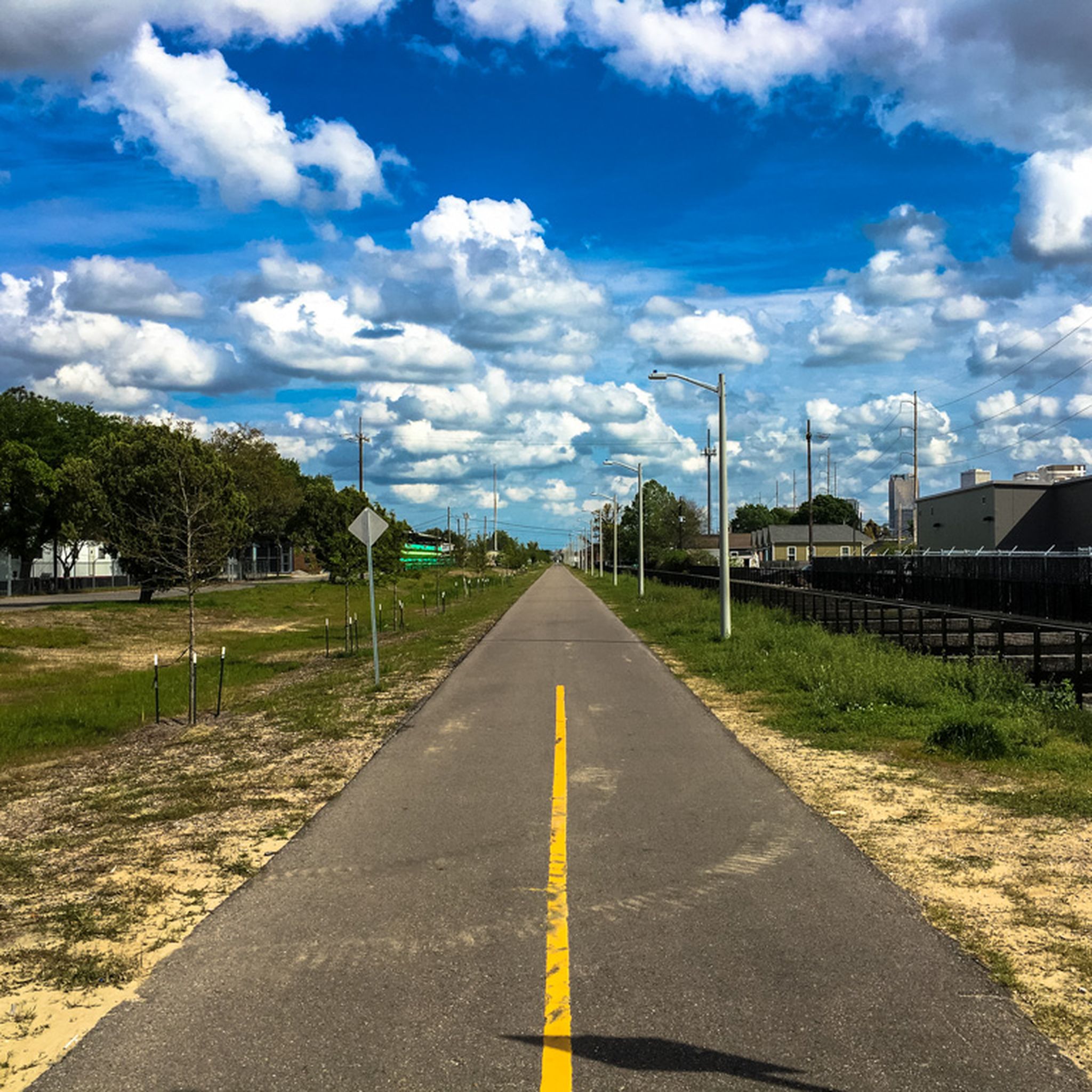
The Greenway is one of the best ways to get from Mid-City to Downtown since it is a fully protected route and not in the street. There are a couple of street crossings with crosswalks.
0
0
I can only agree with "Biene" ☺️ a steamboat ride is an absolute MUST and also fantastically beautiful and relaxing
4
0
It is relaxing to treat yourself to a little break in the beautiful park before diving back into city life.
3
0
Frequently Asked Questions
How many touring cycling routes are available in New Orleans?
New Orleans offers a diverse selection of touring cycling routes. There are over 30 routes available, with 29 categorized as easy and 5 as moderate, ensuring options for various skill levels.
What makes New Orleans a unique destination for touring cyclists?
New Orleans is characterized by its distinctly flat terrain, offering minimal elevation gain, which makes it accessible for all fitness levels. Cyclists can explore routes shaded by ancient live oak trees, along scenic bayous, and beside the Mississippi River and Lake Pontchartrain, providing a blend of urban charm and natural beauty.
Are there easy or beginner-friendly cycling routes in New Orleans?
Yes, New Orleans is ideal for beginners due to its flat topography. An excellent easy option is the Steamboat Natchez – Washington Artillery Park loop from New Orleans, which is 10.0 miles (16.0 km) and offers views of the Mississippi River and historic landmarks. Another accessible route is the Bayou Metairie – New Orleans City Park loop from West End, a 12.9-mile (20.7 km) path through urban parks and bayou landscapes.
What are some scenic viewpoints or natural features I can experience on a bike ride?
Many routes offer picturesque views. You can cycle along the Mississippi River levee for expansive water views, or explore paths in City Park and Audubon Park, which are known for their ancient, moss-draped live oak trees. The region also provides access to unique bayous and wetlands, such as those found near Bayou Sauvage National Wildlife Refuge, offering opportunities to observe native wildlife.
Are there any longer touring cycling routes for more experienced riders?
While New Orleans is generally flat, there are longer routes for those seeking a greater distance. The 17th Street Canal – Metairie Outfall Canal loop from Delgado Community College is a moderate 26.4-mile (42.4 km) route. For multi-day touring, sections of the Mississippi River Trail extend upriver towards Baton Rouge, passing through small towns and former plantations.
What attractions can I see along the touring cycling routes in New Orleans?
Many routes pass by significant landmarks. You can cycle past historic sites like Lafayette Cemetery No. 1, admire the French Quarter Historic Architecture, or visit iconic spots such as St. Louis Cathedral and Jackson Square. The Steamboat Natchez is also a notable sight along the riverfront.
Are there any circular bike trails in New Orleans?
Yes, many routes are designed as loops, making them convenient for touring cyclists. Examples include the Big Lake City Park – Bayou St. John loop from New Orleans, a 22.3-mile (35.9 km) moderate route, and the Bayou St. John – Big Lake City Park loop from New Orleans, which covers 22.5 miles (36.2 km).
What do other touring cyclists enjoy the most about cycling in New Orleans?
The area is highly rated by the komoot community, with an average score of 4.6 stars from over 10 reviews. Reviewers often praise the flat terrain, scenic routes along the Mississippi River and Lake Pontchartrain, and the charming urban green spaces like City Park, which offer a unique blend of nature and city exploration.
Are there family-friendly cycling options in New Orleans?
Absolutely. Parks like Audubon Park offer picturesque 1.8-mile paved paths that are car-free and shaded by oak trees, making them ideal for families. City Park also provides extensive biking paths and attractions suitable for a leisurely family ride.
What is the best time of year for cycling in New Orleans?
The best time for cycling in New Orleans is typically during the cooler, drier months, from late fall through early spring (November to April). During this period, temperatures are more comfortable, and humidity is lower, making for a more enjoyable ride. Summers can be very hot and humid.
Can I access cycling routes using public transport in New Orleans?
Many urban routes in New Orleans are accessible via public transport, particularly those within the city's core. The Lafitte Greenway, for example, connects Mid-City through Tremé to the French Quarter, areas well-served by public transit. For routes along the Mississippi River, a ferry can take you from the French Quarter to the Algiers neighborhood, providing access to paths on the west bank.
Most popular routes around New Orleans
Most popular attractions around New Orleans

Get inspired with the komoot mobile app


Explore more
Browse the best Cycling routes in other regions.
