Top 6 Caves around Aisne
Best caves around Aisne include a mix of natural geological formations and significant historical underground sites. The Aisne department in France offers diverse subterranean experiences, from ancient quarries to natural rock shelters. This region is characterized by its limestone geology, which has led to the formation of numerous caves and underground structures. Many sites hold historical importance, particularly relating to the First World War.
Best caves around Aisne
- The most popular caves is Hermitage Rock Caves, a cave that…
Last updated: August 18, 2026
Hermitage Rock Caves
Highlight • Cave
Translated by Google •
Tip by

Le fond Guesot
Highlight • Cave
Translated by Google •
Tip by
Sign up now to discover places like this
Get recommendations on the best single tracks, peaks, & plenty of other exciting outdoor places.
Sign up for free
Carrières de Confrécourt
Highlight • Cave
Translated by Google •
Tip by
Caverne du Dragon
Highlight • Historical Site
Translated by Google •
Tip by

Les Creutes de Pasly
Highlight (Segment) • Cave
Translated by Google •
Tip by
Paissy Troglodyte Village
Highlight (Segment) • Settlement
Translated by Google •
Tip by

Saint-Gobain Caves
Highlight • Cave
Translated by Google •
Tip by
Start today with a free account
Your next adventure awaits.
Login or Signup
Popular around Aisne
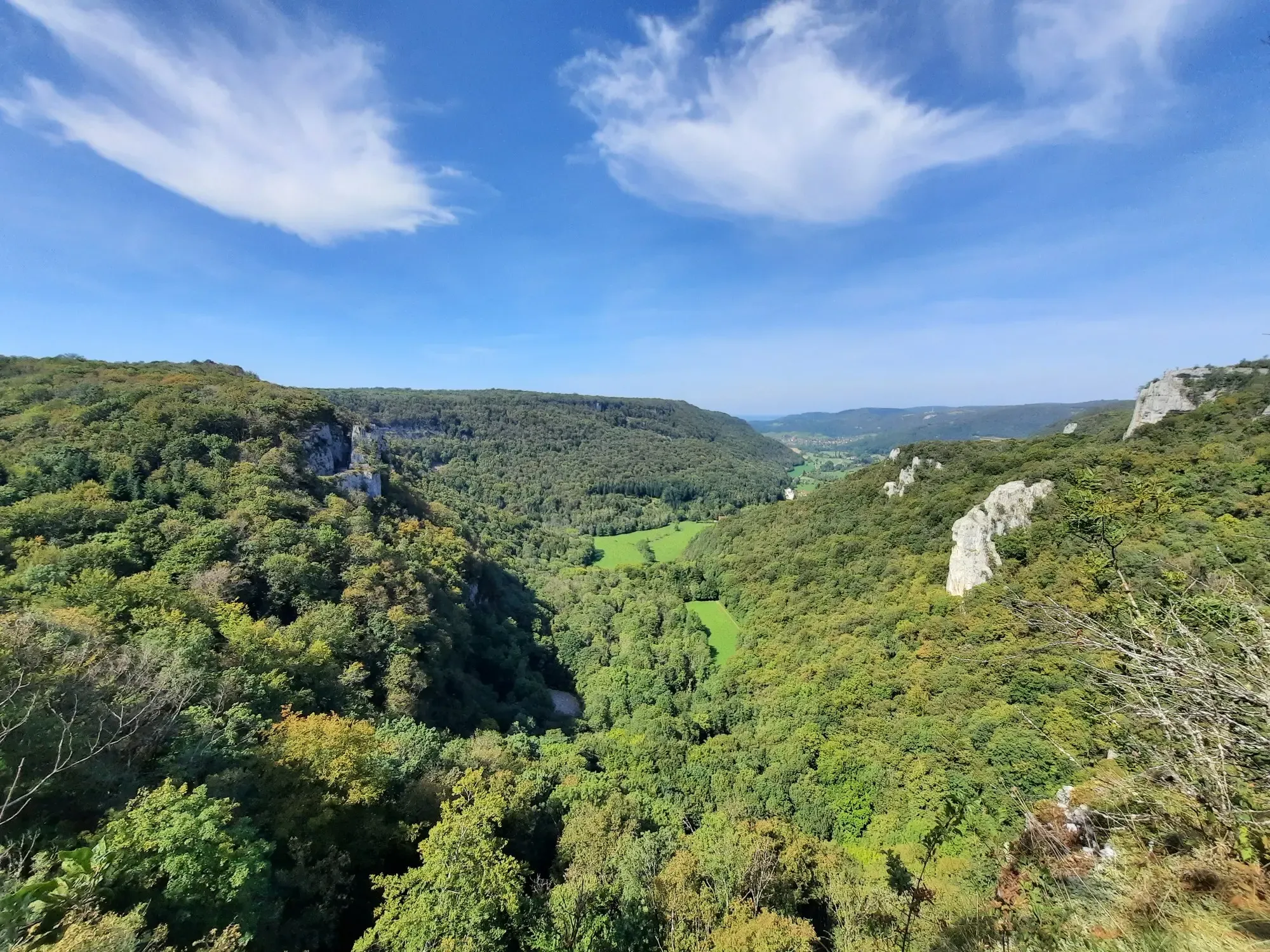
The Ardennes Trail (GR 14) – From Paris to the Belgian border
EuroVelo 3 – A cycling pilgrimage from Norway to France
Routes in Hauts-de-France for cycling enthusiasts
Cycling routes in Hauts-de-France for beginners and families
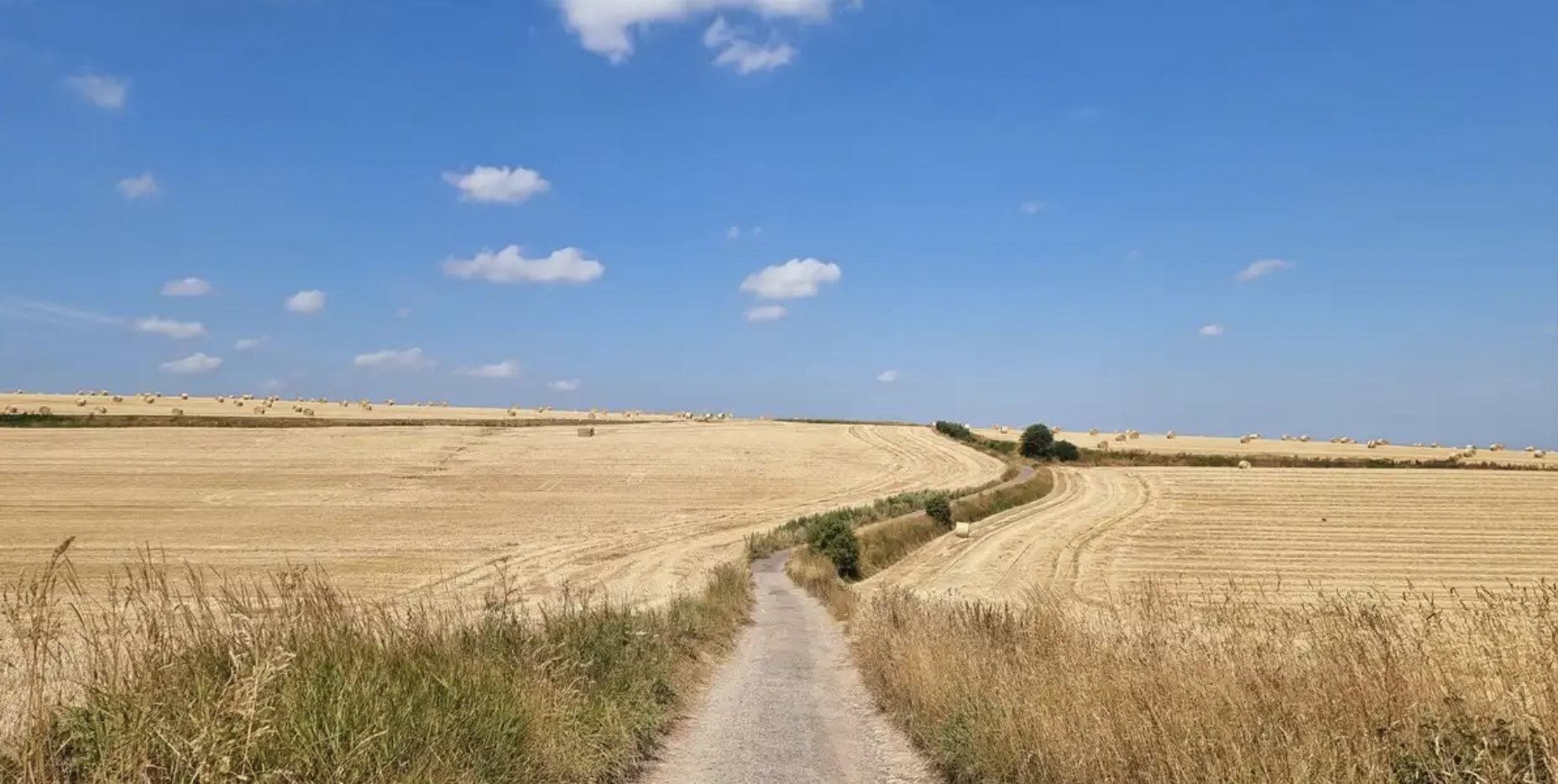
In the footsteps of History — GR 145, the Via Francigena
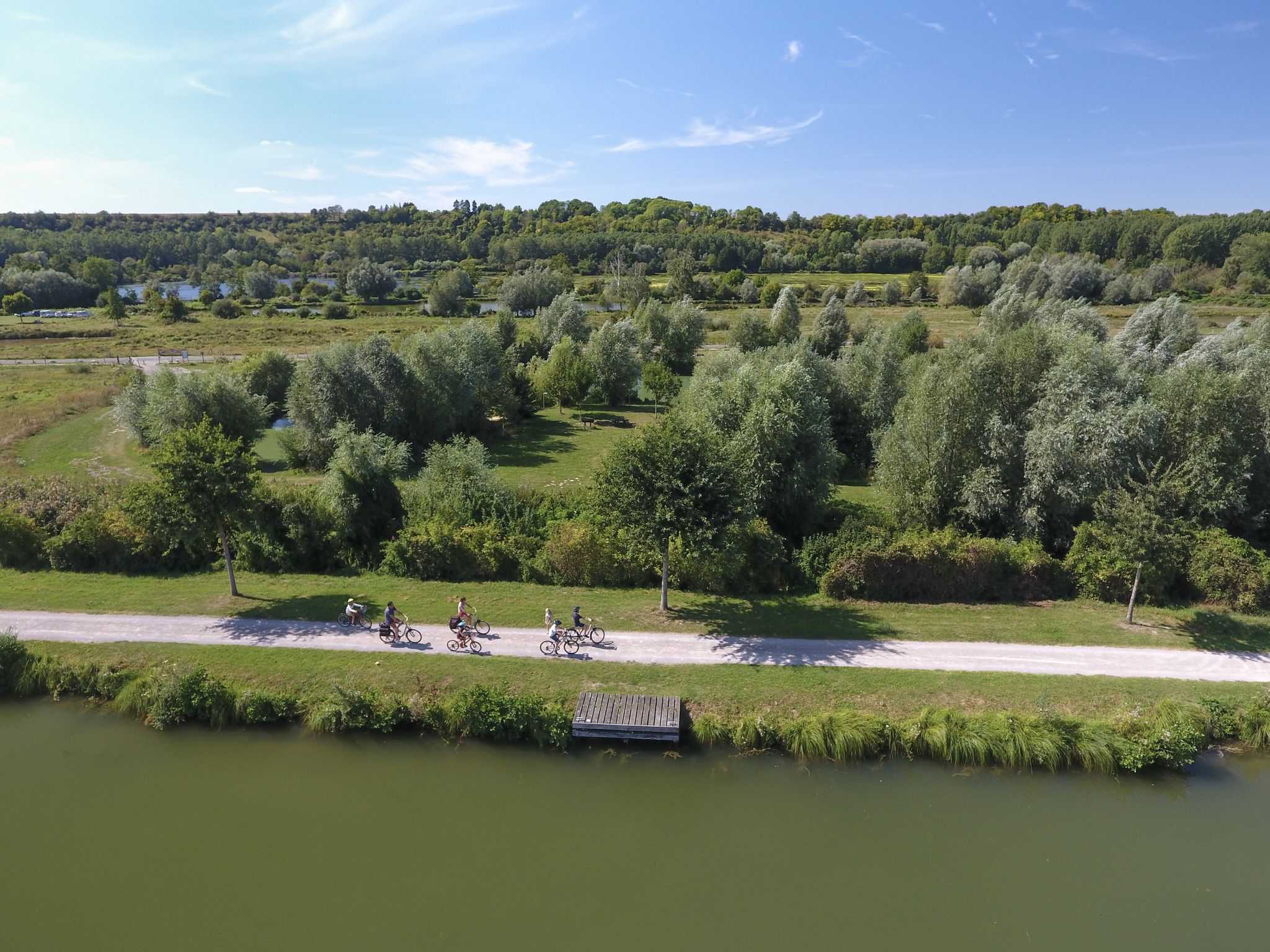
Along the river — La Véloroute Vallée de Somme V30
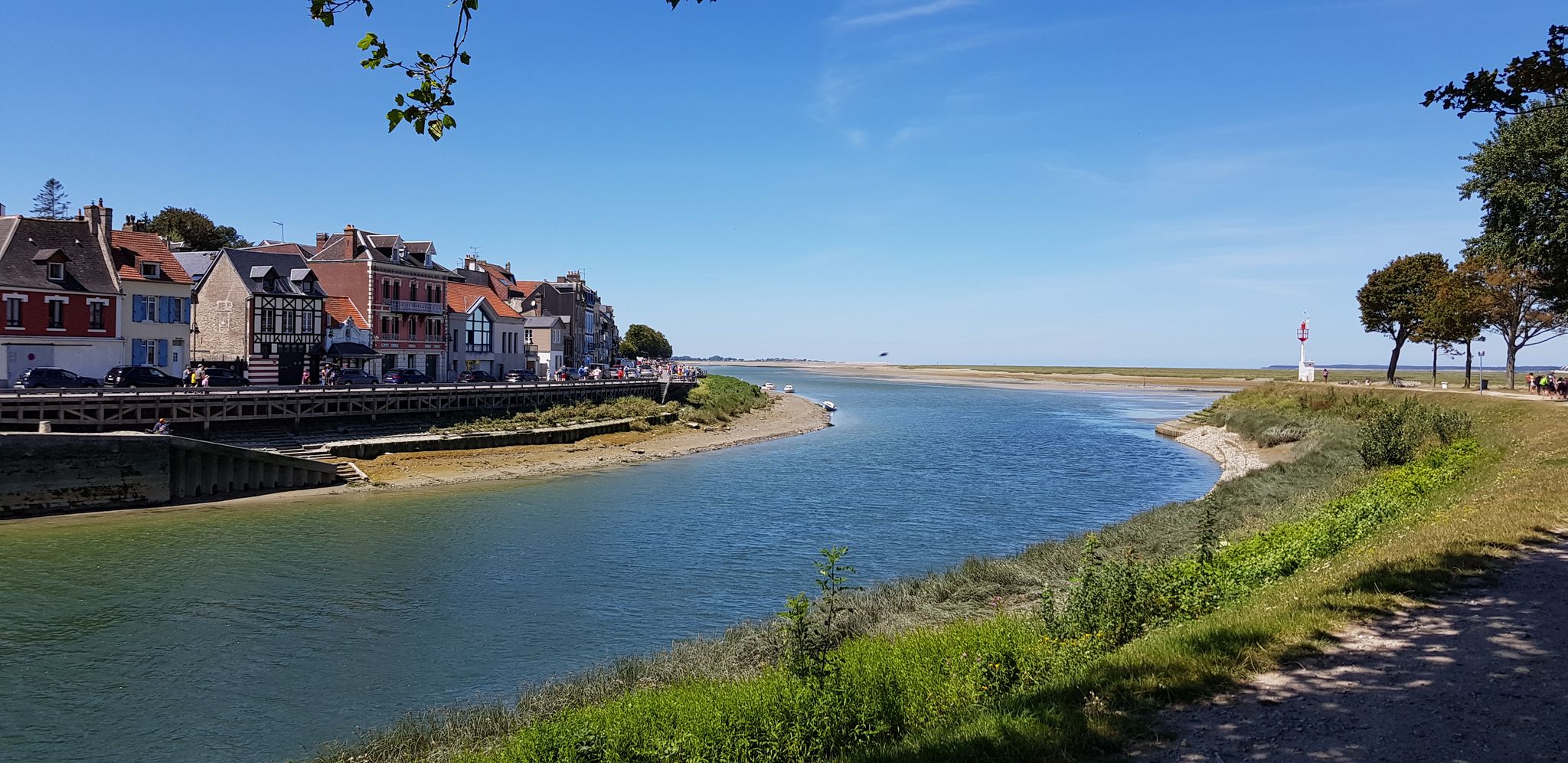
Riding the long river of Picardy — the Somme Valley Cycle Route
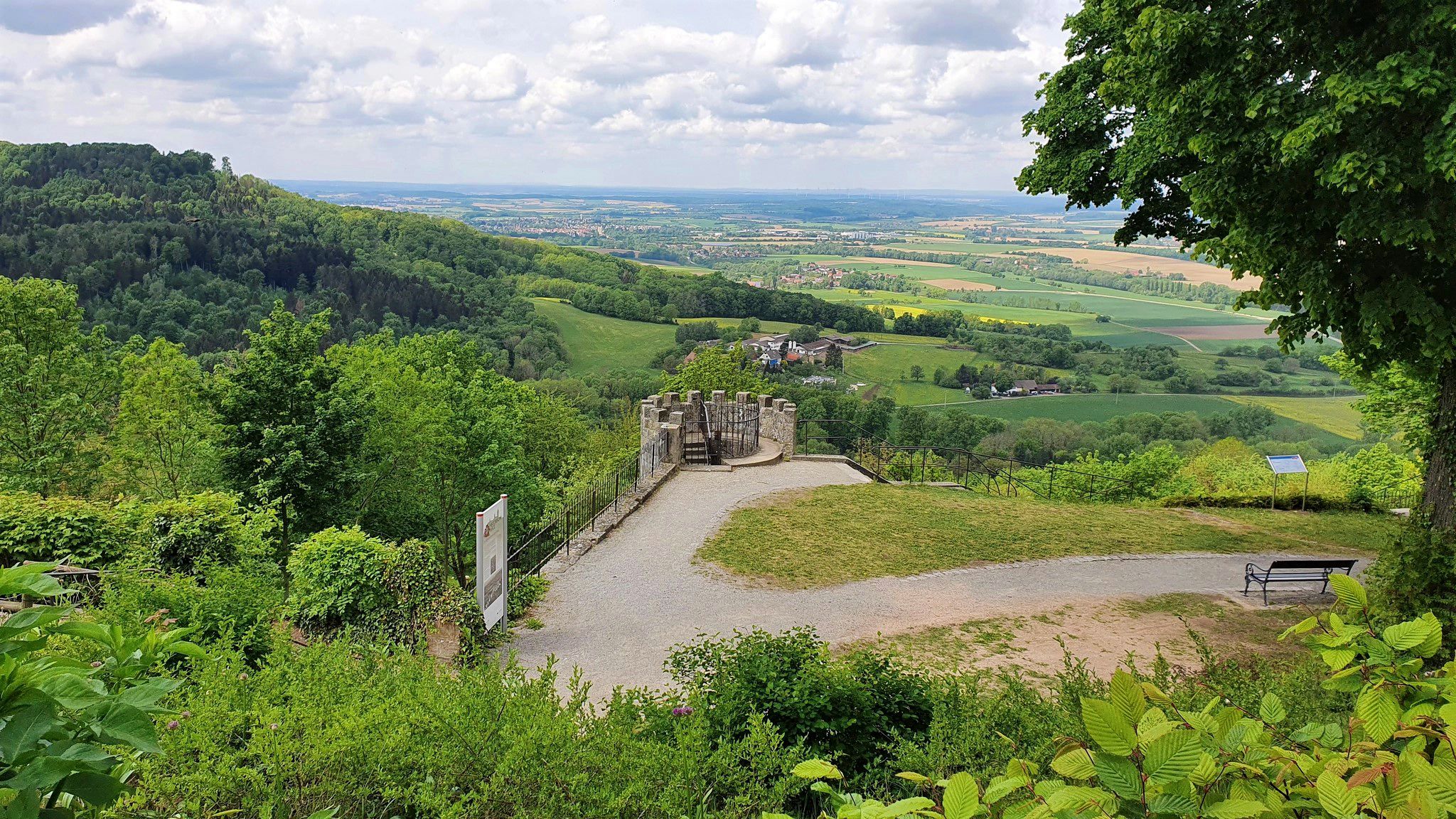
A cycling adventure from Paris to Prague – Pan-European Cycle Route
Hiking around Aisne
Running Trails around Aisne
Other adventures around Aisne


Tips from the Community


There is a trench right next to it
0
0
Great place to discover in the forest
0
0
Possibility to sit on the steps for a meal or a break. Lamp recommended
0
0

Deep beneath the Chemin des Dames plateau lies the Caverne du Dragon, a former limestone quarry that was transformed into a strategic underground fortress during the First World War. From 1915, German troops took over the cave and built dormitories, a chapel, an aid station and even an electricity network. Later, the cave was partially retaken by the French, and both armies temporarily lived side by side, separated by walls in the darkness. The name “Caverne du Dragon” (Drachenhöhle) refers to the mythical dragon from Germanic legends, inspired by the smoke that rose from the loopholes as if from the mouth of a monster. Today, the cave is a museum and memorial site, where visitors can explore the underground passages and experience the traces of soldiers’ lives in the depths.
6
0

The Dragon's Cave is a place for goosebumps. It's unbelievable how you dig in during war. An absolute highlight on the Chemin des Dames!
2
0

The Grottes des Roches de l'Ermitage are natural and artificial caves dug by erosion in the limestone rock. You can explore the two largest caves, with a length of 21 m and 36 m respectively, or admire the impressive stack of blocks which forms a large shelter on the side of the valley. The site is also rich in history and legend, as it is said to be where the Irish monk Goban settled in the 7th century and performed many miraculous healings.
2
0
The caves at the bottom of Guesot in Fontenoy are part of a natural site which includes the slopes of Port-Fontenoy and the Ru de Vaux valley. The caves are home to rare bats that hibernate there in winter, and also contain prehistoric carvings on the walls. The caves are not open to the public, so you will need to obtain special permission from the Conservatory of Natural Sites of Picardy before you can visit them. On the other hand, you can admire them from the outside while running.
2
0
Frequently Asked Questions
What historical sites can I explore among the caves in Aisne?
The Aisne region is rich in historical underground sites, particularly those related to the First World War. You can visit the Caverne du Dragon, a former limestone quarry that became a strategic underground fortress during WWI, offering insights into soldiers' lives. Another significant site is Carrières de Confrécourt, a network of underground quarries where French soldiers left sculptures and frescoes. Les Creutes de Pasly also served as shelters during WWI, featuring carvings and graffiti by soldiers.
Are there any caves with prehistoric significance in Aisne?
Yes, the caves of Le fond Guesot in Fontenoy are known to contain prehistoric carvings on their walls, offering a glimpse into ancient human activity in the region. However, these caves are not open to the general public and require special permission from the Conservatoire des Sites Naturels de Picardie for a visit.
Can I visit any troglodyte settlements in the Aisne region?
Yes, the Paissy Troglodyte Village is a notable settlement known for its cave dwellings. These homes are often enclosed in 'creutes,' which are small caves that maintain a consistent temperature year-round, making for a unique and pleasant walking experience.
What kind of natural cave formations can be found in Aisne?
The Aisne department features a mix of natural geological formations and human-modified caves. The Hermitage Rock Caves are a prime example, with natural and artificial excavations carved into limestone rock by erosion. You can explore two larger caves and admire impressive rock shelters formed by stacked blocks.
Are there any caves in Aisne known for their wildlife or ecological importance?
The caves of Le fond Guesot in Fontenoy are ecologically significant, providing a vital habitat for rare bats that hibernate there during winter. Due to their importance, public access is restricted, and special permission is needed to visit.
Are there any caves in Aisne that are easy to visit for the general public?
For general public access and ease of visit, the Caverne du Dragon is well-equipped as a museum and memorial site, offering guided tours. The Hermitage Rock Caves are also accessible for exploration, combining natural beauty with historical legends.
Do I need a permit to visit any of the caves in Aisne?
Most publicly accessible caves, like the Caverne du Dragon or Hermitage Rock Caves, do not require a special permit for entry, though some may have entrance fees or specific opening hours. However, for ecologically sensitive sites like Le fond Guesot, special permission from the Conservatoire des Sites Naturels de Picardie is required.
Are there guided tours available for any of the caves?
Yes, guided tours are available for some historical cave sites. The Caverne du Dragon offers guided experiences as part of its museum and memorial. Additionally, the Carrières de Confrécourt offer guided tours on the first Sunday of each month from April to September, which must be booked in advance.
Are there family-friendly caves to visit in Aisne?
The Caverne du Dragon is considered family-friendly, offering an educational and engaging experience about WWI history. The Paissy Troglodyte Village also provides a unique and interesting walk suitable for families, exploring ancient cave dwellings.
What outdoor activities can I do near the caves in Aisne?
The Aisne region offers various outdoor activities. You can find numerous routes for gravel biking and mountain biking. For instance, explore routes like the 'Vauclair Abbey – Lake Ailette loop' or the 'Ancient Cave or Quarry – Under the Railway loop'. You can find more details and routes in the Gravel biking around Aisne and MTB Trails around Aisne guides.
What makes the caves in Aisne unique compared to other regions?
The caves in Aisne are unique due to their significant blend of natural geological formations and profound historical importance, particularly their role as shelters and strategic sites during the First World War. Many are former quarries transformed by human activity, bearing witness to past conflicts and ancient life, alongside natural formations and ecological habitats.
What should I wear when visiting caves in Aisne?
When visiting caves, it's generally advisable to wear comfortable shoes with good grip, as surfaces can be uneven or damp. Even in summer, cave temperatures are consistently cool, so bringing a light jacket or sweater is recommended. For sites like Les Creutes de Pasly or Le fond Guesot (if permitted), a flashlight is essential as lighting can be minimal.
Most popular routes around Aisne
Most popular attractions around Aisne

Get inspired with the komoot mobile app


